
Chile produces some outstanding wines and holds the distinction of being one of the only countries to avoid the phylloxera blight that destroyed most of the European vines in the mid-1800s. Chile, having planted their vineyards with pre-phylloxera European stock, now has some of the oldest and most coveted vines in the world.
We definitely wanted to sample wines while in Chile and sought out some tours and tastings in the nearby Pirque and Maipo Valley. We didn’t want to go on a tour with a large group of people, as we prefer to move at our own pace, so we decided to try and organize it ourselves.
Not booking with a tour company made the process of getting a reservation at a winery difficult. The wineries in Chile are not located near each other as they are some places like Napa where you can just hop from tasting to tasting. Chilean wineries are spread miles apart on slow and winding country roads. Our bookings required many emails, phone calls, and text messages being exchanged over the course of days before eventually finding two wineries in close proximity with available and compatible times making for a nice day of tours and tastings.
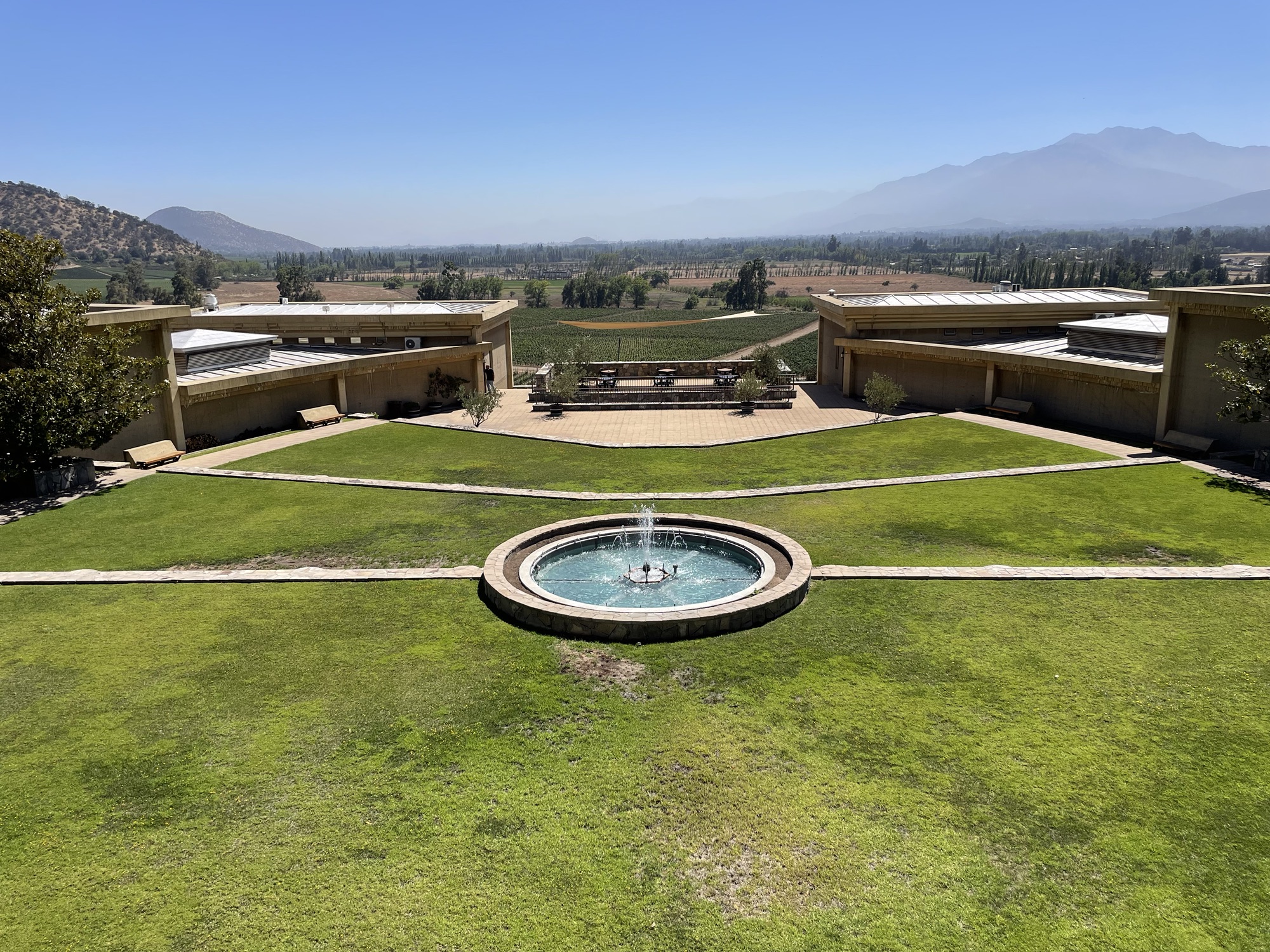
We hired a driver to take us to Pirque and Maipo Valley and started our day at Viña Haras de Pirque, a equestrian-themed winery with a rich history of horse racing and wine producing. The winery itself is shaped like a horseshoe, as are the vineyards, a natural result of growing their vines on the slopes of the valley while keeping the middle of the land open for other crops and their horses.
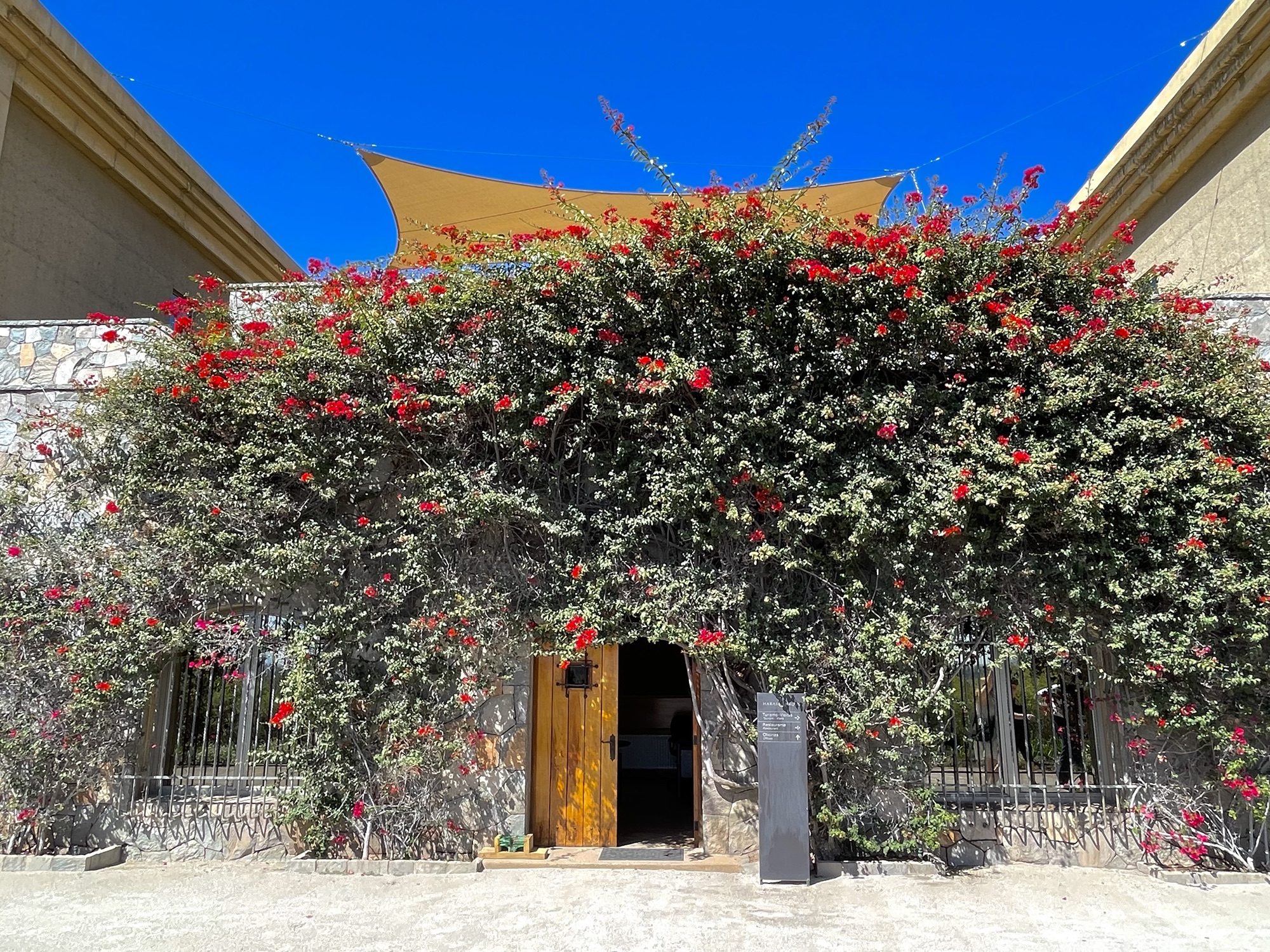
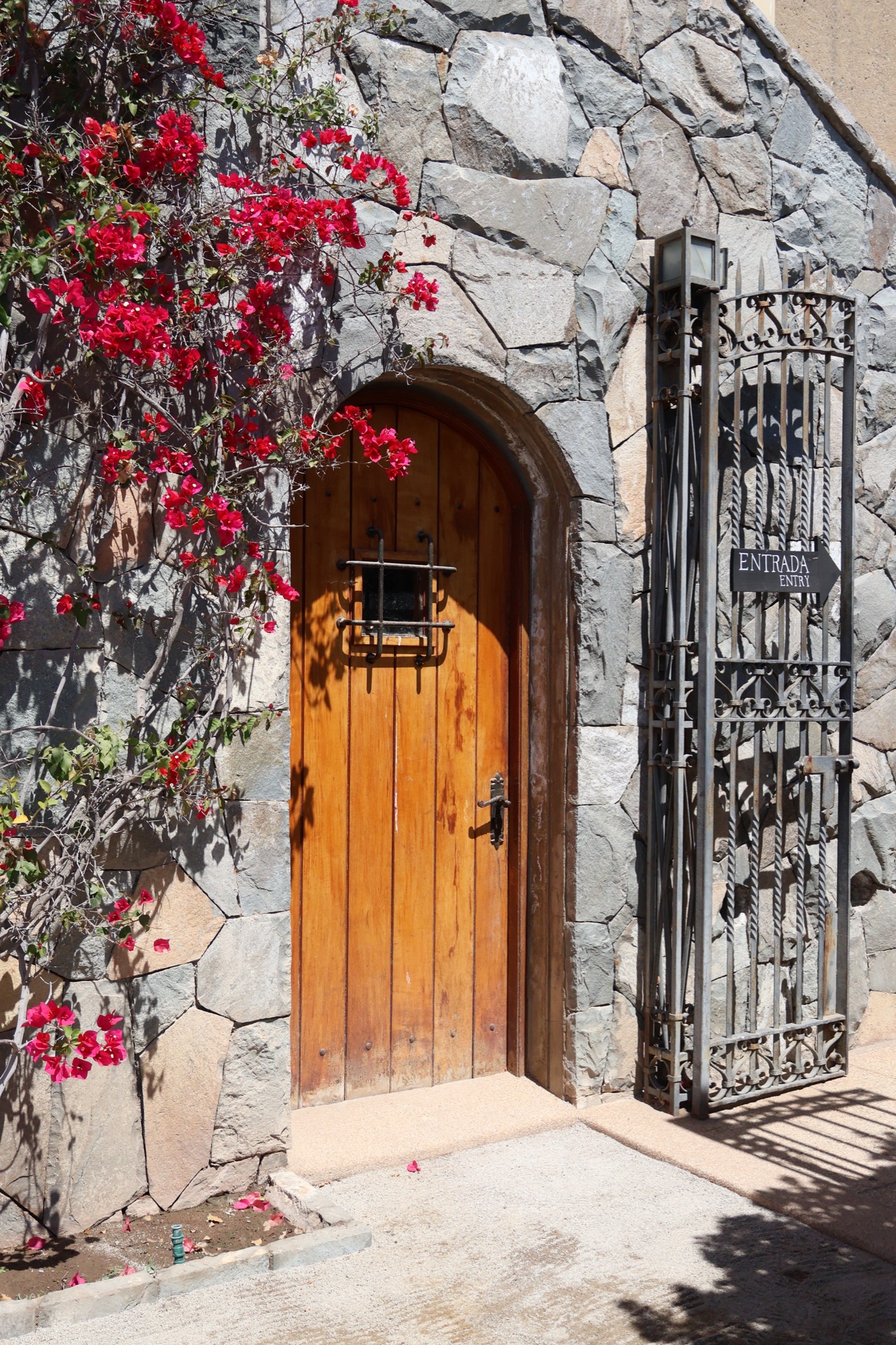



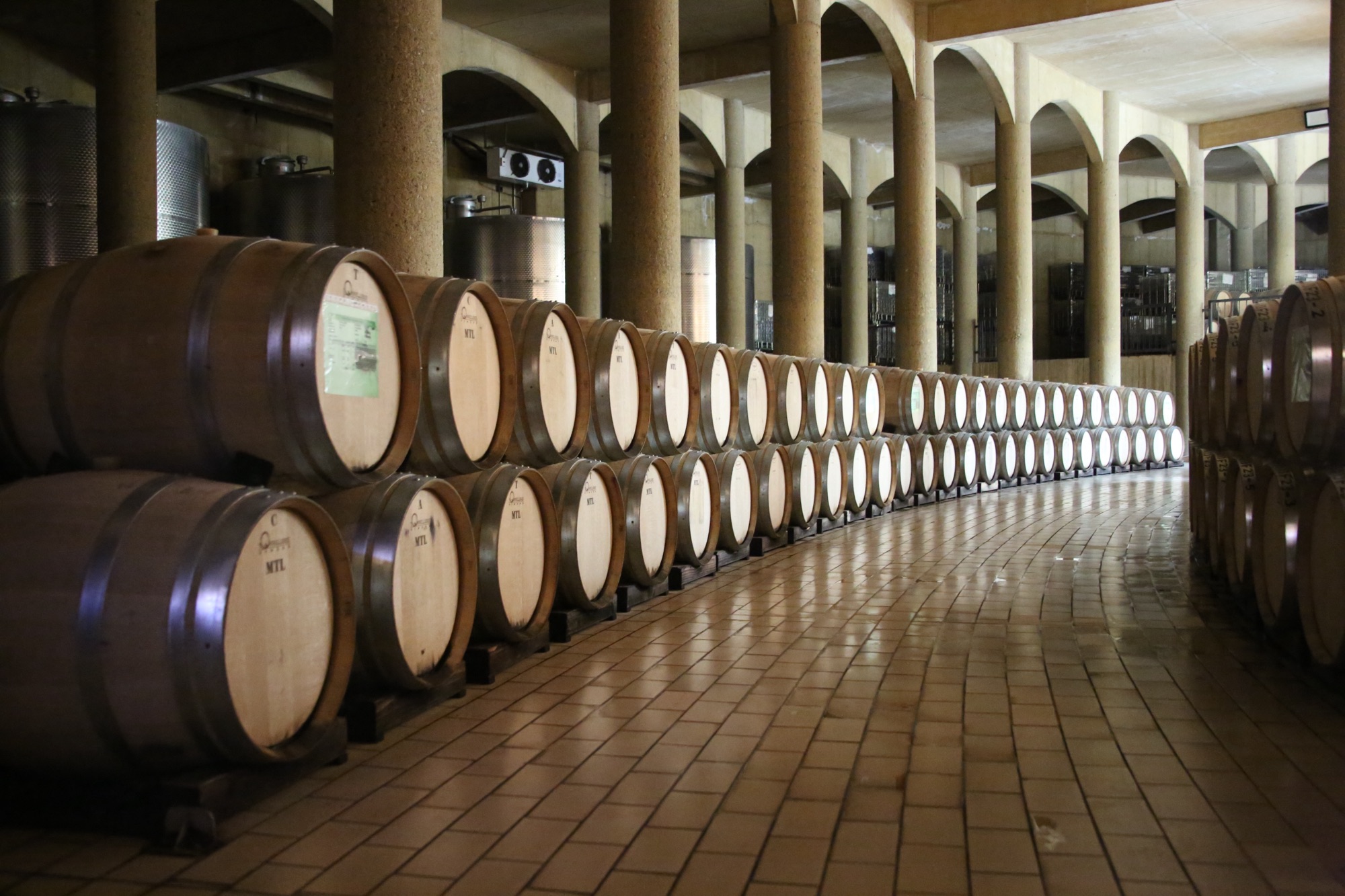
We booked a private tour, but could have easily booked a public one. We were the only people there as today was the Monday that marked the end of the Chilean summer. Nevertheless, the tour was nice and informative, and the structure of the building interesting as the horseshoe-shaped building was built into the side of the mountain, stepped and sloped to provide natural gravity to drain and clean tanks and catch and reuse precious water. The tour took us into the relatively small production facility where we learned how they make their trademark whites and reds.
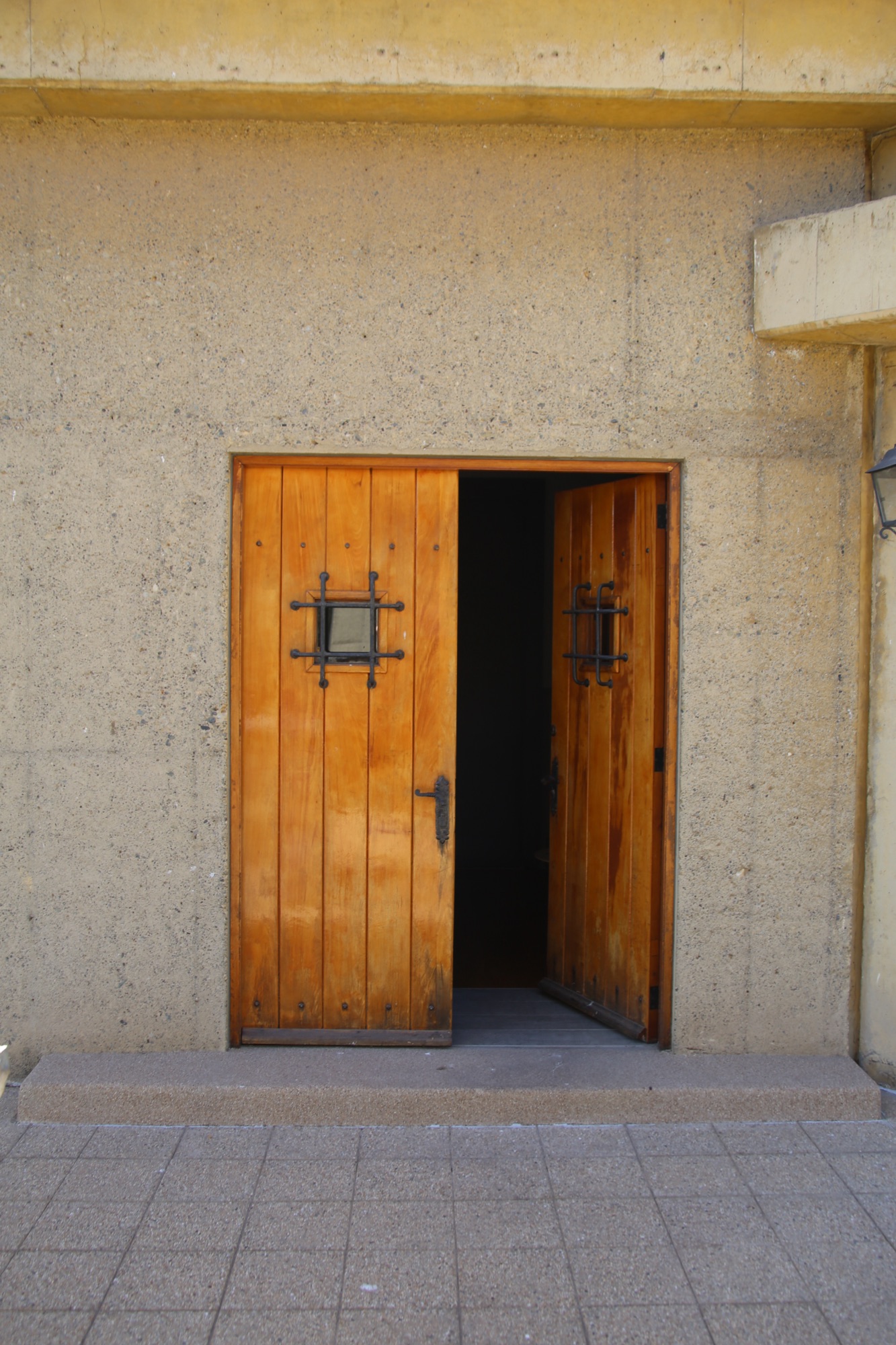


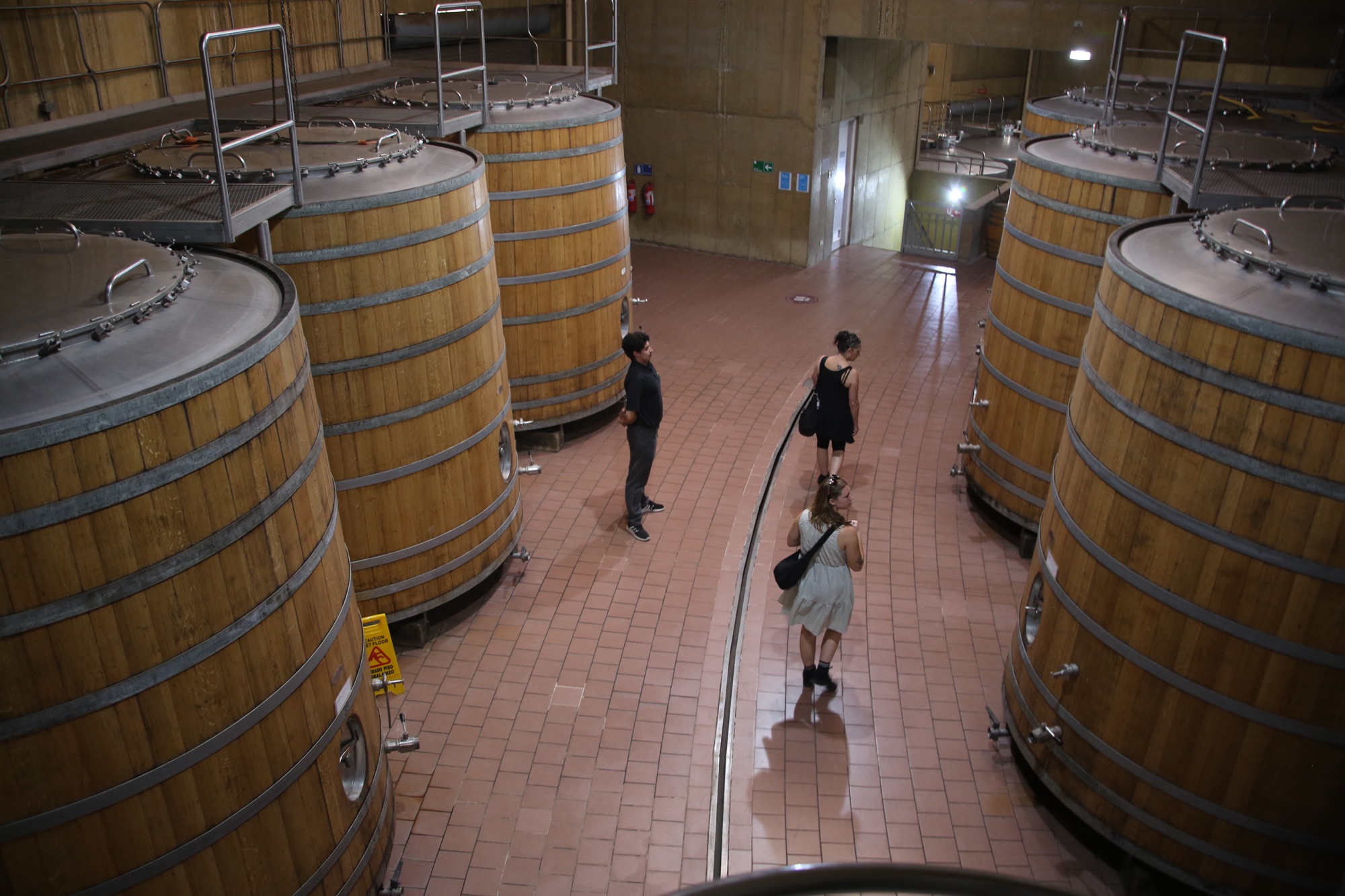


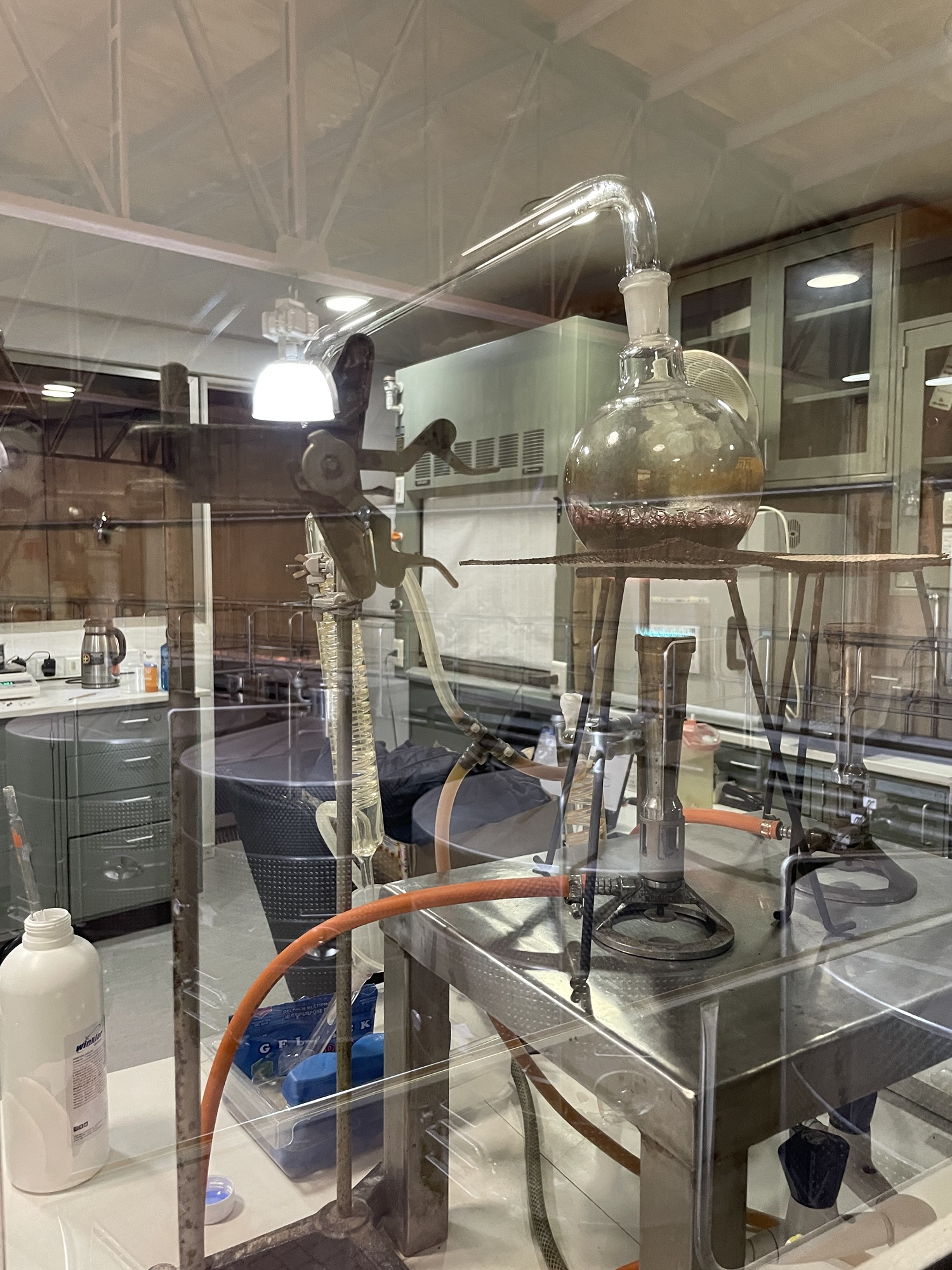

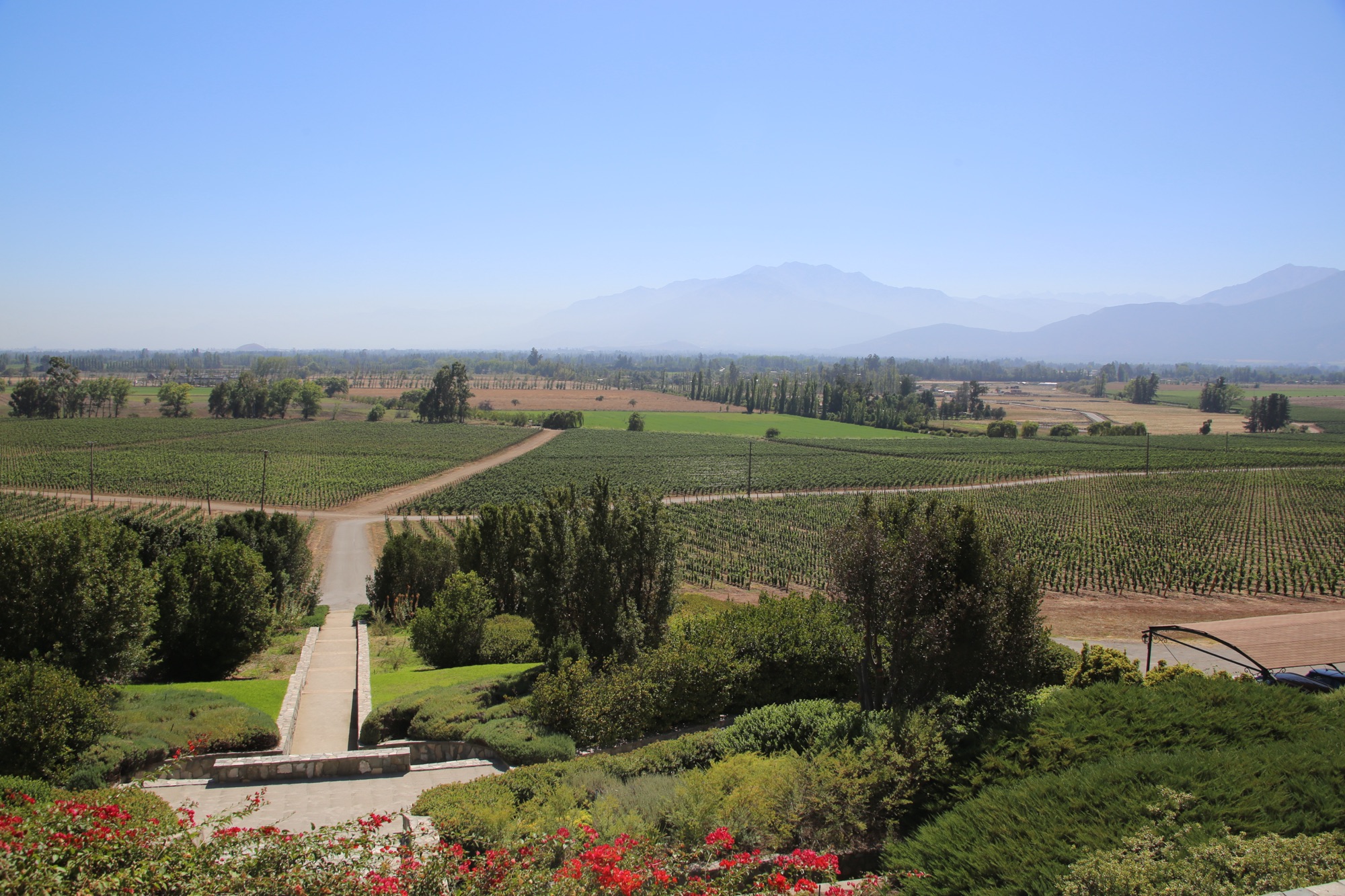
The tour took us to the apex of the horseshoe-shaped building with a stunning view of the valley below and a fountain that appears in the middle of the grounds and serves as the skylight for the cavernous cellar and tasting room below.
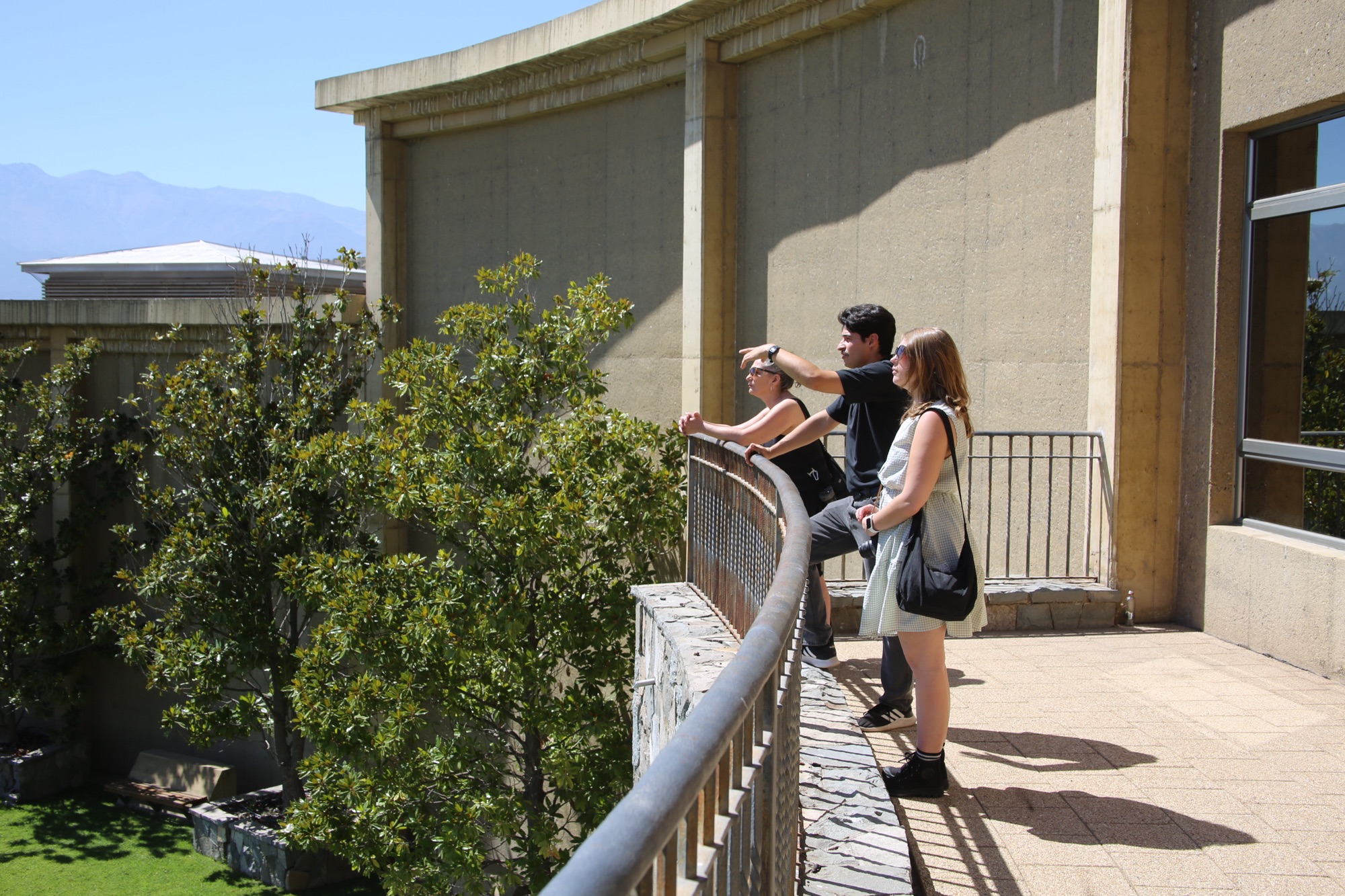
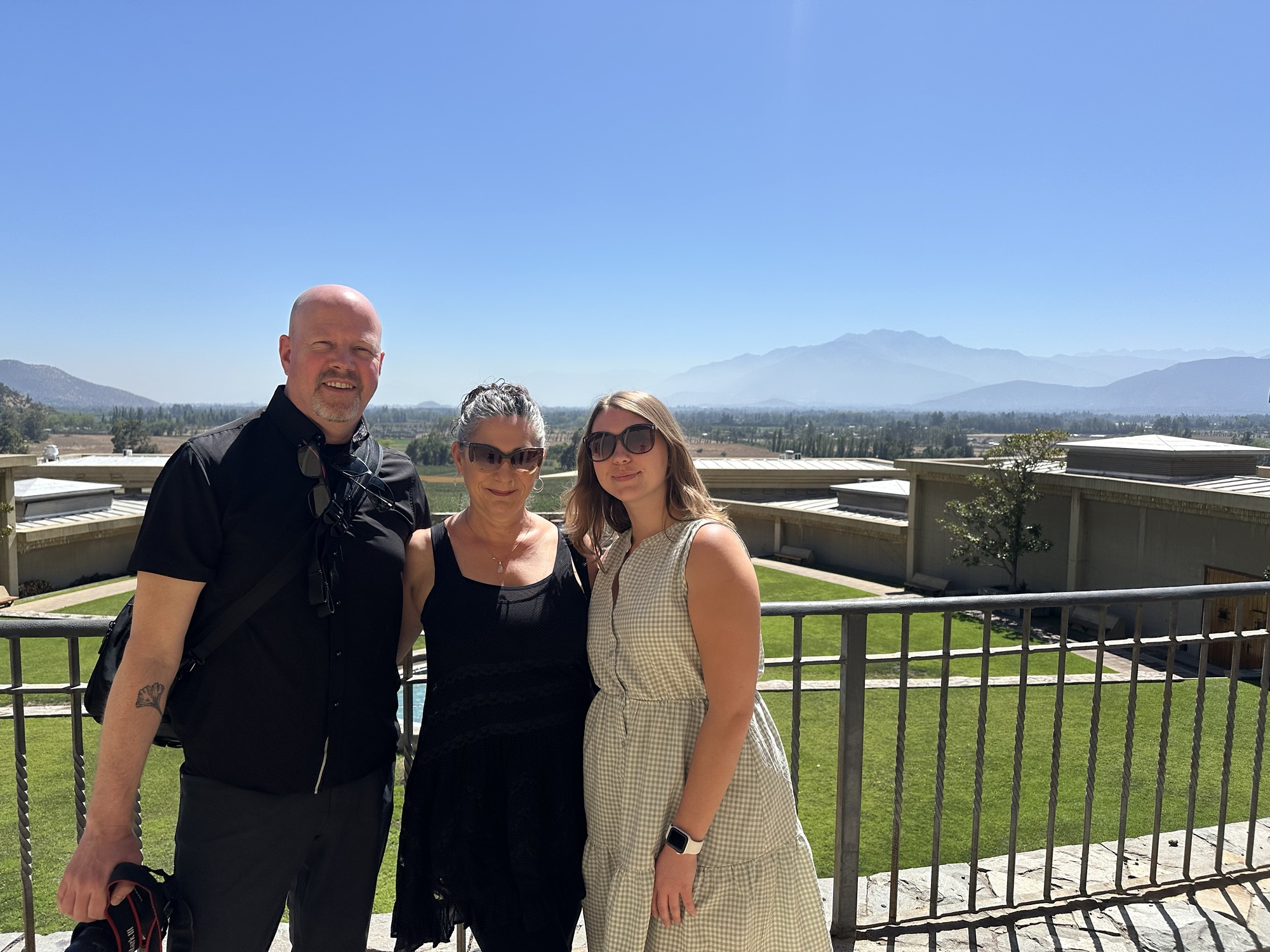
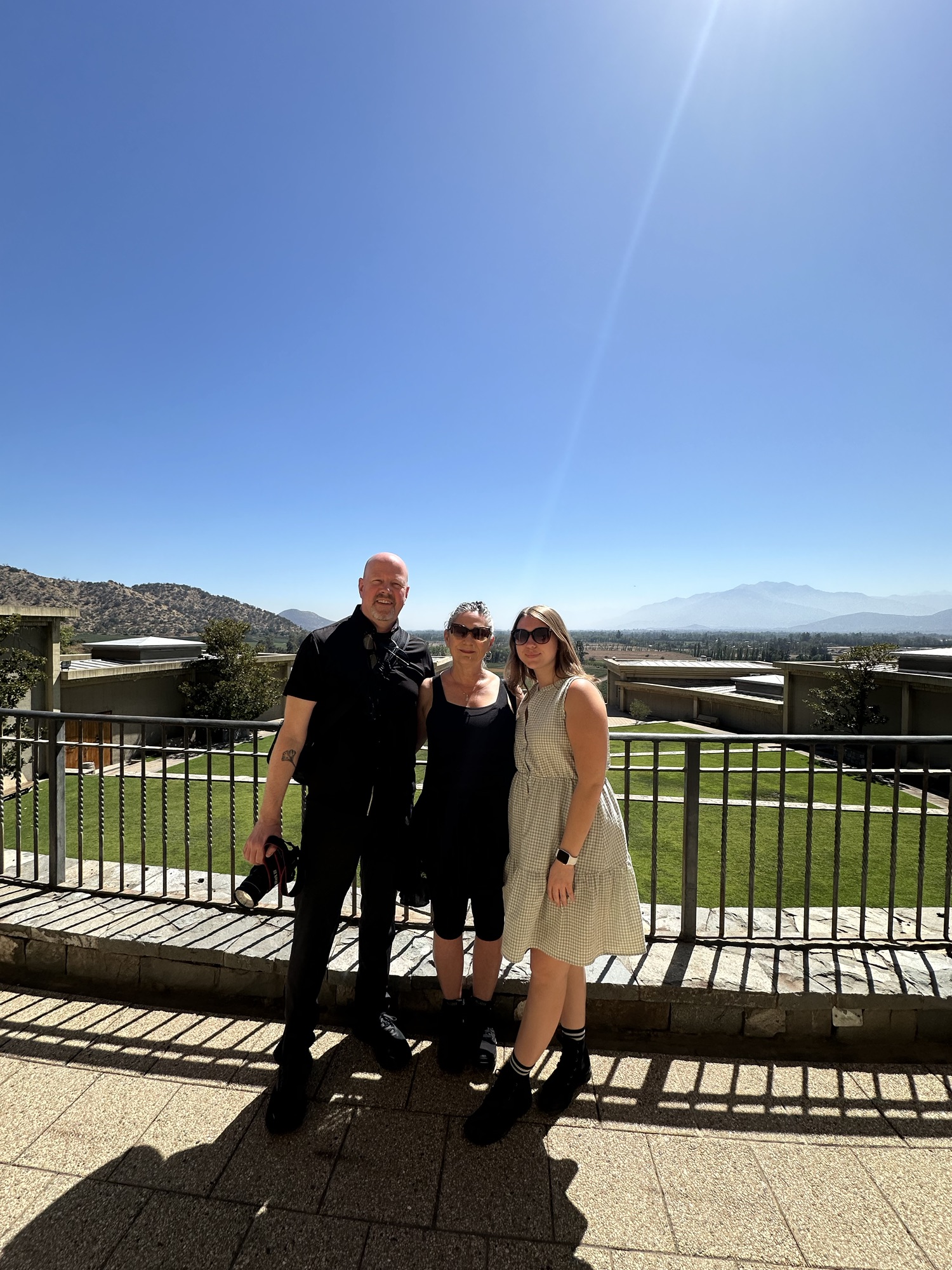


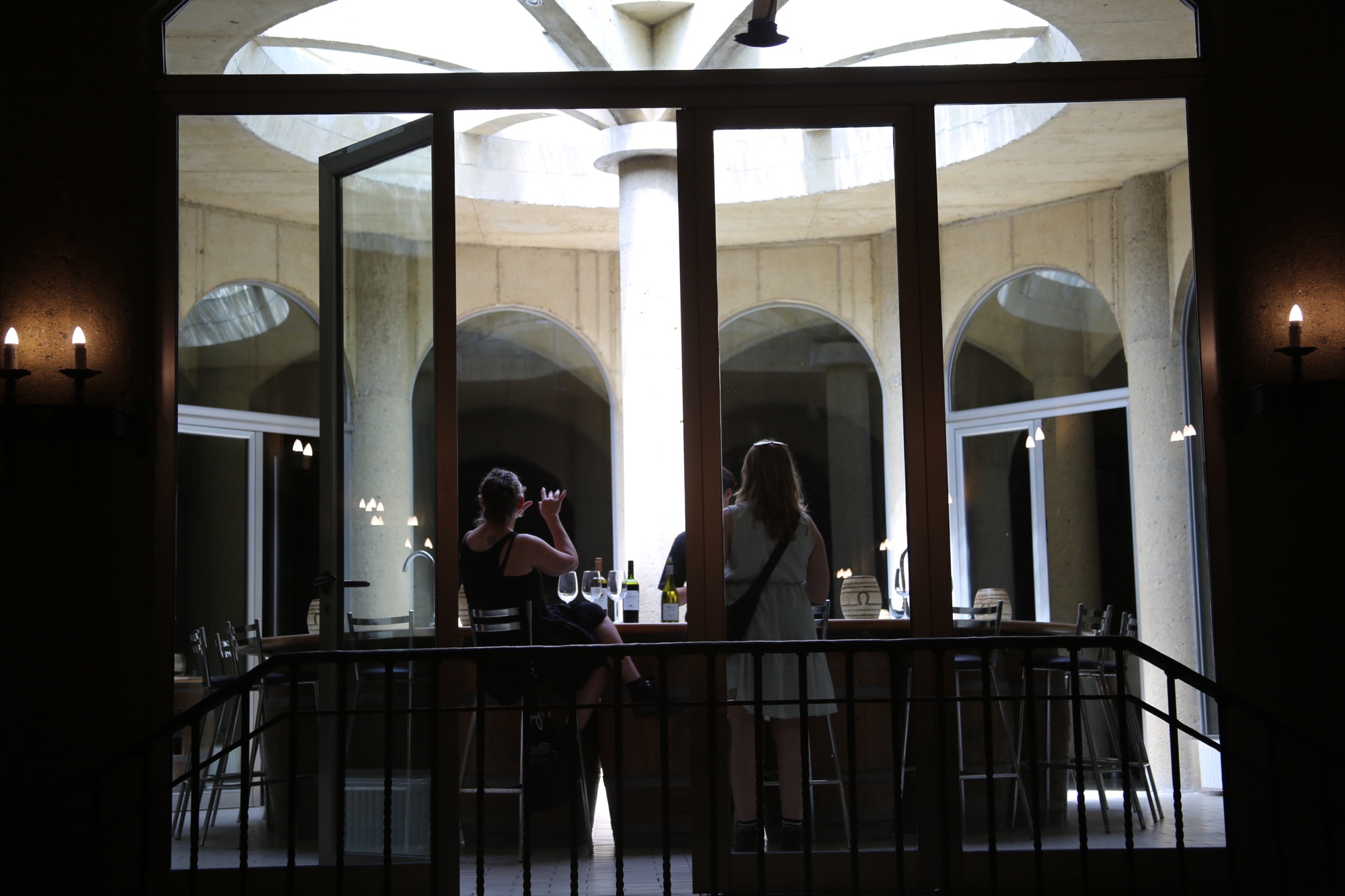

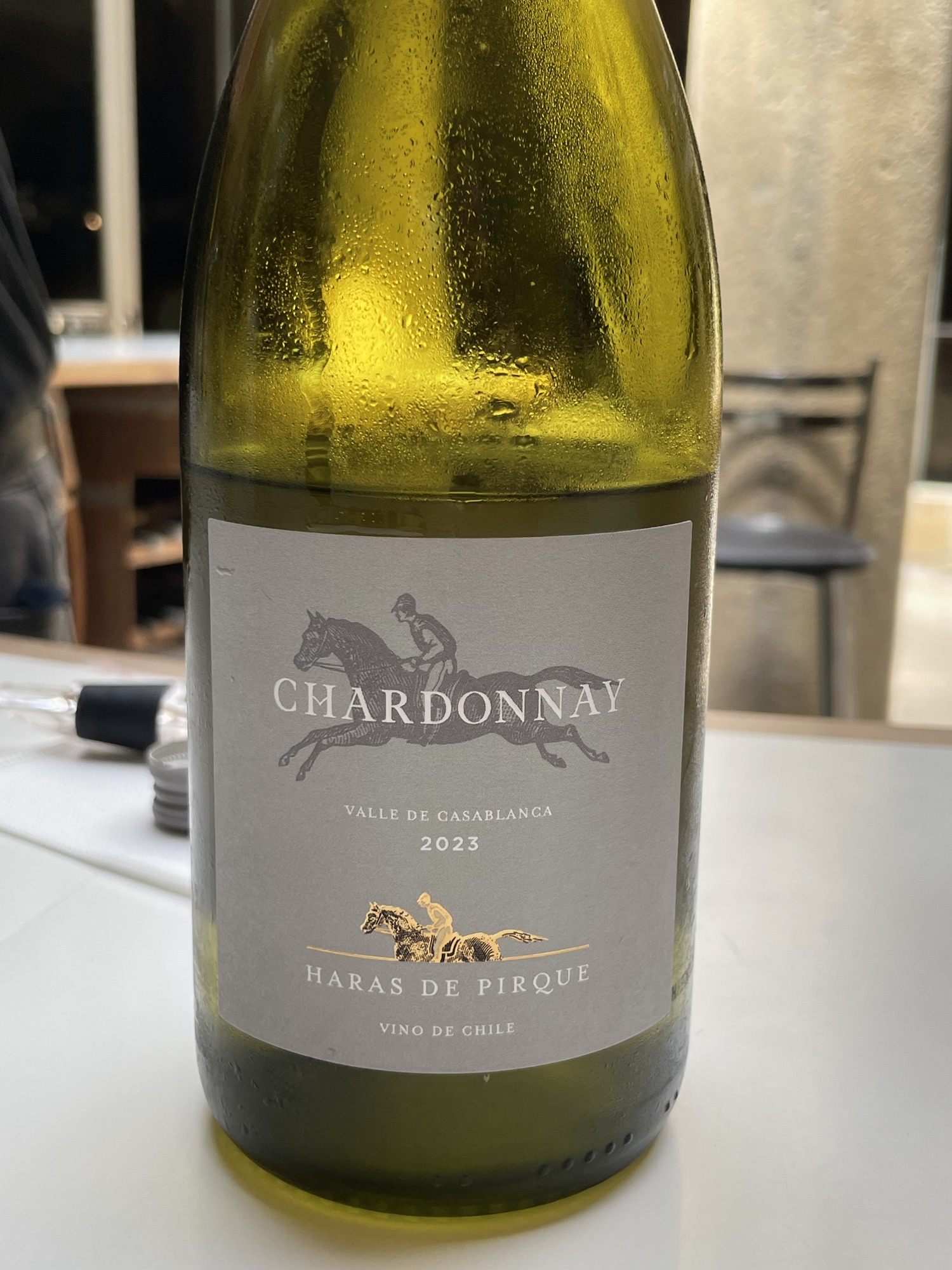
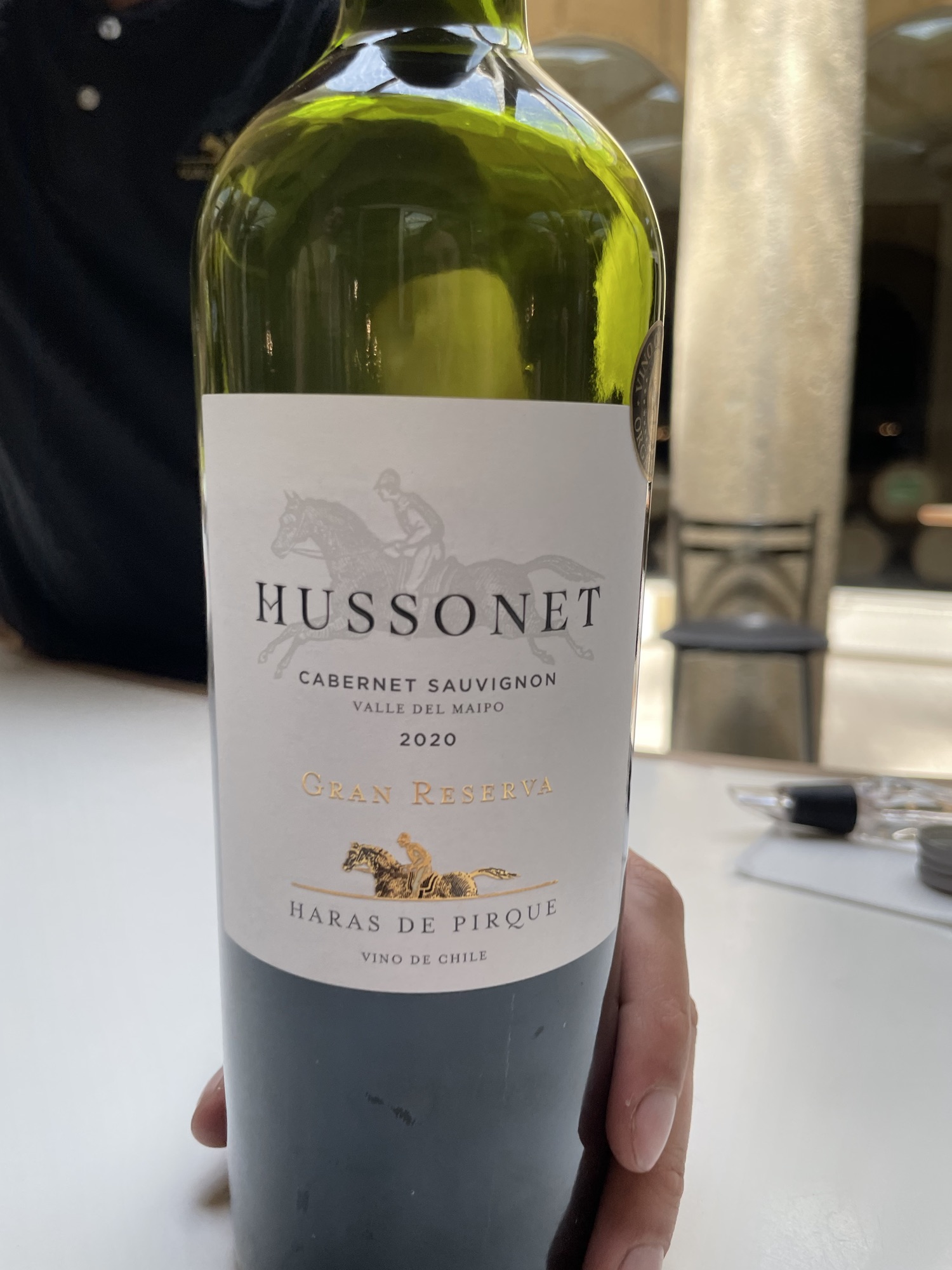

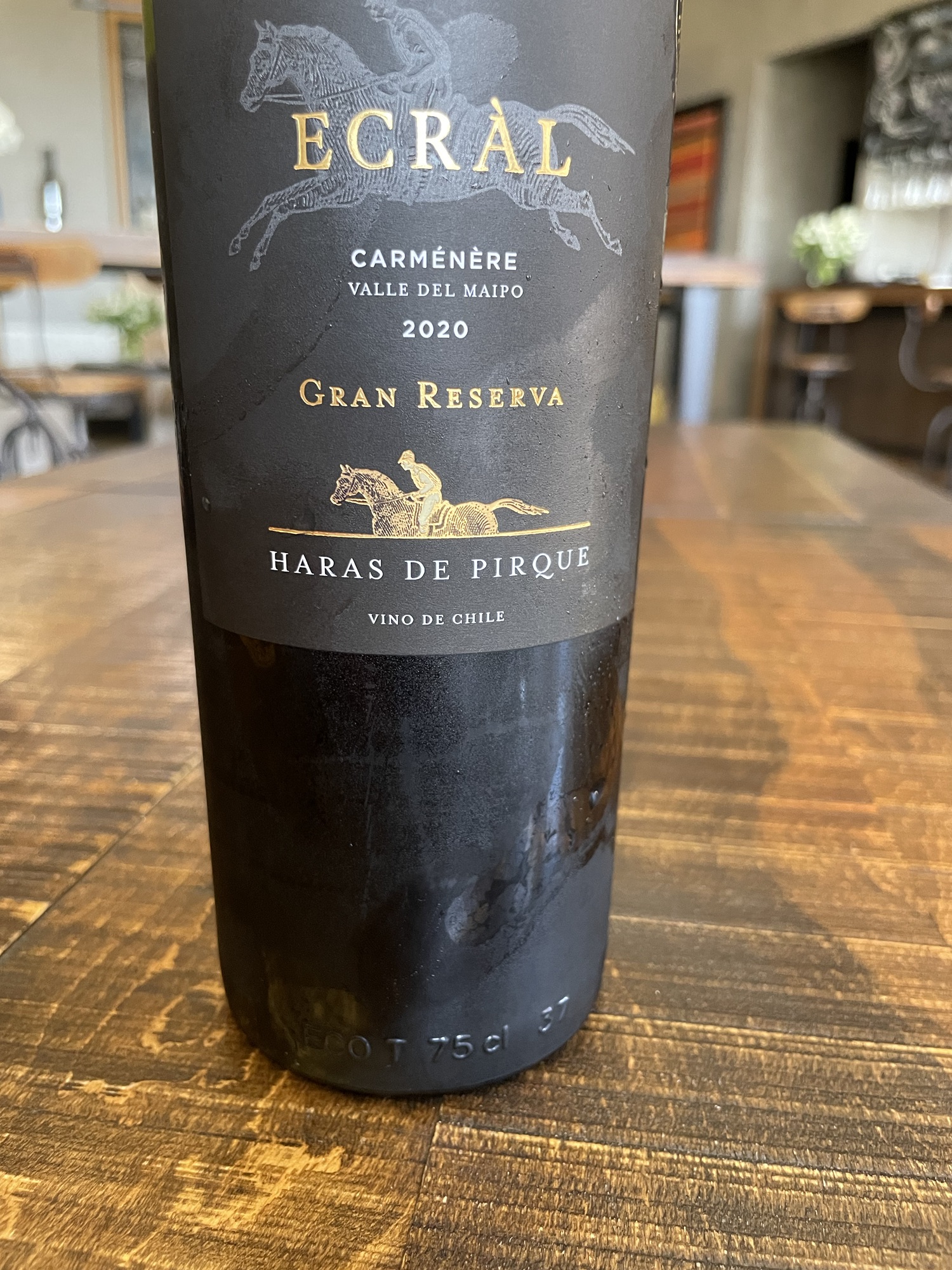


All the wines were quite good, and we each had our favorite. Most of the wines at Viña Haras de Pirque are exported to China, Korea, and to a lesser extent Europe and the United States, but the premium wines we were tasting were unlikely to be found at home. Even so, given our traveling in Chile we couldn’t really carry wine with us everywhere we were going, so we had an extra glass of carménère while there, relaxed and took into the view of the Andes, and the Pirque and Maipo Valley.
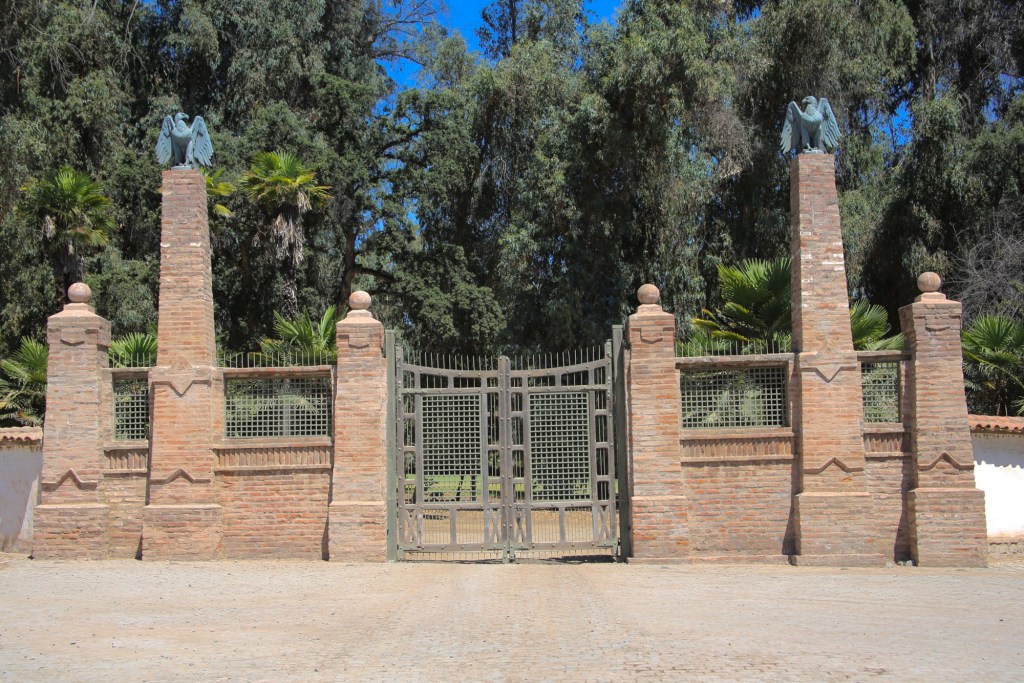
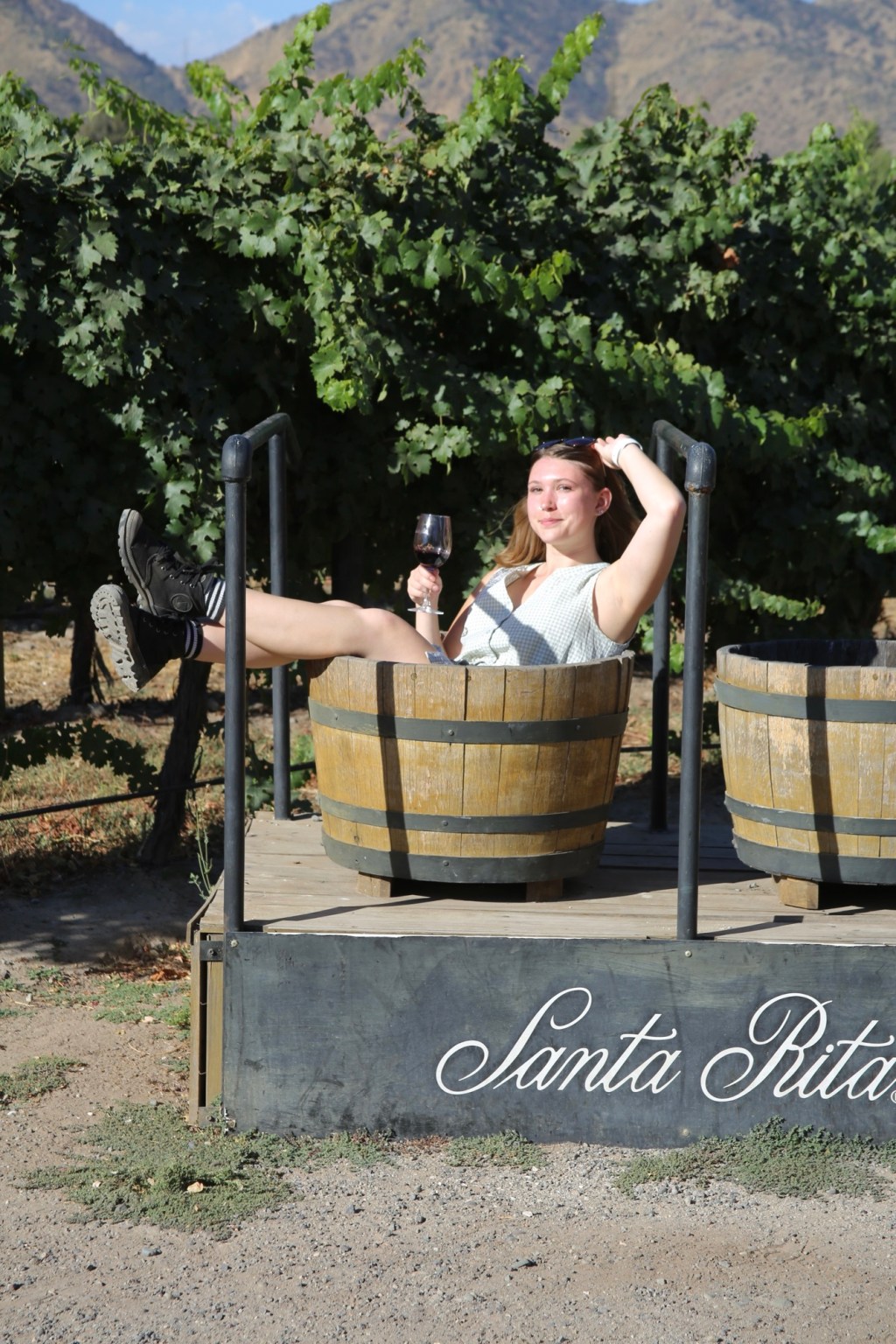
Our next stop was Viña Santa Rita, one of the oldest wineries in Chile, founded in by Don Domingo Fernández Concha in 1880. The property has an interesting history, especially the involvement of the pre-winery owner Doña Paula Jaraquemada who in 1814 took in 120 Chilean patriots who were in retreat from their fighting for independence from the Spanish and helped nurse them back to health.
It is also the place (coincidentally at Viña Carmen – the adjacent vineyard which is a part of Santa Rita) where it was discovered that carménère still existed. Once thought extinct due to the phylloxera blight it was discovered that what was mistakenly thought to be a type of “Chilean merlot” was actually the carménère grape varietal. Chile now boasts some of the best carménère vintages in the world and one of our favorites.
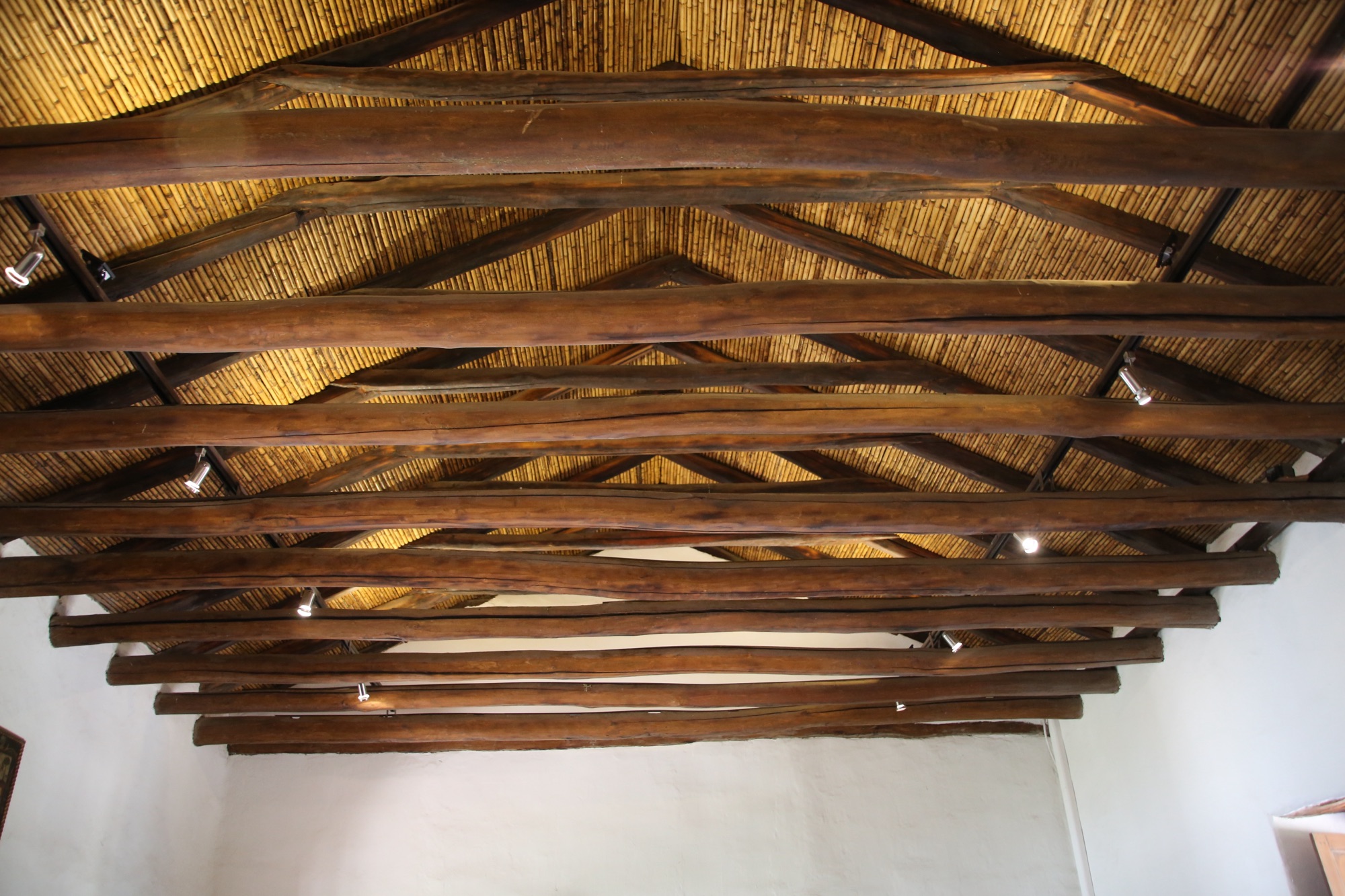
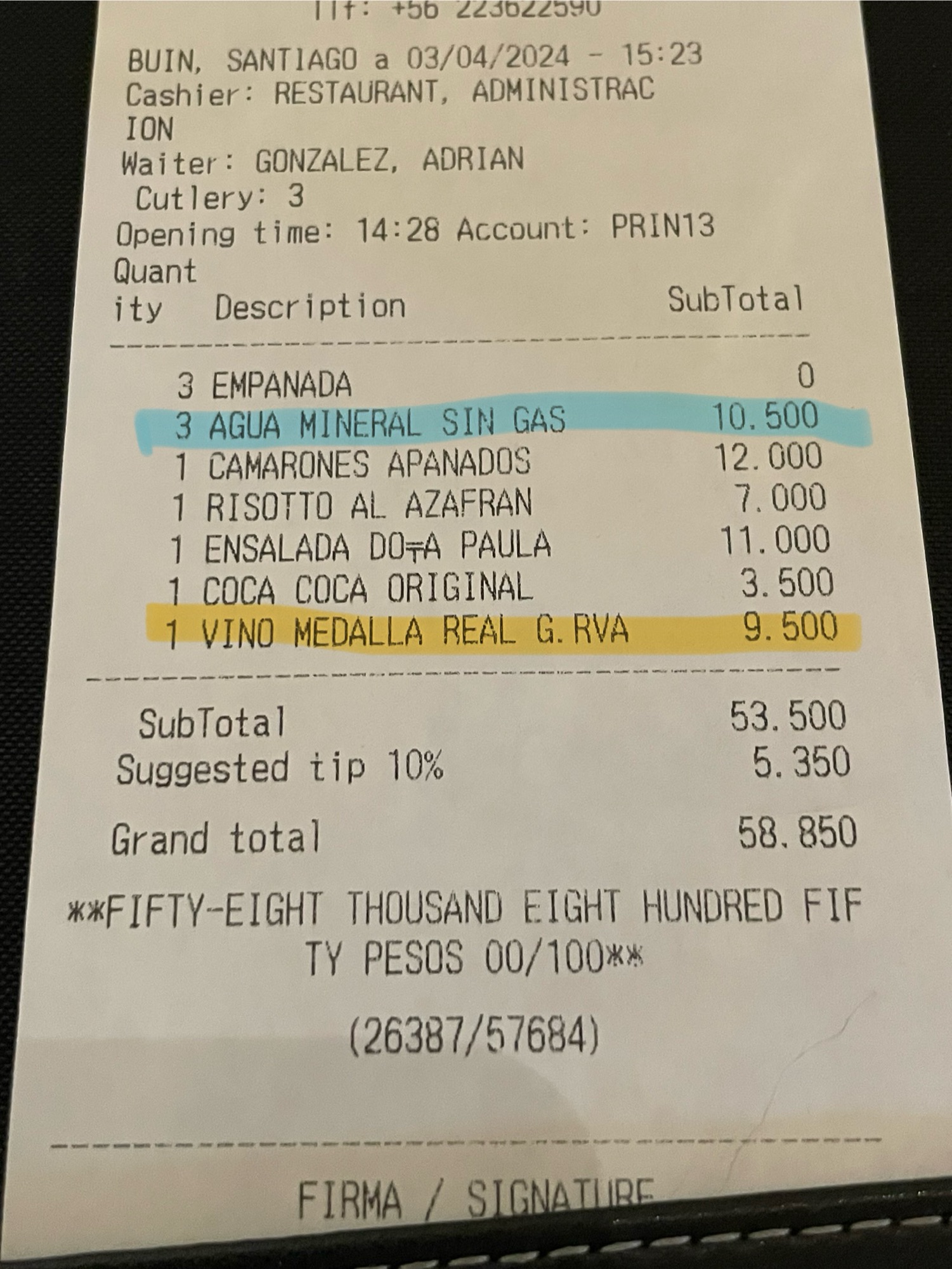
We had booked a 90-minute premium tour here but it didn’t start until 4:00 and we had arrived about two hours early. That gave us time to take our lunch in the rustic 1780s building that used to be the home of Doña Paula (her portrait still adorns the wall) and is now the namesake of the Doña Paula Restaurant where the bottle of wine we bought cost less than the 3 small waters we ordered.
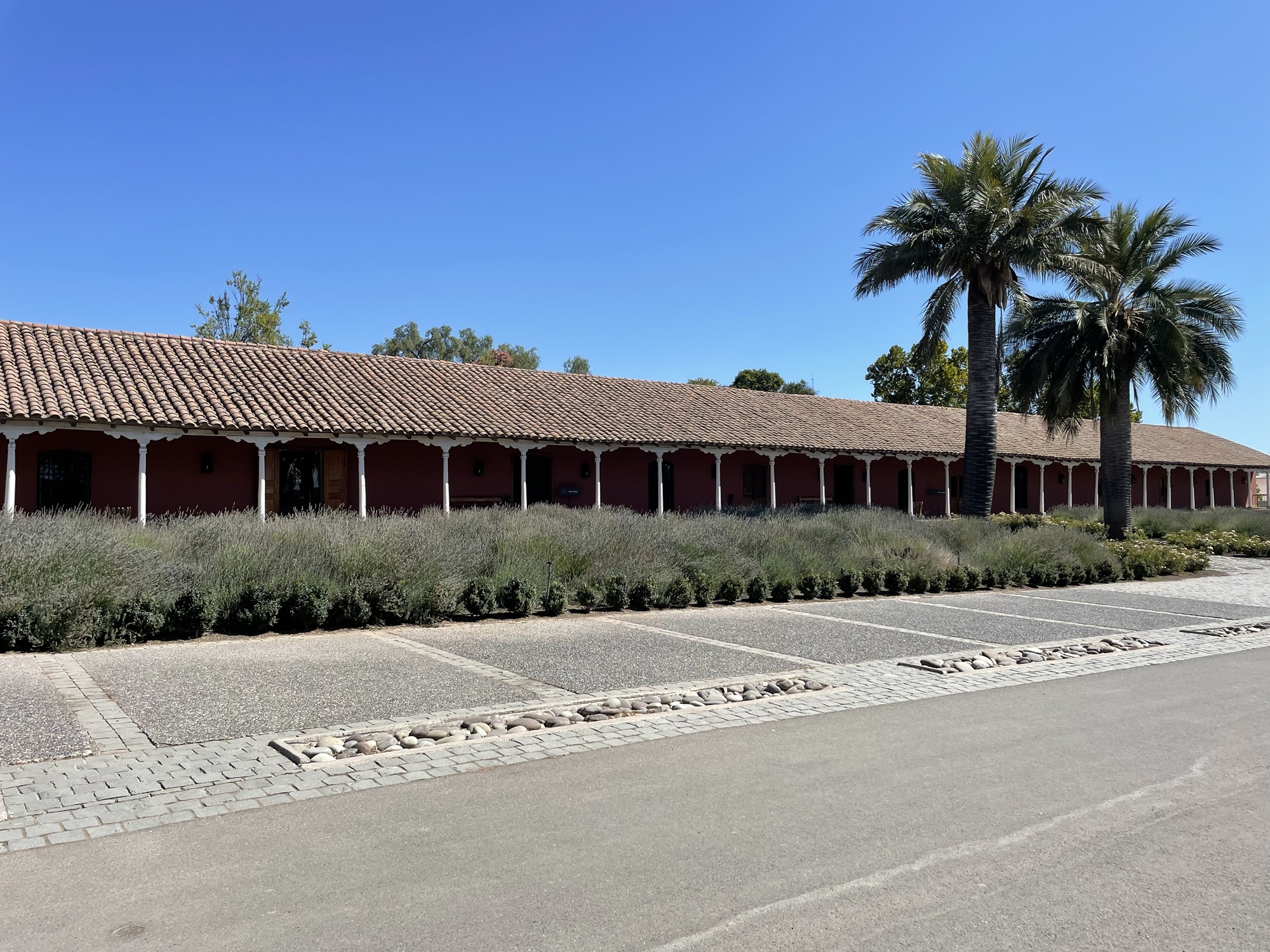
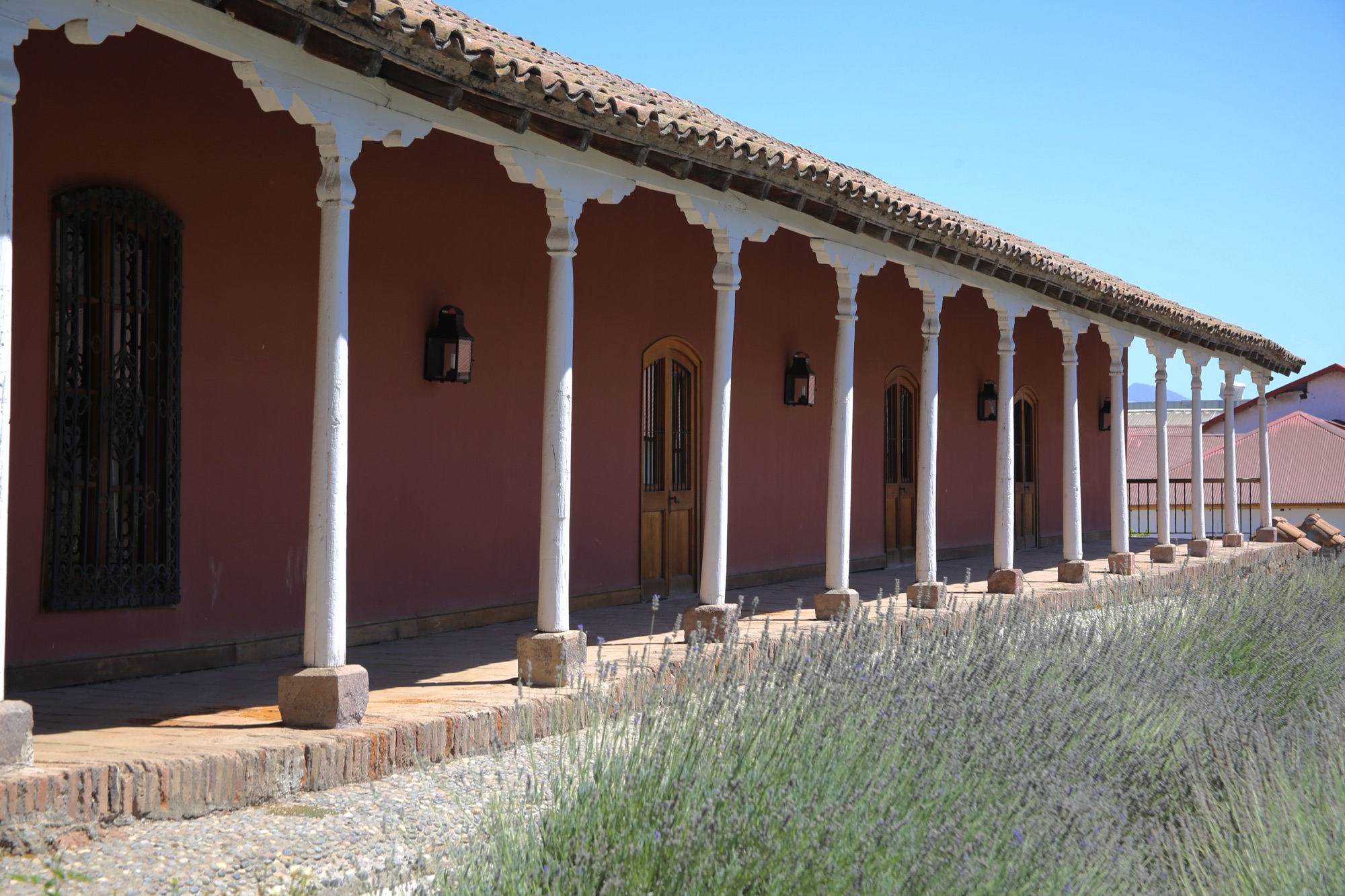


Our tour was at the peak heat of the day, and at near 90 degrees and a UV index of 11, it was a hot walk around the estate grounds. The estate had beautiful gardens, Roman baths, a stunning chapel adjacent to the estate mansion which now serves as a hotel.
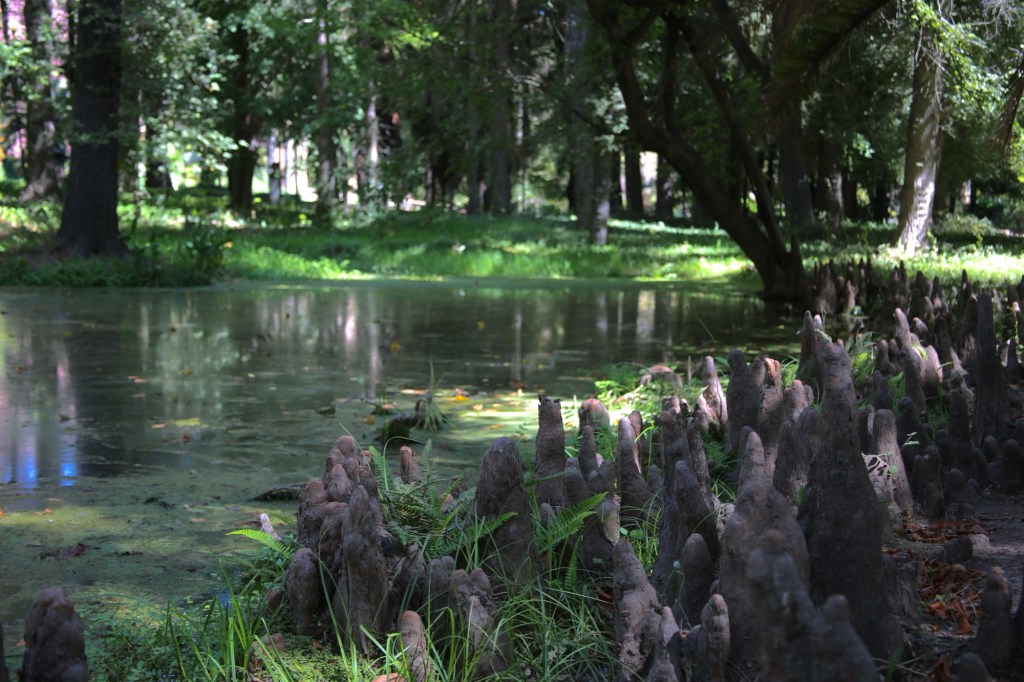


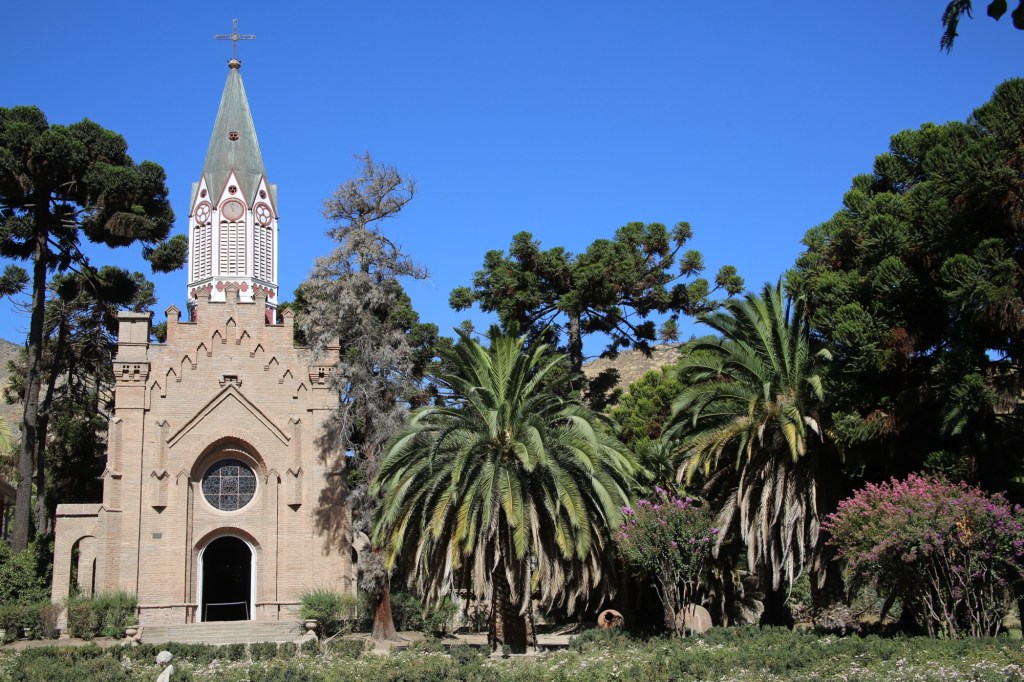


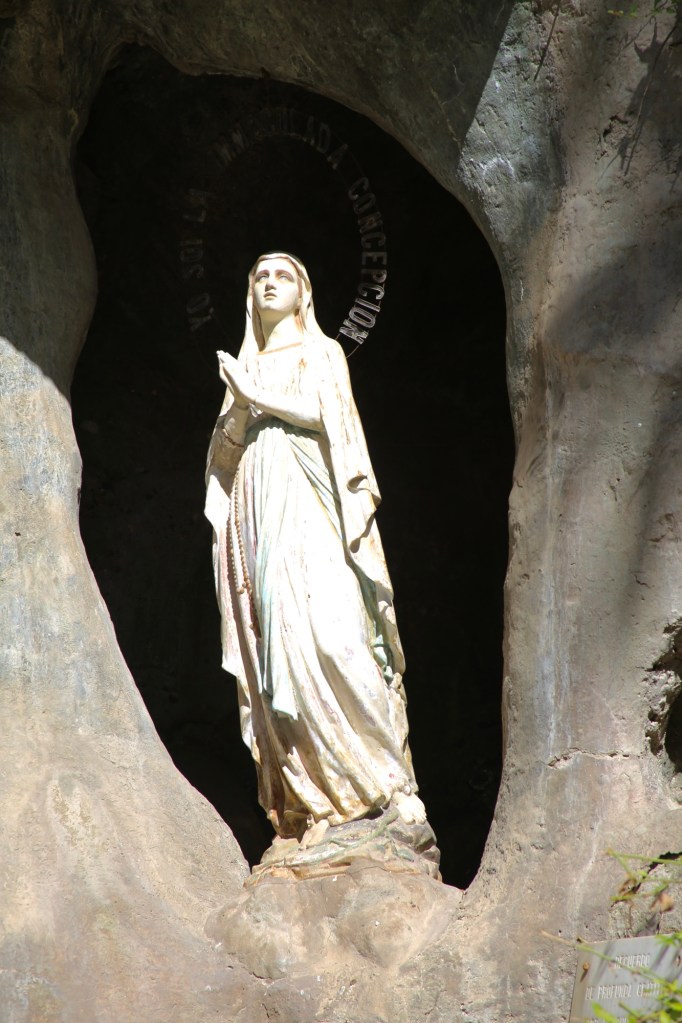


We walked back from the gardens to tour the production facilities and were surprised to learn that Santa Rita winery produces some 80,000,000 bottles a year! Wines here range from about $3.5 – $150 a bottle.

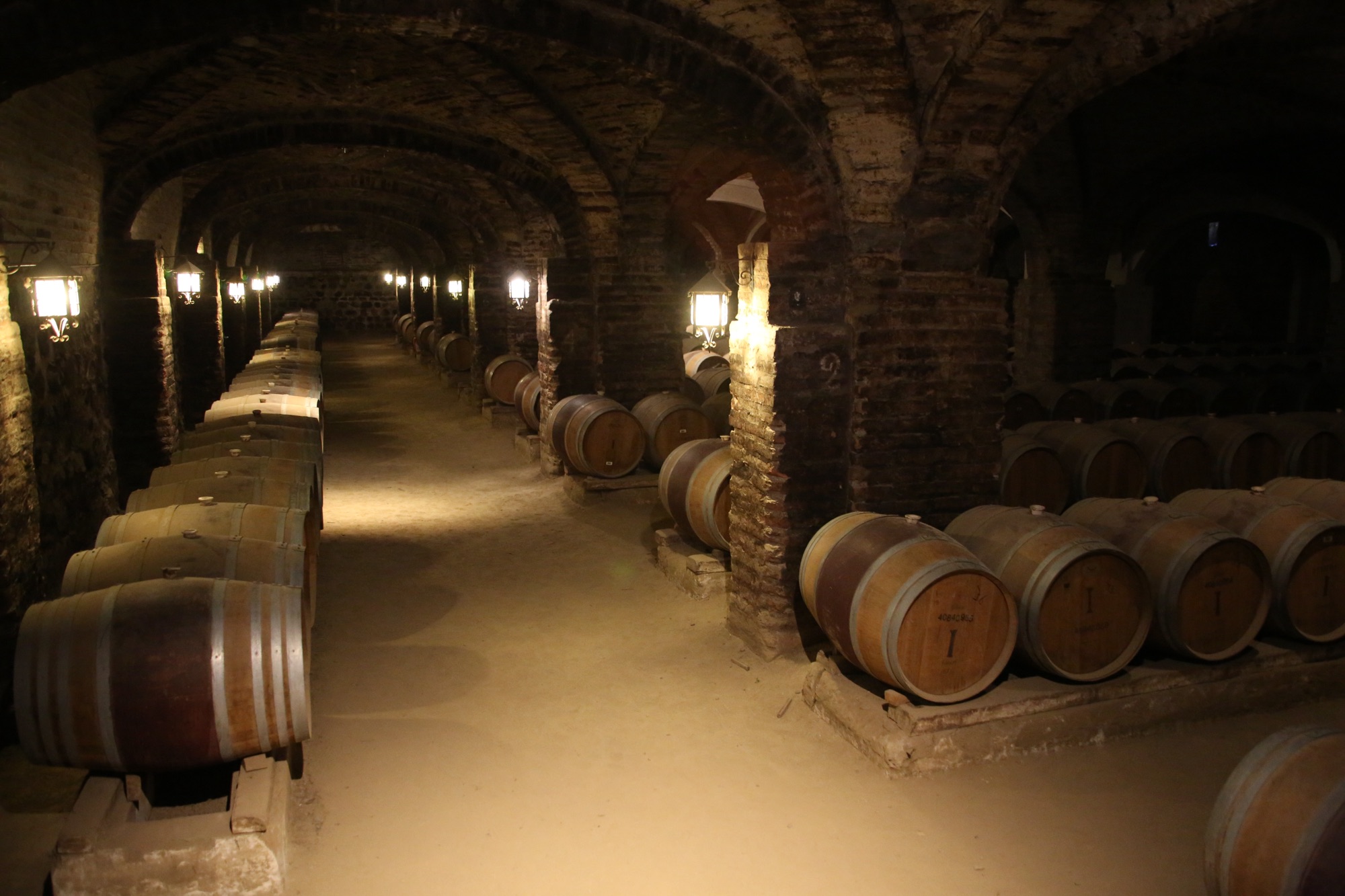
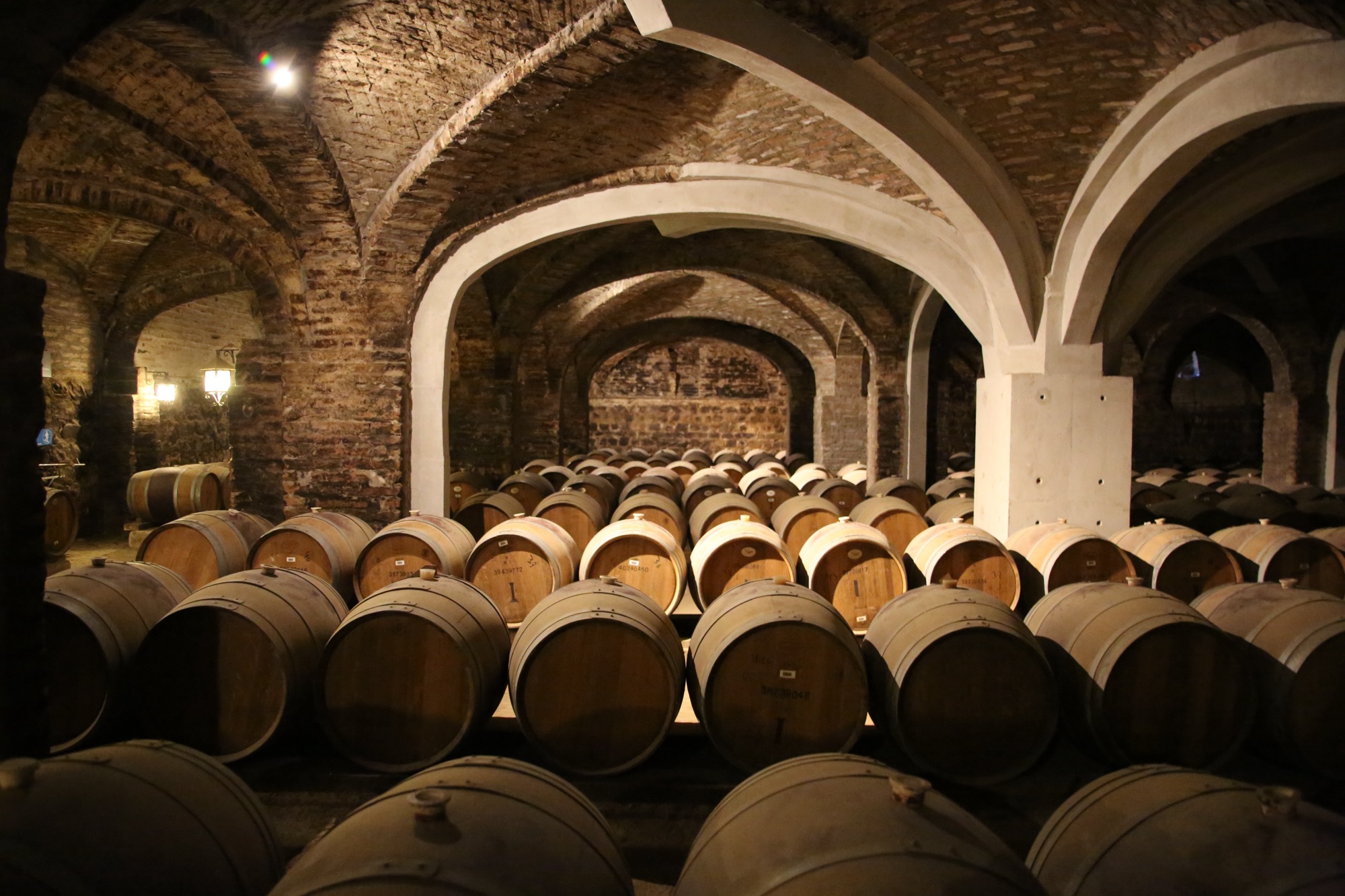


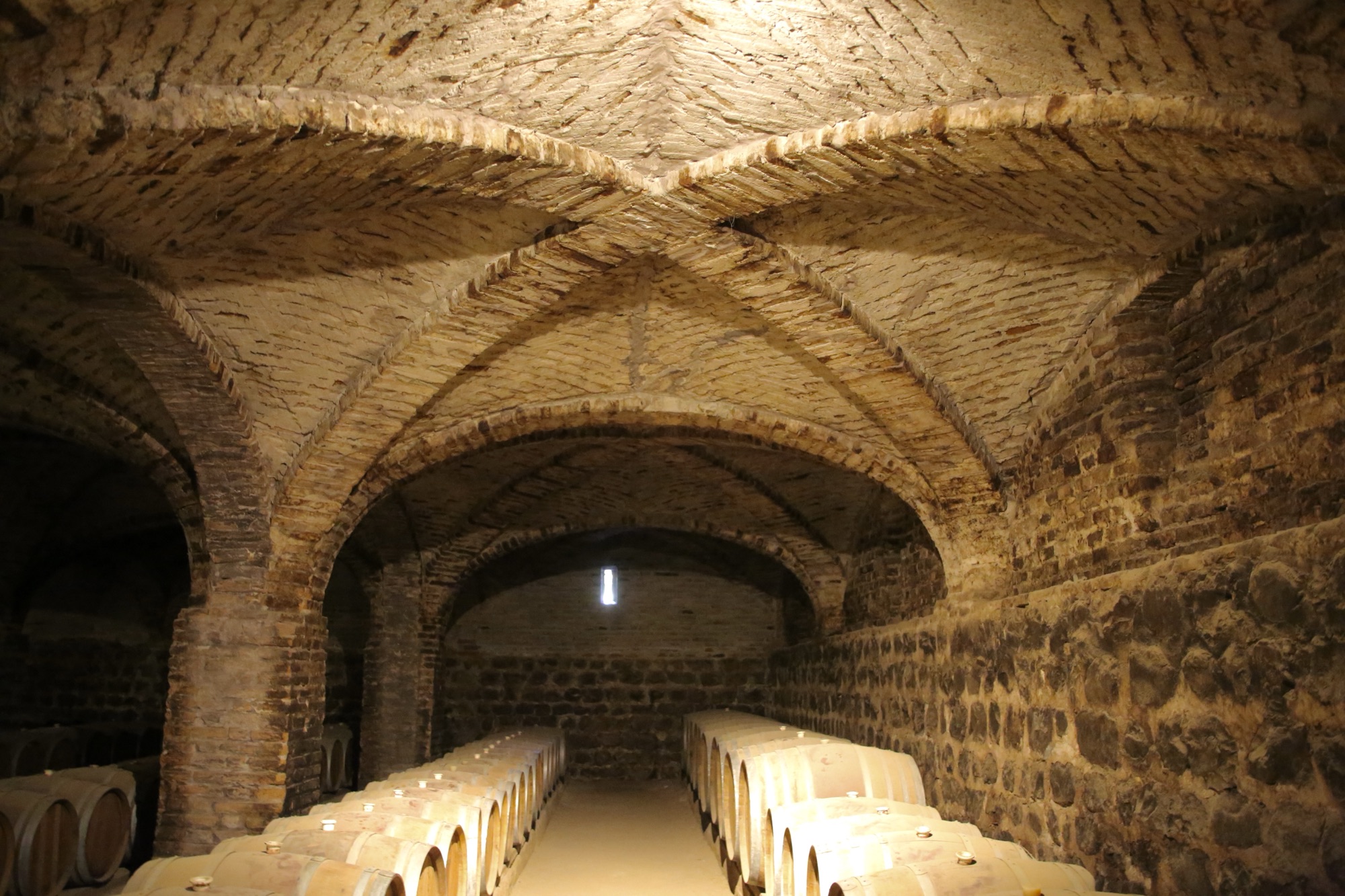
From the high-tech factory hidden inside an old and modest building, we descended into the cellar for our tasting but first we had to visit a diorama of Doña Paula Jaraquemada and a few of the 120 soldiers she helped in the fight for Chilean independence.
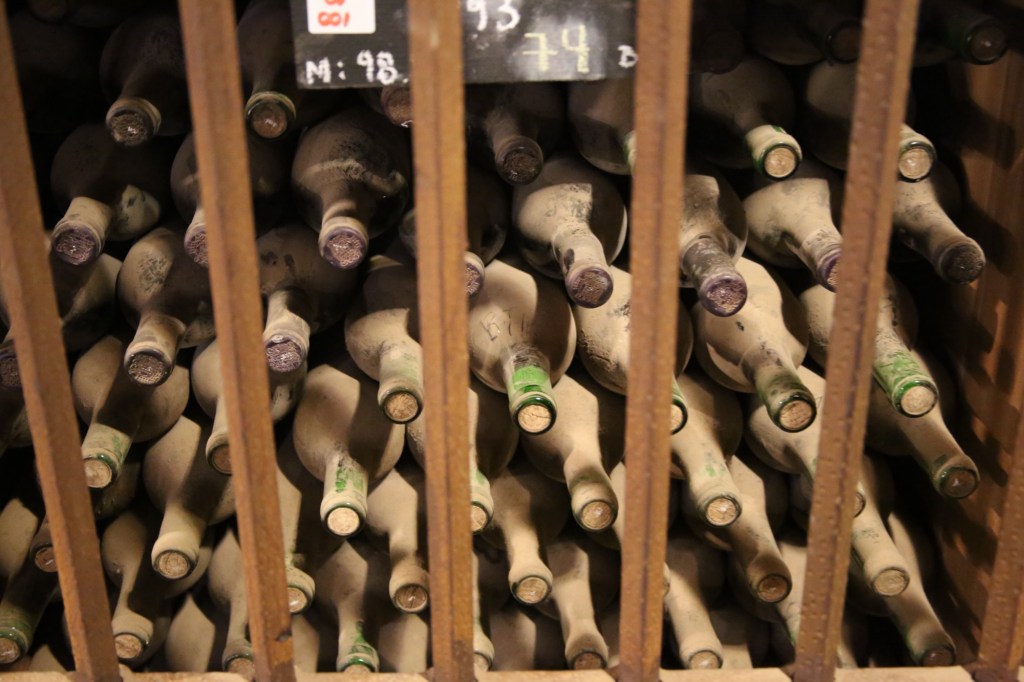
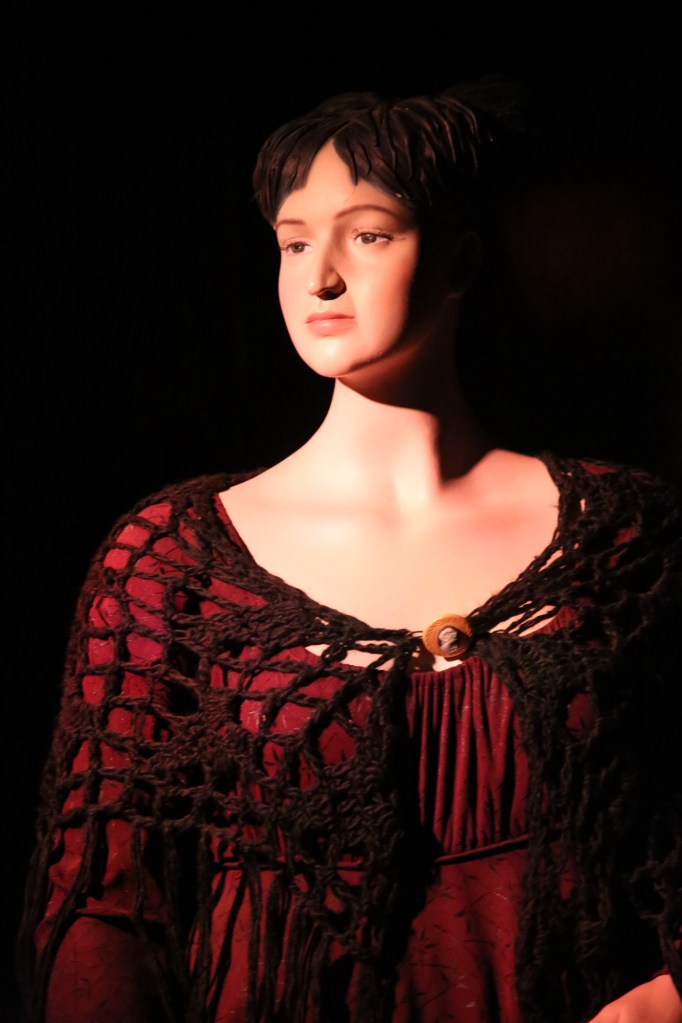
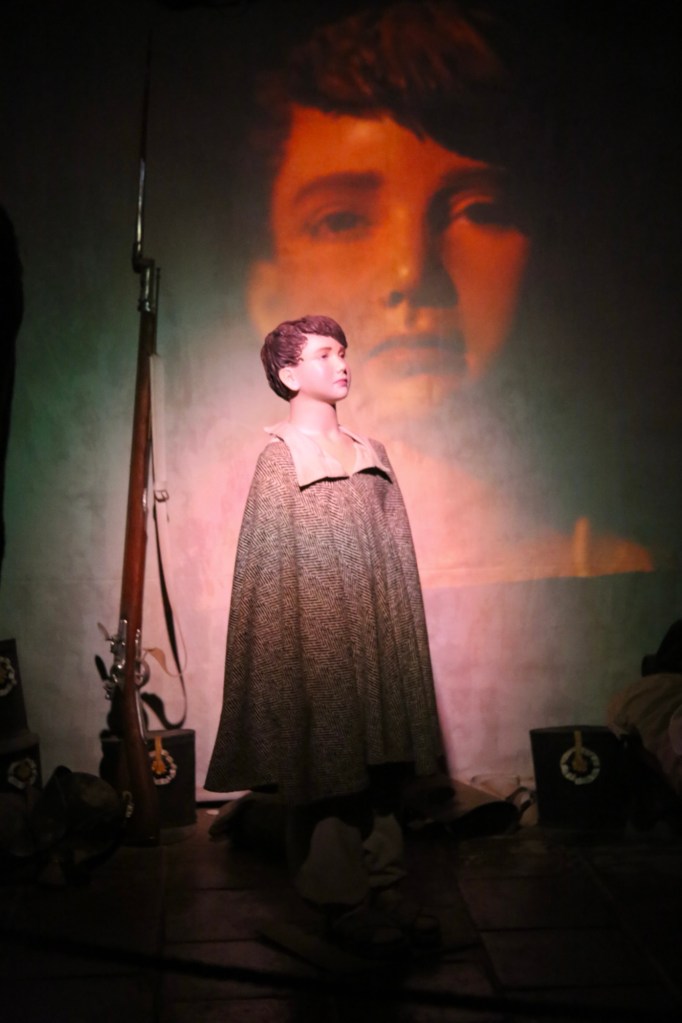
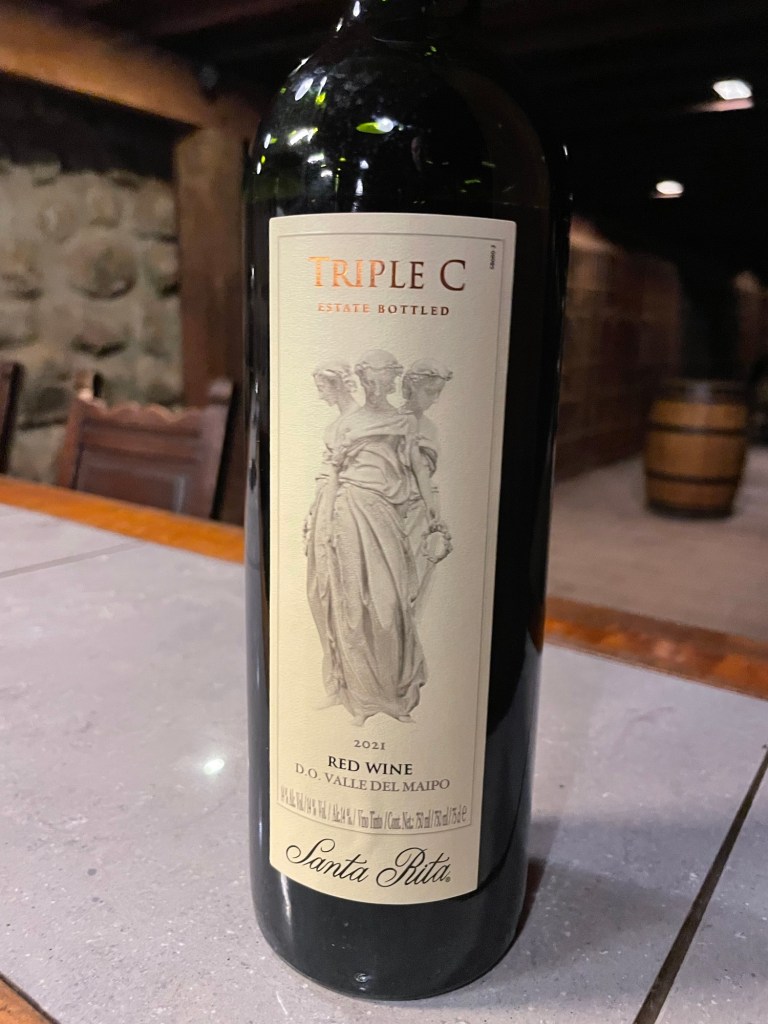
When the two minutes of educational film ended, we were offered four of their ultra premium wines. The Triple C and the Pewën were our favorites. The Pewën was so good we had to break our rule and purchase a bottle, definitely the most expensive bottle of wine we’ve had in Chile so far. It is a spectacular example of a fine carménère.



After our tasting we had a few minutes to grab a few photos around the winery before heading back to Santiago. It was a fine day.





 Sabbatikos
Leave a comment