
We dedicated our third day exploring Santiago to remembrance; remembering the dead, remembering the struggle for human rights, and remembering a pre-columbian Americas.
We started our day at Cementerio General (General Cemetery of Santiago), a massive and sprawling cemetery of over 210 acres containing more than two millions graves, tombs, memorials, and mausoleums. It is now designated as a national monument, and still in use today.
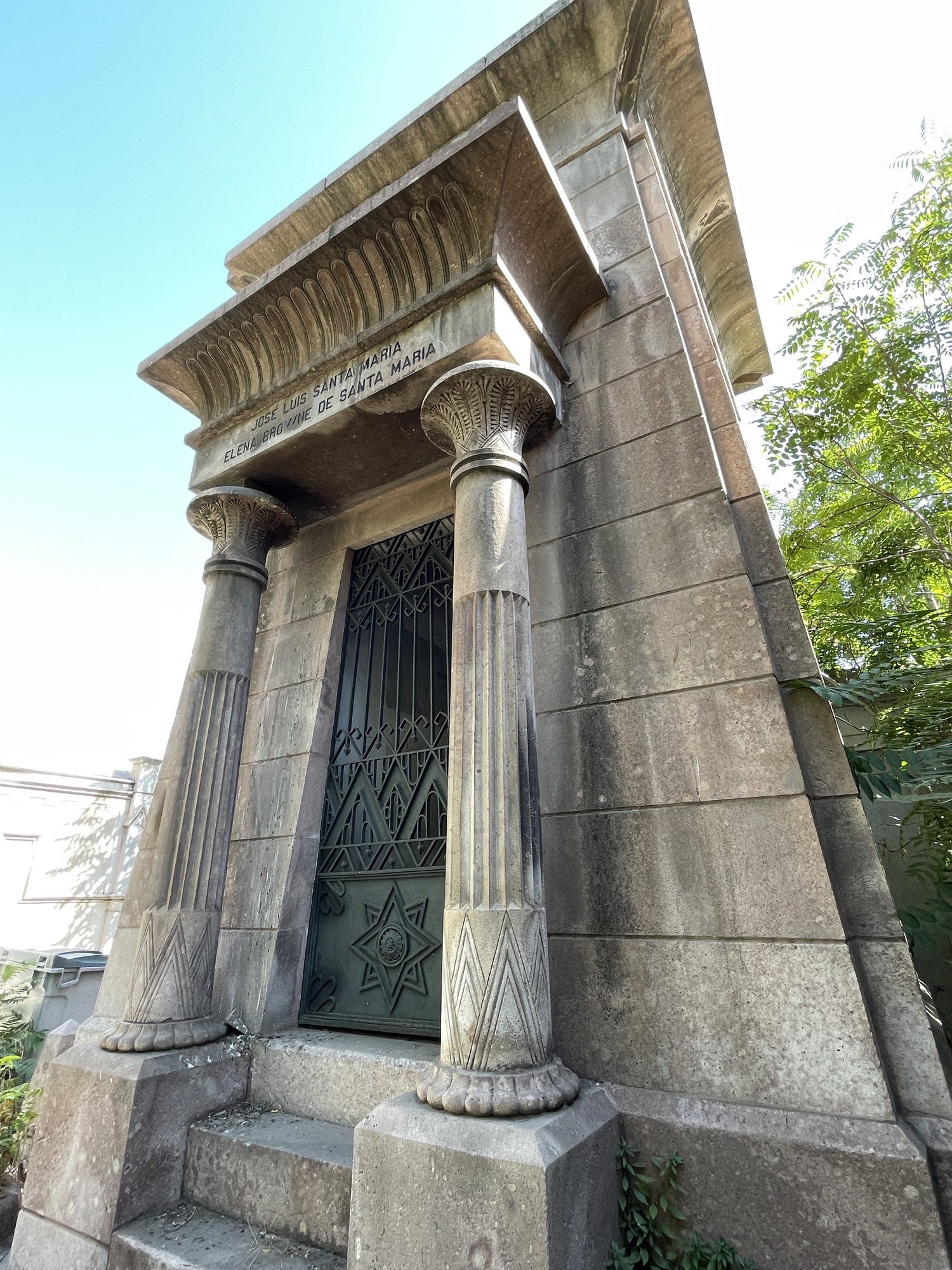
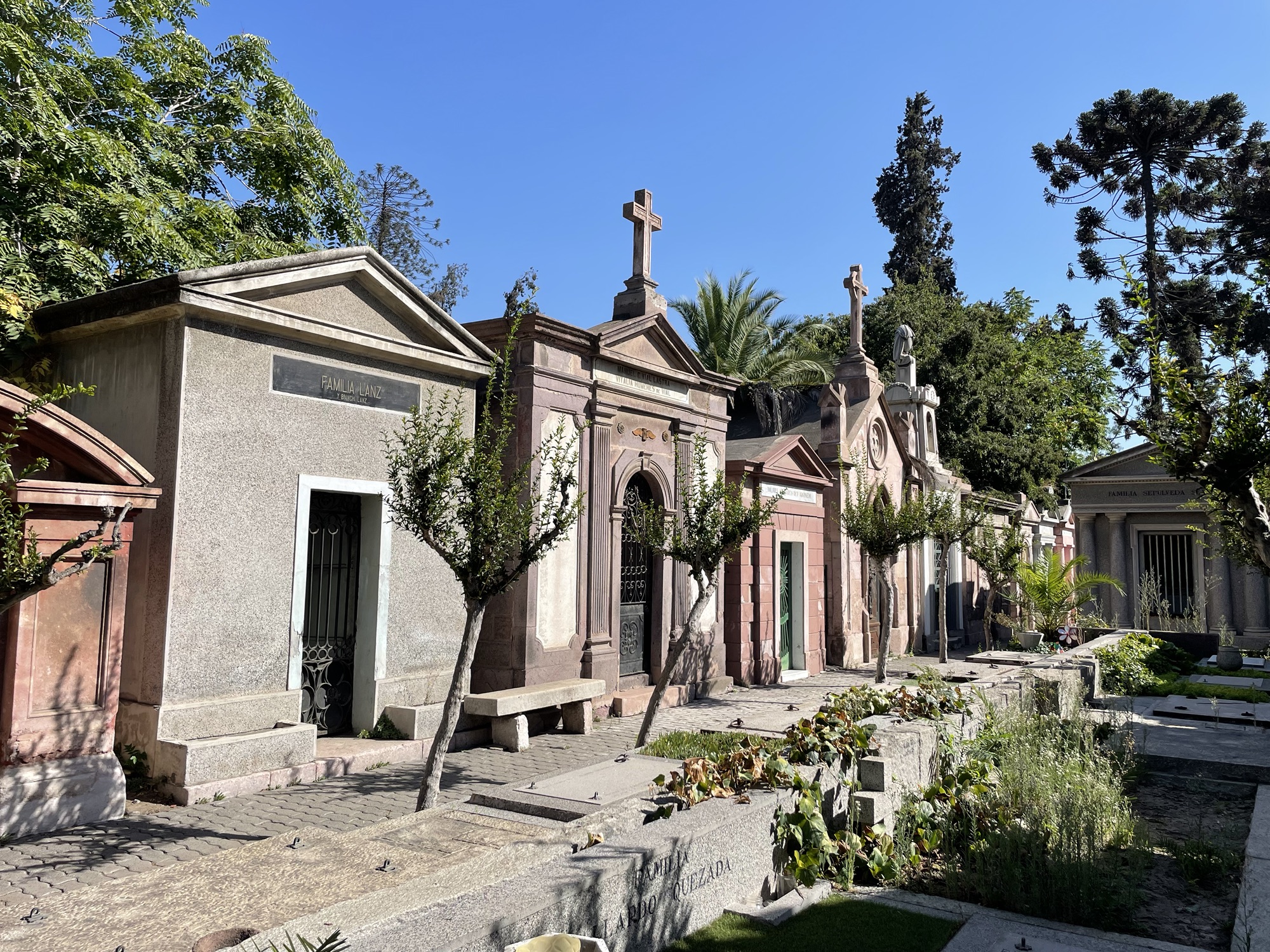

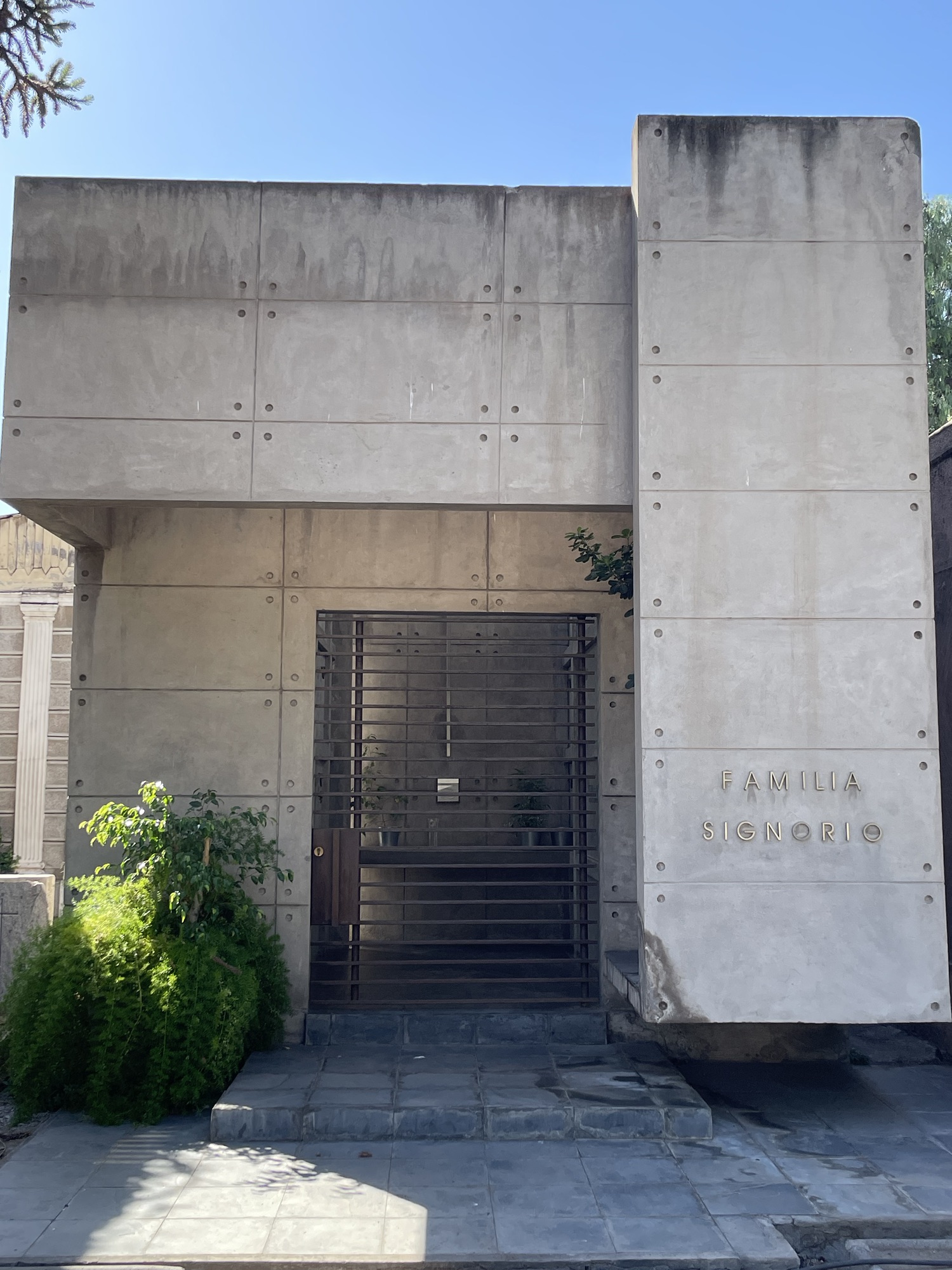


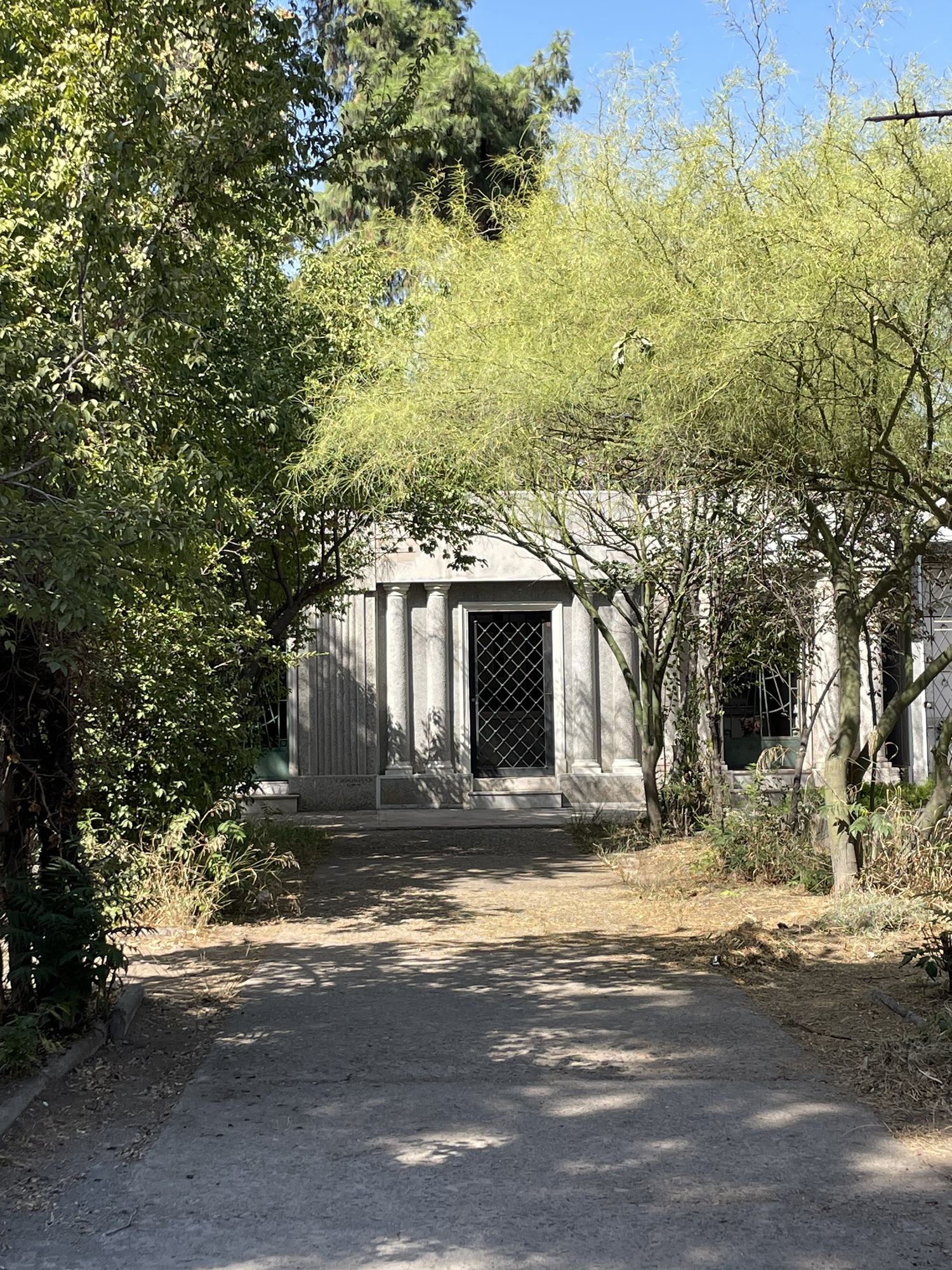
What immediately struck us was the sheer size of the place, especially given it is within the Santiago city limits. Next was the lavishness and monuments to the dead and the importance of family (most tombs and mausoleums belong to families across generations).

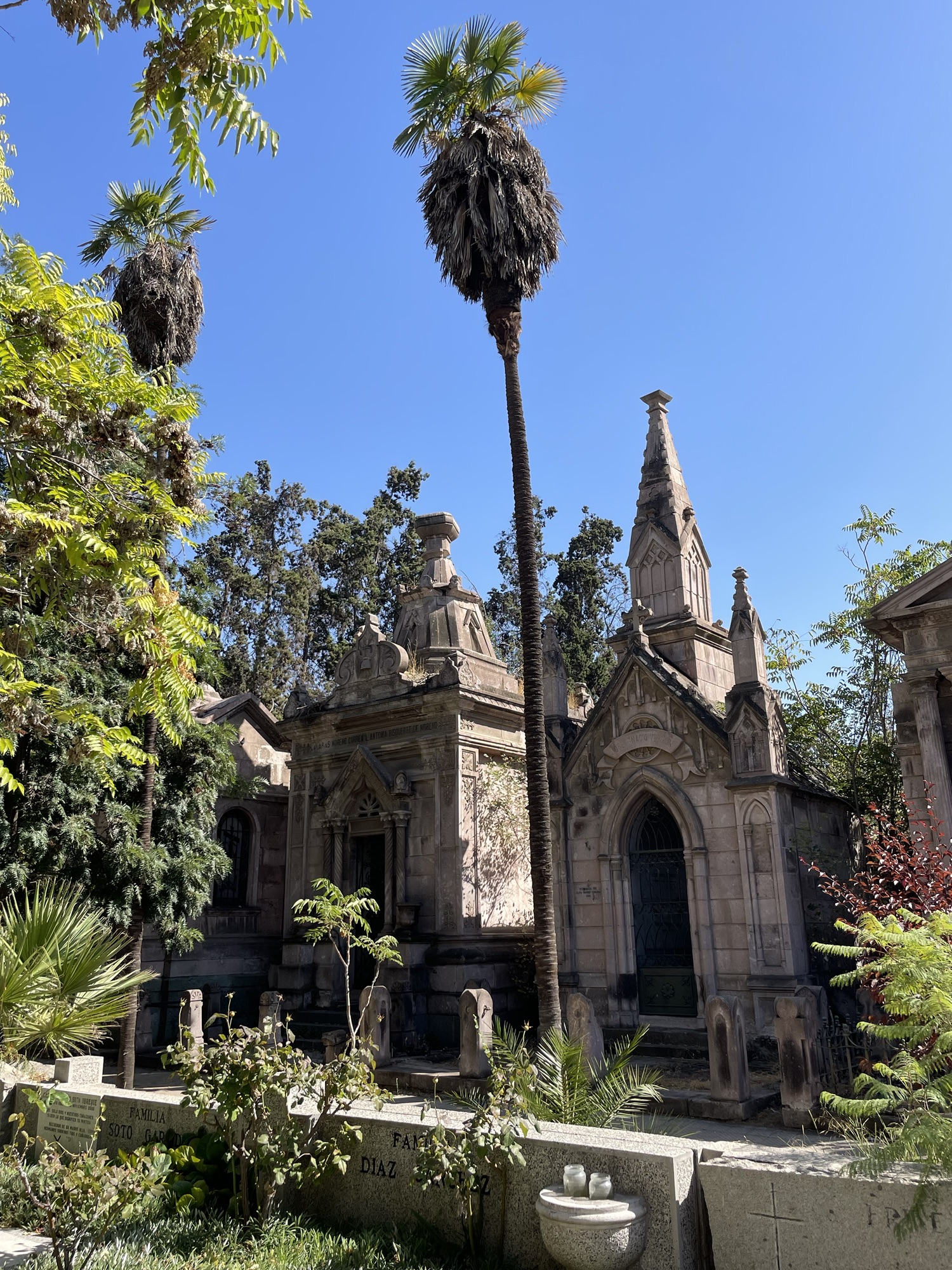


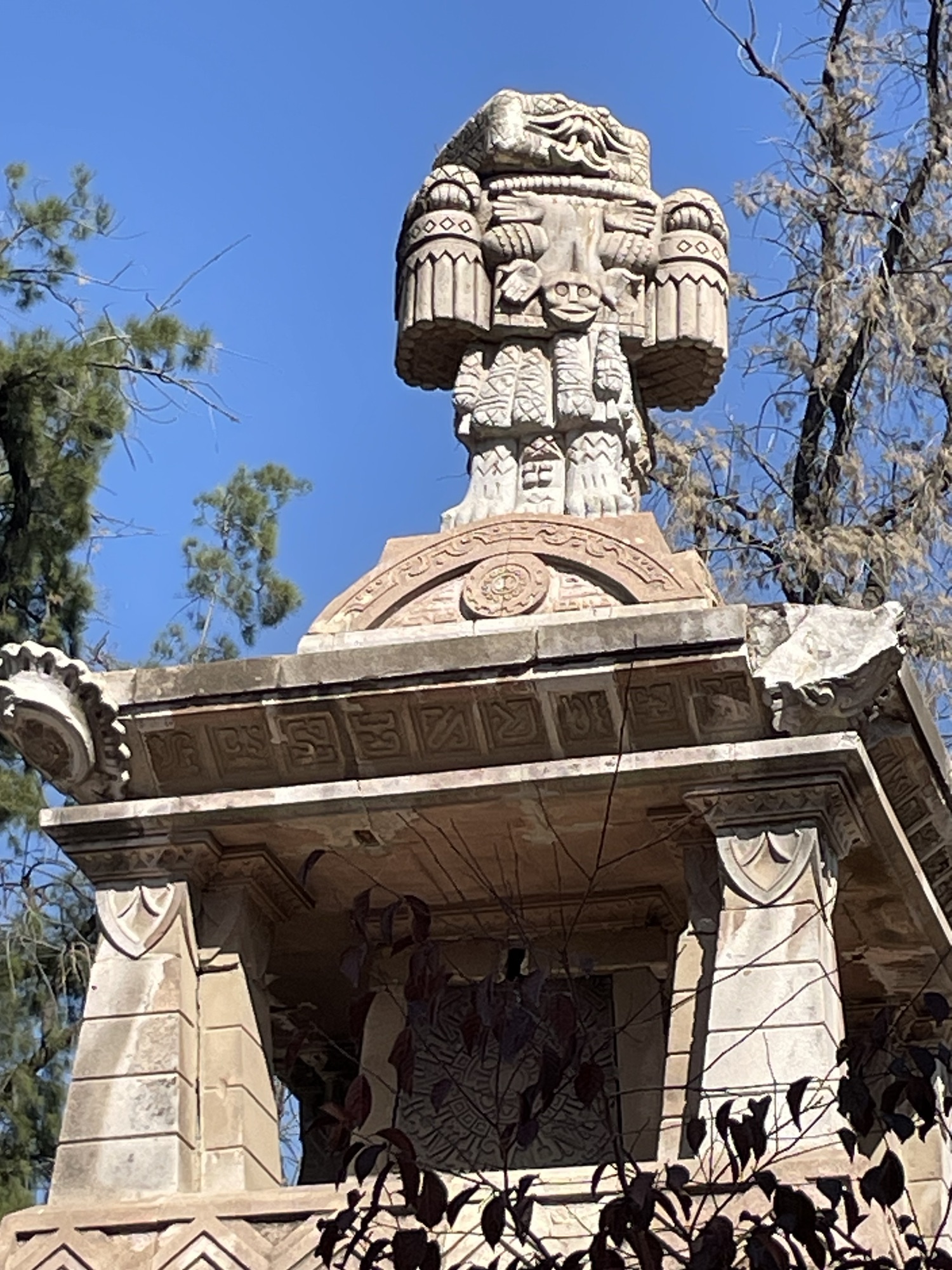

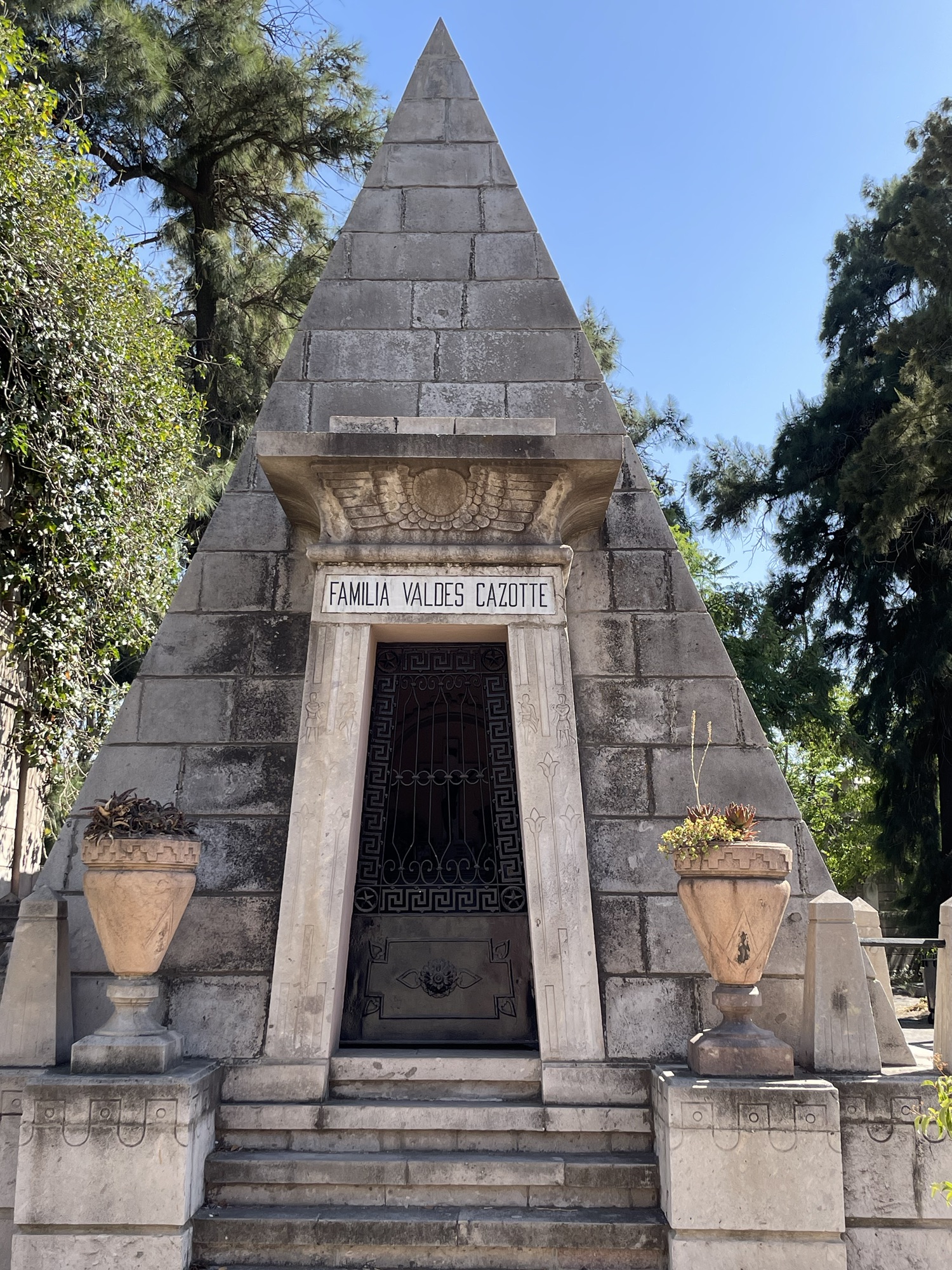
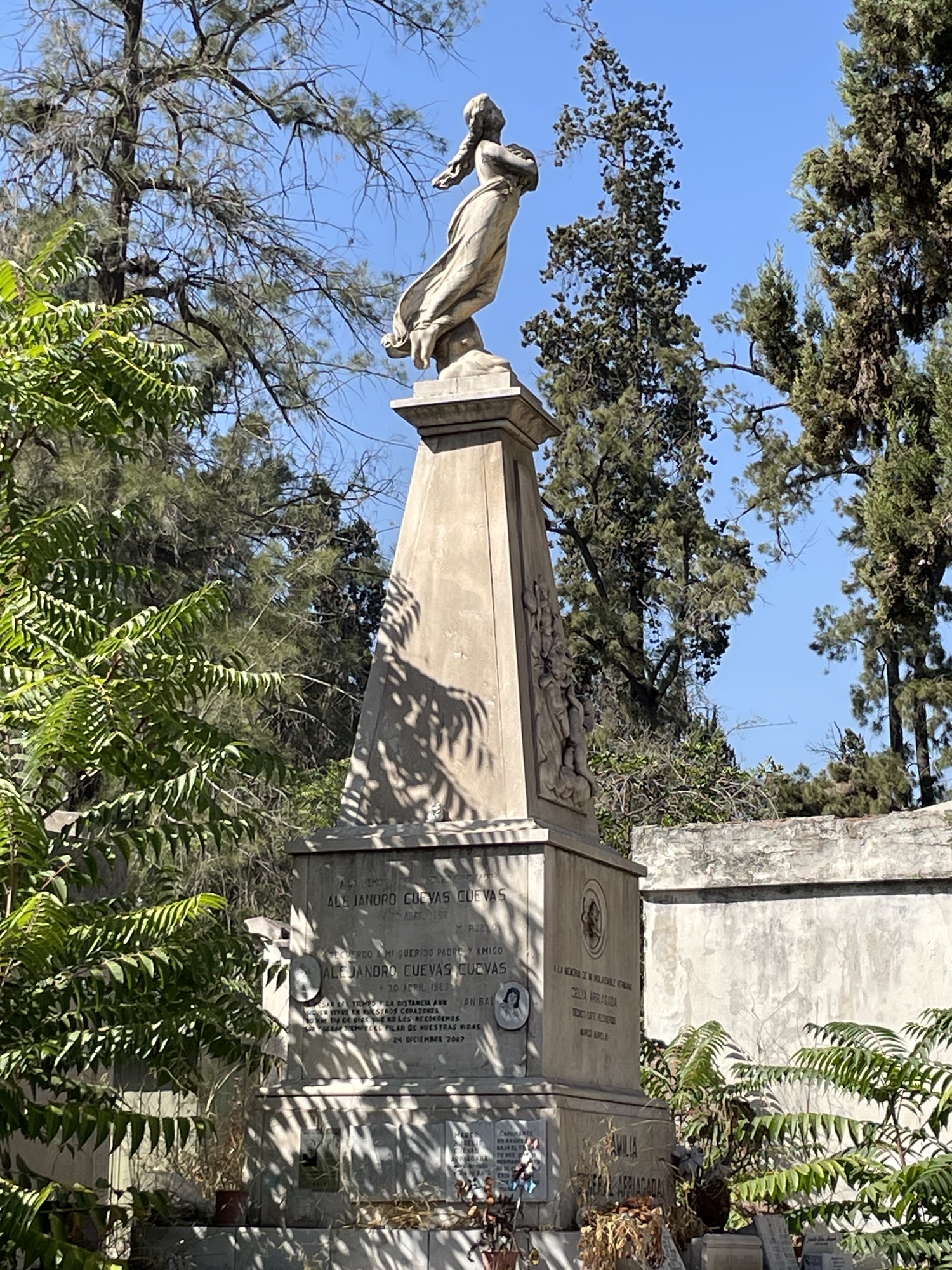

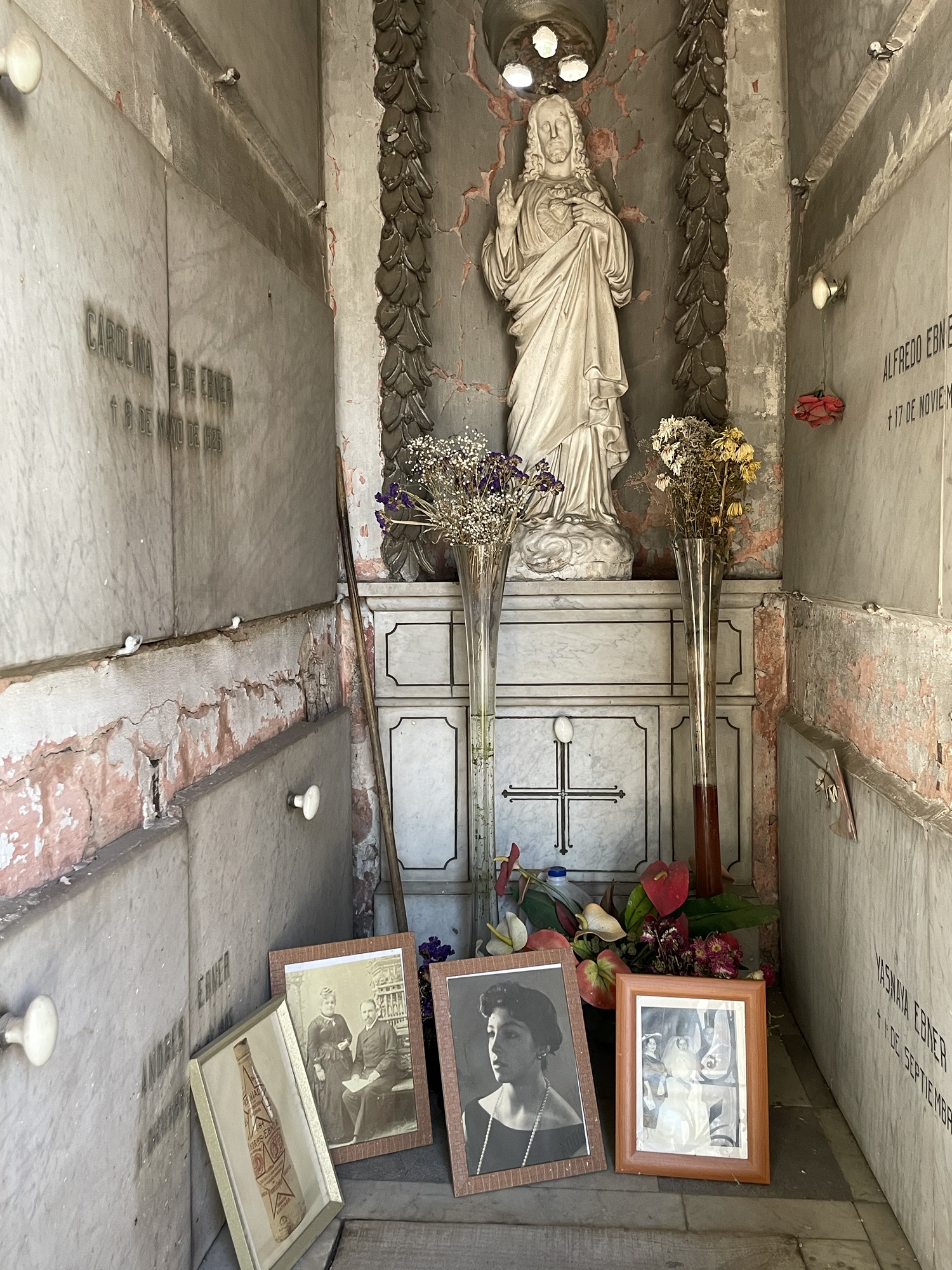

All but two Chilean presidents and many influential people of Chile’s historical and cultural significance find their final resting place here. A massive collection of souls for the living to visit, reflect, and remember and be inspired by them.

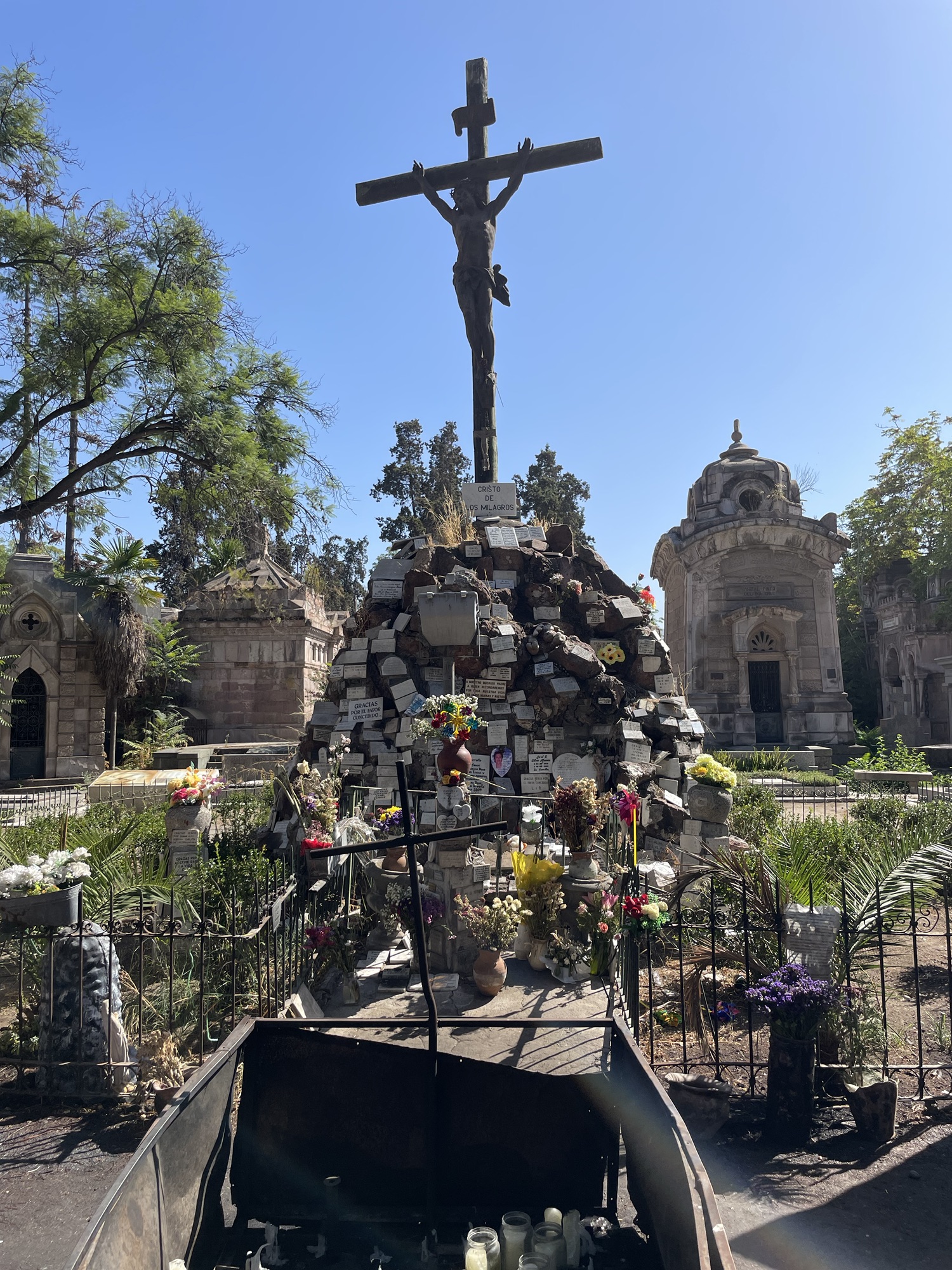


Salvador Allende’s monument was front and center, however Pinochet wasn’t allowed to be buried here. This seems only appropriate as it is the final resting place for many of the victims of Chile’s military dictatorship under Pinochet.
We walked a long distance across the cemetery to visit the site of the remembrance of the victims of Pinochet. As we approached we happened to stumble across the grave of Violeta Perra, the Chilean political folk singer who’s exhibit we tried to visit on our second day in Santiago


The Memorial of the Detained, Disappeared and the Politically Executed was an appropriate place to end our visit to the General Cemetery of Santiago, remembering the victims of Pinochet. Our next stop was the Museo de la Memoria y los Derechos Humanos (The Museum of Memory and Human Rights).


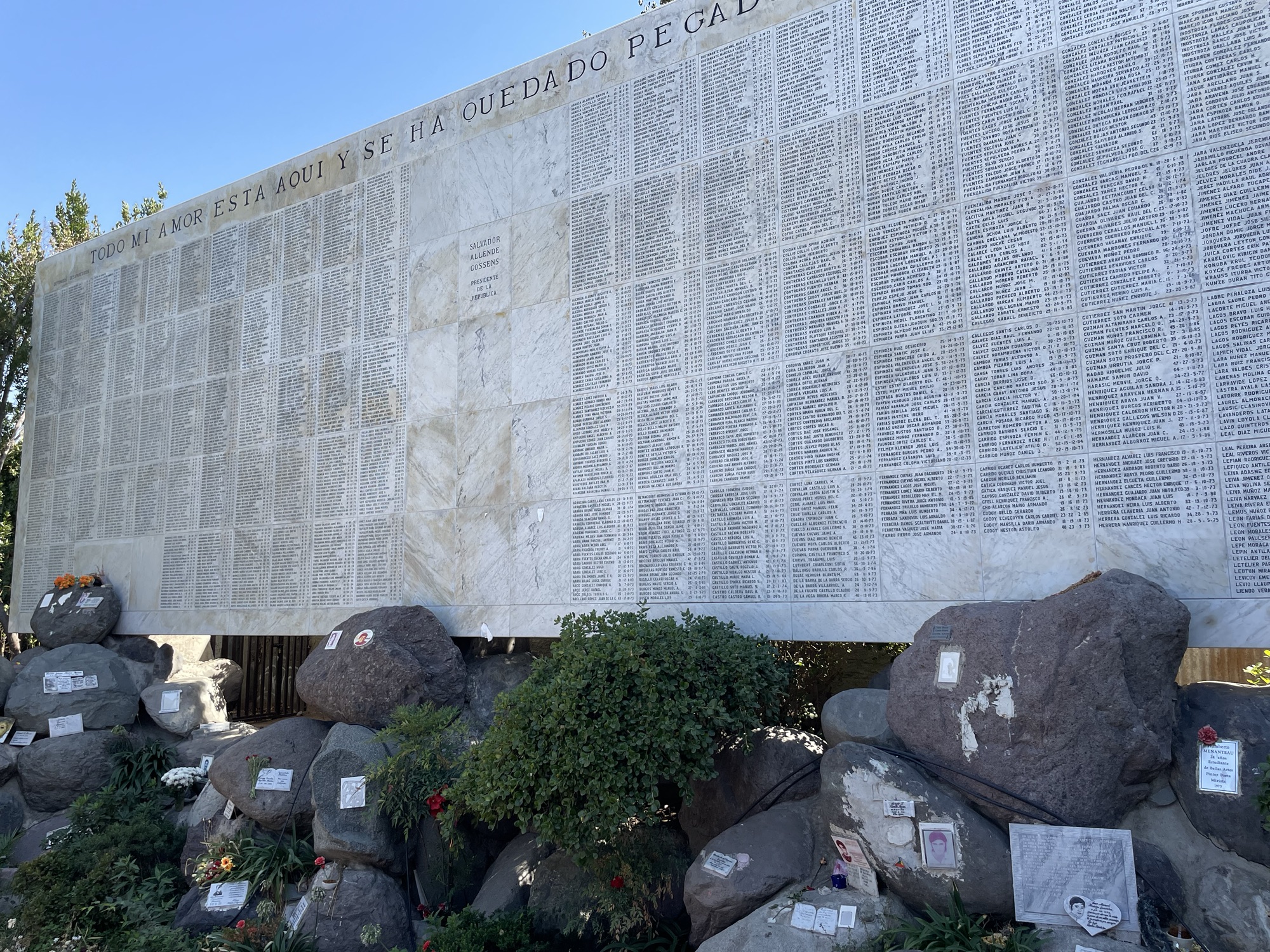
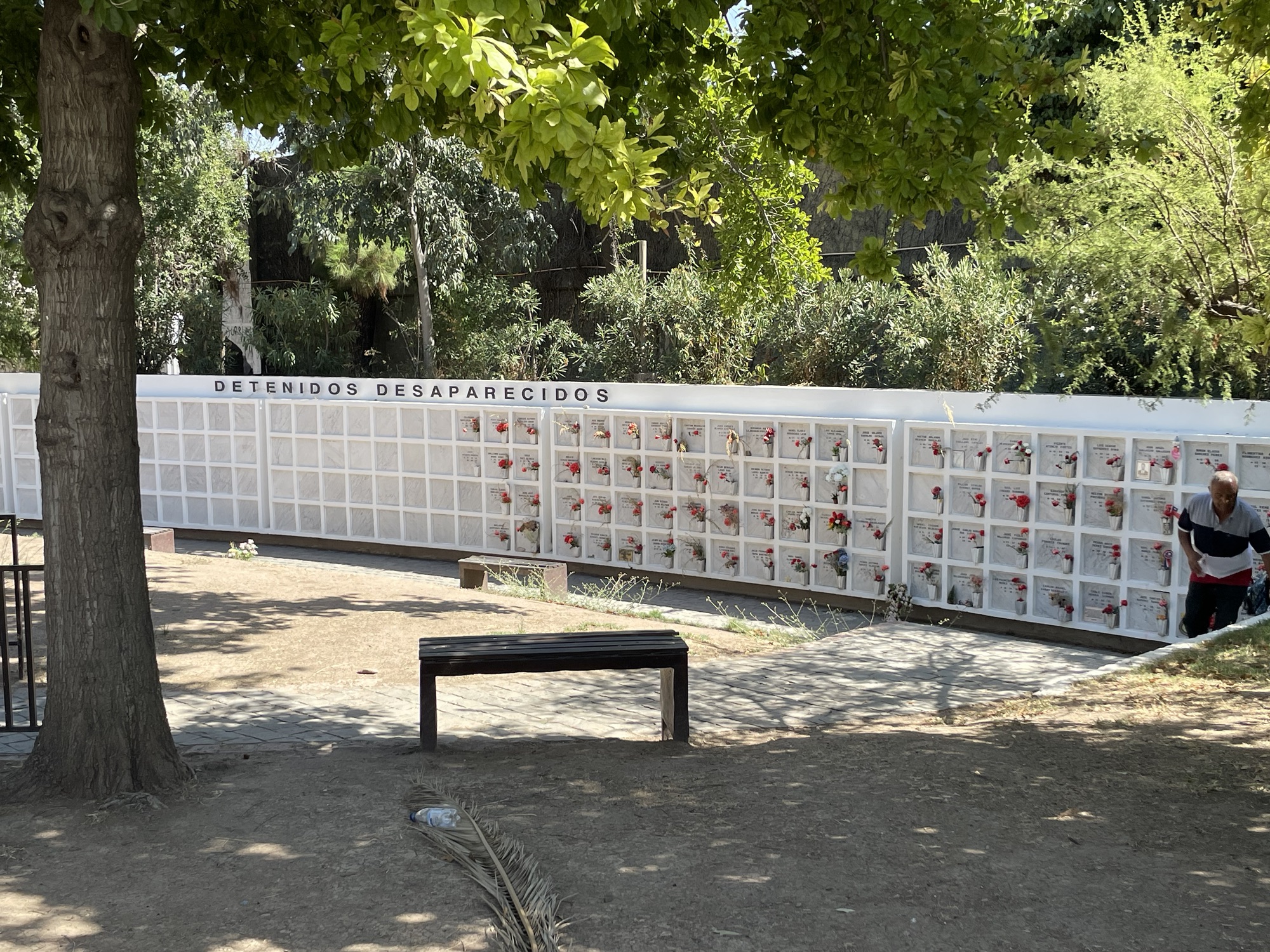
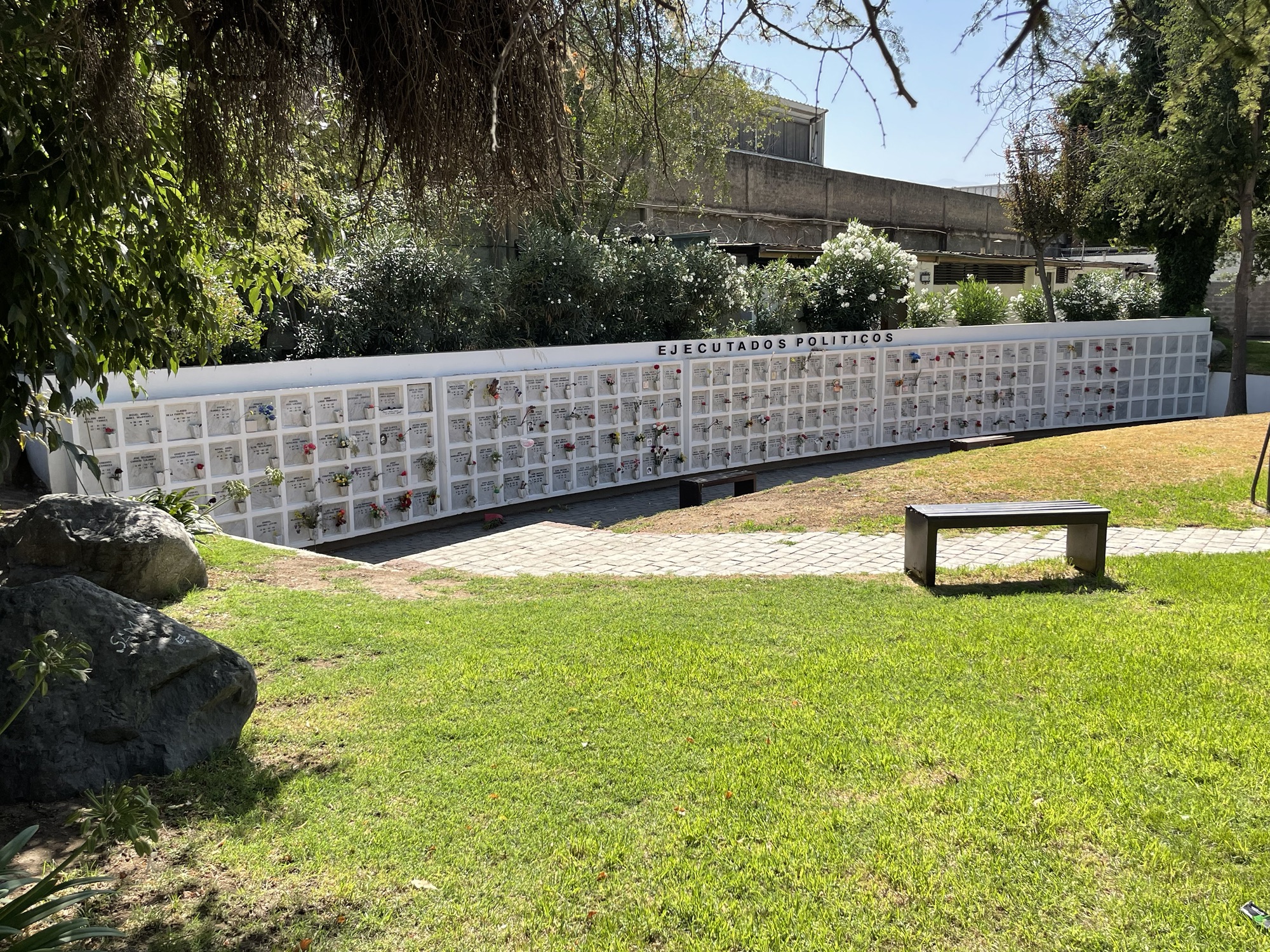
The Museum of Memory and Human Rights is a museum that remembers the victims of the human rights violations during the Augusto Pinochet’s military dictatorship from 1973-1990. It is a well presented and stark look into the darkness of hatred and political polarization.

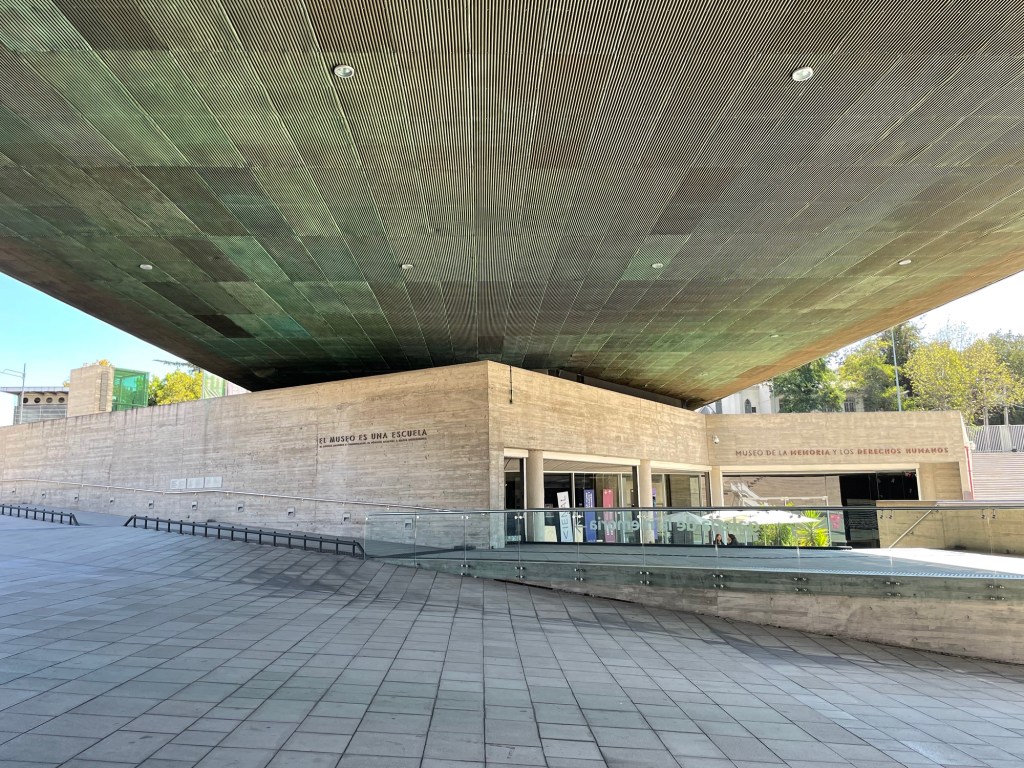
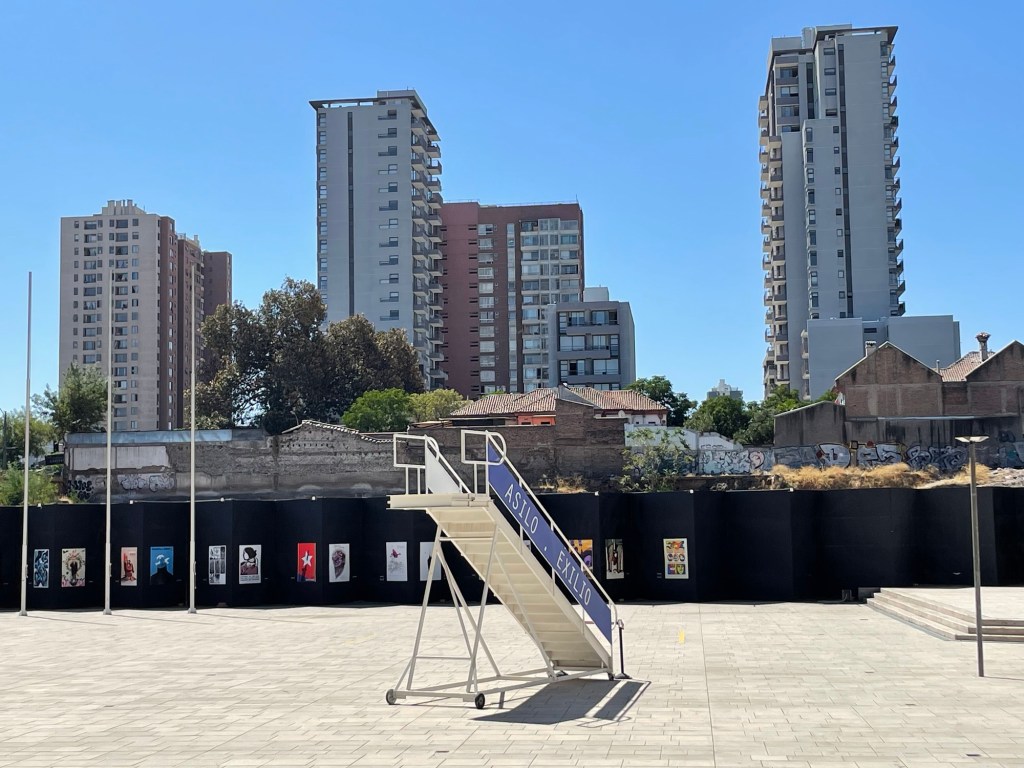
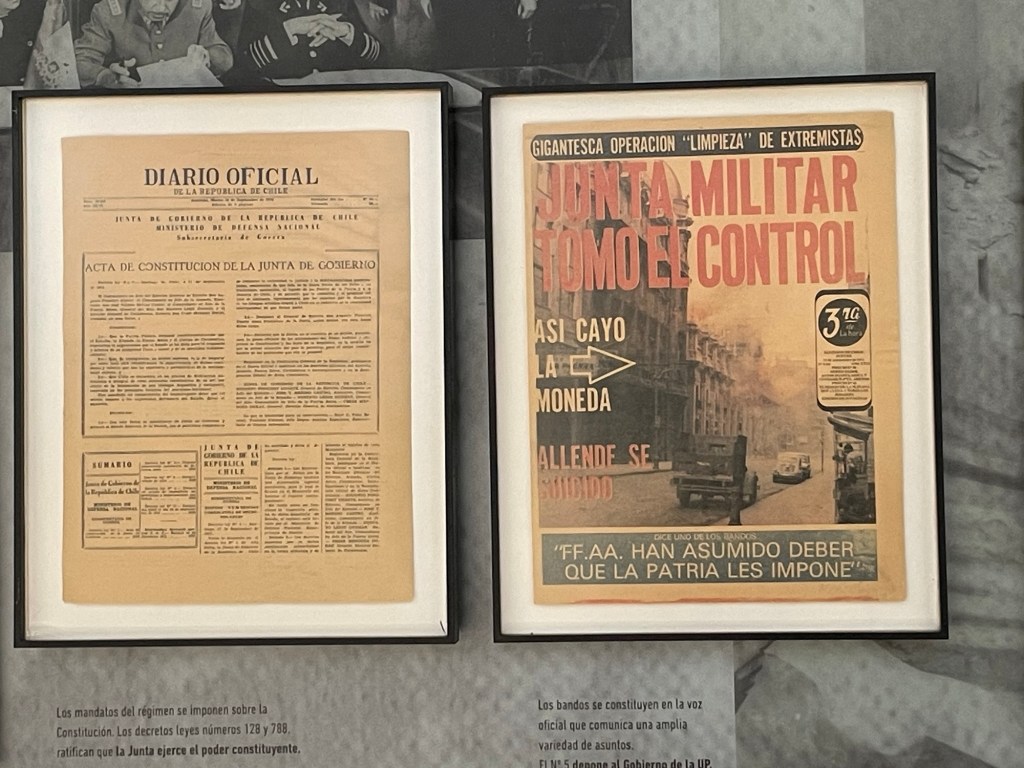
The museum is a self-guided tour of a chronological timeline of the events of September 11th, 1973 when Pinochet led the coup that resulted in the death of Salvatore Allende. It then documents (with active documentation and archiving of evidence of the atrocities) the years of terror, torture, oppression, and human rights violations of Pinochet eventually ending with a “NO!” vote of the people to reclaim their country, democracy and a new constitution. It was similar to our visit to the Typography of Terror museum we visited (and I blogged about) in 2019. The parallels of Pinochet’s regime and the attitudes and actions of the Trump Administration and the MAGA movement serve as a powerful reminder that the struggle for human rights, democracy and freedom is never-ending and requires vigilance to keep power in check.


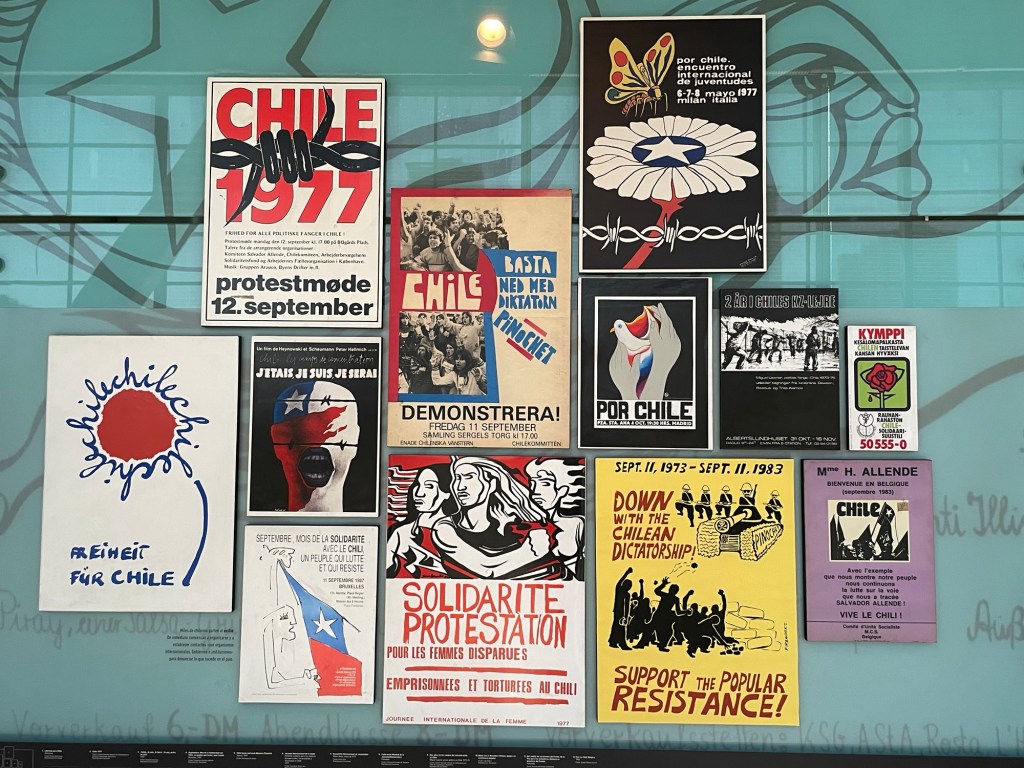
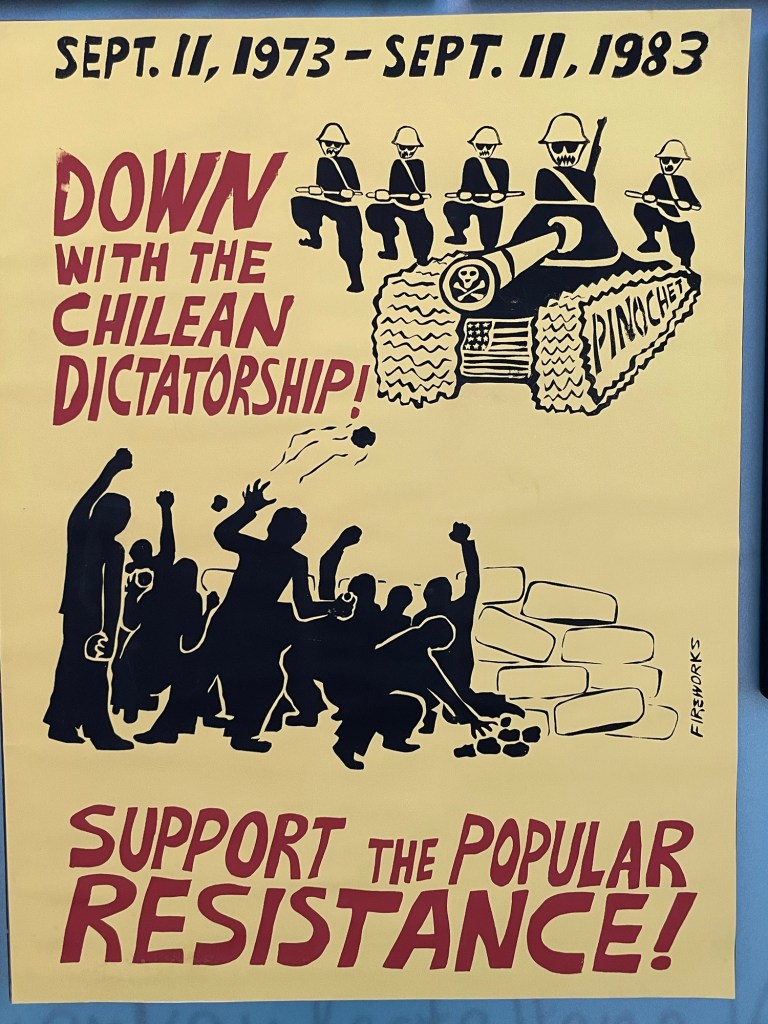

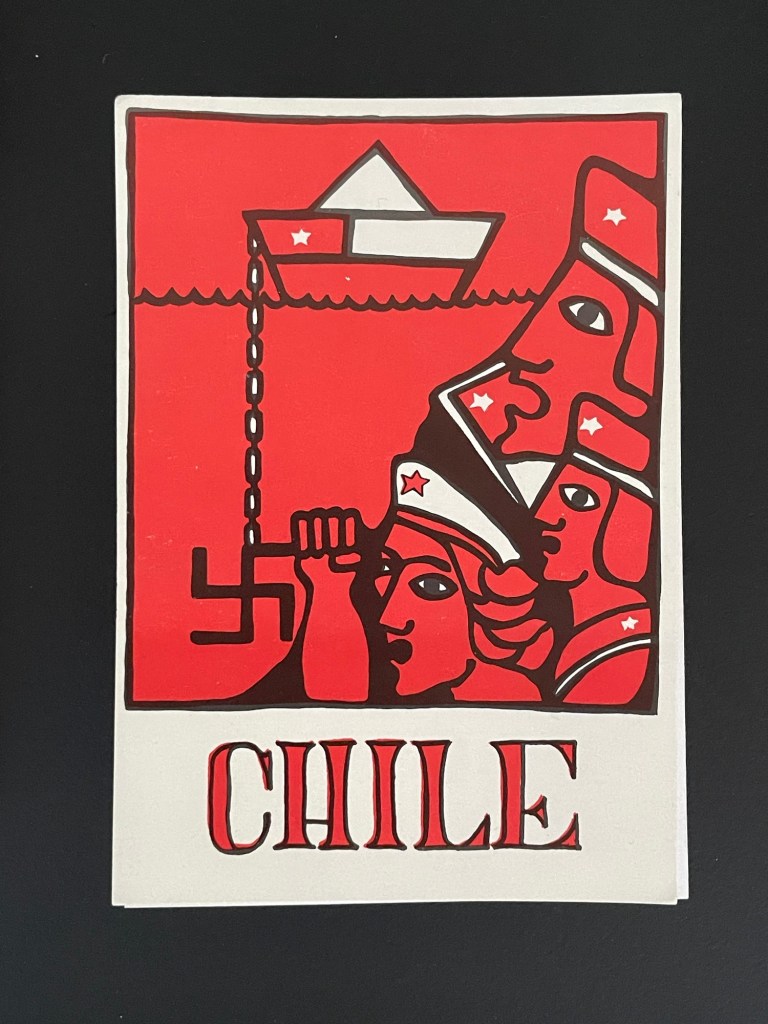


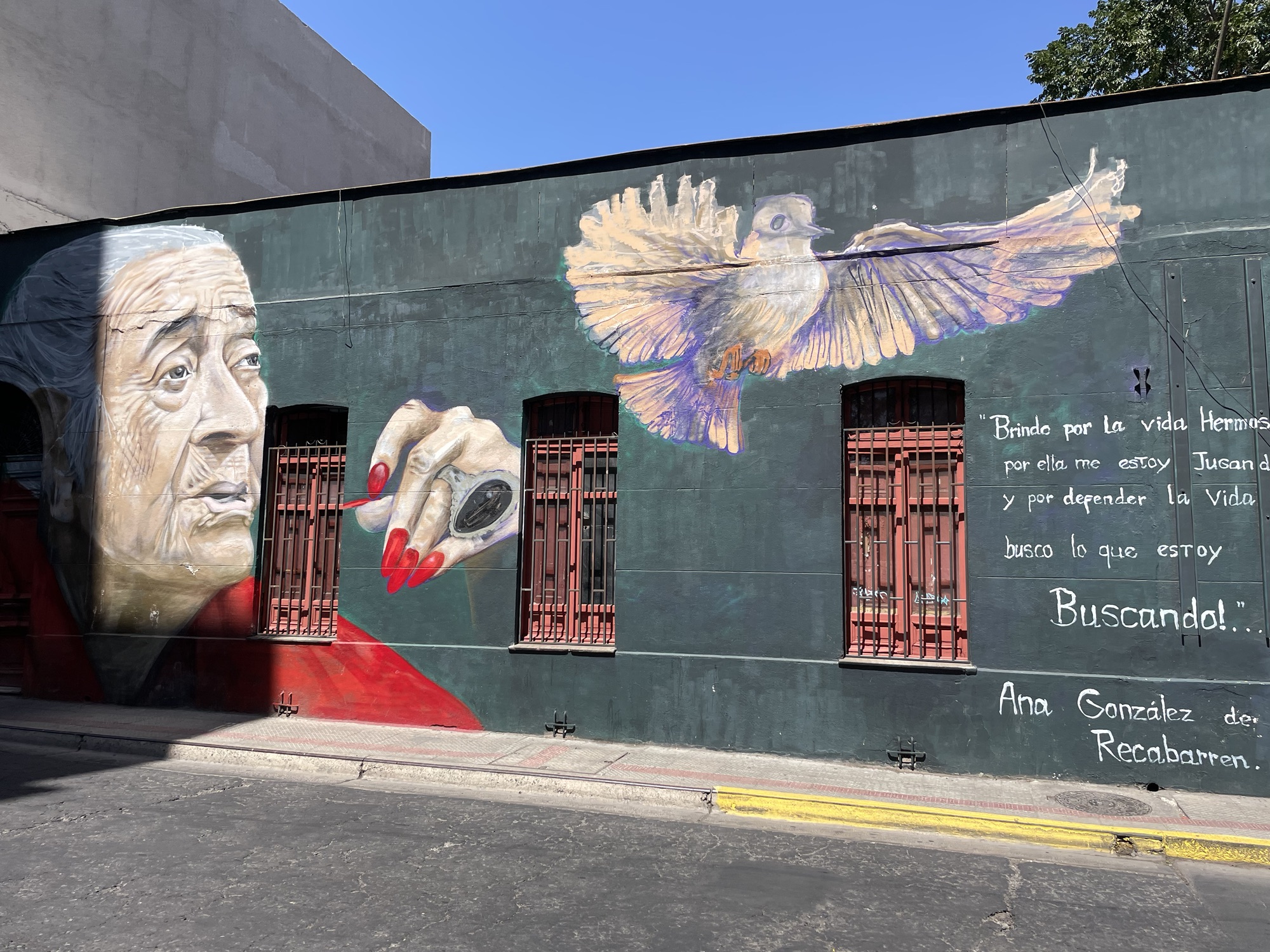
Our next remembrance was over lunch at El Huaso Enrique, Since 1952. There we met Andrés, a third generation owner (grandson of Enrique) and had what seemed a delicious home cooked meal while hearing the story of how his family’s home for generations is next door, and this place, with its food, music, and dancing, is his family’s legacy.
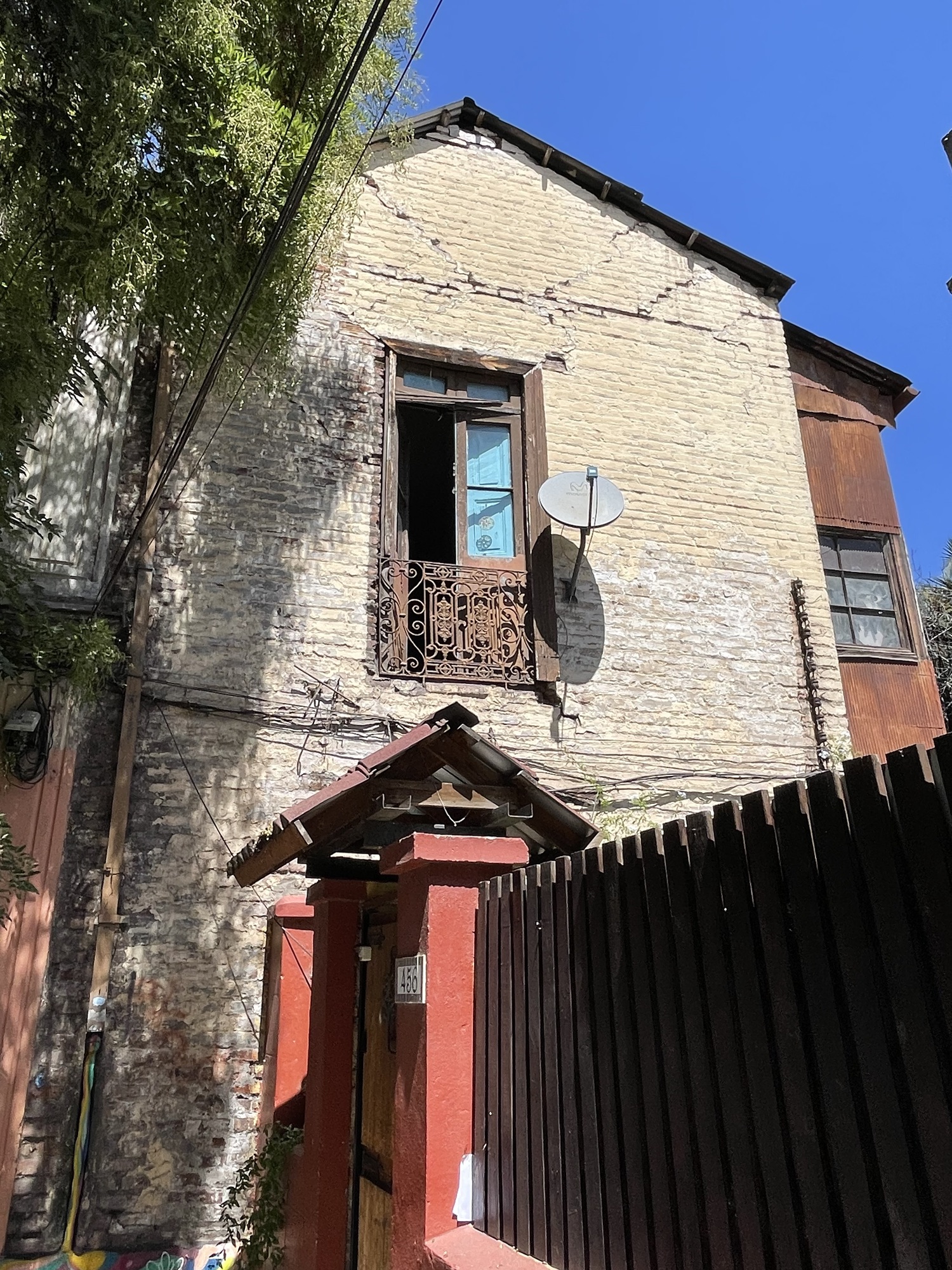
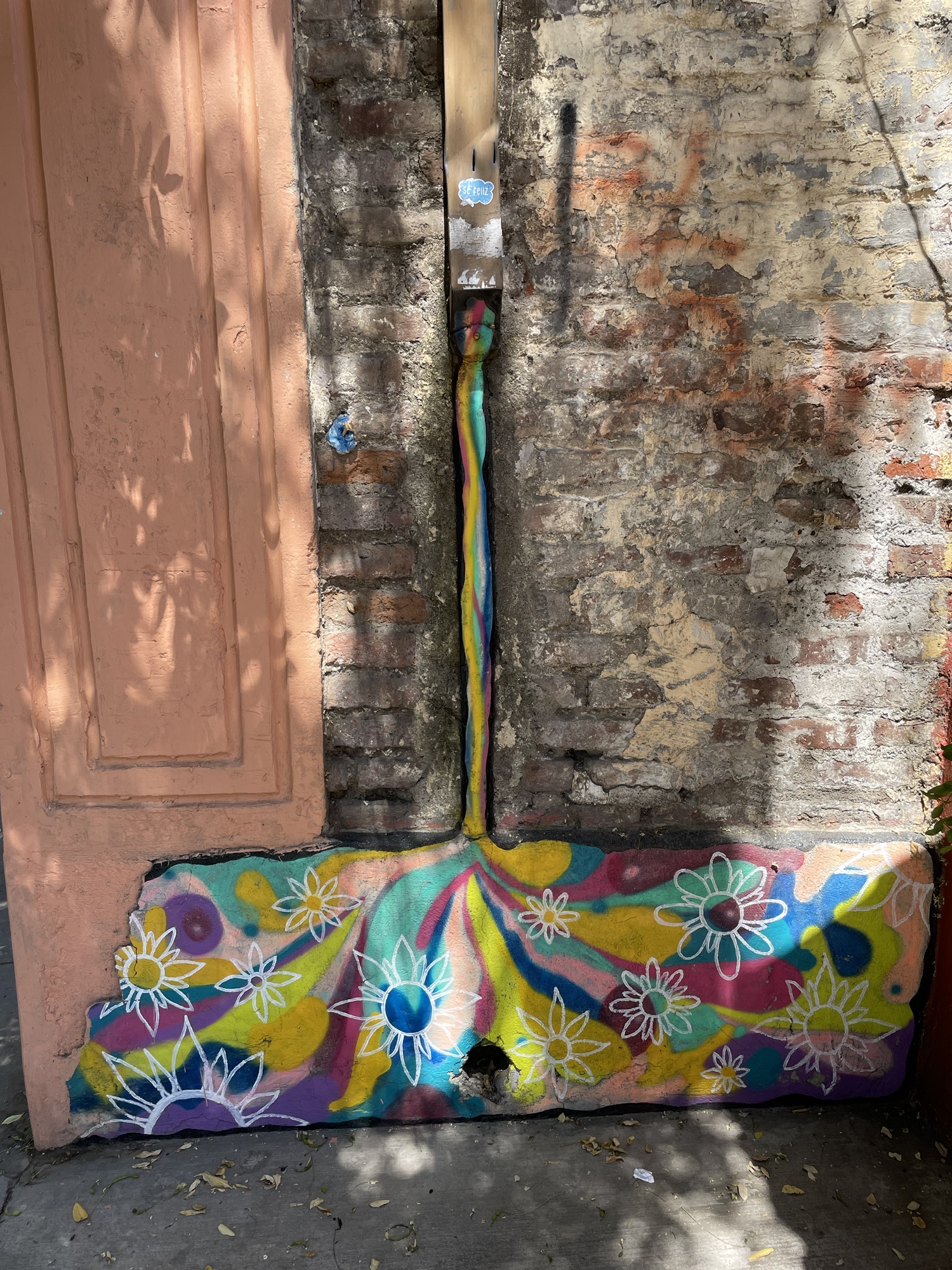


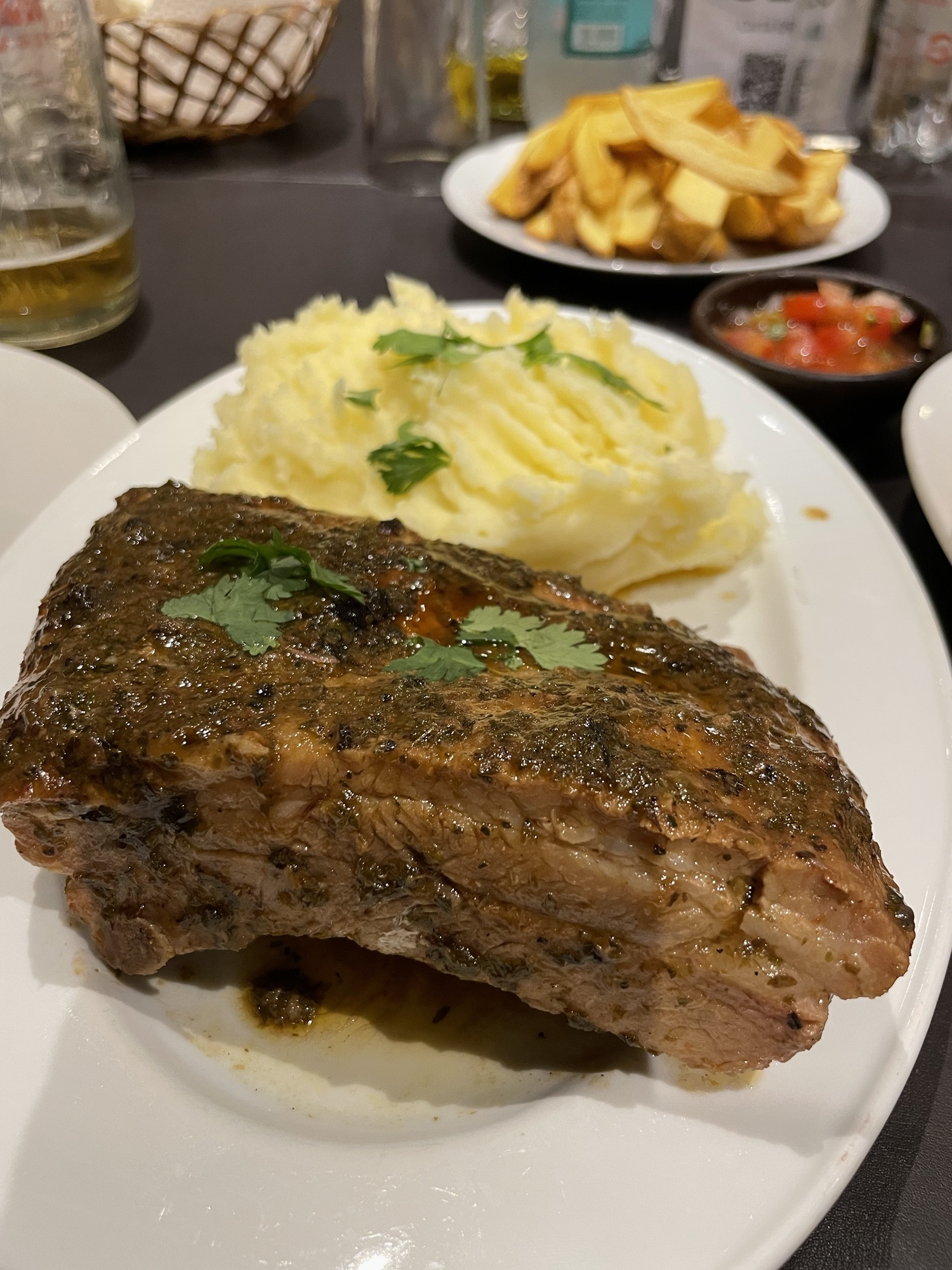
While at lunch we looked up the Violetta Parra exhibit at the Museum of Contemporary Art which has a dedicated exhibit for her. But we were thwarted again in seeing her exhibit due to a seasonal closure; the museum was closed until March 13th! However, we had seen a vinyl of her music back at the Museo de la Memoria y los Derechos Humanos gift shop and we decided to walk back there to get it. Unfortunately, it was closed for lunch! Thwarted again, until the museum staff told us there was another La Tienda Nacional store across town, near our next stop (the Museo Chileno de Arte Precolombino). So, we jumped into a taxi, headed to the store, and were able to secure a numbered purple vinyl copy (#242 of 1000), as well as another album of hers called Homenaje. You can listen to some of her music here: Gracias A La Vida and La Carta.

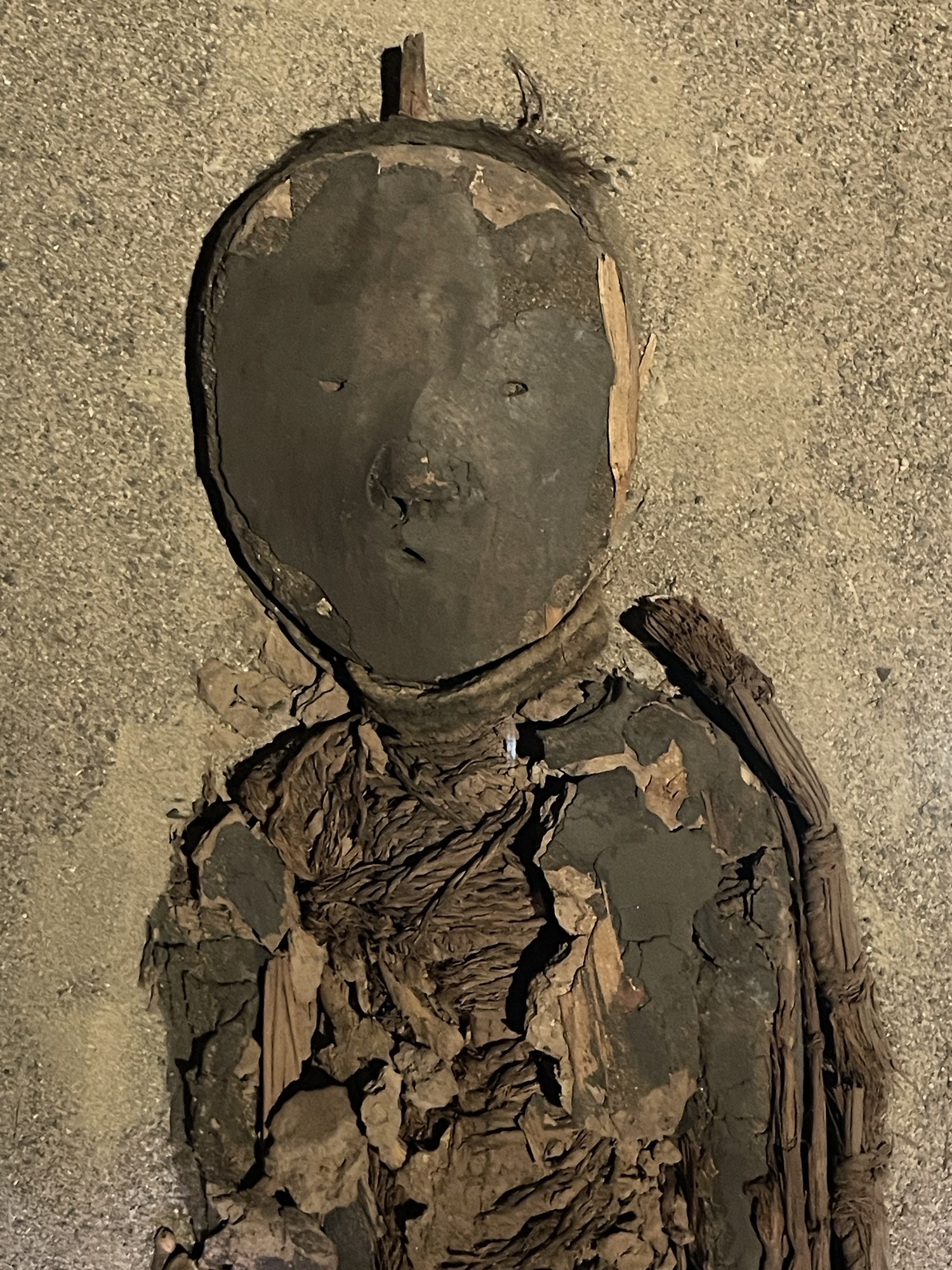
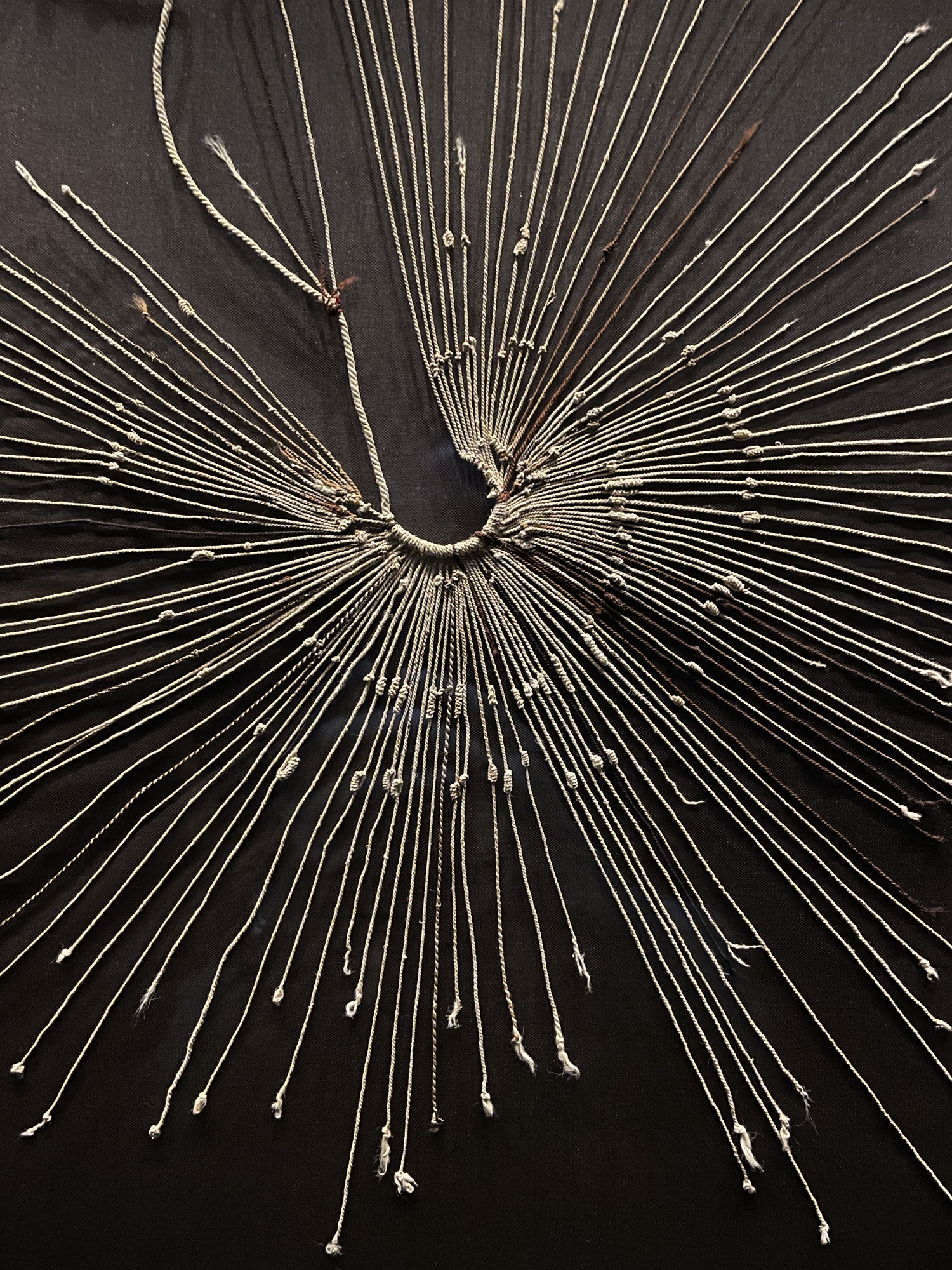
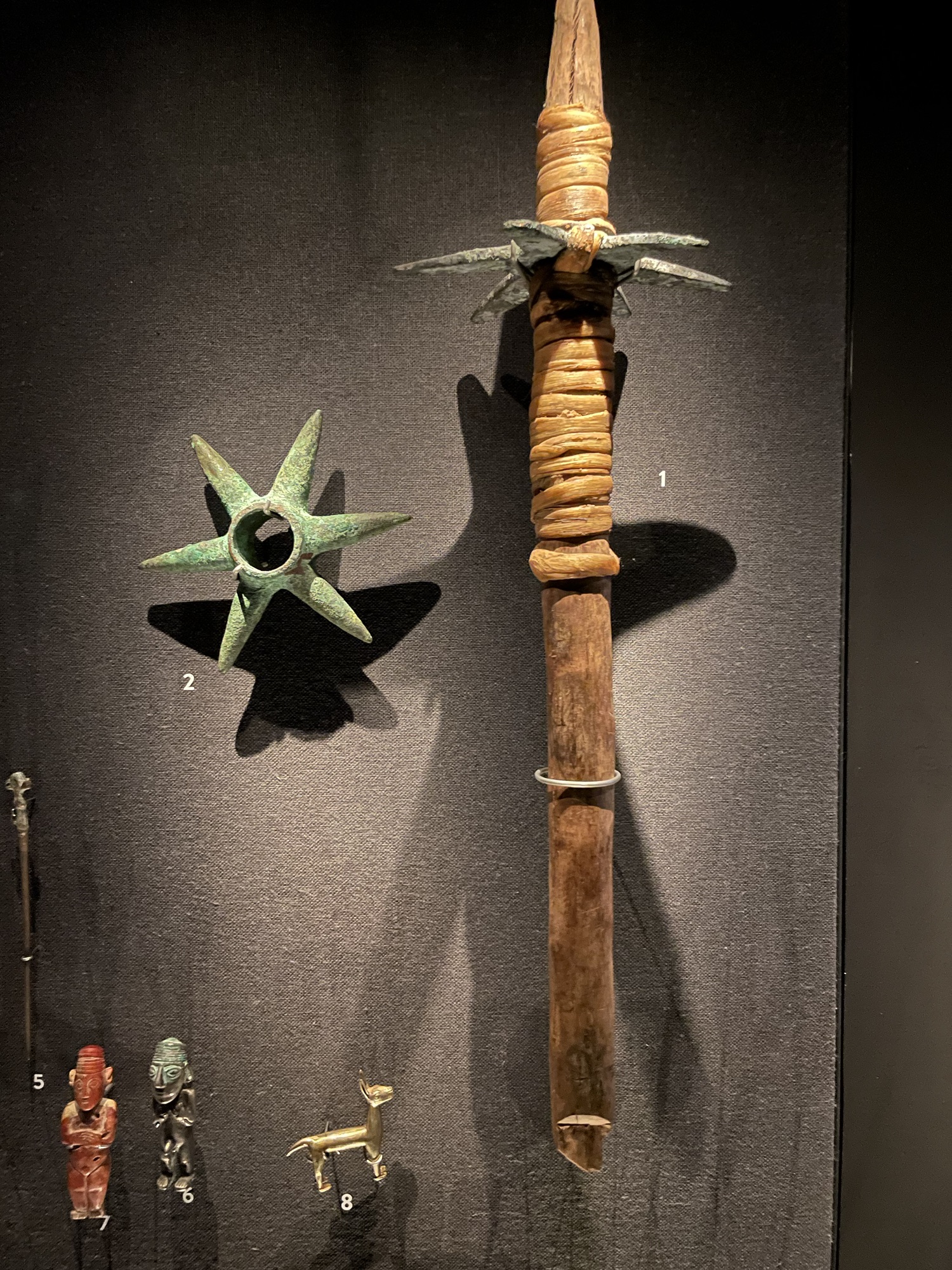
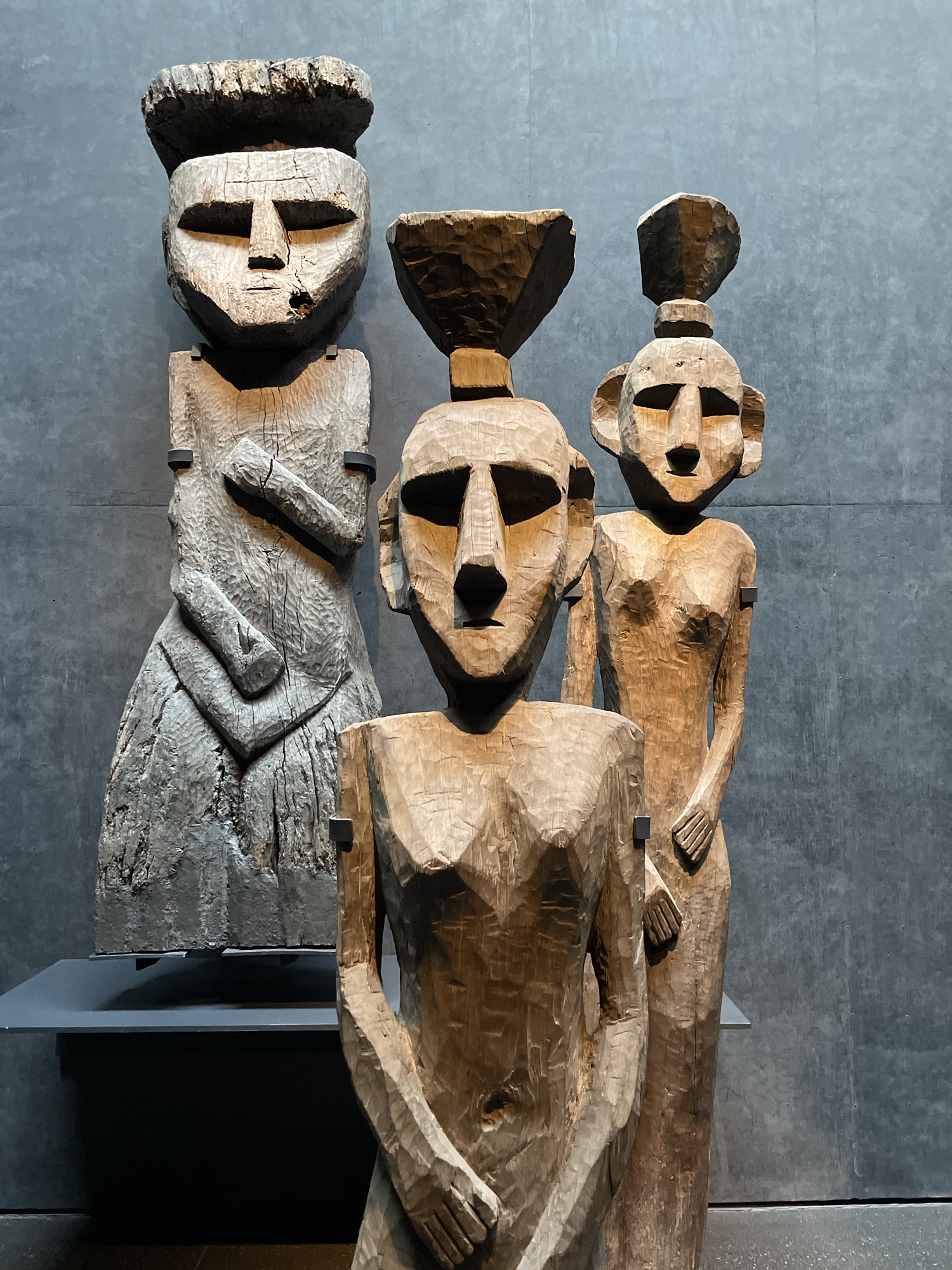
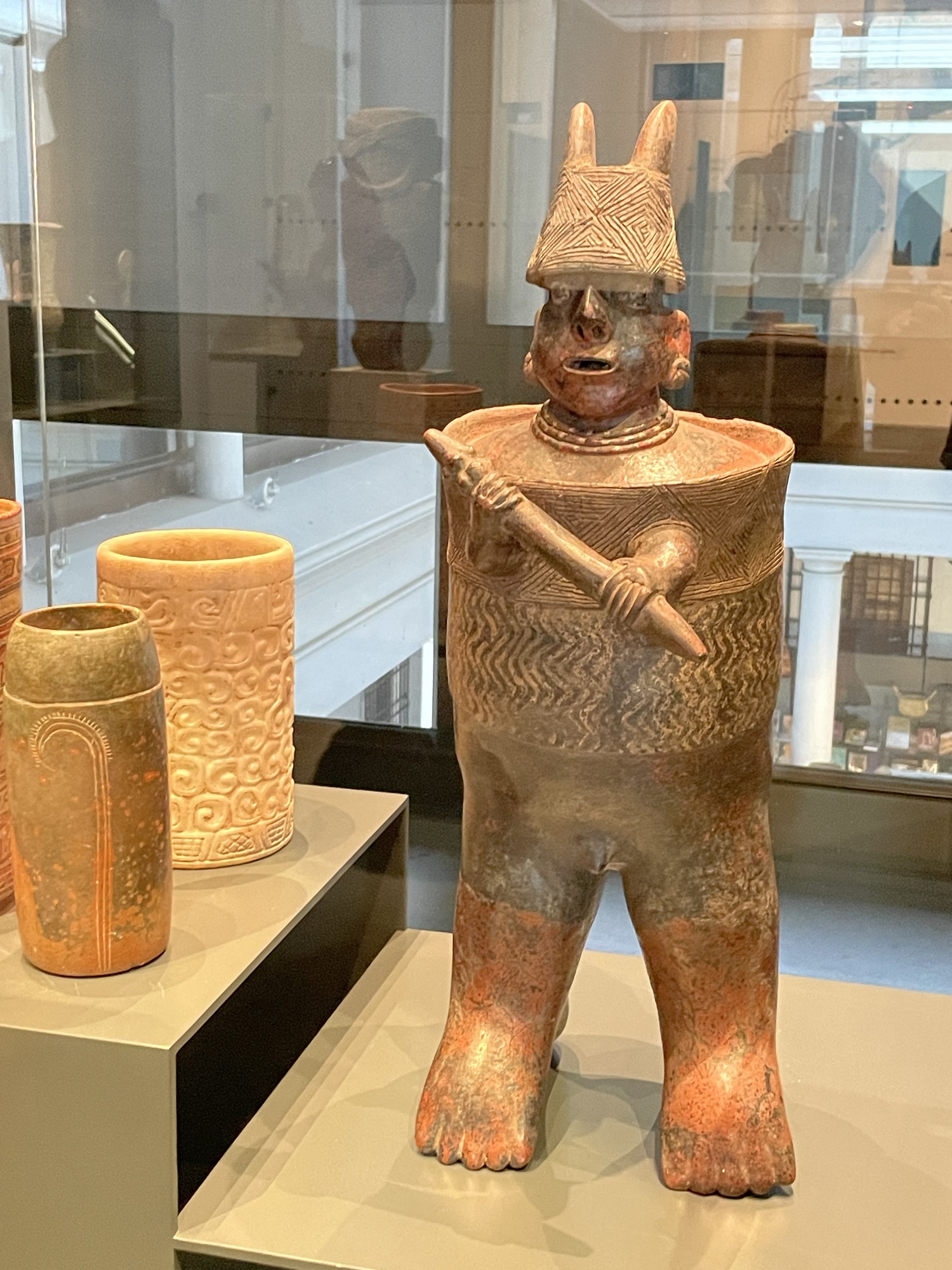
Our last stop of the day was the Museo Chileno de Arte Precolombino, to remember an earlier time and age of Chile (a Chile before Chile exhibit) and the Americas. It was a fascinating museum, with exceptional exhibits of pre-columbian masterworks, remarkably well preserved given that many date from around 400-900 AD.








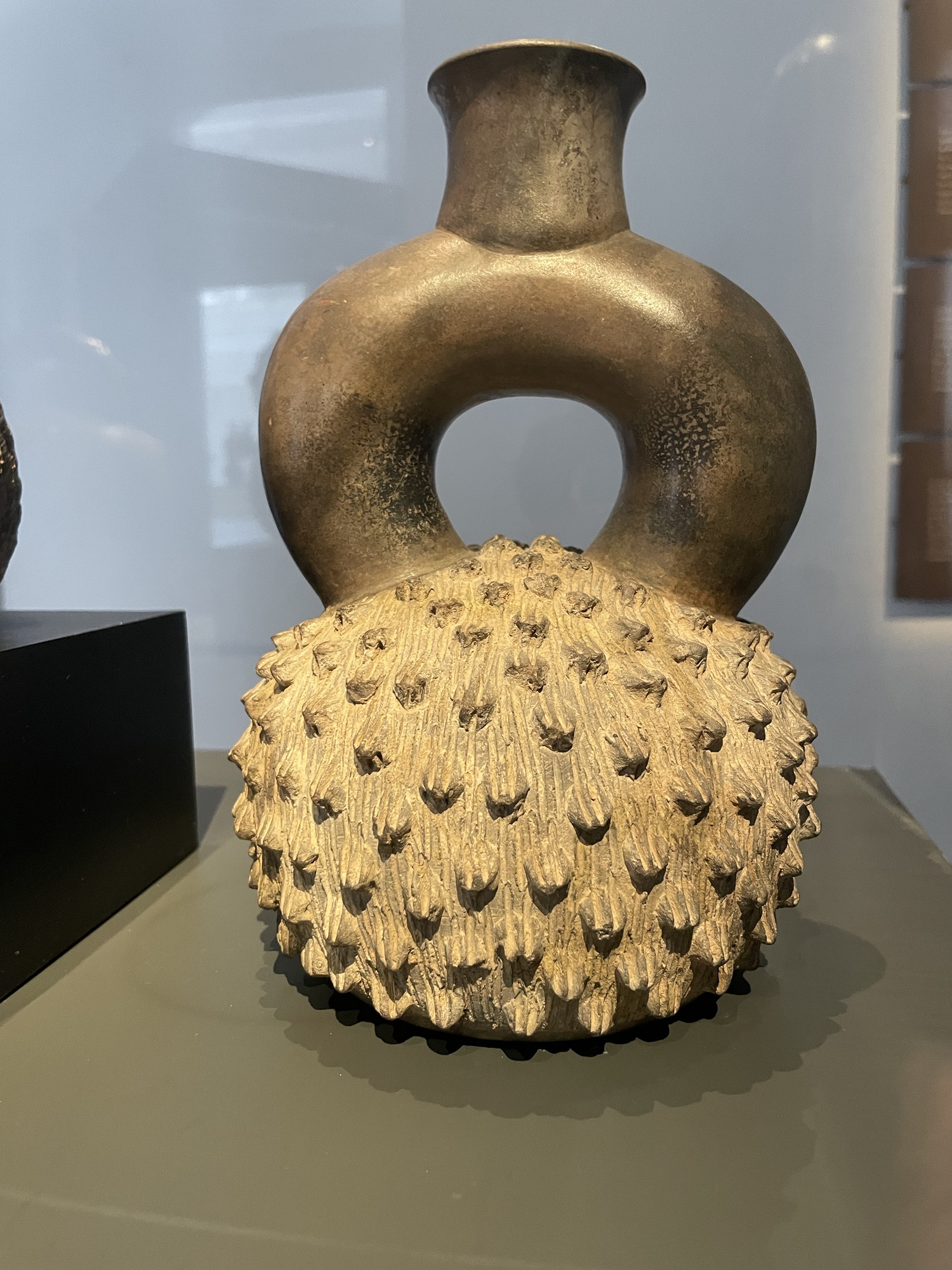


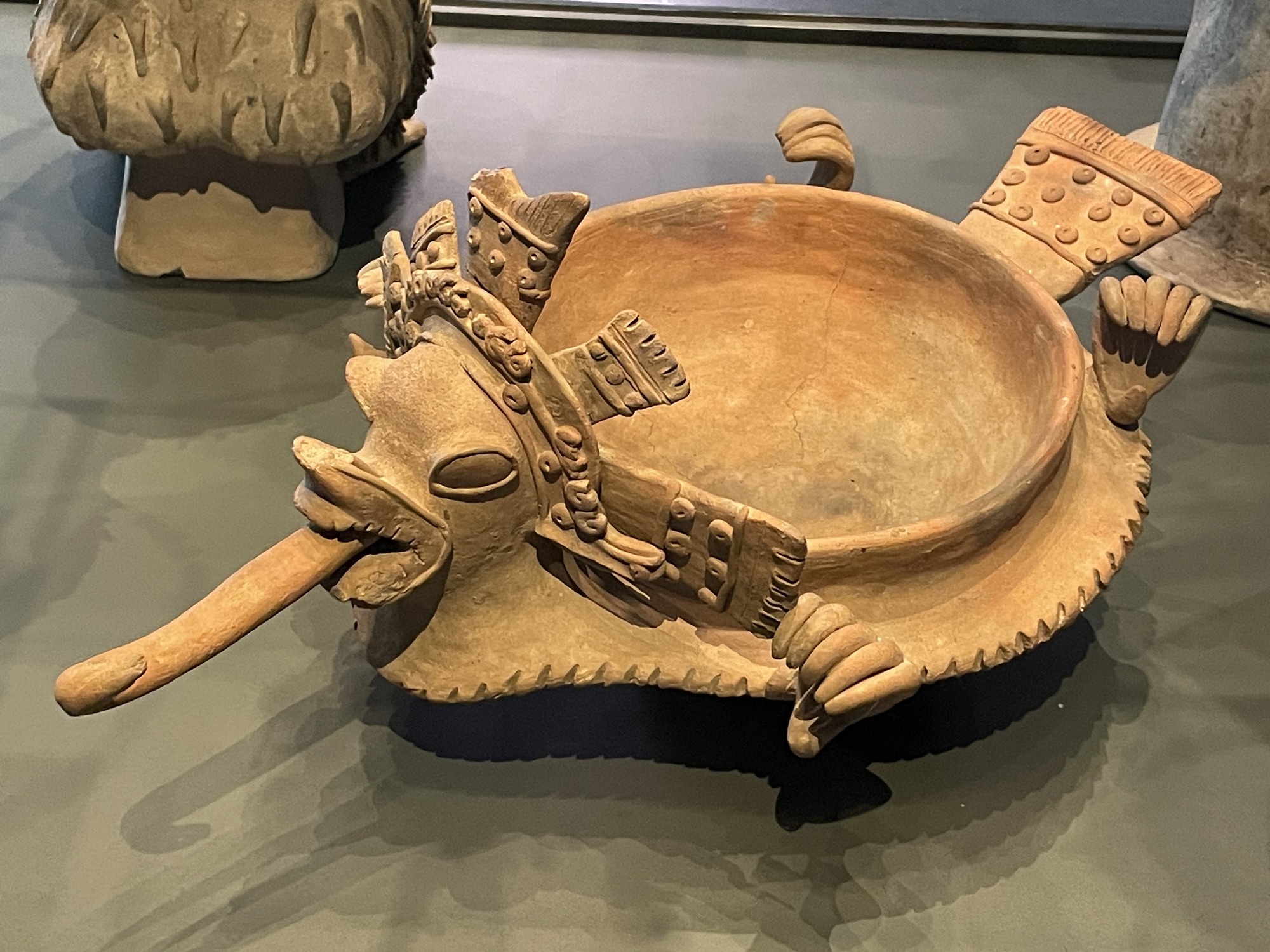

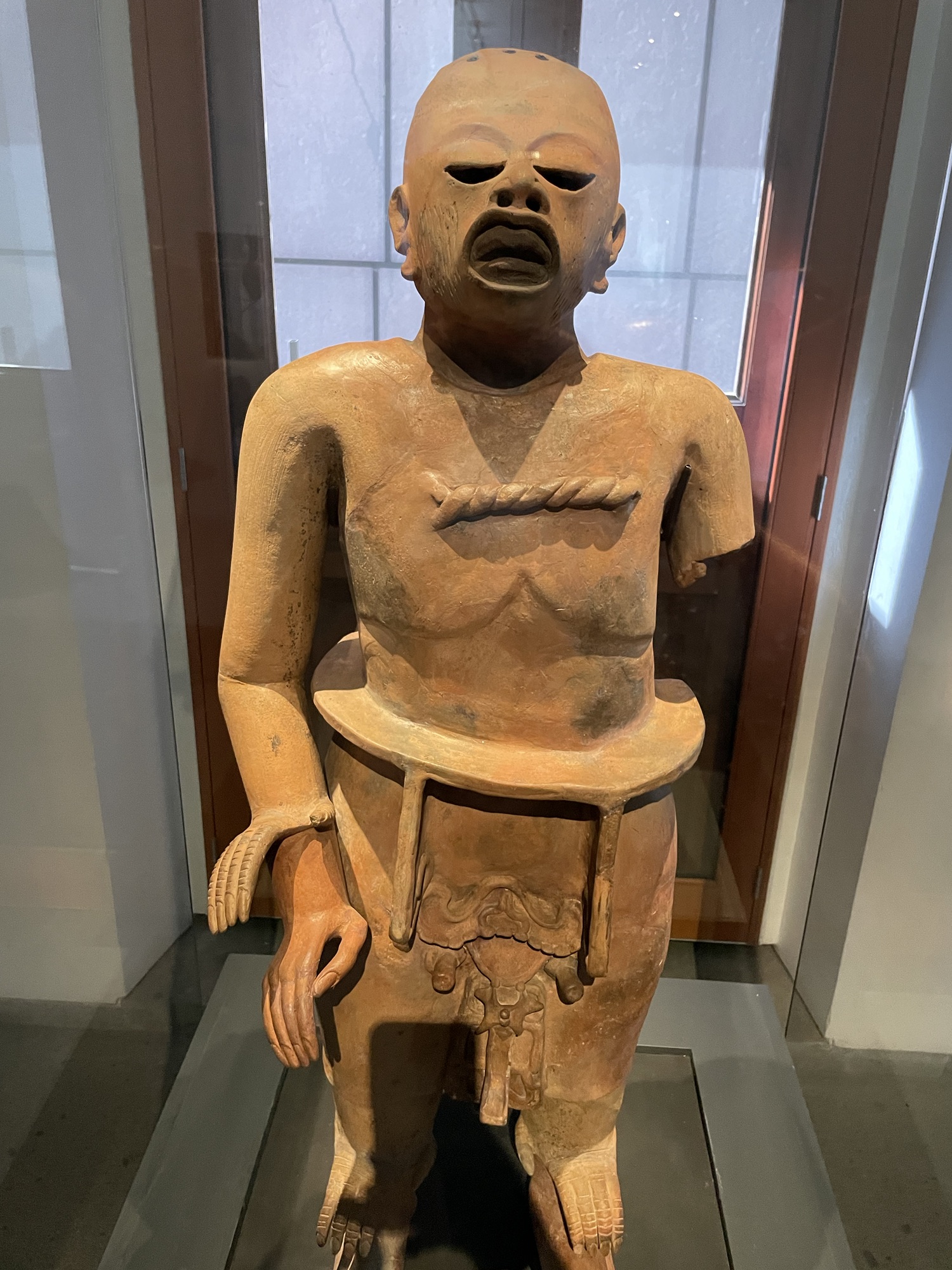
Overall, it was a day we’ll always remember.
 Sabbatikos
Leave a comment