
Easter Island (known to the indigenous population as Rapa Nui) has long been on our bucket list. When I was a kid spending many a summer on Maui, Hawaii, I was exposed to Polynesian culture and the Moai of Rapa Nui had always held great mystery for me. Books on Polynesia and sensationalistic 1970s shows like In Search Of (hosted by Leonard Nemoy) fueled my imagination with the mystery of how these ancient and massive multi-ton Moai were carved, moved miles and miles across the island and then erected onto large platforms called ahu (spoiler alert: while it remains a mystery and there are many theories as to how the Moai were moved, the UFO theory can definitely be ruled out).
Several years ago we heard a Radiolab podcast: The Dirty Drug and the Ice Cream Tub and it rekindled our interest in going to Rapa Nui. But given that Rapa Nui is considered one of the most remote populated islands in the world, I figured we’d never have an opportunity or reason enough to visit.
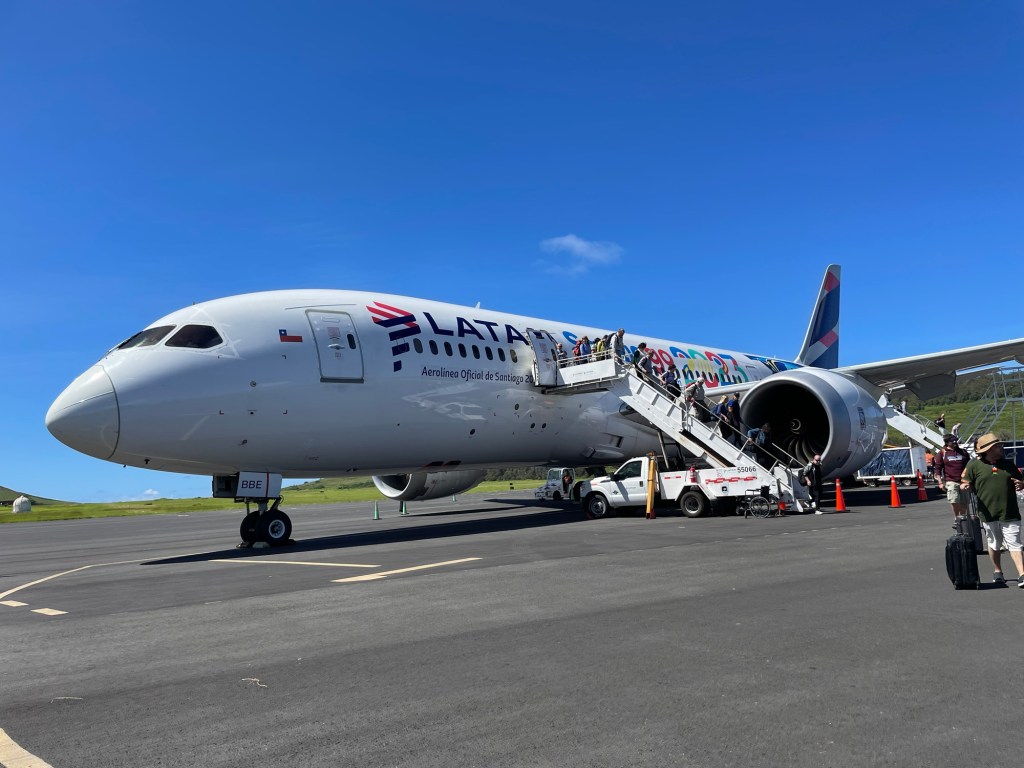
However, when researching Chile we learned that Rapa Nui is part of Chile and located 2,200 miles due west of the mainland and the only way to get there is via a 5 hour flight on LATAM airways from Santiago, Chile. We decided then and there that we’d have to work it into our Chilean itinerary.

Rapa Nui is only 14 miles long and 7 miles wide, so it is only about 63 square miles and two hour behind Santiago. We landed around 12:30pm on the tiny island which is only visited by a mere 8 flights a week (Tuesdays there are two flights from Santiago).

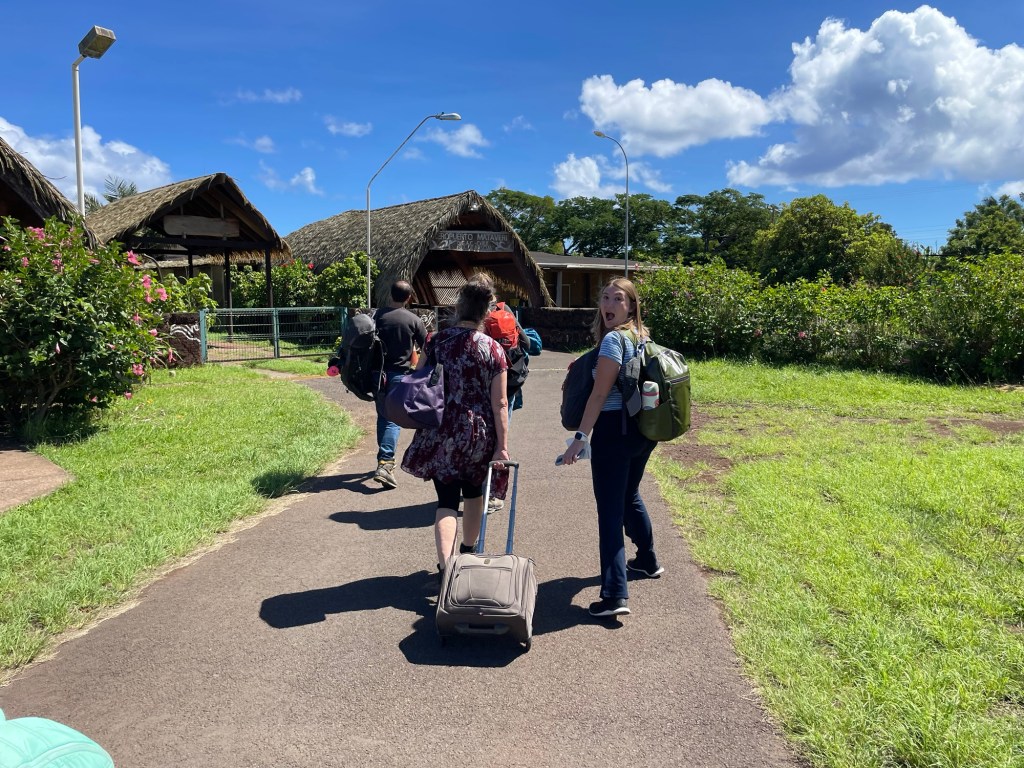
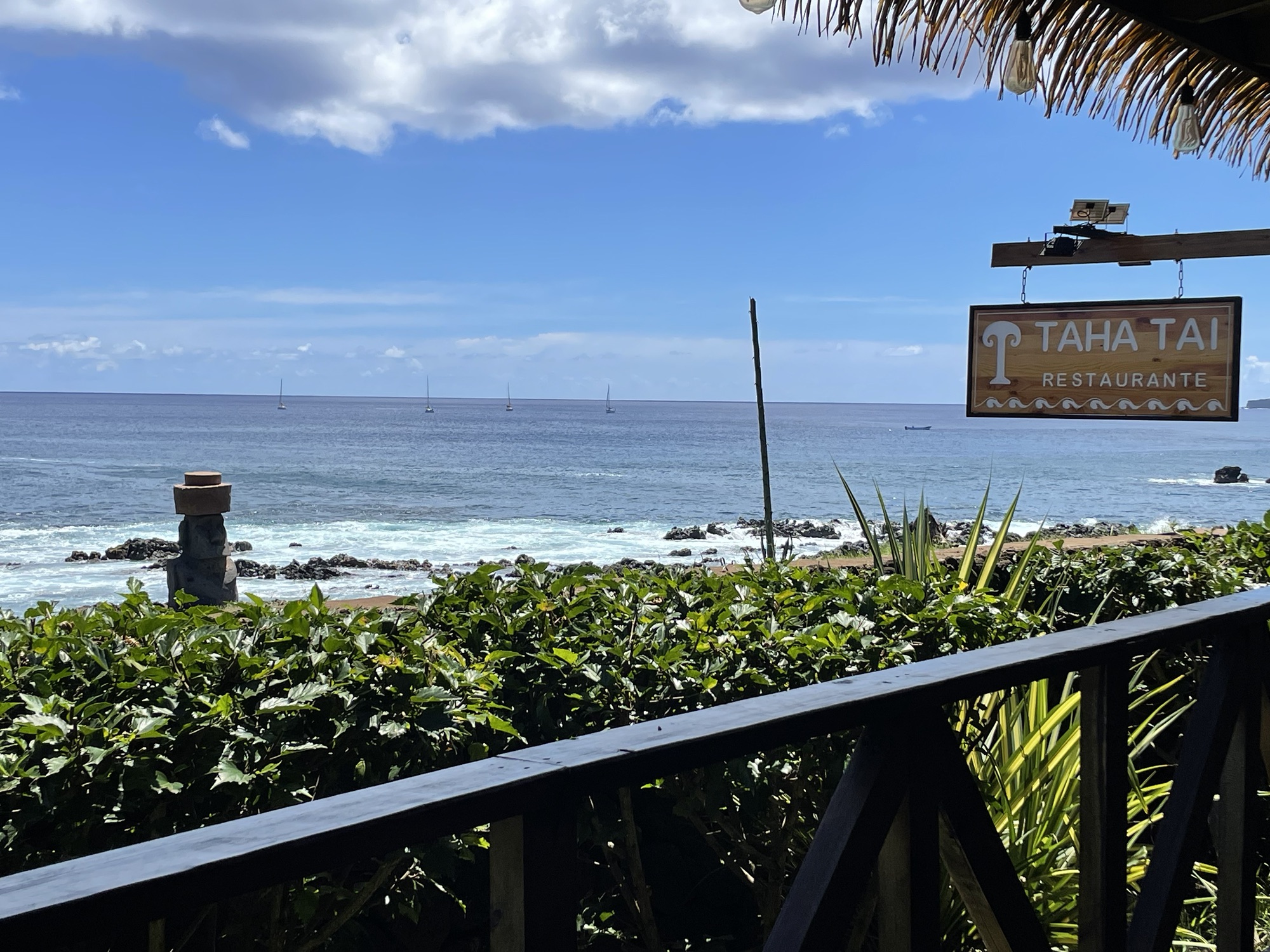
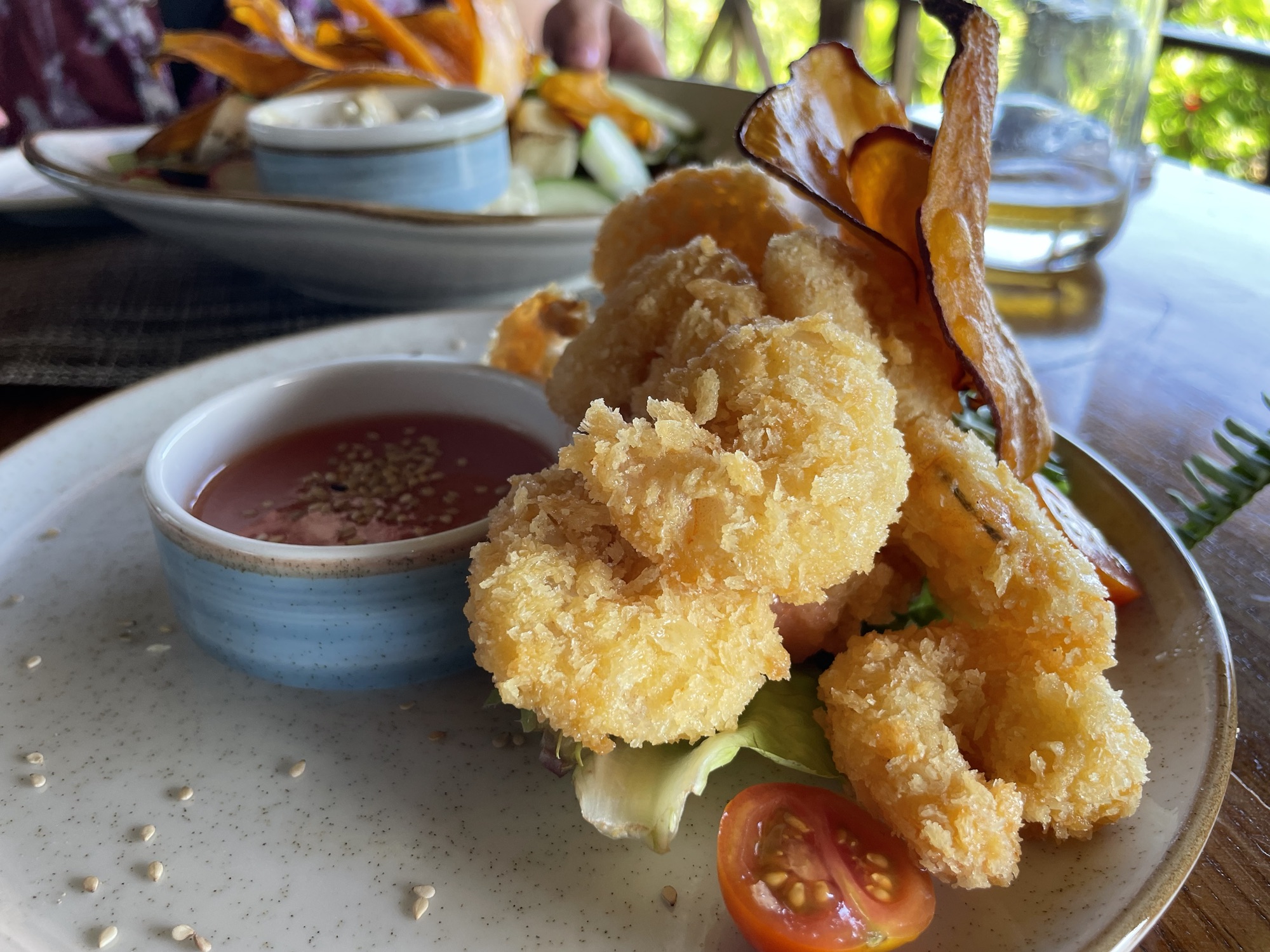
Our guide, Josie, picked us up at the Aeropuerto Mataveri in (Hanga Roa) the only town on the island and transferred us to Hotel Taha Tai. It is a simple but clean hotel with a great location near both town and the water with nice staff, comfortable beds, and a very good restaurant. We had time to have lunch before leaving on a half-day tour. The fresh caught tuna ceviche was absolutely amazing and the bbq pork ribs fell off the bone. We had heard food can be challenging on such a small island, but that clearly isn’t the case here.


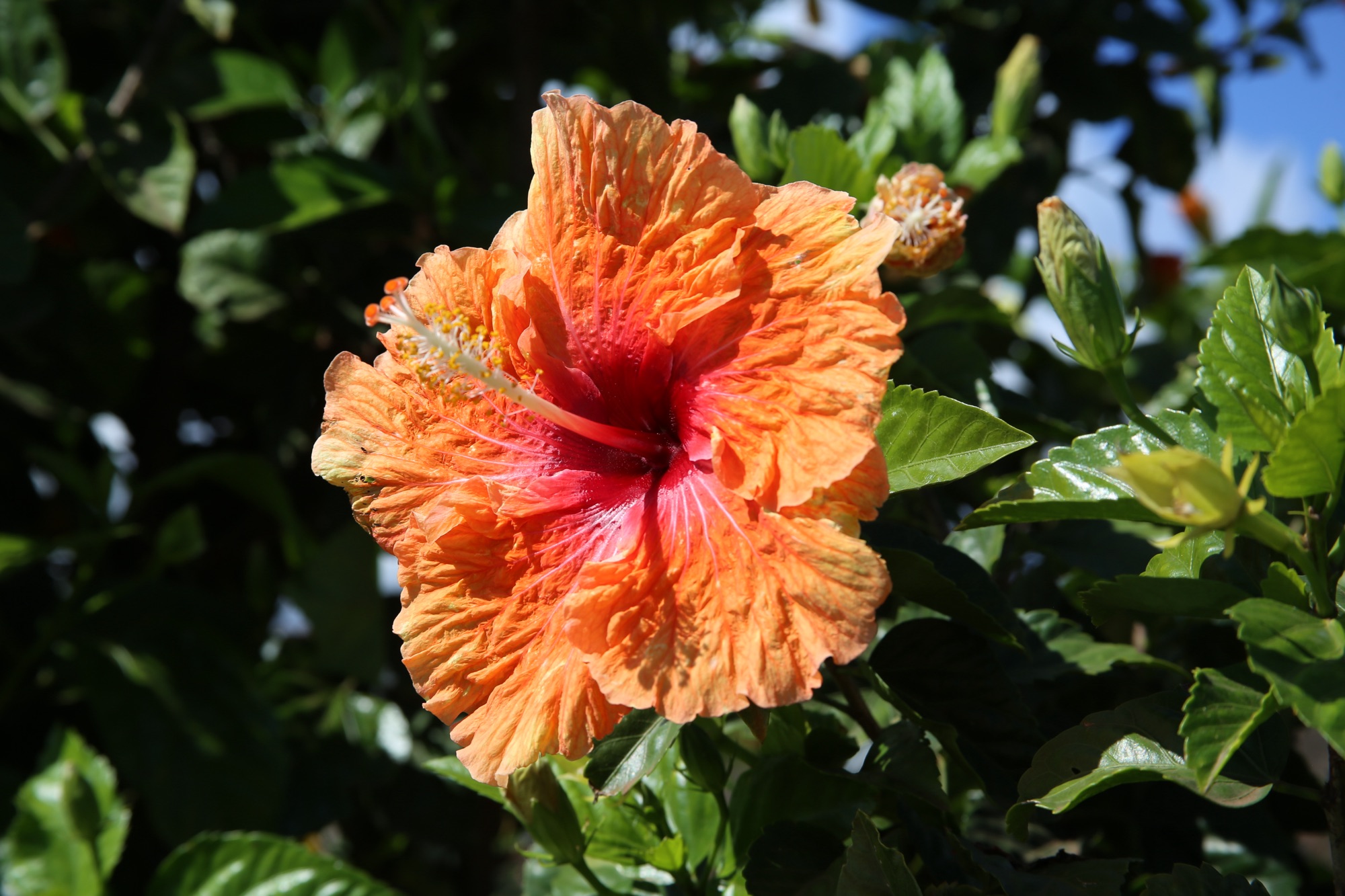


We changed clothes (it was very humid despite only being in the low eighties) and headed out on the first of our tours during our 3-night stay on the island.
Josie started with a short driving tour of the town (it didn’t take long as there aren’t many streets and only about 8000 residents on the entire island). Then we went to visit three sites: Tahai, Ahu Akivi, and Puna Pau.
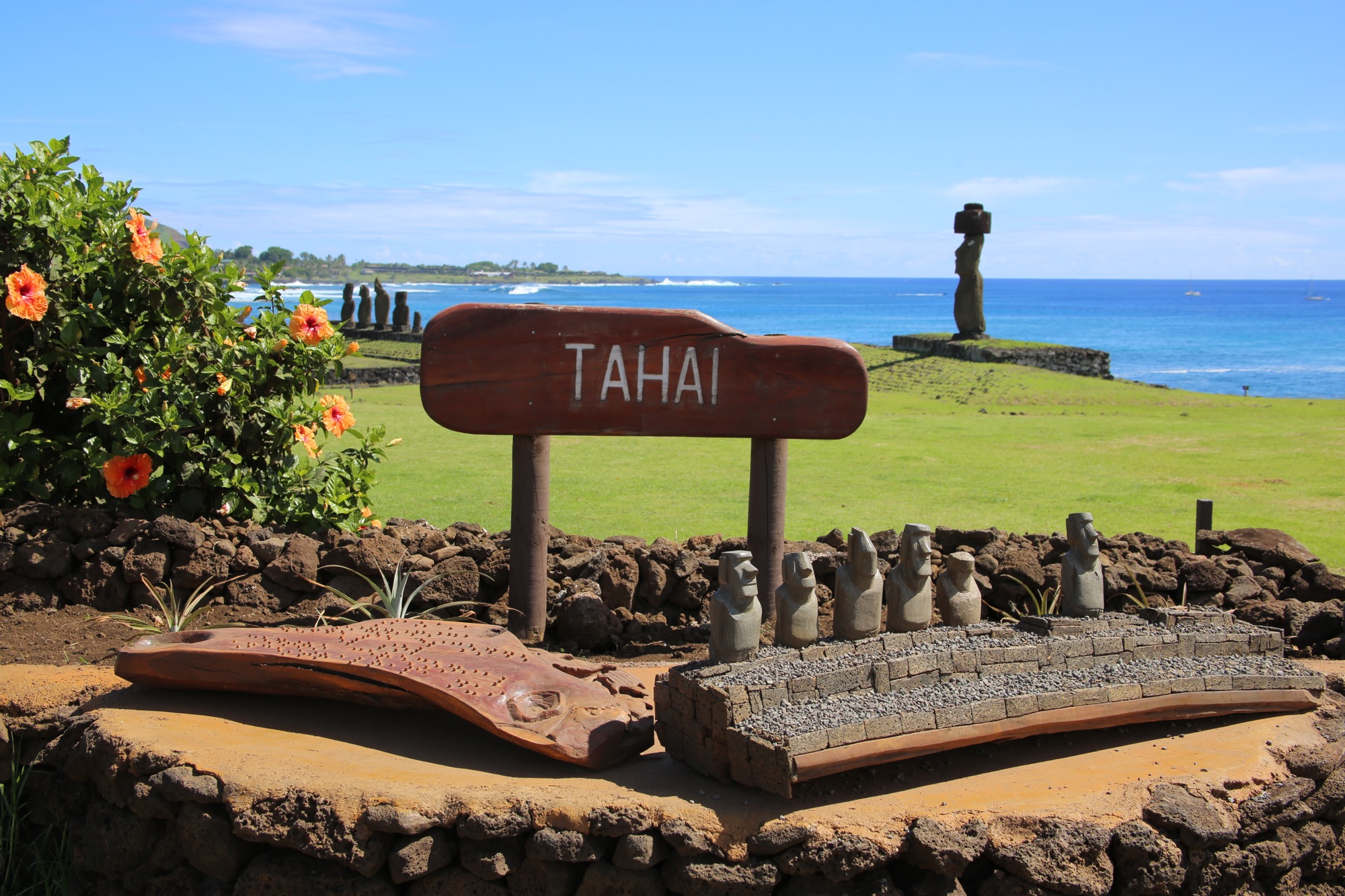
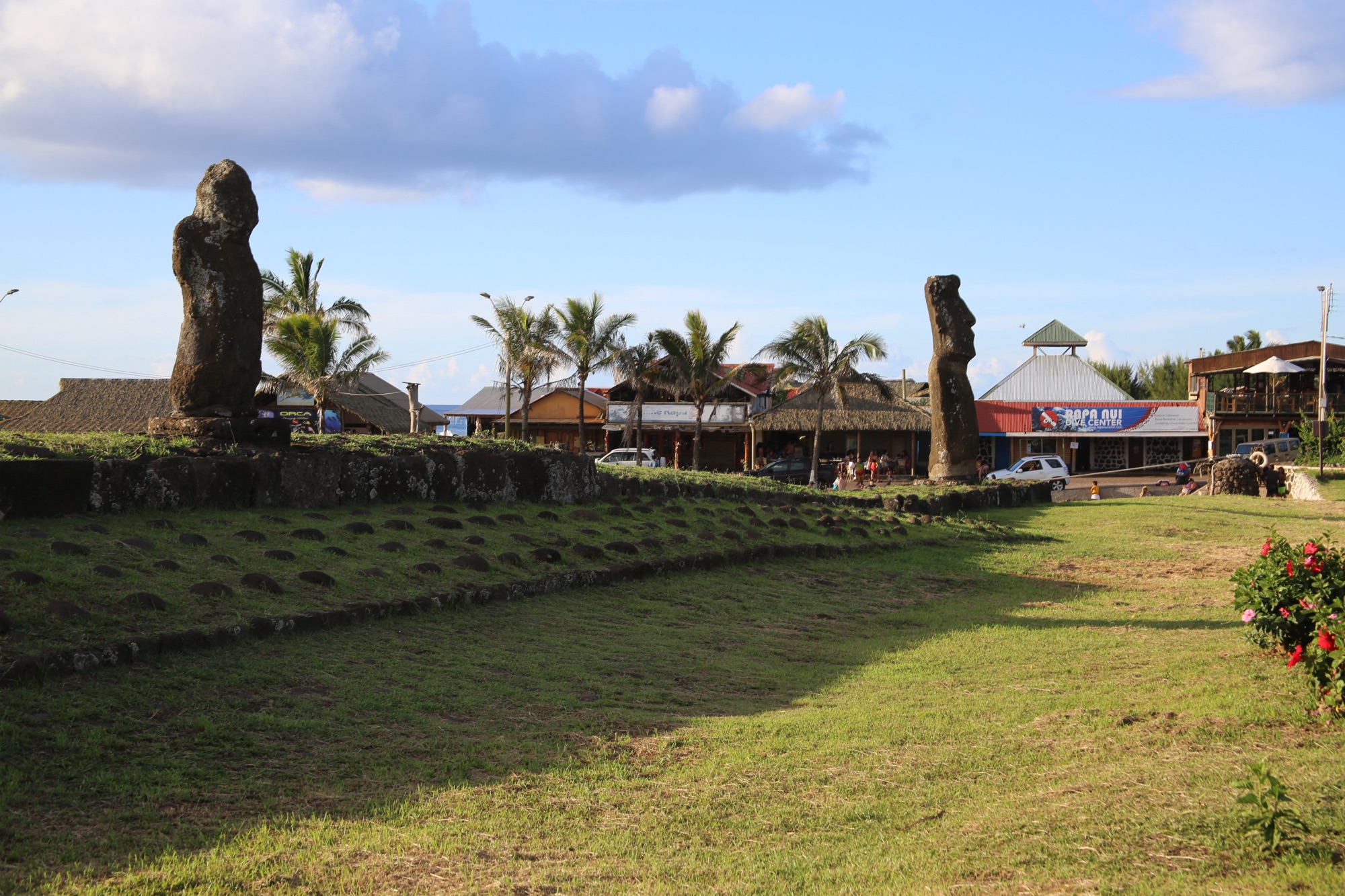
The first was Tahai, which is the closest to town and walking distance from our hotel. This was one of the first (if not the first) of the Moai and Ahu platforms to be restored in the 1970s. Most of the Moai had been toppled sometime in the early 1800s by the Rapa Nui people themselves (more on that later). NOTE: in the first image notice the braille display explaining the site, but also allowing blind visitors to feel the Moai themselves.

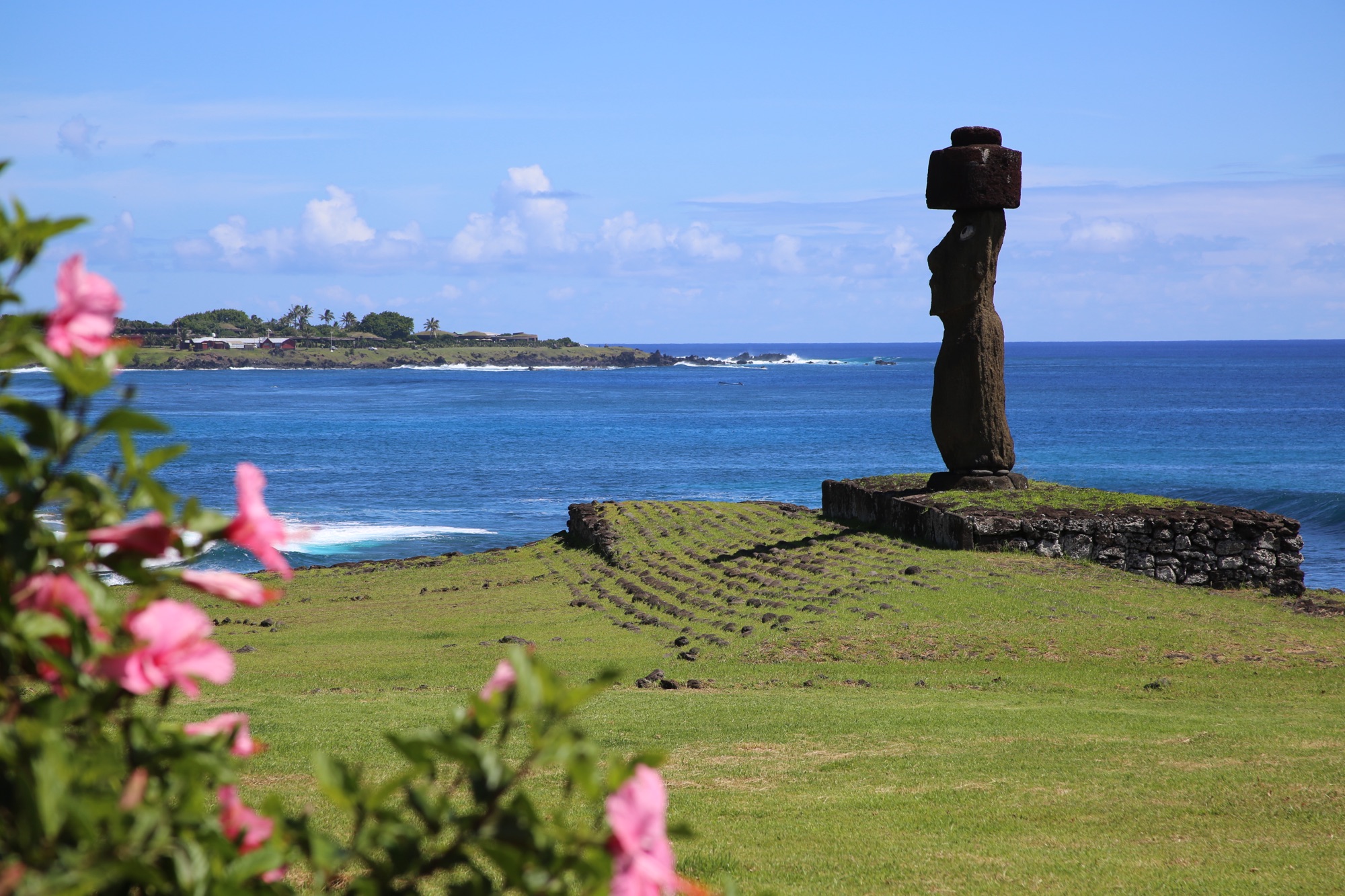


Seeing the Moai for the first time and learning about the concept of Mana they were used for, was a transcendent experience in an extraordinarily beautiful place (water color so turquoise, lush green hills, and these amazing monolithic Maoi channelling Mana to their people). We walked up the hill where we got a view of the remnants of a cave (lava tube) and a platform used for sleeping in (the people of Rapa Nui believed they left their bodies when sleeping, so they constructed lodgings that would protect them while away from their bodies). We also saw a typical boat house (shaped like a canoe) which they’d build a roof over using palm fronds.


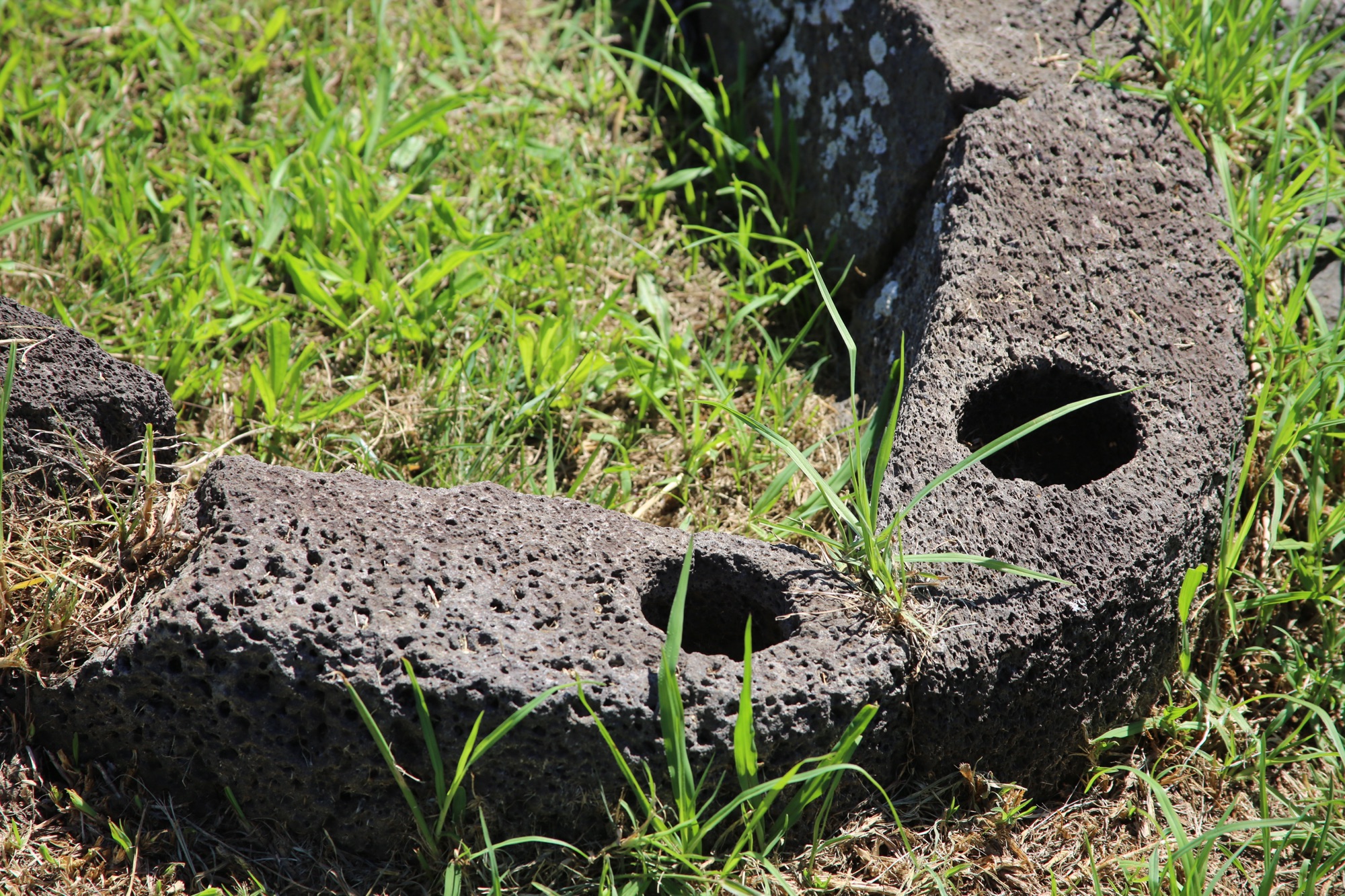


There was a marker here recognizing archeologist William Mulloy who did research here in the 50s/60s which led to the restoration of these Moai and Ahu. He also happened to be the grandfather of our tour guide Josie and gave her a wealth of knowledge and insight on the history of Rapa Nui which she was eager to share.
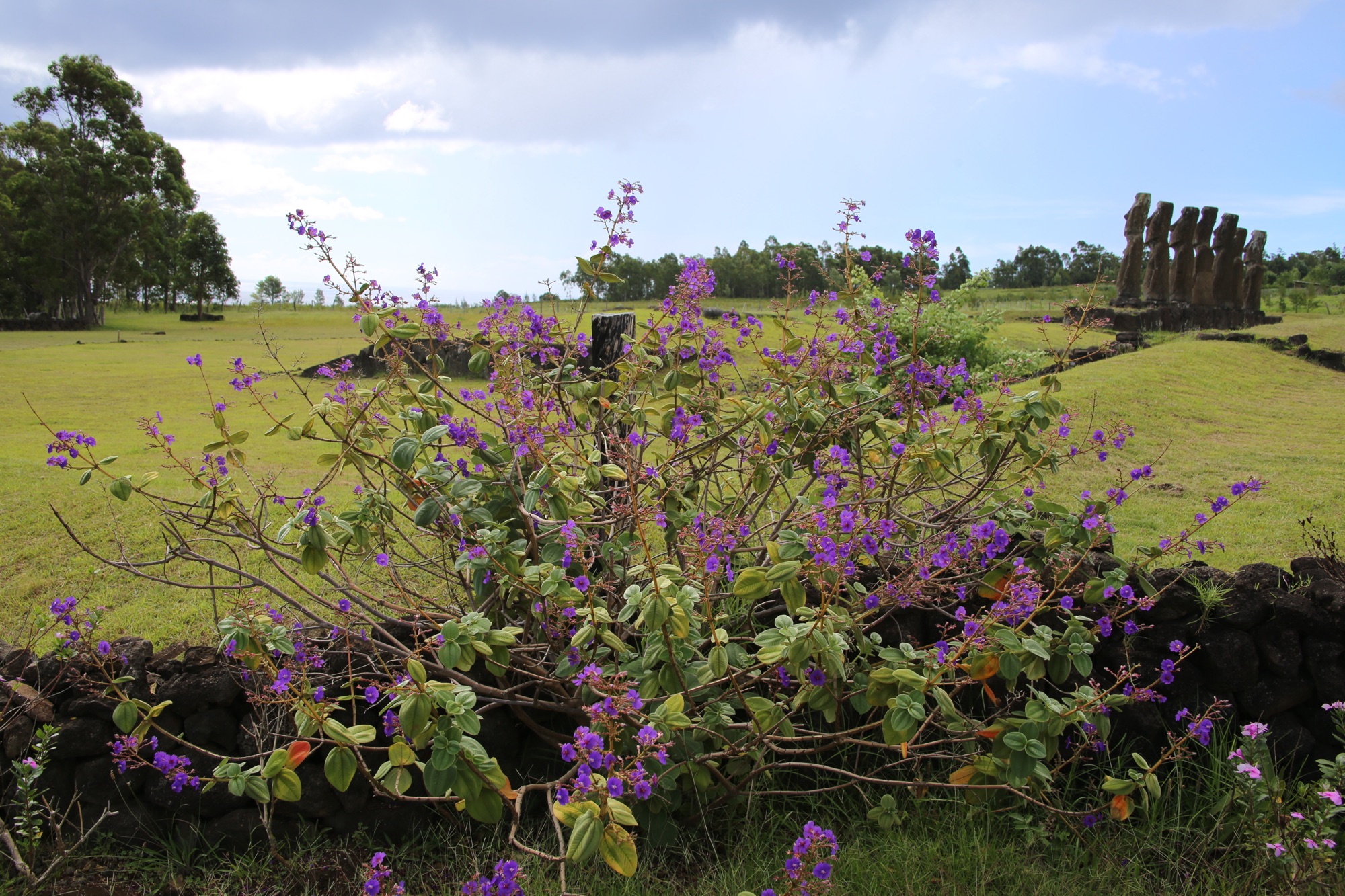
Next we went to visit the Moai at Ahu Akivi, the island’s only Moai that face the ocean (all other Moai face the center of the island towards the people who erected them). While these Moai technically face the ocean, Josie pointed out it was more likely they faced a village that happened to be in the direction of the ocean. She also informed us that the Ahu they sit on runs exactly North to South meaning the Moai are facing due West which lines up perfectly to be facing the spring equinox and with the sun at the back of their heads at the fall equinox.

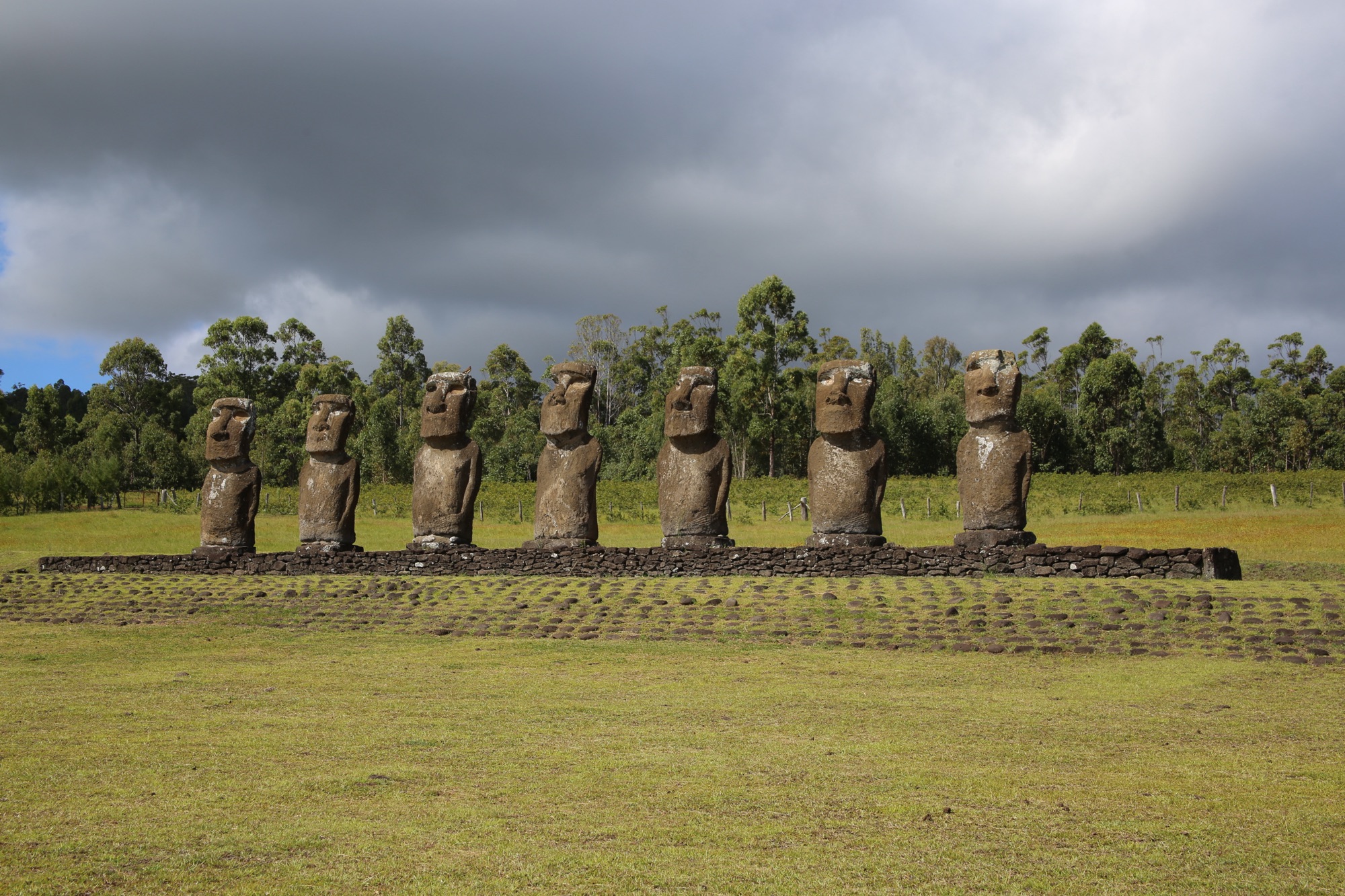

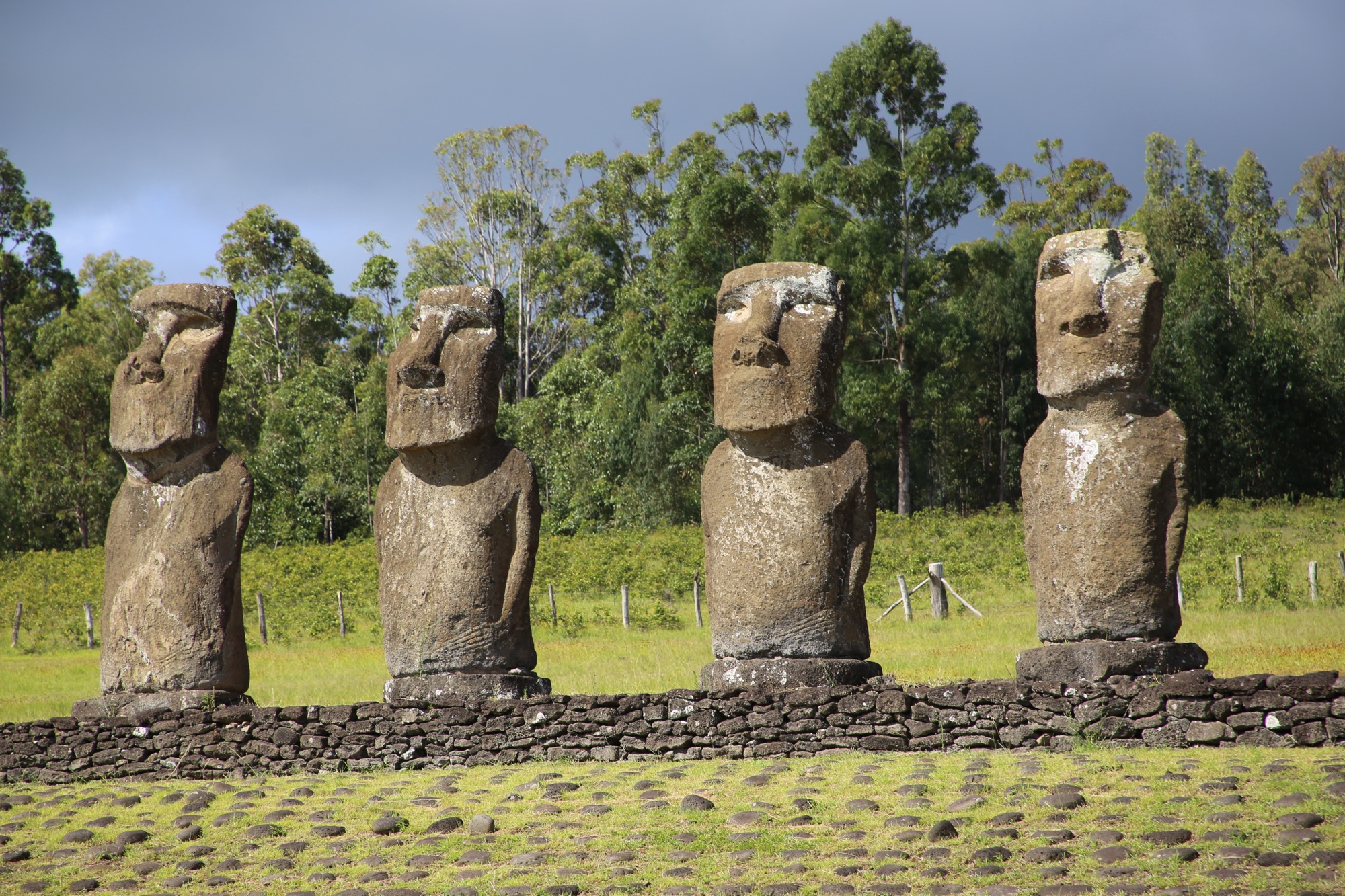
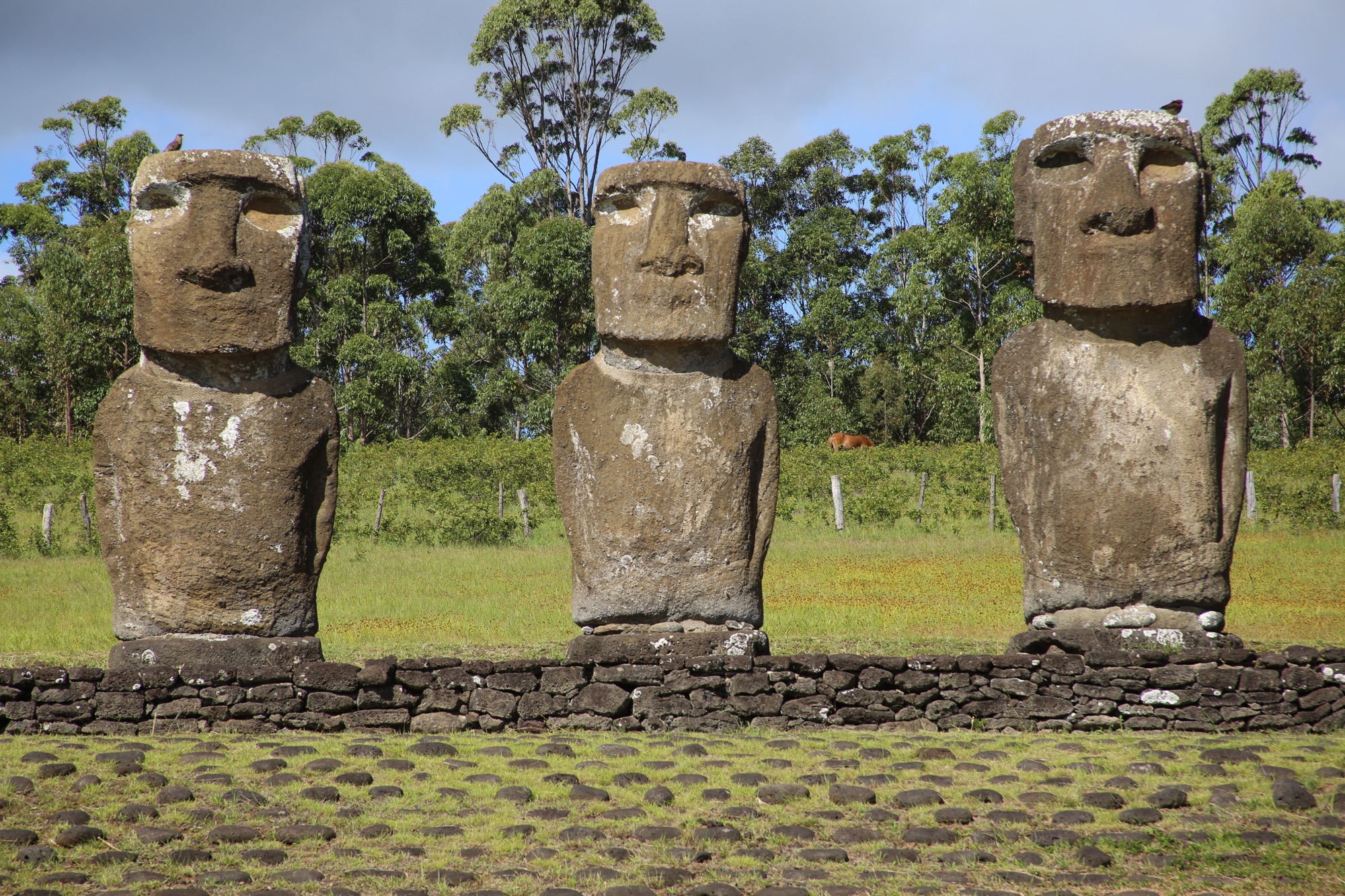

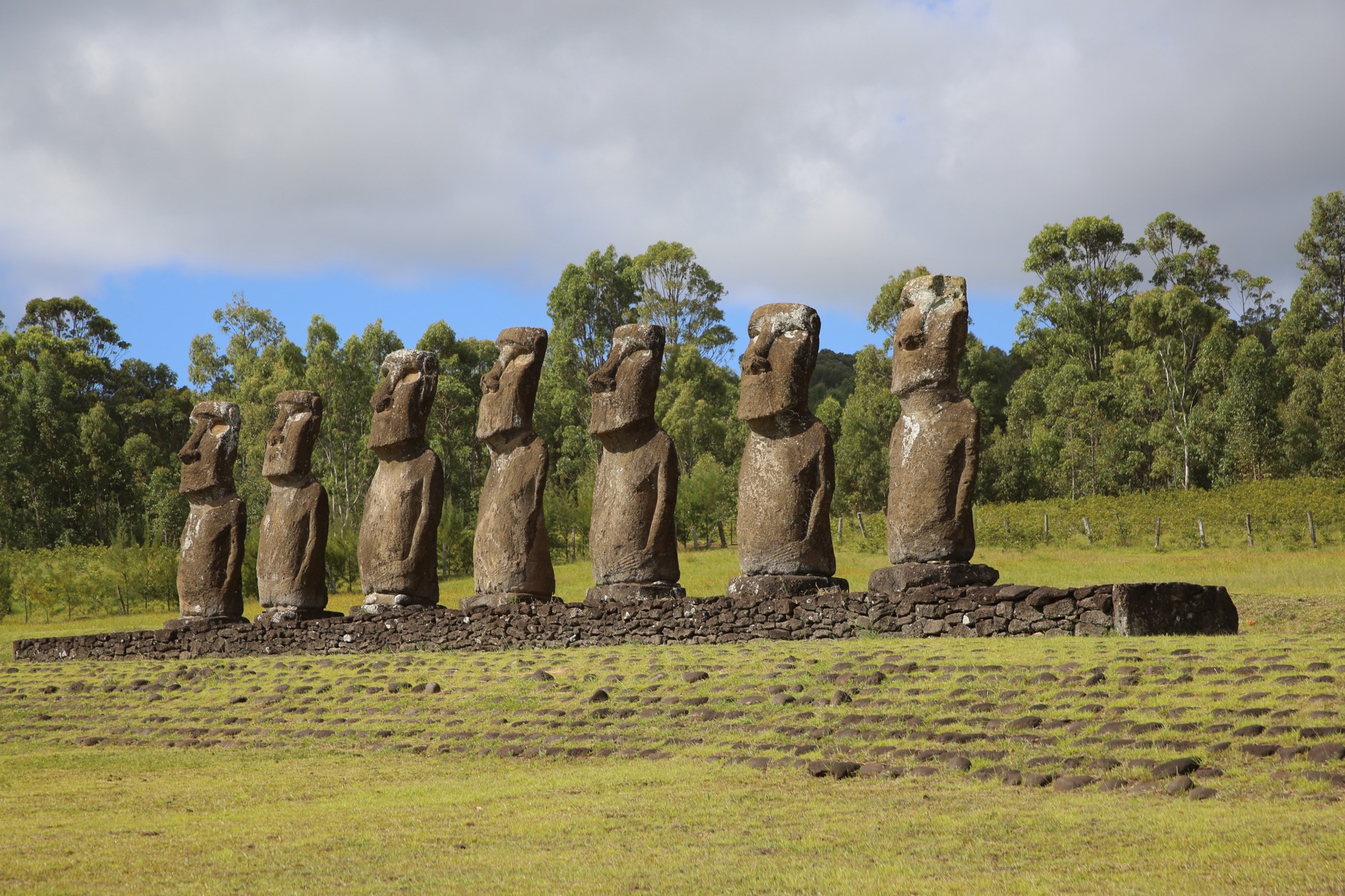
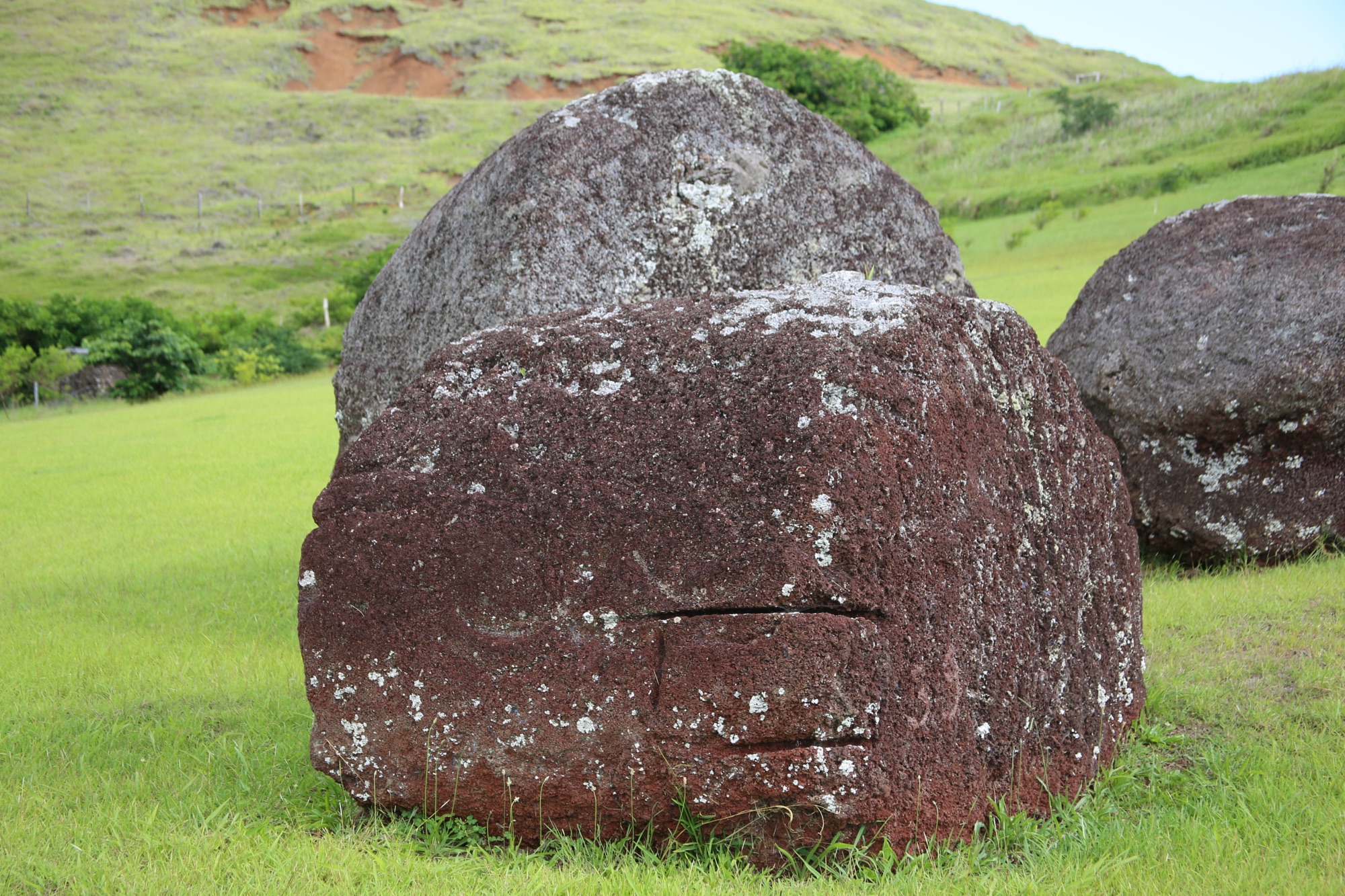
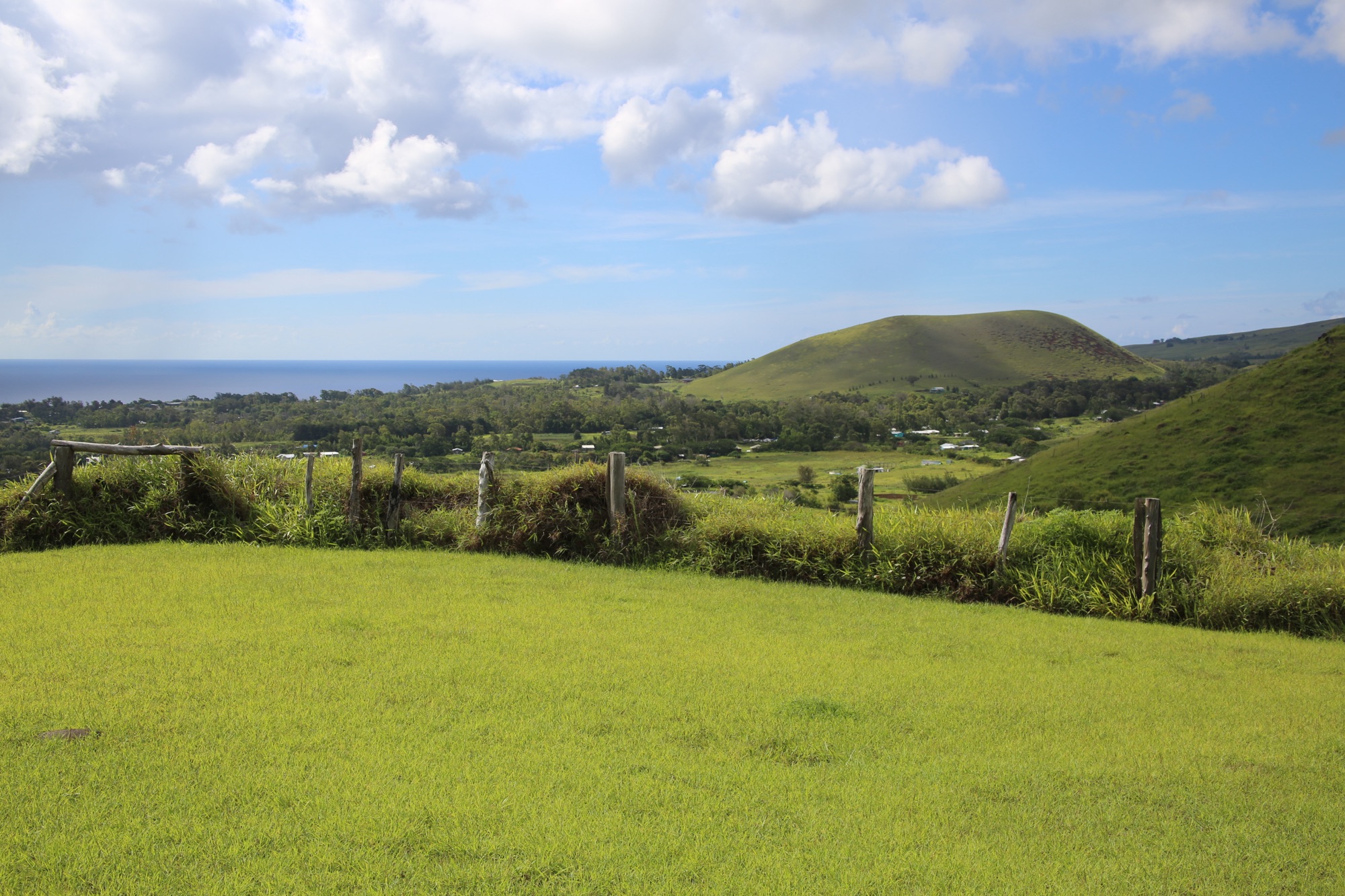
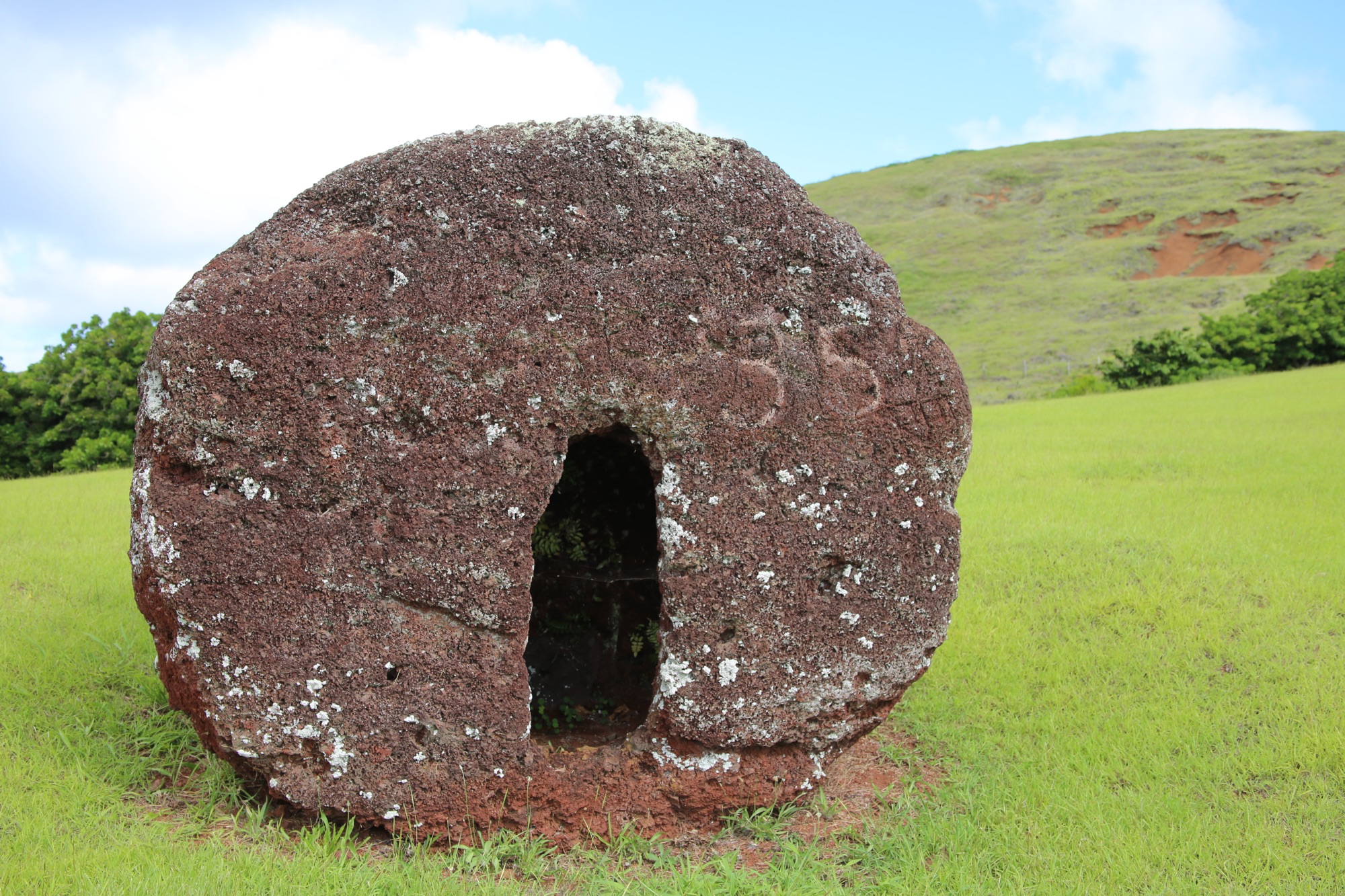
Our last site for the day was Puna Pau the quarry where the Moai Pukao (or top knots) were carved out of another stone called red scoria. It remains a mystery if these were put atop the Moai before or after they were erected and either way, how did they do it?!




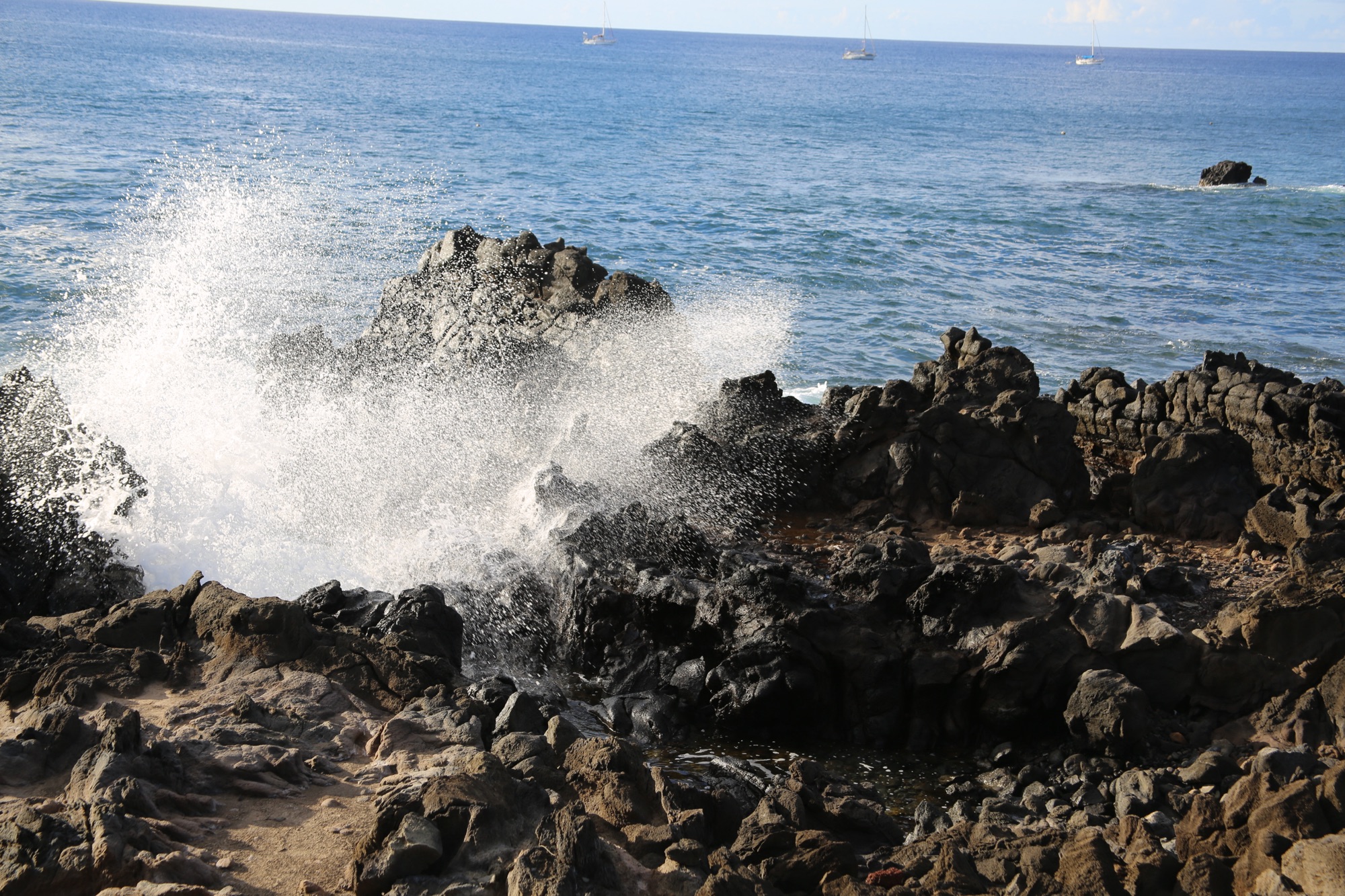
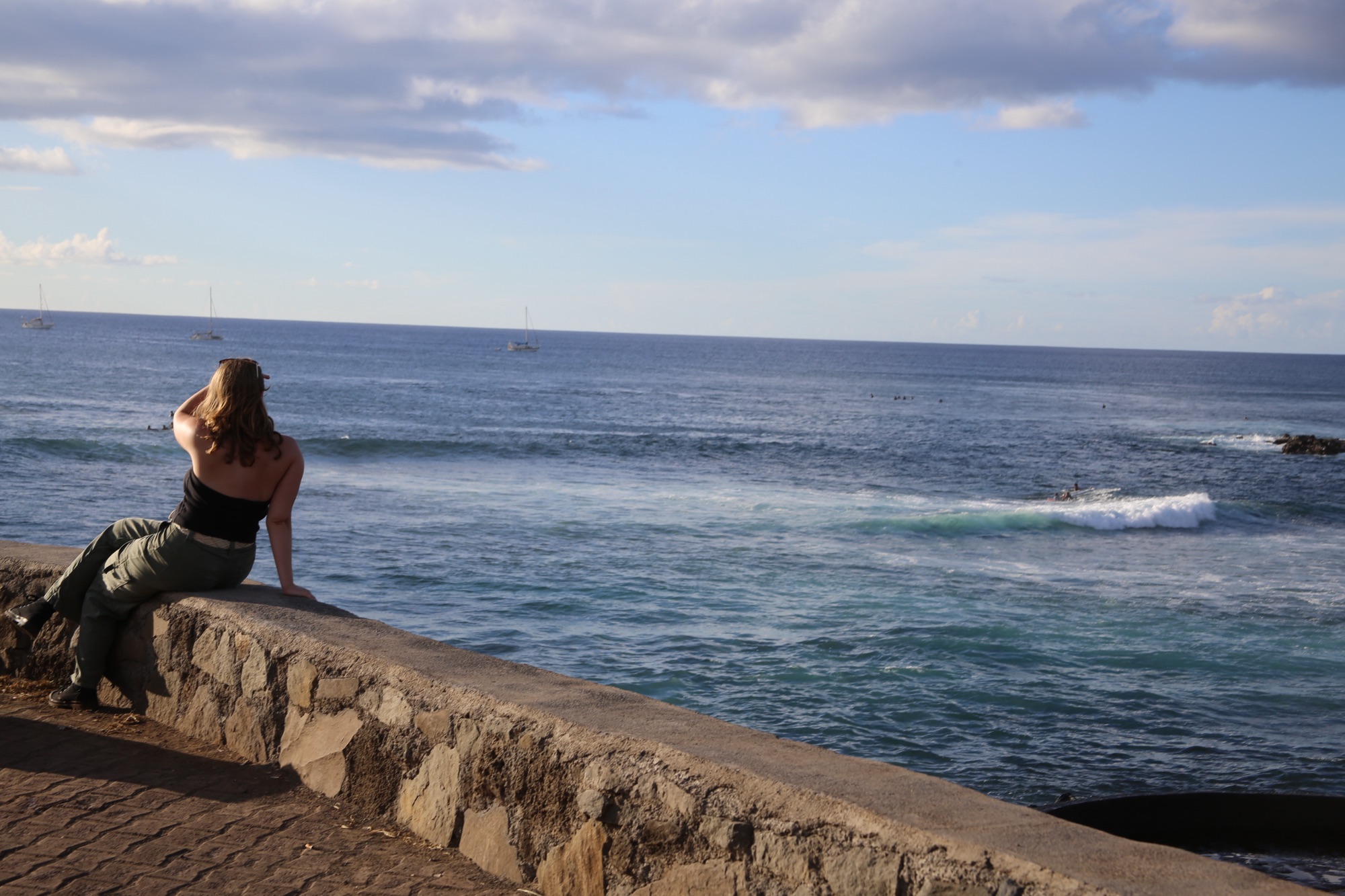
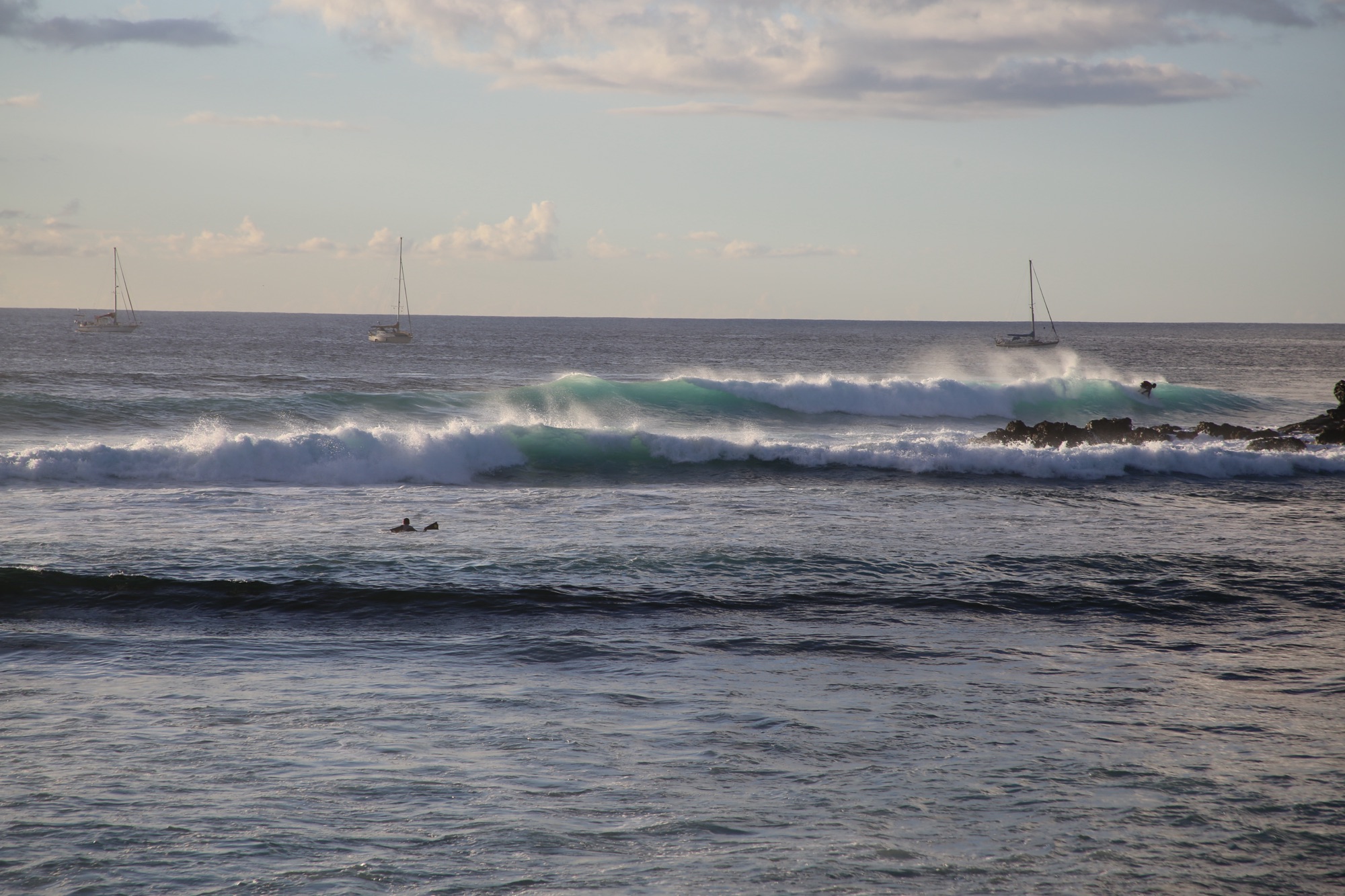
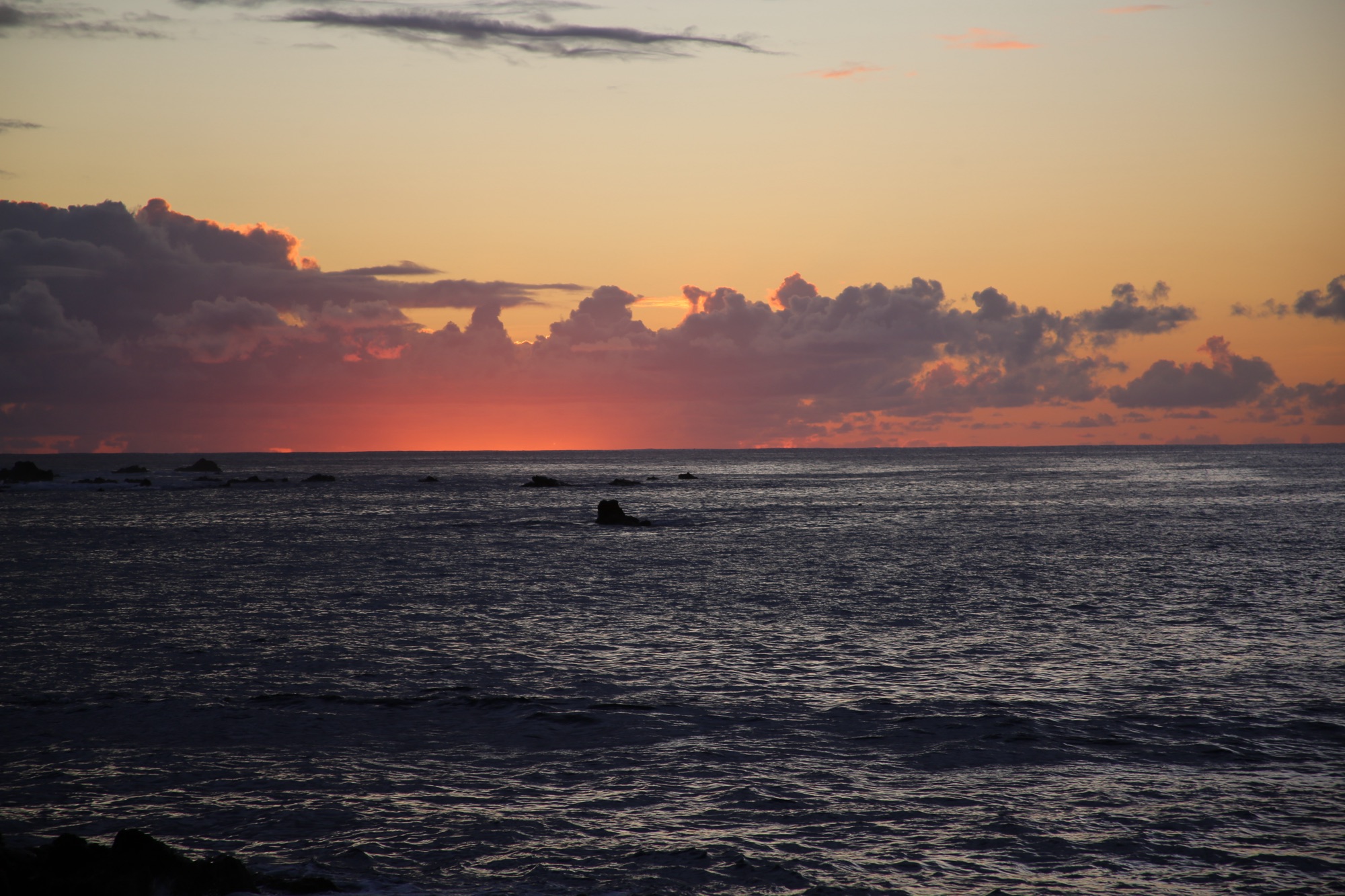
We returned to Hotel Taha Tai in the evening and set out to walk around town and find a place for dinner. We chose a place near the marina called Pea which had a great view of the surfers and sunset. We were still full from lunch (the portions in Chile are HUGE!) so we just had a few pisco sours, beer, and french fries, watched the sunset and went to bed.





 Sabbatikos
Leave a comment