
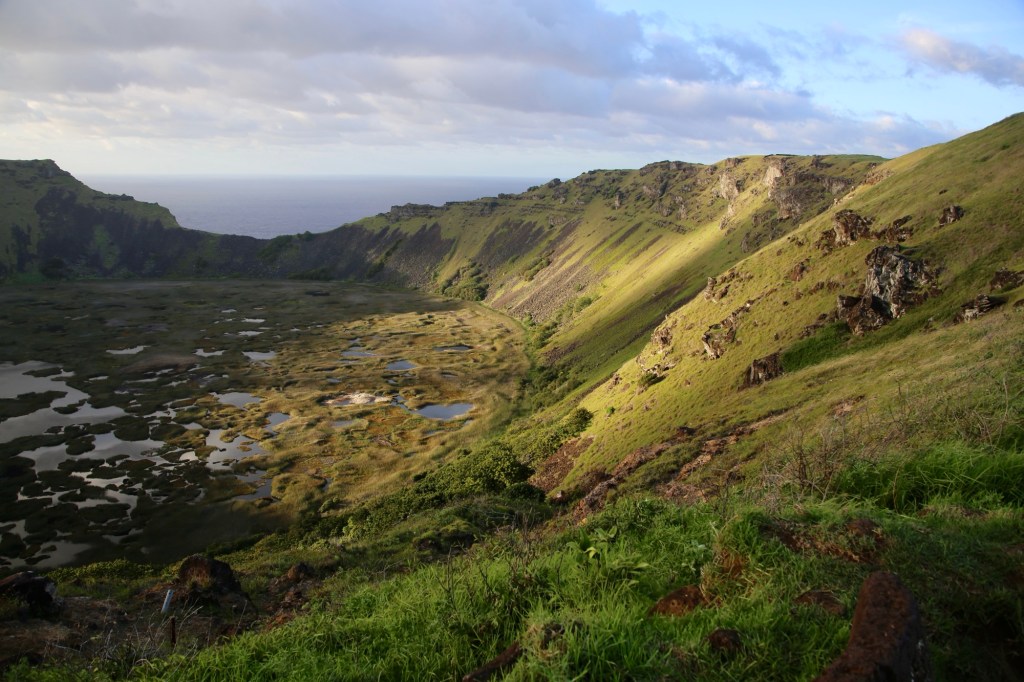
In the morning we headed to the 1,063 foot rim of the dormant volcano Rano Kau. In the distance were two important historical locations for the Birdman Cult of Easter Island. The first was the ceremonial village of Orongo, the religious site for the tangata-manu (Birdman) competition and the second was the saddle of the volcano, where the competitors would descend into and ascend out of the Pacific during the competition.
Rano Kau is the remnant of the main volcano that created Rapa Nui. The crater lake inside is one of only three fresh water sources on the island. The morning view of the mile-wide crater was stunning.
Next we headed to Orongo where we learned more about the Birdman Cult initiated by the annual arrival of the bird manutara (or Stooty Tern).
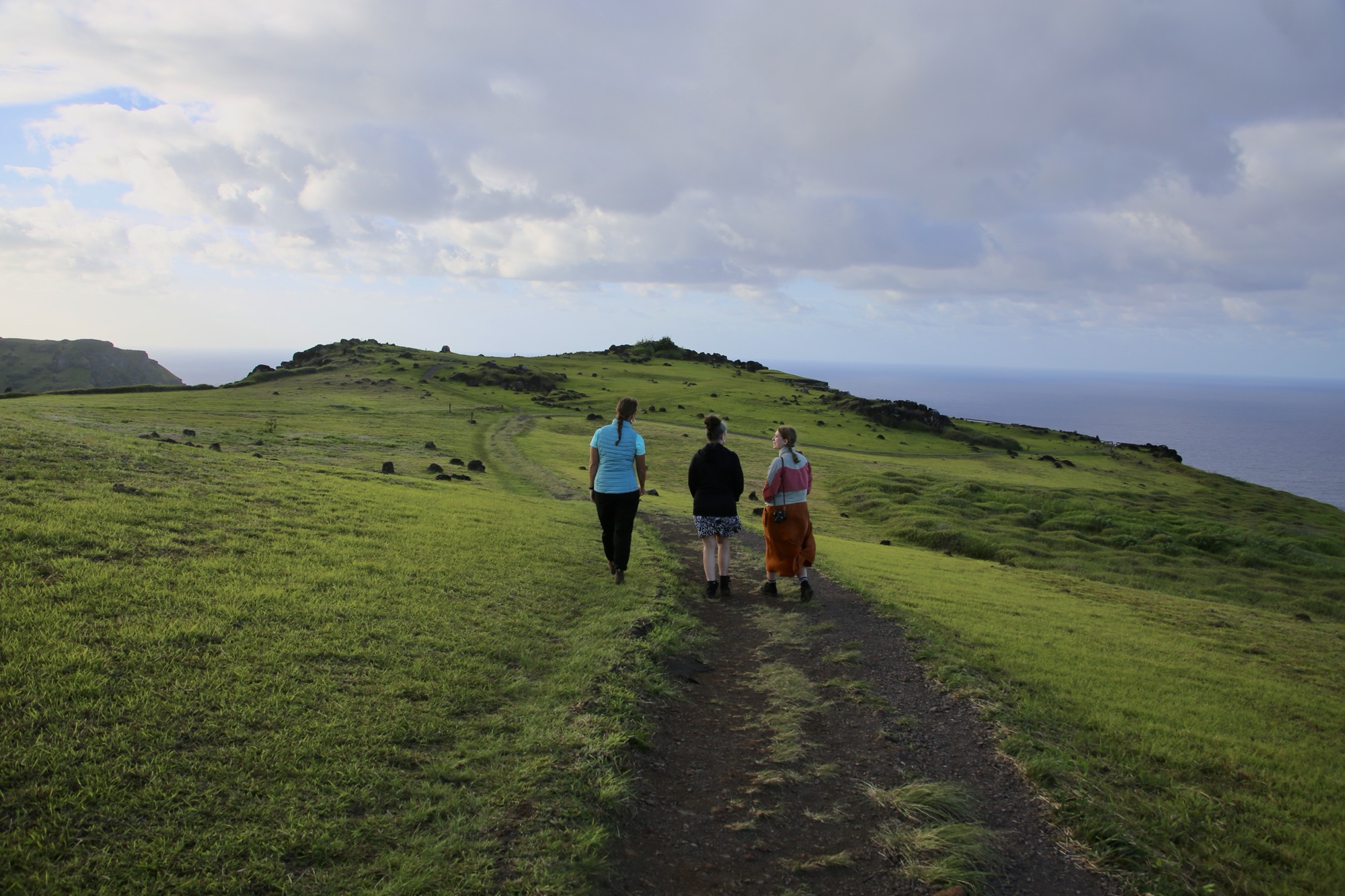

The manutara is a migratory bird that used to nest and breed on the rocky islands off the shores of Rapa Nui. Their September arrival and nesting on the small island of Motu Nui (fun fact: also the name of Moana’s home island) would signal the start of the Birdman competition.
The ceremony of tangata-manu, or birdman, was a way of worshiping Make-Make and fertility. But the Birdman competition also had an important political element as it established power for the winning tribe at a time when historical ancestor and hereditary (kings) worship had lost popularity on the island.
The annual competition involved chiefs of different tribes or their chosen hopu (representatives) competing to obtain the first laid egg of the manutara (Sooty Tern) from Motu Nui, the largest of the offshore islands.
The competitors would descend the cliffs of Rano Kau and swim the 3 km to Motu Nui and the first one to return with an egg would be endowed as tangata-manu (or the chief he represented). This designation would be considered sacred for a year. The last competition took place around 1867 when the Christian missionaries frowned upon it.
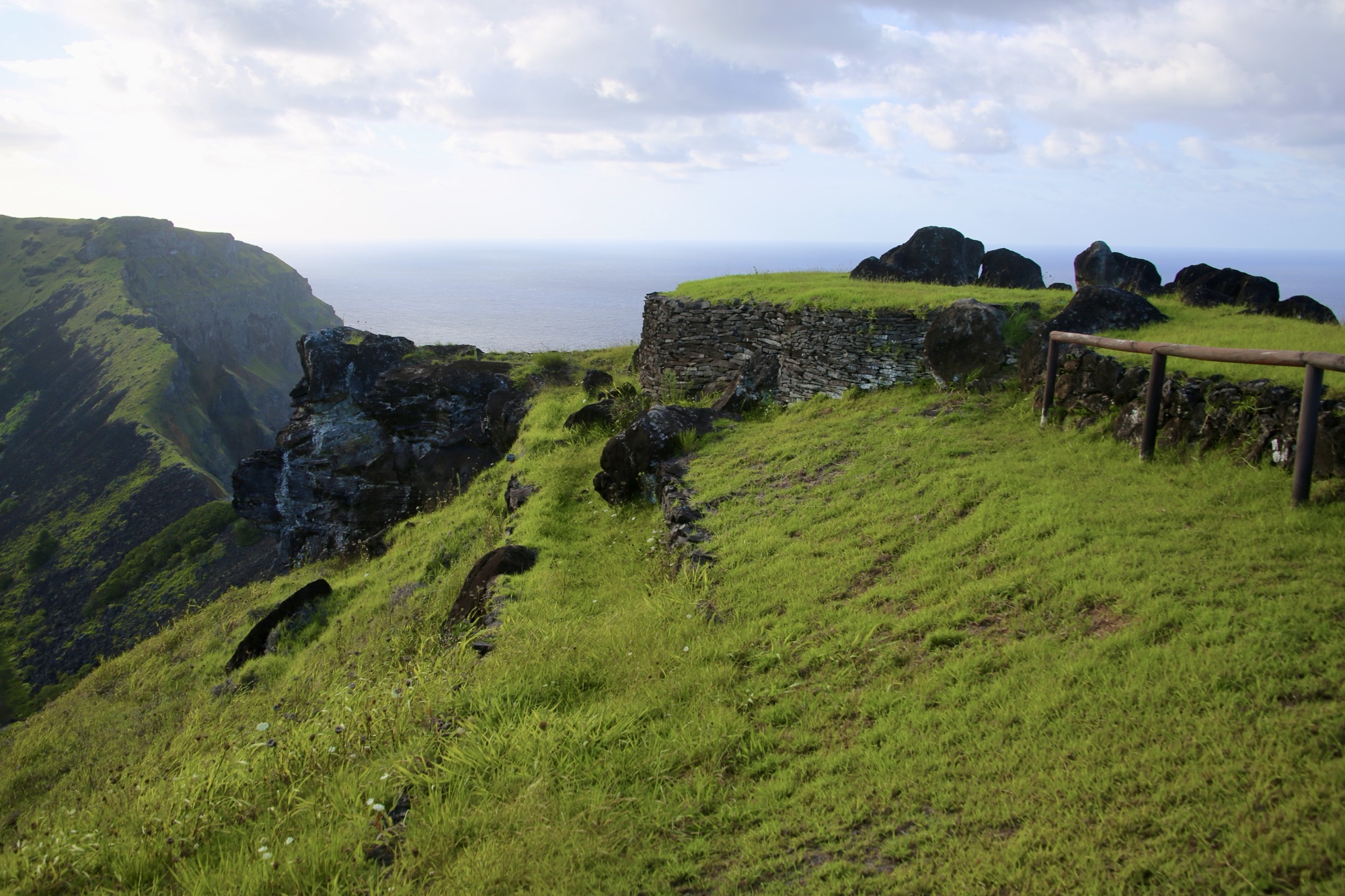
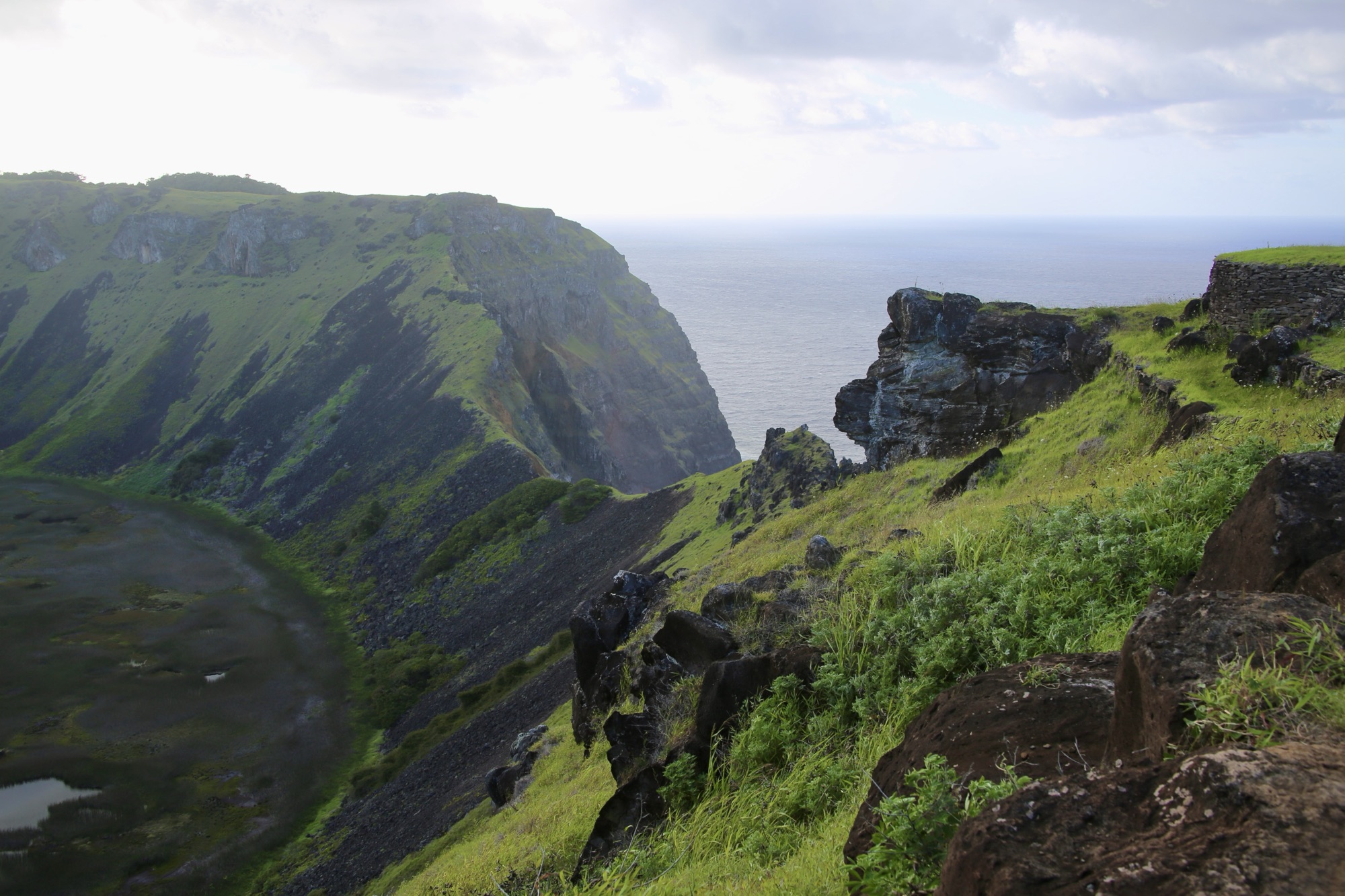
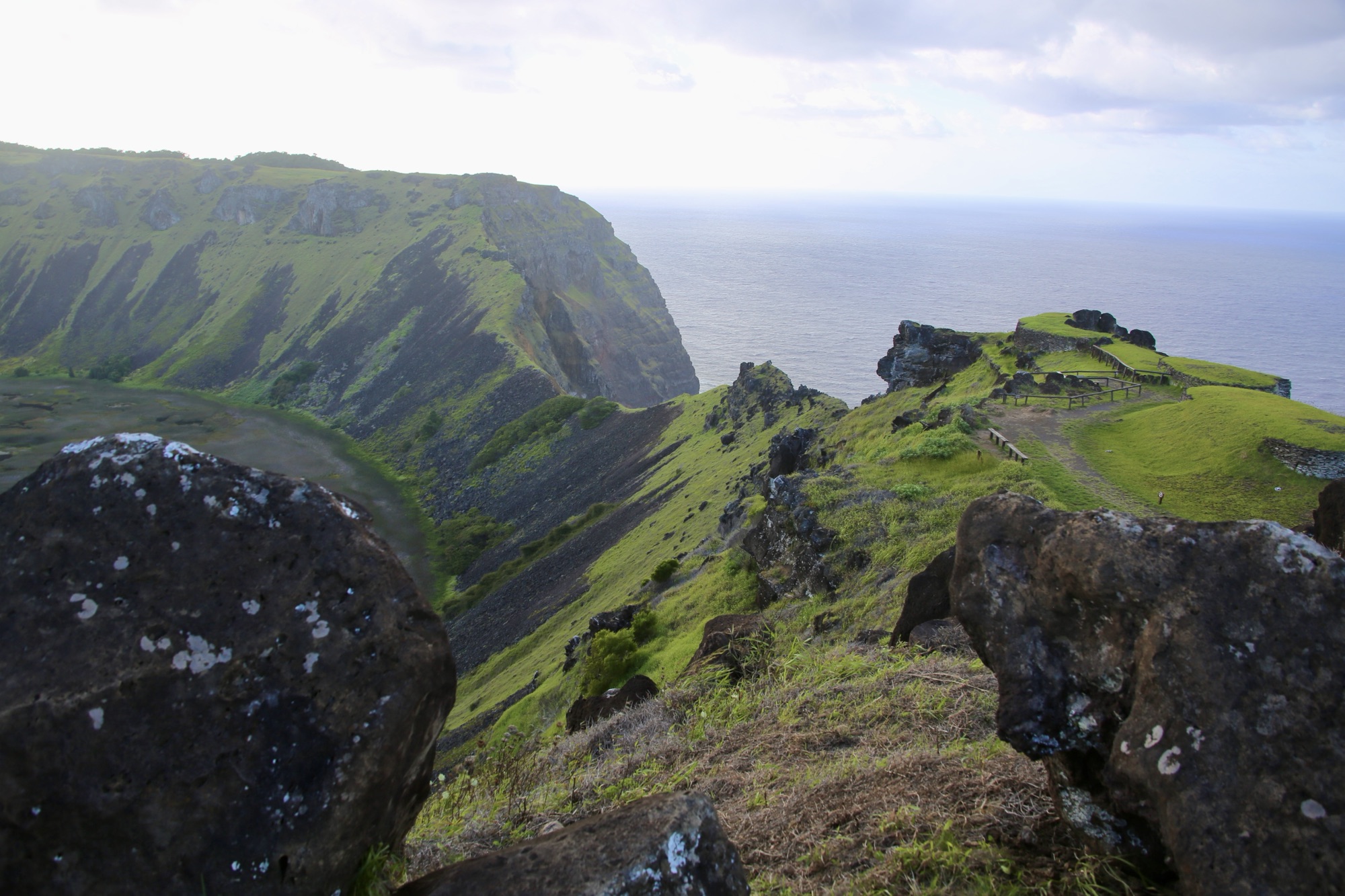
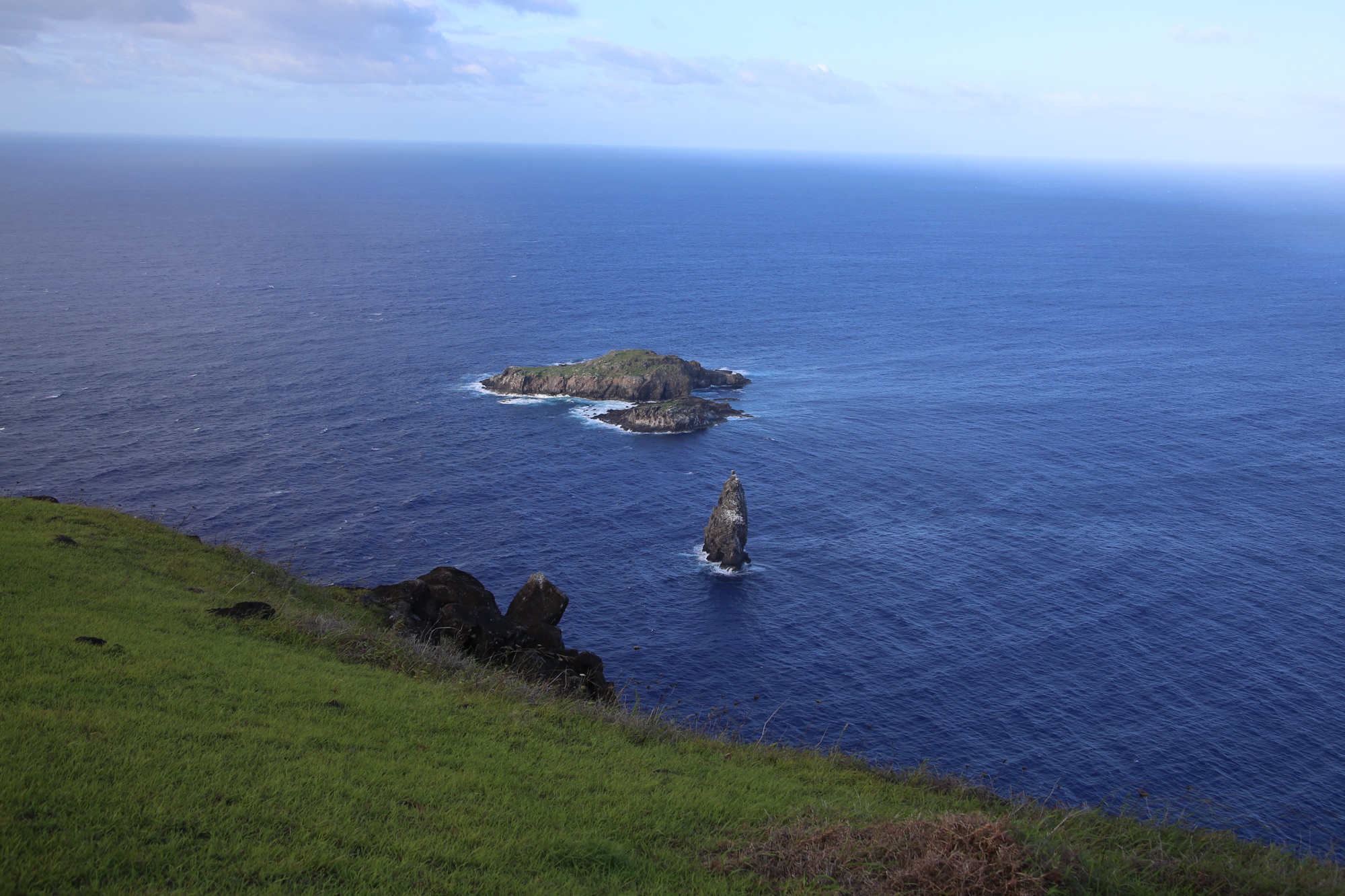
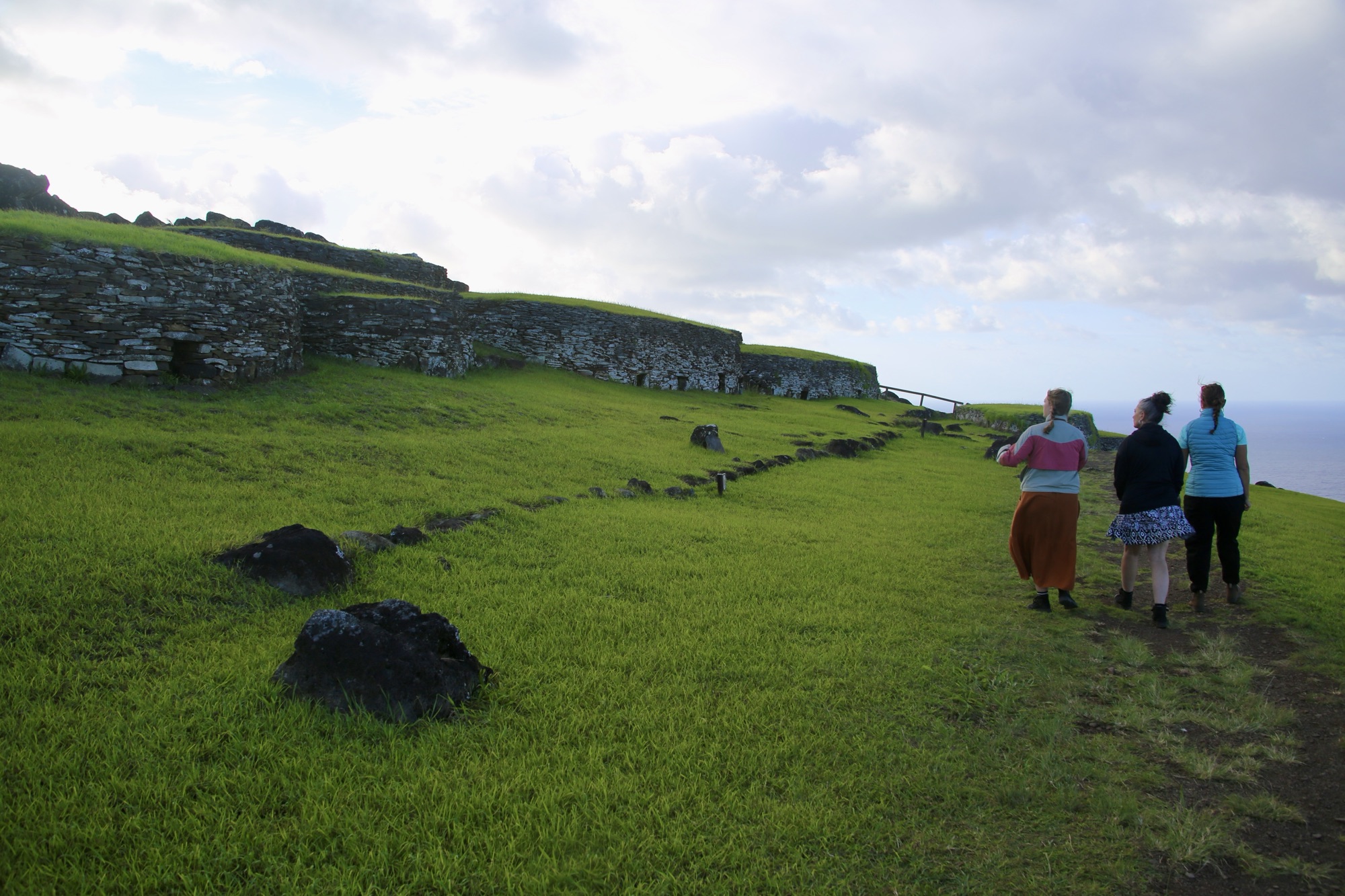
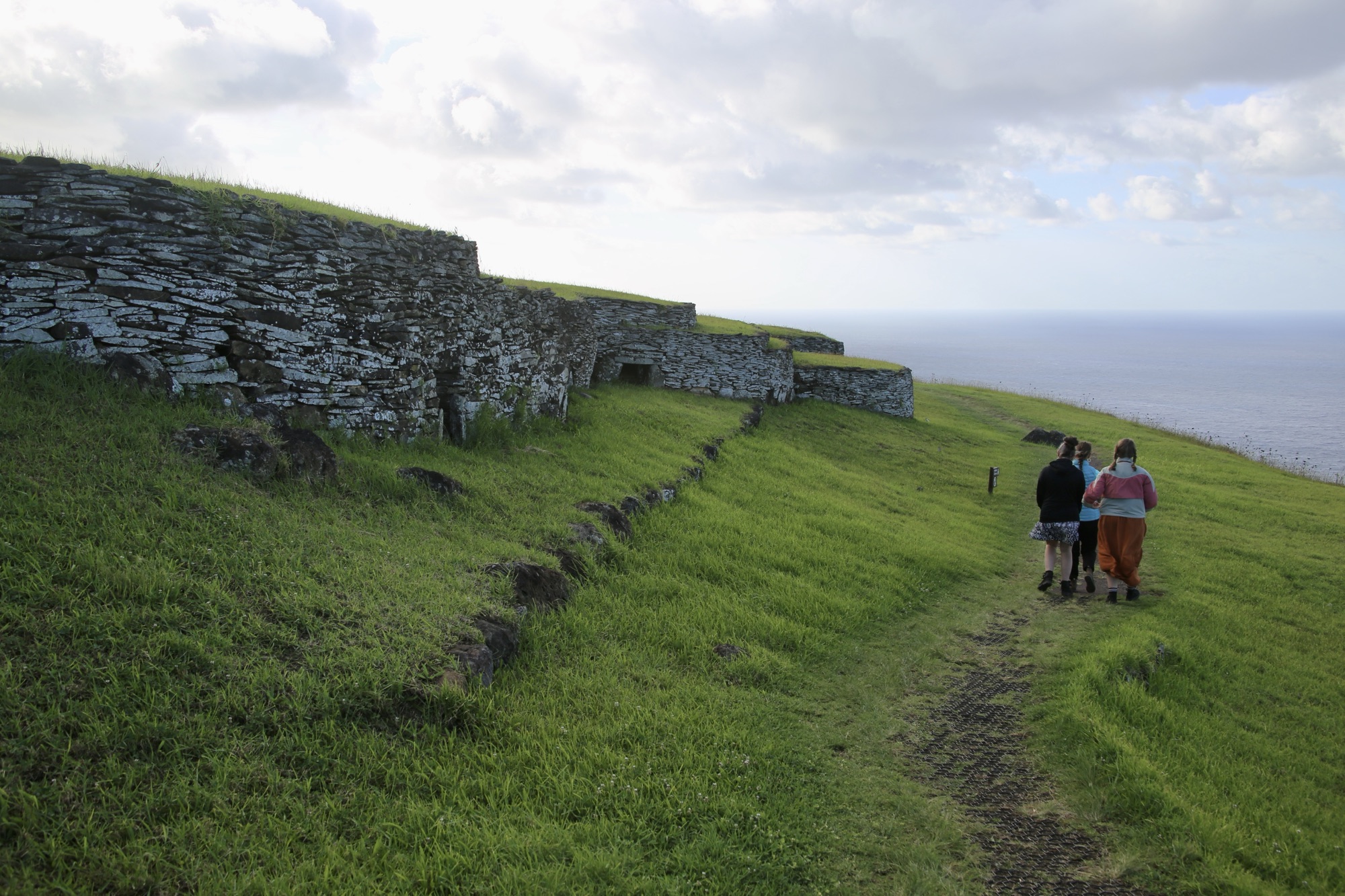
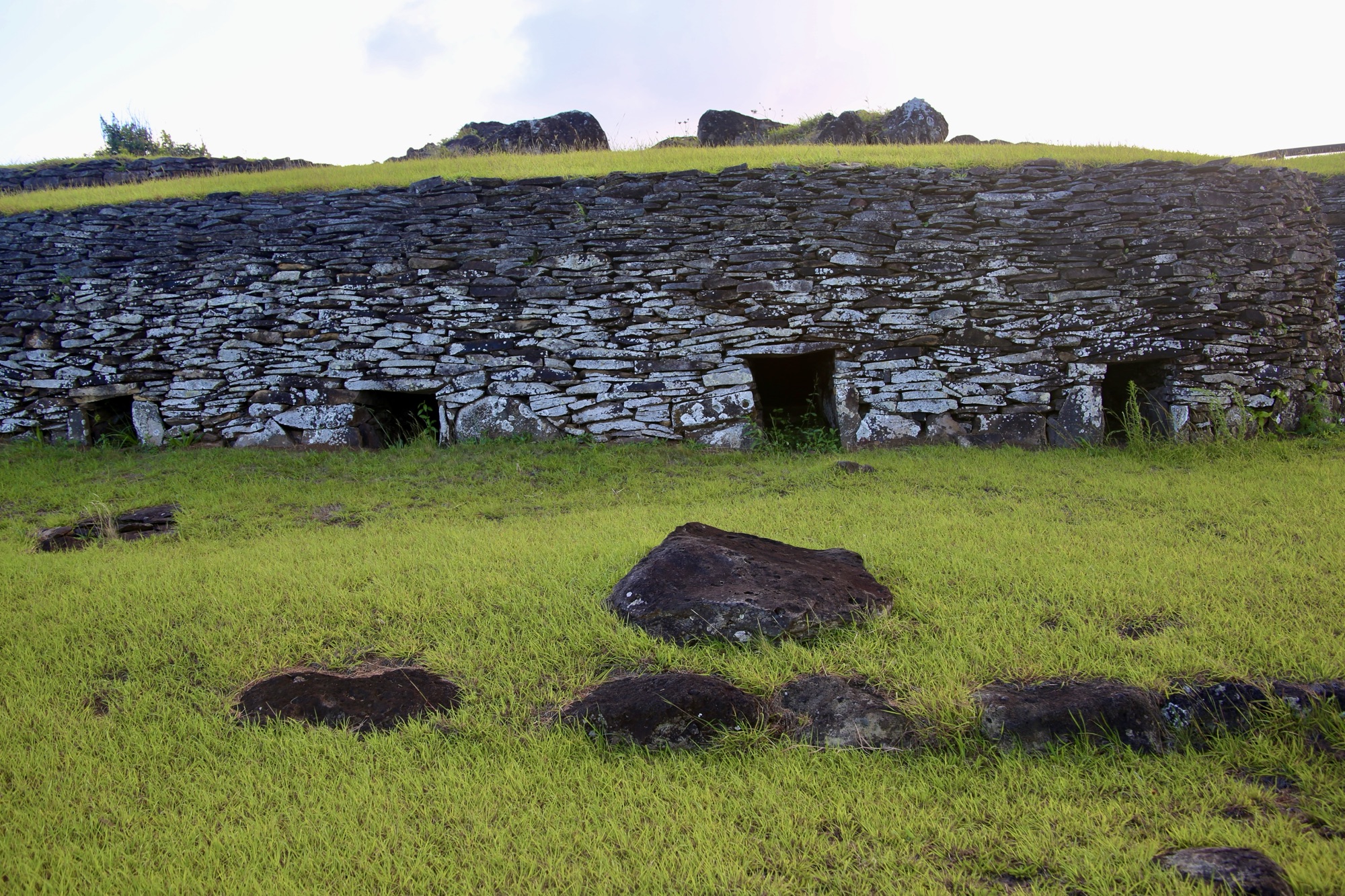
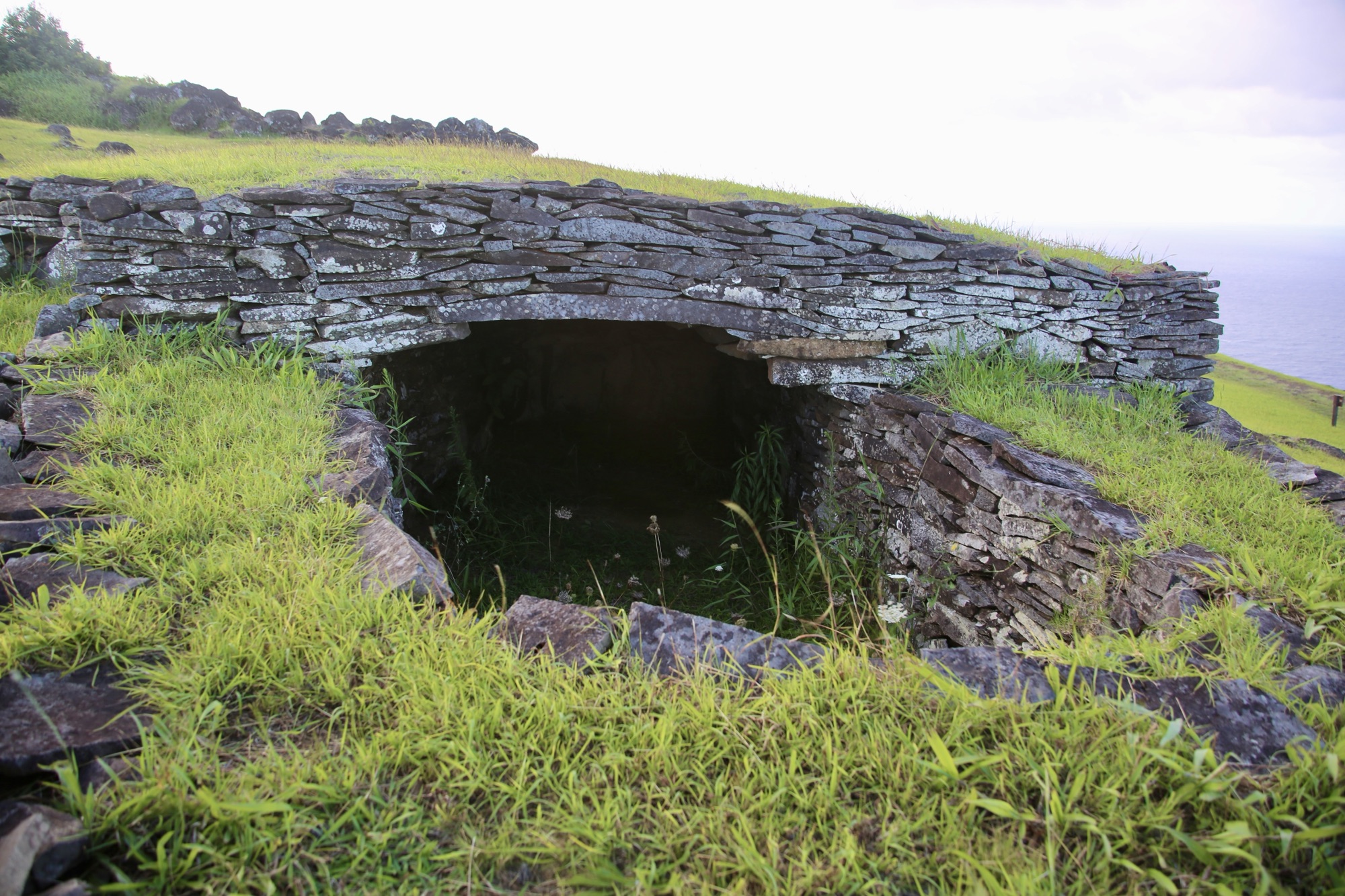
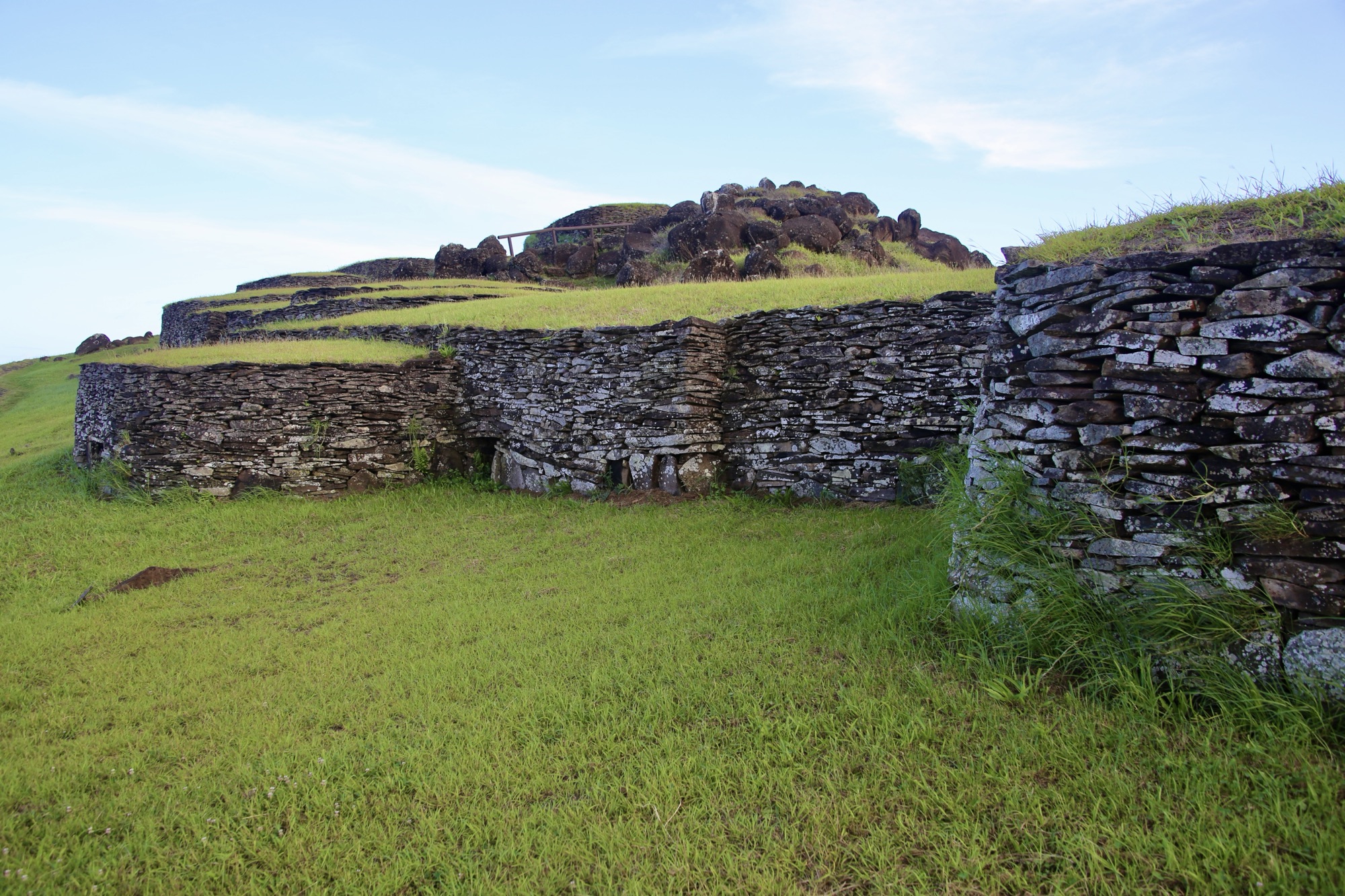
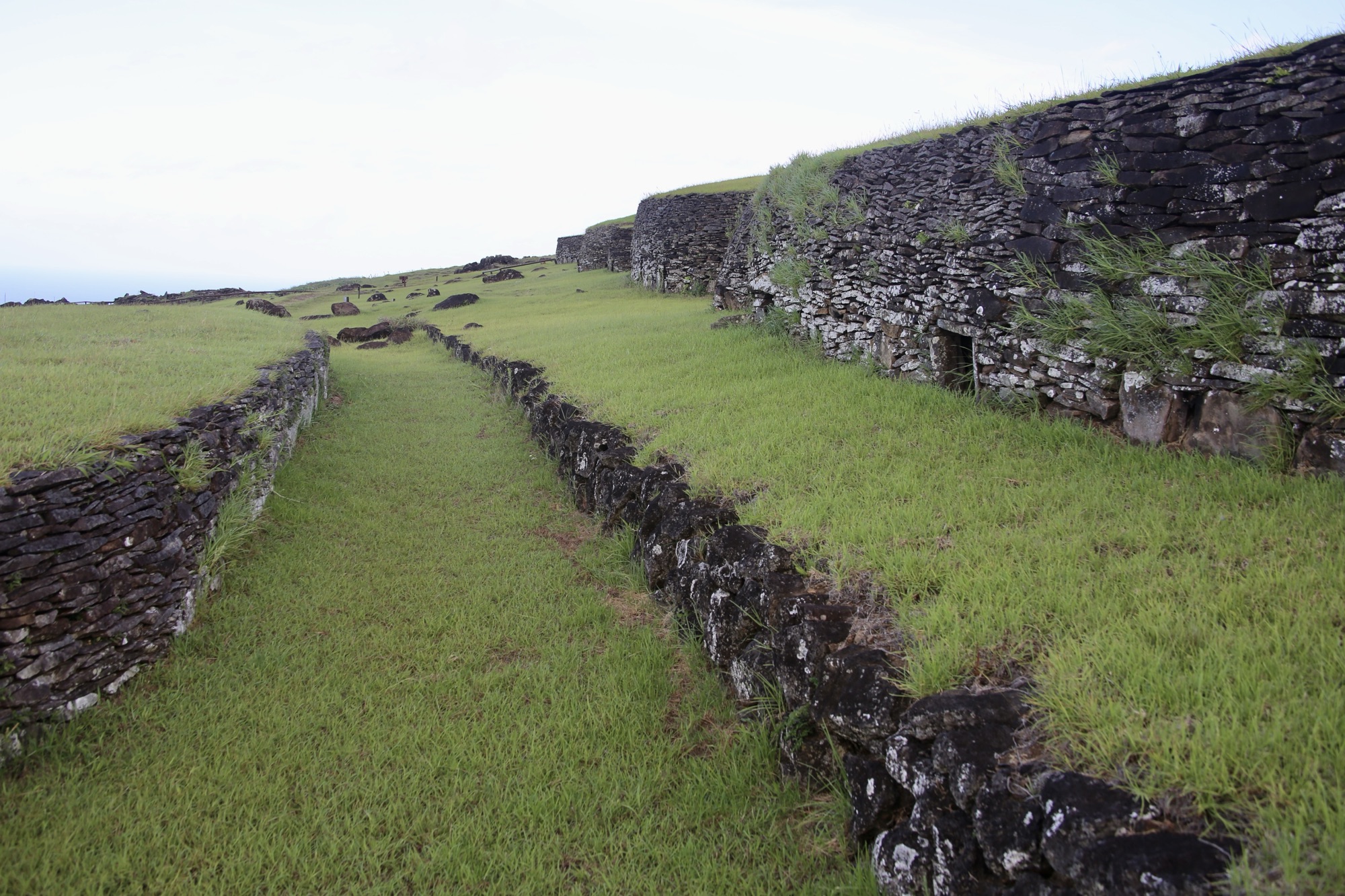
There are some 1800+ petroglyphs on Rapa Nui and a vast majority of them are located here. Unfortunately, because of the instability of the cliffs (restricted access) and the poor flat light that morning, we really couldn’t see many of them from afar. But the many ceremonial houses (which reminded us of the construction used in the beehive huts of Ireland) were impressive to look at precariously perched upon the cliffs overlooking Motu Nui, Motu Iti, and Motu Kao Kao (the pinnacle rock).
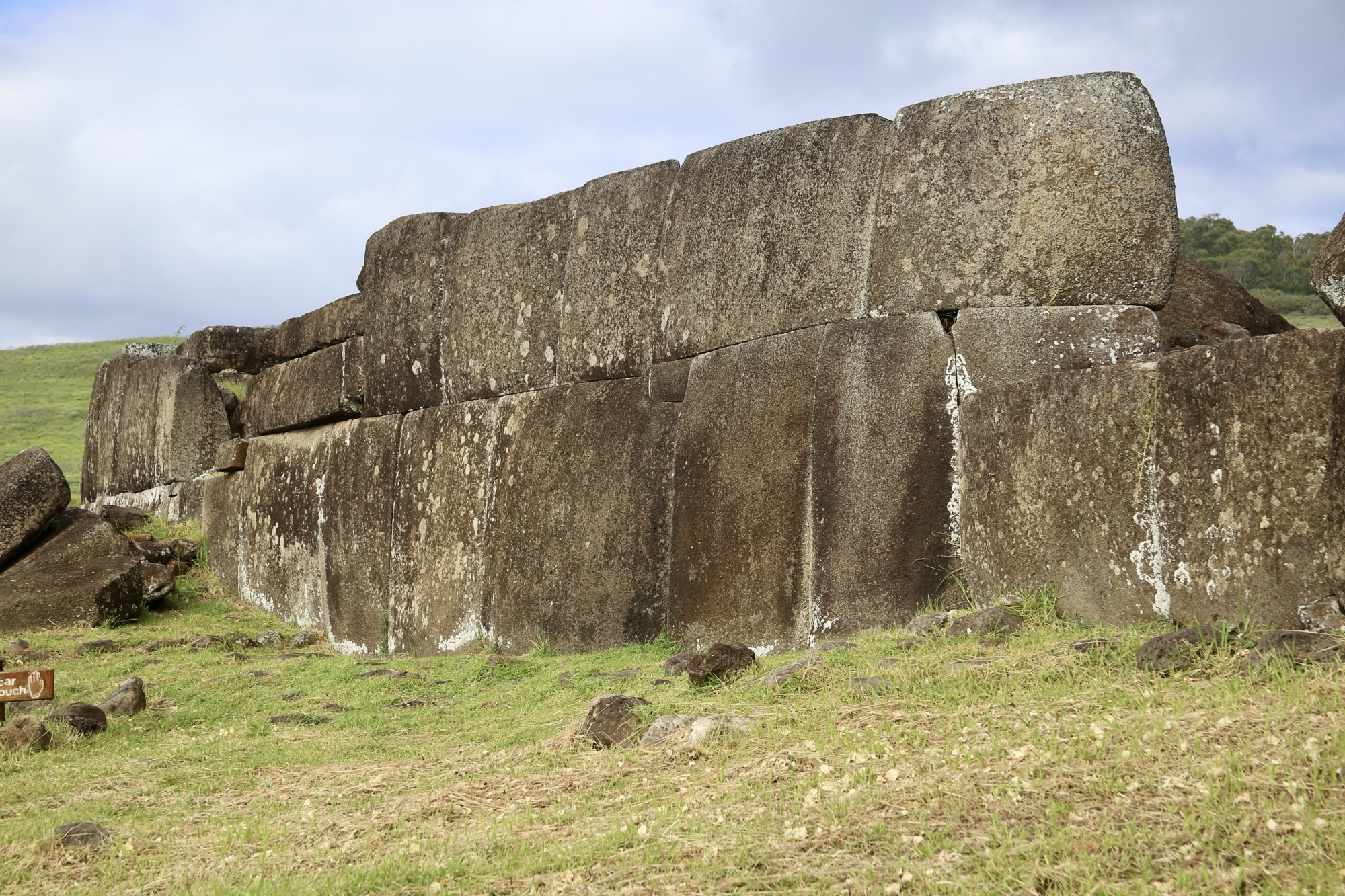
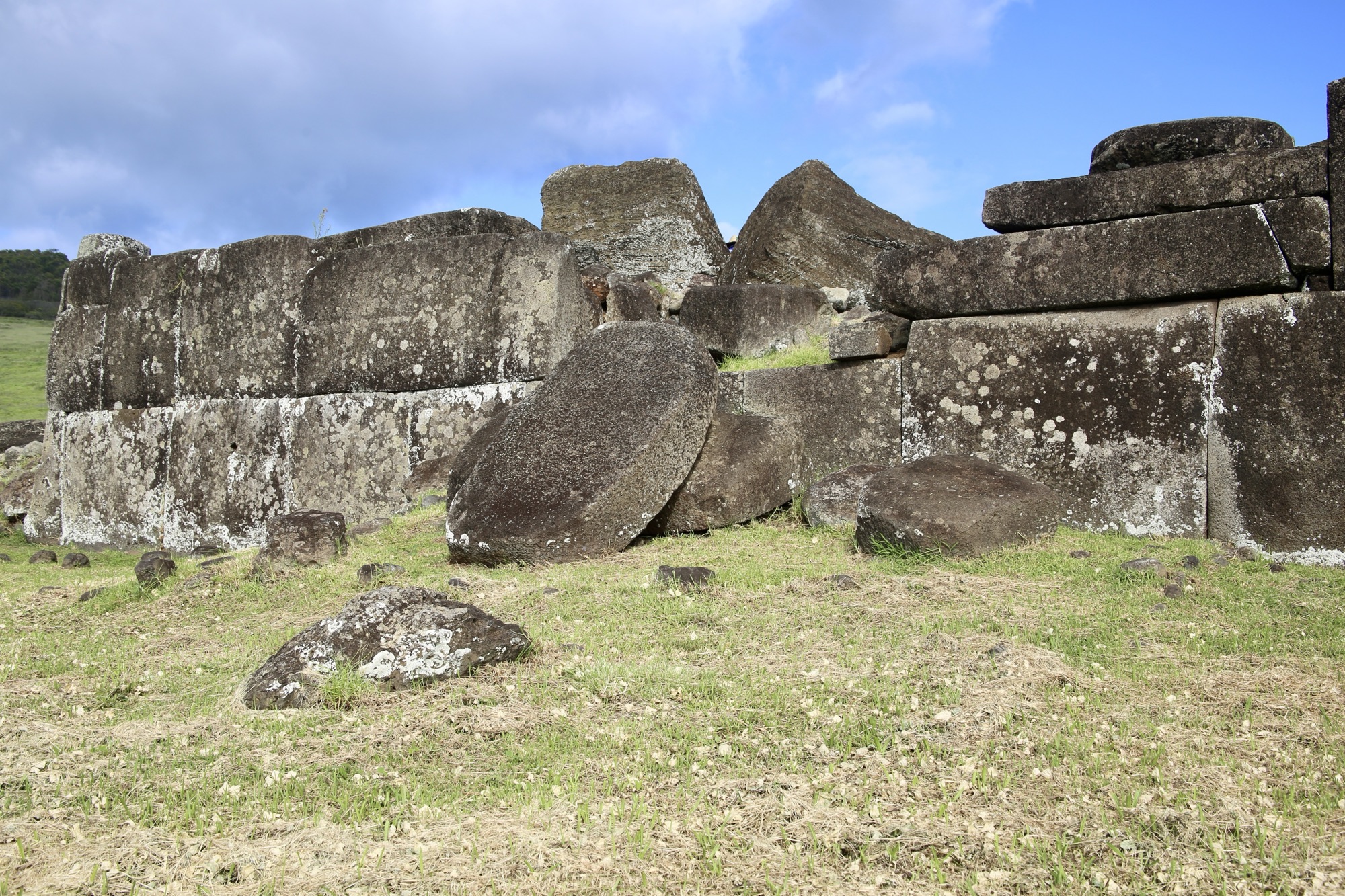
After learning of the birdman cult we headed to Vinapu which is one of the restoration sites Josie’s grandfather William Mulloy worked on back in the ‘60s. What is interesting about this site is the very unique and precise stonework, with tight bevelled panels, that make up the Ahu.
Another interesting thing we saw at this site was European river rock ballast from the tall ships that frequented Rapa Nui in the 1700-1800s.
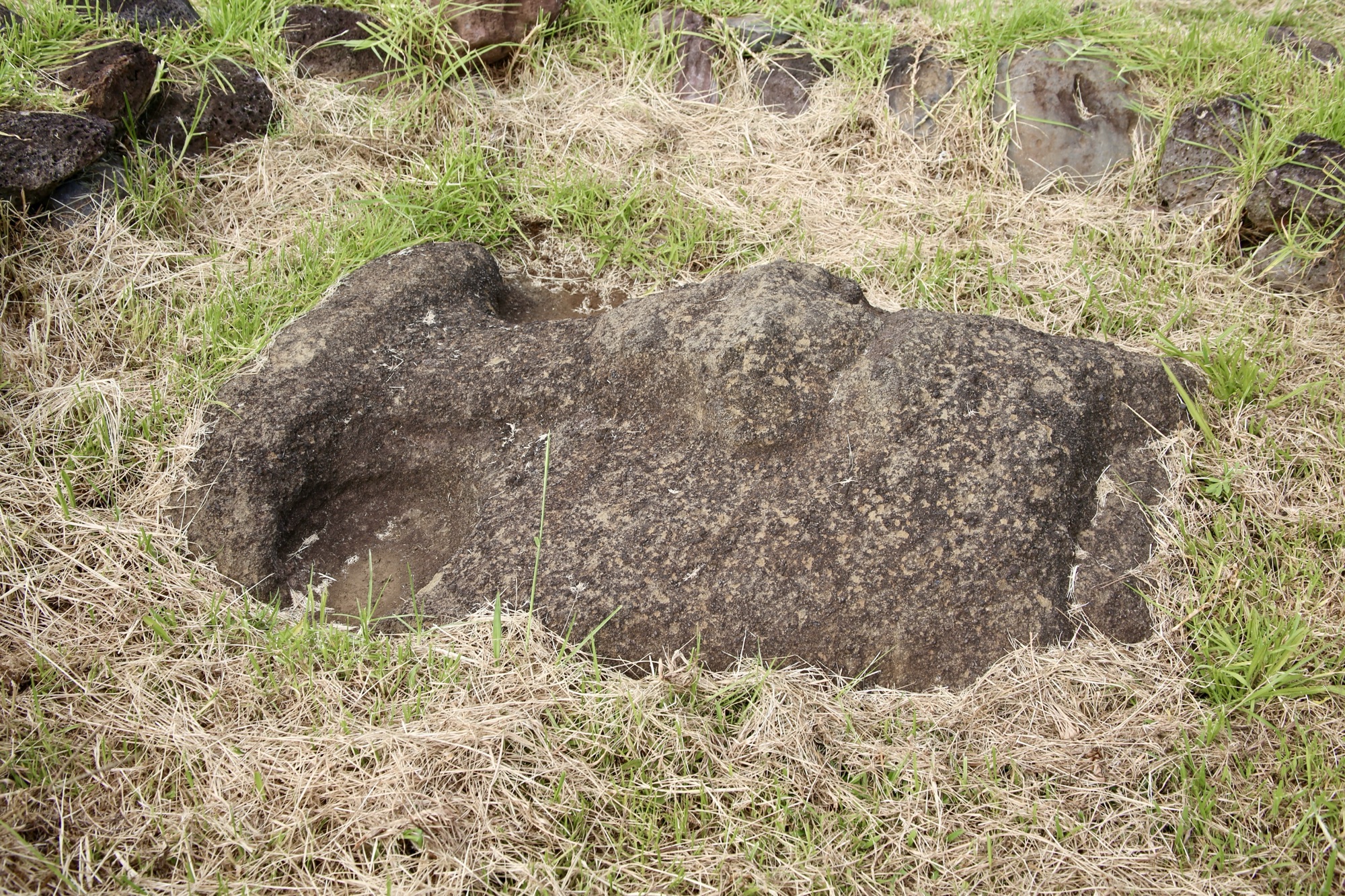

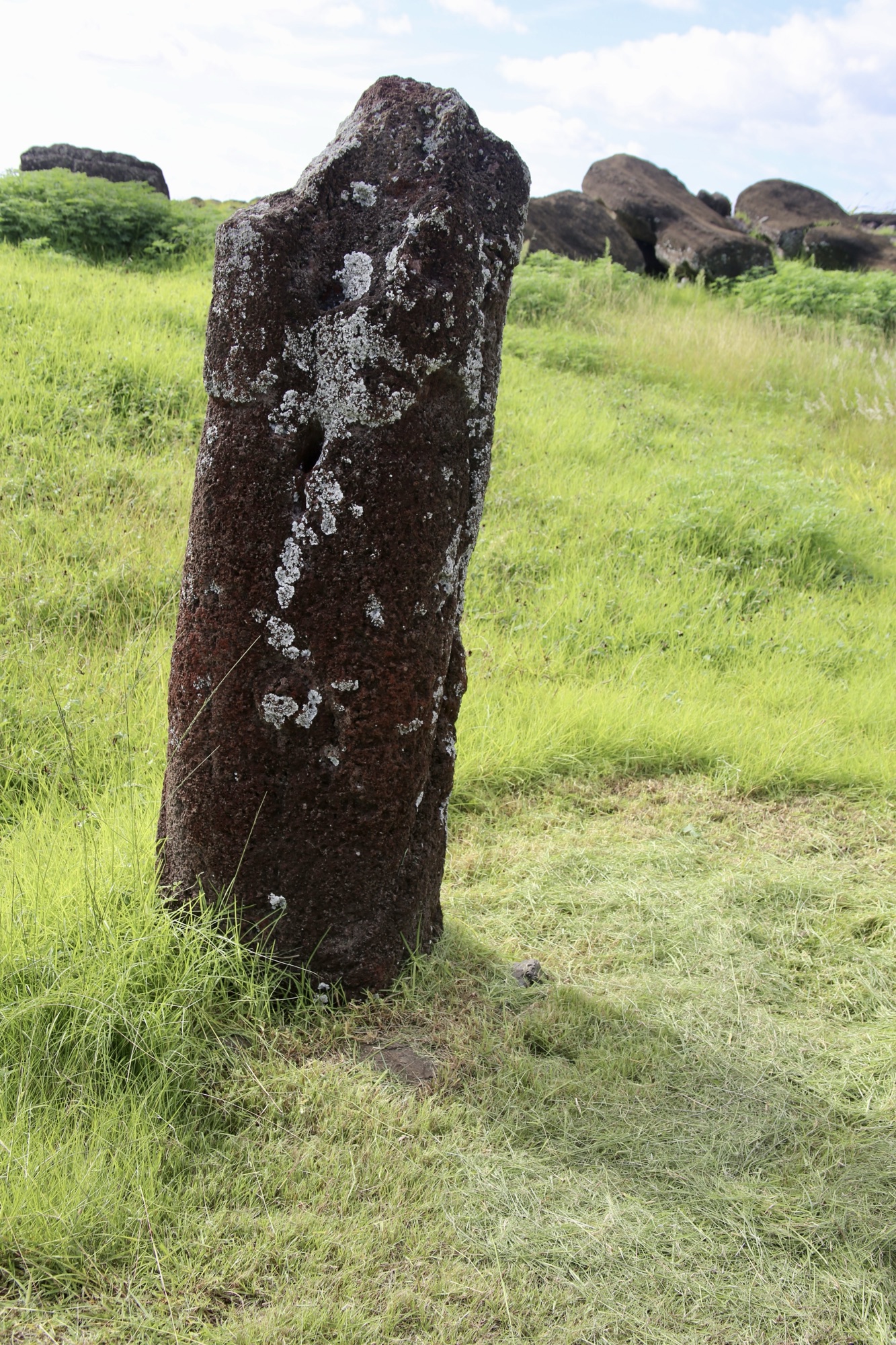
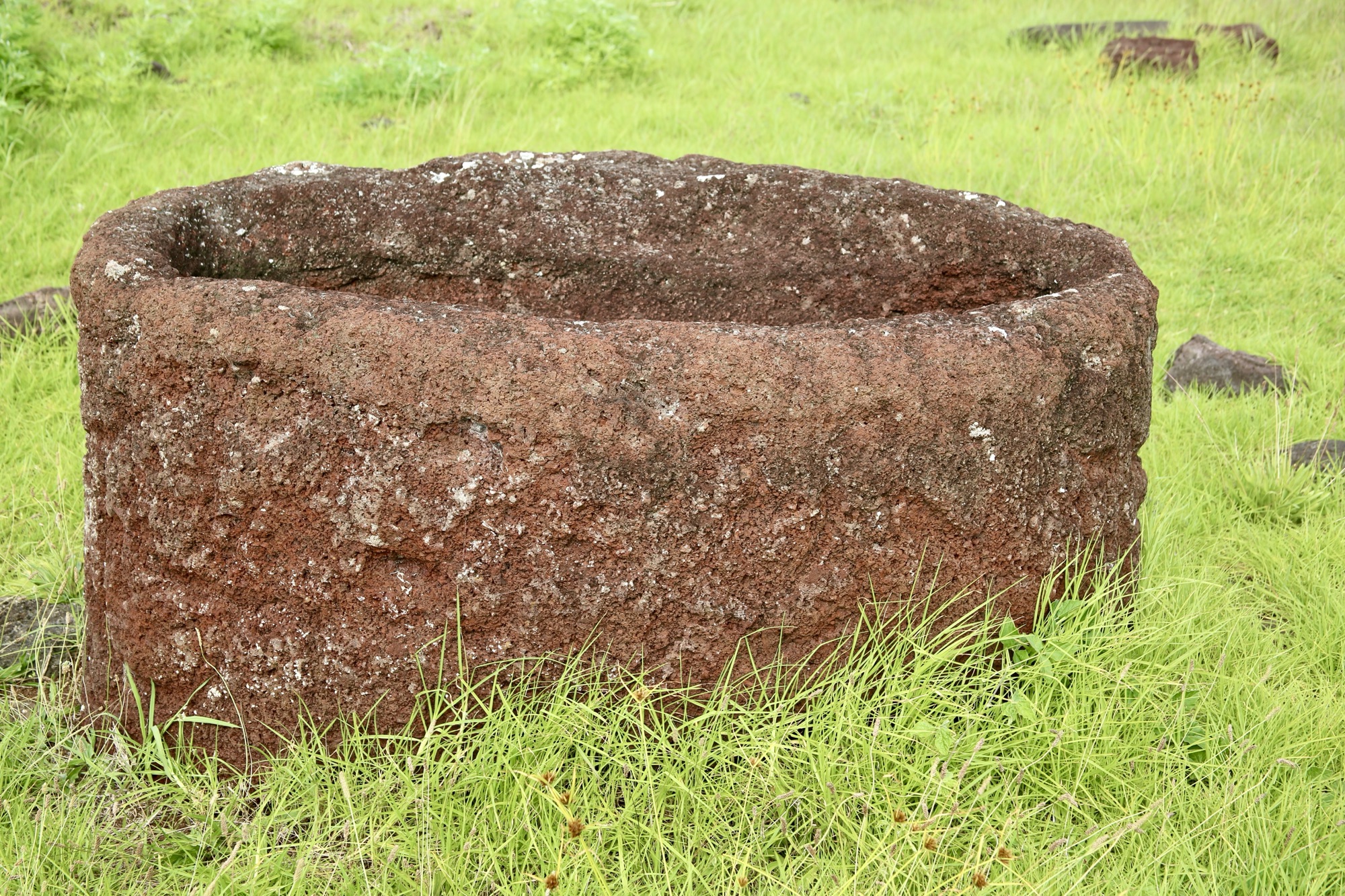
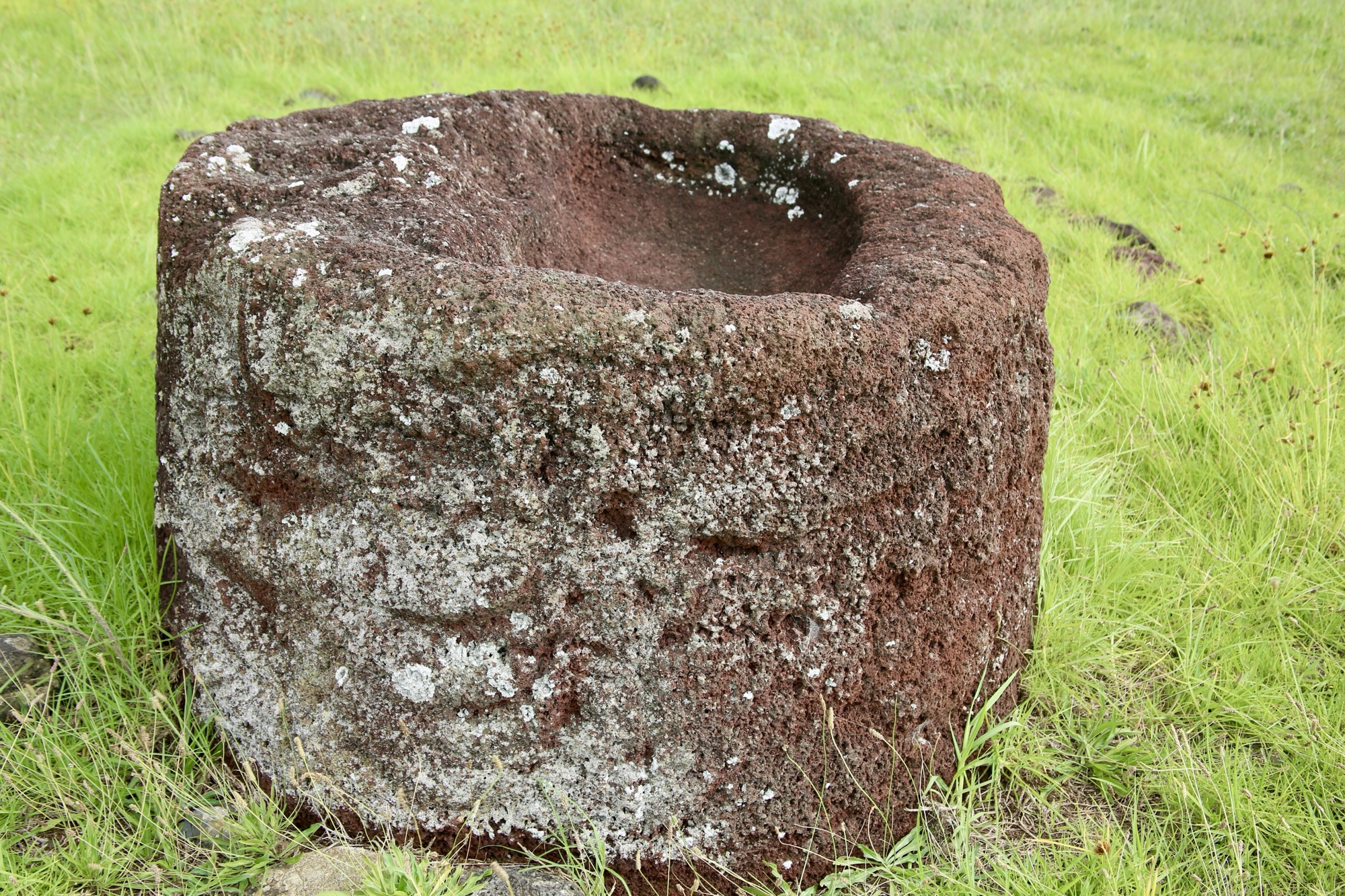
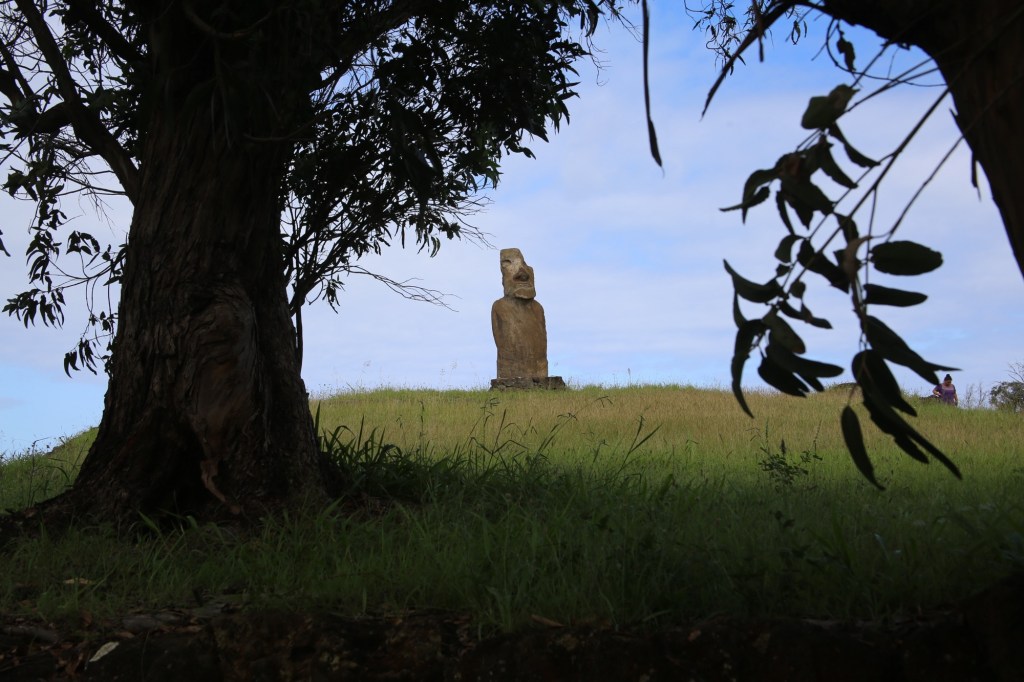
Lastly we visited Ahu Huri a Urenga which is another Moai Willian Mulloy helped to restore. What is unique about this inland Moai is that this one looks straight at a nearby hill and perfectly aligns with the winter solstice (in the Southern Hemisphere).


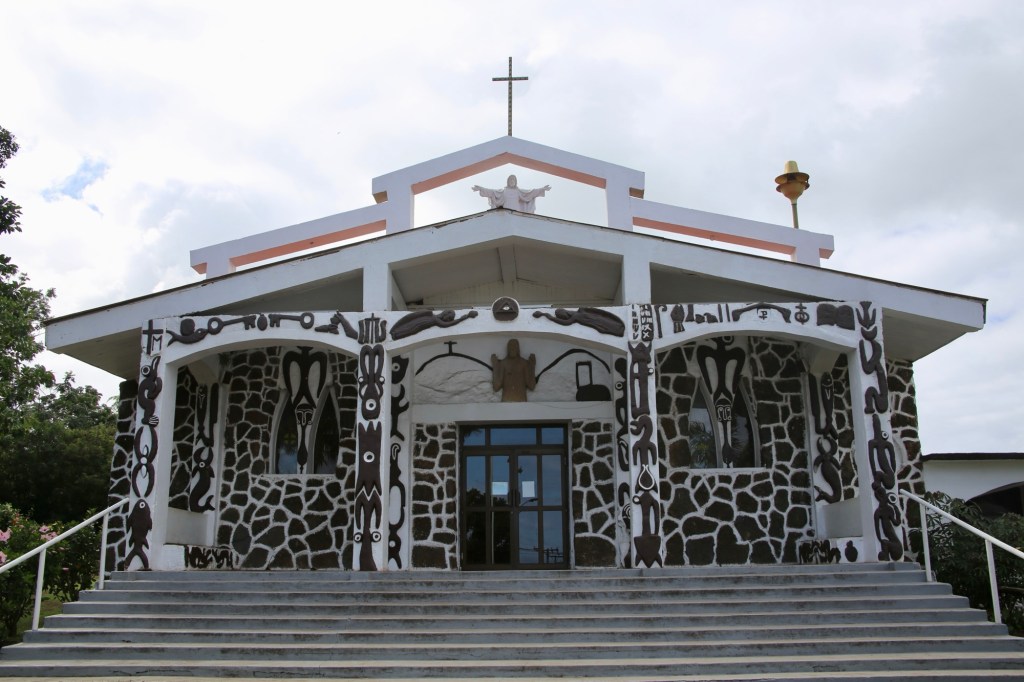
We got dropped off at the Holy Cross Catholic Church in Hanga Roa and walked through town back to our hotel from there.
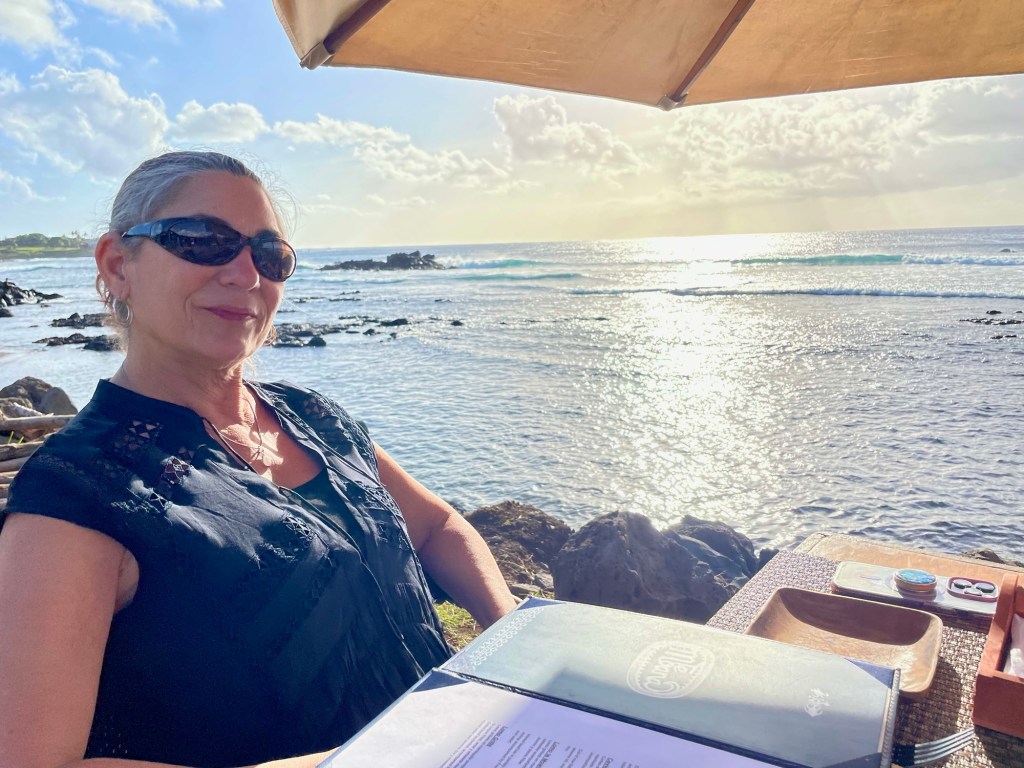
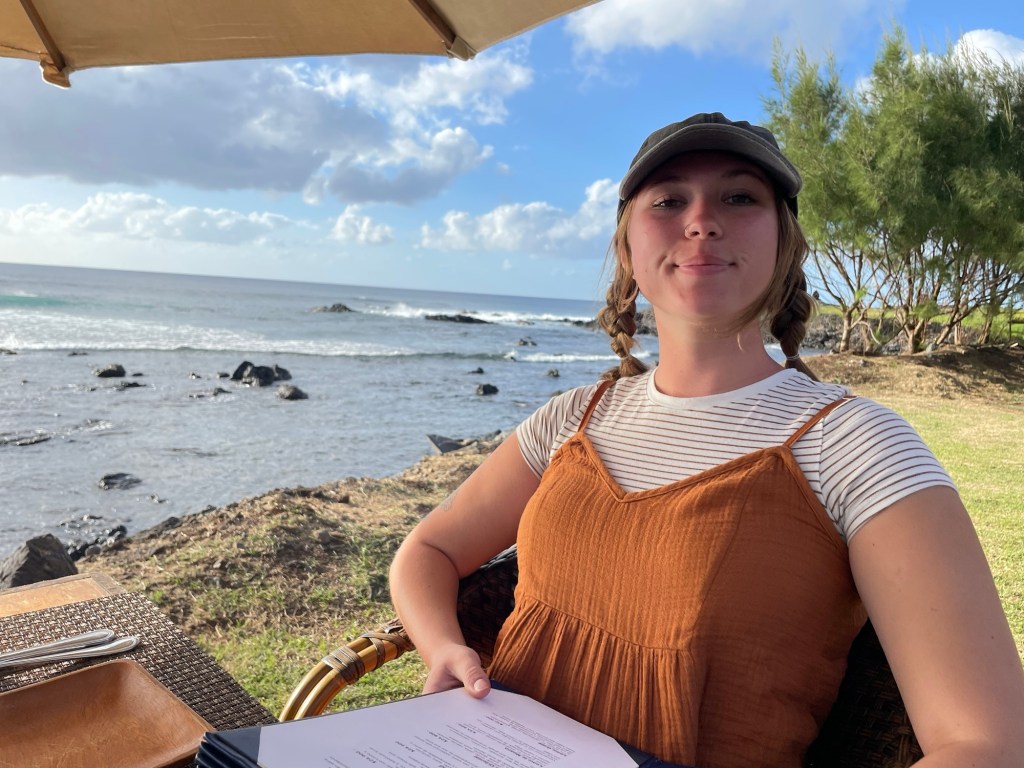
This ended our tours of Easter Island and gave us the rest of the day to walk the town, do a little shopping, get our passports stamped with a Rapa Nui stamp, have lunch, and even get some relaxation time in at the pool. We had a lovely sunset dinner with the best possible seat perched over the Pacific where we could eat while watching the surfers and the sun set.
Easter Island is a wonderful and magical place and I’d highly recommend getting off the beaten path to experience it.
 Sabbatikos
Leave a comment