
We had a full-day drive ahead of us. Our destination was Kenmare, where we’d spend the night before driving the scenic Ring of Kerry. But first we woke early at Mount Juliet Estate for a morning horseback ride and river walk before a midday lesson in falconry and driving on to the iconic Rock of Cashel.
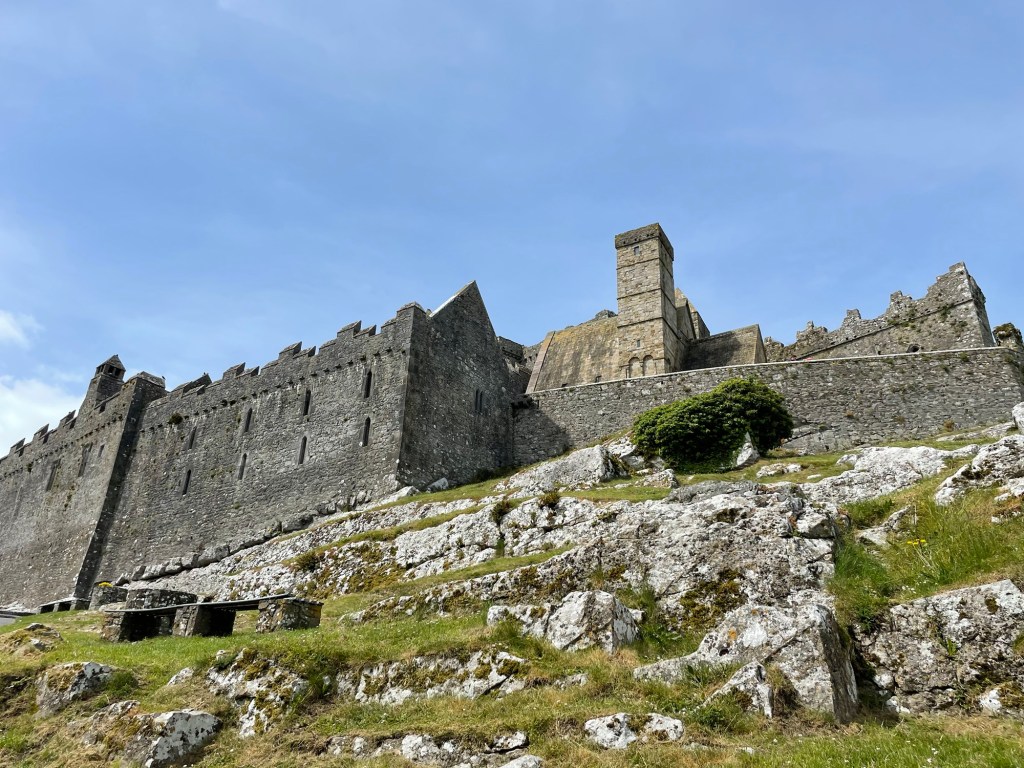
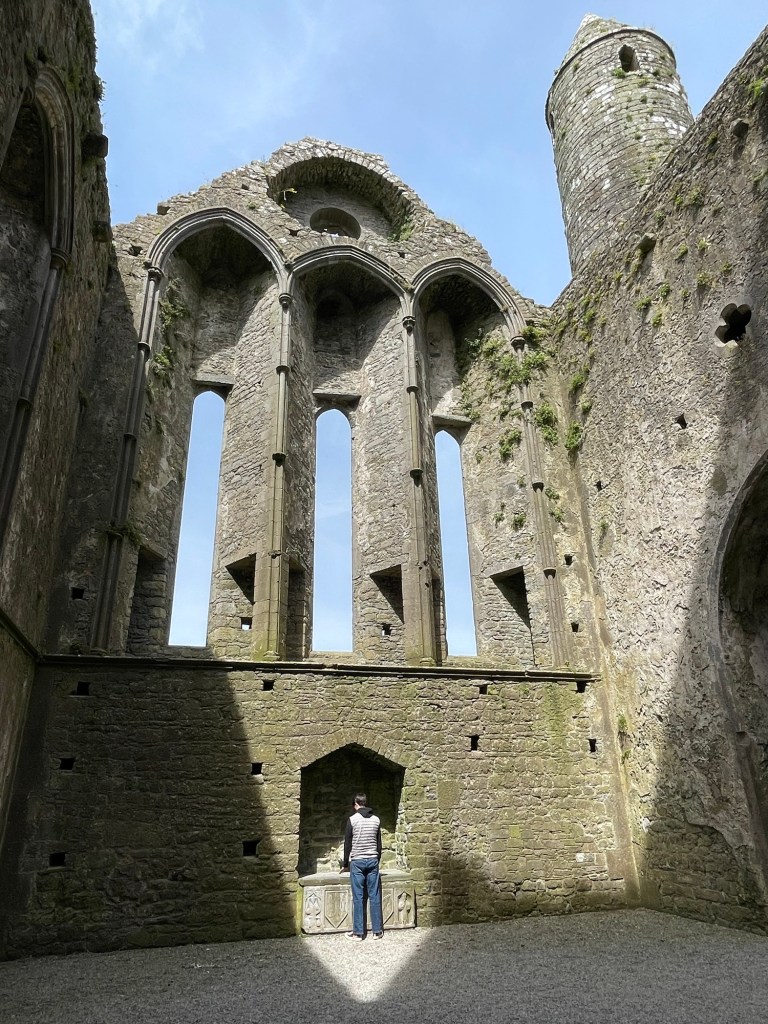
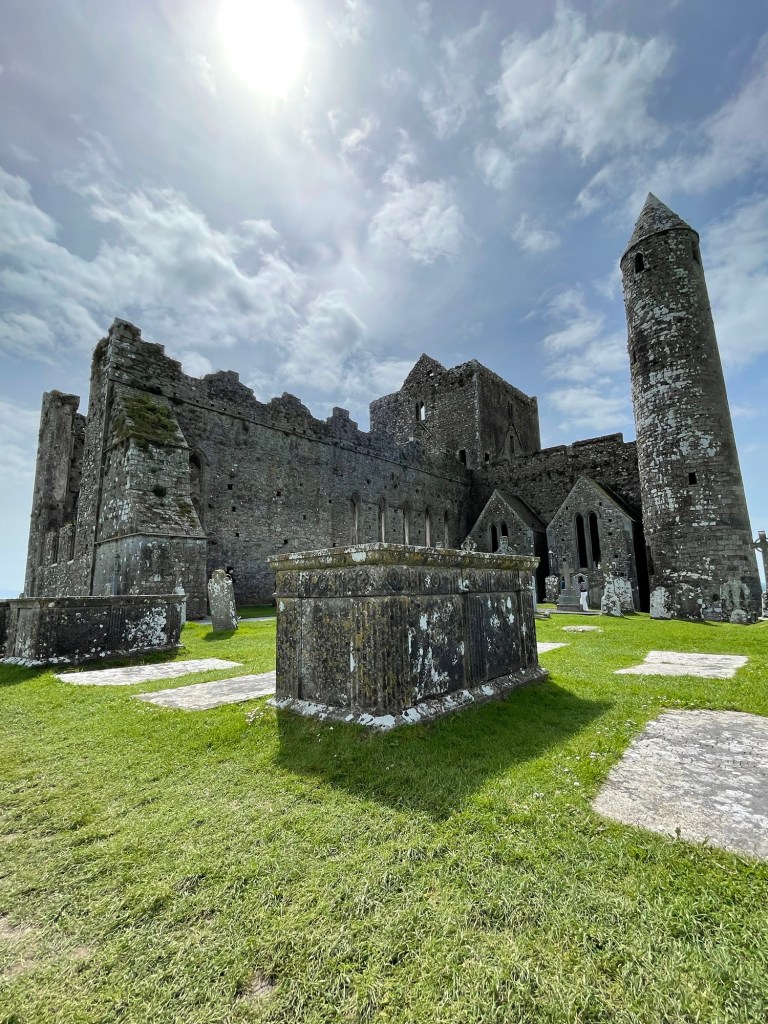
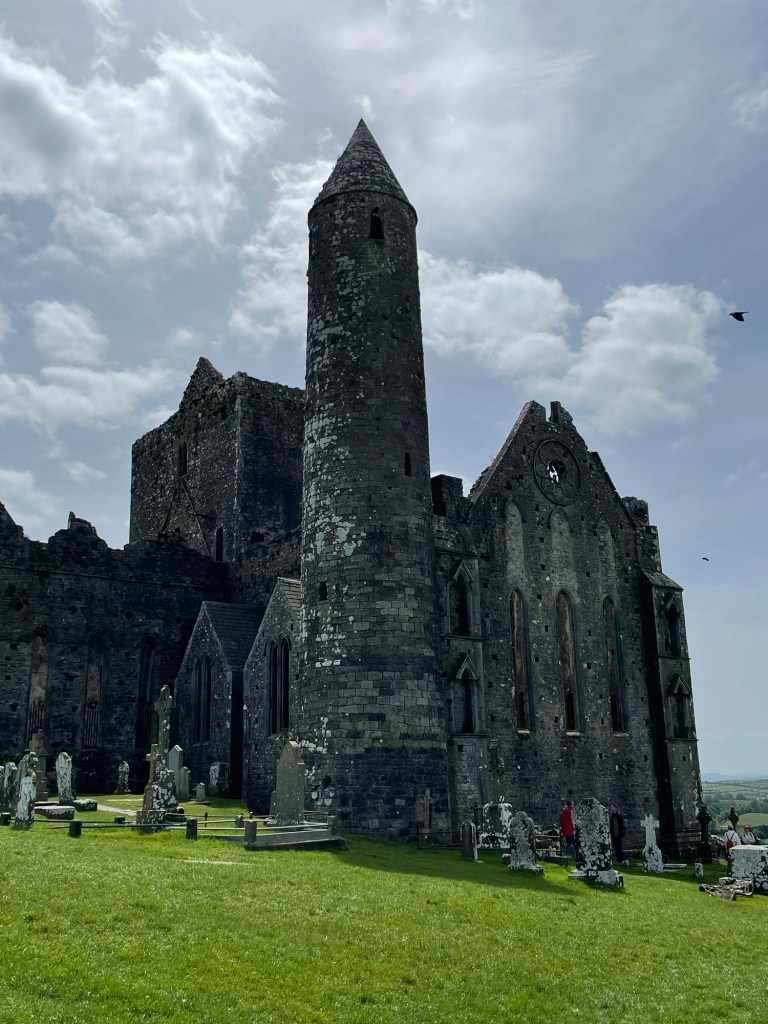
Dramatically perched upon a rocky hill, the Rock of Cashel dates back over 1000 years. It is said that in the fifth century, St Patrick converted King Aengus to Christianity here.
We parked conveniently below the castle and hiked to the entrance which requires a small fee. We wandered through the ruins of what had once been the seat of the Kingdom of Munster enjoying views and vistas from every side of the rock.


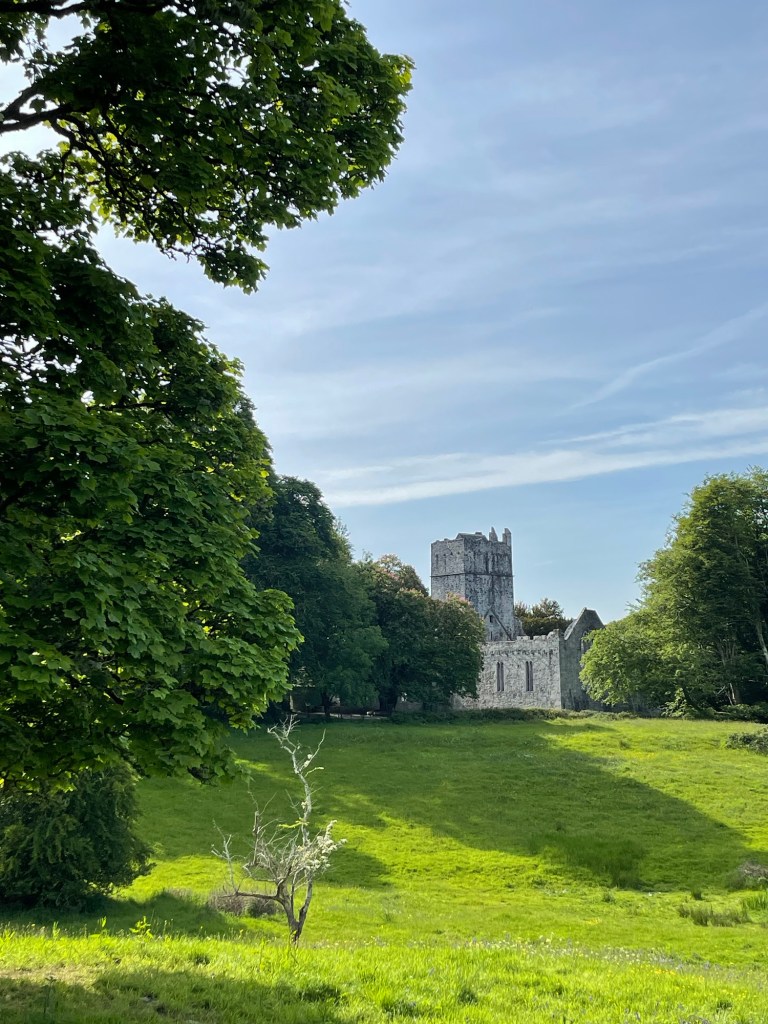
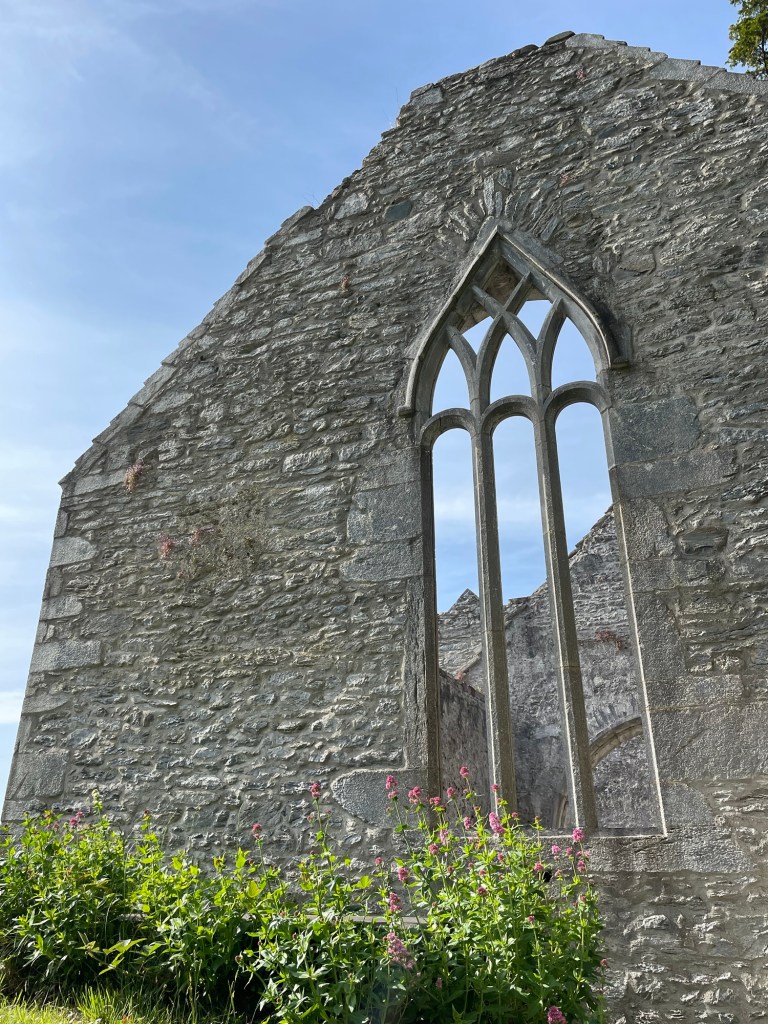
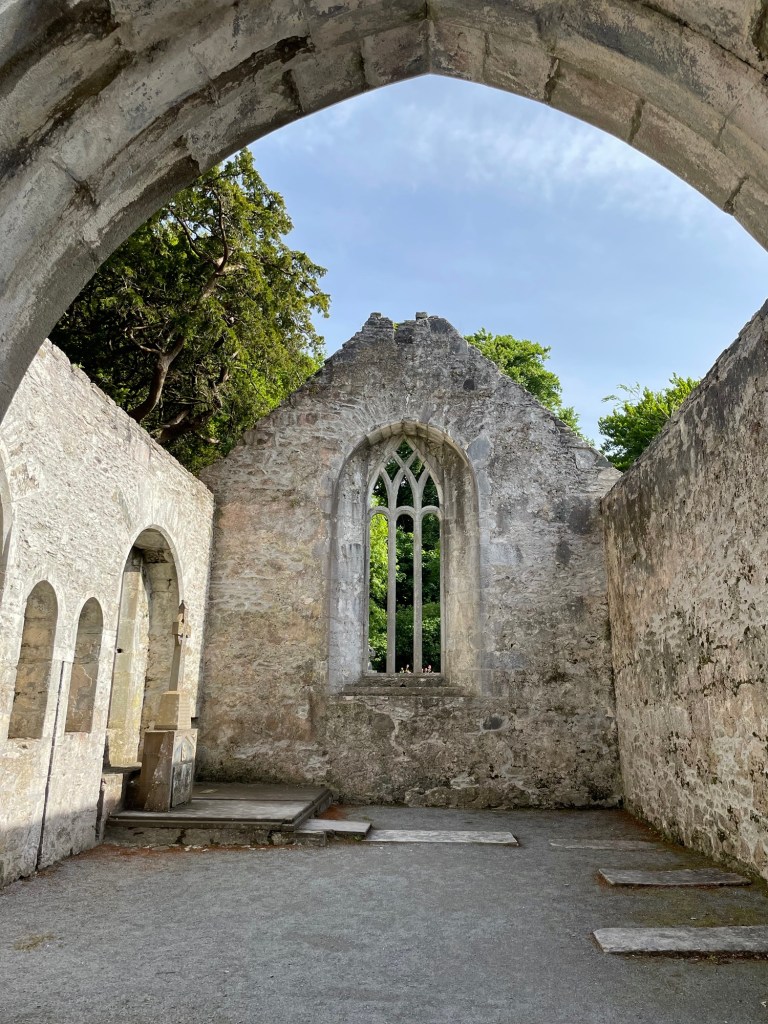
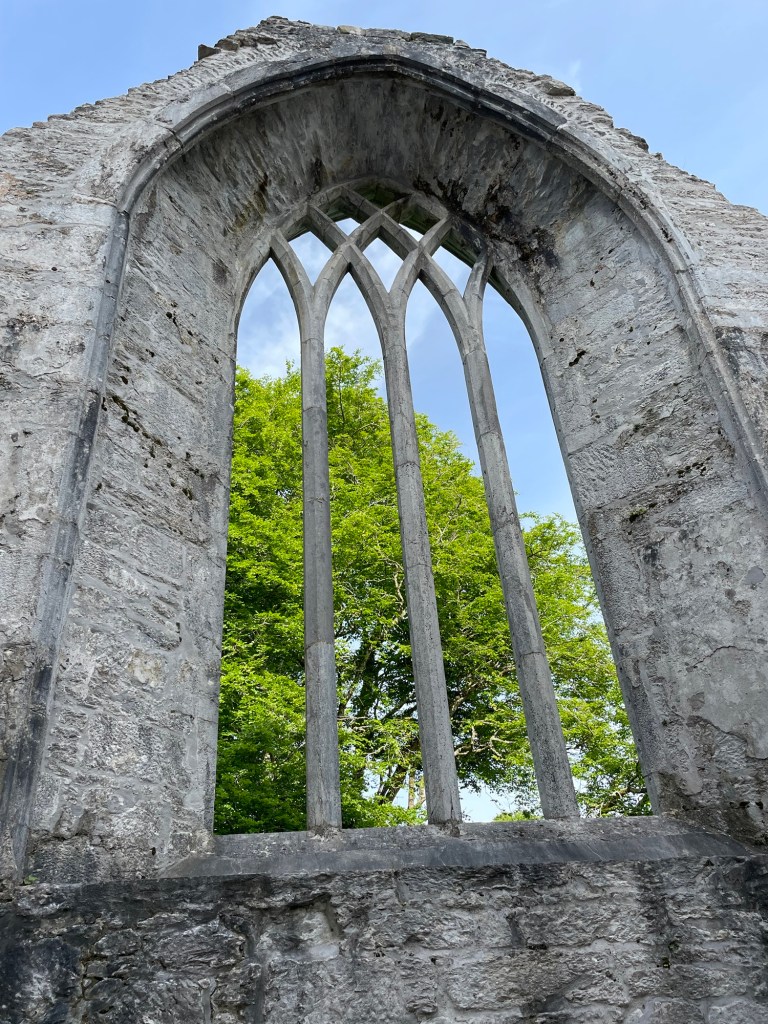
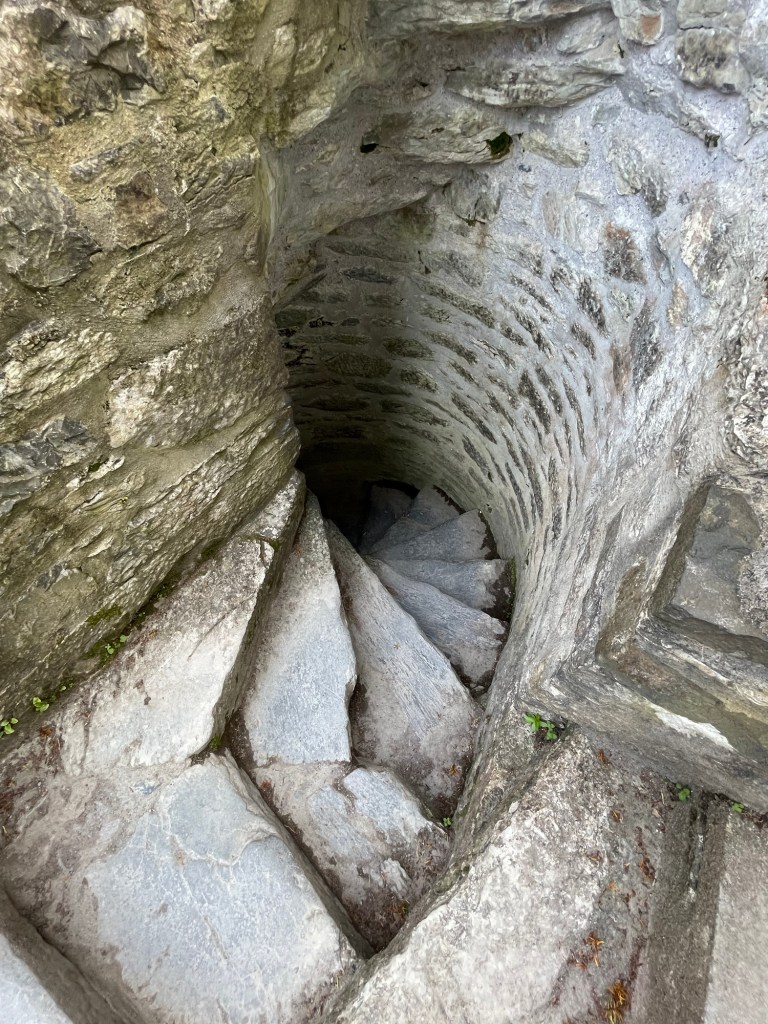
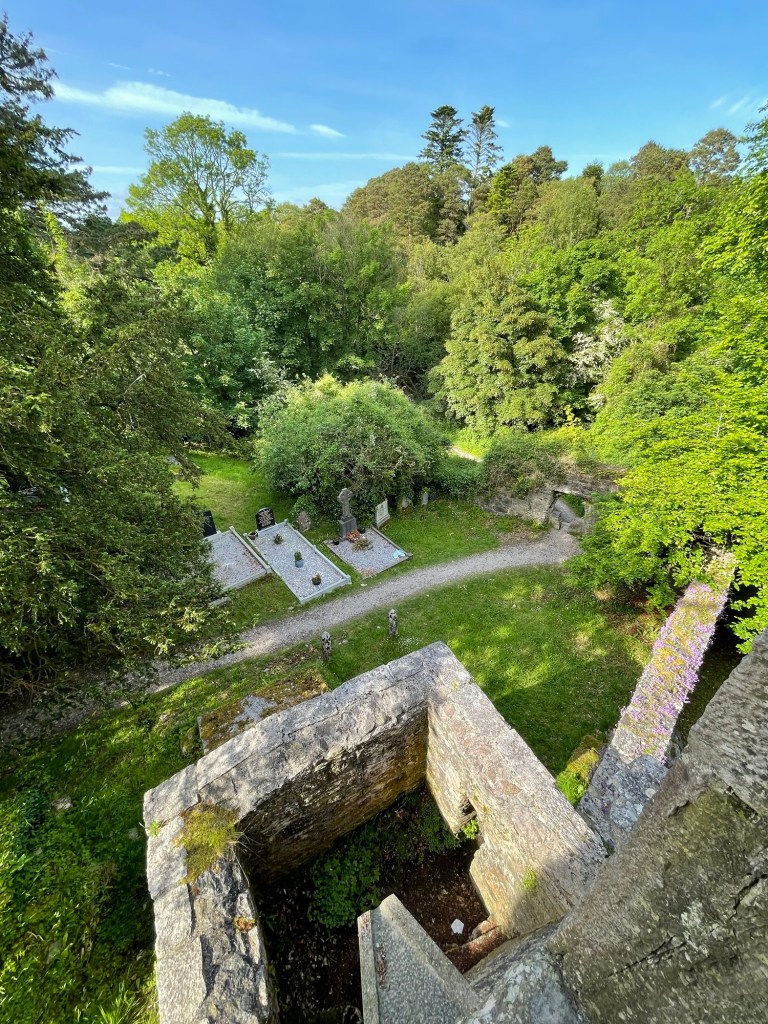
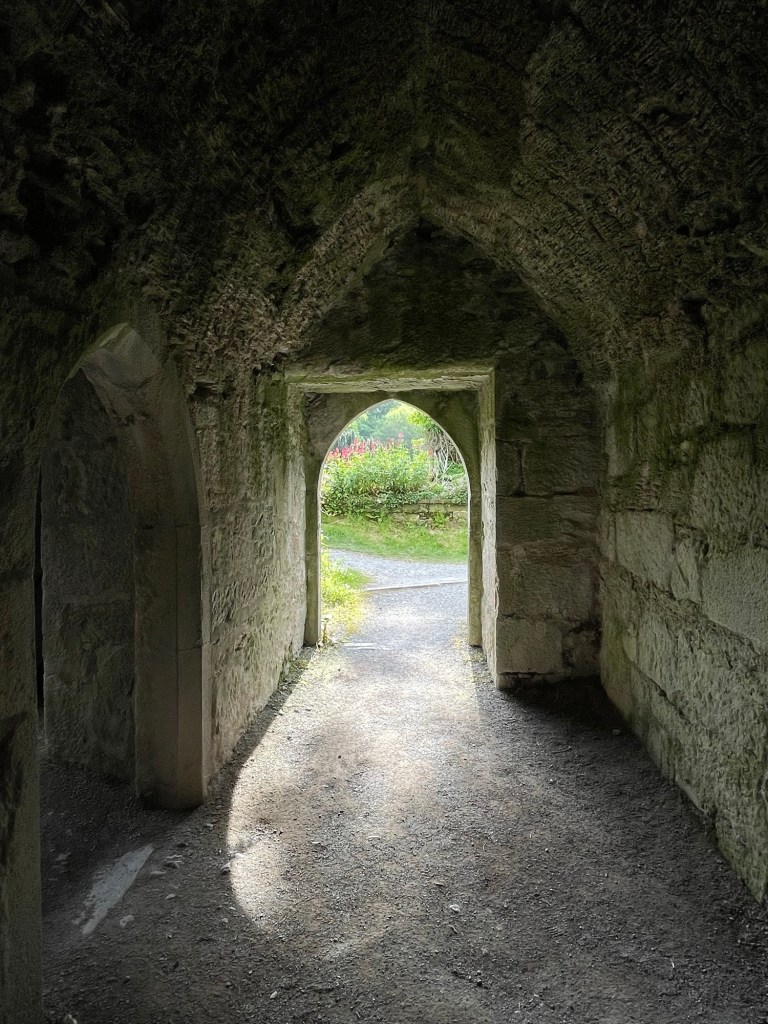
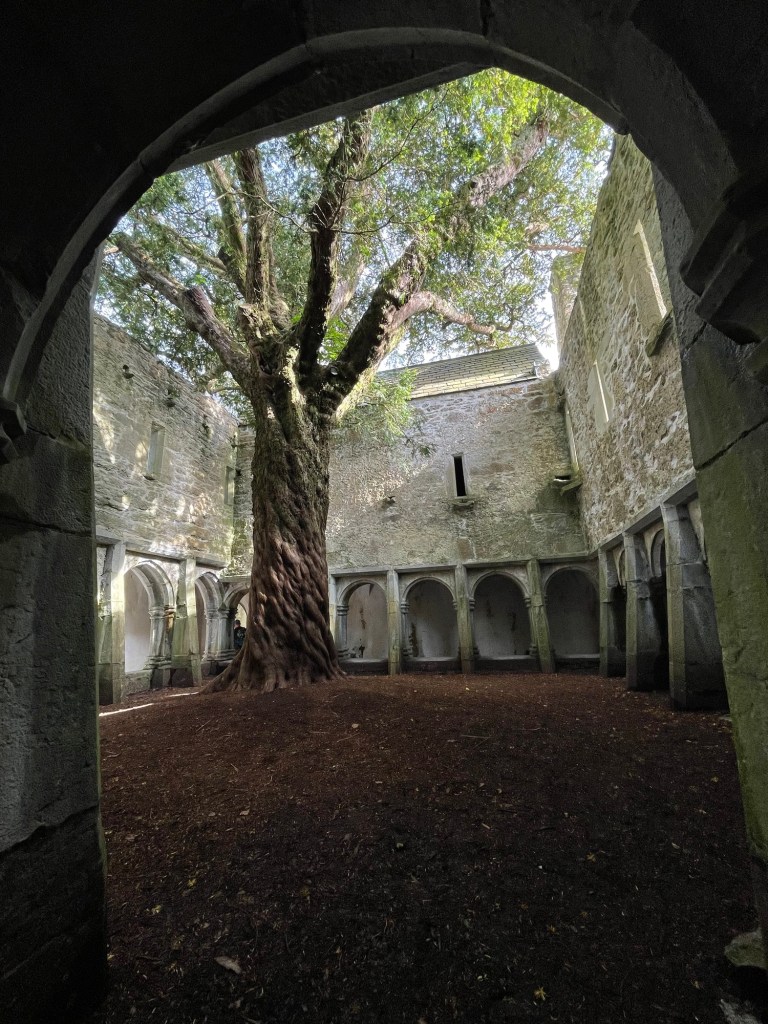
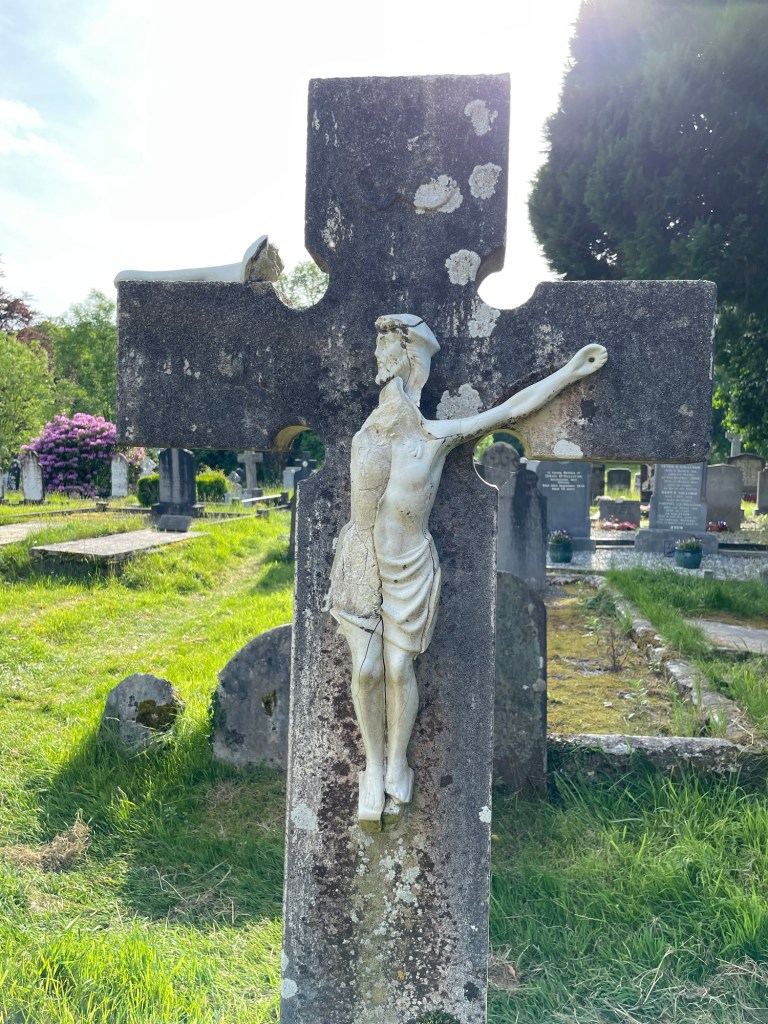
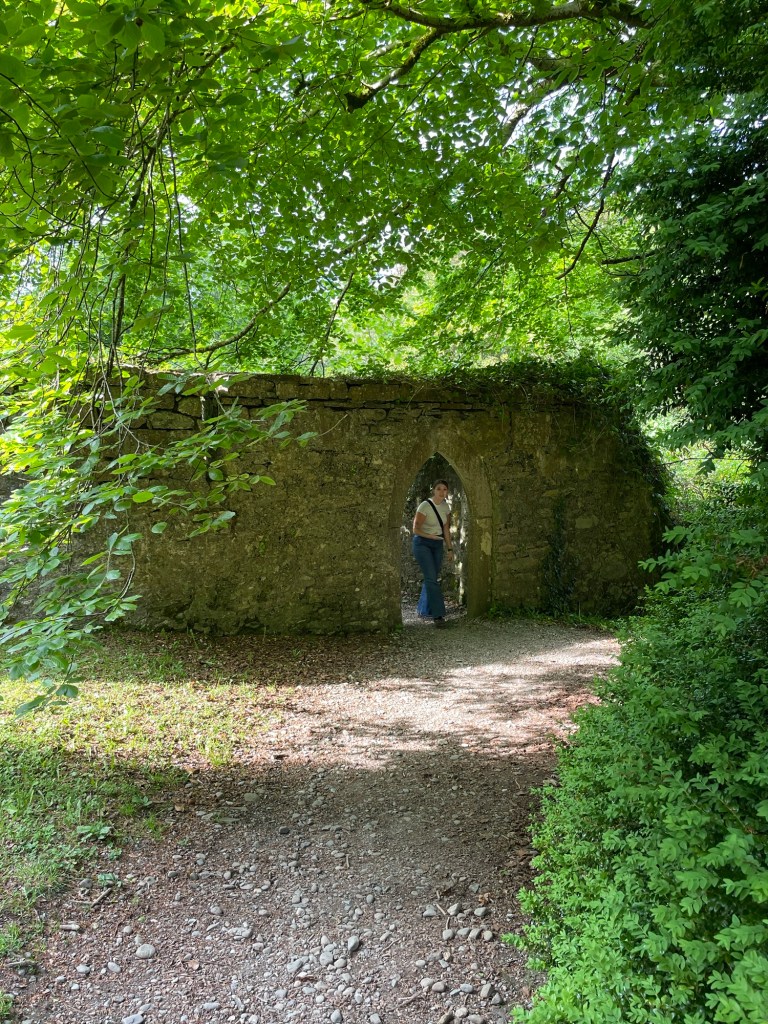
We continued on from Cashel a few hours southwest to Muckross Abbey, a 15th century ruin and graveyard located near Killarney and part of the Killarney National Park. A short walk from a parking lot, just off the main road, it was a mysterious and fascinating place to explore. We had the place to ourselves, save for the ghosts (apparently much violence and many friars had been killed here).


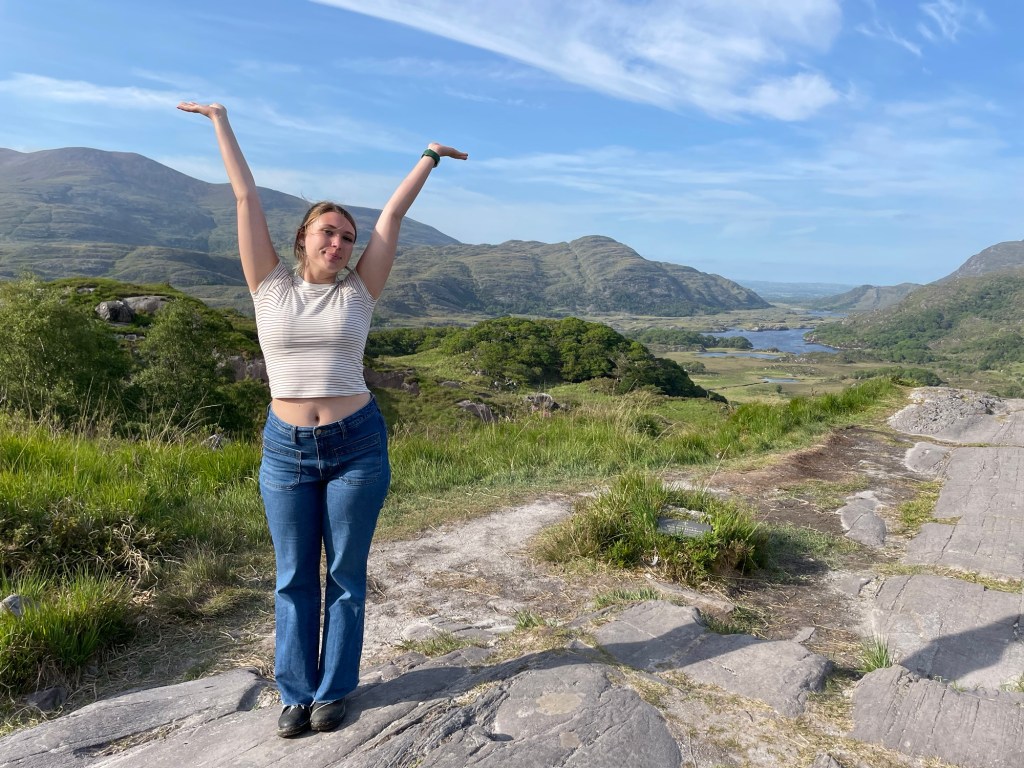
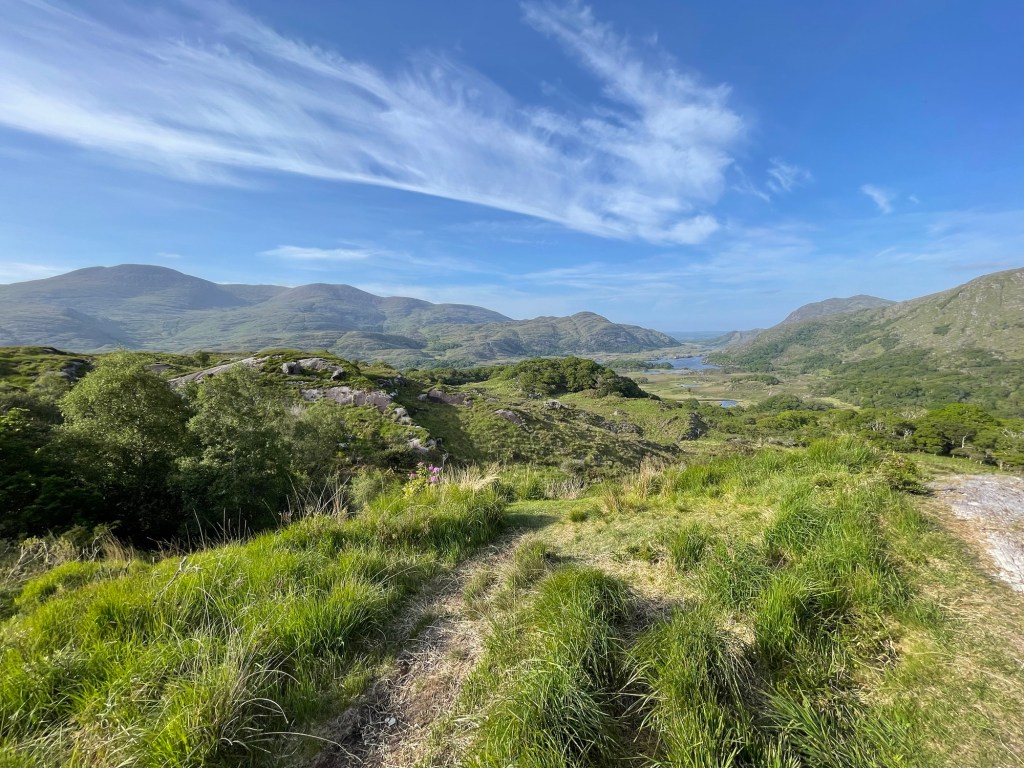
From Muckross we continued our drive on the Ring of Kerry, driving the section from Killarney to Kenmare, on the N71. The drive is narrow and winding as you climb into the hills above Killarney. We stopped at Ladies View for a quick walk at what may be one of the most picturesque viewpoints in the world. It is hard to describe just how stunning this landscape is from this vantage point, and even harder to capture on camera. If you are heading to Southwest Ireland, I highly recommend you stop here.

In Kenmare we checked into our hotel (the Lansdowne Hotel) and headed out to get some food and drink. Just a few steps away was the P.F. McCarthy, a very packed, busy, and understaffed pub, that provided us a surprisingly good fish and chips, delightful service, and some live Irish music. After filling our bellies and ears, we took a sunset walking tour of the town. I had read there was an ancient stone circle in town, and we stumbled upon it just before closing.
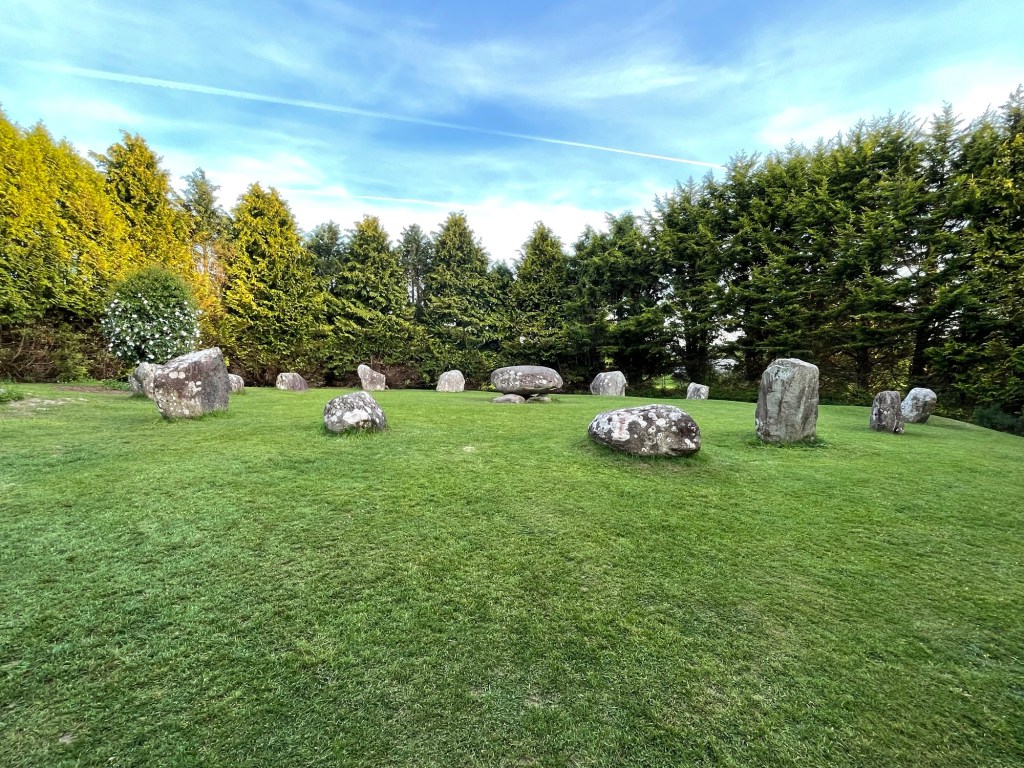
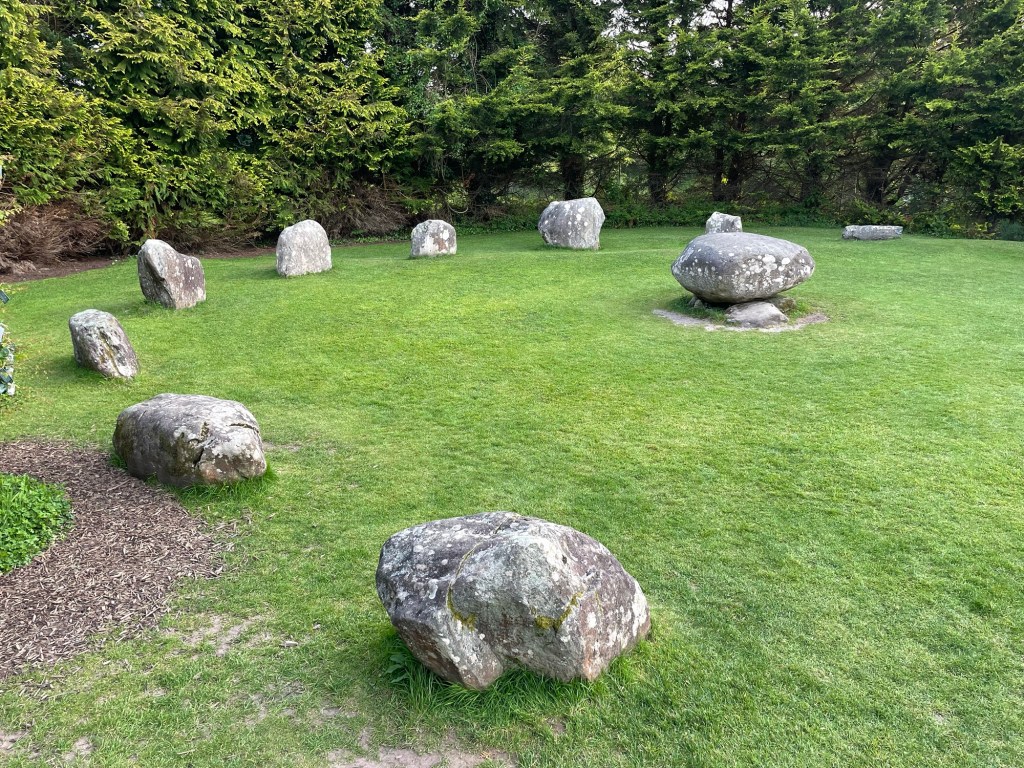
The Kenmare Stone Circle was the first of several we’d see on our trip. Stone circles were built during the Bronze age (2,200 – 500BC) and were used for various rituals and ceremonies. The were built and oriented to align to solar and lunar events such as the solstice.
The Kenmare example is thought to be oriented towards the setting sun, which seemed apropos since we were there at sunset. In the center of this circle was a burial monument known as a Boulder Burial.
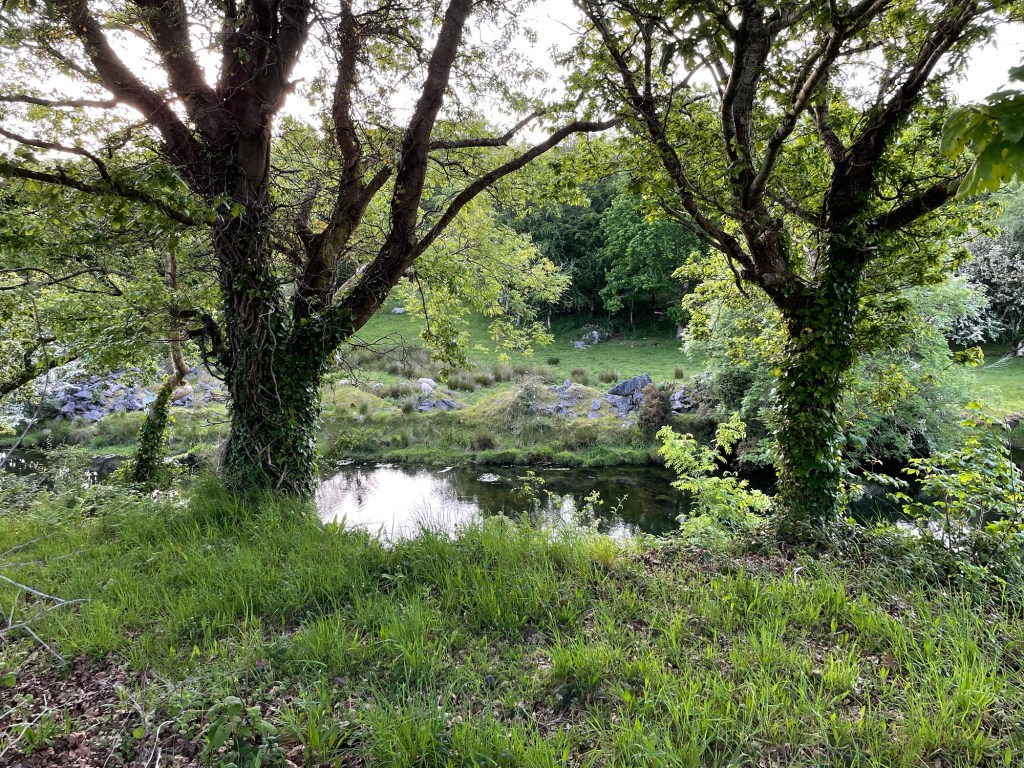
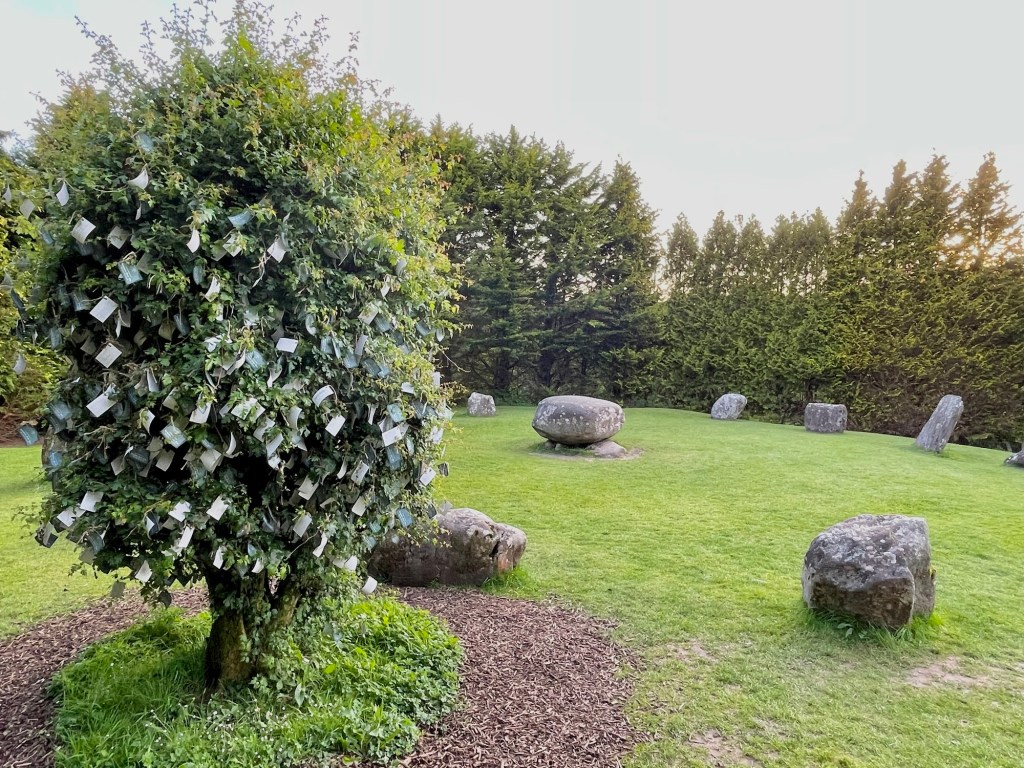
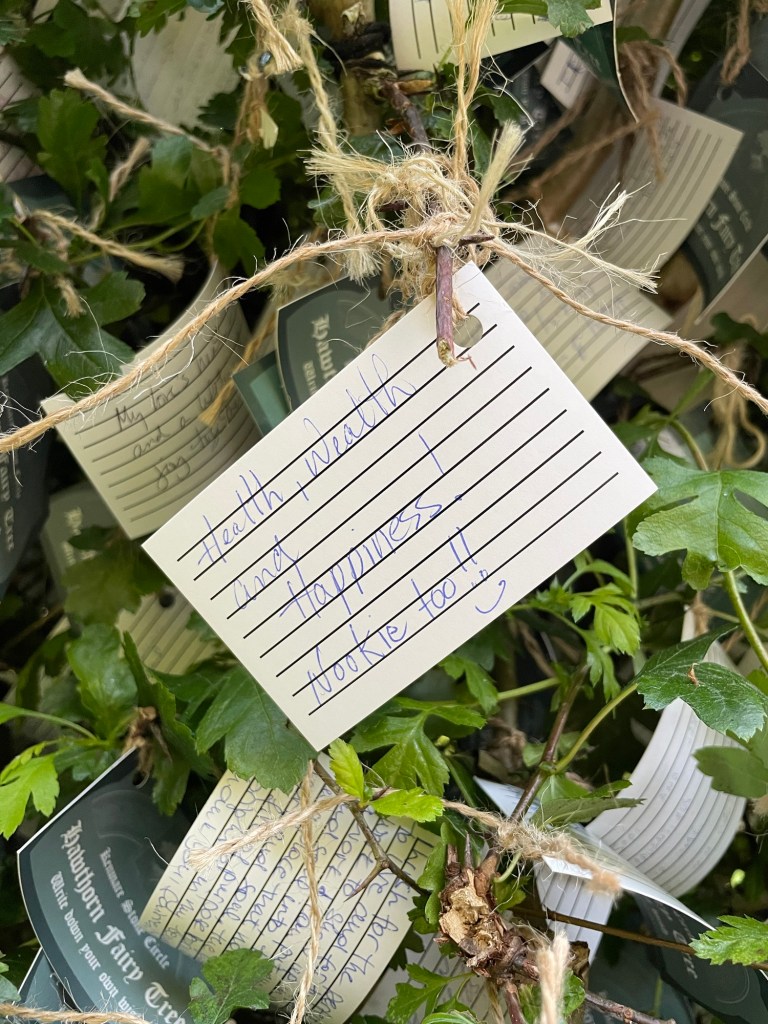
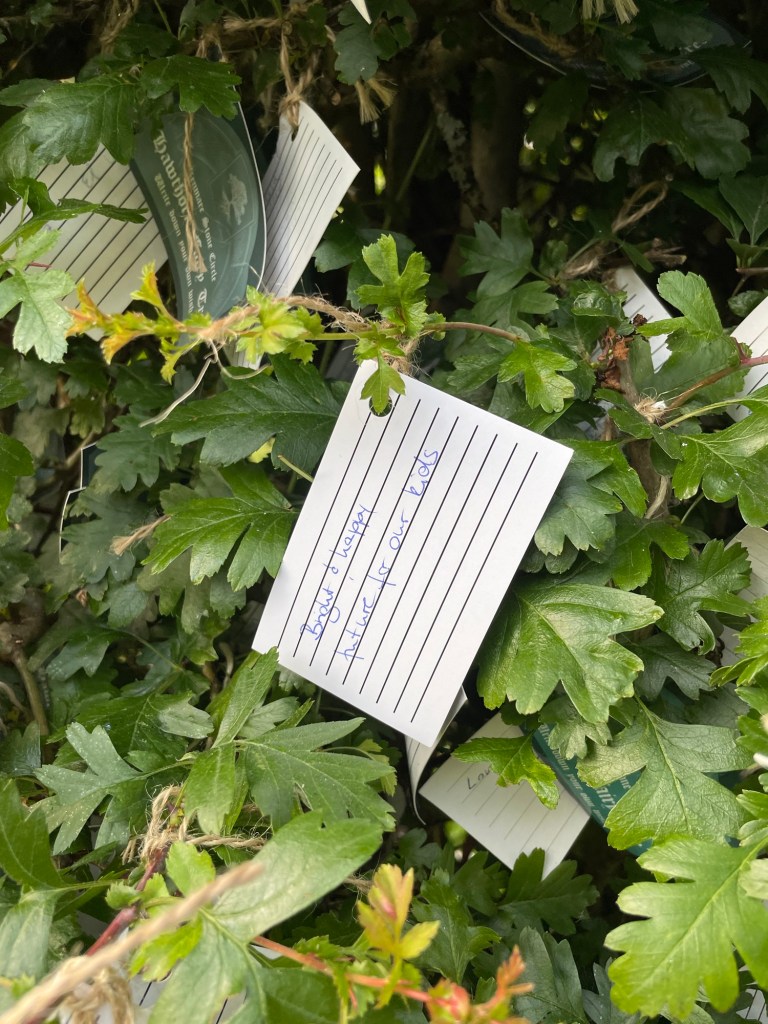
Also at the stone circle site was a Hawthorn Fairy Tree. I had seen my first Hawthorn earlier that morning on my walk around the Mount Juliet Estate.
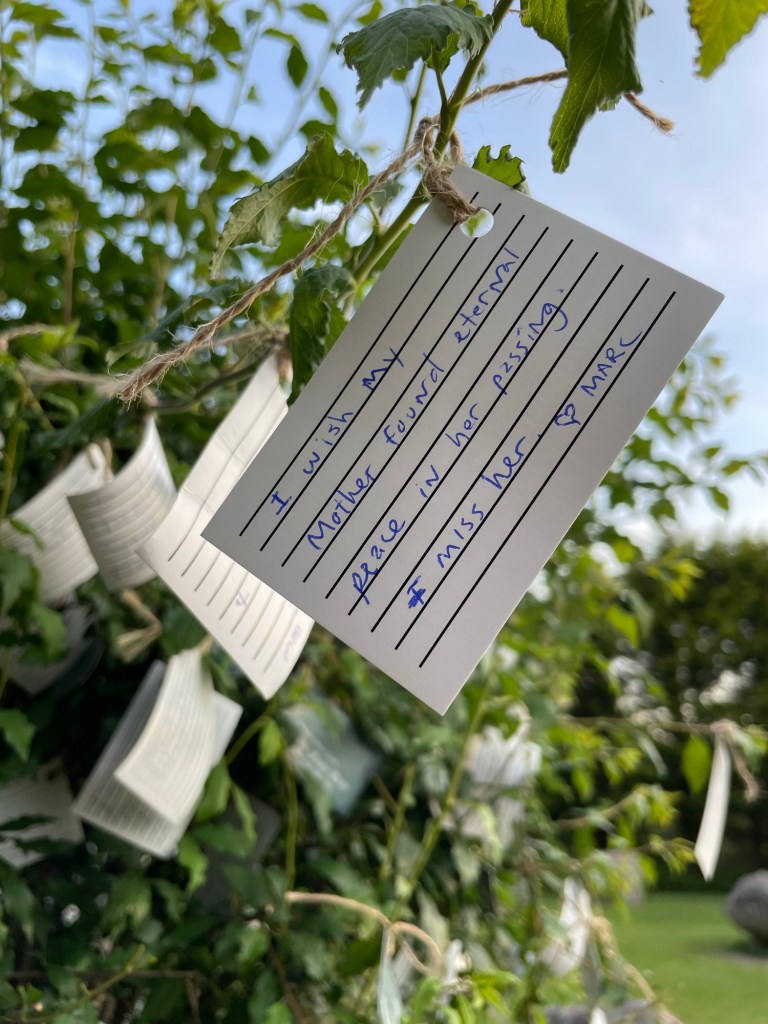
The Hawthorn is an enchanting tree revered as sacred across Ireland. In Celtic mythology, it symbolizes love and protection. It is known as a Fairy Tree, because fairies live under Hawthorns and act as guardians of the tree. Those who protect a Hawthorn (and their fairies) are bestowed with good luck and prosperity. We were told that nobody in Ireland will cut down a Hawthorn tree for fear of bad luck. Because of this belief many roads and highways wind around them.
This tree was covered with prayers and offerings of people hoping to win the favor of the fairies. I left one here in honor of my mother, who passed away just weeks prior to our trip. I love you, Mom, and trust you are organizing the Fairies.



 Sabbatikos
Leave a comment