
There are places where the land feels otherworldly, as if time on Earth has been forgotten—places where the Earth folds up, over, and into itself, only to jut back out into view in dramatic fashion. Vasquez Rocks, just outside of LA, is one such place—both deeply familiar and strangely alien. Chances are, you’ve seen it before on the silver screen or a TV screen.
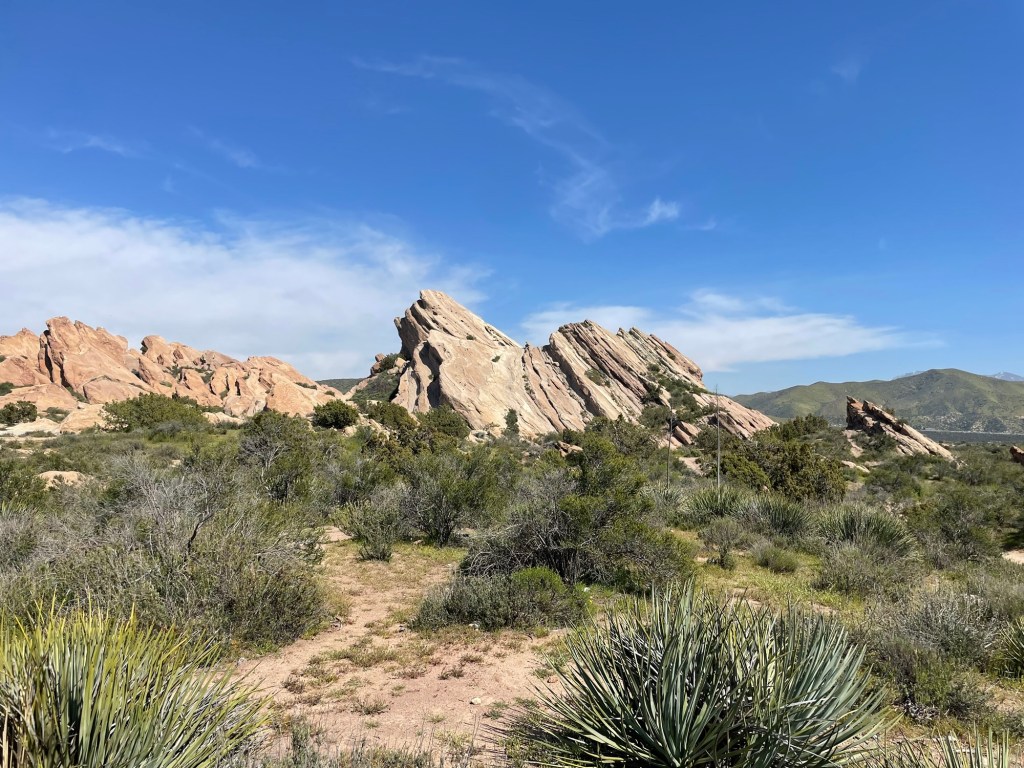
Tucked into the high desert of Southern California, just north of Santa Clarita, this otherworldly landscape of tilted sandstone slabs and wind-worn ridges has served as a backdrop for a millennia of geological movement and tectonic upheaval by the San Andreas Fault, and nearly a century of filmmaking.

The Chumash and Tataviam people lived in these hills long before film crews used their desert as a set, leaving behind petroglyphs like early pictures shows. Later, the rocks became a hideout for bandits, most famously Tiburcio Vásquez, the outlaw whose namesake clings to the formidable formations.
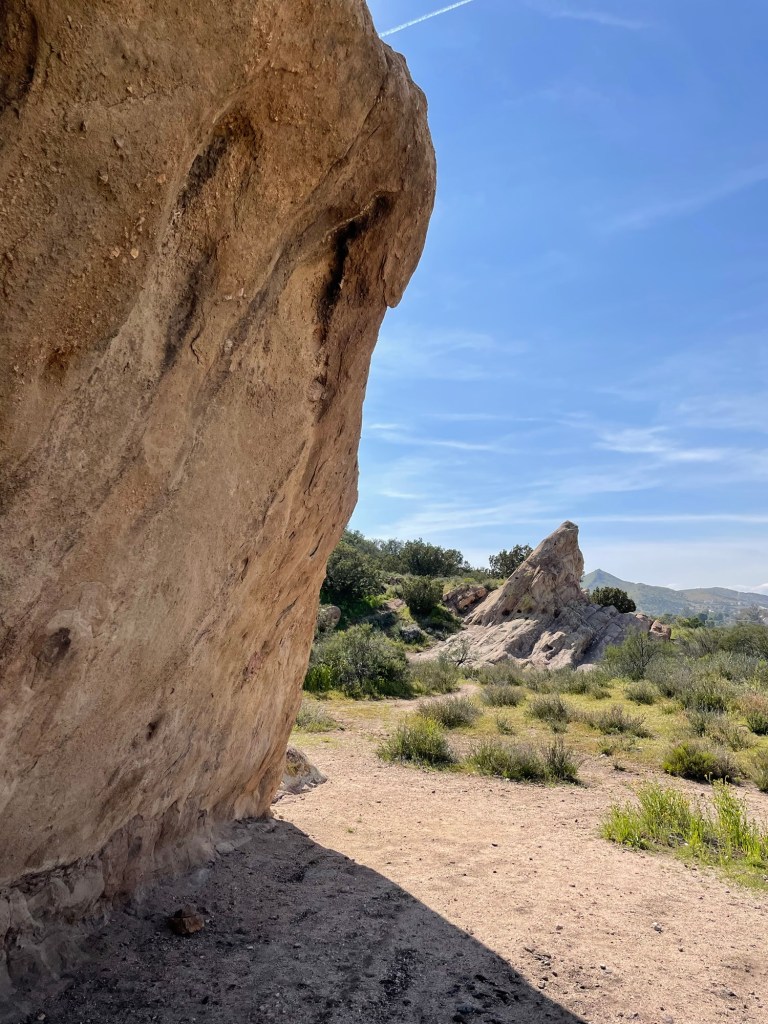
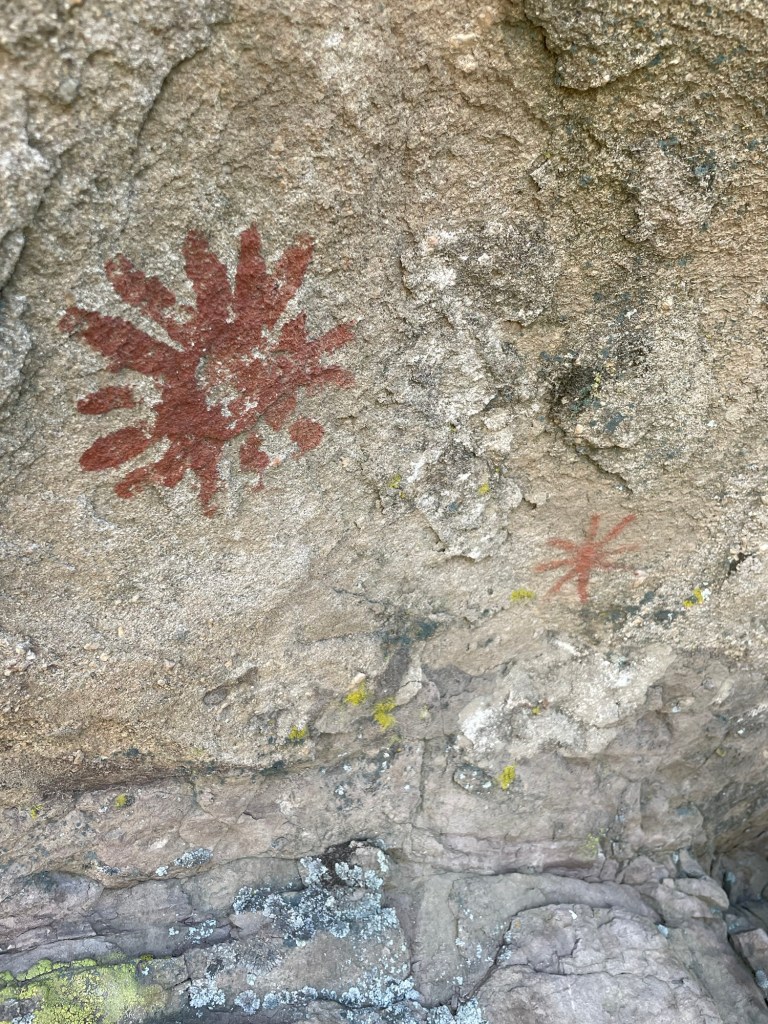
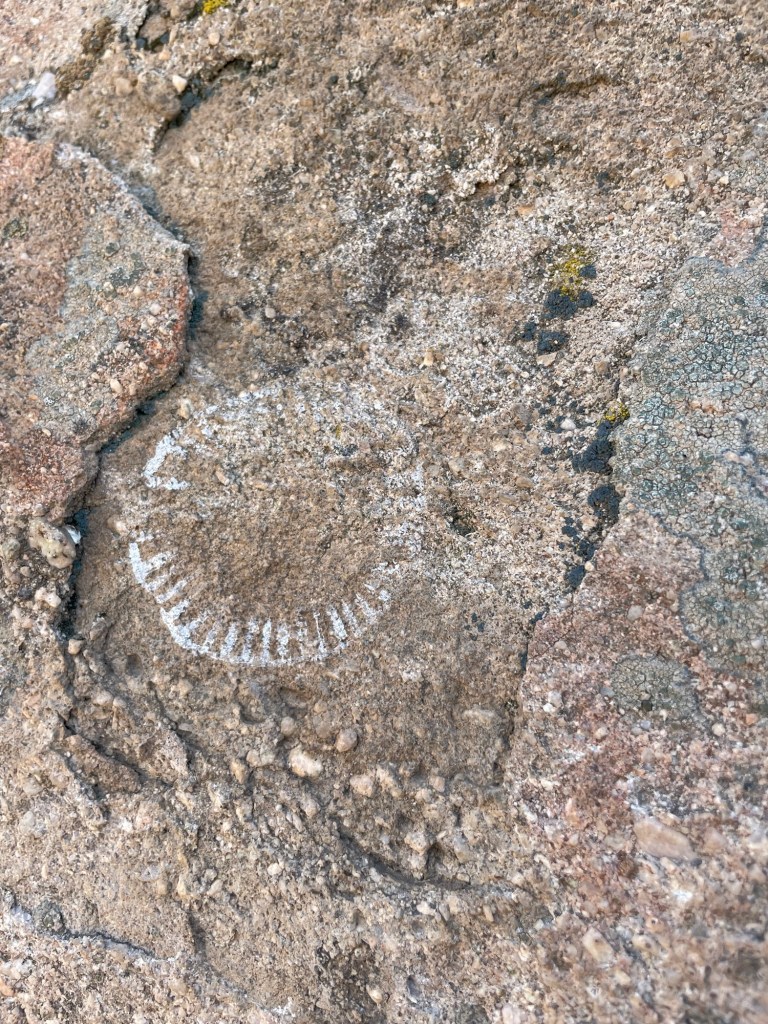
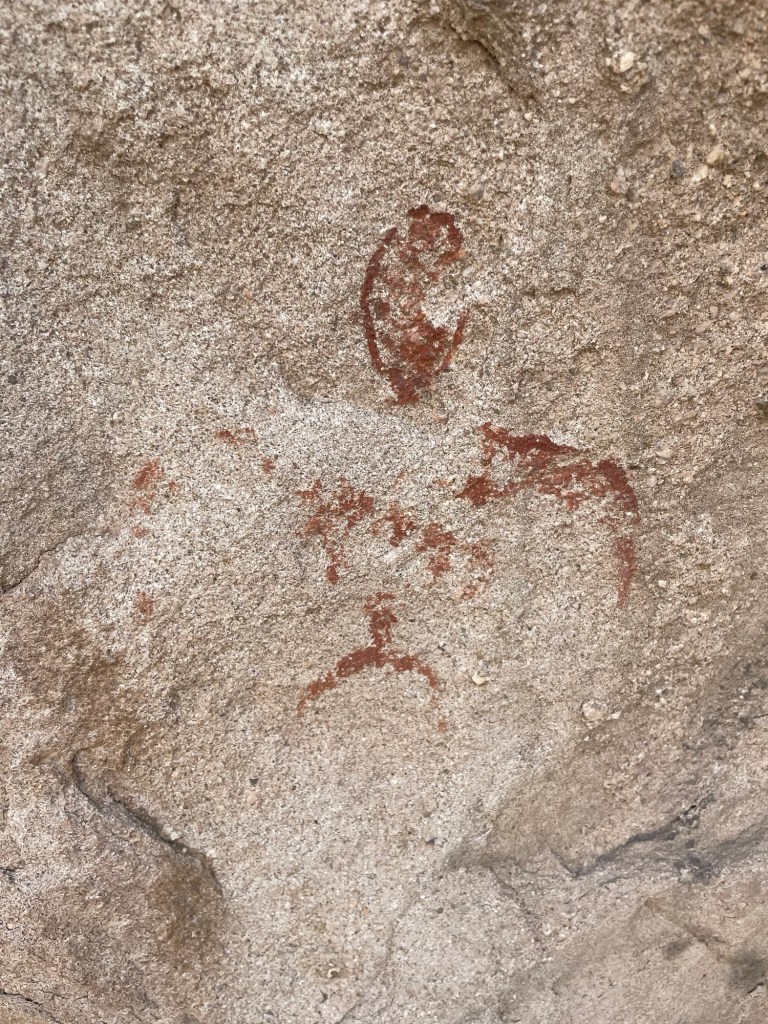


Vasquez Rocks is dramatic and a perfect stand-in for alien planets or prehistoric pasts, and dystopian futures. Star Trek fans (like us – remember the post on Sepulveda Basin’s Japanese Garden) know it as the battlefield where Captain Kirk fought the Gorn; film buffs (like us) might recognize it from Blazing Saddles (1974) or Planet of the Apes (1968), or the nearly 200 other movies and tv shows shot there. Vasquez Rocks can be the wild wild west or just as easily deep deep space, or both at once.
That’s the magical mystery of Vasquez Rocks; it exists between time and space, bending to whatever realities and stories you want bring to it. You can easily hike and stand on one of its ridges and imagine yourself anywhere or any time.


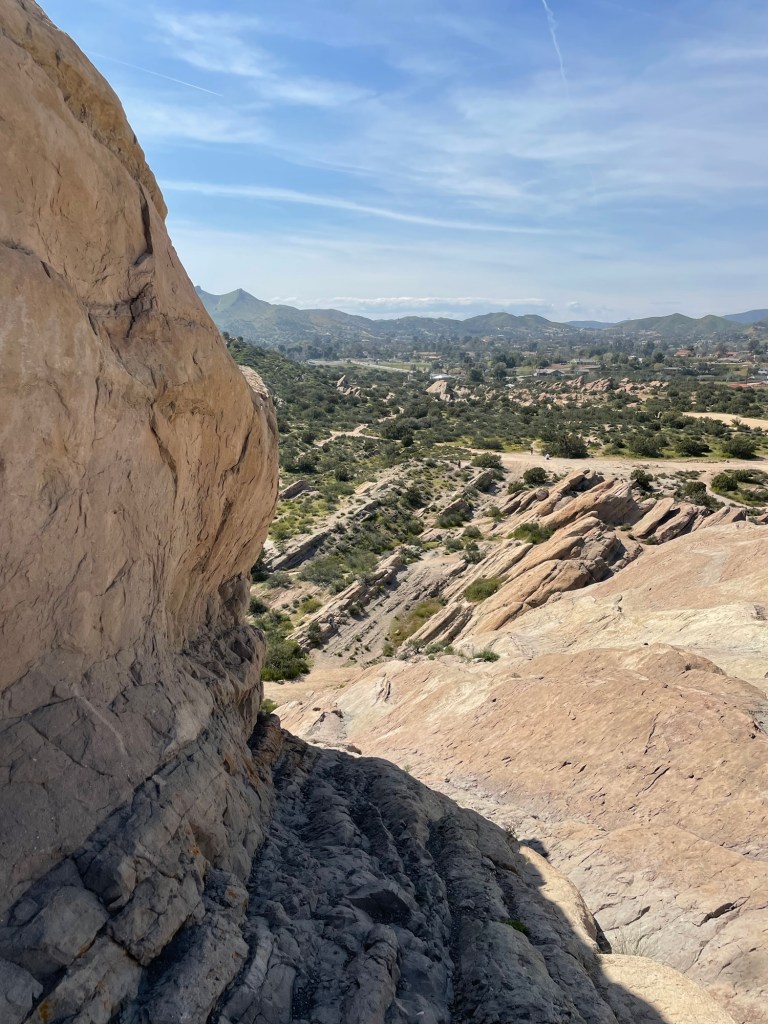
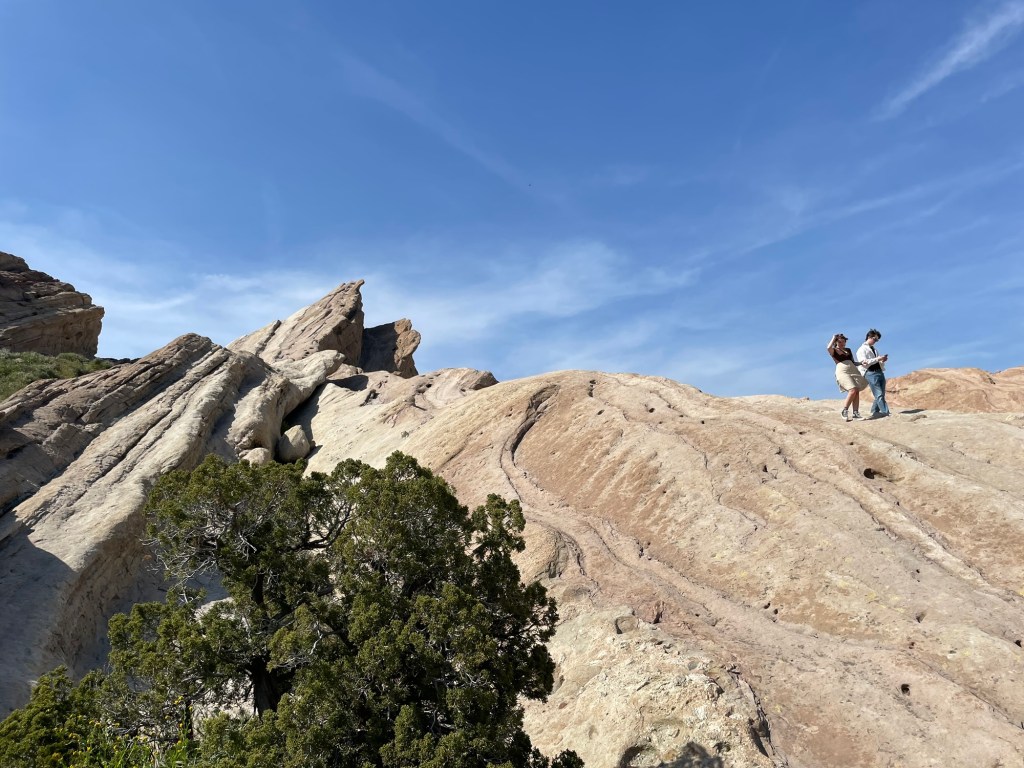

And from atop, for a moment, Vasquez Rocks is not a movie set or a geological anomaly, a museum, or a tourist attraction. It is simply the spine of the earth, reaching skyward, waiting for our (or your) next adventure to unfold.



 Sabbatikos
Leave a comment