Viscous tar is a key component of the asphalt jungle that inevitably defines the LA freeways. But unlike getting stuck on The 405, getting stuck at the La Brea Tar Pits is time well spent (unless you were a prehistoric animal). In the middle of Los Angeles—on none other than the famous Wilshire Boulevard—bubbling, oozing pools of prehistoric muck have trapped untold tens of thousands of animals from the Pleistocene Epoch, perfectly preserving them for discovery and research. Step onto the grounds of Hancock Park, and suddenly, you’re in a world that has been bubbling for tens of thousands of years, percolating thoughts of what life in LA might have been like before it was paved over with this vary substance of interest.
The pits themselves are a kind of prehistoric trap, with several still actively gurgling in broad daylight. Methane burps through the surface of the black, gloppy asphalt, as if something massive—like an Ice Age mammoth or giant ground sloth—is still shifting beneath, giving up its last breath. The mind wanders to thoughts of dire wolves or saber-toothed tigers attempting to snatch easy trapped prey, only to realize it will be their last meal.
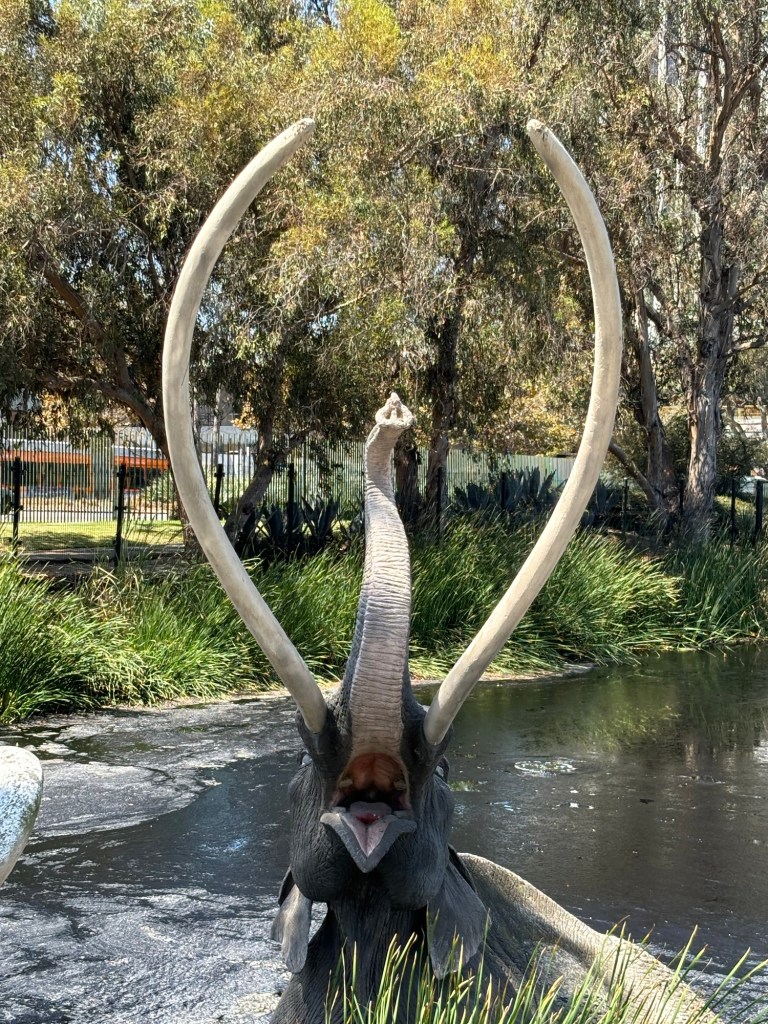

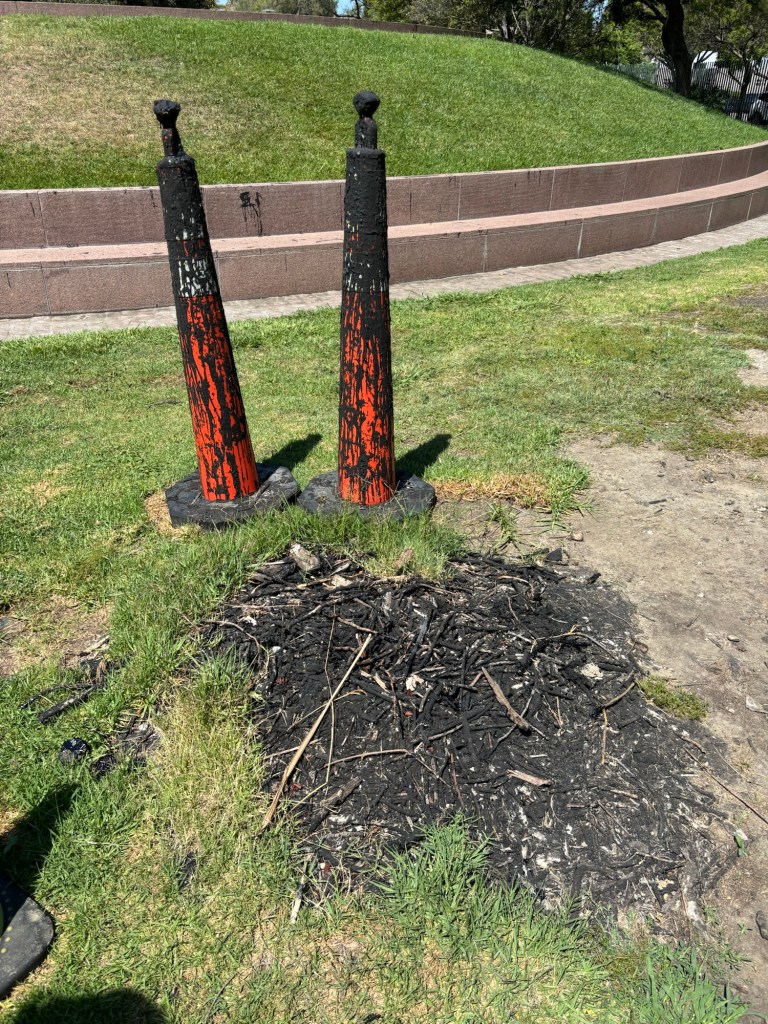

The park itself is free to wander. Families push strollers past life-size sculptures of mammoths caught mid-struggle, frozen in place as tar continues to engulf them today. Joggers do laps around the bubbling pools, unfazed by the grim sticky history underfoot. Here, history isn’t buried for long, as several excavation pits are actively being worked to remove more and more specimens for cleaning and study. Watch your step! You’ll see fenced-off patches or tar-covered orange traffic cones marking where fresh tar has emerged overnight, creeping up through the grass. Not a good place for laying a favorite picnic blanket down.


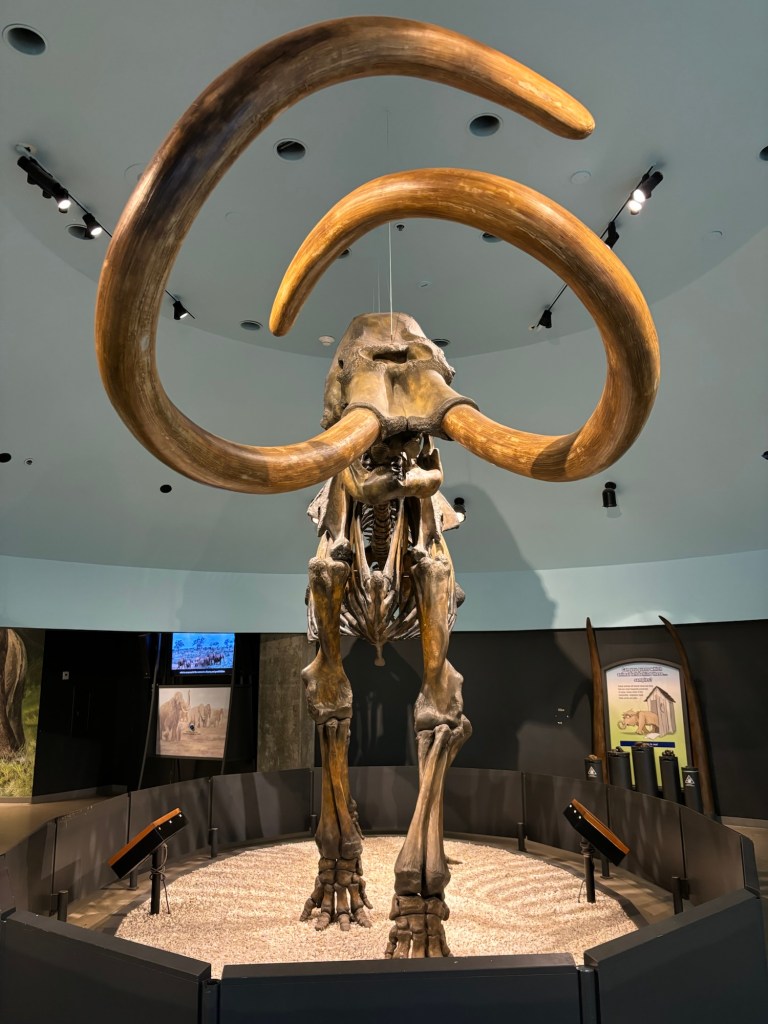
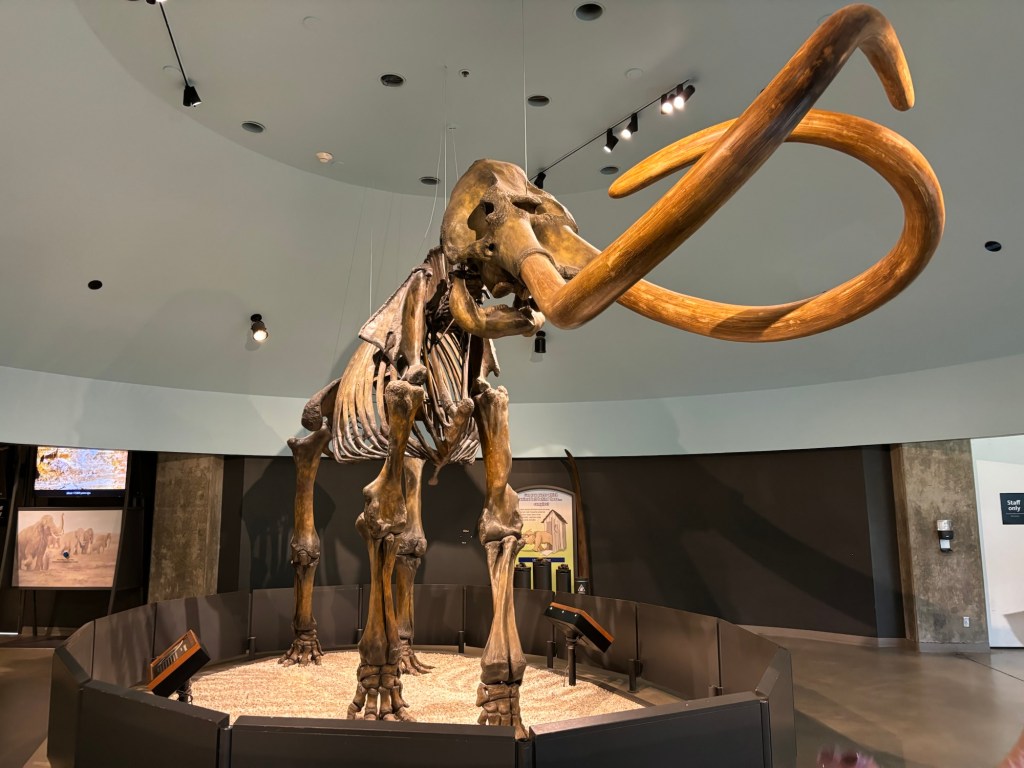

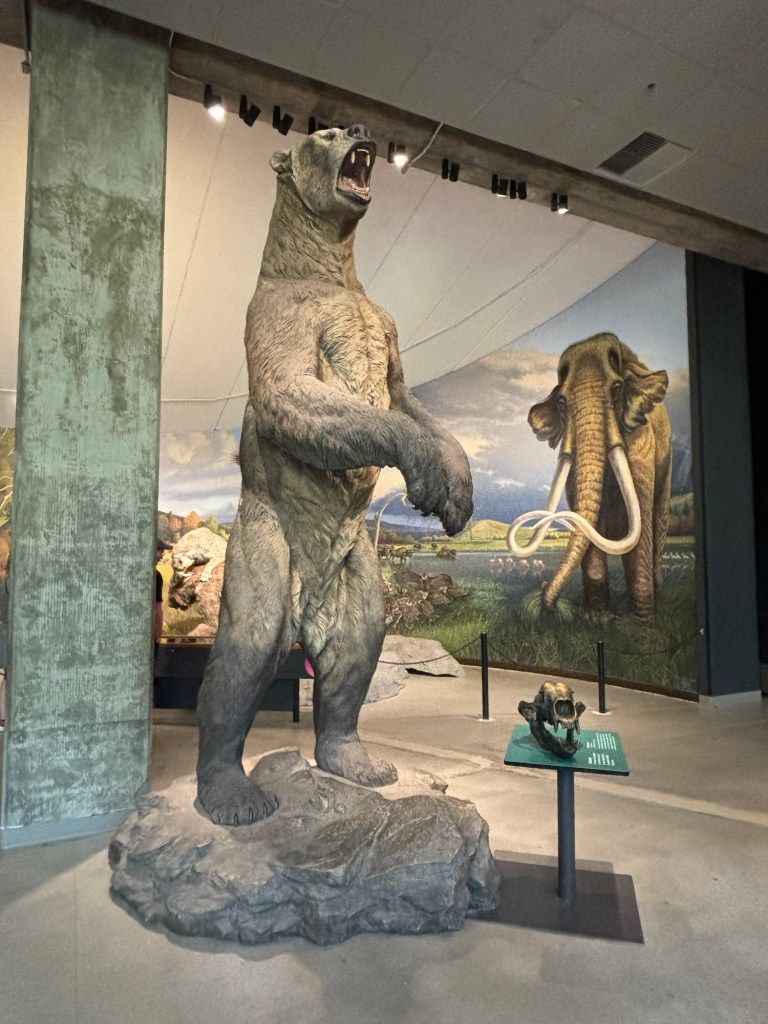


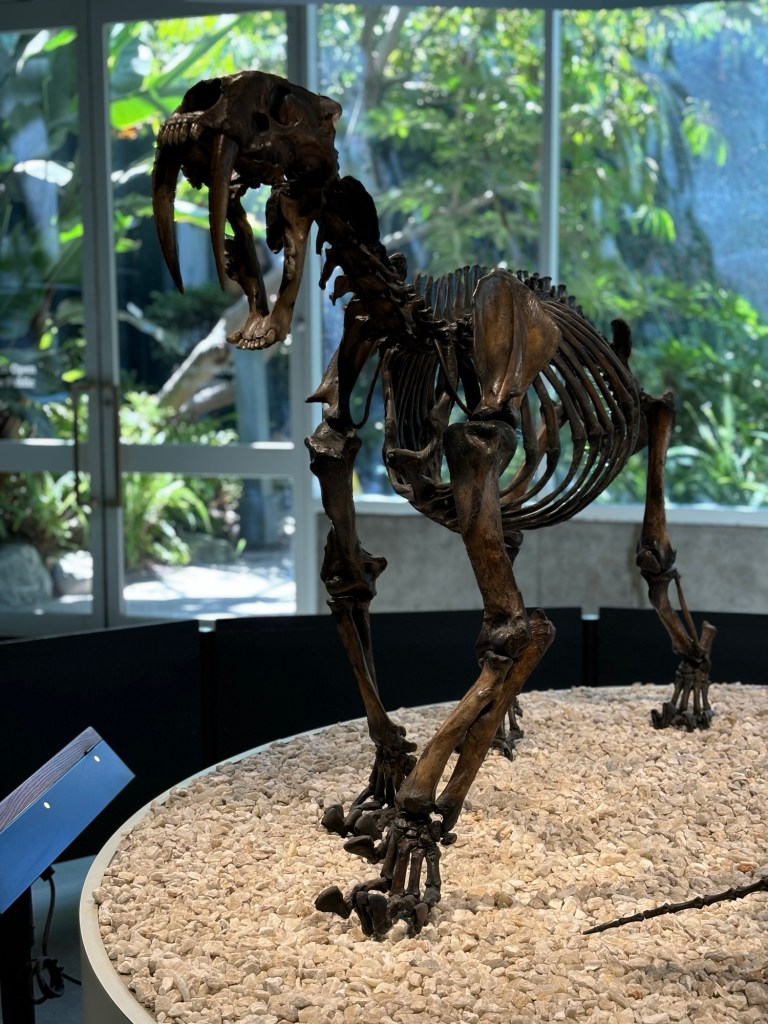
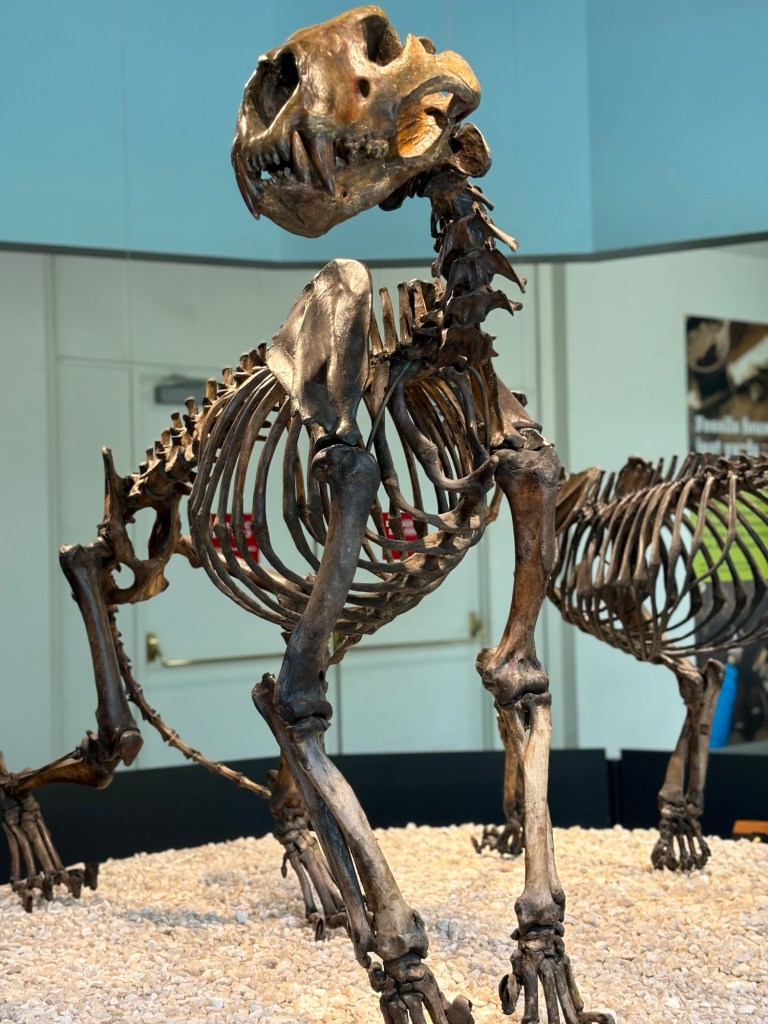

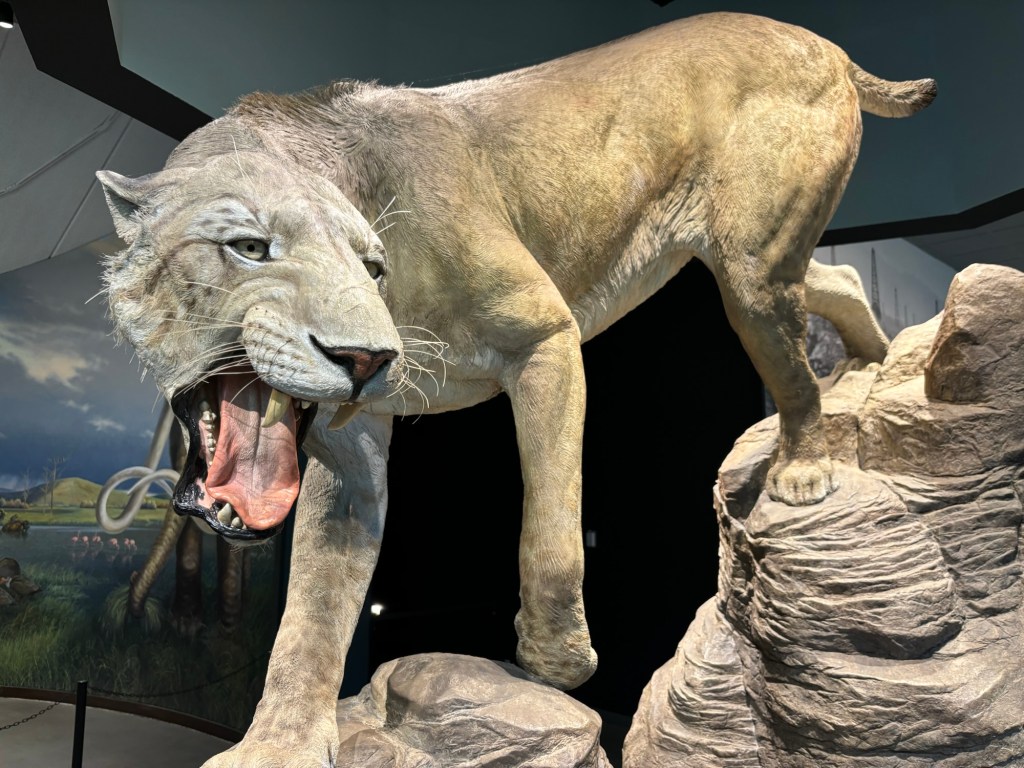
The La Brea Tar Pits and Museum is small but interesting. Inside, the Fossil Lab puts paleontology on display—scientists in gloves delicately extracting wolf teeth and sloth bones from hardened asphalt, carefully and painstakingly cataloging the casualties. It’s mesmerizing to watch. Each tray holds a jumble of prehistoric remains, and each tiny bone tells a story of struggle and slow, inevitable, inescapable doom. Go once. It is worth seeing. But see if you can use a reciprocal museum pass to get in at a reduced price, as the cost is high given the small size of the museum, although the fees help fund the ongoing research.
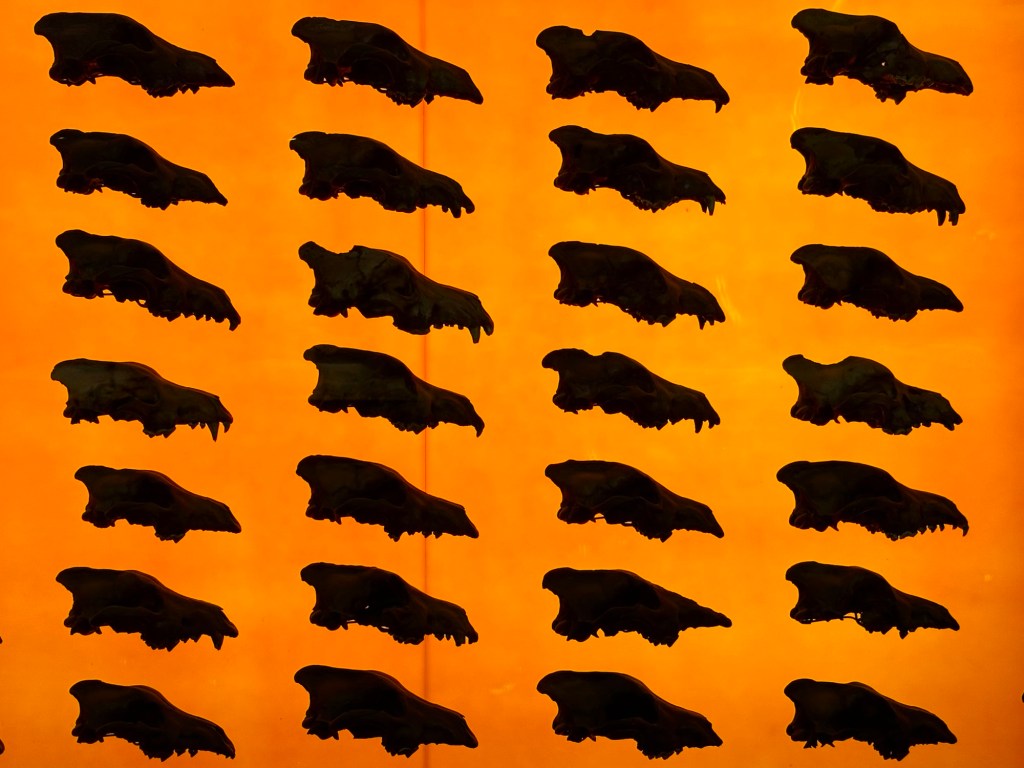
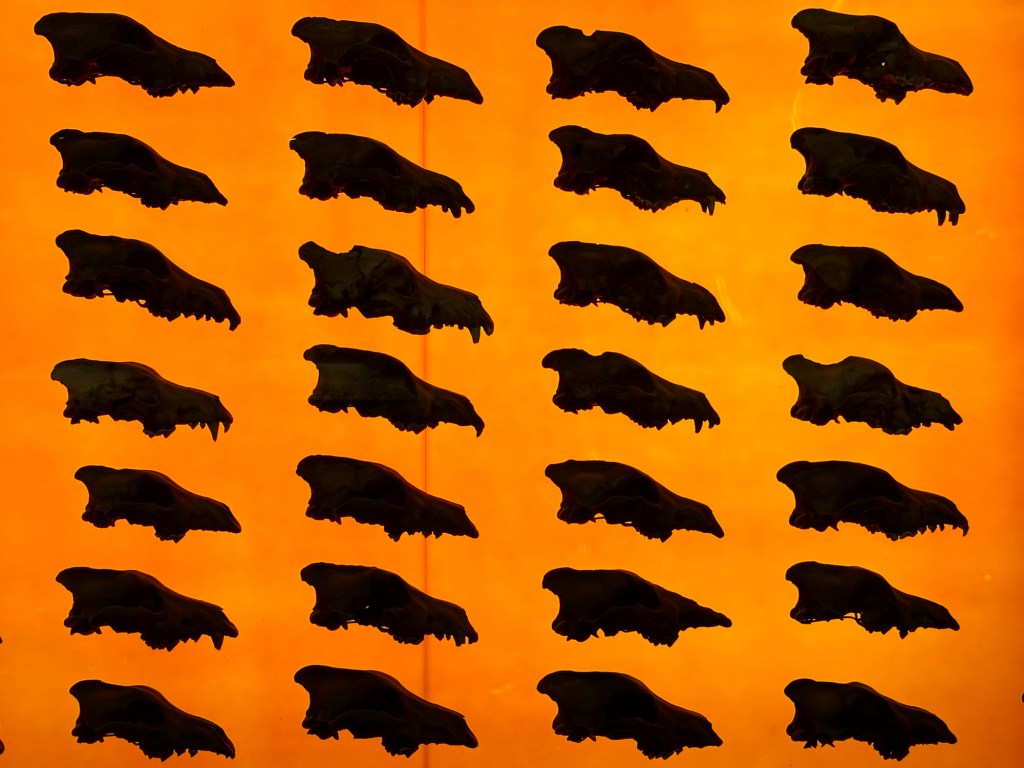
All the exhibits are interesting, but there’s something particularly alluring about the dire wolves. Maybe it is the Game of Thrones fan in me (Team Stark!). Hundreds of dire wolves have been found here and their skulls line a towering display in the museum—hundreds of specimens, a massive pack of giant wolves.
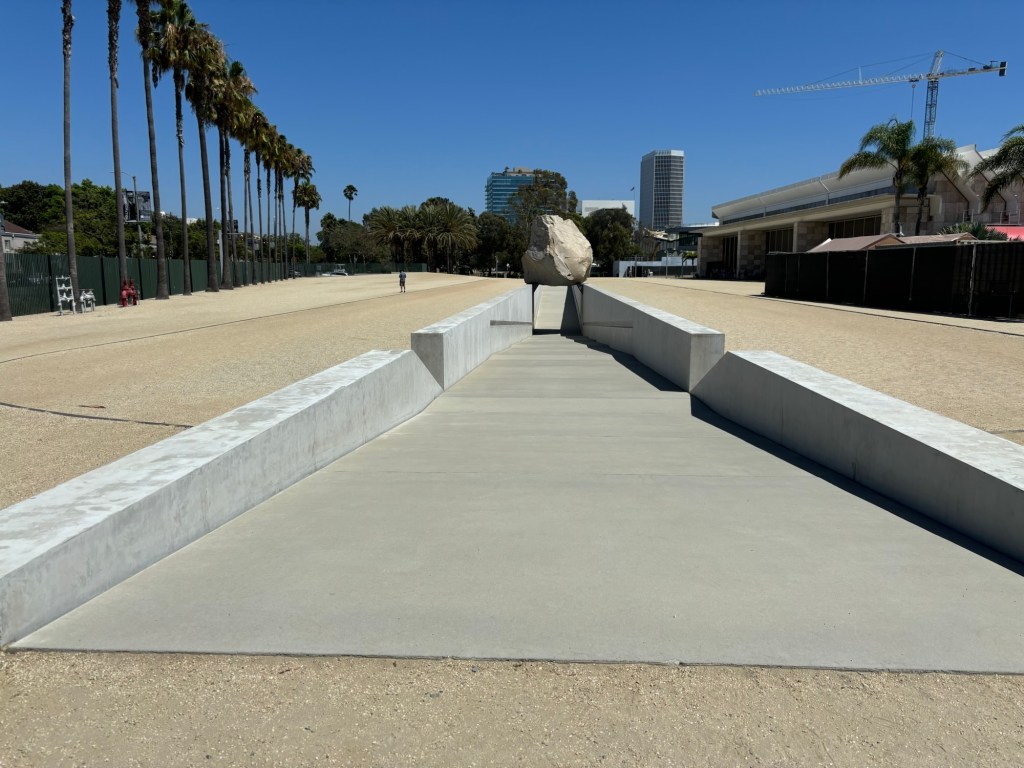
The La Brea Tar Pits sit at an odd intersection of culture in the middle of LA. Just across the way, the Los Angeles County Museum of Art (LACMA) which offers rotating as well as permanent collections. Outside is its Instagram worthy “Urban Light“—a forest of antique lampposts—which draws crowds like moths to light to try and strike that perfect and dramatic pose for virtual hearts and likes. Next door, the Academy Museum of Motion Pictures (one of our favorite places in LA) offers a curated histories of directors, genres, costumes, sets and other Hollywood artifacts as well as their collection of Oscars. It’s a fitting location for the Academy Museum, because if anything can make the tar pits feel even more surreal than being located in the middle of LA, it’s Hollywood’s take on them.



Which brings me to La Brea, the NBC sci-fi drama in which a massive sinkhole (caused by an LA earthquake no doubt) opens beneath the tar pits, swallowing Angelenos whole and transporting them through a time-space portal to a prehistoric land (reminiscent of Land of the Lost) 10,000 years ago in LA, full of CGI mastodons, saber-tooth tigers, and survivalist melodrama. It’s one of those absurd premises that feels both completely ridiculous and, given the setting, oddly plausible—at least enough to binge-watch when you’ve finished Netflix.
In reality, though, the tar pits are a portal—just not to another world. They’re a direct line to a not so distant past, a place where history isn’t yet buried under asphalt but instead, oozes to the present day surface and your imagination.
So the next time you’re in L.A., take a stroll through the park, breathe in the scent of a soft pop of methane breaking the surface. The past is never as distant as we think, it may be bubbling up, right beneath your feet.



 Sabbatikos
Leave a comment