
Our journey through Croatia had taken us through ancient seaside fortresses, sunlit islands, and their quaint harbors, but today’s adventure felt especially epic. The storms had passed, it was a beautiful spring day in Split, and the city shined, freshly washed from yesterday’s deluge, beneath a bright blue sky as we headed inland and began to climb. Ahead rose the rugged and rocky Mosor Mountains, and perched high along a natural ridge between them stood the formidable Klis Fortress. Once the royal seat of Croatian kings, Klis served for centuries as a strategic stronghold that guarded the passage between the Adriatic coast and the empires pressing in from the east. It was here that the frontier was held against the advance of the Ottomans.
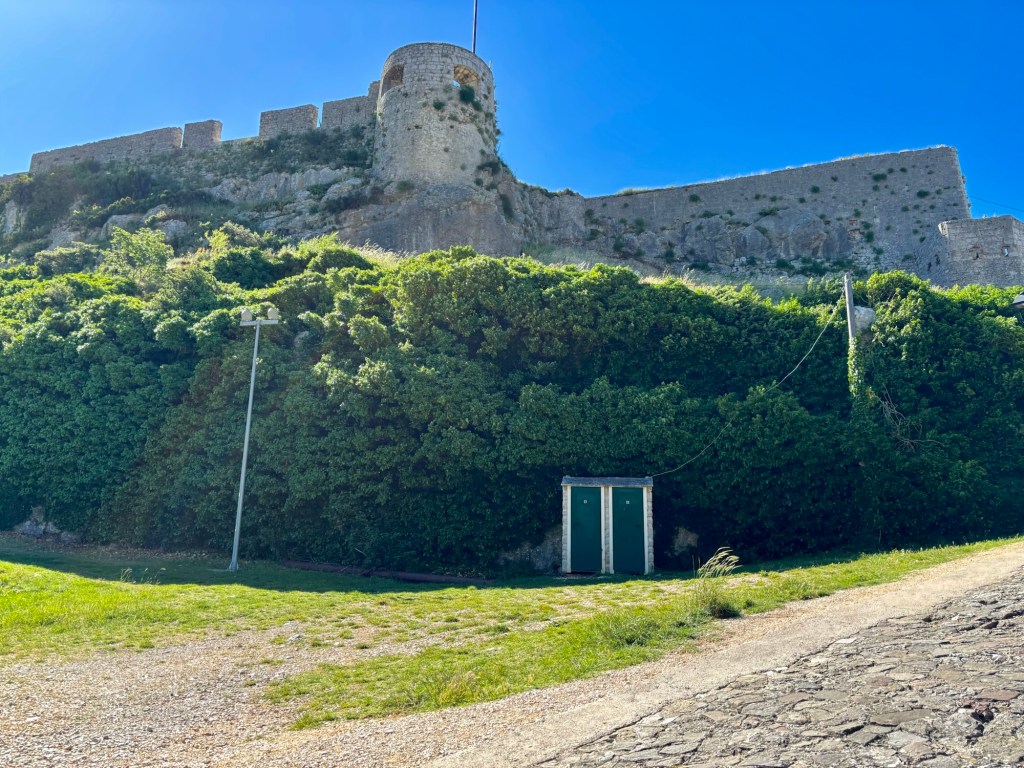

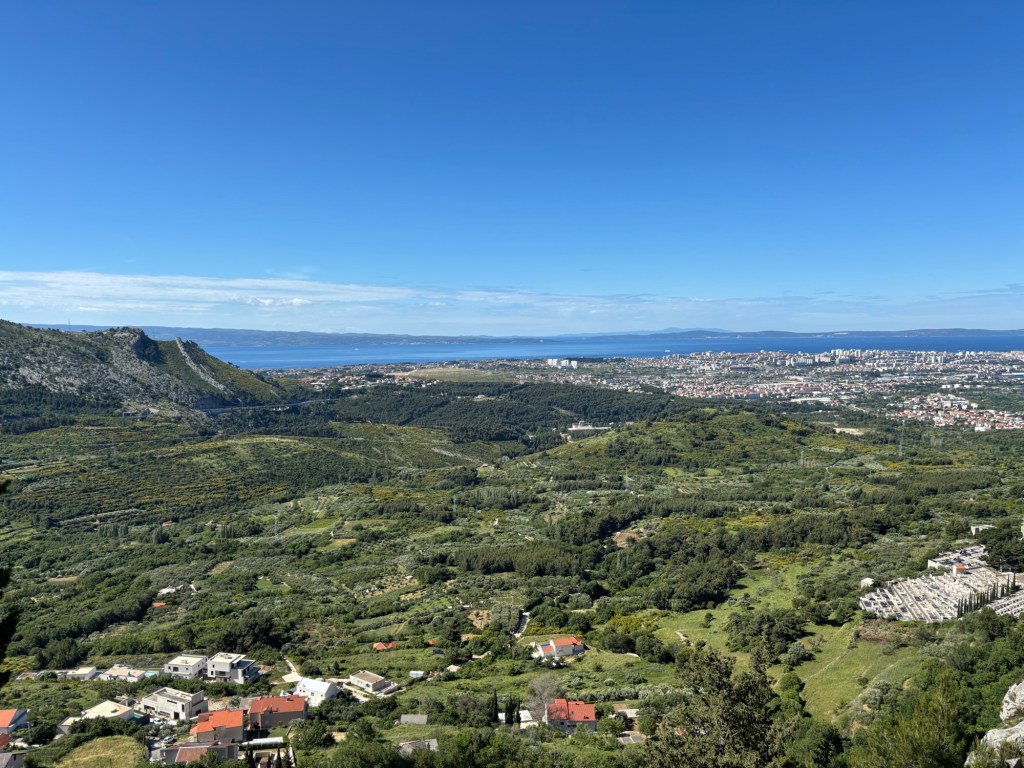


It is easy to see why Klis held such strategic importance over the centuries, with its commanding 360-degree views, steep cliffs that repelled enemies, and a narrow road that funneled travelers through a checkpoint ideal for taxation and control of commerce. But Klis is also something more. Klis is the living set of Meereen.


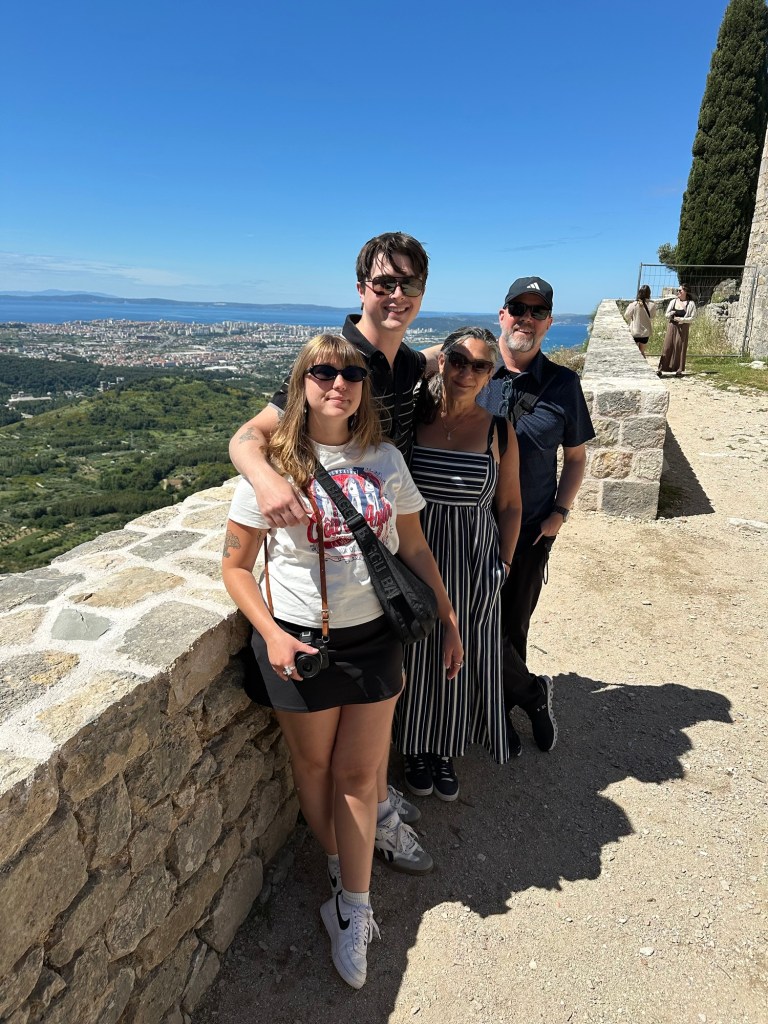


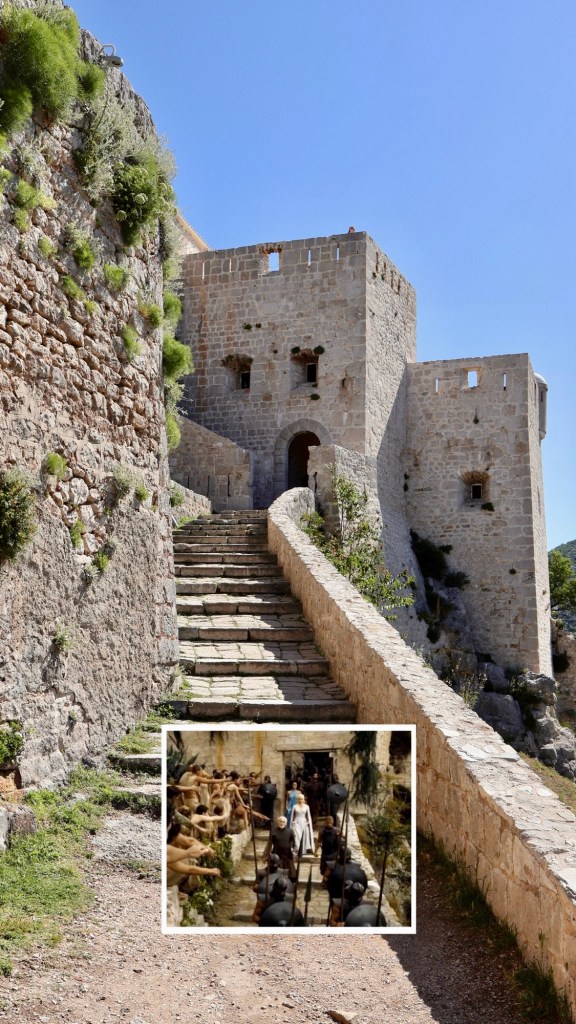
Klis Fortress (as Meereen) became the mountain city that Daenerys Stormborn of House Targaryen, the First of Her Name, the Unburnt, Queen of the Andals and the Rhoynar and the First Men, Khaleesi of the Great Grass Sea, and Mother of Dragons stormed in Seasons 4 and 5 of Game of Thrones. This is where she added “Queen of Meereen” and “Breaker of Chains” to her long lists of titles. It was here she freed the enslaved and crucified the masters along the city walls. Standing in the very place where those scenes were filmed, our guide pointed out the ramparts and towers where her Unsullied marched and where Daenerys delivered her blood-soaked and righteous justice upon the slave masters. You could almost hear Daenerys proclaiming, “I will answer injustice with justice,” her voice echoing in the wind. The location couldn’t have been more epic with its cinematic vistas and natural sets of fortress stones.




After soaking in the dramatic views, we returned to Split, back to more stonework in the form of Diocletian’s Palace. While we had visited a few key sites in the palace the day before, we now understood that Diocletian’s Palace is a living, breathing ruin that has survived seventeen centuries and evolved into the town of Split. Our guide wove together threads of Roman and Croatian history with Game of Thrones fantasy, drawing comparisons between Daenerys and Diocletian; both conquerors, both builders of empires, both complex leaders whose legacies continue to shape the real (and fictional) worlds they once ruled.
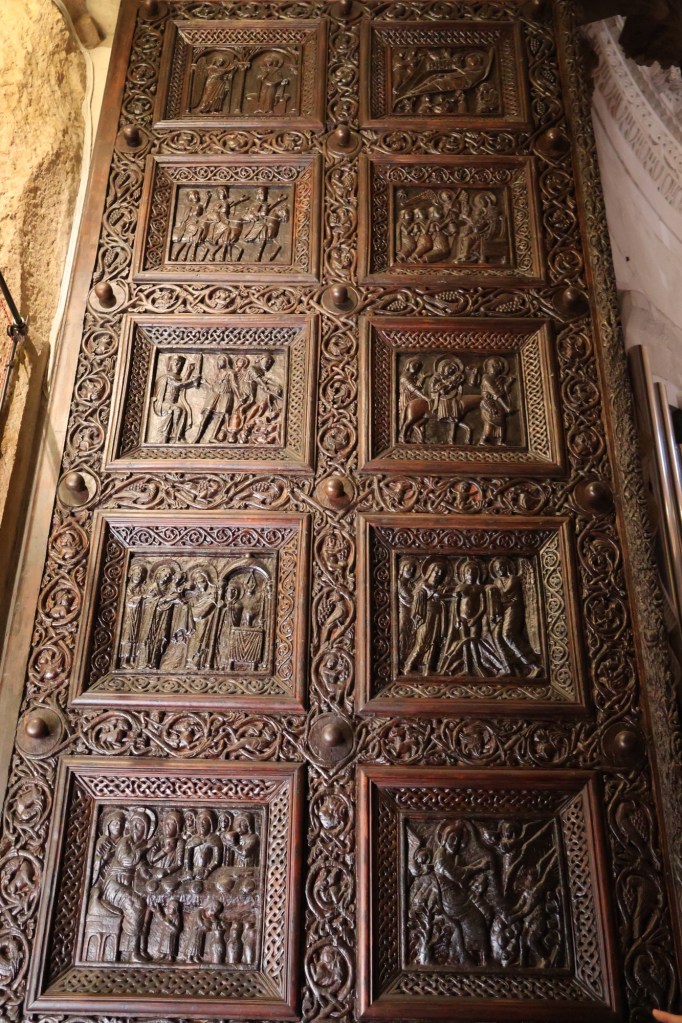
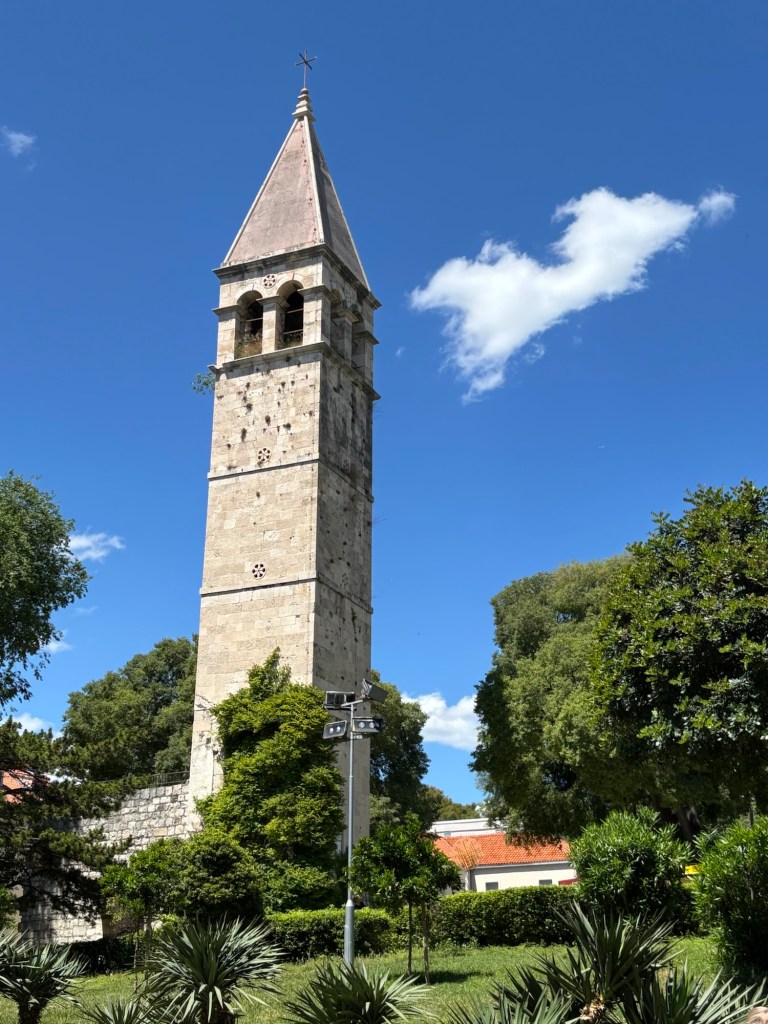
We had already climbed the Romanesque bell tower of the Cathedral of Saint Domnius, wandered through the Temple of Jupiter, and descended into the Crypt of Saint Lucy, and we revisited some of those places today with added context and commentary from our guide. Today, however, we also went deeper into the palace’s foundations. These shadowy substructures once stored imperial goods and formed the seawall and base of Diocletian’s palace, but for Game of Thrones, they became the dragon’s lair. These vast rooms, with their massive supporting columns, served as the dungeon where Daenerys kept her growing dragons. It was also the place where the Sons of the Harpy secretly plotted and carried out their failed revolt against her.


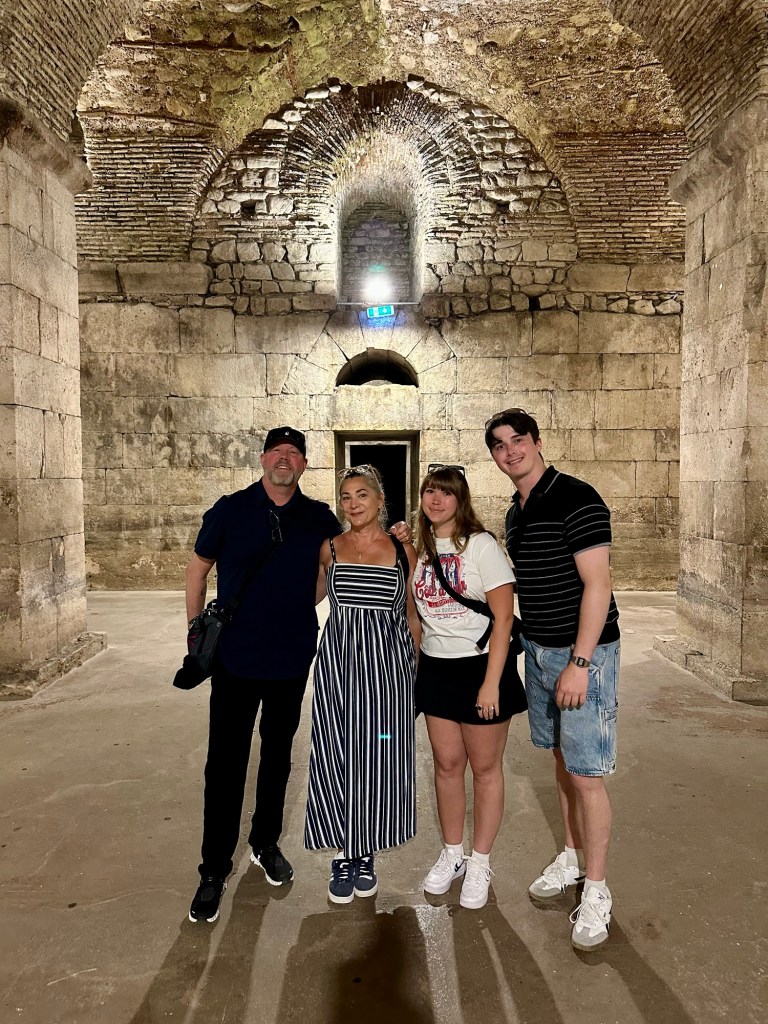


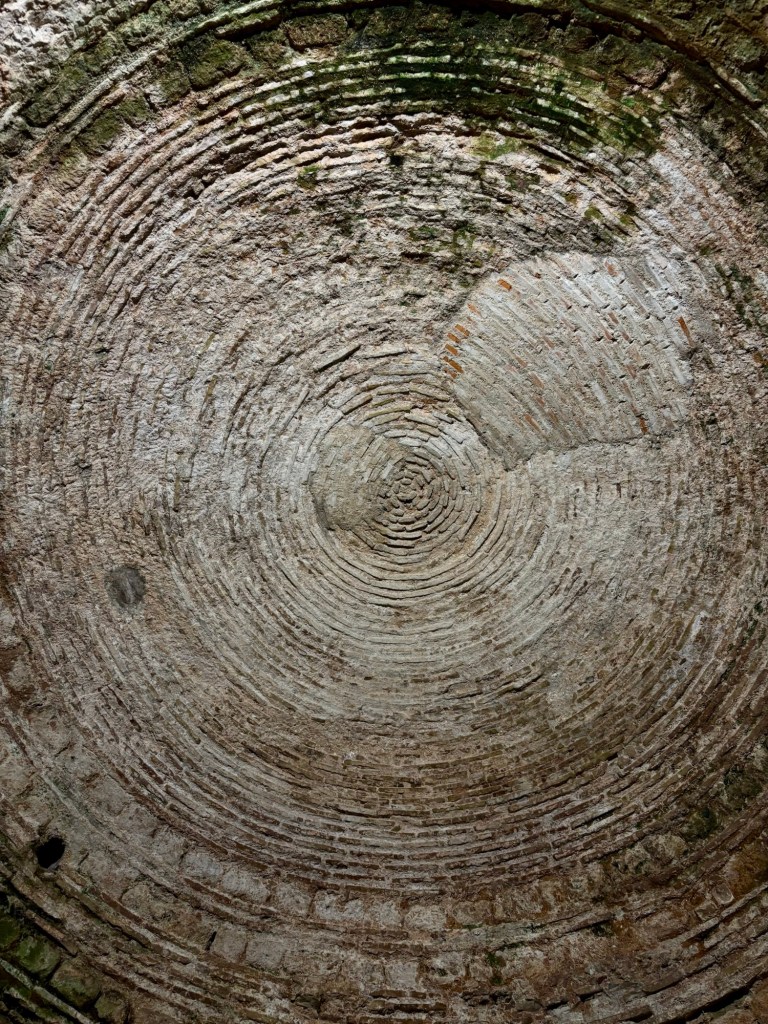


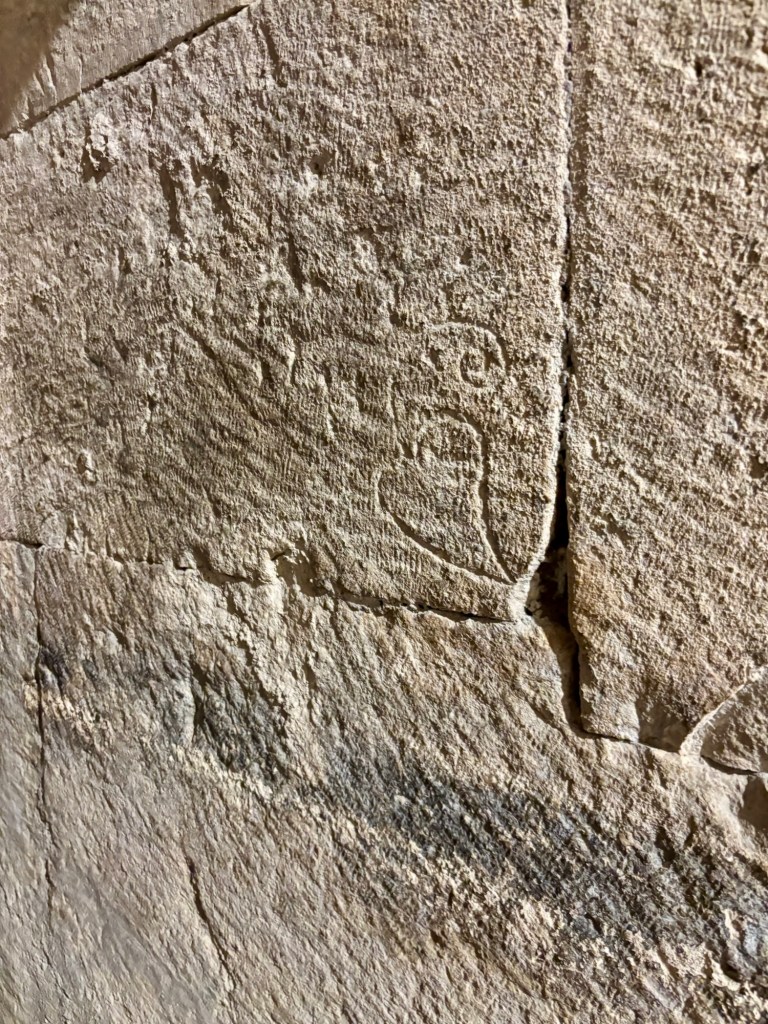


This was not our first brush with Westeros on this trip. We had wandered through Mdina in Malta, where Ned Stark confronted both Littlefinger and Jaime Lannister. We had stood at the Pile Gate in Dubrovnik, where young King Joffrey once ruled King’s Landing. We had walked the stairs where Cersei endured the Walk of Atonement. We had paced the ramparts of Lovrijenac Fortress, overlooking Blackwater Bay, where Cersei gently reminded Littlefinger that “power is power.” We had taken the short boat ride to Lokrum Island, which stood in for the ancient, opulent city of Qarth. On previous trips, we had visited the studios and sets of Game of Thrones, as well as shooting locations in the frost-covered landscapes of Iceland. But nothing felt as thrilling as realizing we were standing in the dragon’s lair, where Daenerys fed slavers to her dragons. We didn’t know about this use of Diocletian’s Place for Game of Thrones and so it was a welcome surprise and the history of its excavation was fascinating.
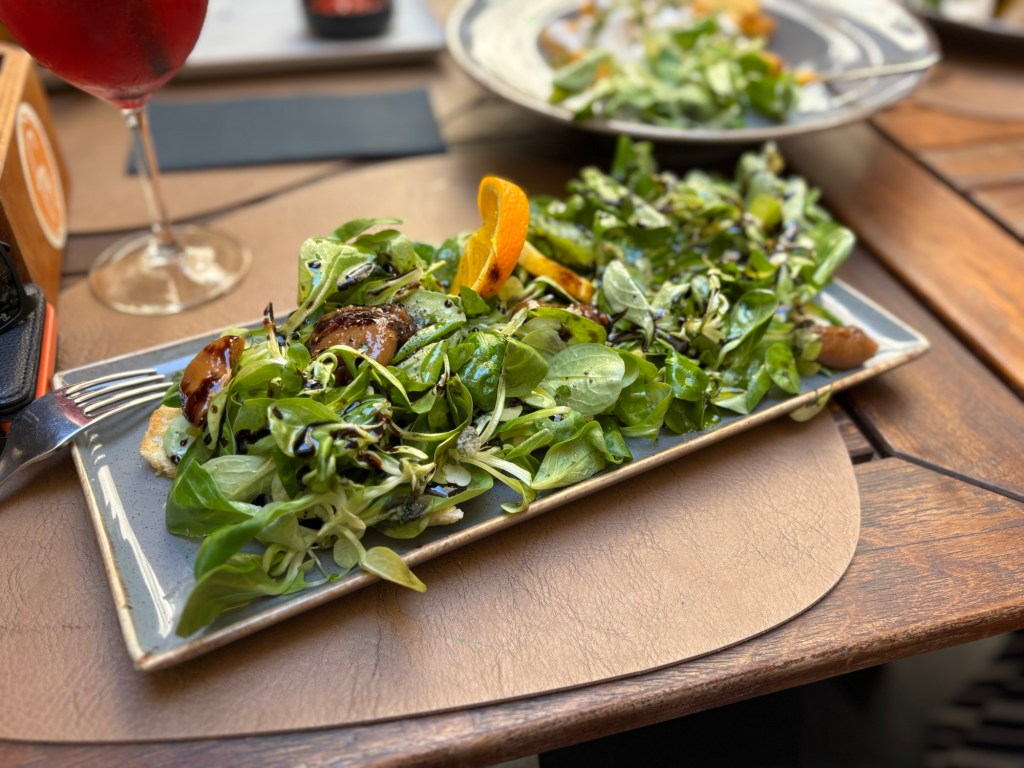
After the tour, we roamed Split’s maze of alleys, passing faded archways and balconies, ducking into little shops, and picking up a few last minute souvenirs. We had lunch at Fig, the second location of the restaurant we had loved so much in Hvar. The food was just as good, and Clara noted that while she was surprised to see a burrito on the menu, it could go toe-to-toe with any burrito in Southern California.
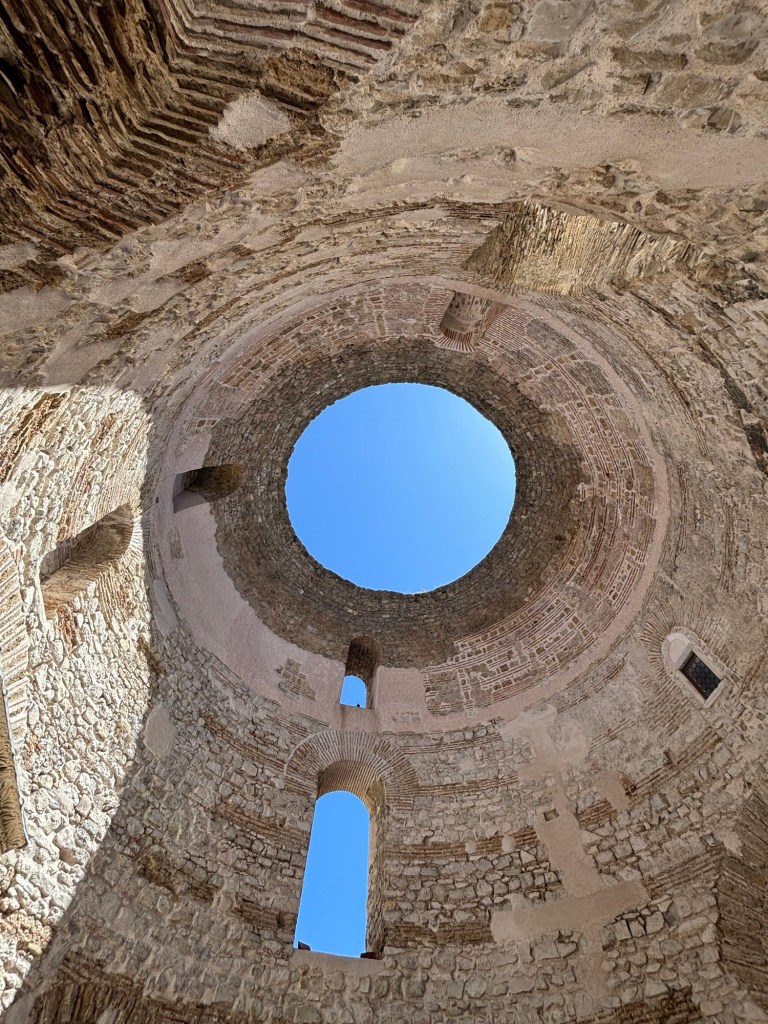







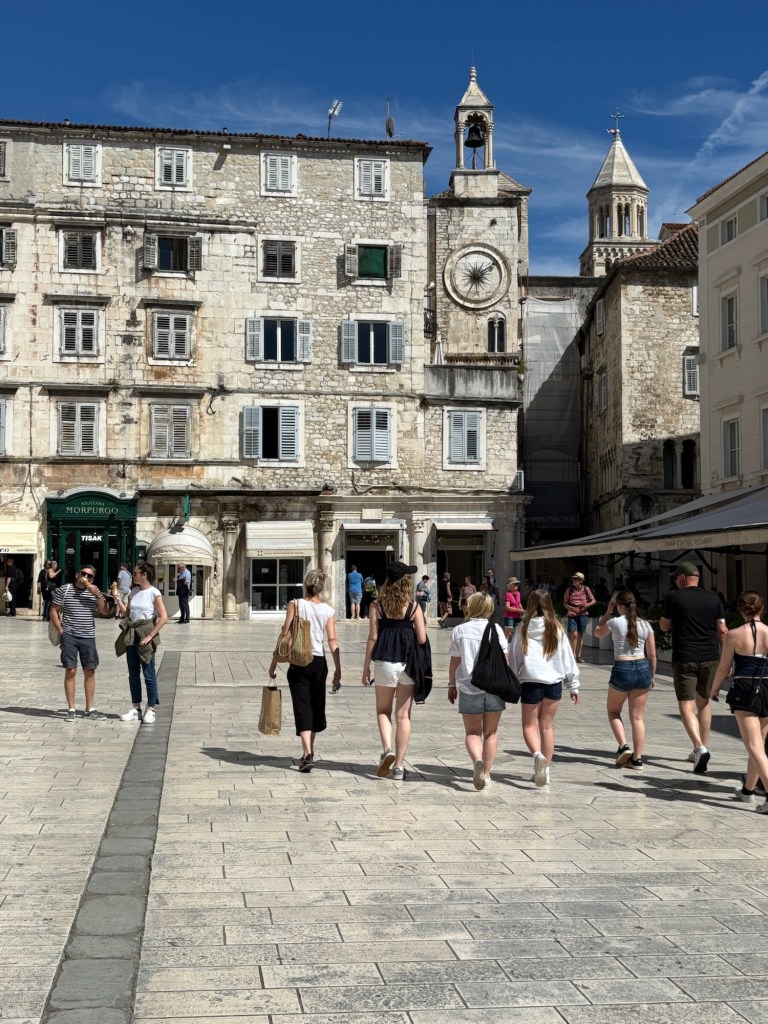
Tired from so much history and fantasy, we wandered the plazas and back streets of Split. We then headed back to the hotel for an afternoon swim and some relaxation in the sun by the pool, with views of the harbor and the mega-yachts and mega-rich coming and going.


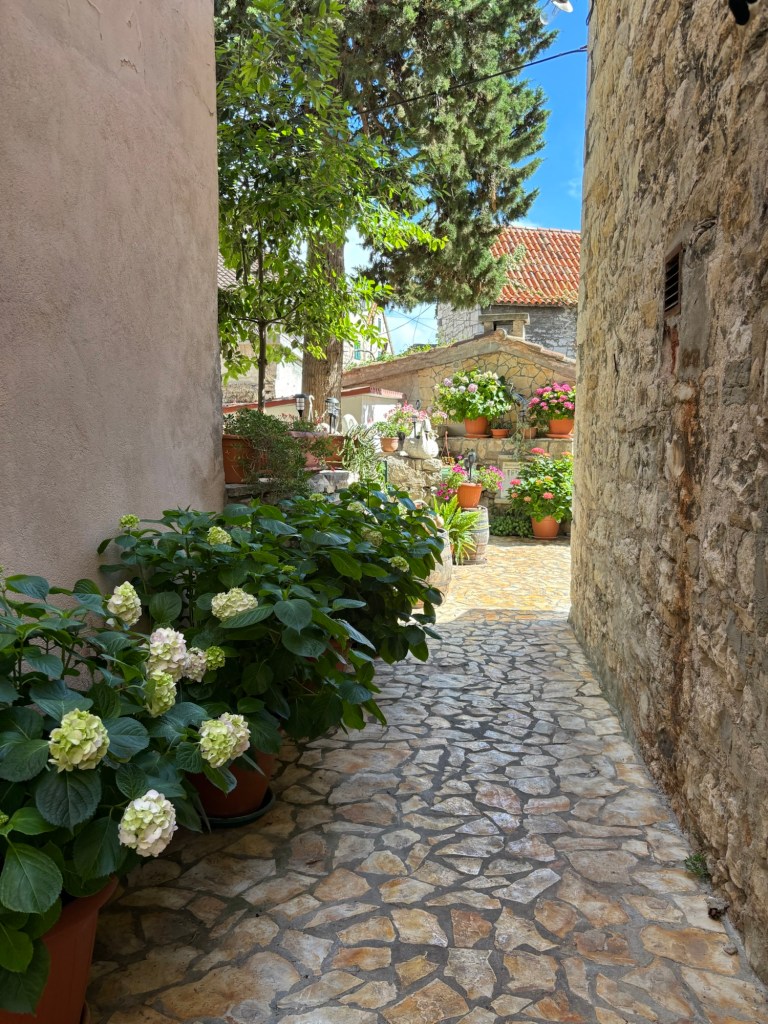

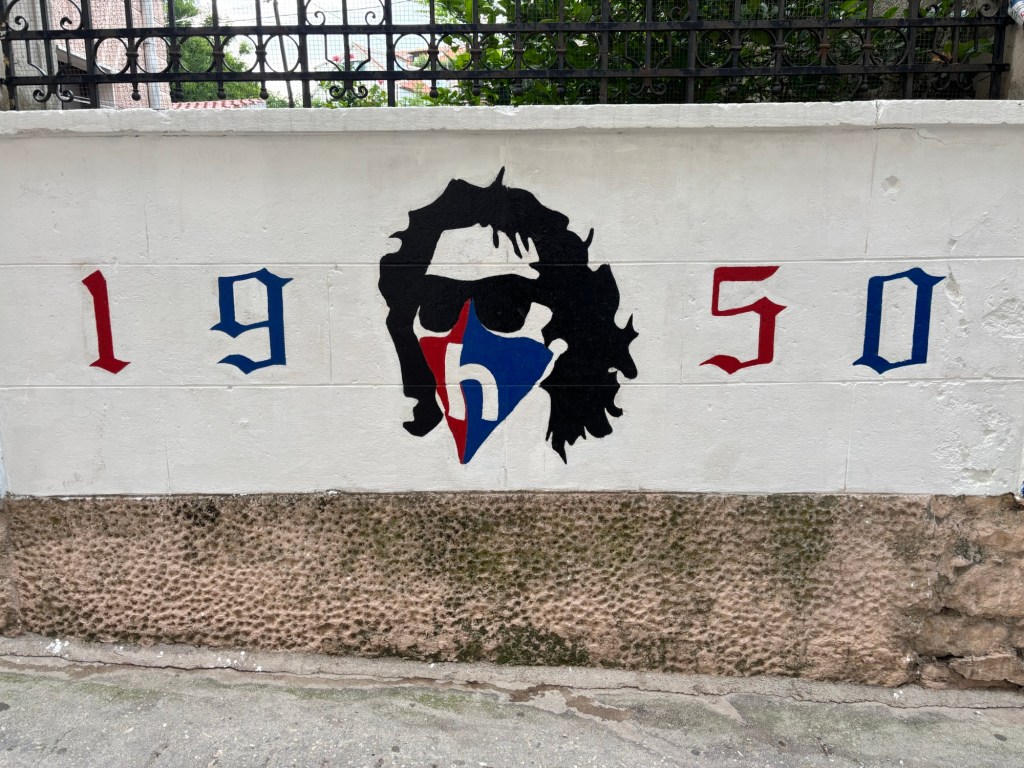
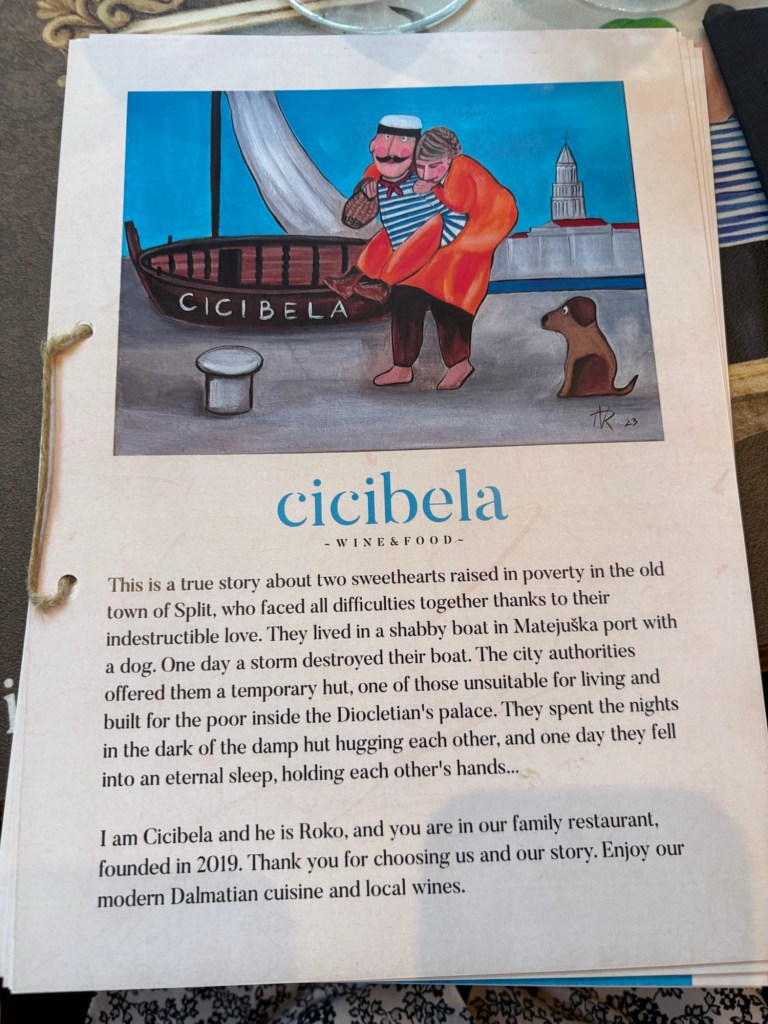
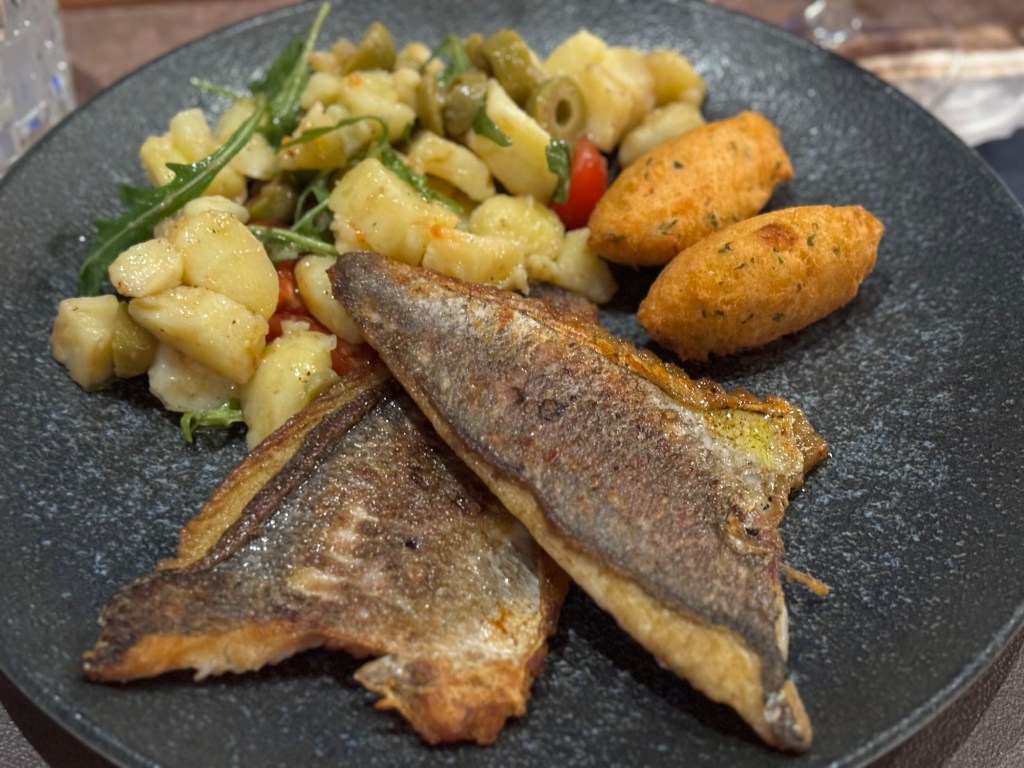
We found a great place for dinner that night at a small outdoor restaurant called Cicibela, far from the crowds and bustle of tourists in Split. Tucked away on a crooked street with a dimly lit patio, it felt like being welcomed into someone’s home. The food was excellent and the service was warm, even as the night air turned cool and breezy. It had been an epic day and the perfect high note to end our time in Croatia. Tomorrow, we would leave the Dalmatian Coast and return to Rome for one final night. But tonight, Split was ours, a city once ruled by an ancient emperor with a den of dragons beneath its stones, etched in limestone like the masons’ marks, and now etched in our memory.




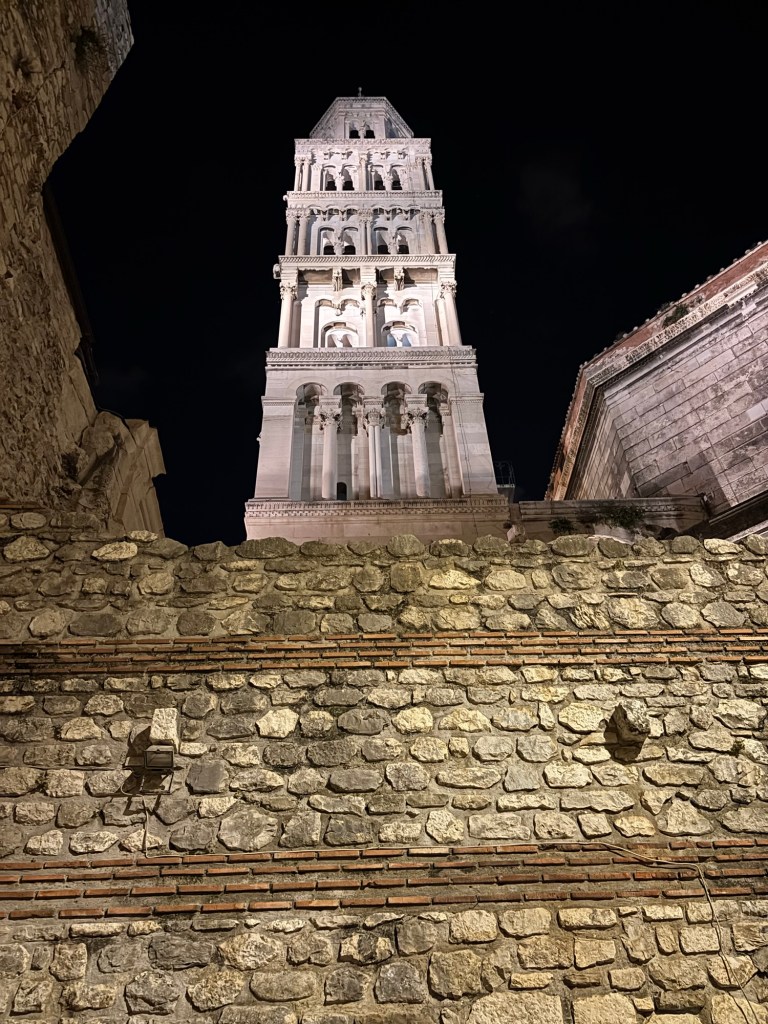


Our dessert was an after dinner stroll through Split’s quiet streets and plazas, now emptied of tourists. We discovered mosaics we had somehow missed earlier in the day, and quite literally stumbled into a movie set at a nearby outdoor restaurant on our way back to the hotel. It was a fitting and metaphoric end to the day, where history and fiction blended together, and we imagined what this place might have felt like in the age of Diocletian, or in a dance with dragons.




 Sabbatikos
Leave a comment