
We had planned to trade volcanoes for the Vatican. Fresh off our hiking adventure on Mount Etna’s steaming slopes, we were ready to take in the grandeur of the Sistine Chapel, St. Peter’s Basilica, the Vatican Museums, and if we could swing it, the Vatican Necropolis. Tickets were booked, our schedules were locked in, but then unfortunately, Pope Francis died.
With his passing there was a period of mourning and the closure of many Vatican sites. Then the Papal Conclave began (in the Sistine Chapel) and we had no idea how long it would take to select a new Pope. Historically, it has taken weeks, even months. With all of this uncertainty and the huge crowds for the Jubilee year, our Vatican plans became a logistical quandary. So, reluctantly, we canceled our Vatican plans. The tours were non-refundable, but our curiosity to explore Rome was still intact, and Rome, after all, is not a city that runs low on history and locations to explore.
Little did we know that just a few days later, Pope Leo XIV, the first American Pope, would be elected. Our original tickets would have been valid after all. But no regrets. All of us, except Ian, had visited the Vatican before, and this change gave us the opportunity explore a different side of Rome. We planned now to visit the Pantheon, the Capuchin Crypts, and the Borghese Gallery. While tickets for the first two were relatively easy to obtain, it was a miracle worthy of canonization that Tawny was able to score us tickets to the sold-out Borghese!
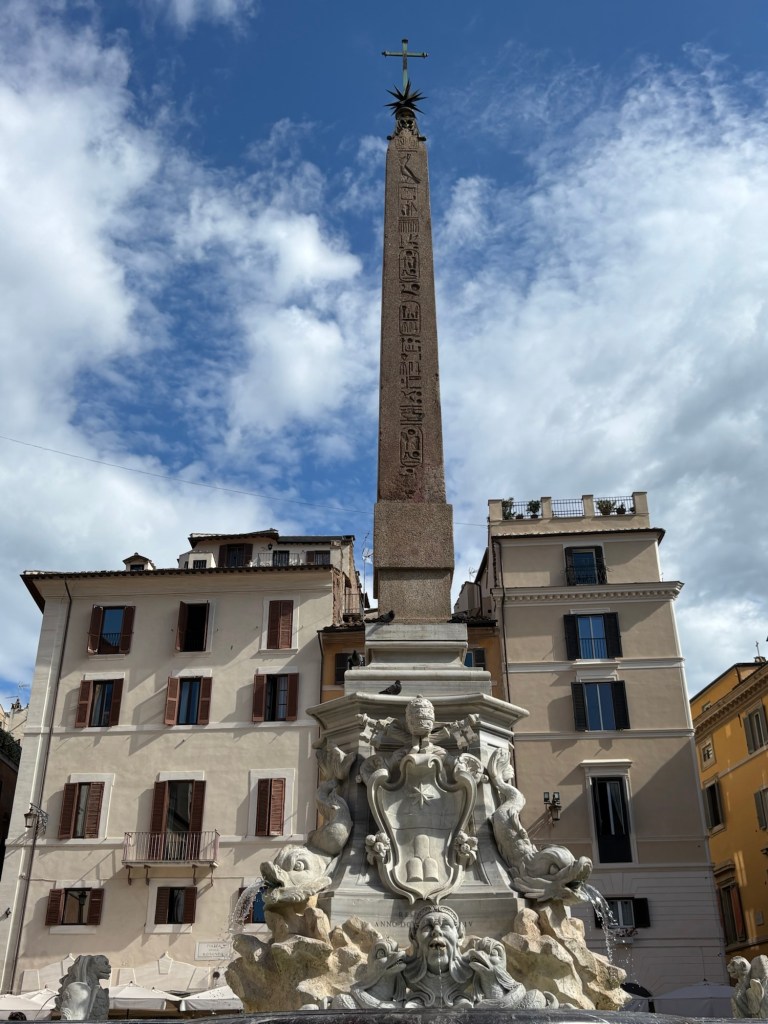
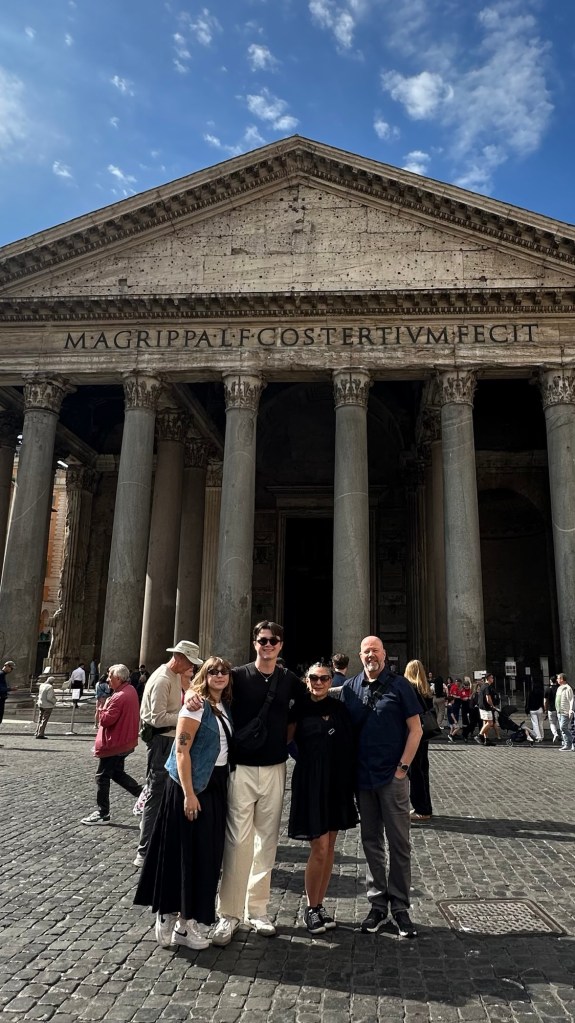
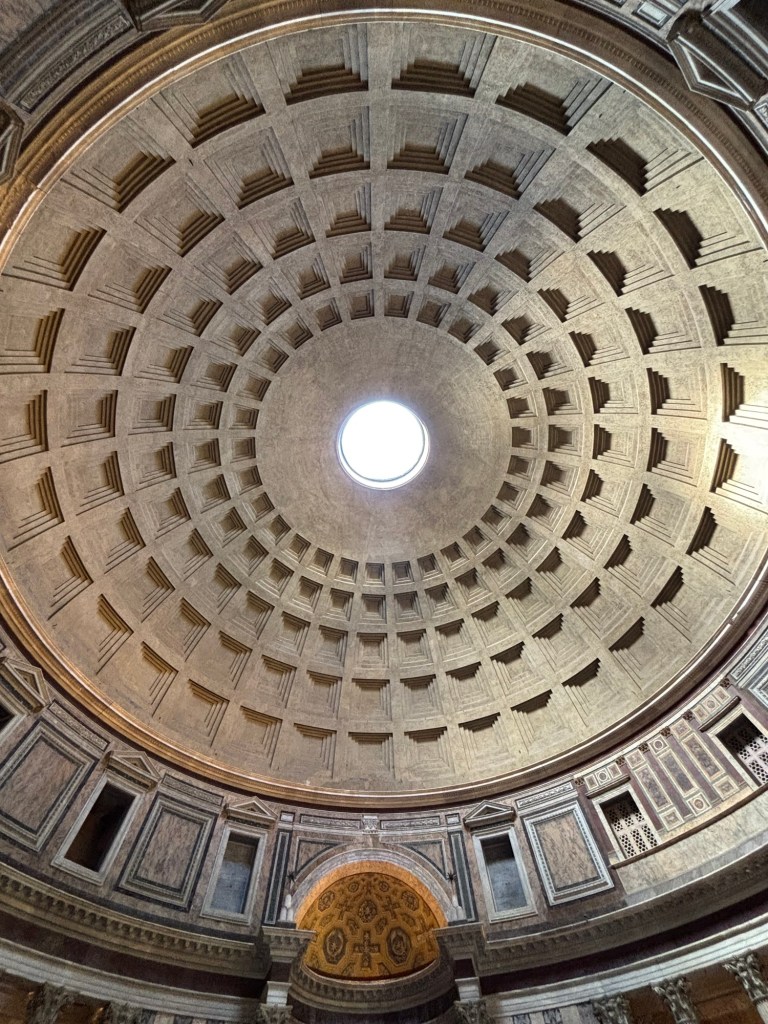
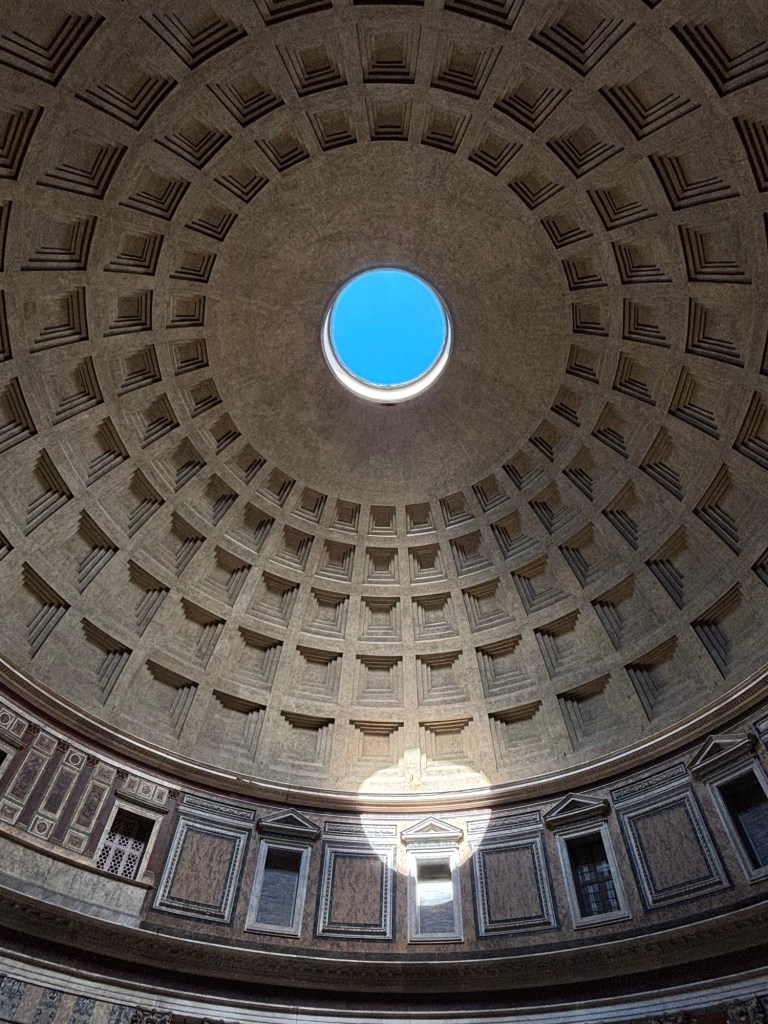
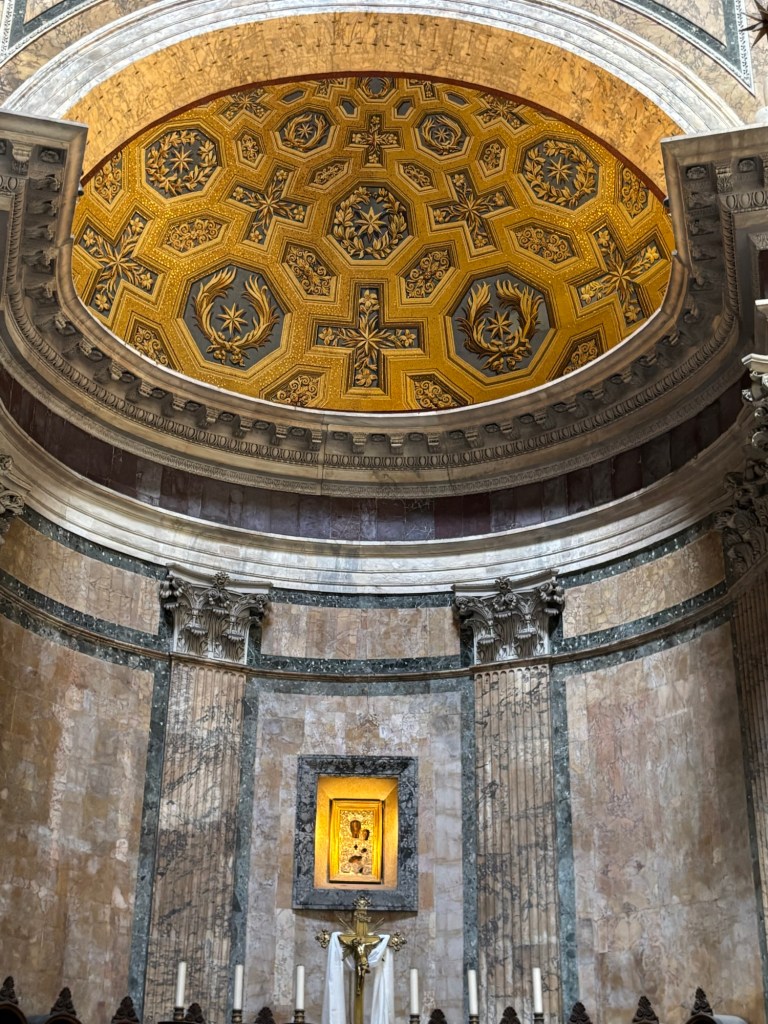
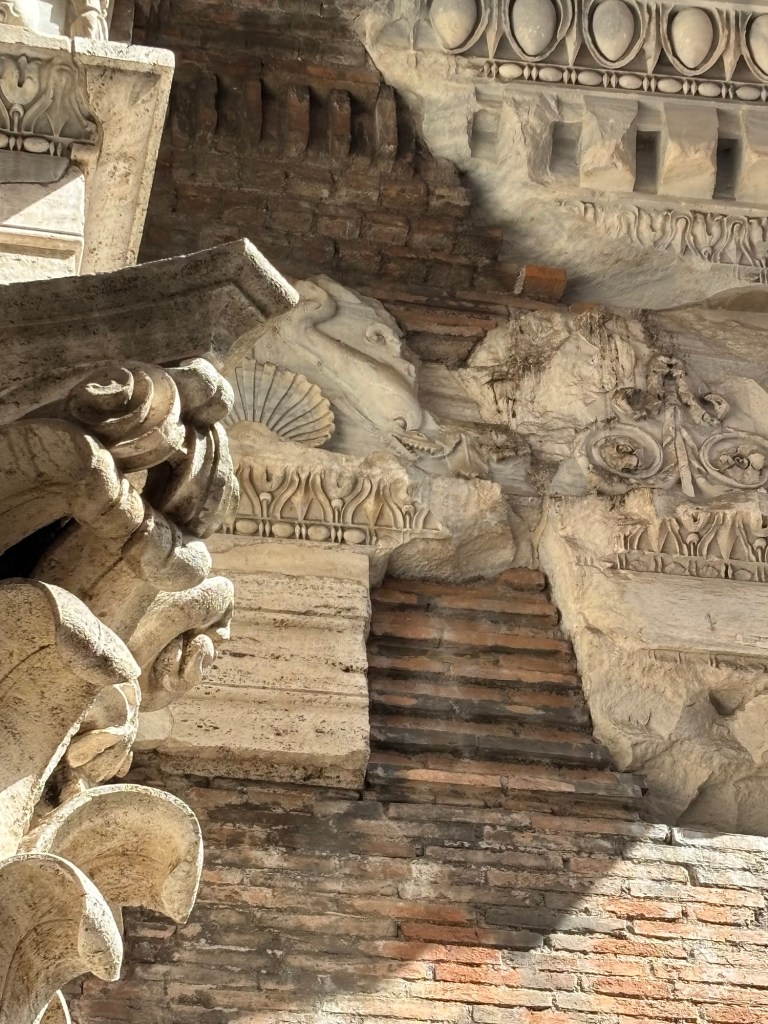
Our guide for the day was the vivacious and brilliantly informed Sylvia, a historian with an enthusiastic gift of making the past come alive. We began at the Pantheon, a site we had seen before, but never with the rich context Sylvia provided. Once a Roman temple and, since 609 AD, a Catholic church, the Pantheon remains one of the most influential architectural works in the world. Sylvia guided us through its incredible and seemingly impossible dome and its centuries of evolving purpose, pointing out the tombs of Italian luminaries such as Victor Emmanuel II, Italy’s first king, and, of course, Raphael, whom Sylvia had studied extensively. Seeing his tomb while listening to her speak about his life and influence made this visit far more meaningful than our previous one, when we had simply wandered around. We truly connected with her, and through her, with the Pantheon’s history.




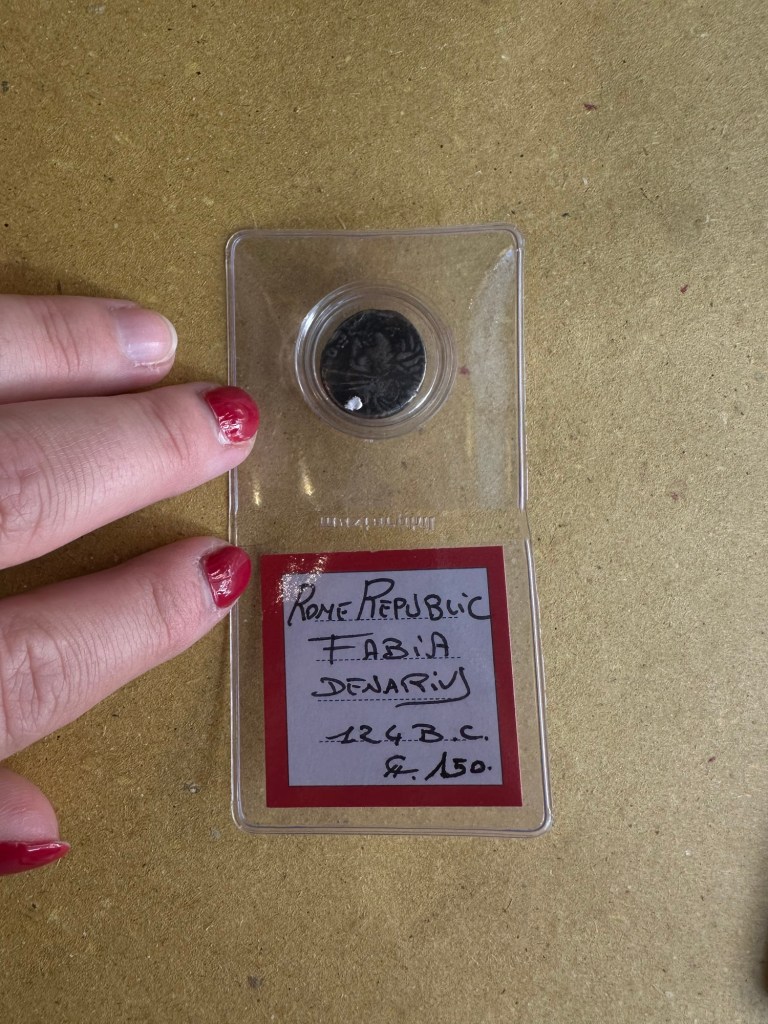
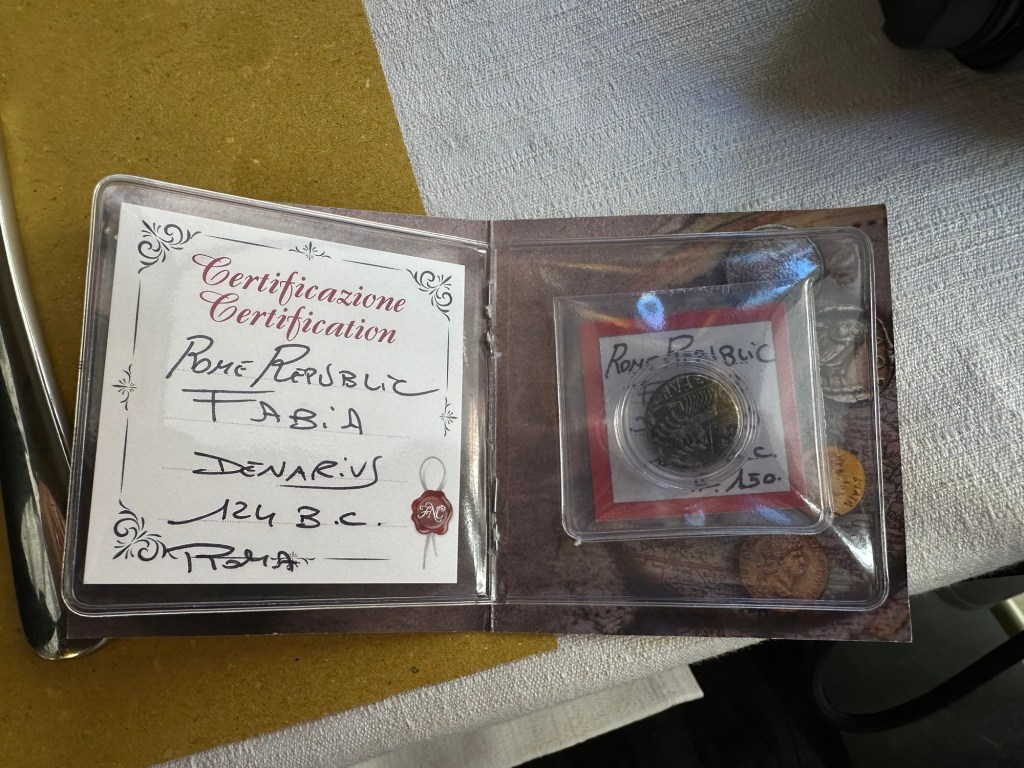
Afterward, we took a short detour to fulfill one of Ian’s Roman goals: to find and buy an authentic Roman coin! As luck would have it, our driver turned out to be a stamp collector (and a vinyl collector as well). We really connected with him. While we were at the Pantheon, he did a bit of research and found a reputable coin store near our next stop. After some careful consideration, Ian bought a Roman coin dating back to 124 BC. It was a little round, stamped piece of history, right in the palm of his hand. The thought that some Roman might have been flipping this coin or jingling it in his toga over 2,149 years ago was truly mind-blowing.


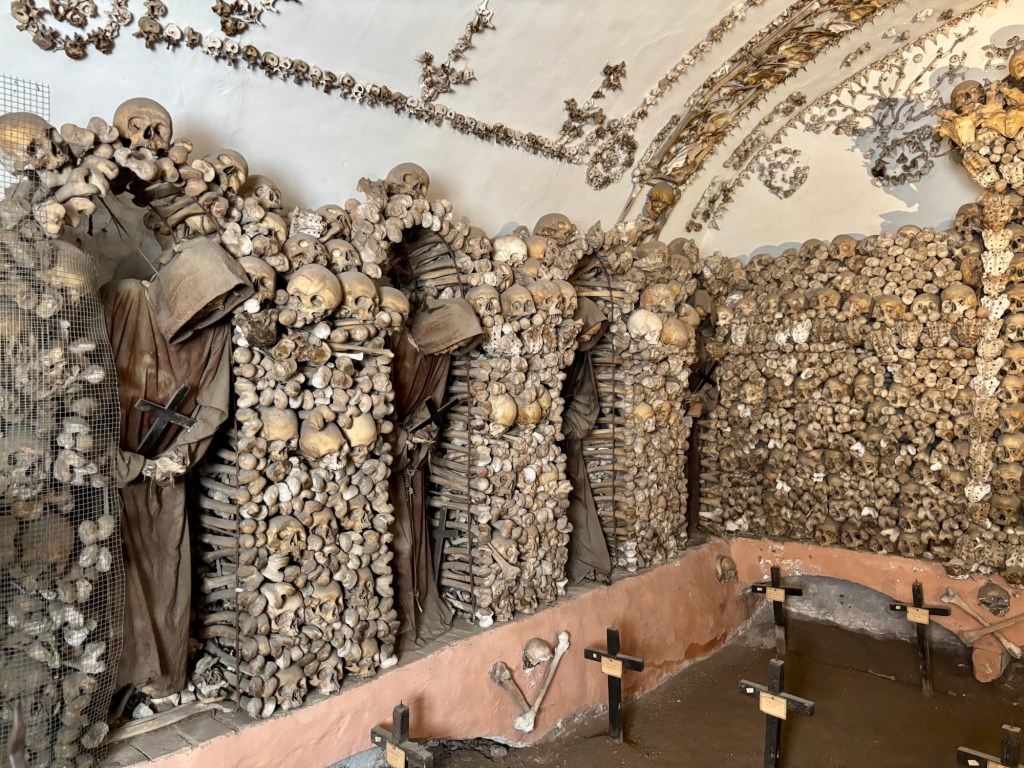
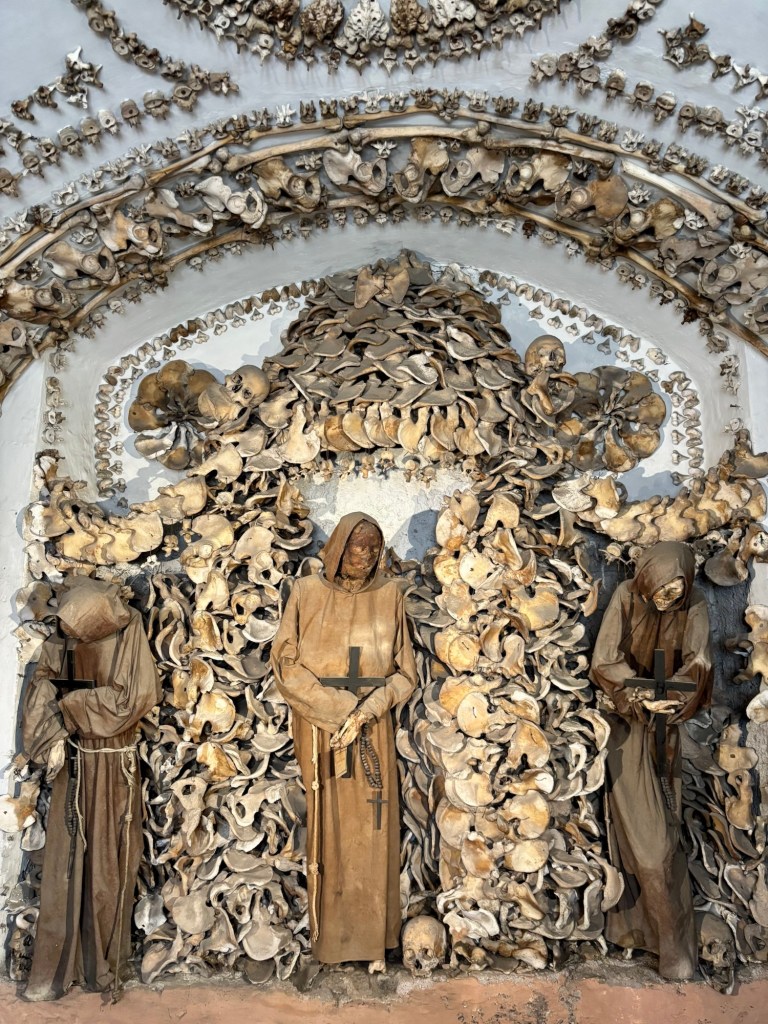
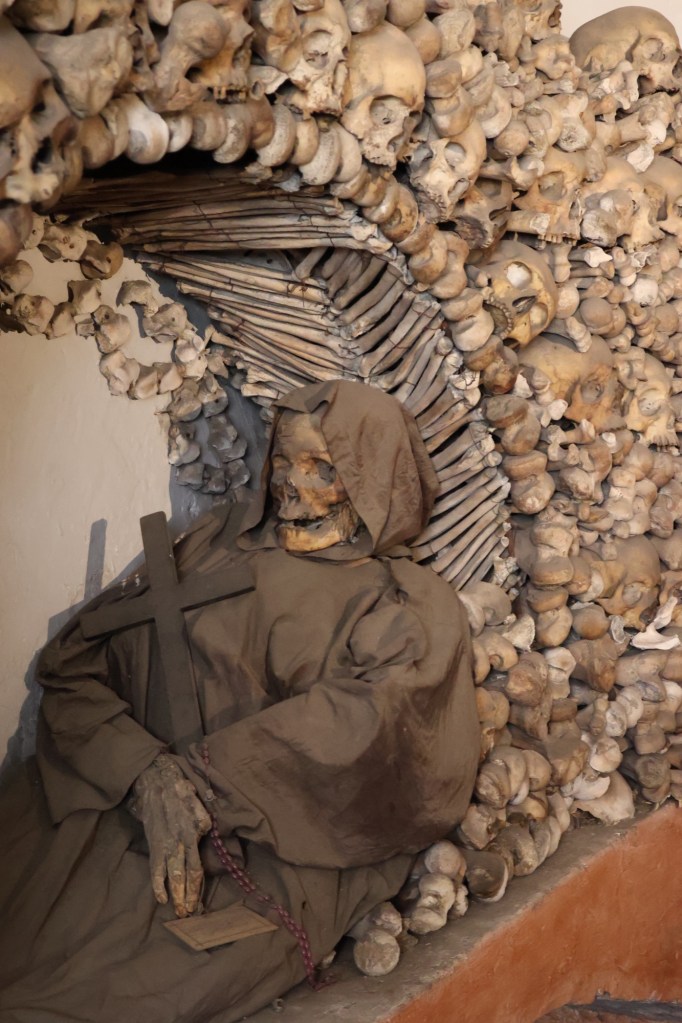
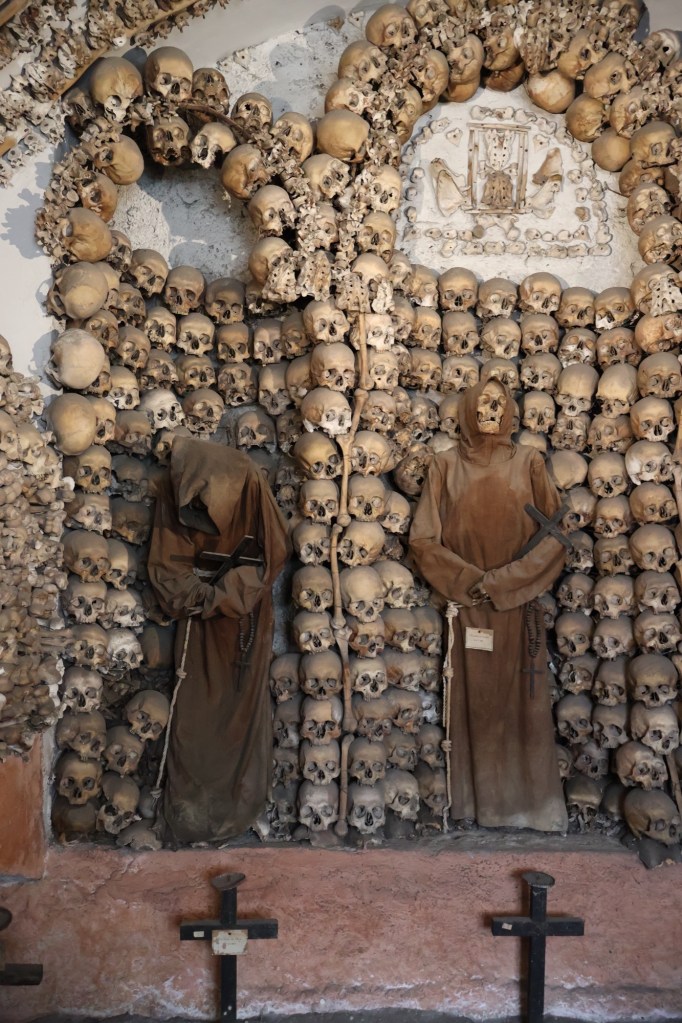
Next, we walked to the Church of Santa Maria della Concezione dei Cappuccini, more famously known to home of the Capuchin Crypts. Located just off the Via Veneto, not far from our hotel at the Westin Excelsior, this church was built by Pope Urban VIII to honor his brother, Cardinal Antonio Barberini, a Capuchin friar whose tomb is still preserved inside. His epitaph reads: Hic jacet pulvis et cinis et nihil (“Here lies dust, ash, and nothing”). Clara had been here before and she was excited to share it with us. We started in the church museum, where there were paintings, art, and relics before heading to the crypts.

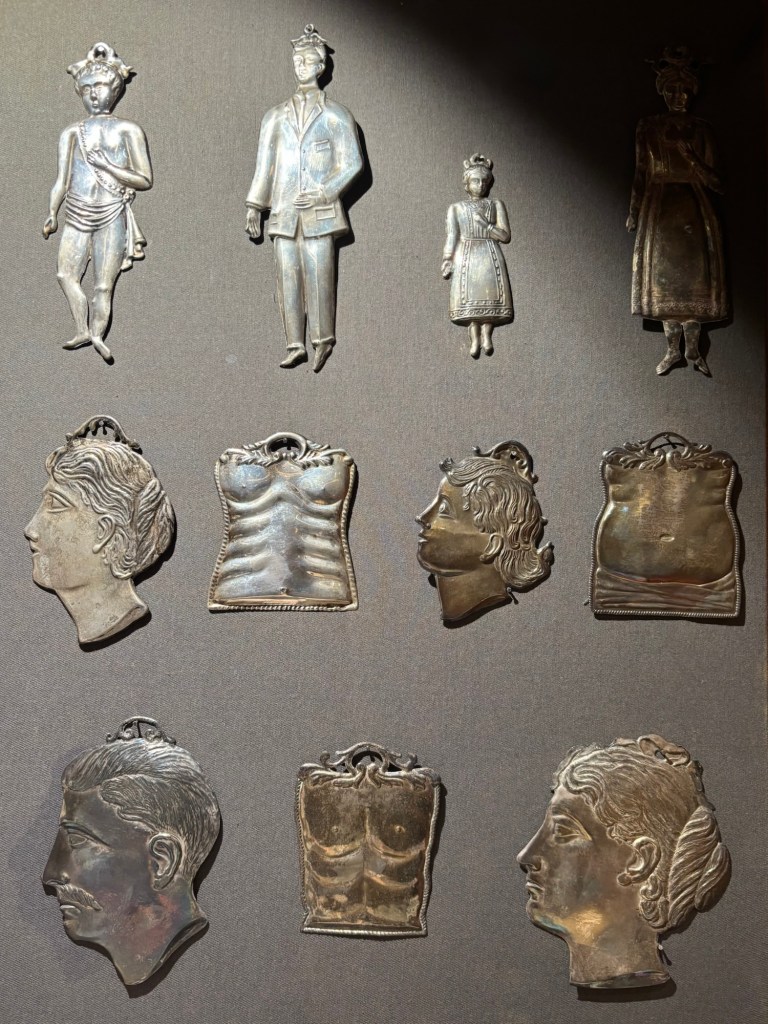


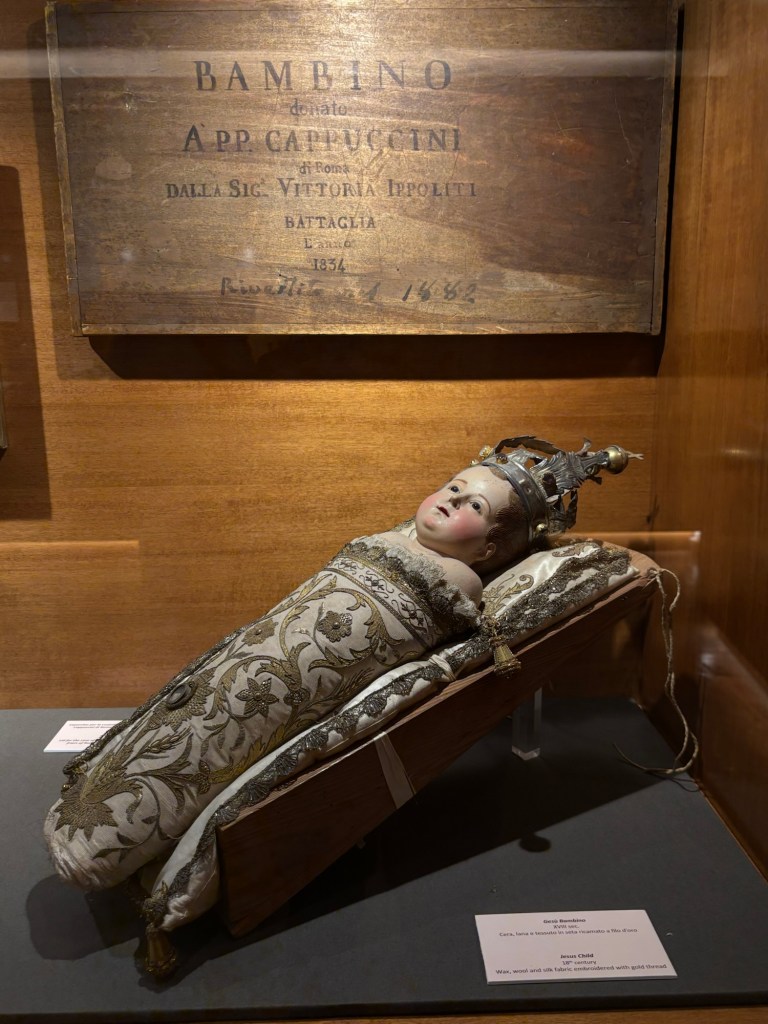
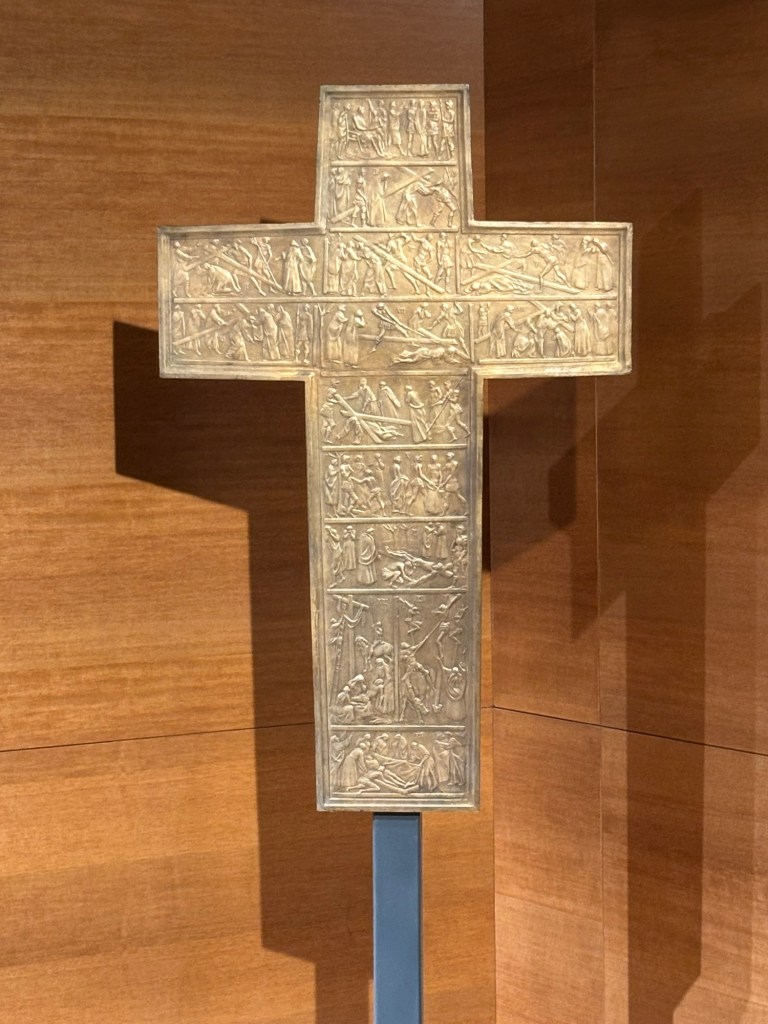
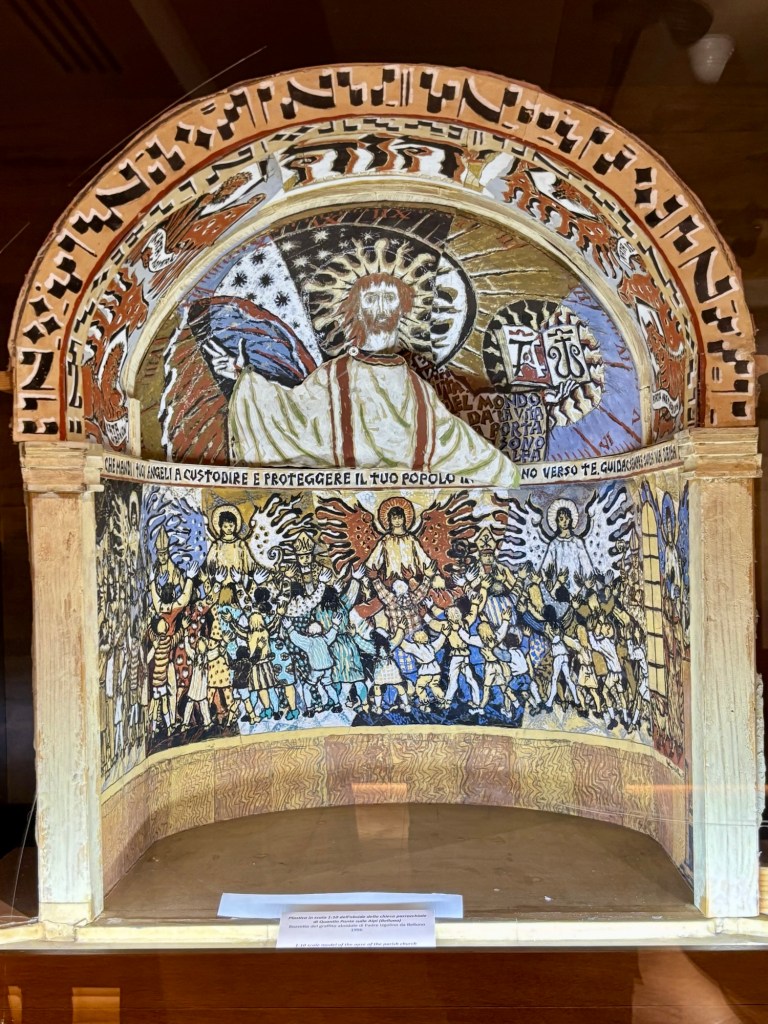
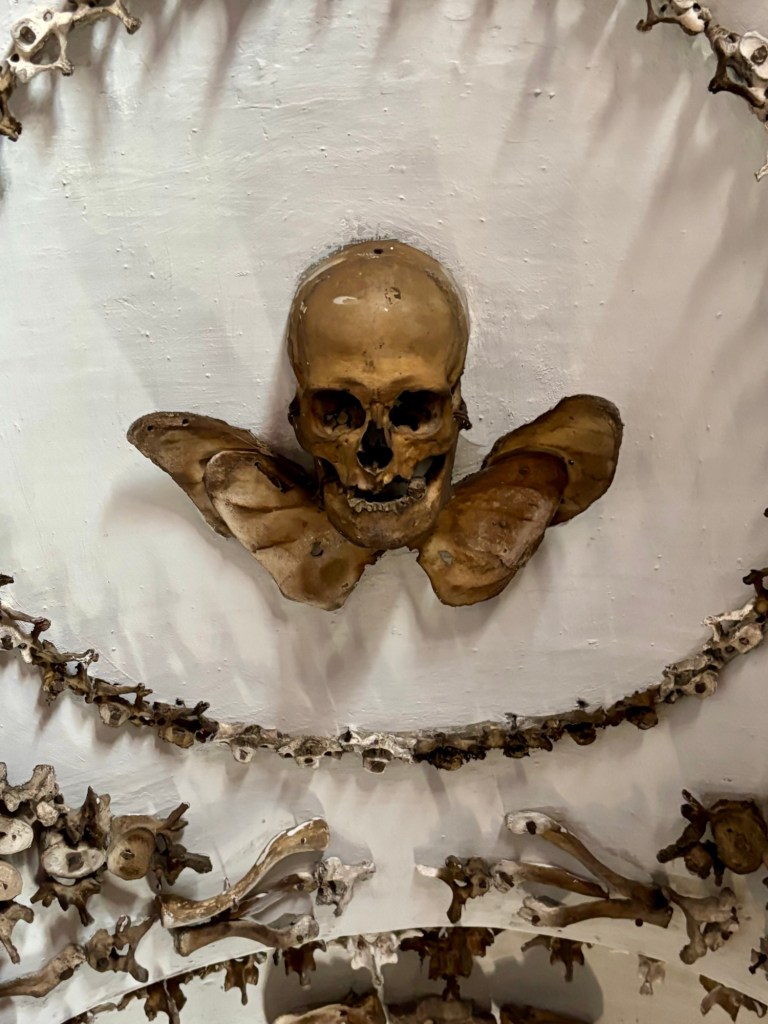
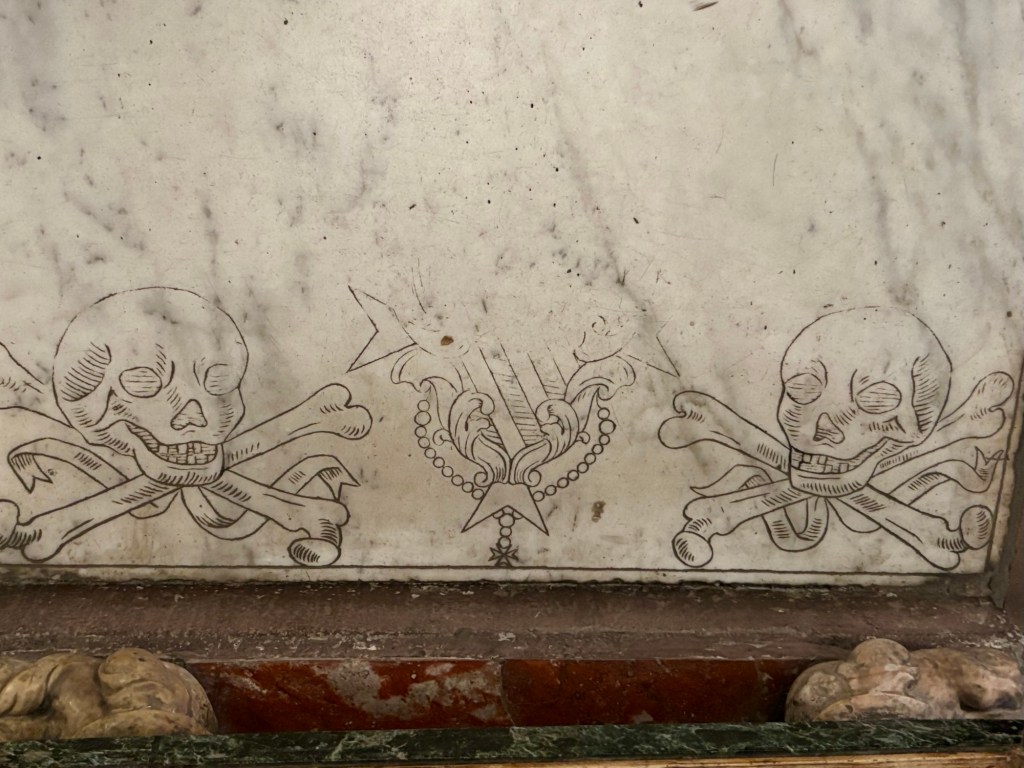
Behind the church’s humble façade and beneath the museum lies one of Rome’s most hauntingly beautiful places: four crypts known as the Crypt of the Three Skeletons, the Crypt of the Basins, the Crypt of the Skulls, and the Crypt of the Resurrection. Vertebrae, femurs, pelvises, skulls, and countless other bones line the chapels, creating a space that serves as a meditation not only on death but also on the devotion of these friars, who literally dedicated themselves to becoming part of the Church.






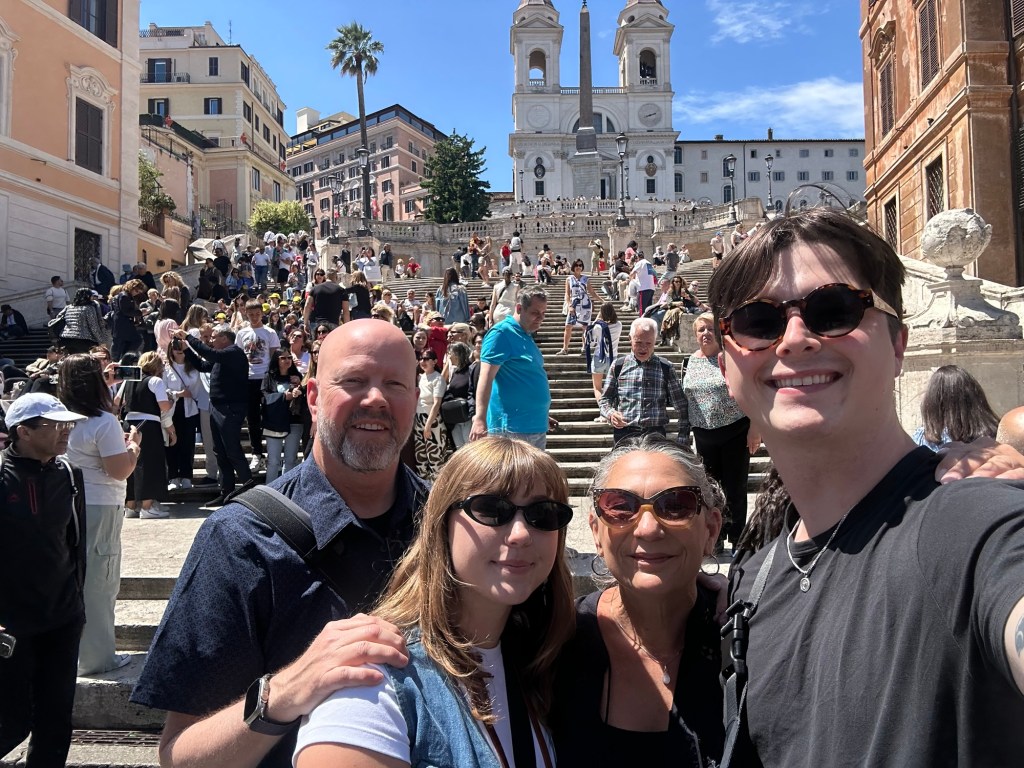
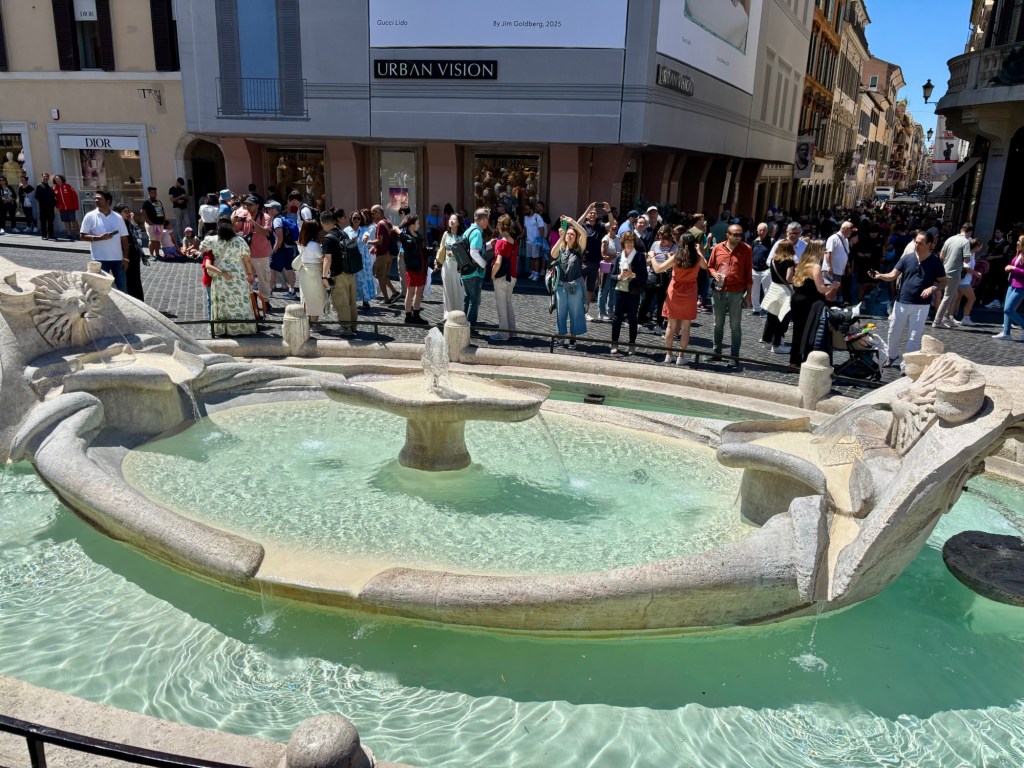
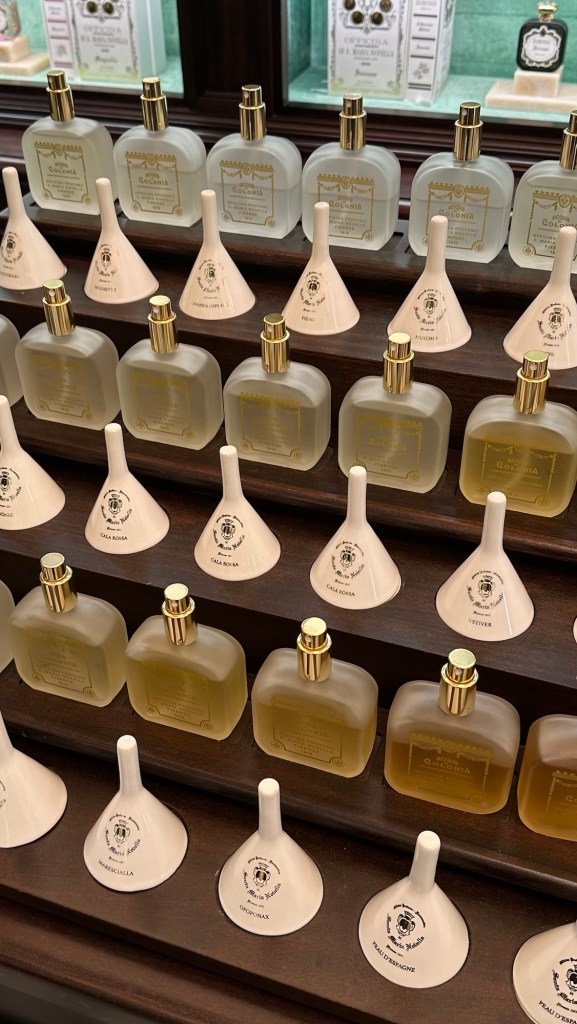
We needed a bit of levity after the crypts, so we said goodbye to Sylvia and made our way toward the Spanish Steps, pausing at the Fontana della Barcaccia, the “fountain of the old boat,” by Pietro Bernini. It was damaged by football rioters the last time we were in Rome. It was commissioned by the same Pope Urban VII who built the church we had just visited. It looked repaired and very clean (many of the fountains and statues looked good, as they’ve been cleaned for the Jubilee). From there, we strolled over to Santa Maria Novella, one of our favorite shops online, to pick up their potpourri, which we are obsessed with. We also discovered that they offer fragrances. We did some sniffing, and Tawny bought one while Clara wanted to “wear it” for a while before deciding which one suited her best.




We then walked to an excellent lunch at Al Forno della Soffitta, not far from the Borghese. The meal was simple and classic Roman pizza, chosen based on its proximity and a quick gut check from their website. The only thing we didn’t enjoy was the cheese-stuffed fried squash blossoms, which we hadn’t realized were also filled with anchovies.


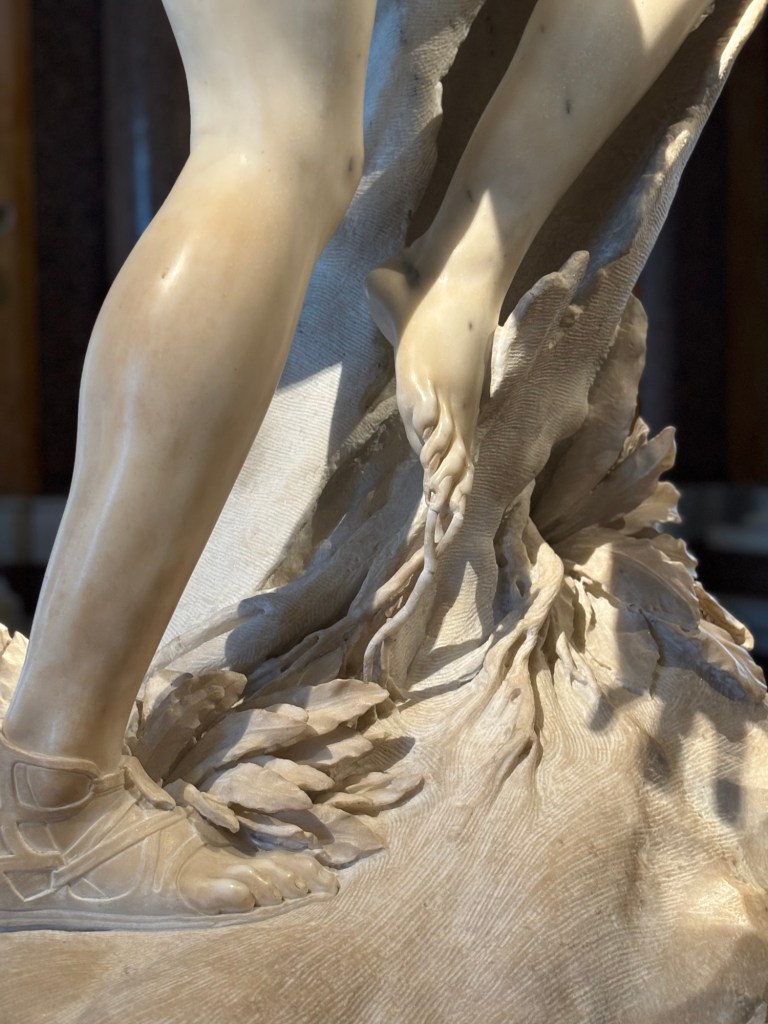
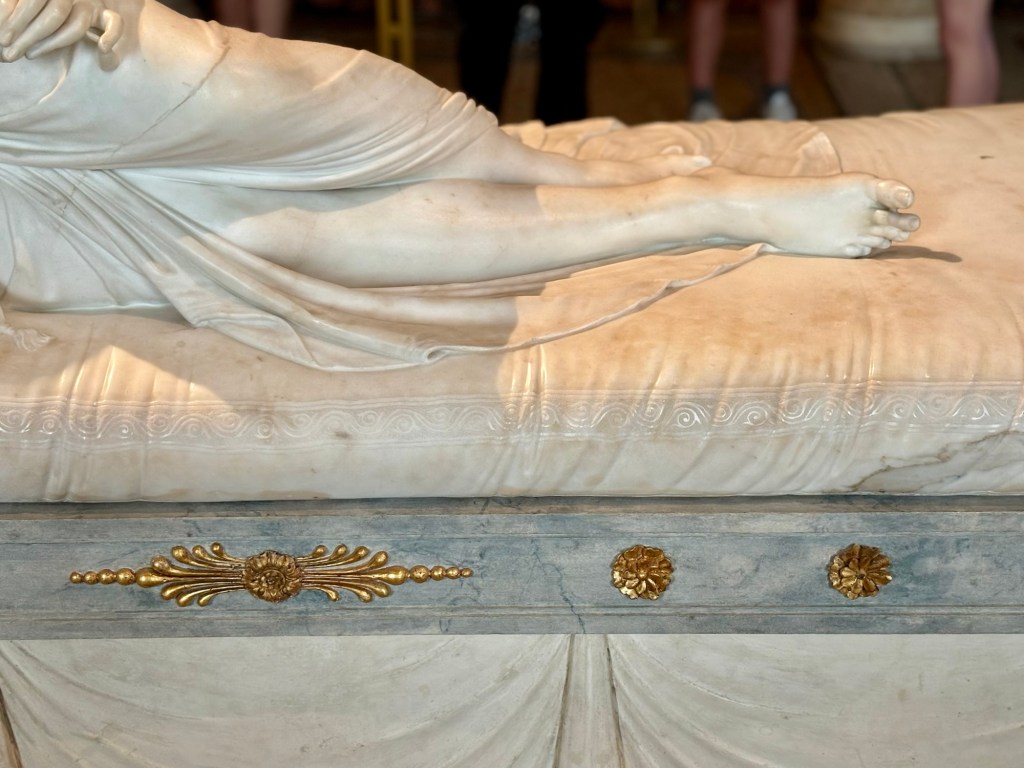
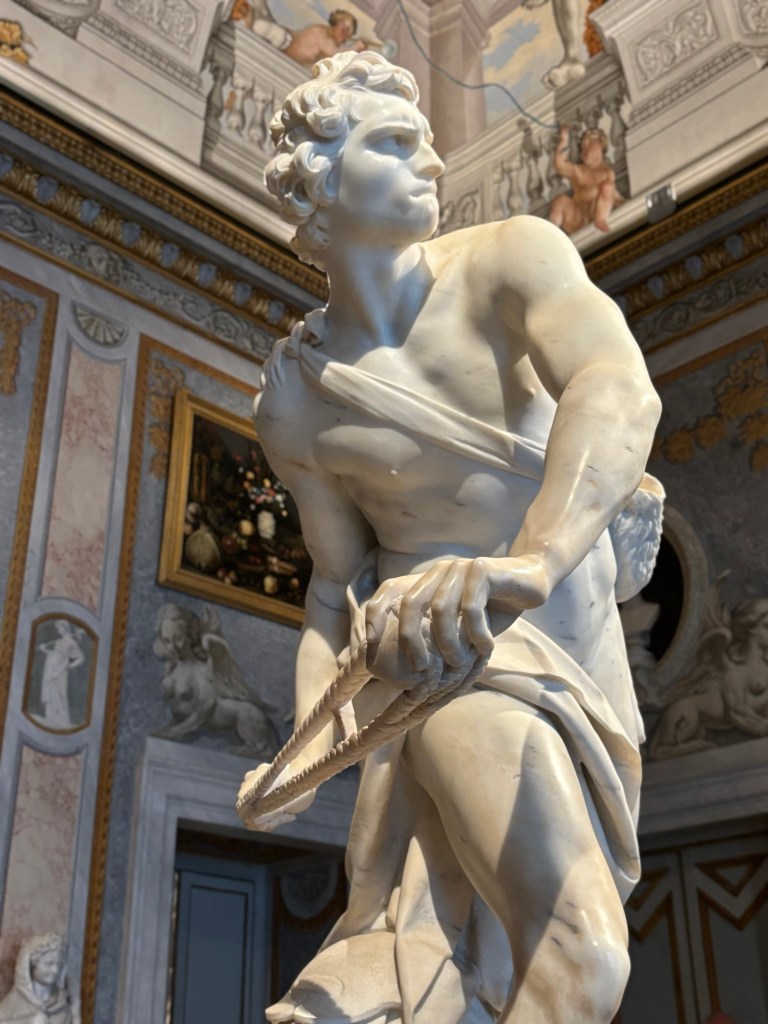
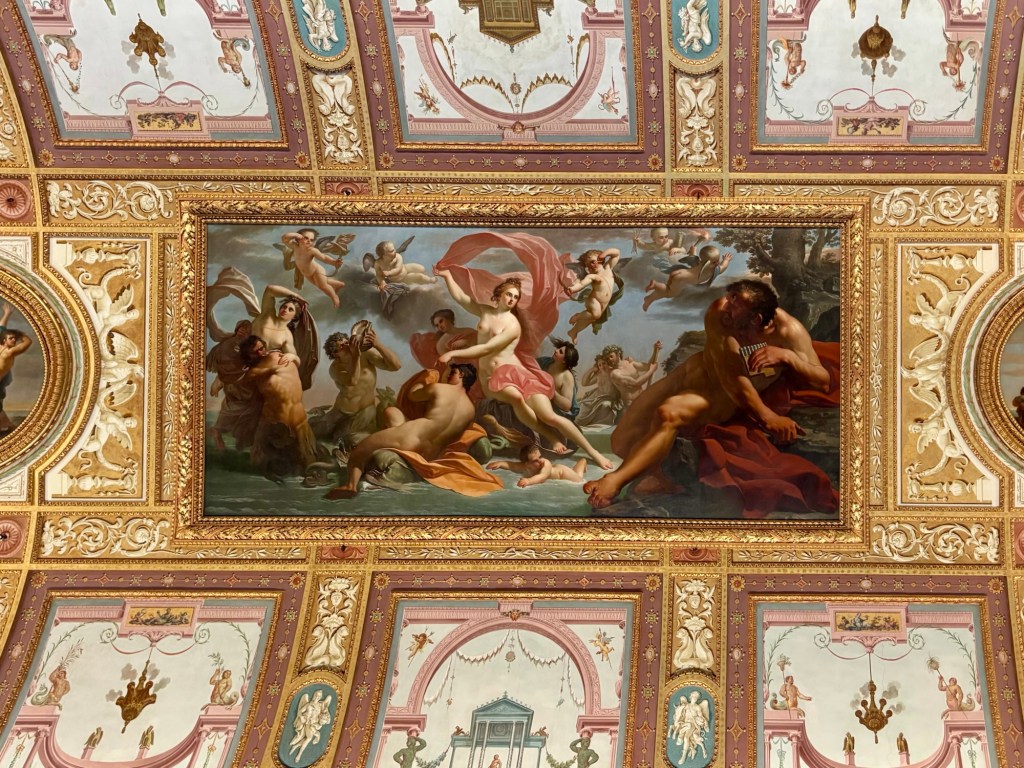
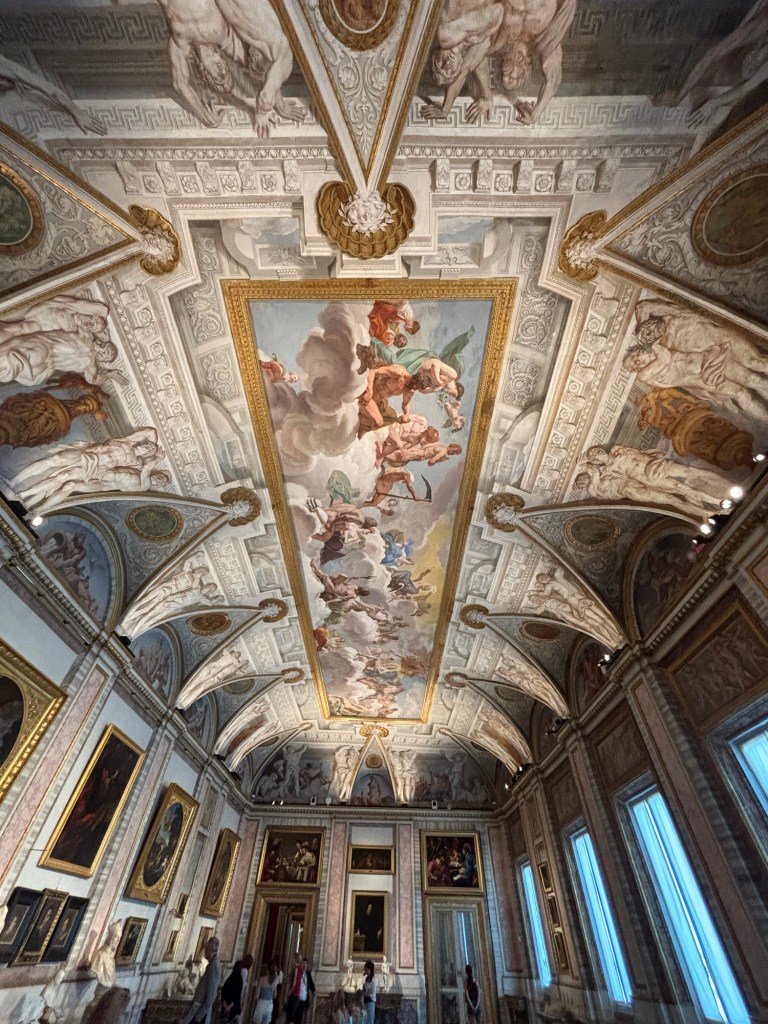
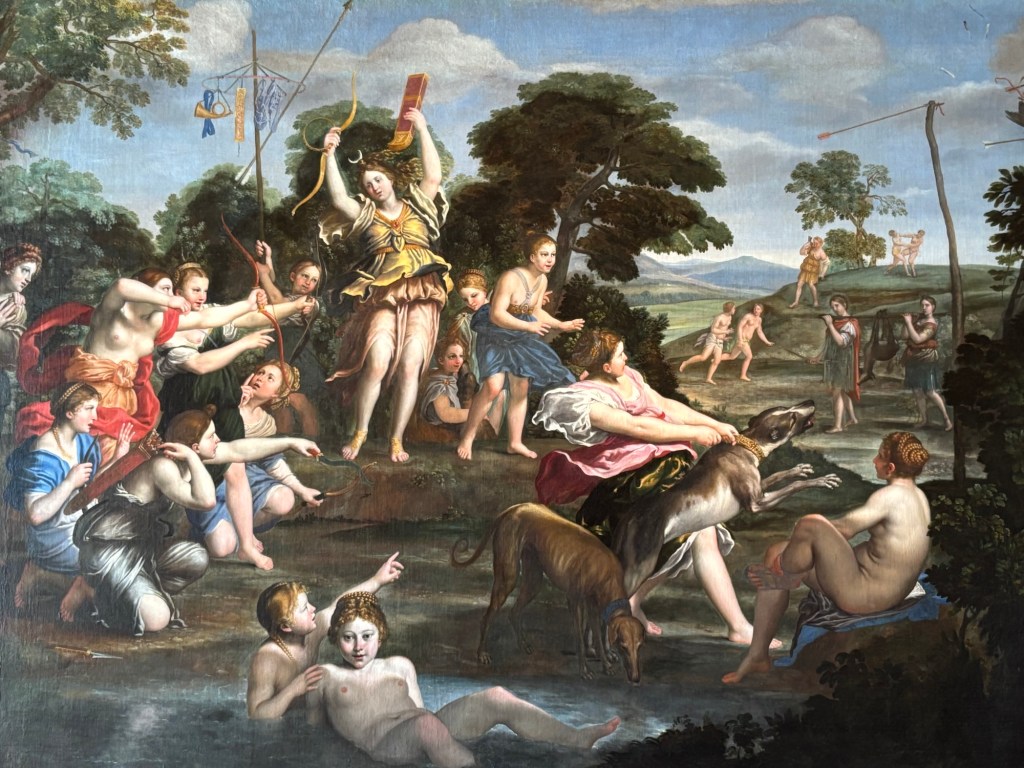
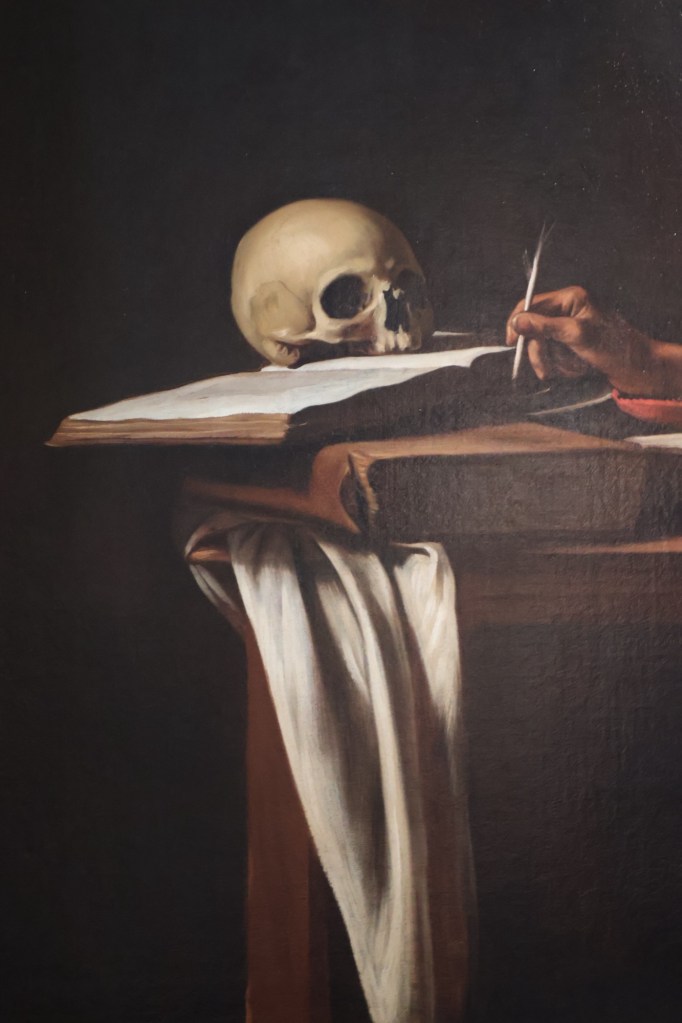
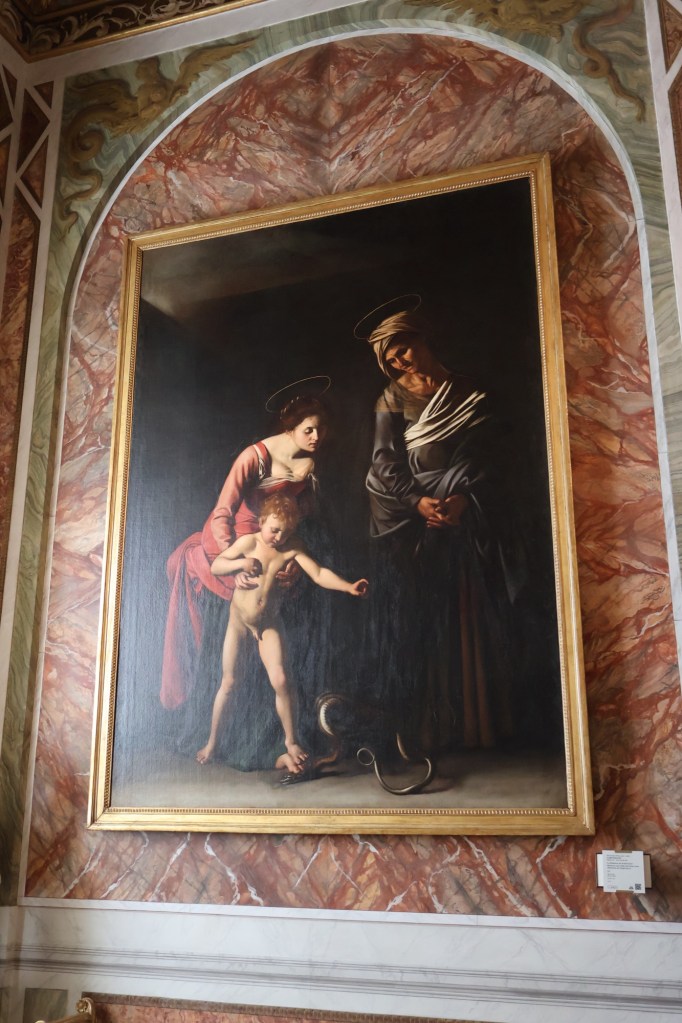
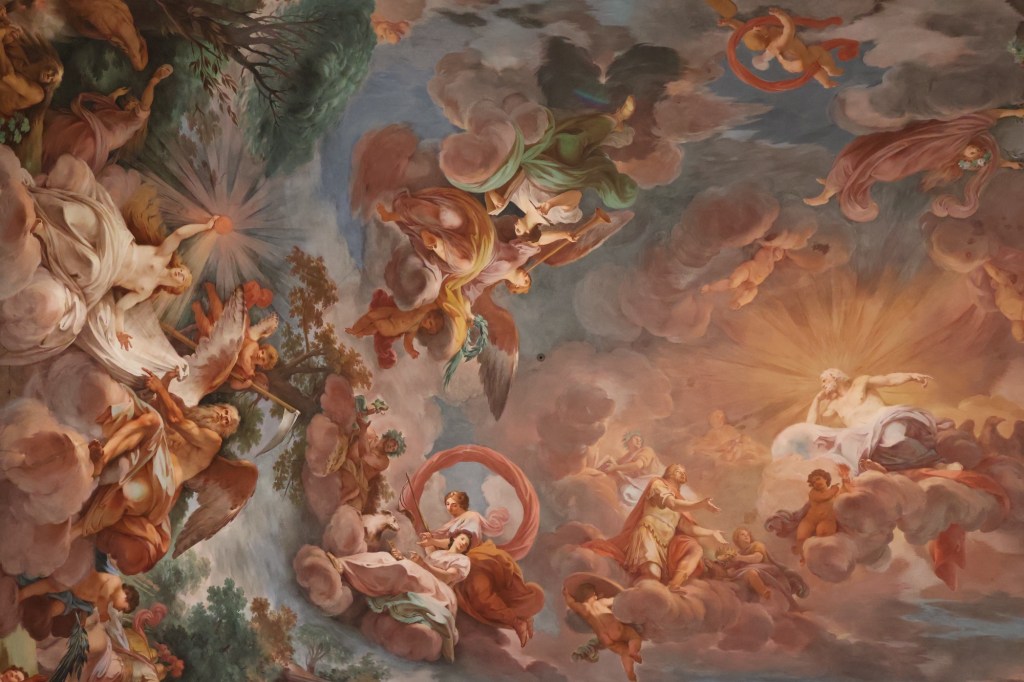
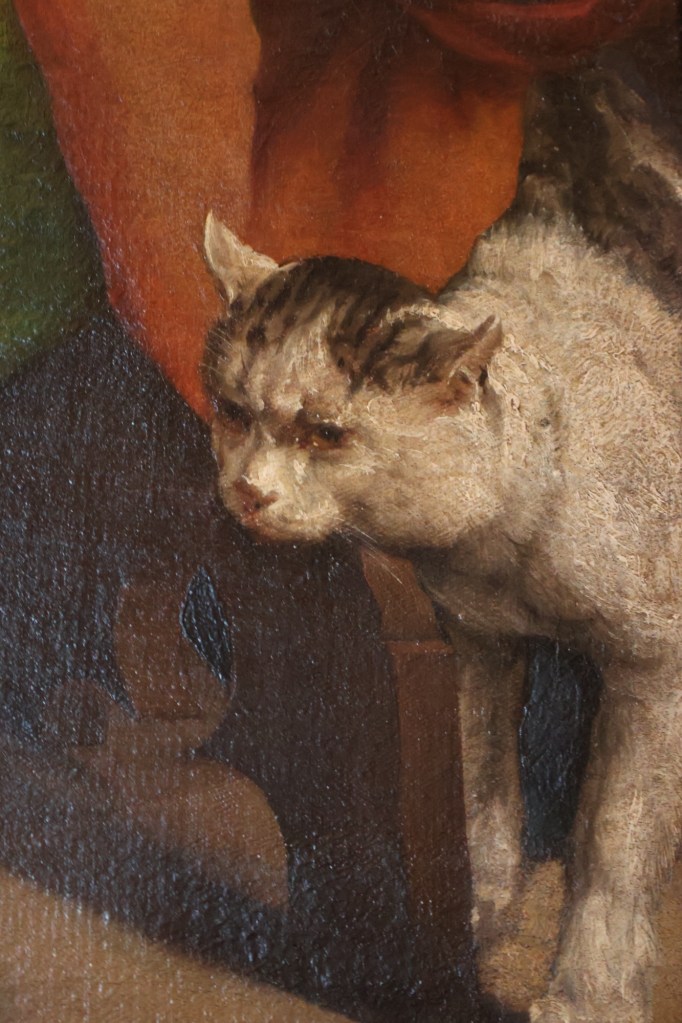
Then it was off to one of our favorite museums, the Borghese Gallery. It’s hard to overstate the intense beauty of seeing Bernini’s sculptures up close. I remember the last time we were here, how dumbfounded I was by his ability to make marble seem soft and pliable. The Rape of Proserpina shows fingers pressing into marble flesh, while Apollo and Daphne captures a moment of transformation with astonishing movement and flow. His David conveys a powerful sense of tension frozen in time. Other works stood out as well, such as the marble padding beneath Venus Victrix by Canova, the elaborate ceiling frescoes, and paintings by Caravaggio, Raphael, and others. These are among the greatest works of art I have ever seen. In particular, the Raphael paintings were a happy accident for us, bringing the day full circle and back to the Pantheon.













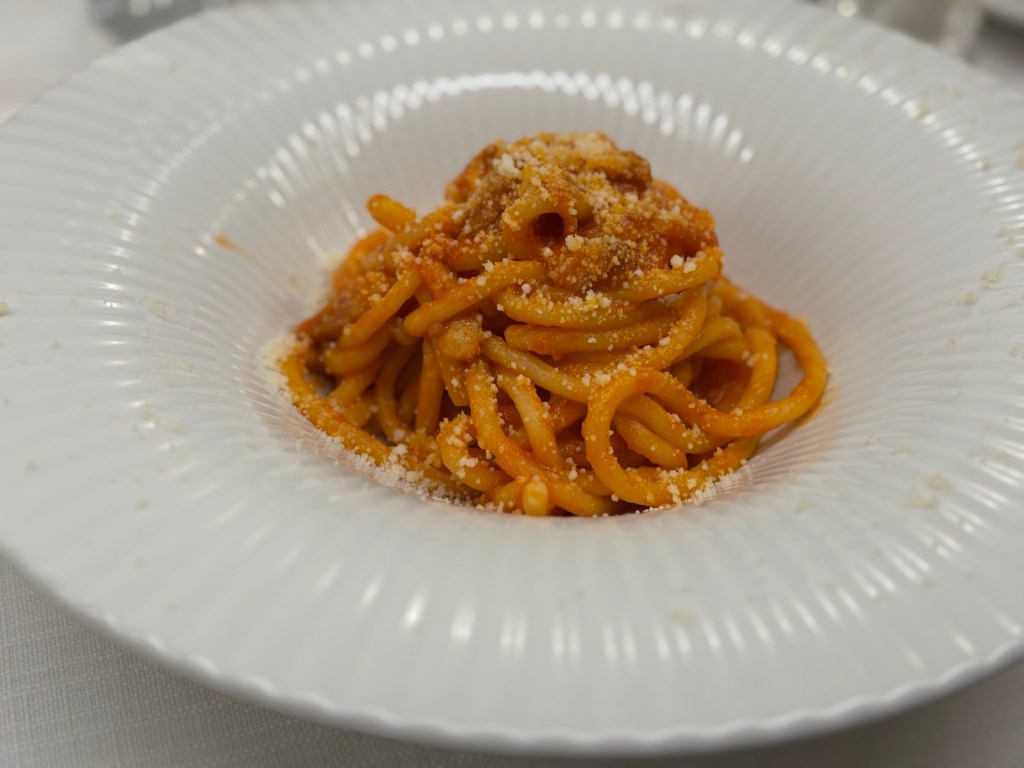
Dinner was at a tiny local Restorante Piaceri, empty except for us, which was a shame because the food was unexpectedly good. No frills, no fuss, just good, honest Roman cooking.



All in all, while we missed the extravagance of the Vatican during a Jubilee year during a Papal transition, we felt we had chosen well. We avoided the crowds and uncovered new corners of the Eternal City. It was a day of architecture, adoration, and art that deepened our connection to Rome and Rome’s history.


 Sabbatikos
Leave a reply to Marc Madenwald Cancel reply