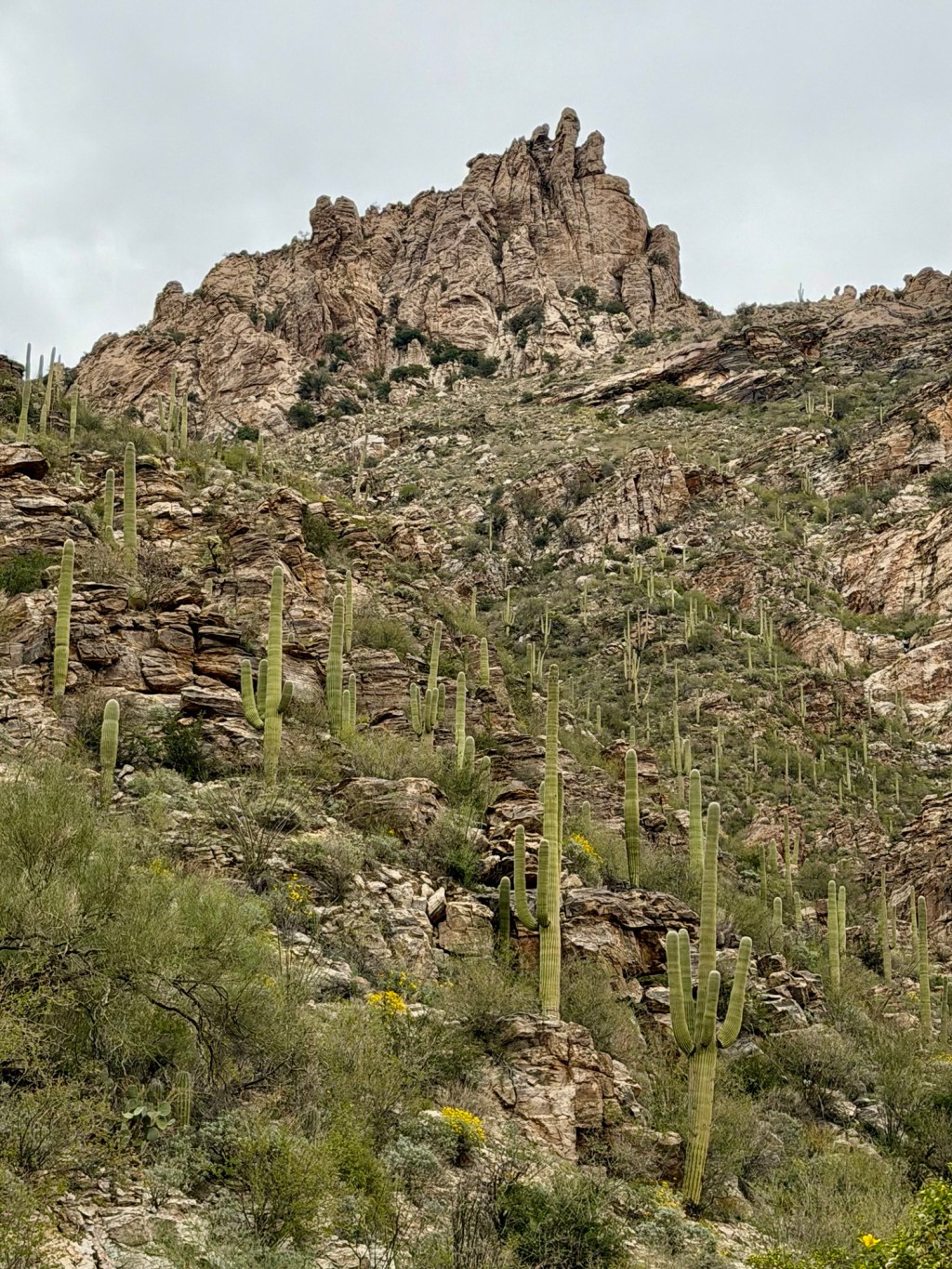
We had set out leisurely for Sabino Canyon Recreation Area, one of the most popular desert landscapes in southern Arizona. Unfortunately, for us, we didn’t realize that Sabino Canyon’s popularity runs on reservations. Parking reservations. Tram reservations. It seems, even reservations for the reservations. By the time we arrived, a note at the pay station to the parking lot politely informed us that everything for the day had been sold out, including parking.
We decided we’d try again tomorrow. It was time for plan Z.
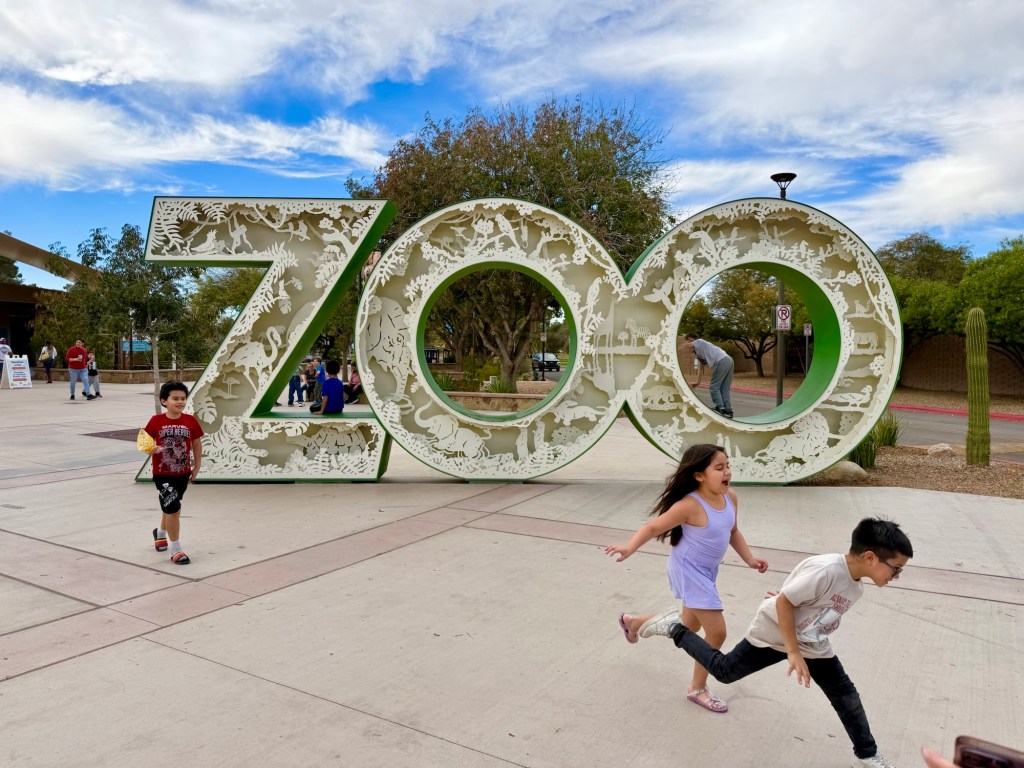
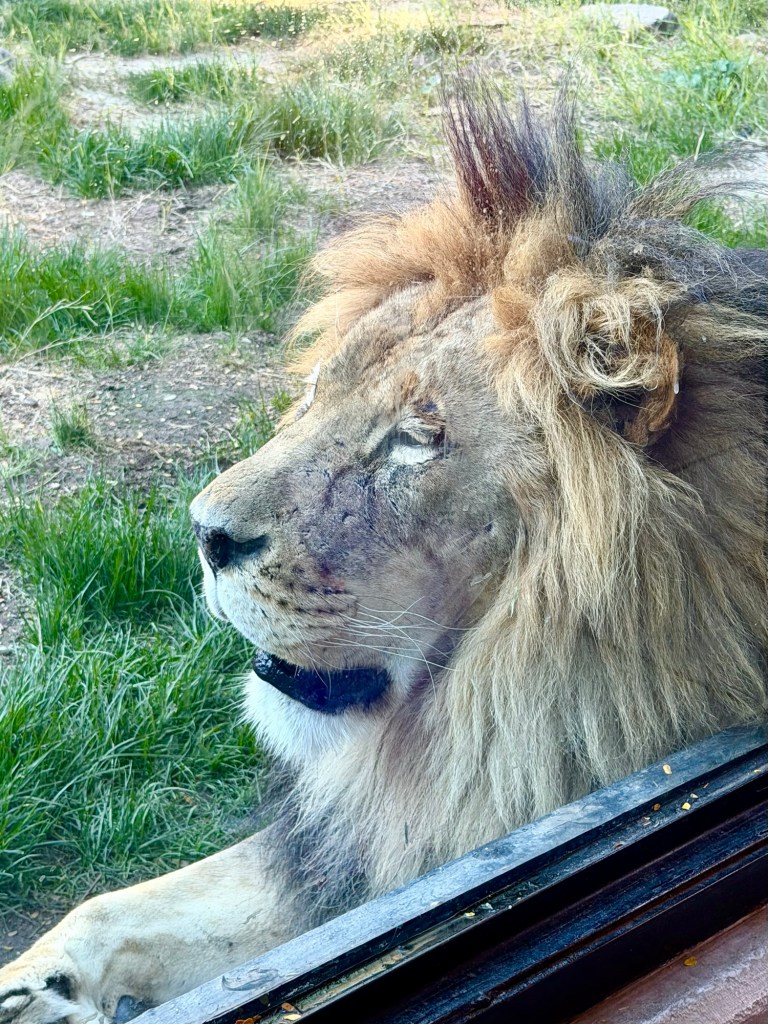
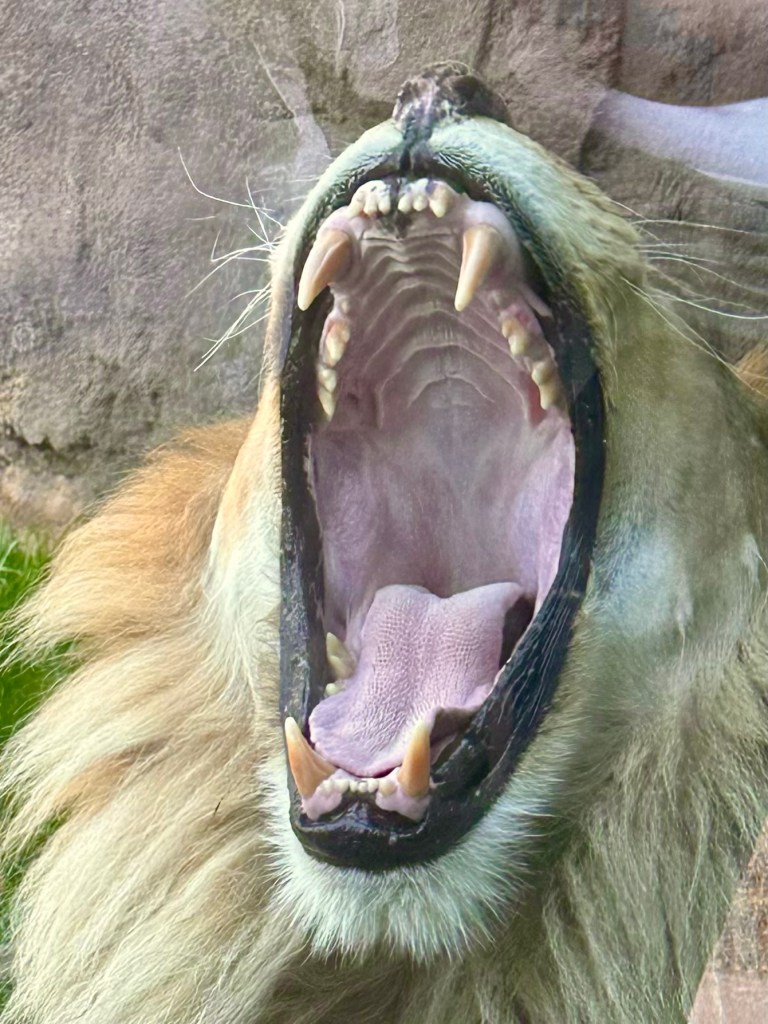
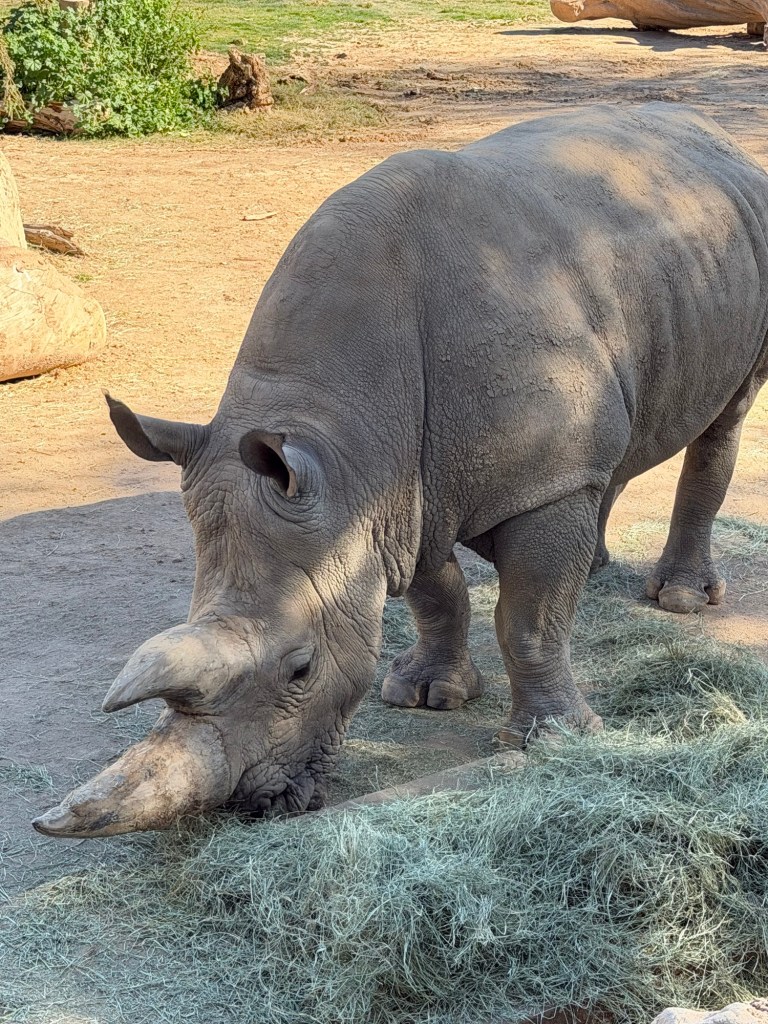
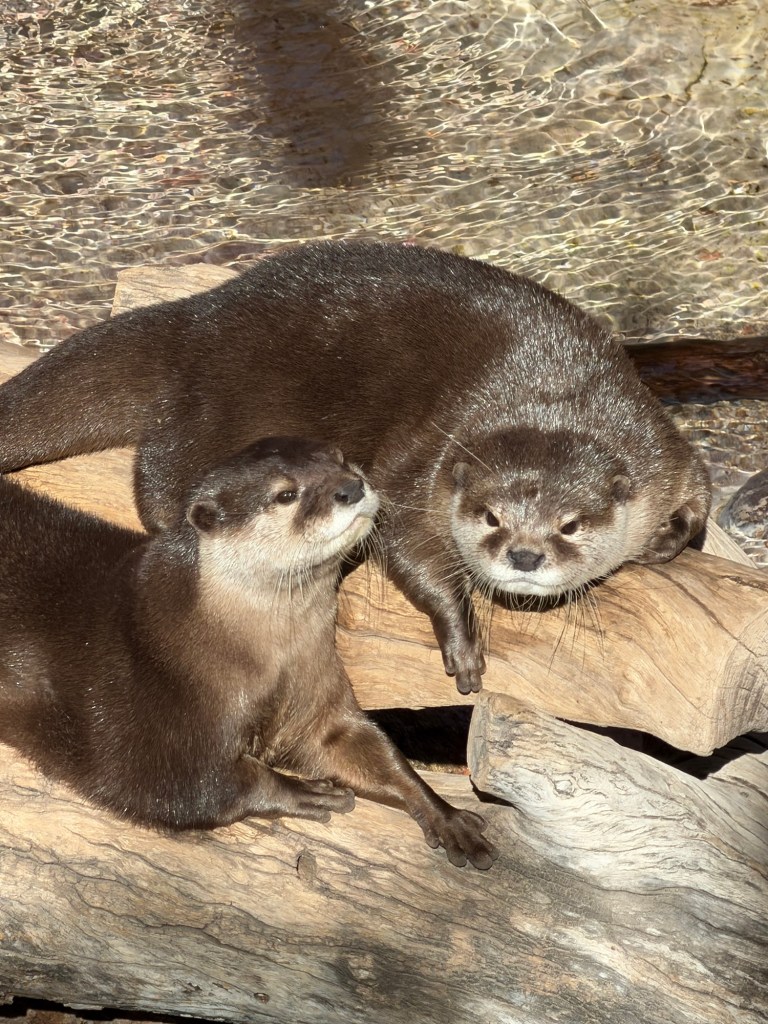
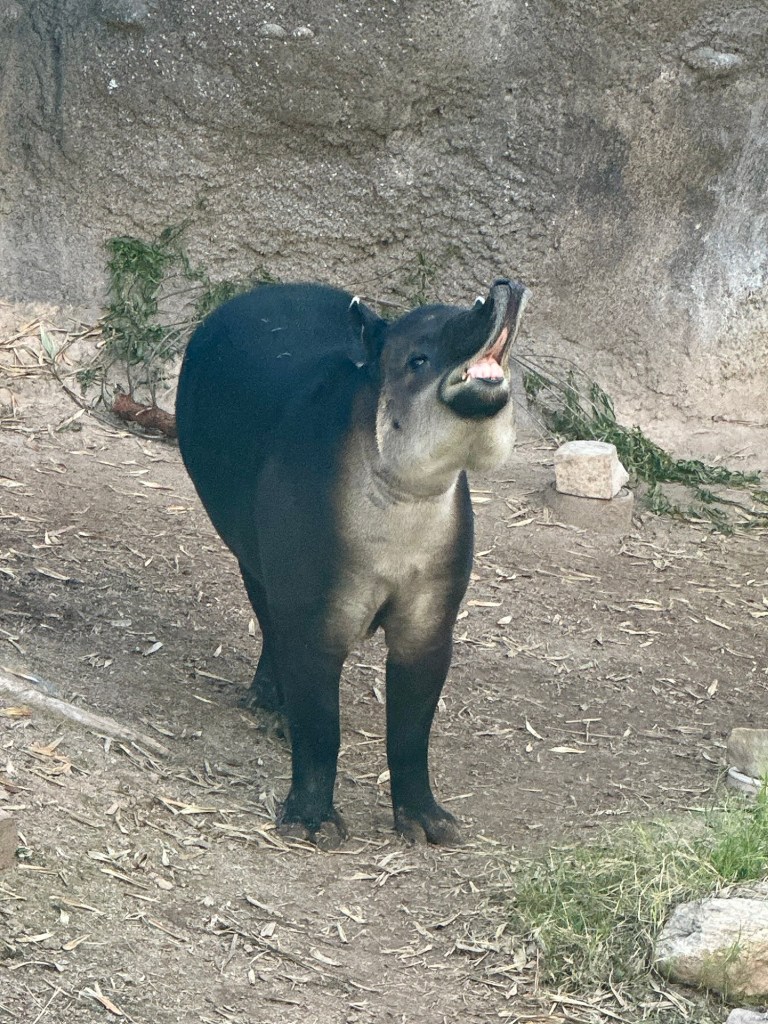
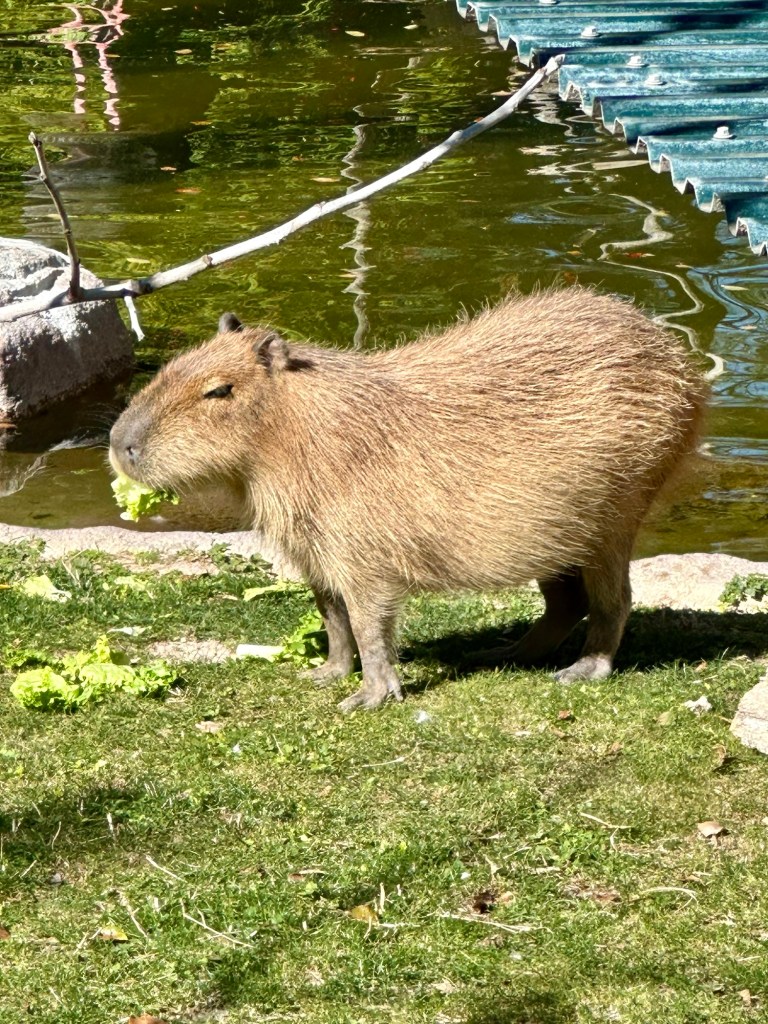
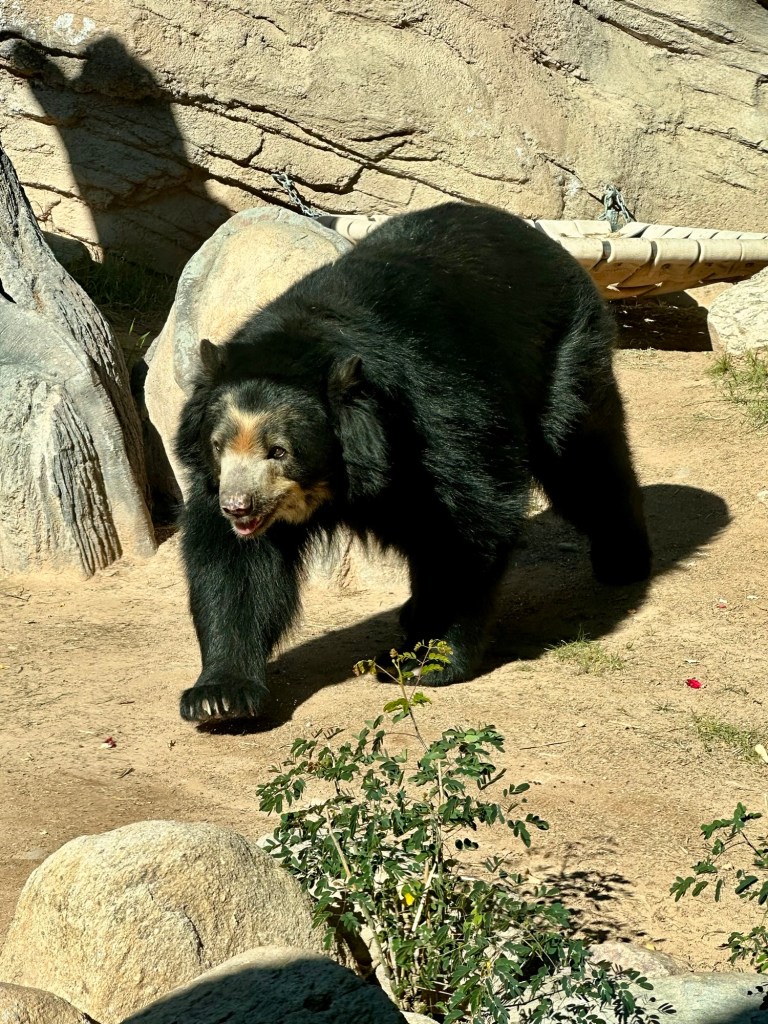
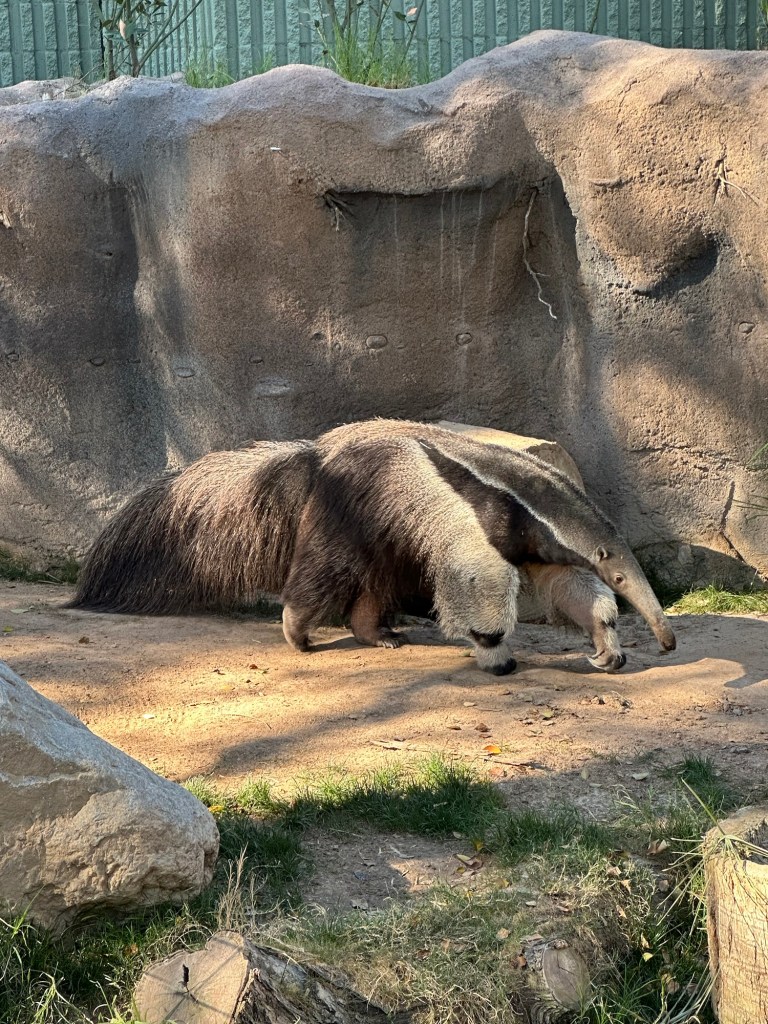
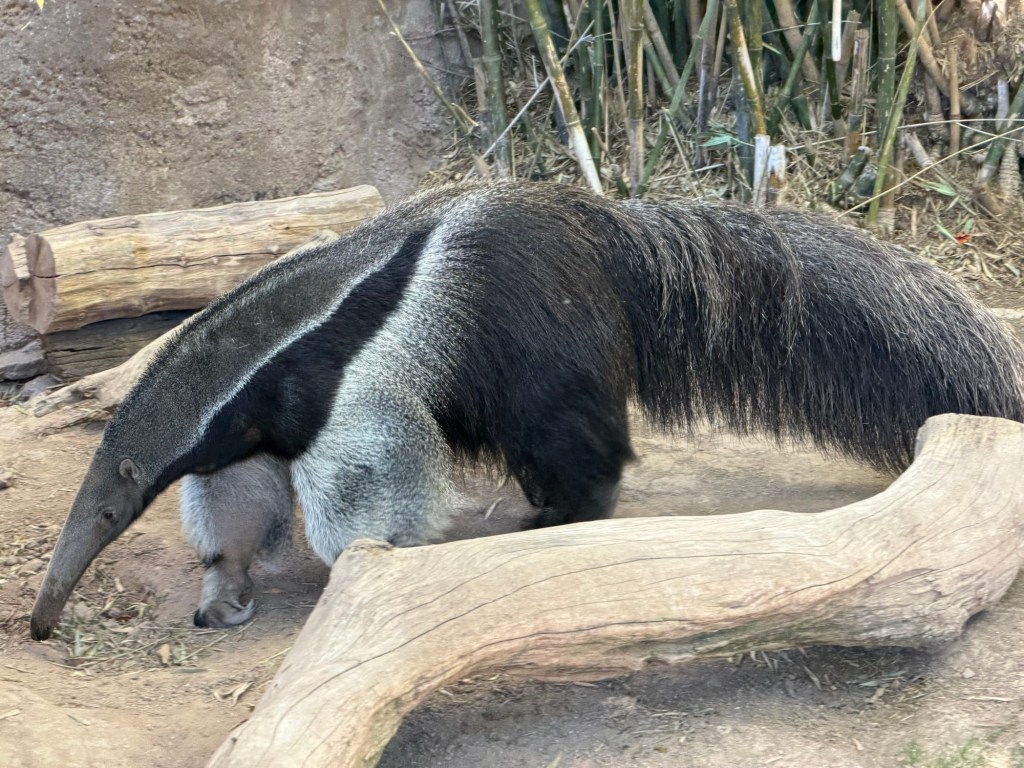
We pivoted toward town and pointed the car at the Reid Park Zoo, a small zoo but a well respected one, carrying accreditation from the Association of Zoos and Aquariums. It’s small enough to feel relaxed, yet thoughtful enough that every enclosure feels intentional and informative. We spent the afternoon visiting some of our favorites: a busy raft of Asian small-clawed otters, and a massive white rhinoceros, one of whom (not pictured) holds the distinction of being the oldest white rhino (age 53) living in human care. The lions were active, and one settled right up to the glass. Nearby, a tapir ambled through its habitat looking like someone had assembled him from spare parts. There were meerkats. And then a personal first: an anteater. We’d never seen one before. They are so wonderfully weird.
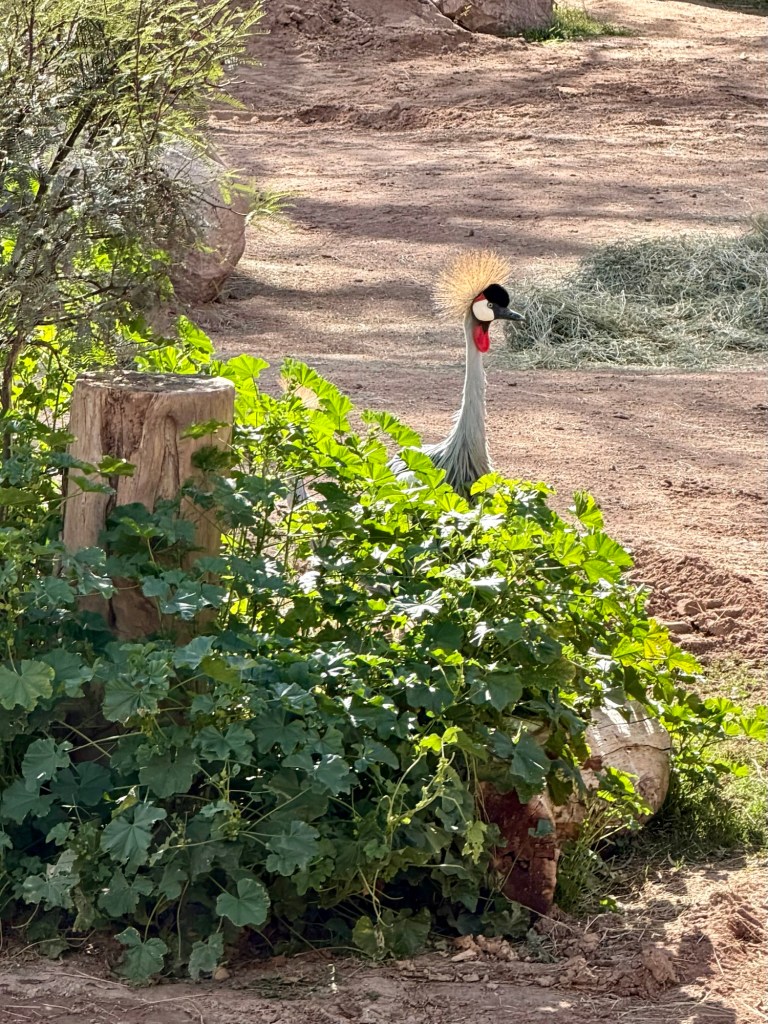
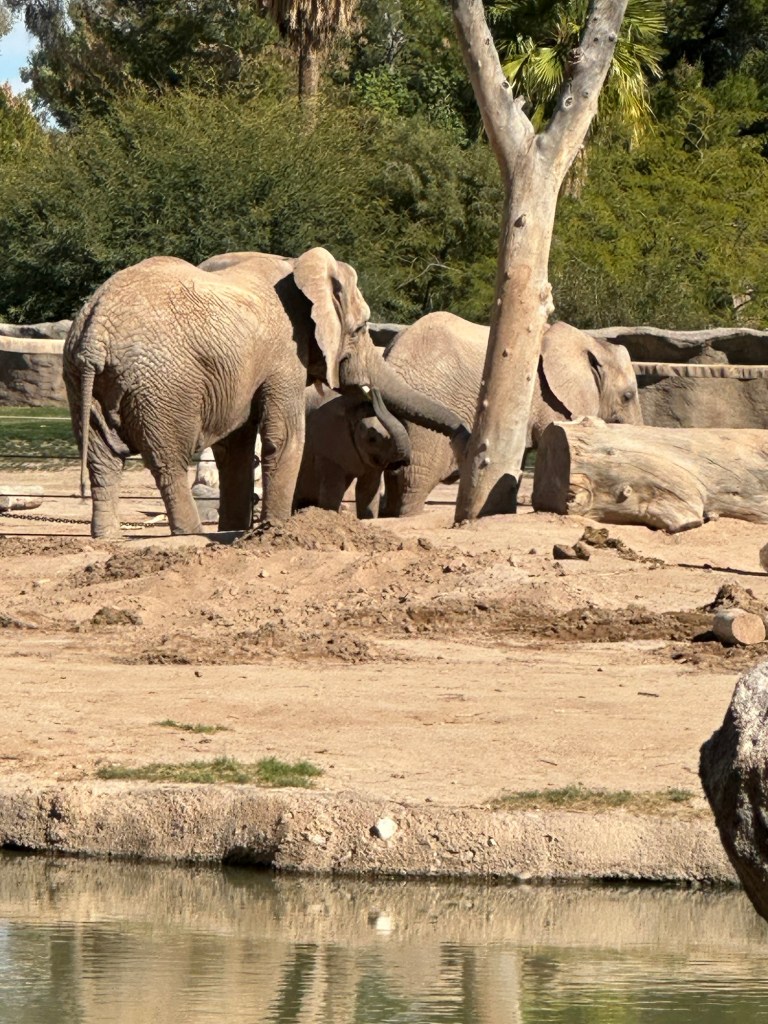

It was a good spontaneous distraction from our thwarted plans, which we vowed to make good on the next day.
And so we did. We pulled into the Sabino Canyon Visitor Center parking lot with the self-assurance of people who had now done their homework, who were definitely not going to miss the last tram of the day, and who, this time, had reservations in hand. The canyon stretched out above us, vast and unhurried, its sandy pink rocks rising into the late morning light, uninterested by our arrival and that of the hoards of others who would explore there today.
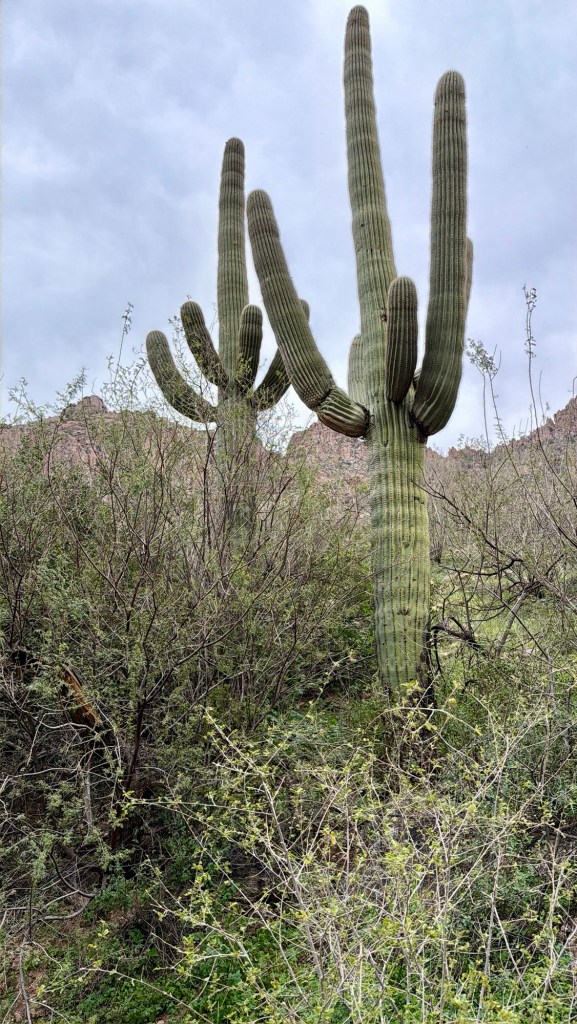
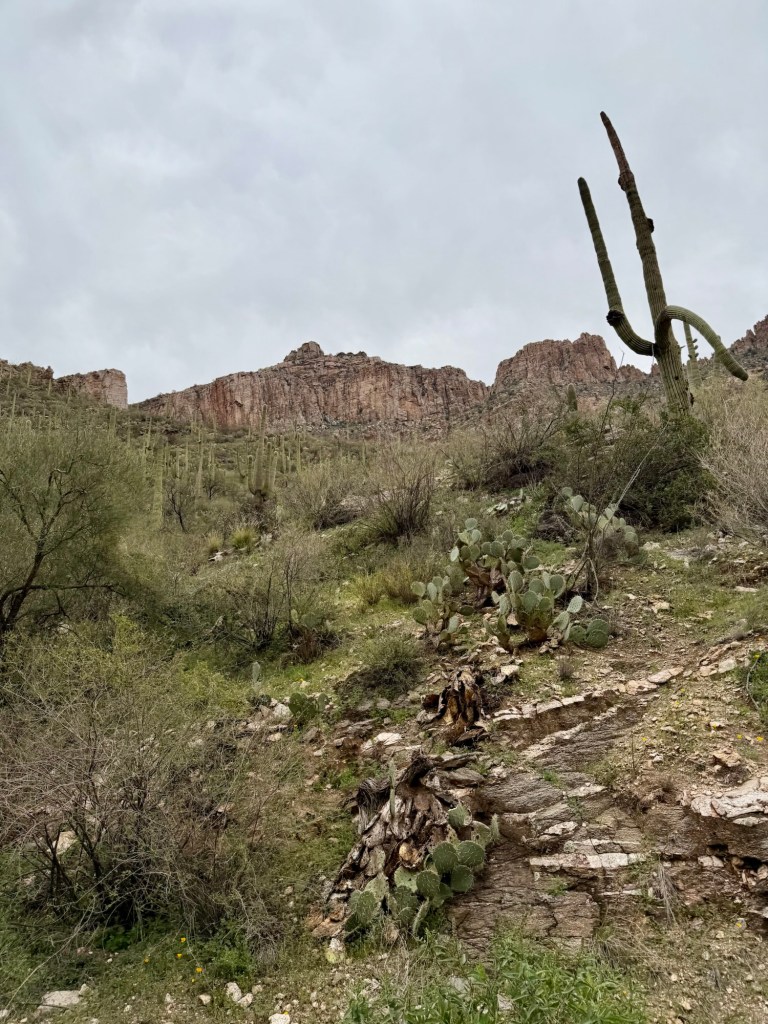
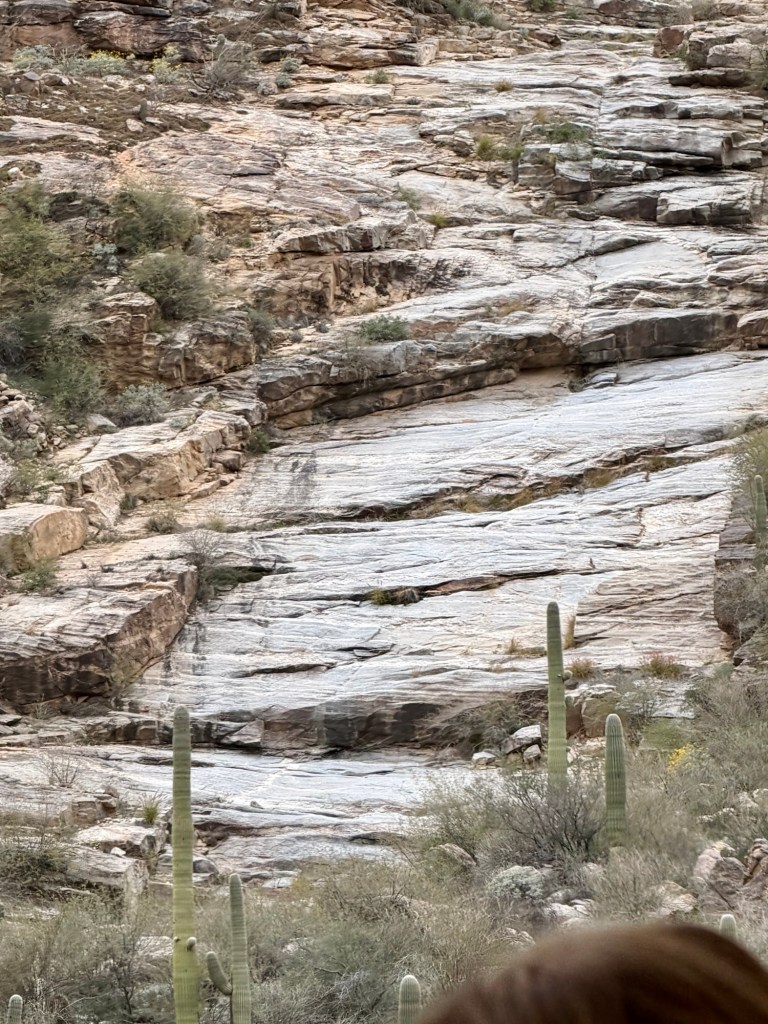
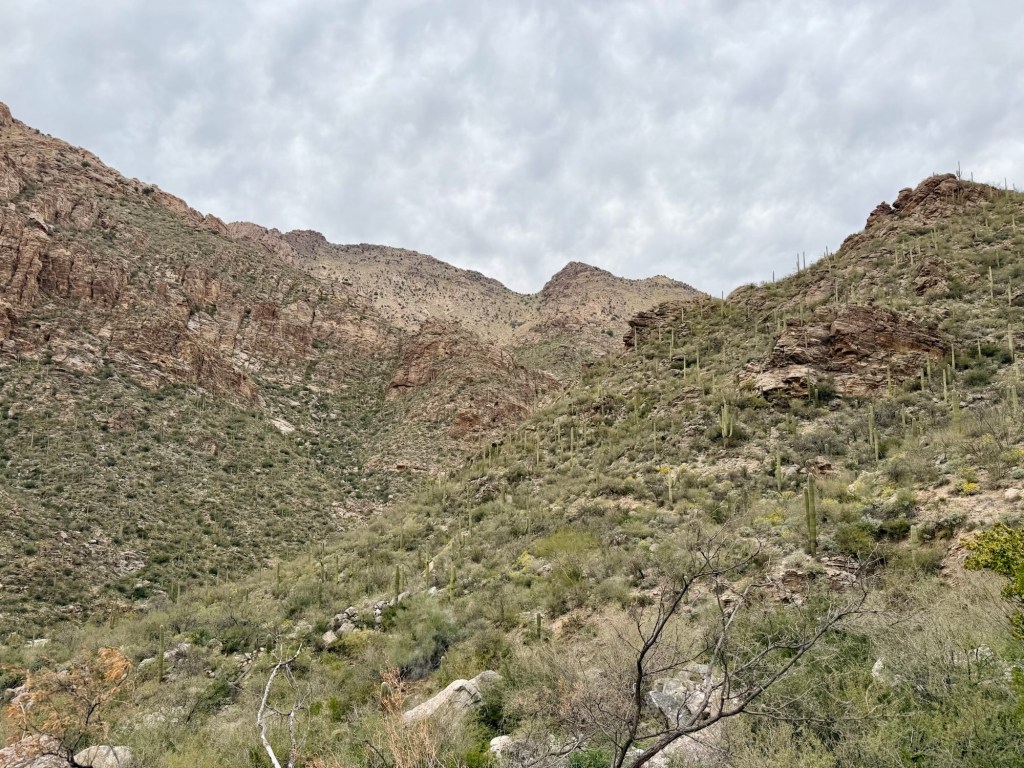
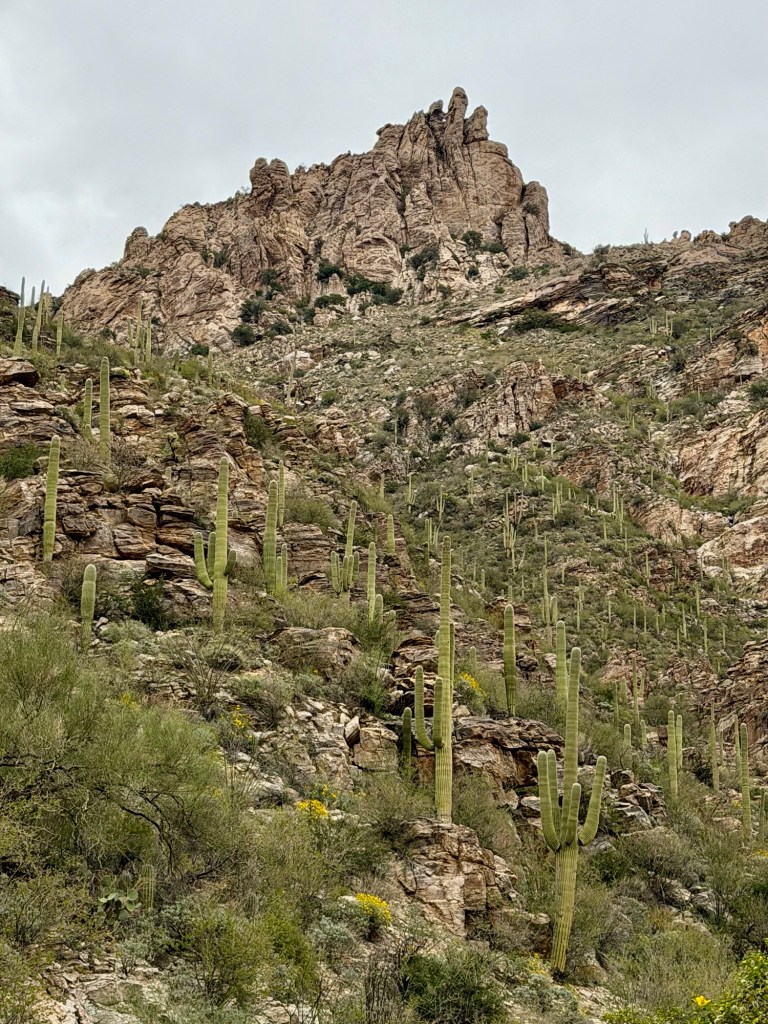
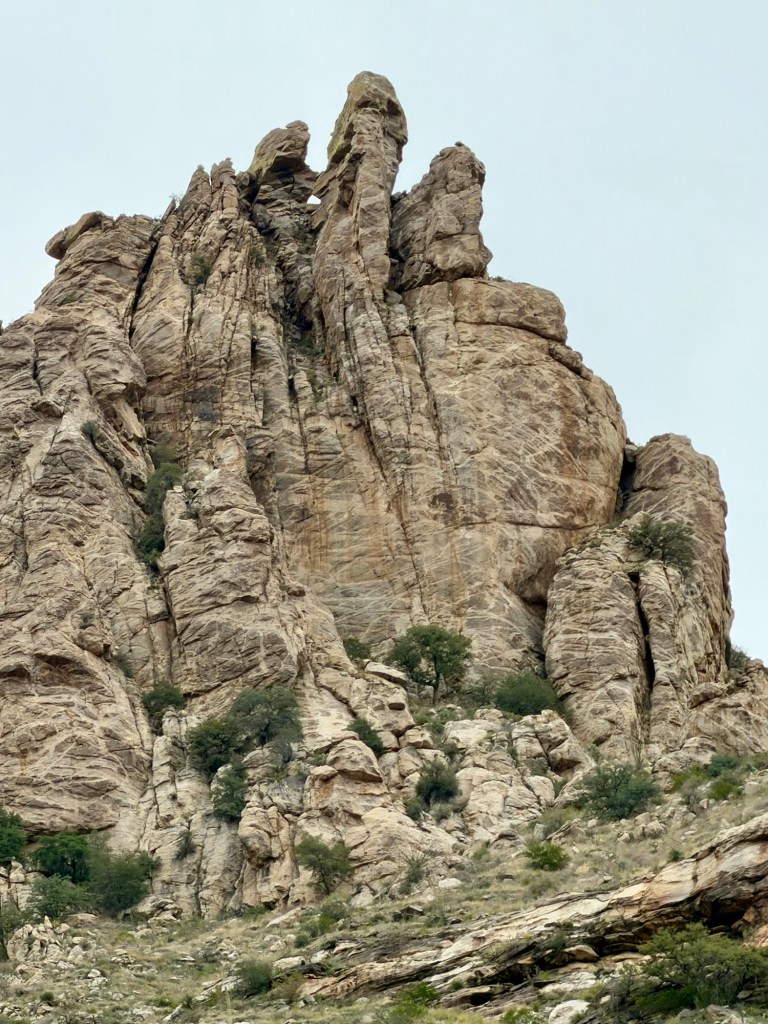
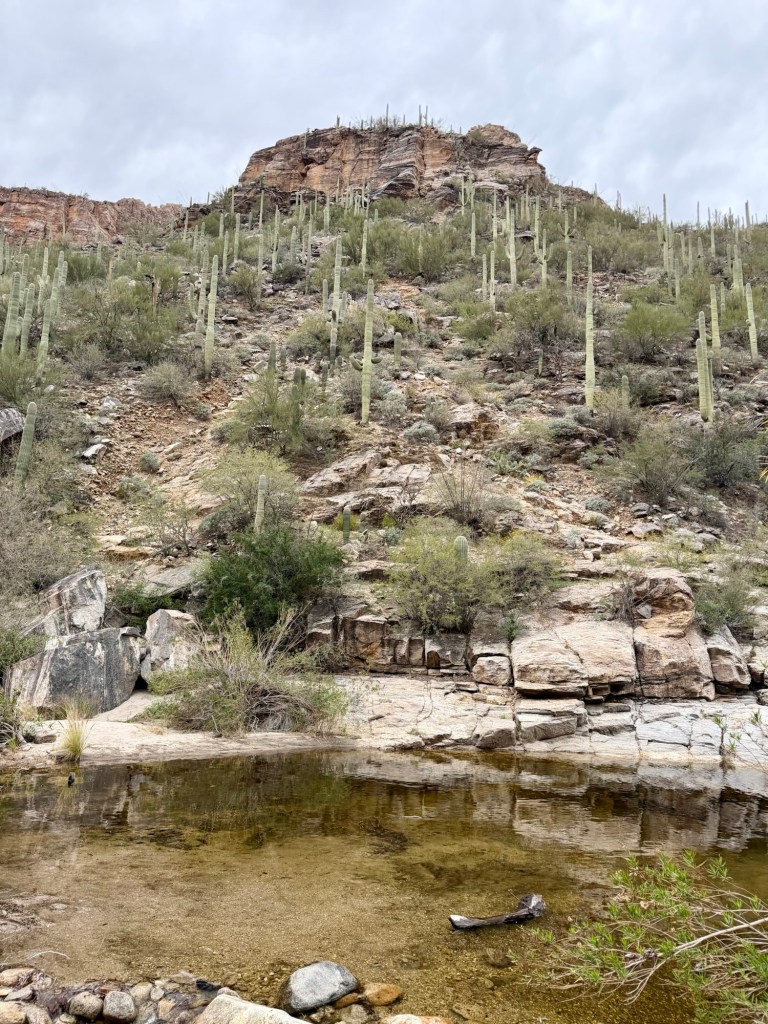
The saguaros kept watch along the ridgelines like guards who’ve watched a thousand tourists climb this canyon on foot or by tram. The tram wound its way 3.7 miles up the canyon floor to the top, narrated by a guide who managed to make geology, ecology, and canyon history genuinely compelling. We rode all the way up, hopped off, and wandered among the cacti and the boulders, taking in the expansive views. A family of backpackers, freshly down from the peaks and ridges, waited eagerly for a ride in the other direction. They climbed aboard, pungent and dirty after days camping in the park.
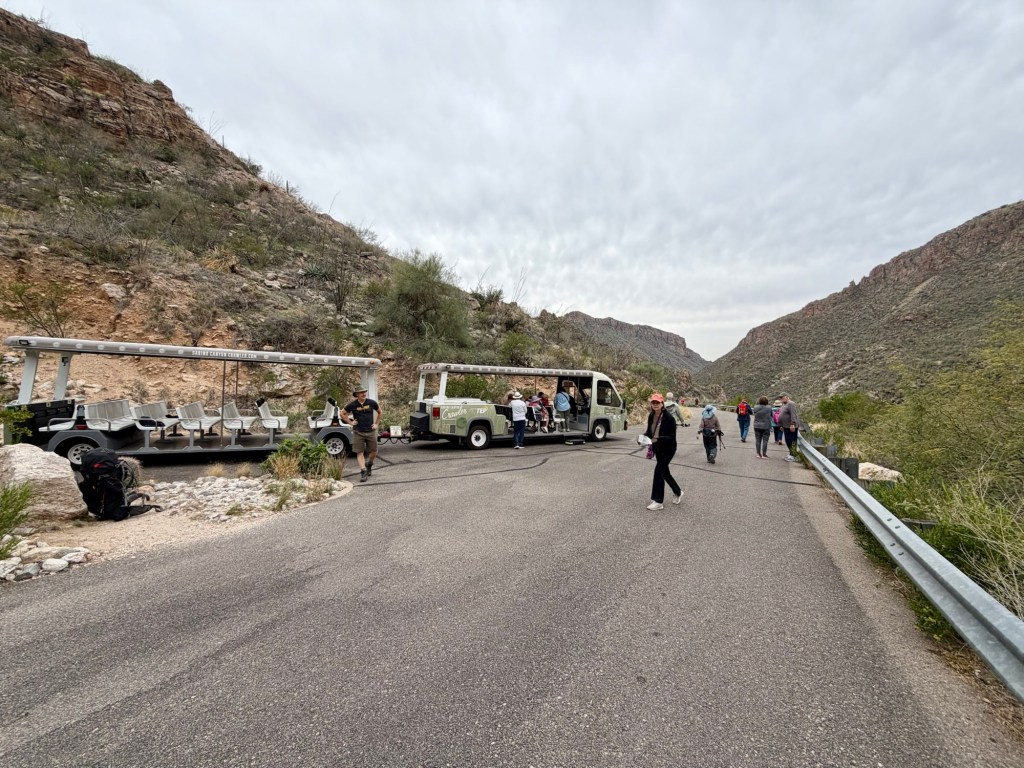
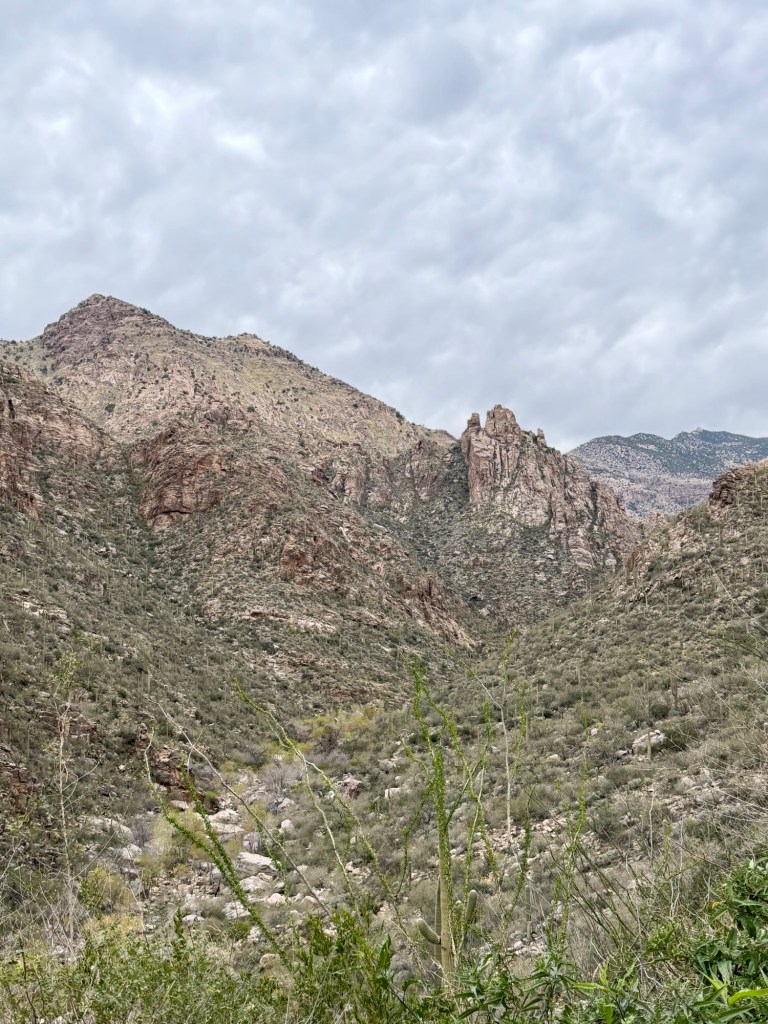
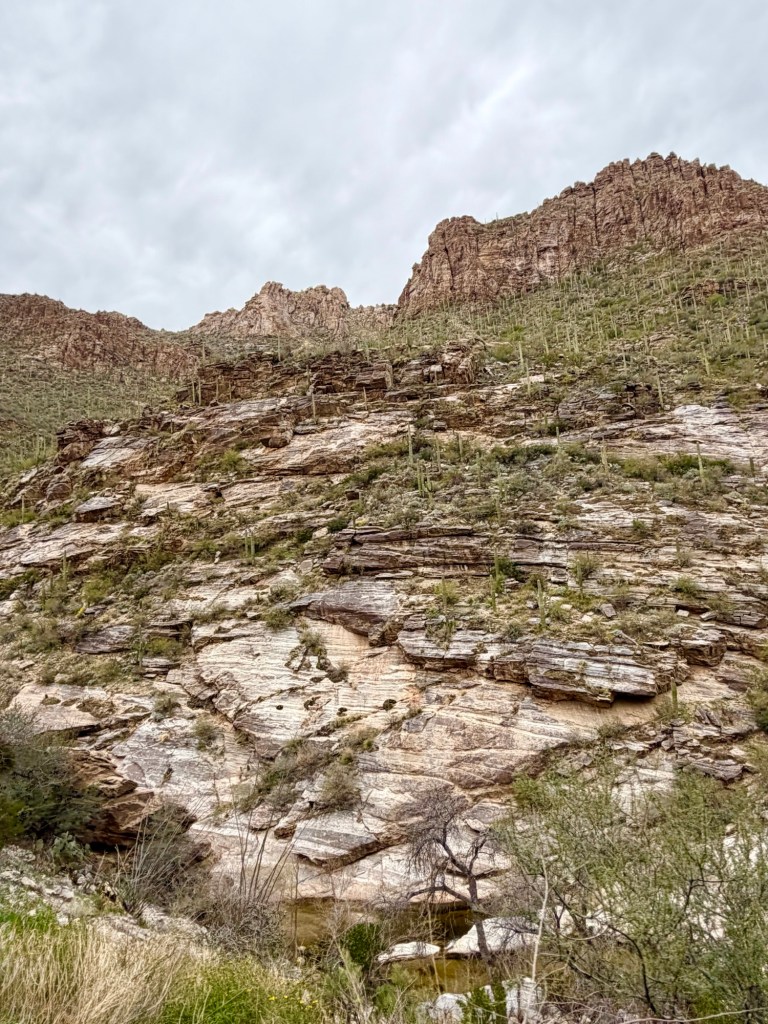
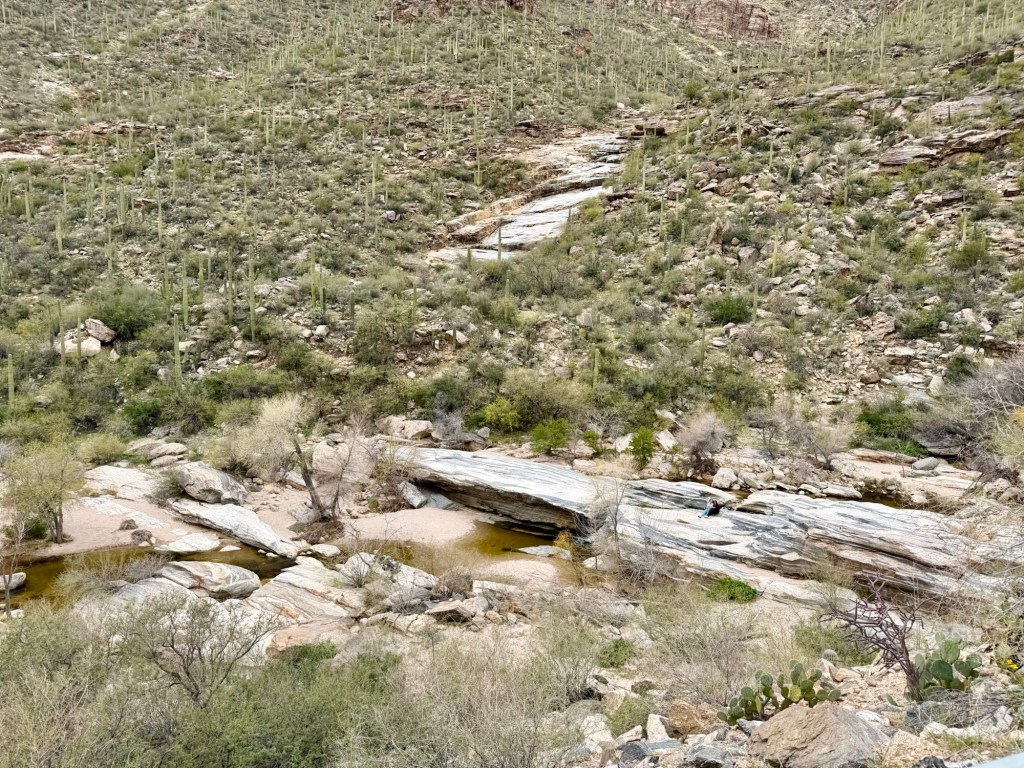
Instead of riding the tram all the way back down, we got off at the halfway point, walked the road for a mile, then caught a trail and hiked the rest of the canyon floor ourselves. A tram and a hike, or what I like to call a trike.
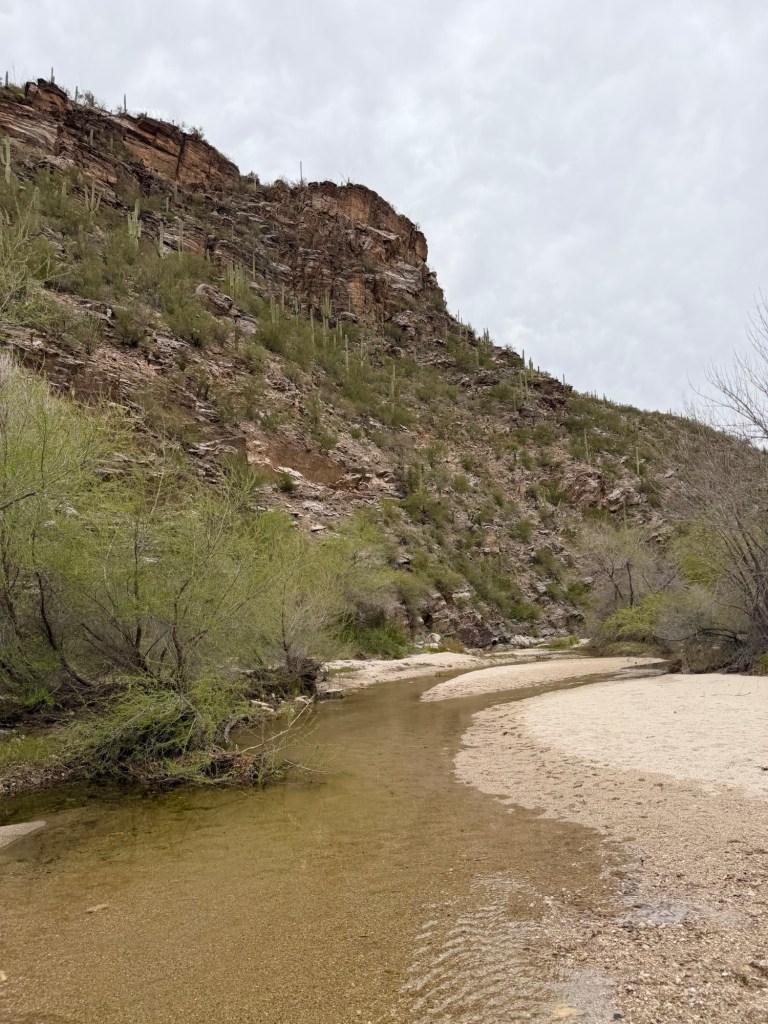
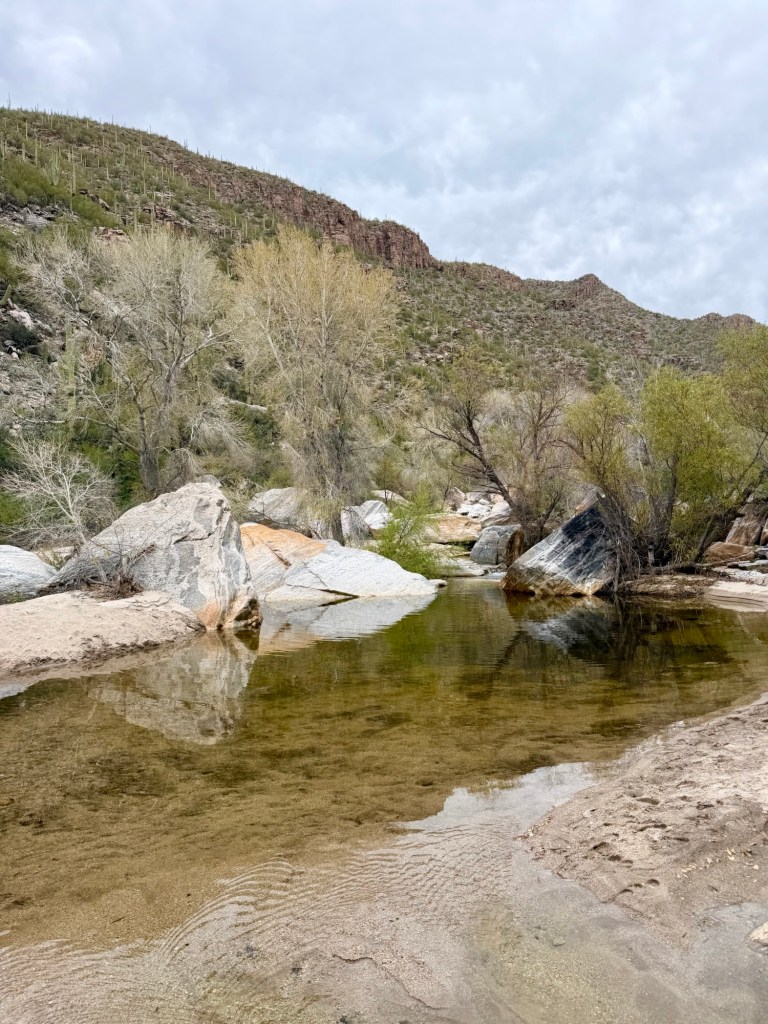
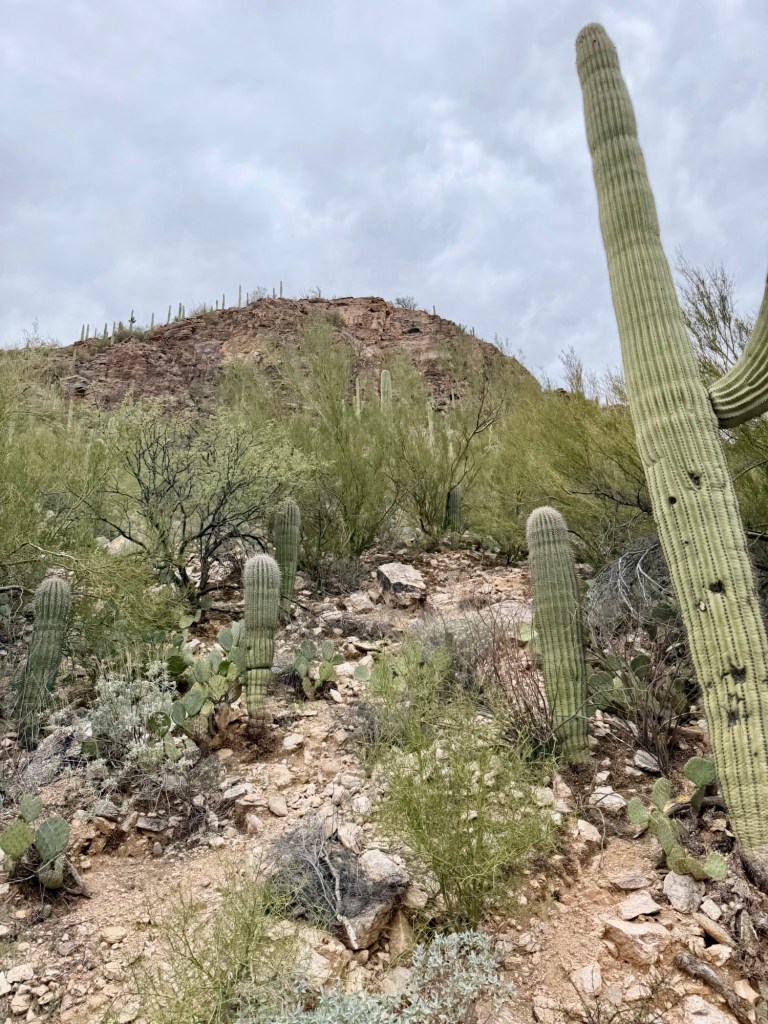
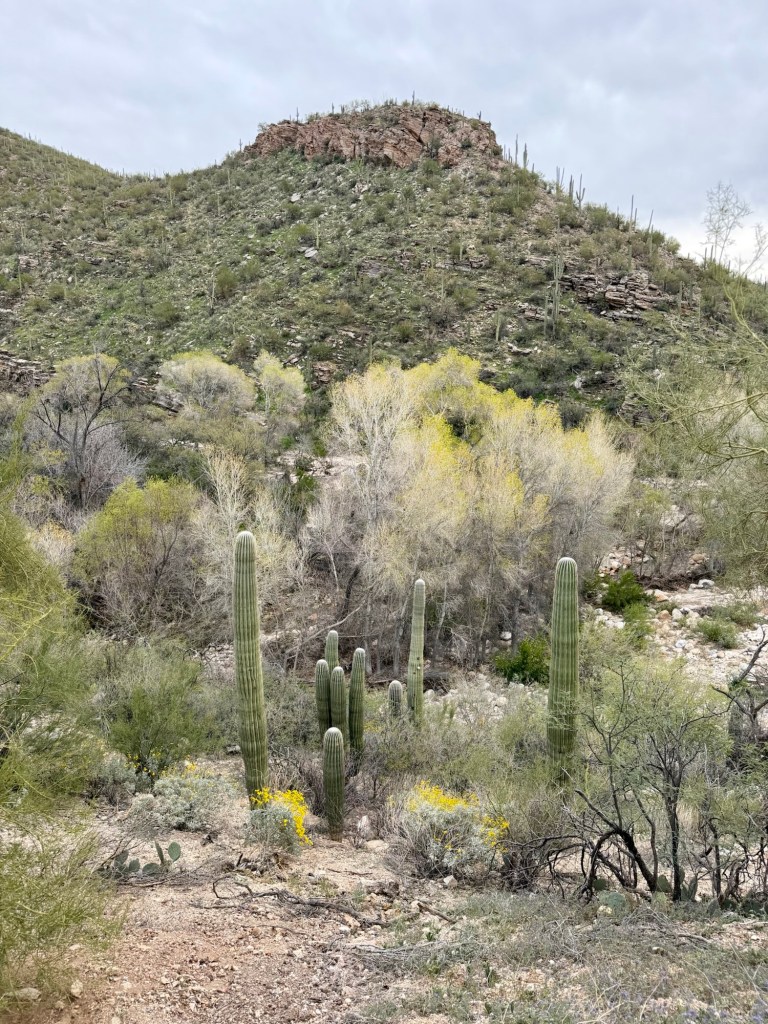
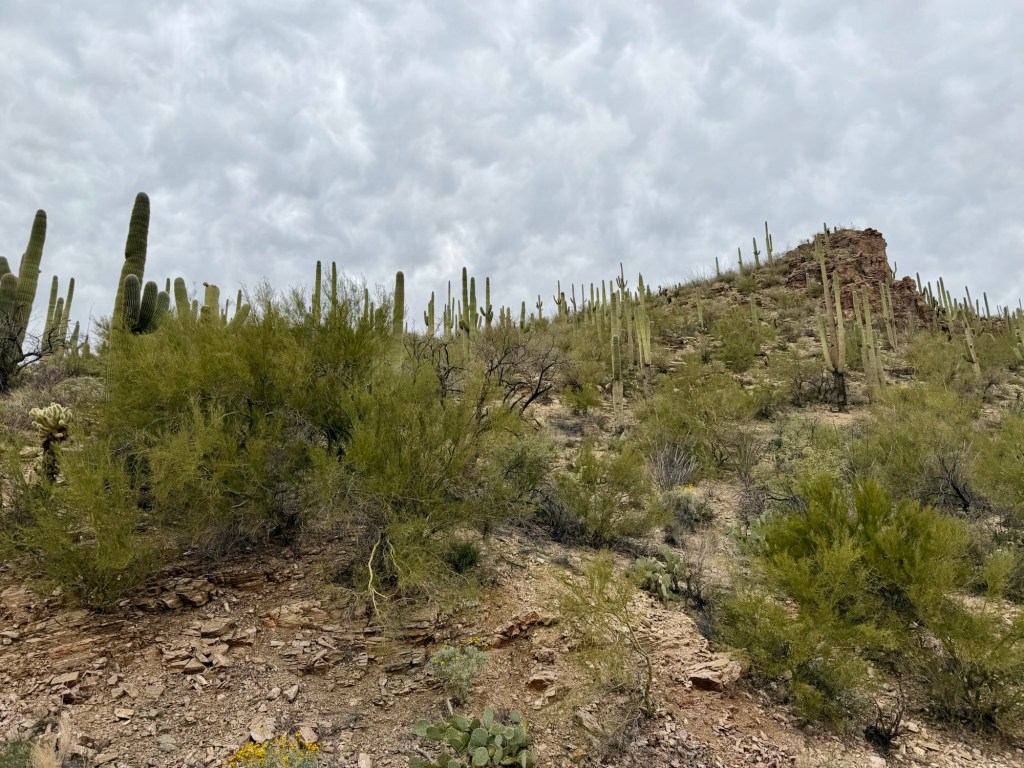
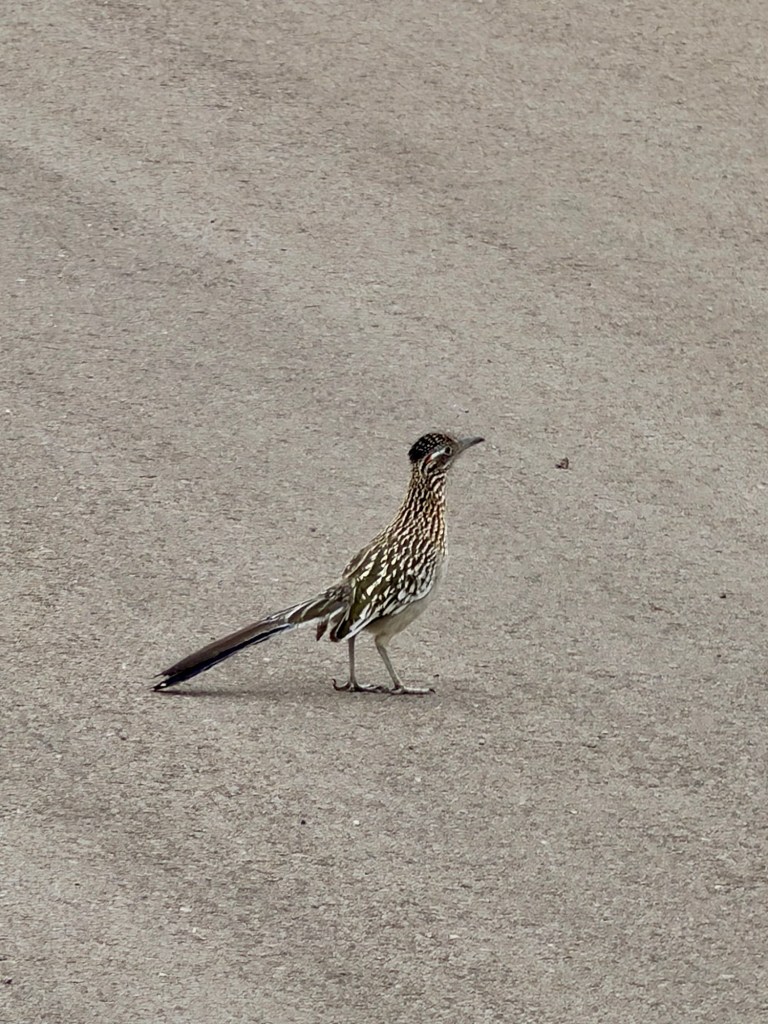
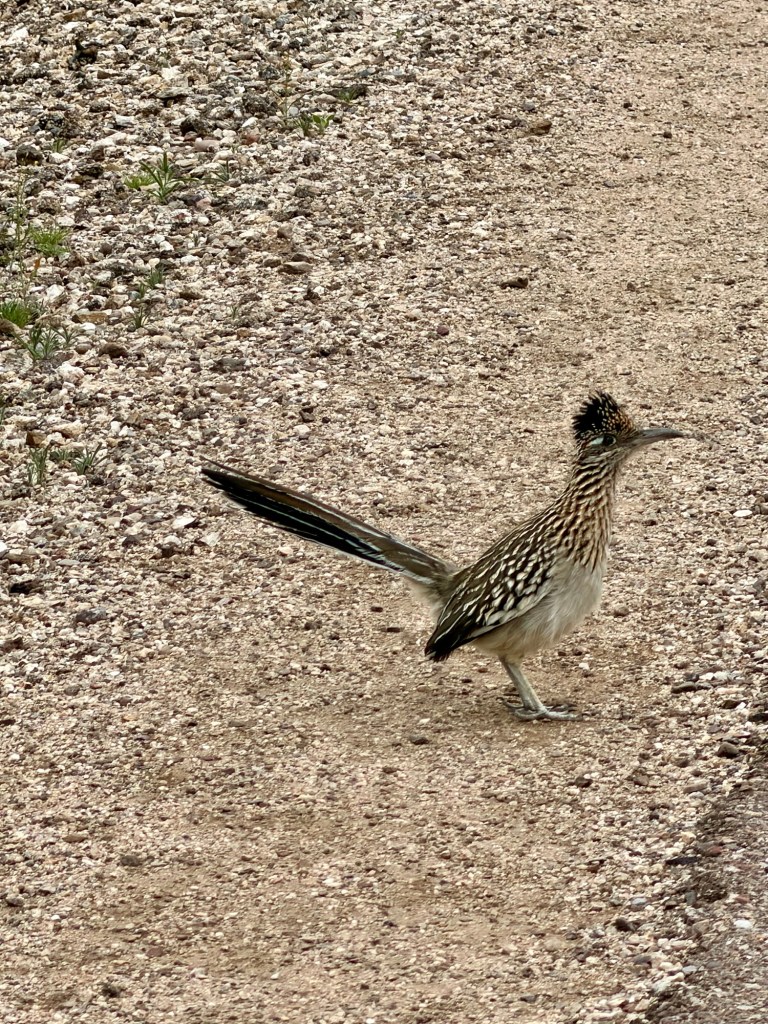
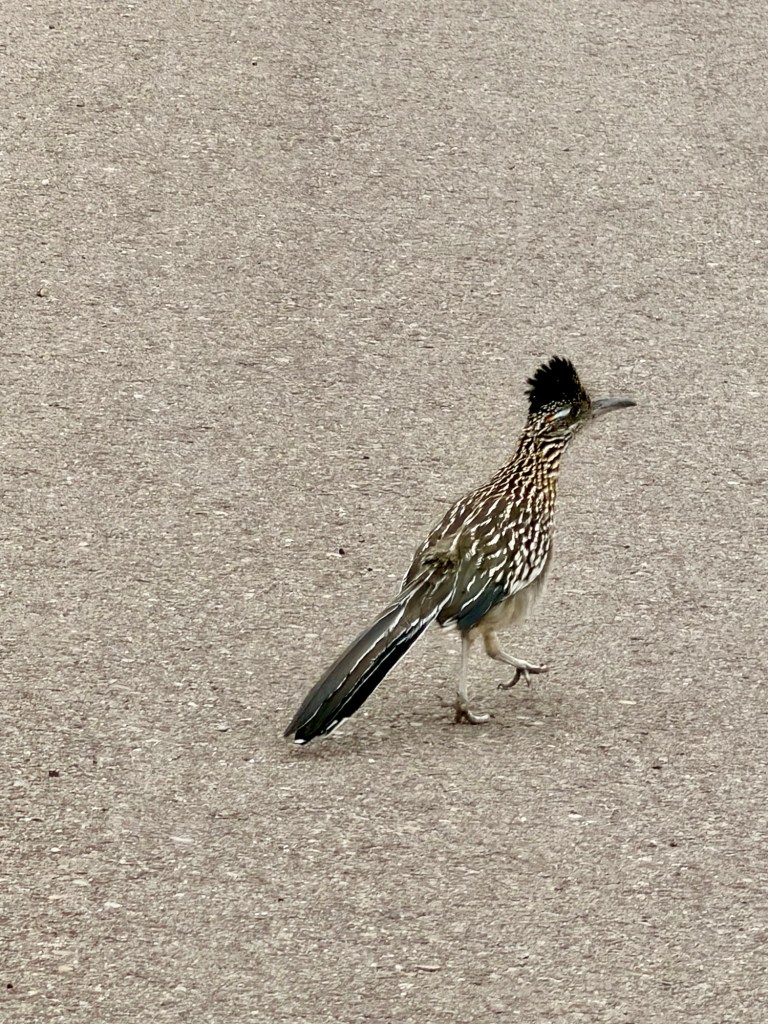
Within minutes of our stepping onto the road, a roadrunner scurried across the path directly in front of us. Then another. We stood there absolutely still. Roadrunners. Actually running, down the road. If you’ve only ever seen the cartoon version, as I had, the real thing is entirely magical, though I did find myself glancing skyward for falling anvils, thinking about Bo Diddley and humming the Sex Pistols’ cover of his ‘Road Runner’.
We carried on. A little further down, we noticed a small cluster of people stopped just off the Esperero Trail where it crosses the road, all of them pointing at something in the scrub-brush. We drifted over to investigate. And there, moving with the slow, deliberate confidence of an animal that knows it is venomous, was a Gila Monster! A rare sight indeed. A real, live, beaded-skin, orange-and-black Gila Monster, just going about its business, crossing from one patch of desert to another, indifferent to its audience.
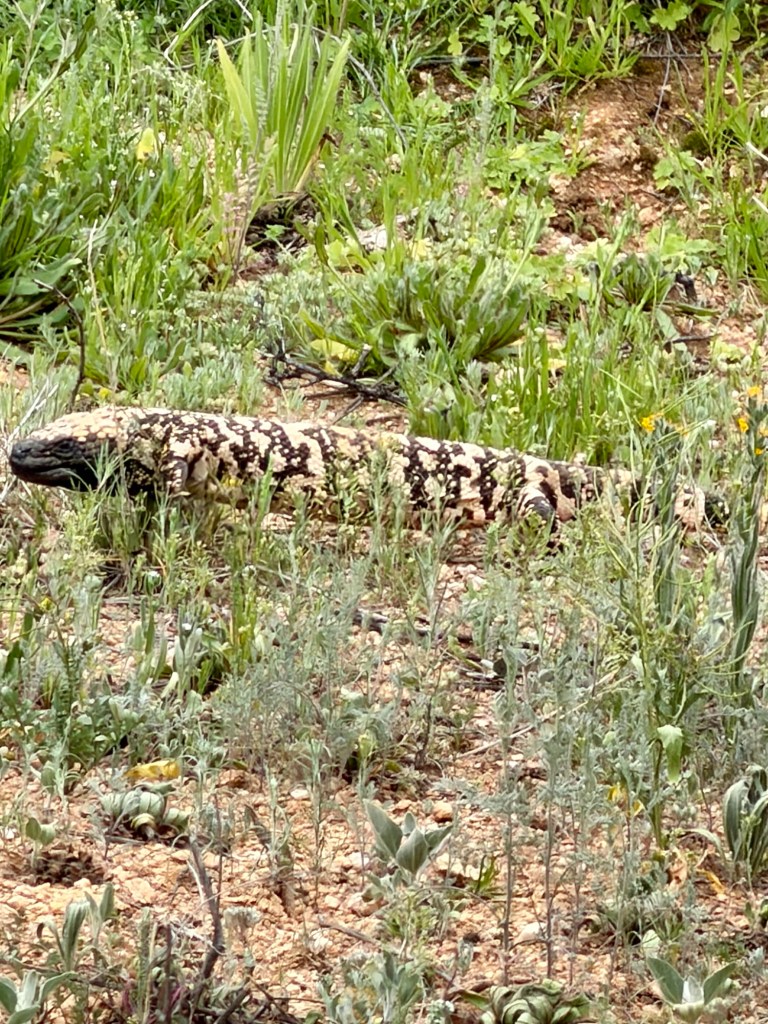
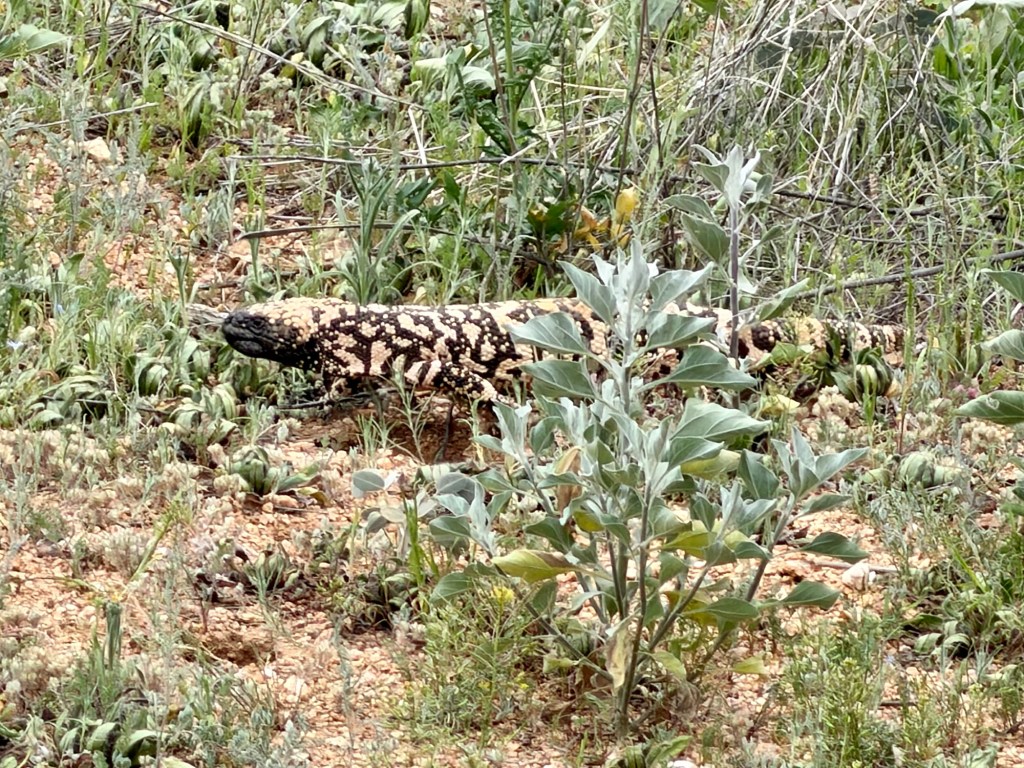
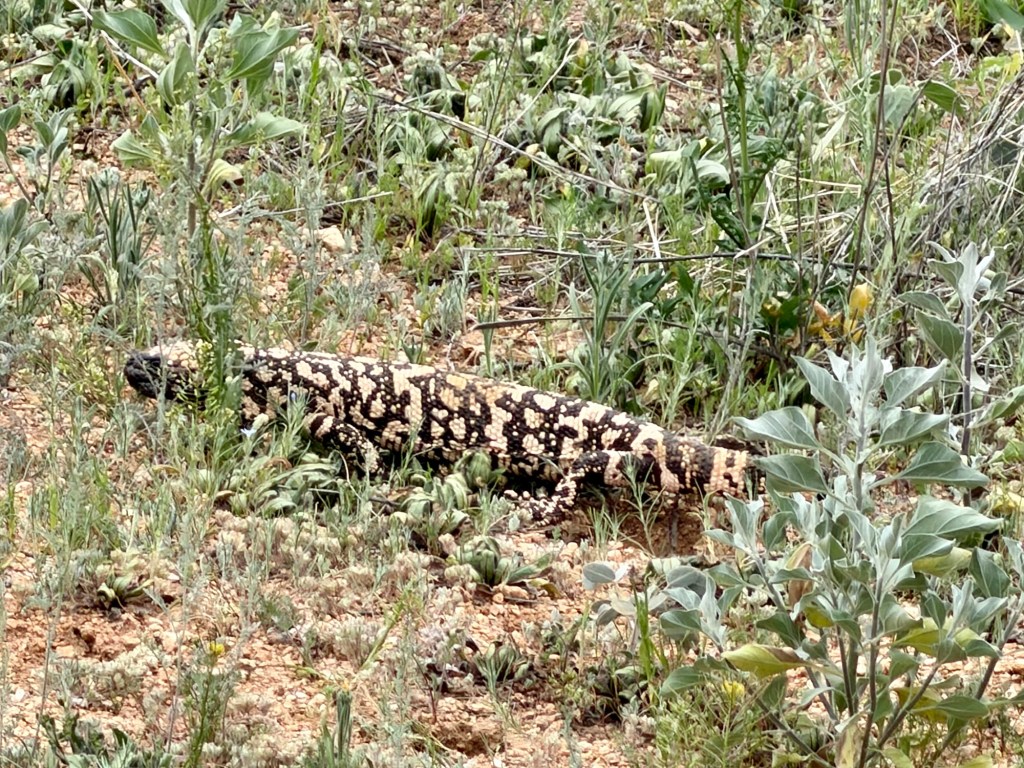
One woman in the group said she’d lived in Arizona for over twenty years and had never seen one in the wild. We’d been in Tucson for two days. We felt lucky. Gila Monsters, our fellow hikers were eager to inform us, are dangerous.
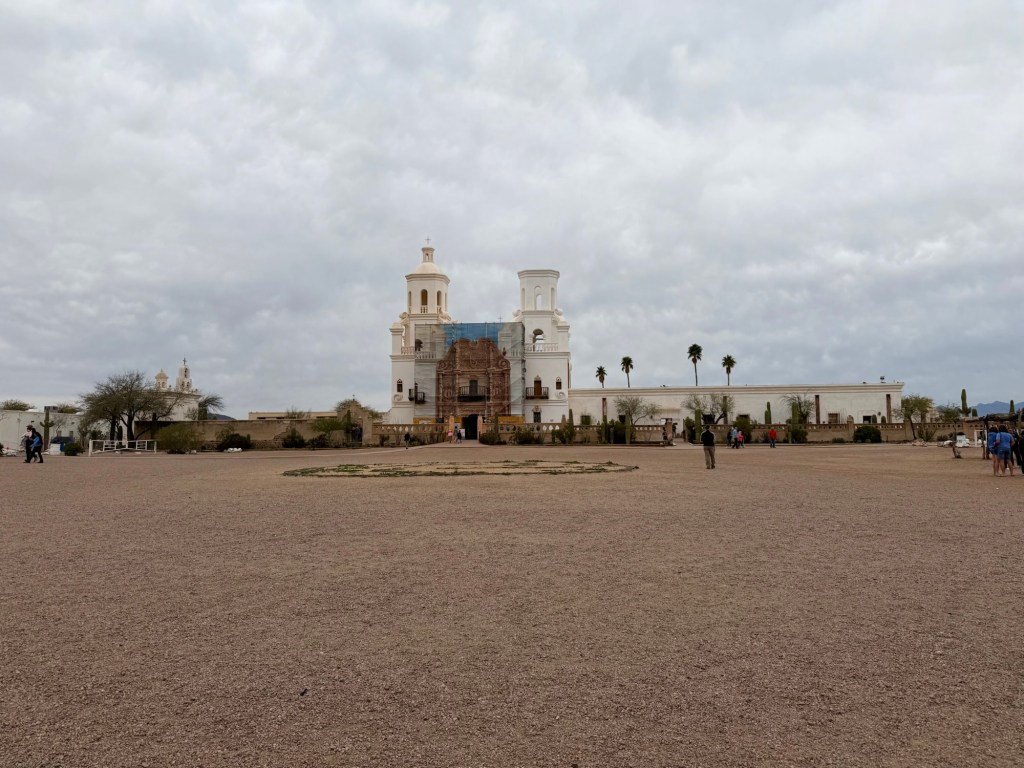
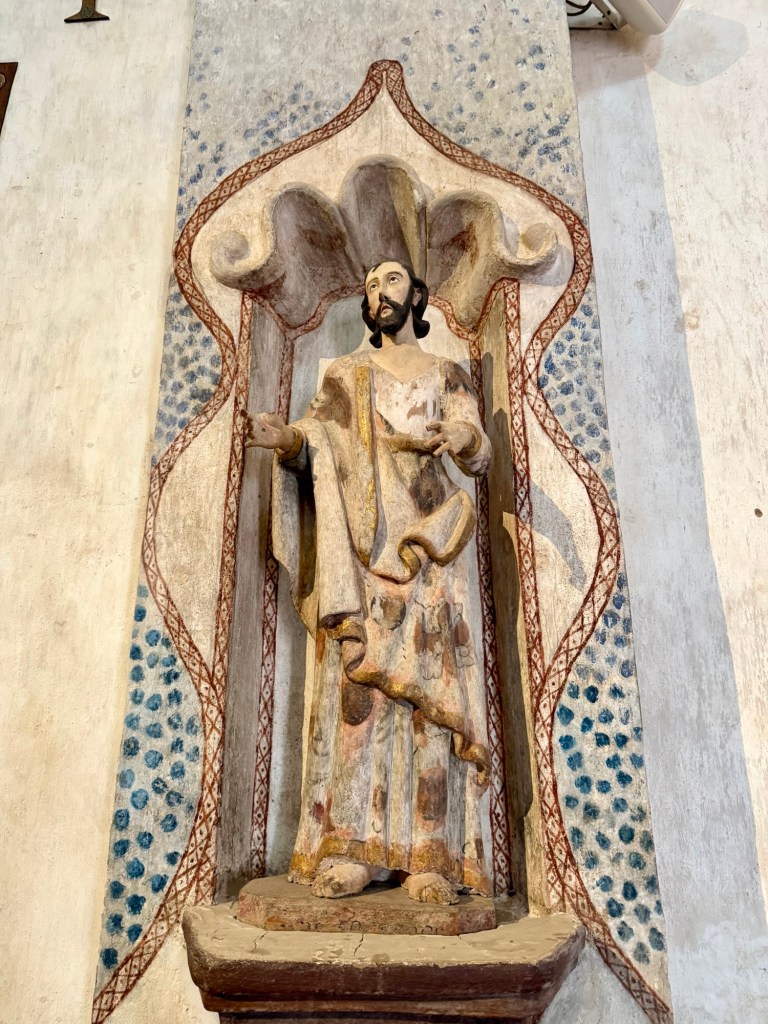
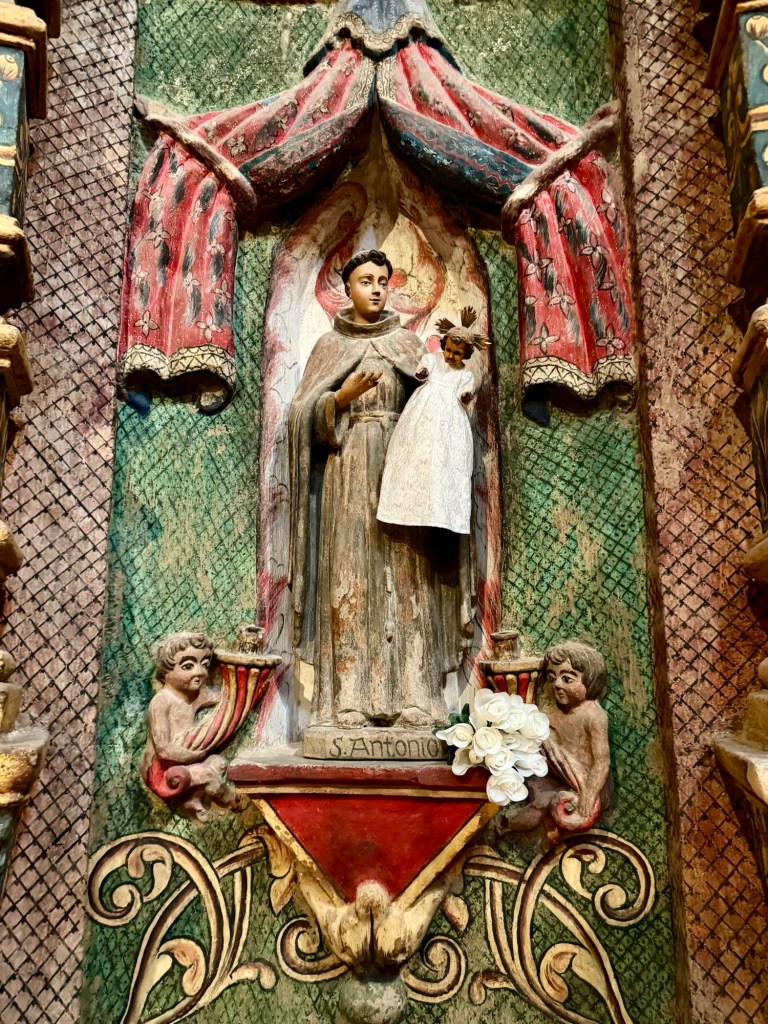
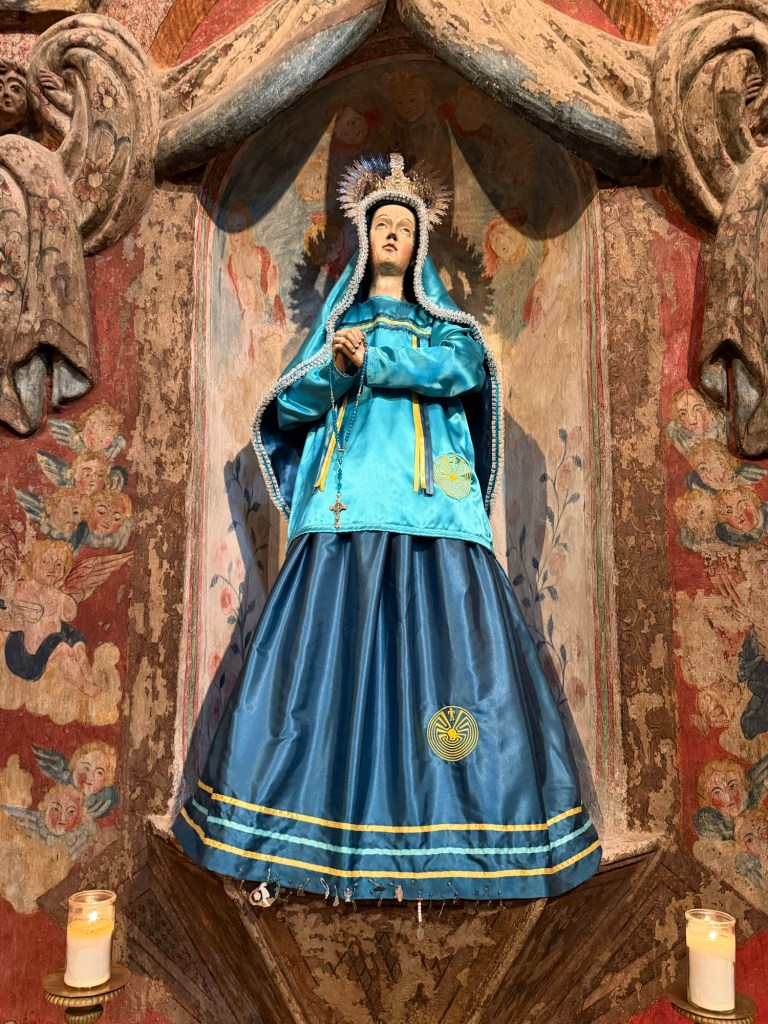
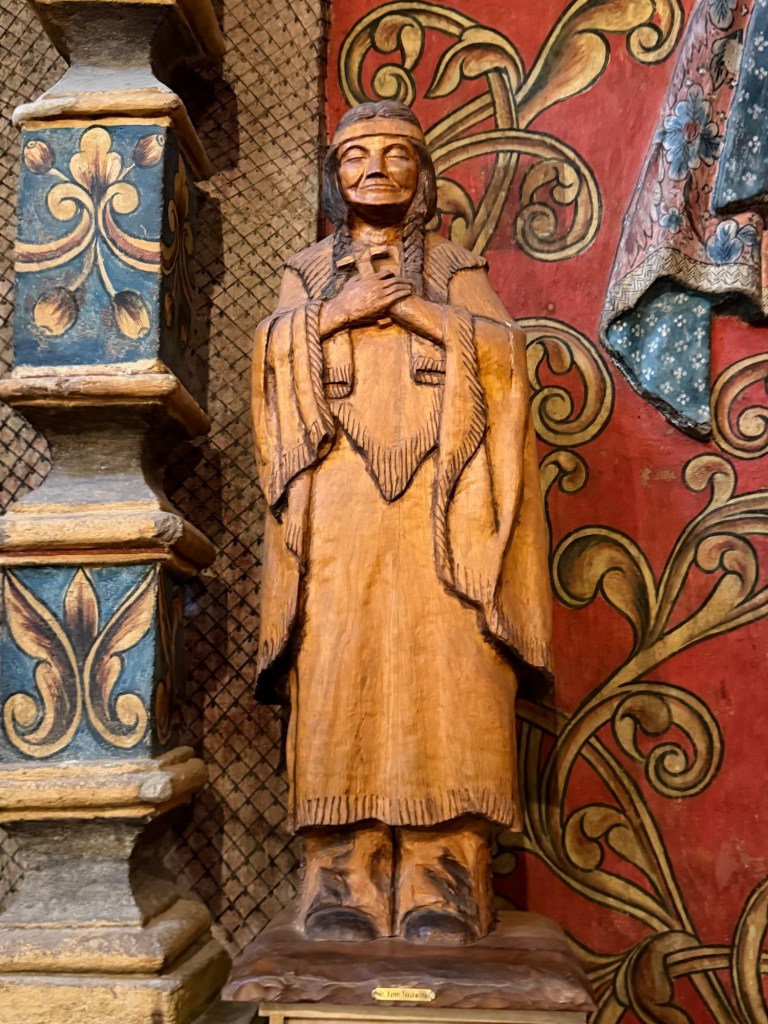
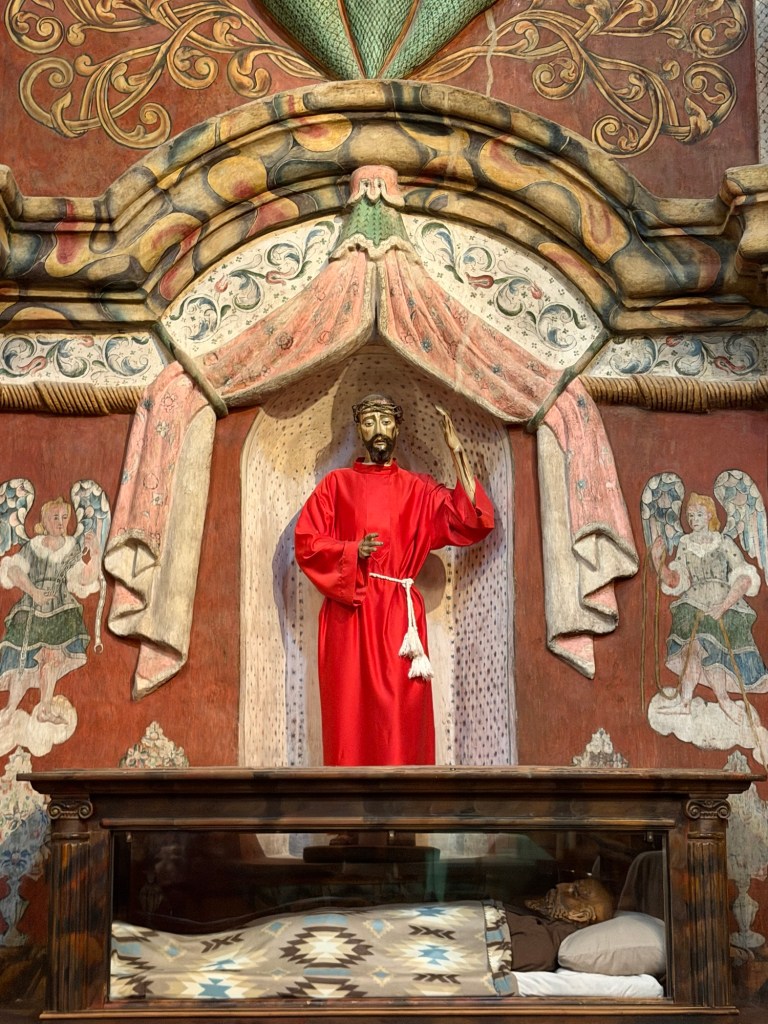
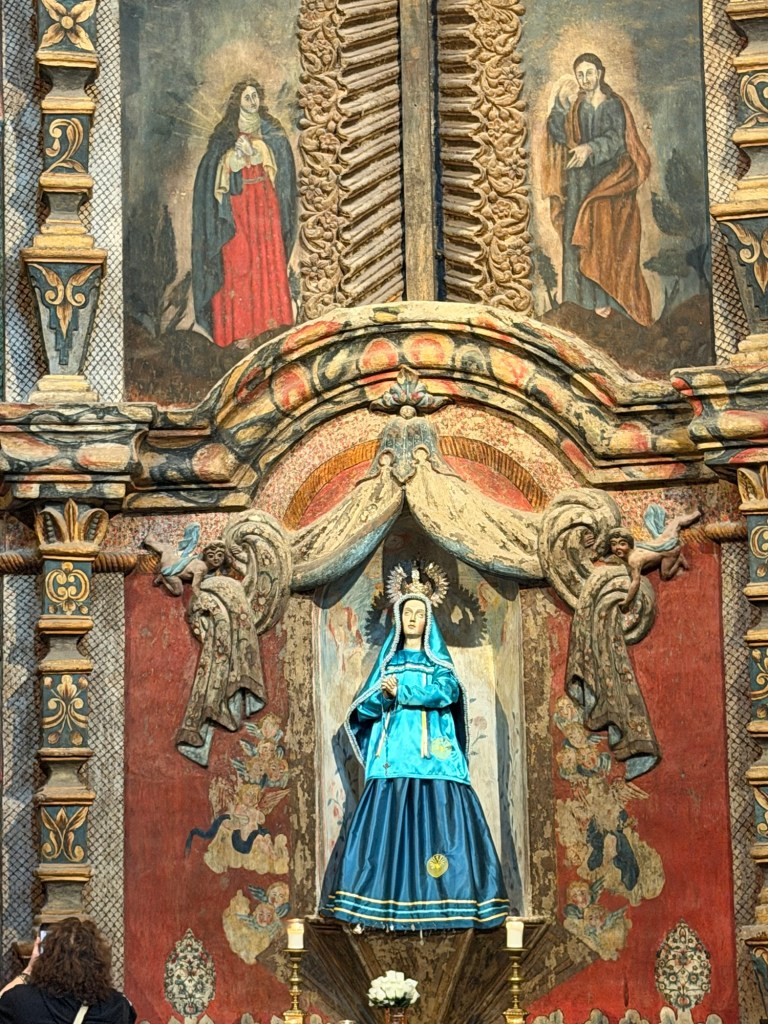
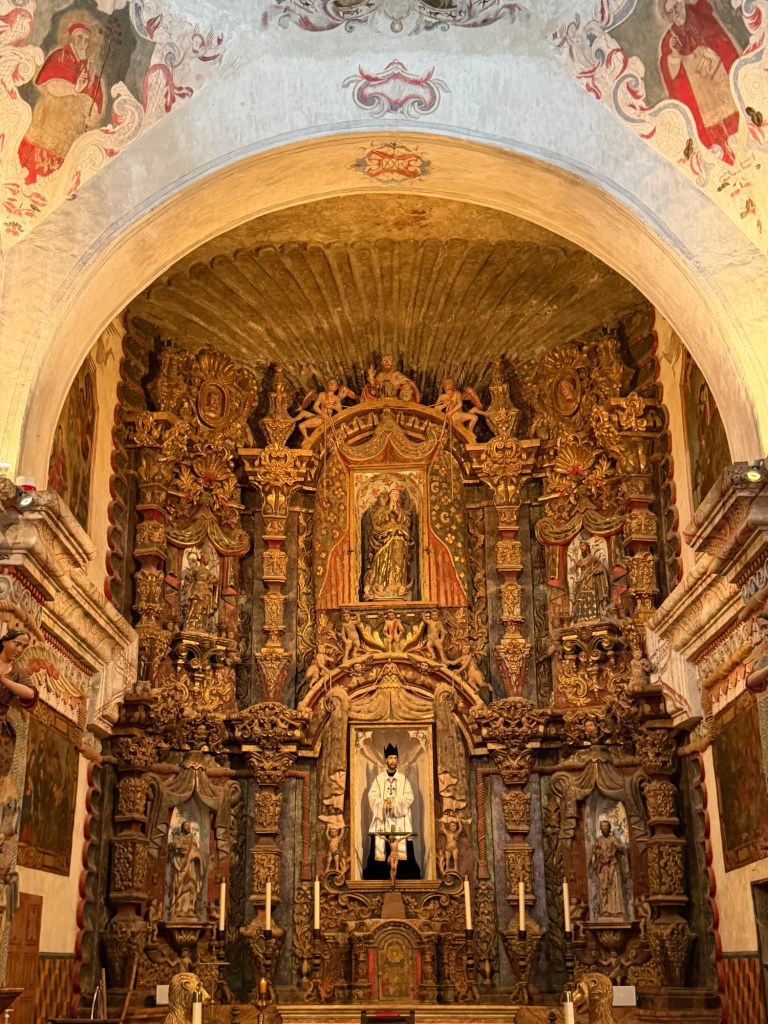
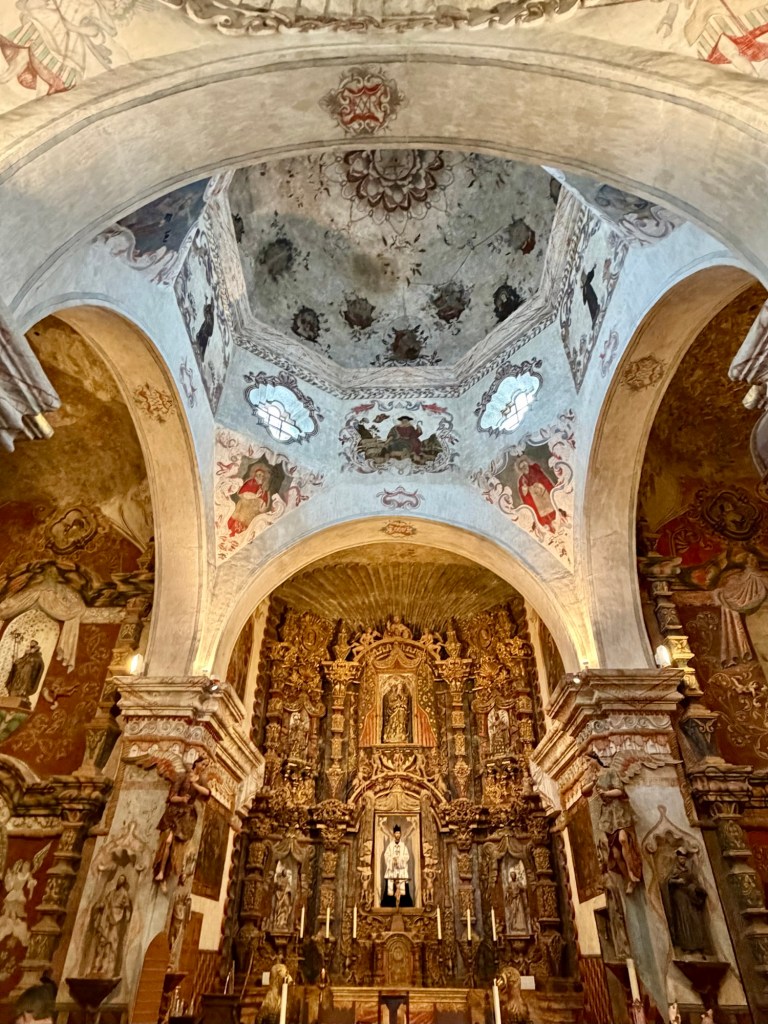
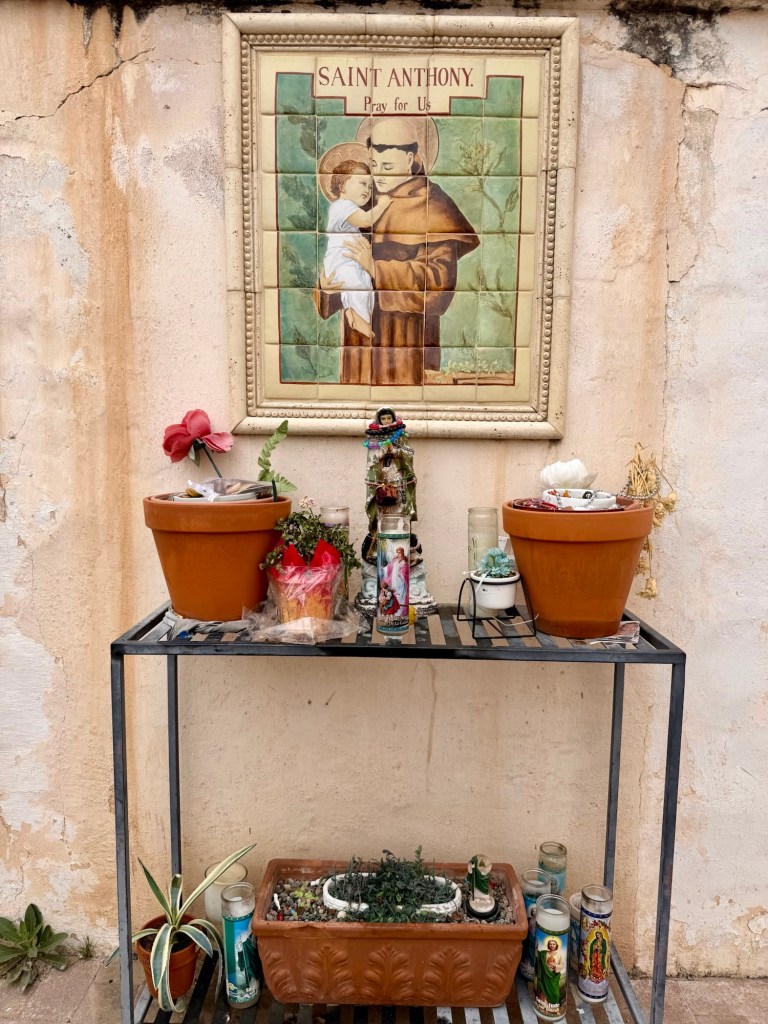
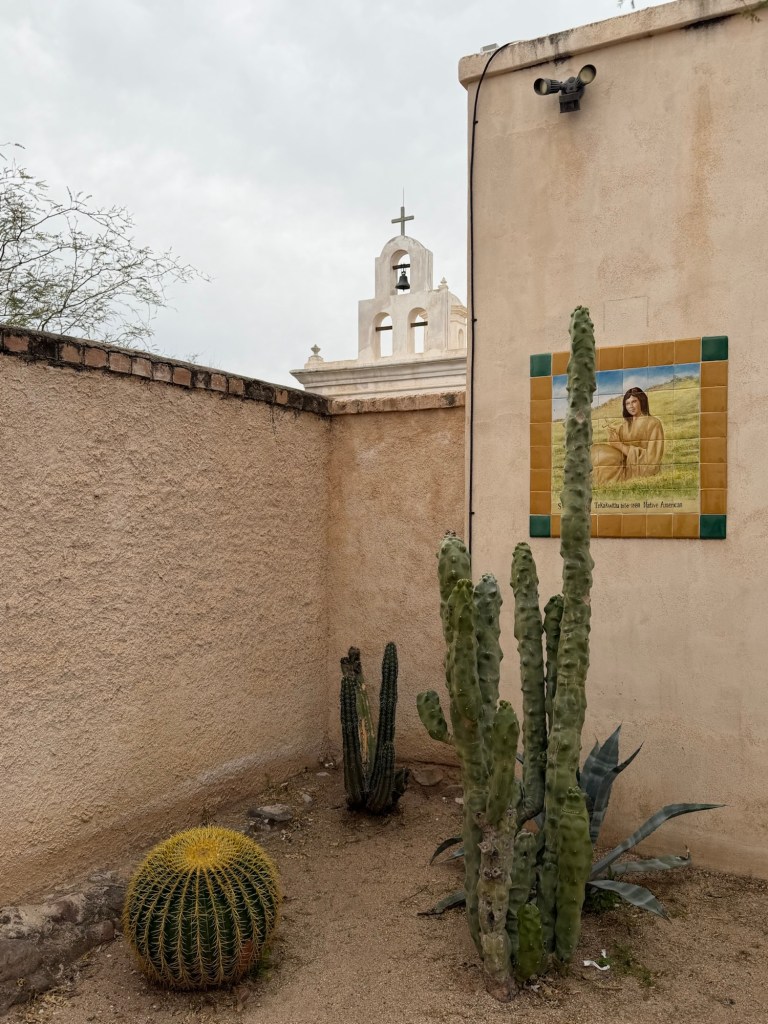
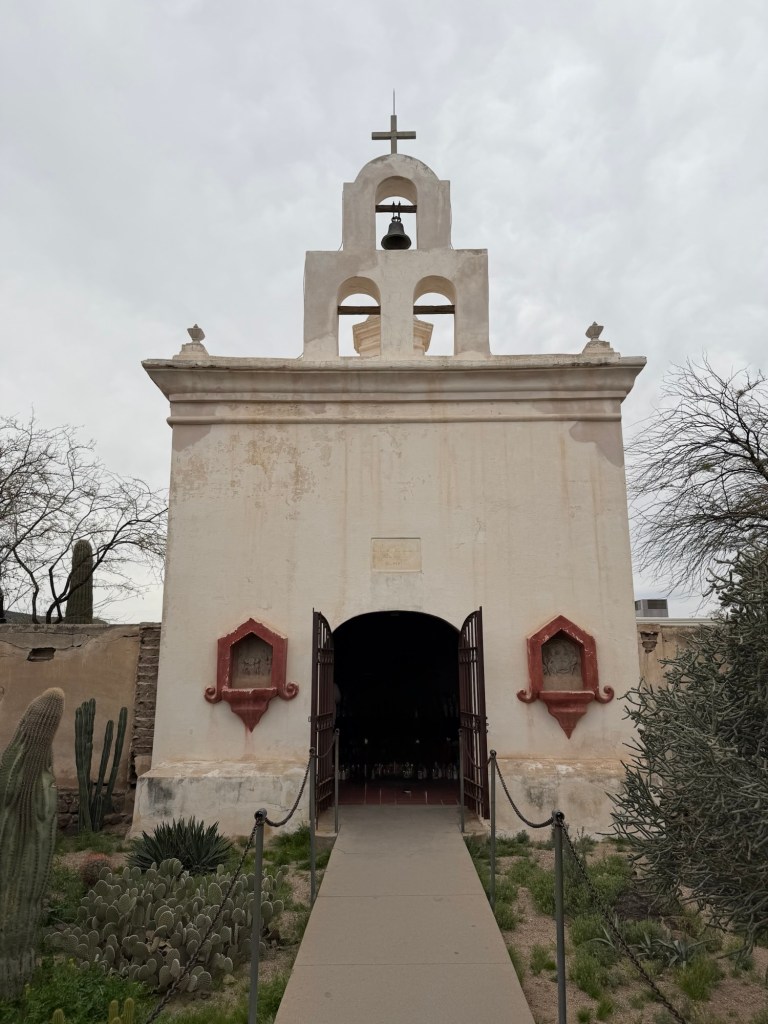
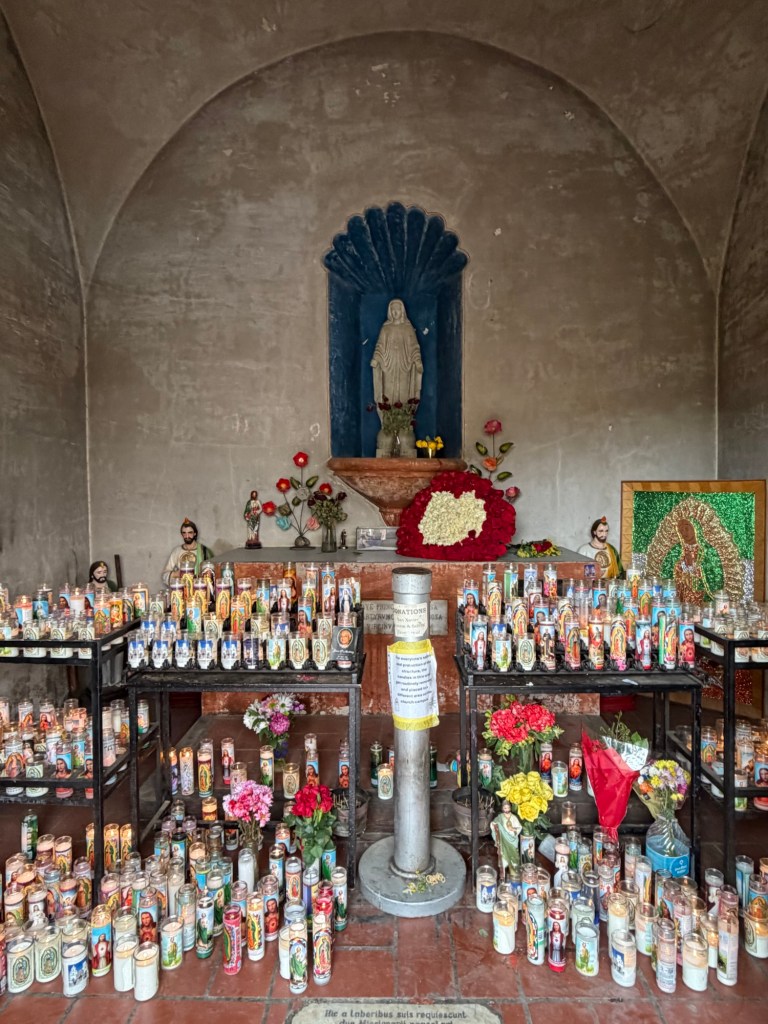
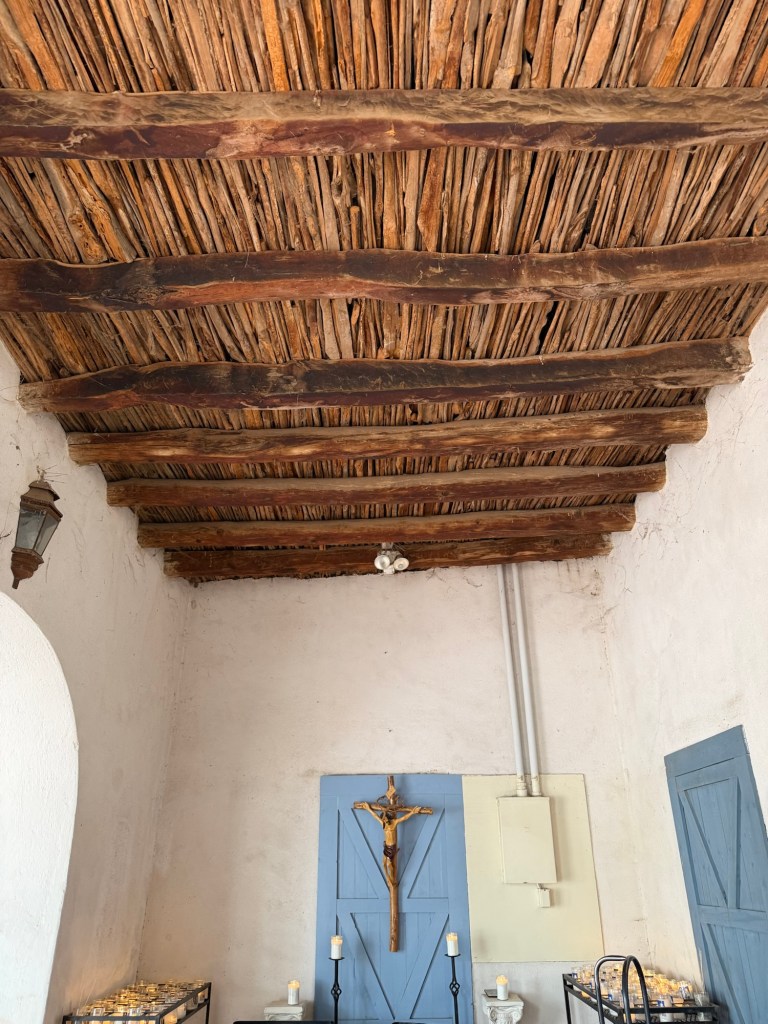
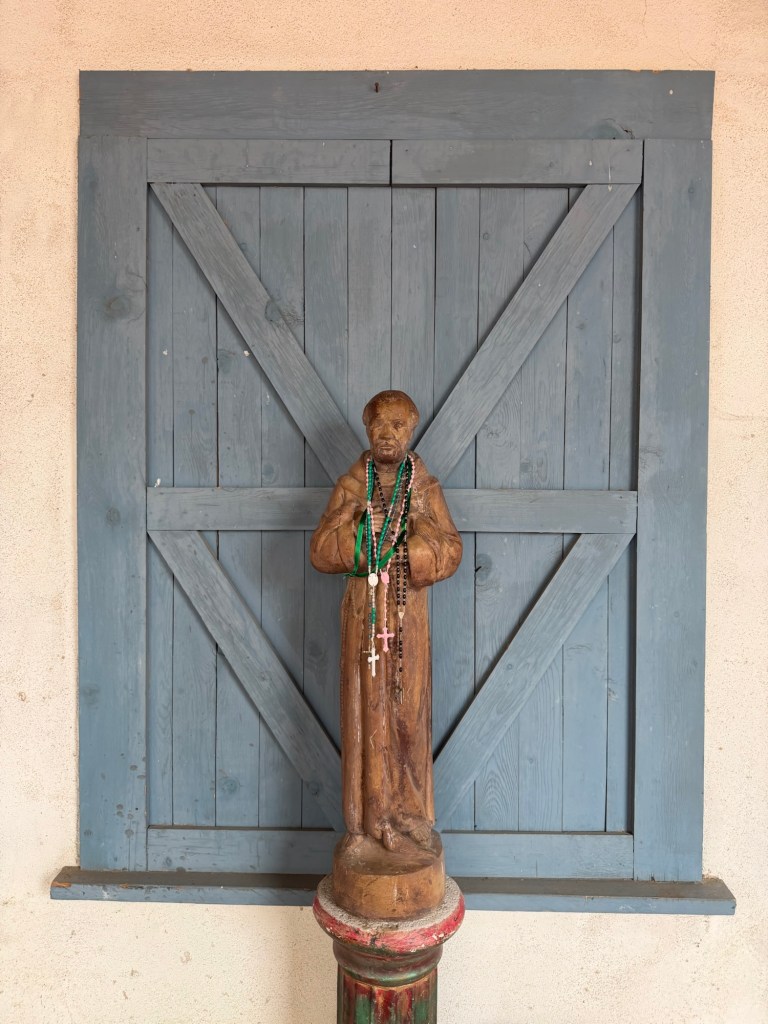
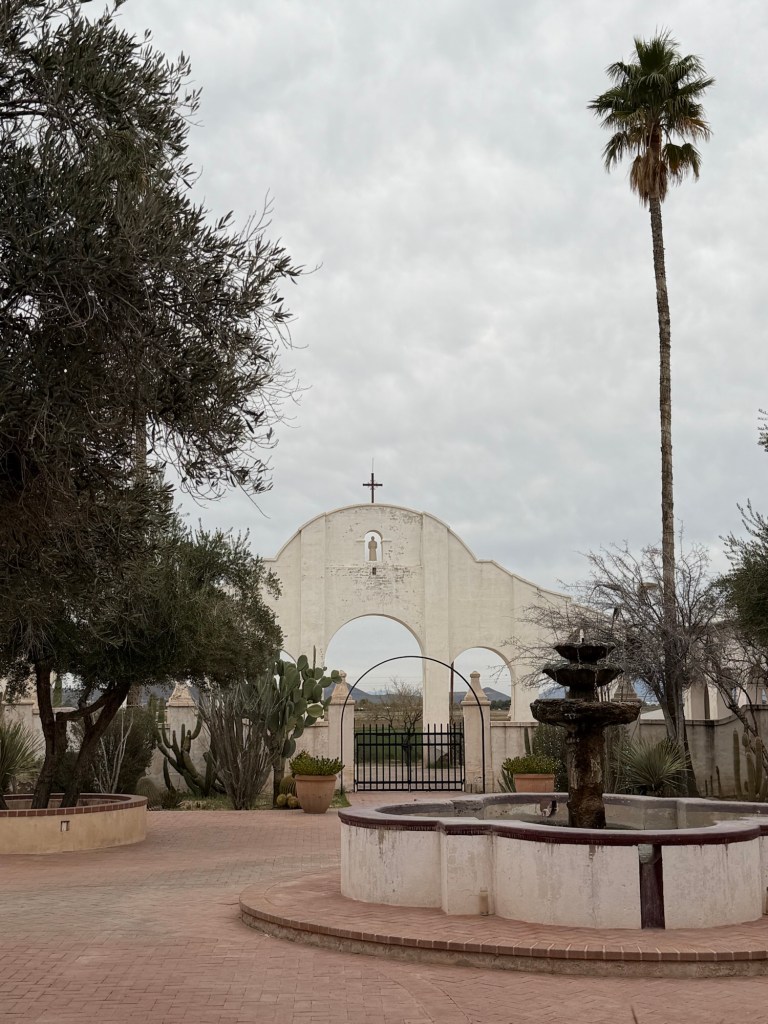
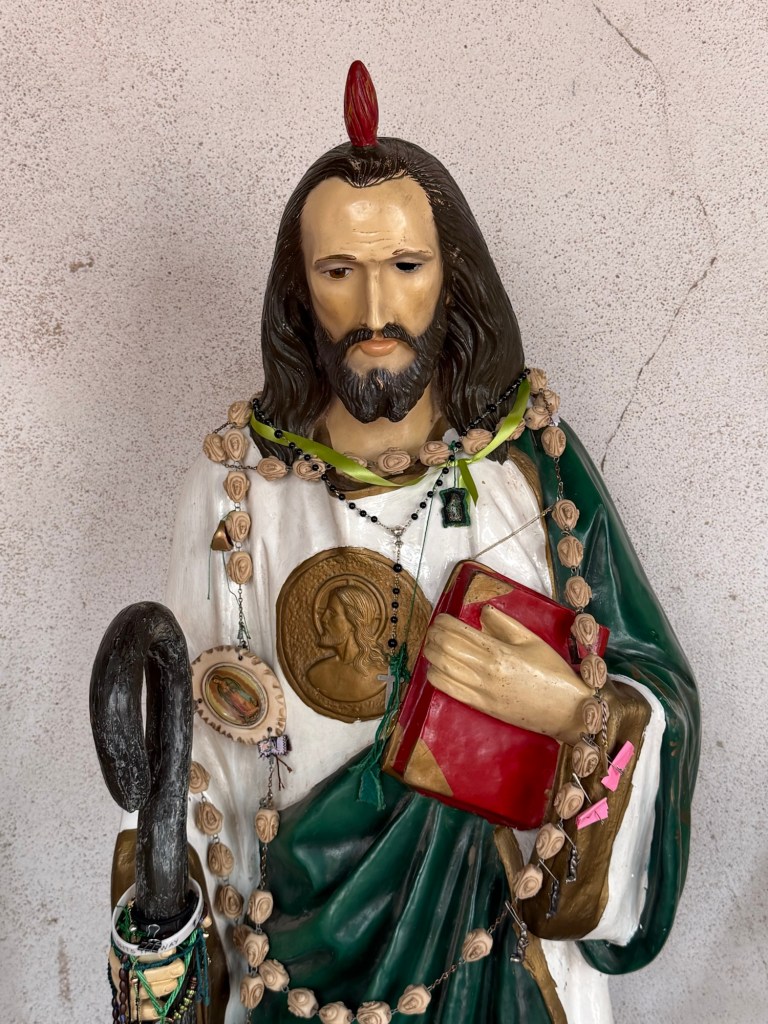
With the afternoon stretching ahead of us and dinner reservations still hours away, we pointed the car southwest toward the San Xavier del Bac Mission, which sits on the Tohono O’odham Nation about nine miles from downtown Tucson. San Xavier is one of the finest examples of Spanish Colonial architecture in the United States, its ornate baroque facade (unfortunately covered for restoration) a complement to the green of the local saguaros. Construction began in the late 1700s, and inside we found murals and carved, painted figures, a modesty lit by candles carrying flickering prayers heavenward. We walked the grounds slowly and quietly, taking in the surrounding desert.

Back at the hotel, cleaned up and pleasantly worn out, we walked to nearby Mercado San Agustín for dinner at Agustín Kitchen, which was exactly what the day called for: seasonal, thoughtful, and local. It was comfort food that tasted like someone cared deeply about our cocktails and our dinner. We lingered. Happily.
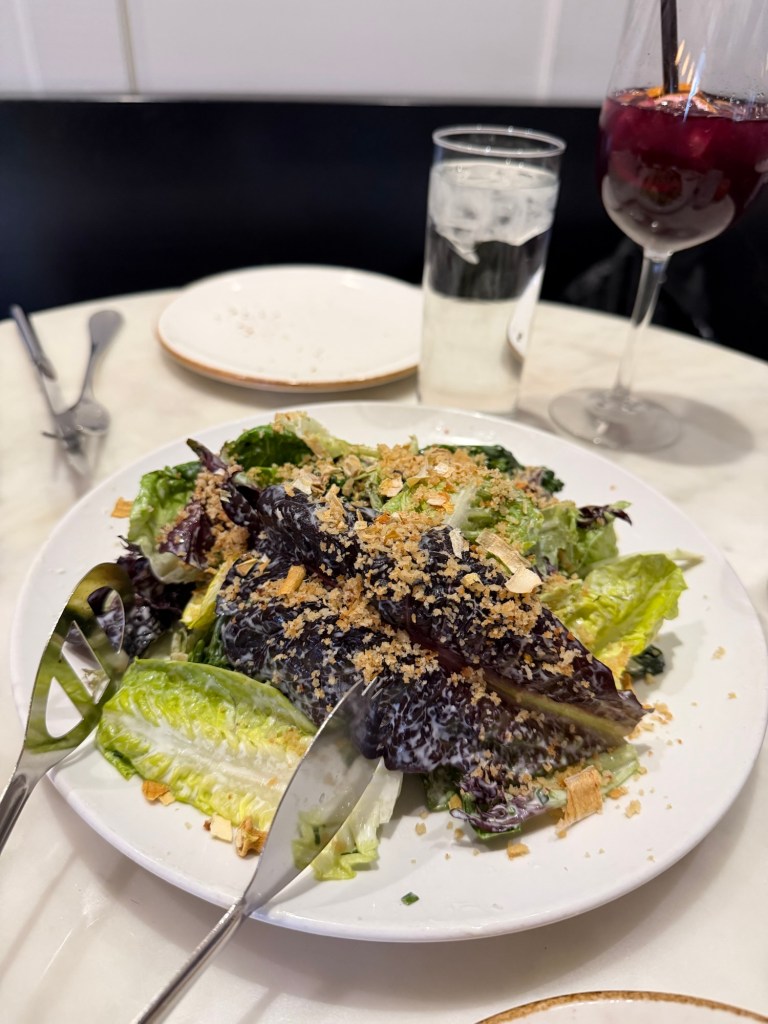
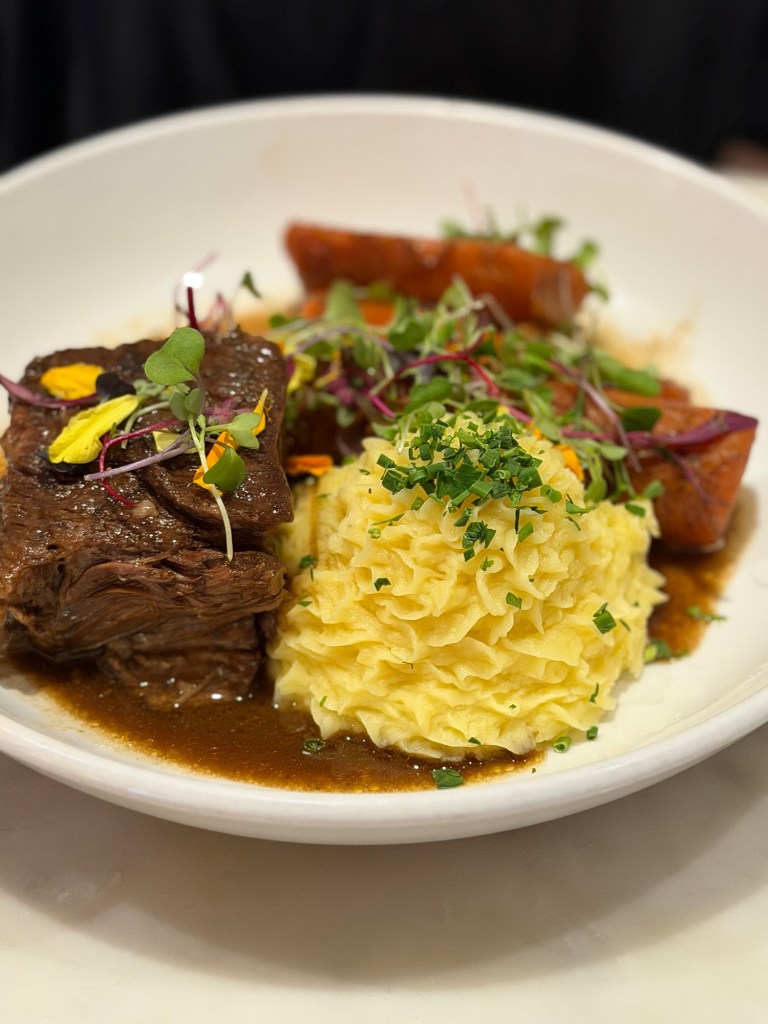
And then we spotted La Estrella Bakery, a Mexican bakery, on the way out. They had pastries weighted with the sweetness of your abuela’s hugs and kisses. We ate some for dessert, but managed to save a few for breakfast the next morning. A sweet ending to a sweet day in Tucson.

 Sabbatikos
Leave a comment