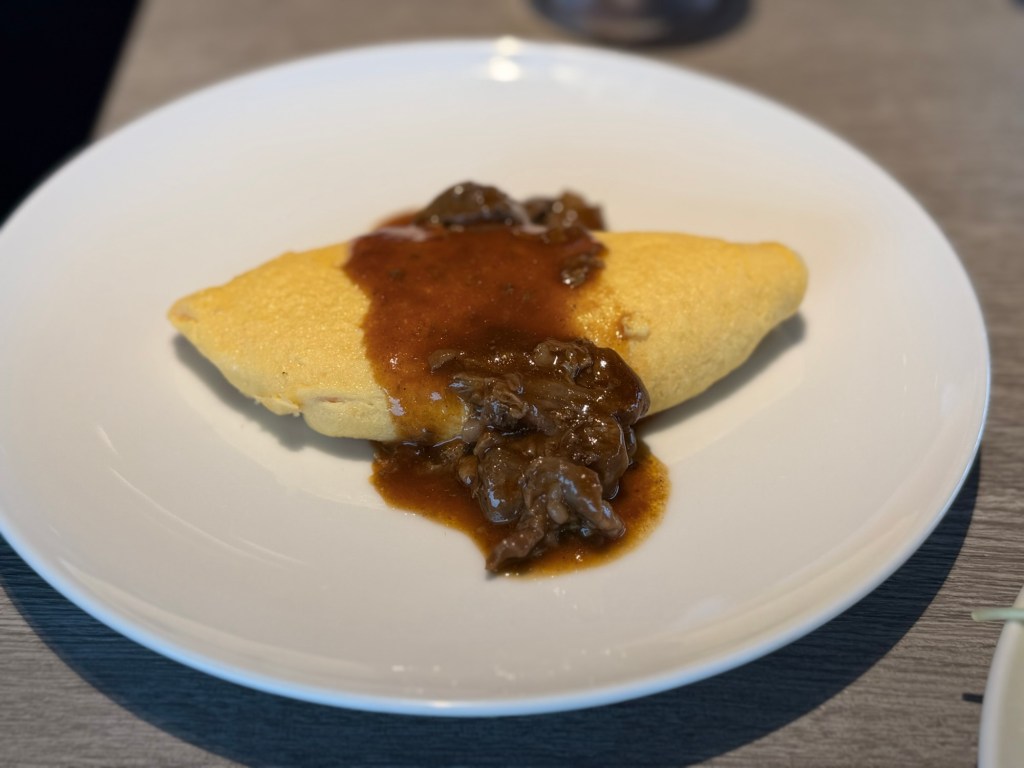
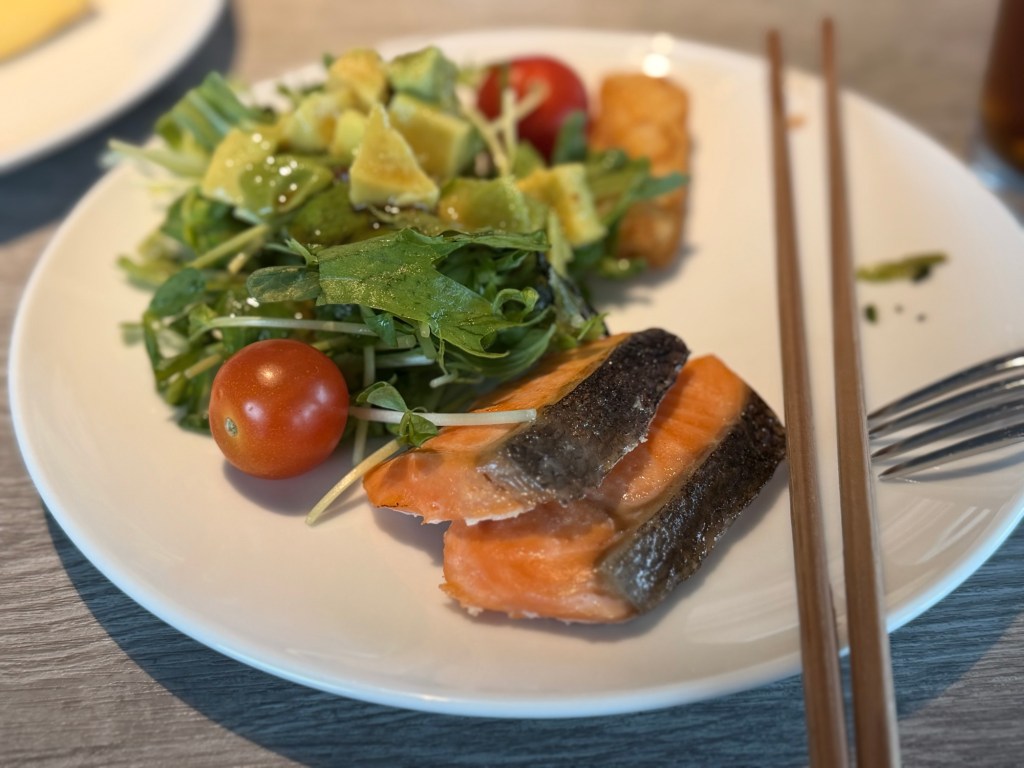
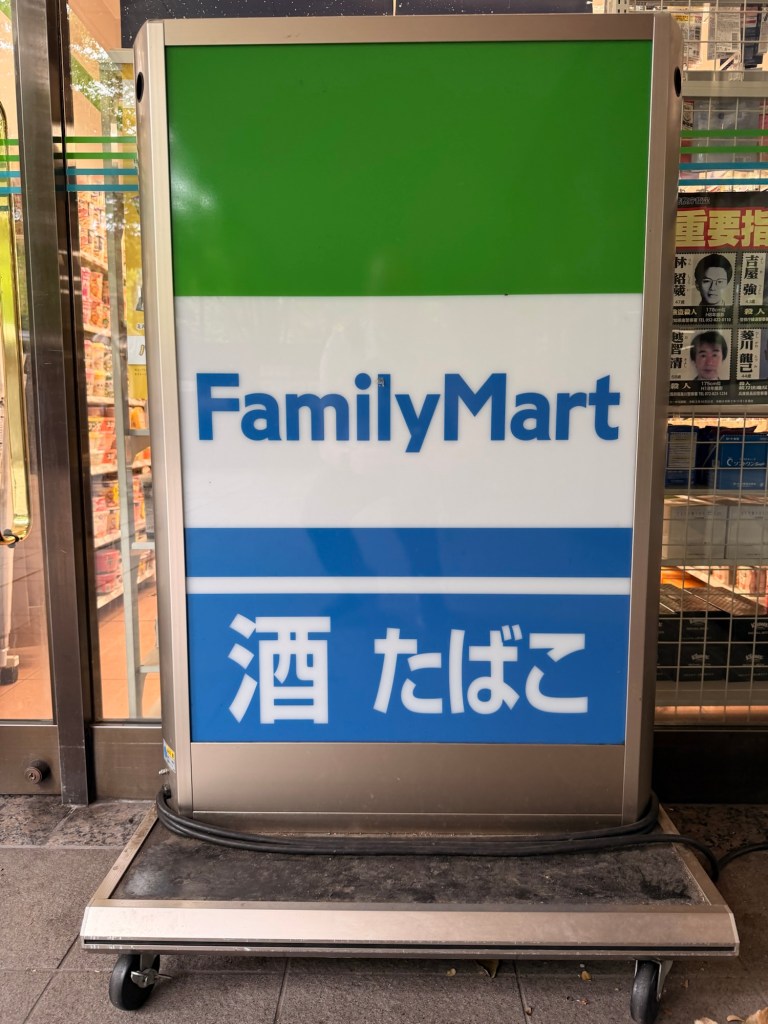
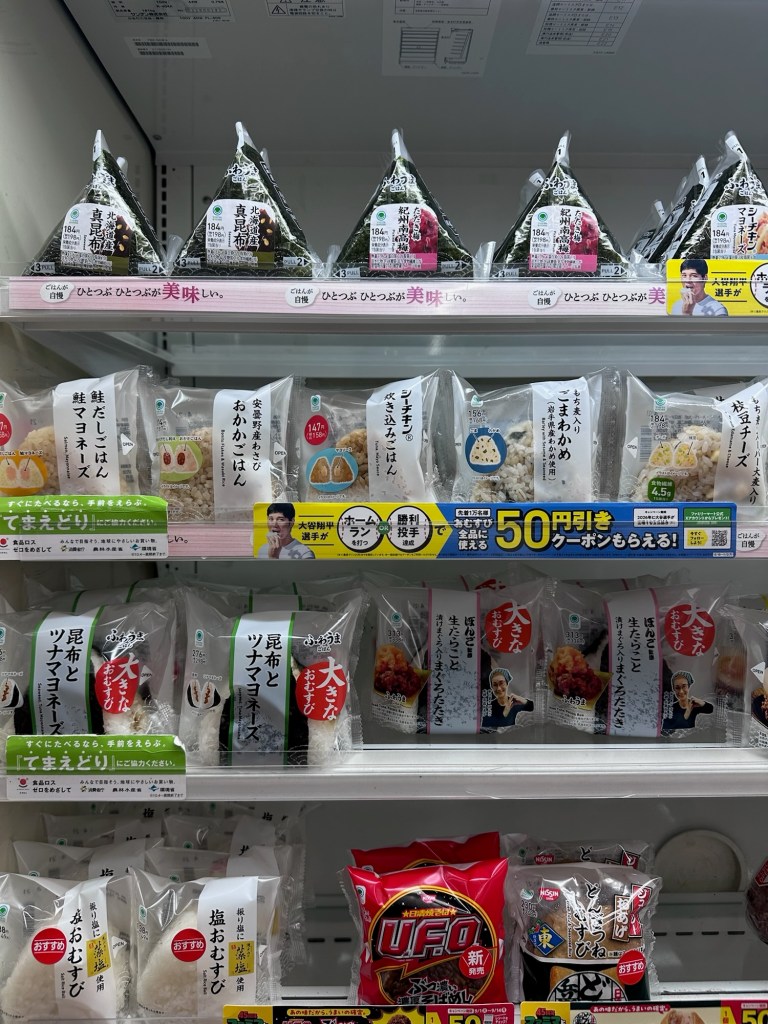
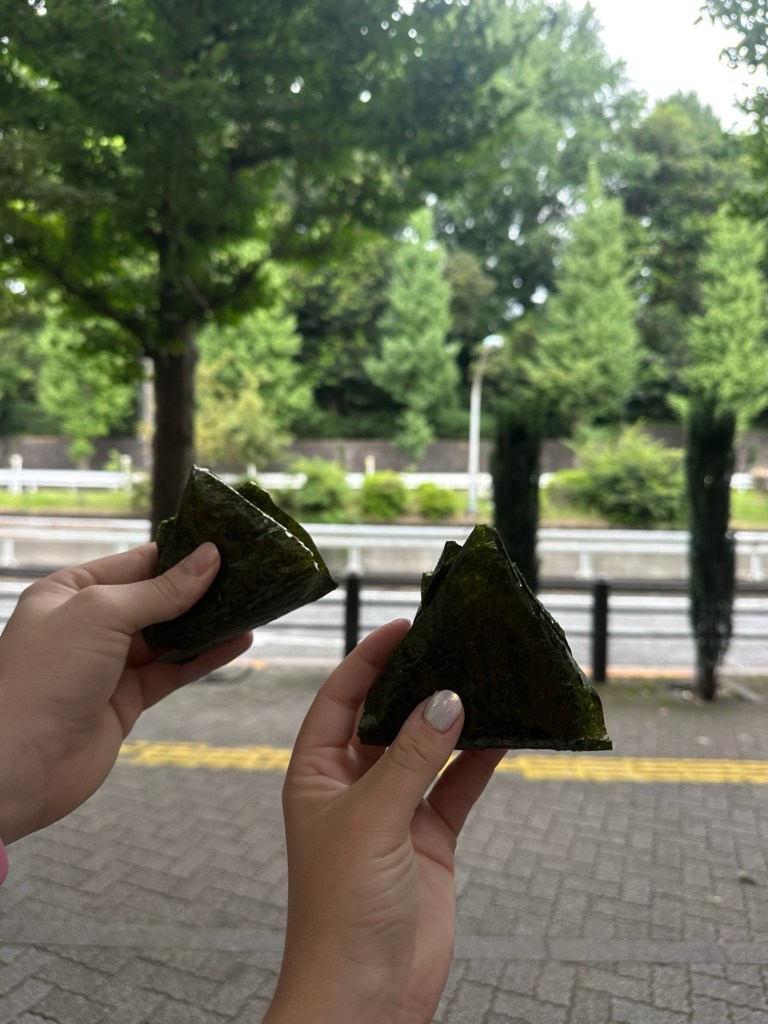
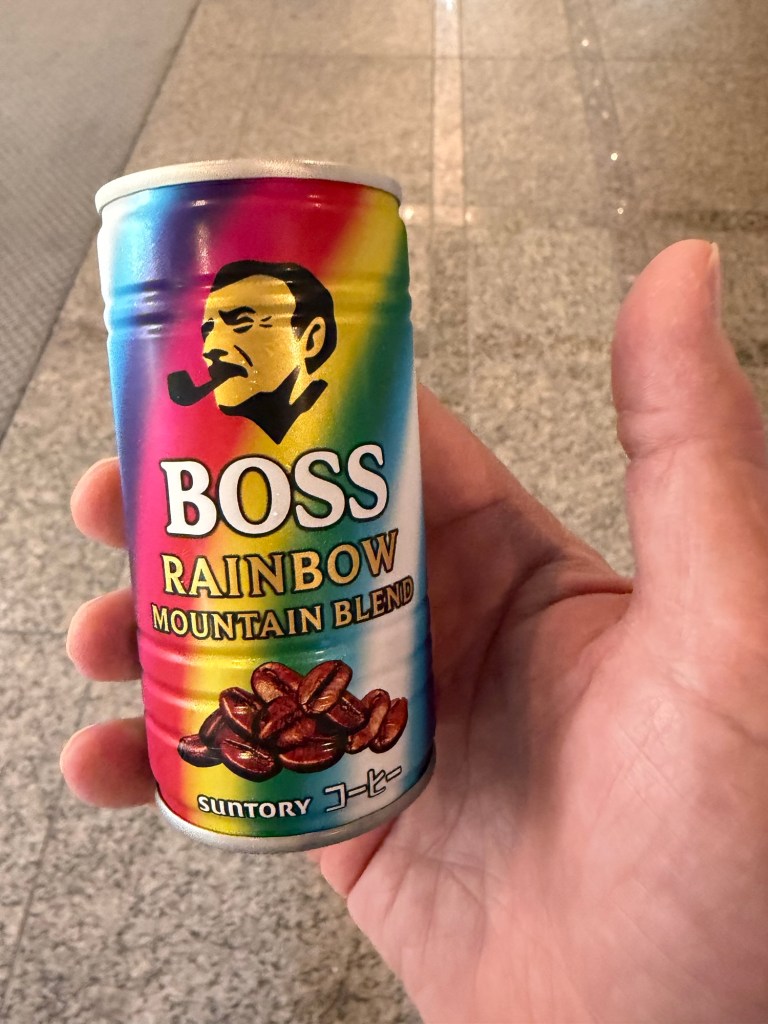
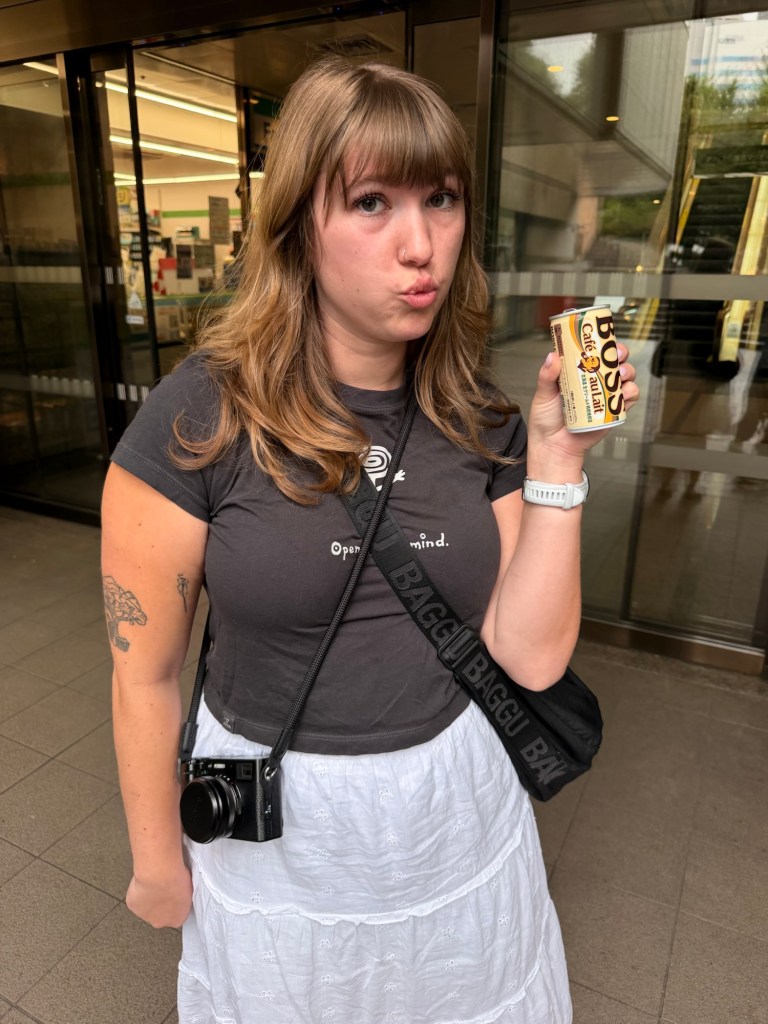
Day two in Tokyo began with a realization that Japan understands breakfast better than we do. At the hotel I discovered the delicate Japanese omurice omelet served with a rich beef stew spooned over the top, which immediately raised the obvious question: why don’t we do this in the United States? It is basically steak and eggs, and it was oishii. While Tawny and I enjoyed hotel breakfast, Clara and Ian opted for an equally Japanese breakfast experience, making a run to FamilyMart for triangular musubi (or onigiri) and cans of Boss Coffee. Everyone was fueled and ready for our second full day in Tokyo.
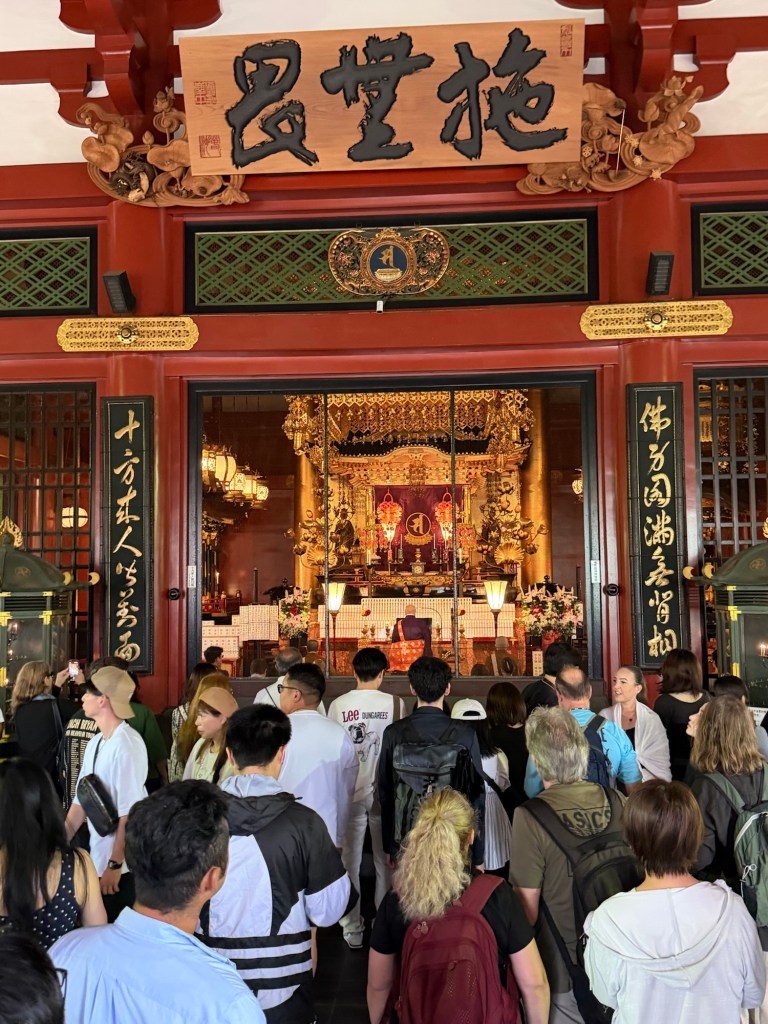
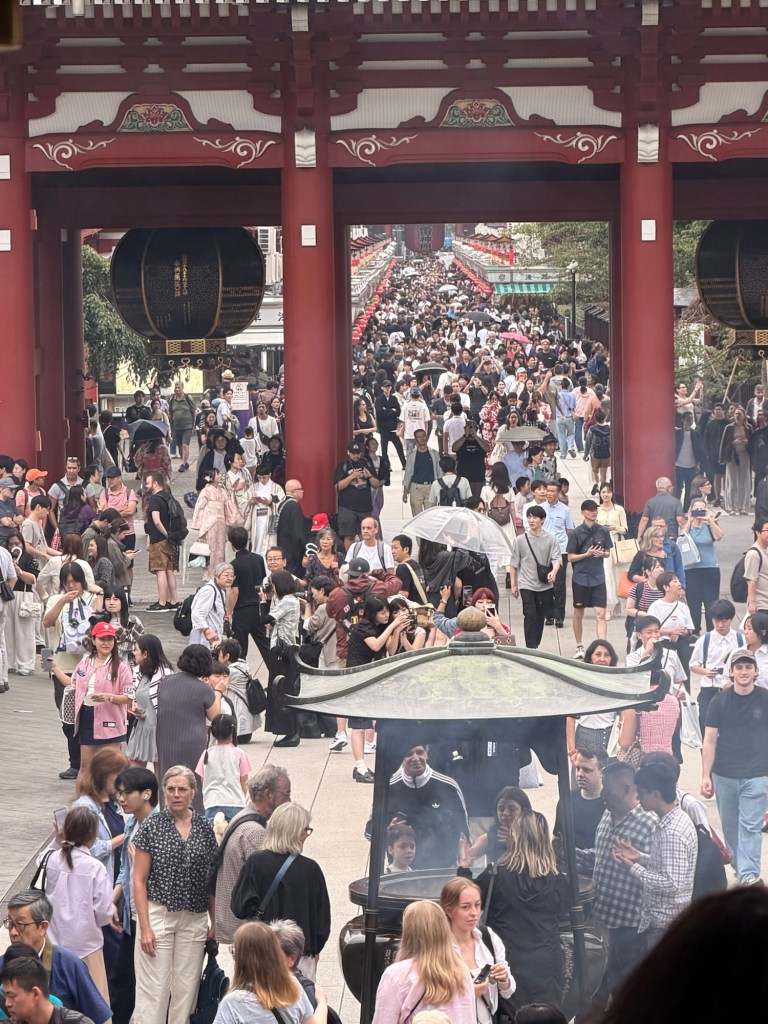
Our first destination was Asakusa, where we wanted to see Sensoji Temple and the neighboring Asakusa Shrine before Saturday crowds swallowed the neighborhood. We caught the train across Tokyo and arrived early enough that Nakamise, the long shopping street leading toward the temple, was still navigable. That advantage lasted only a few minutes. As we made our way toward the enormous temple, people began pouring in behind us, tourists and locals flowing through the market stalls toward the temple. We briefly poked our heads into shops selling sweets, souvenirs, fans, chopsticks, toys, but the human tide was building quickly and we decided it was better to stay ahead of it.
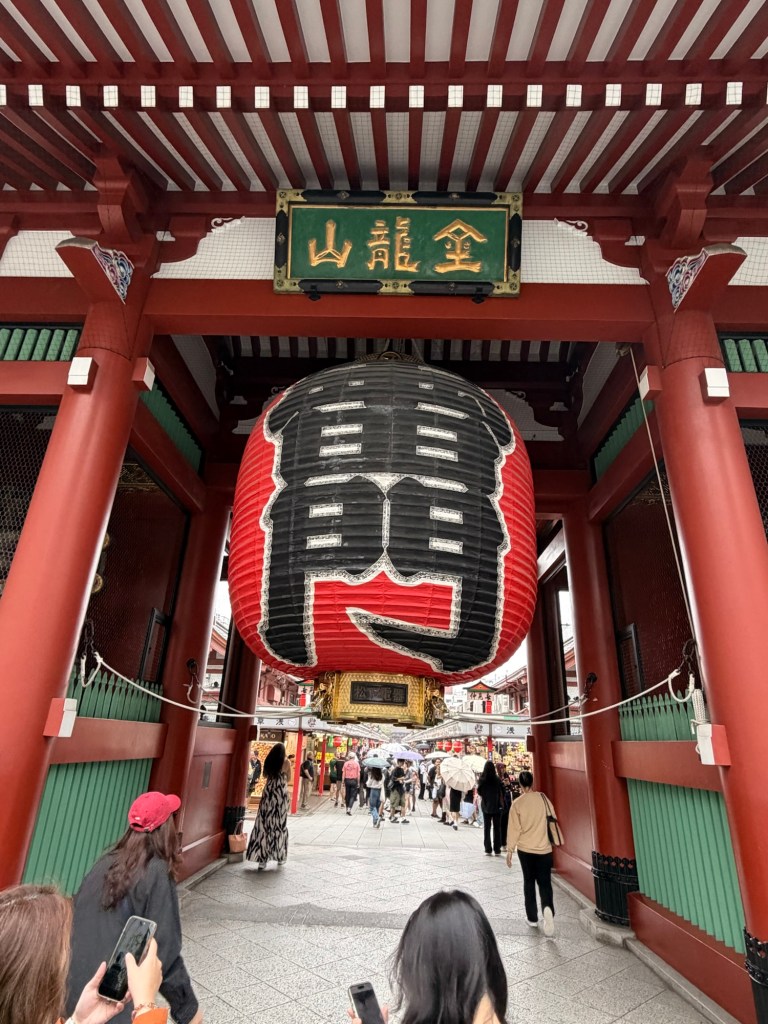
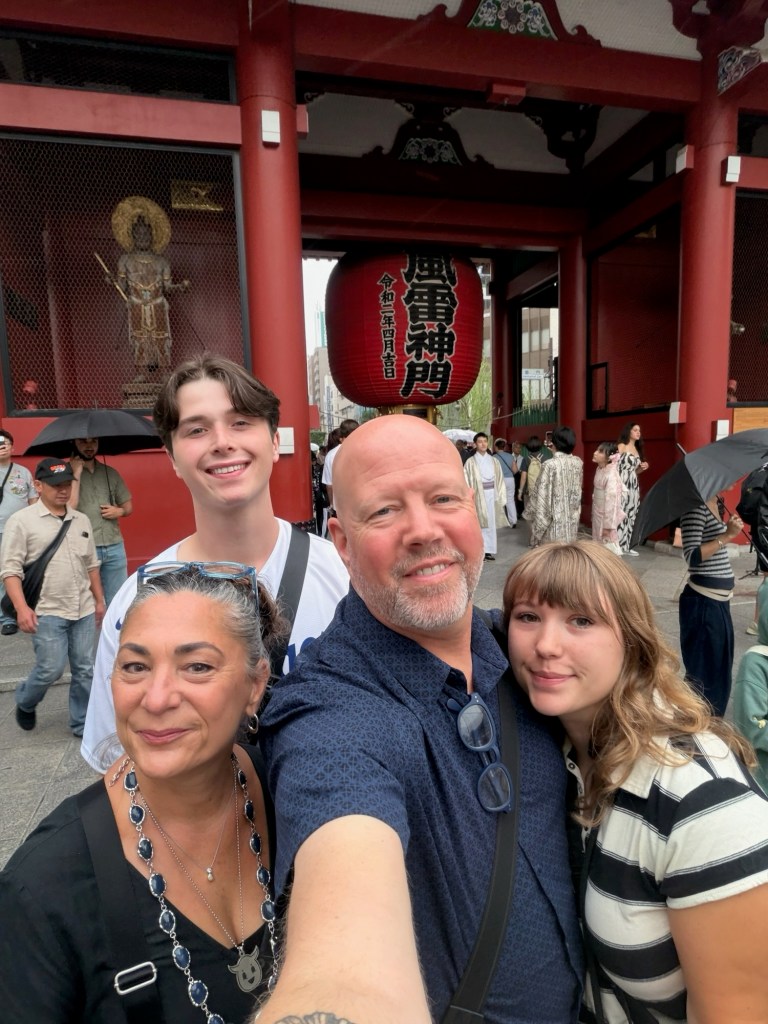
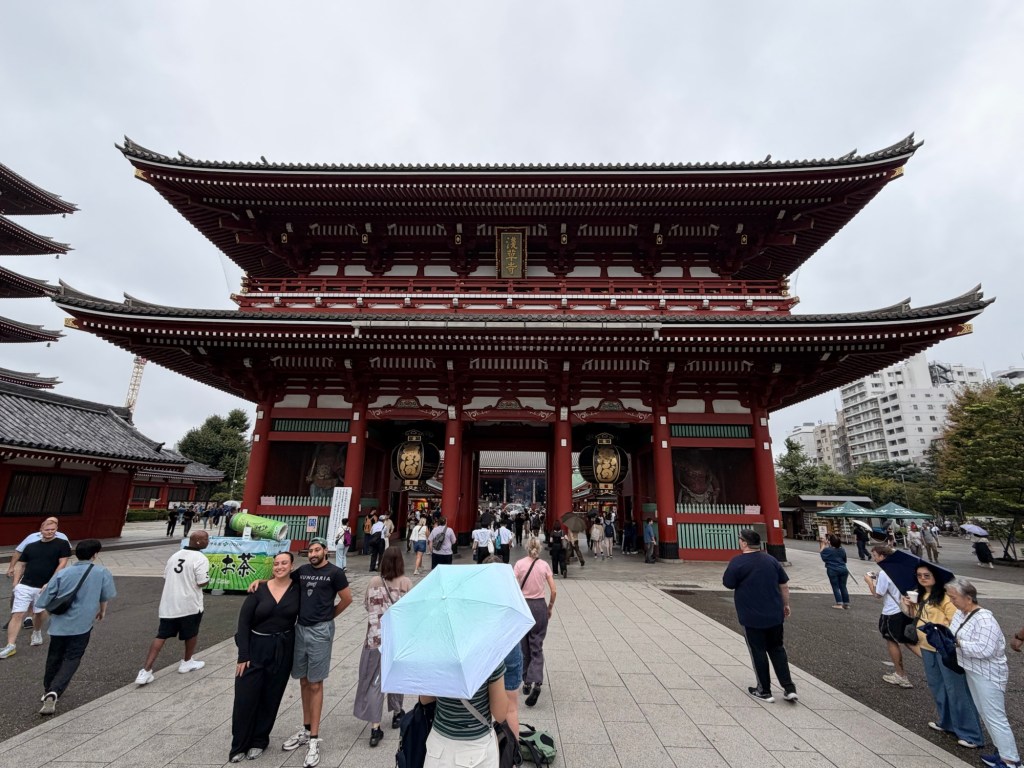
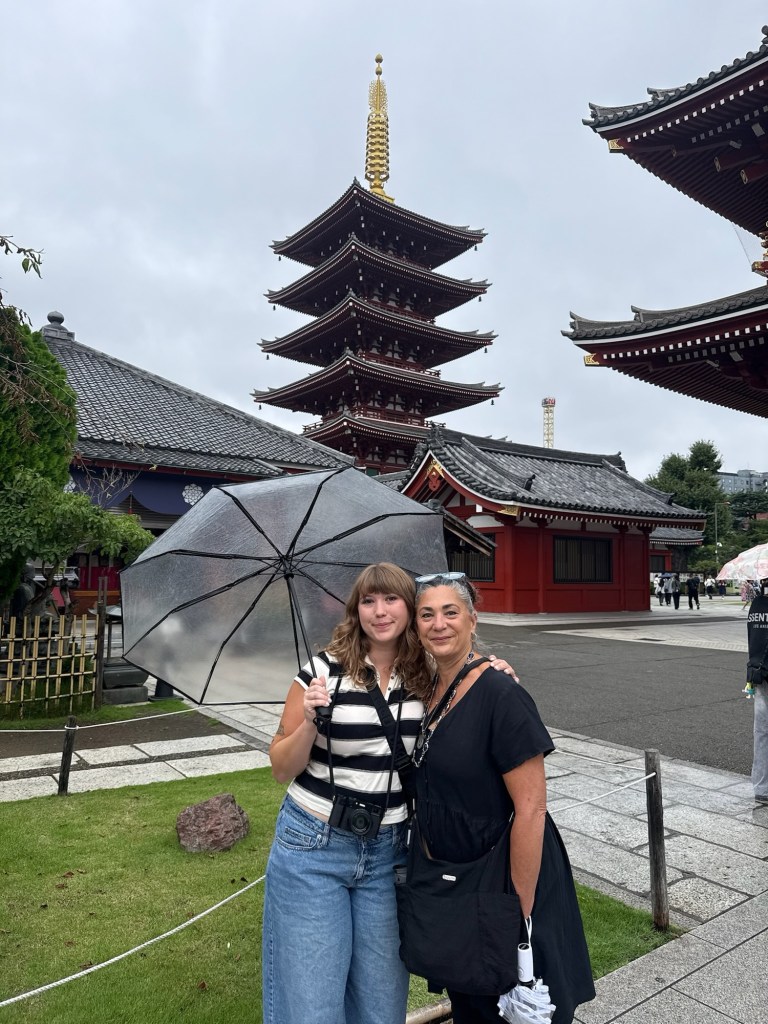
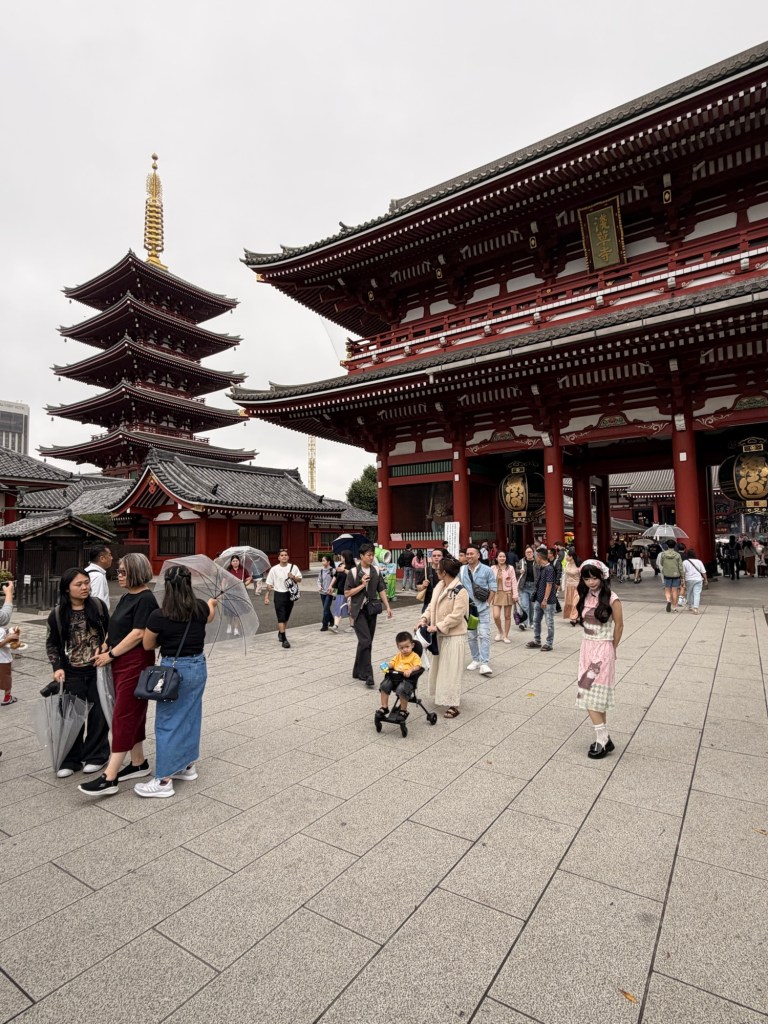
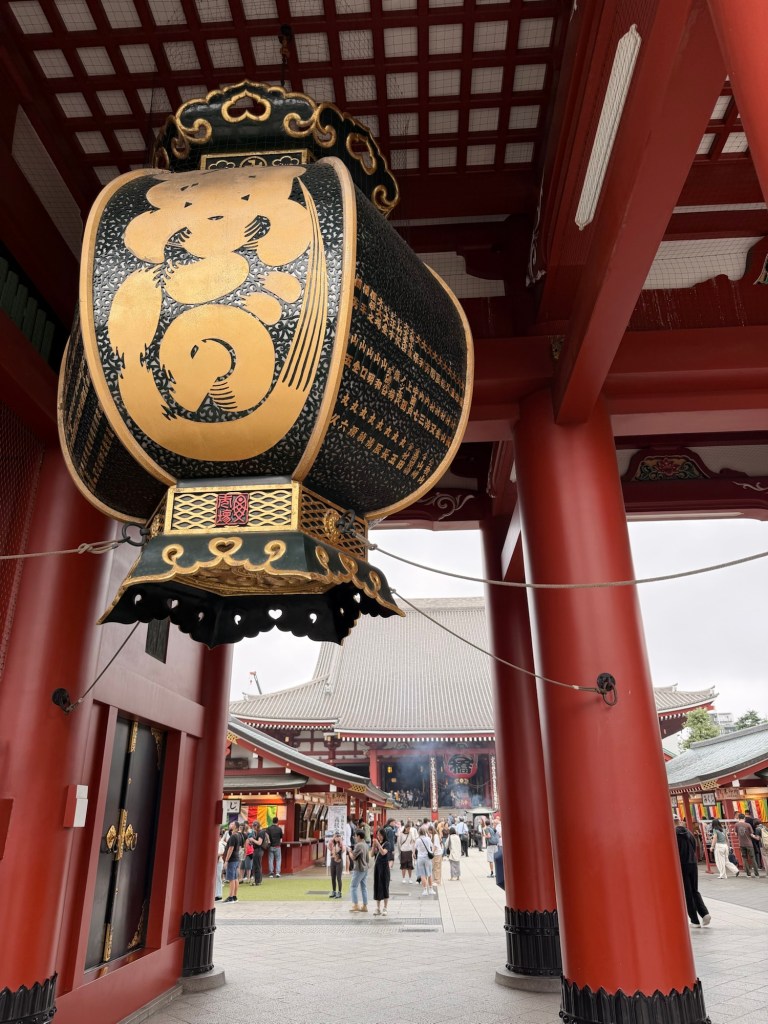
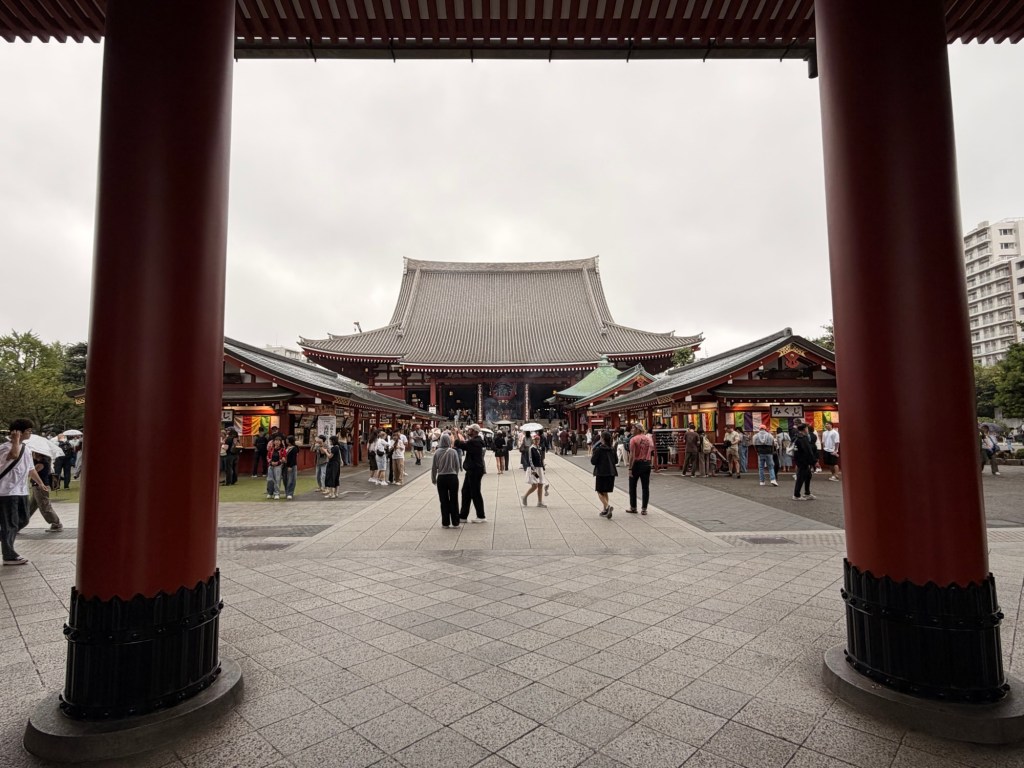
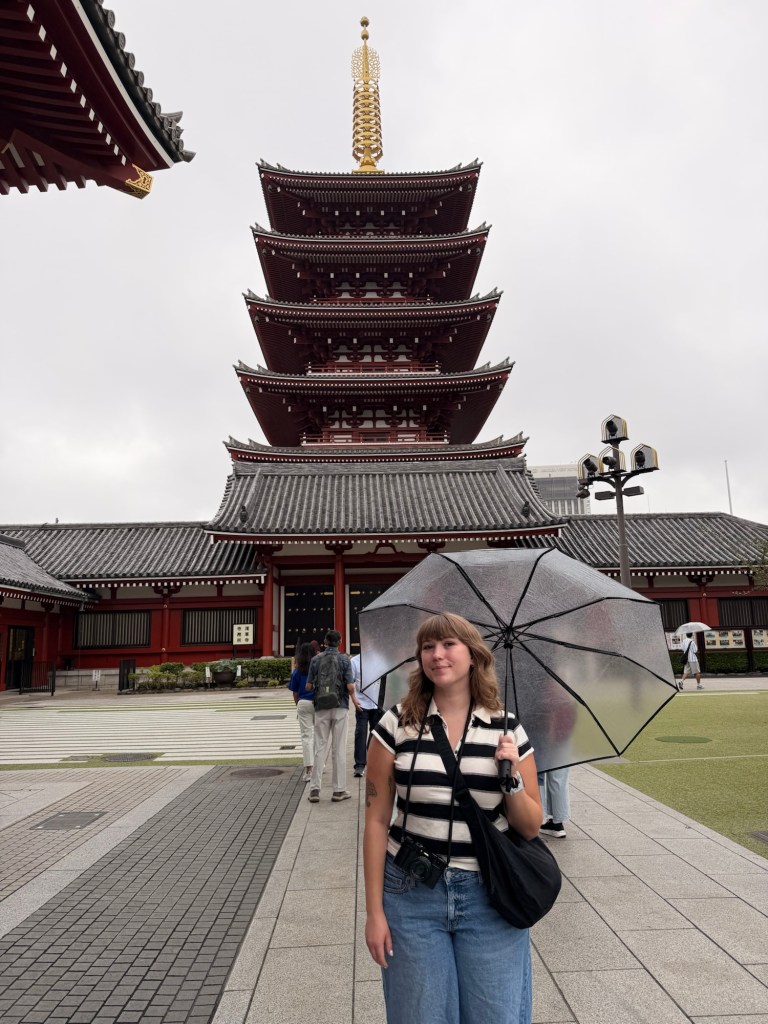
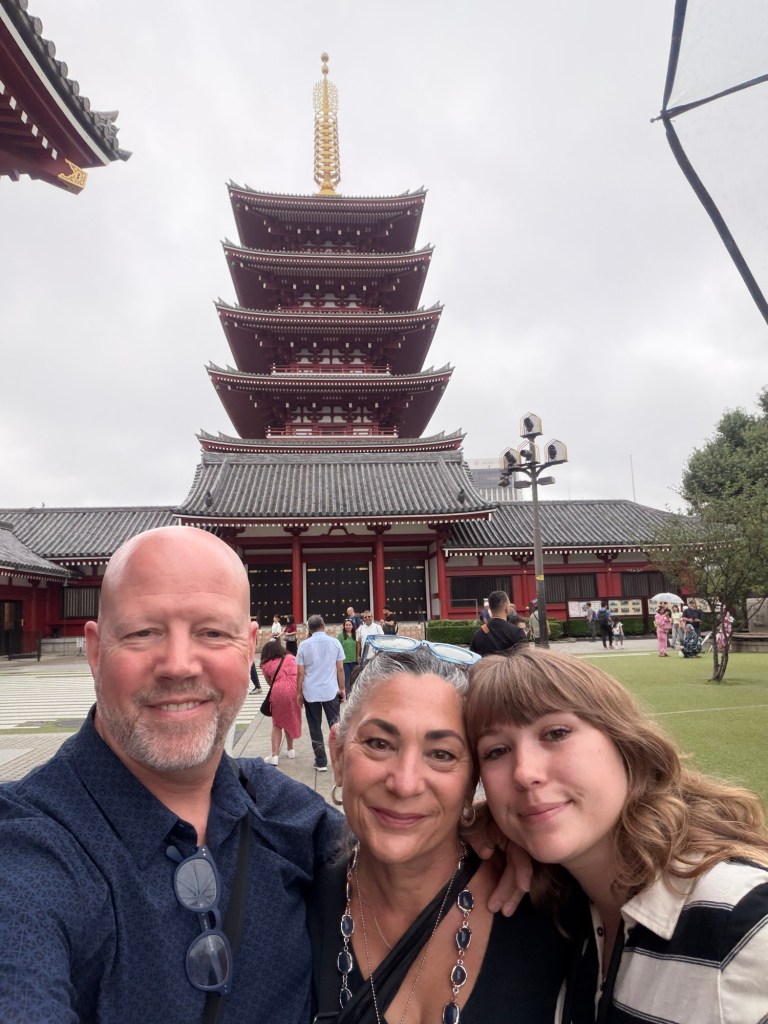
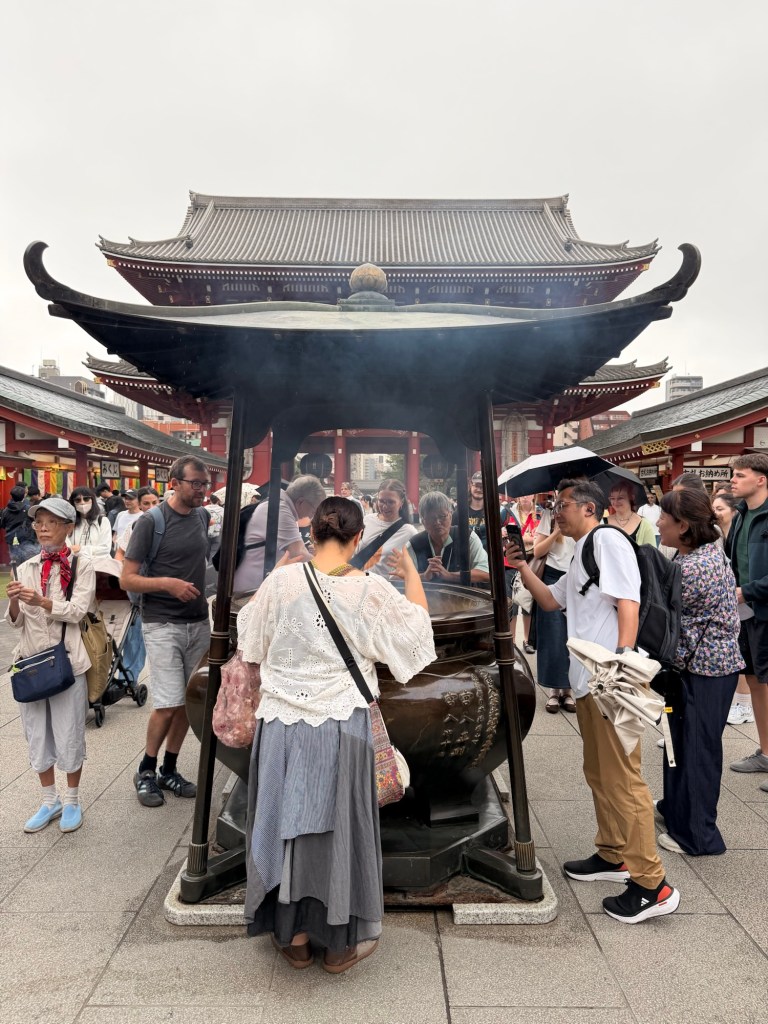
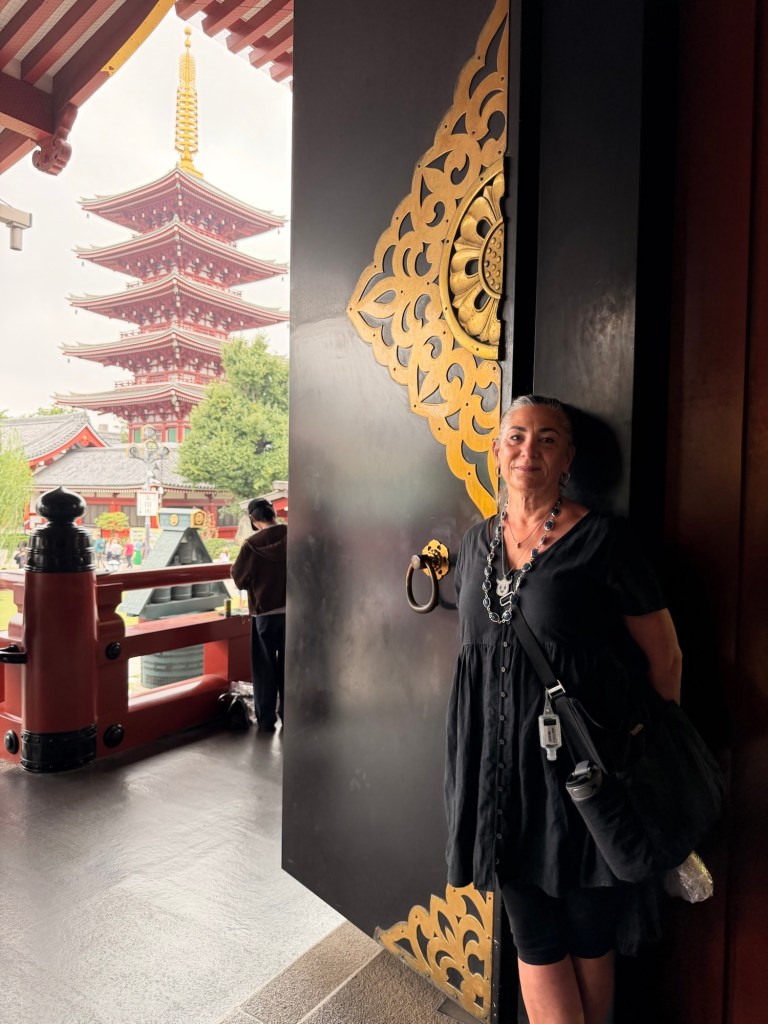
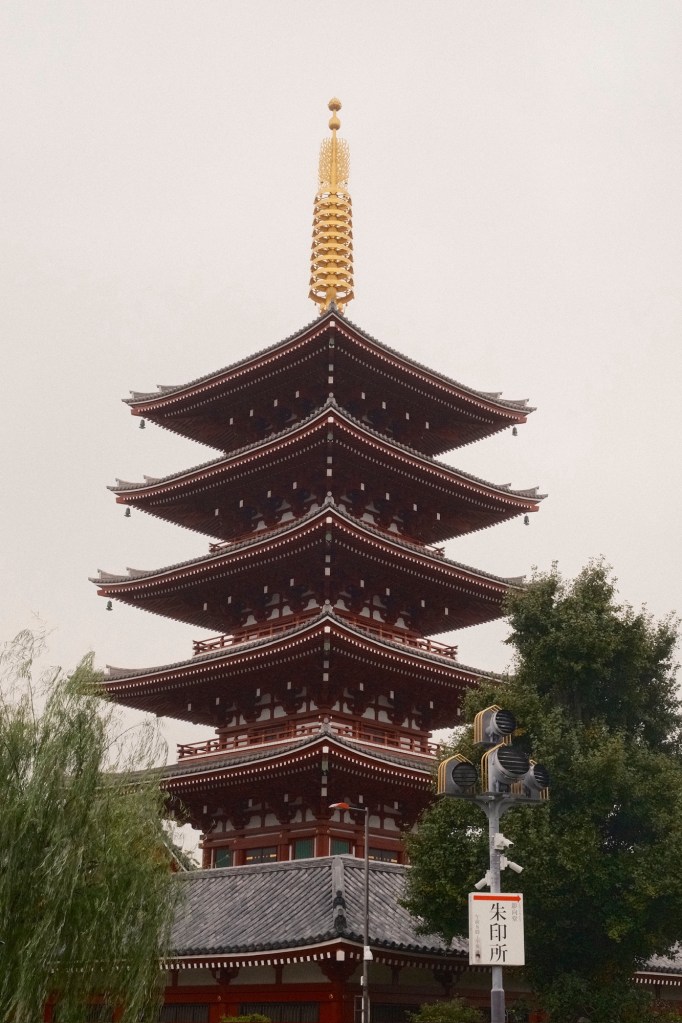
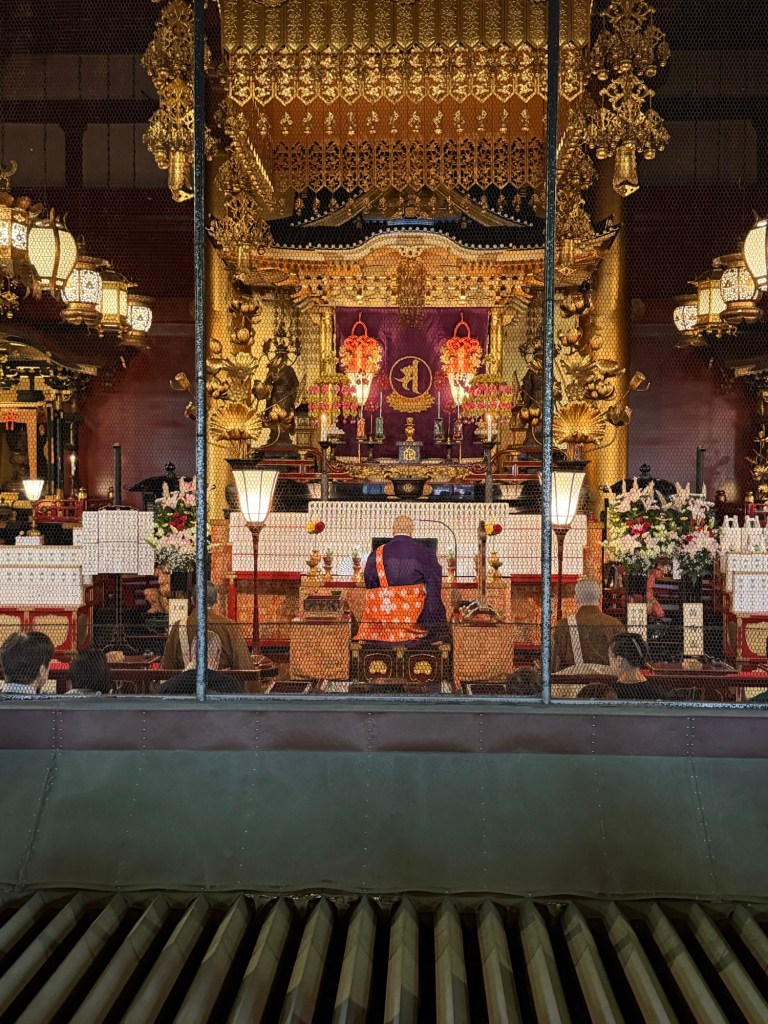
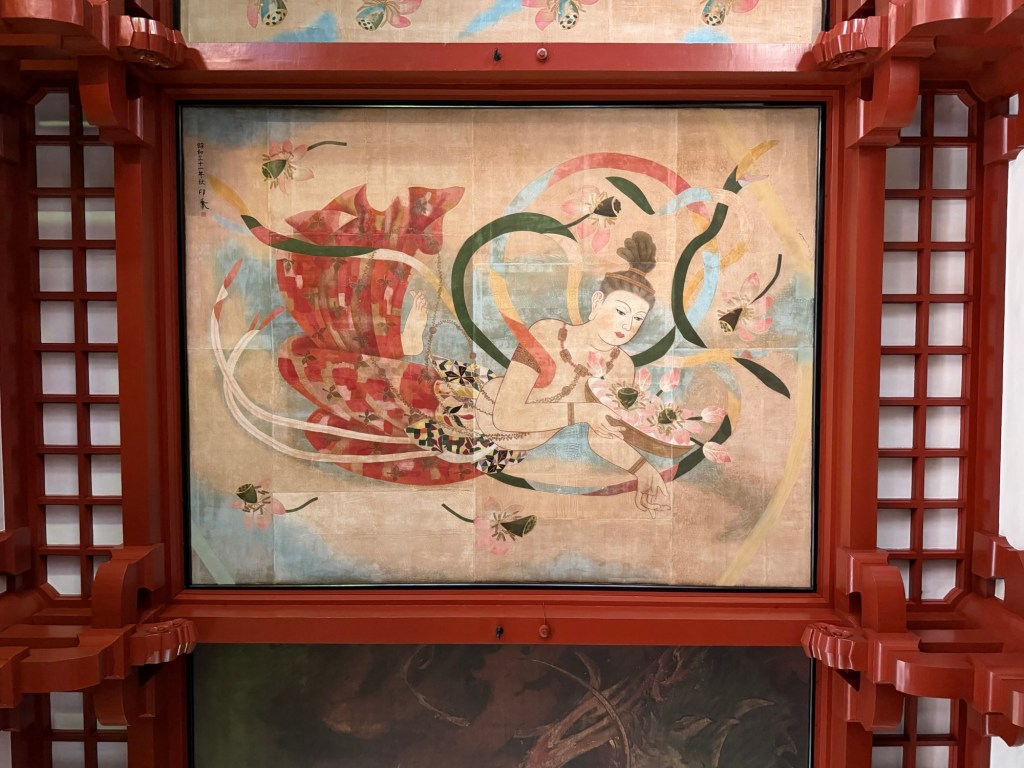
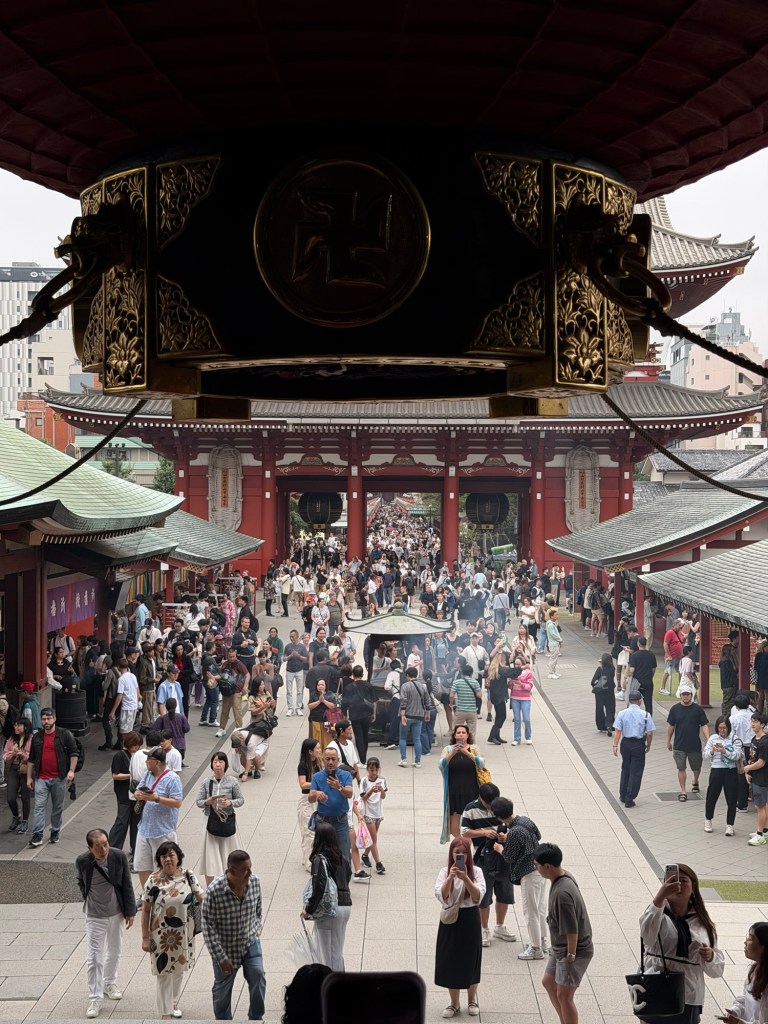
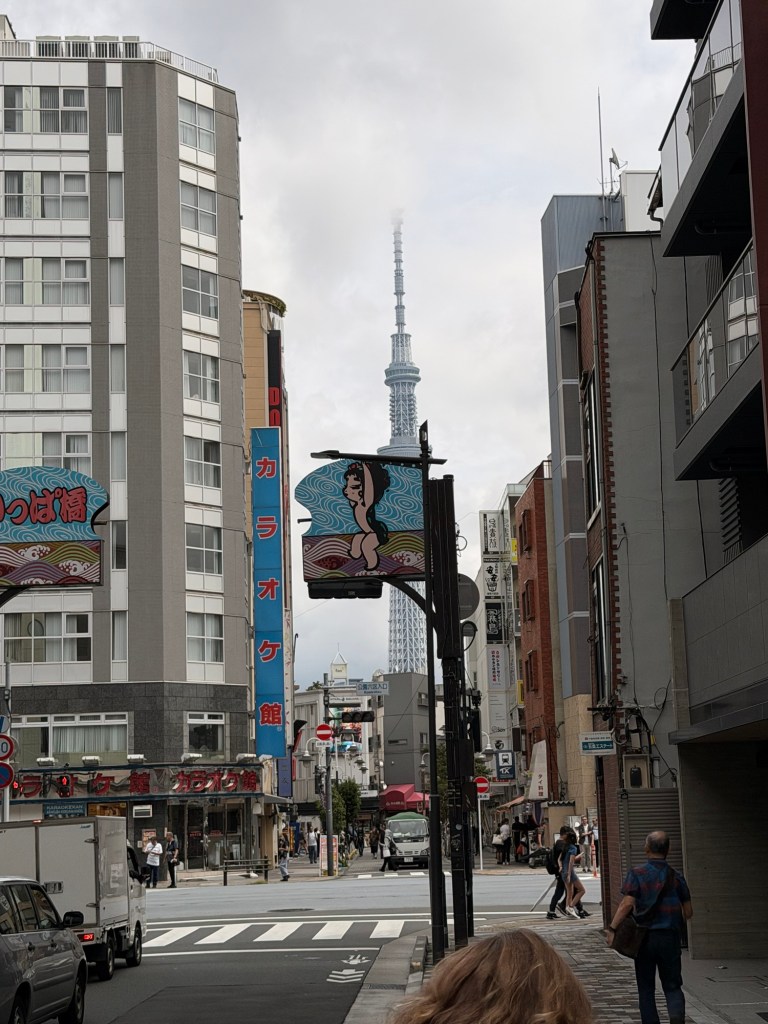
Beyond the market, the scale of Sensoji finally opened up around us. The pagoda with its five stories rose above the temple grounds, incense smoke drifted through the crowds and beckoned you towards it, and worshippers moved toward the main hall while an ever growing flow of people continued arriving through Nakamise behind us. Sensoji was both beautiful and imposing. By late morning the entire area had reached a tourist tipping point. Rather than fight our way back through the market, we slipped out one of the side streets and almost accidentally wandered into an entirely different part of Tokyo.
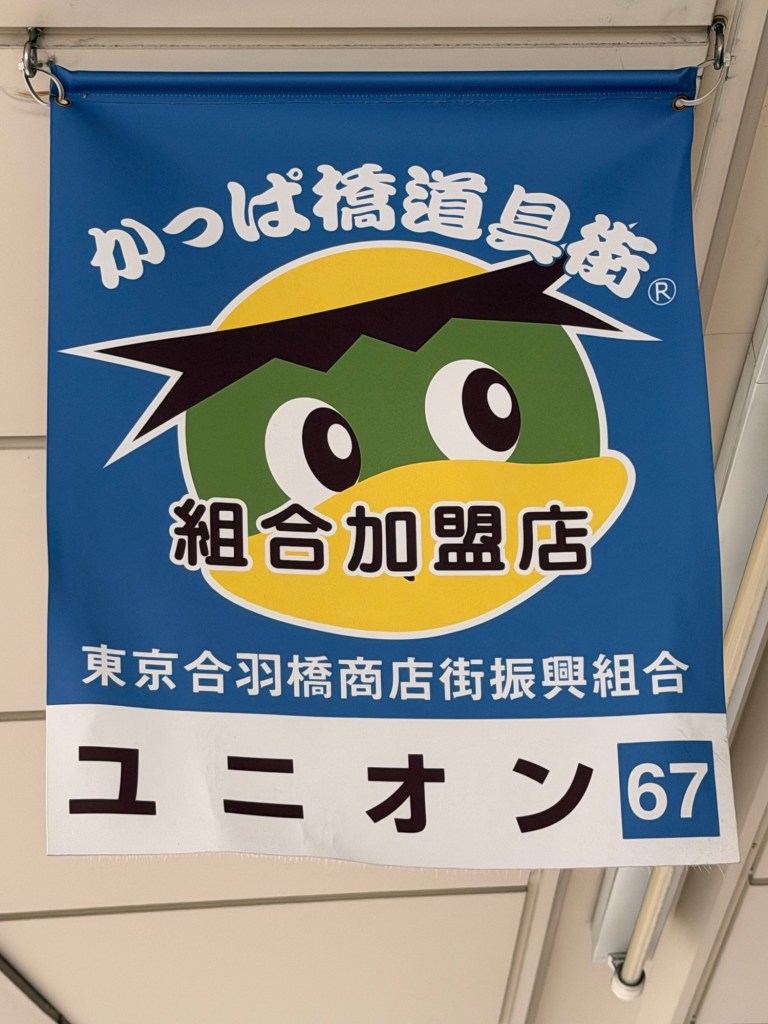
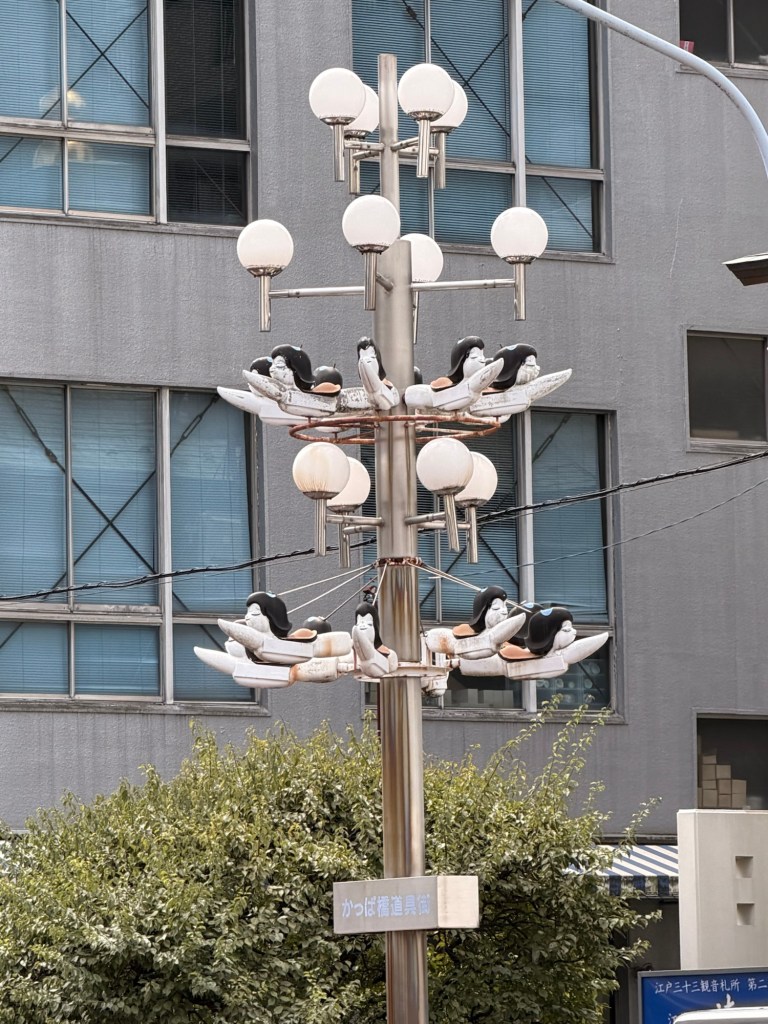
This was Kappabashi-dori, Tokyo’s famous kitchen district, and suddenly we had gone from Buddhist temples and souvenir shops to blocks of stores selling almost everything imaginable for a Japanese restaurant or kitchen. There were ceramics, bowls, plates, cups, teapots, sake decanters, glassware, cooking utensils, and restaurant supplies. We began picking up a few things here and there, a plate, some cups, some glassware, each purchase individually reasonable. Then we discovered the knife stores.
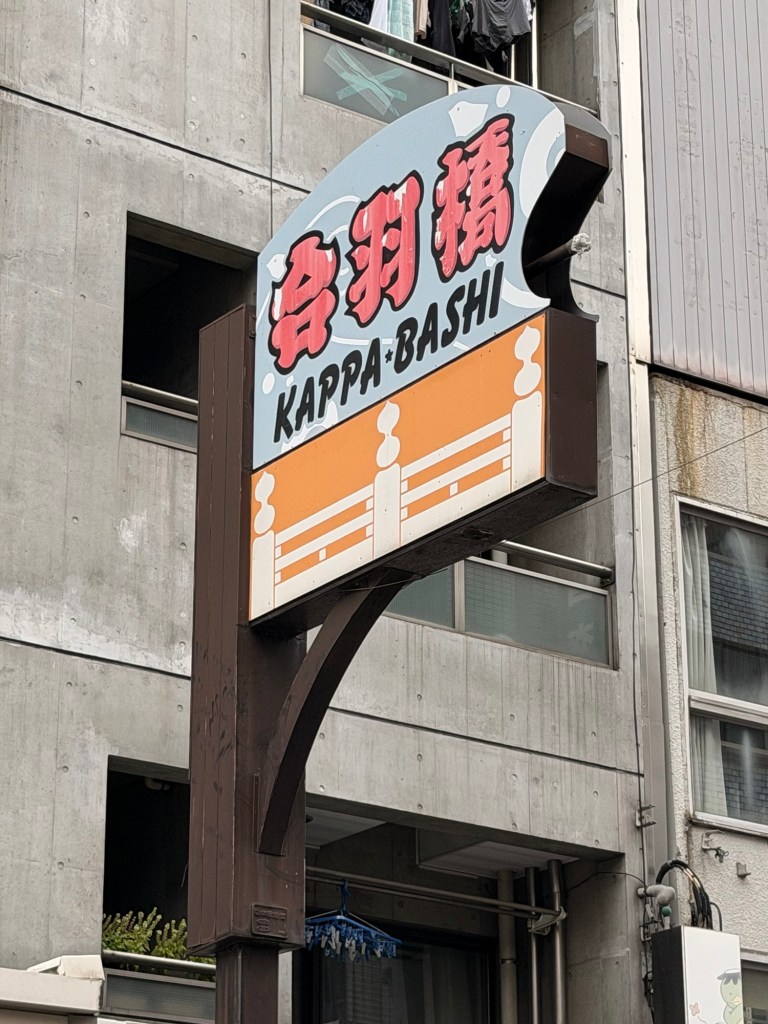
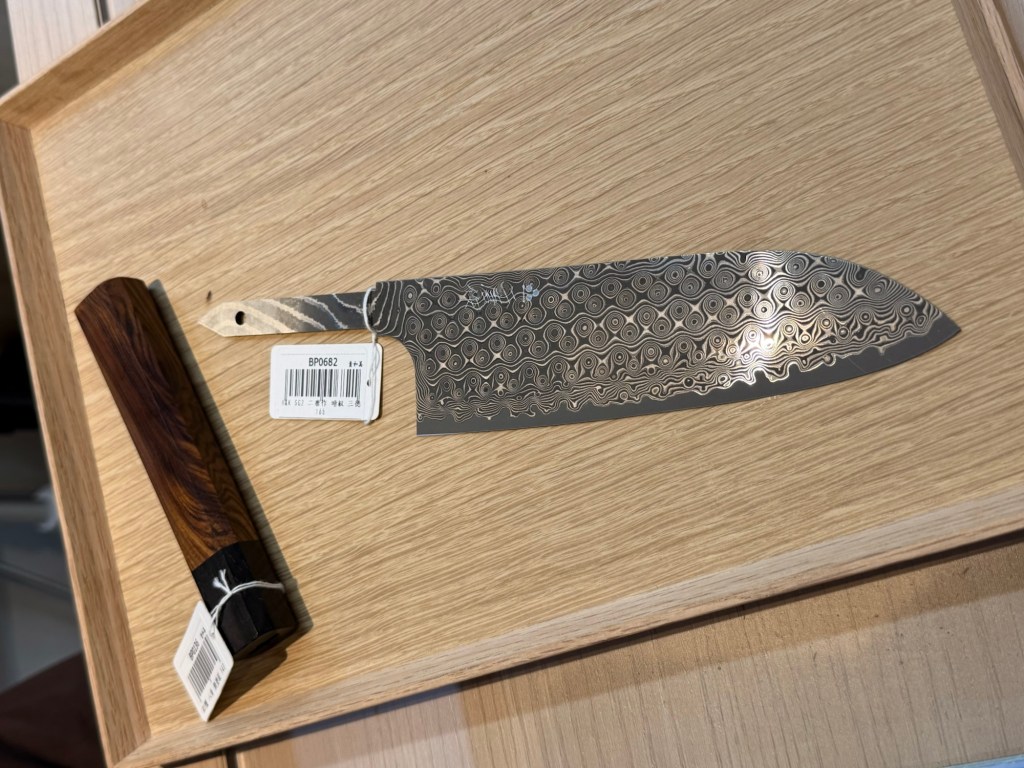
I had certainly seen Japanese kitchen knives before and I own a few be it Global, and a few Shun knives, but there is a considerable difference between buying a name brand one in a store in the United States and walking into a small specialty shop in Kappabashi where rows of beautiful handmade blades sit under glass waiting to slice and dice my pocketbook. In the first shop I entered, I immediately fell in love with a Damascus clad knife containing thin ribbons of copper folded into the pattern of the blade. It was beautiful, expensive, and looked terrifyingly sharp. The core was VG-10, a high carbon stainless steel commonly used in quality Japanese knives because it can take a very sharp edge while remaining relatively resistant to corrosion. I wanted it. Everyone else pointed out that buying the first expensive knife I saw in the first knife store I entered in the Japanese kitchen district might not constitute careful comparative shopping. Annoyingly, they had a point.
So we kept walking through Kappabashi, stopping for pottery and glassware and eventually wandering into another knife store, where I found another beautiful Damascus clad knife at roughly the same price. By then I had started researching Japanese knife steels on my phone and had become increasingly fascinated by the idea of owning a knife that would remain with me for life. I especially loved the thought that the copper in the cladding would change over time, taking on its own colors and patina through years of cooking.
Then we walked into one more knife shop, and that immediately changed my mind. Instead of simply choosing a finished knife, this shop allowed you to select the blade and then choose a traditional Japanese wooden handle that could be fitted to it, creating something that felt much more personal. One particular blade Clara spotted and it immediately caught my attention. It was made with an SG2 steel core. Compared with VG-10, SG2 can generally hold a fine edge longer because of its higher hardness.
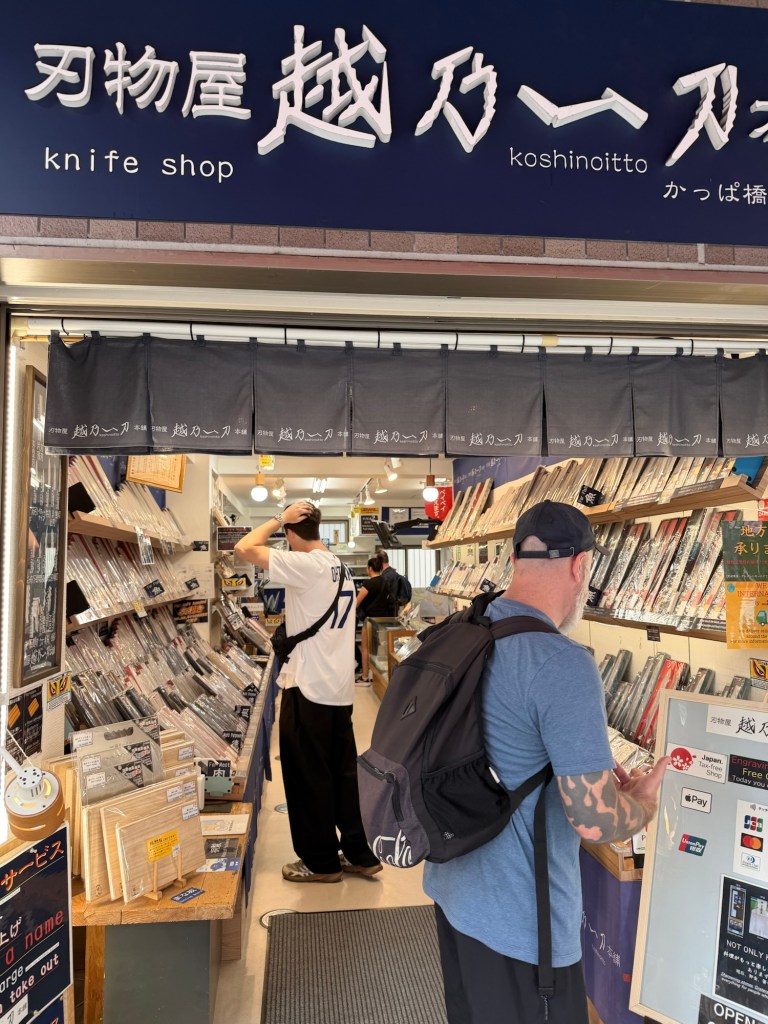
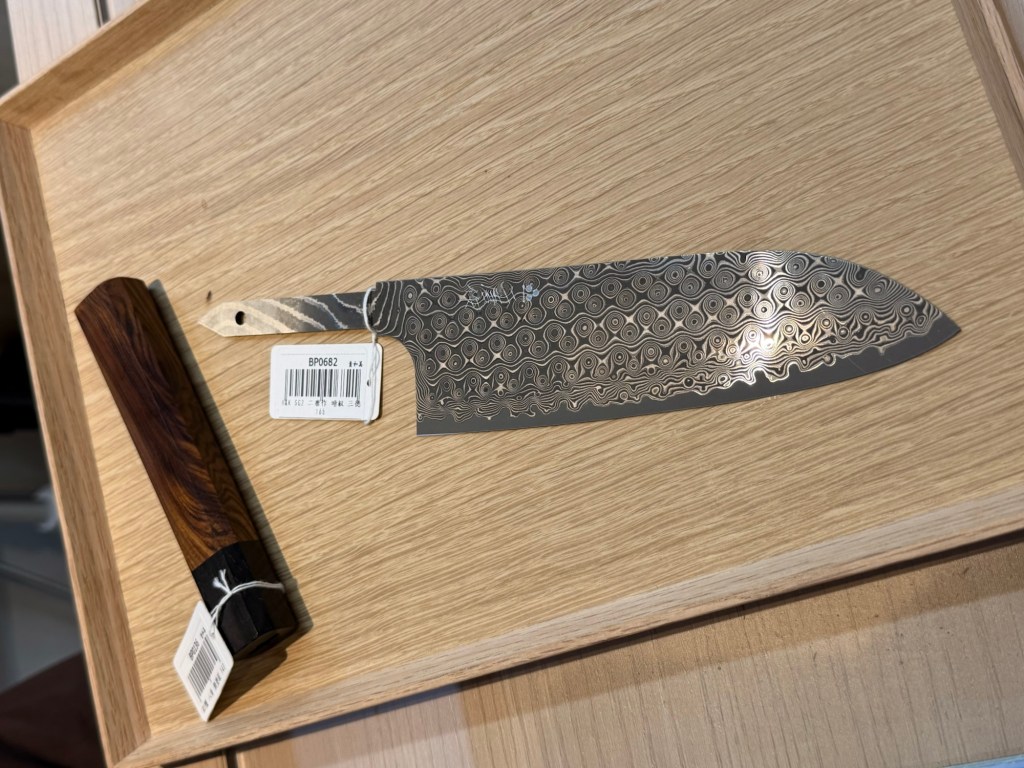
And, much as Ian discovered while shopping for his Seiko, there was another customer hovering nearby who appeared suspiciously interested in what I was holding. So, I didn’t hesitate. I chose the blade, selected the wooden handle that felt best in my hand, had the knife assembled for me, and bought it. Better still, the store offered to ship it home to me for free. I had arrived in Kappabashi intending to look at some pottery and left having purchased what I hope will become an heirloom, not only the knife, but the meals it prepares and the memories those meal make. Or at least that’s how I was justifying it.
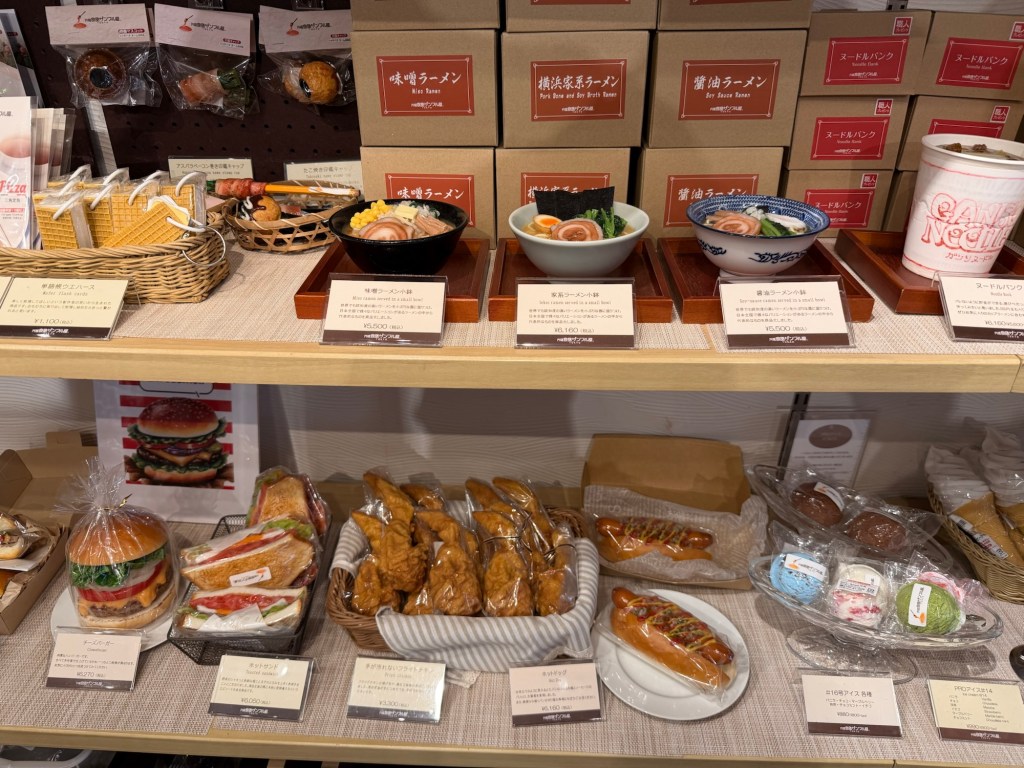
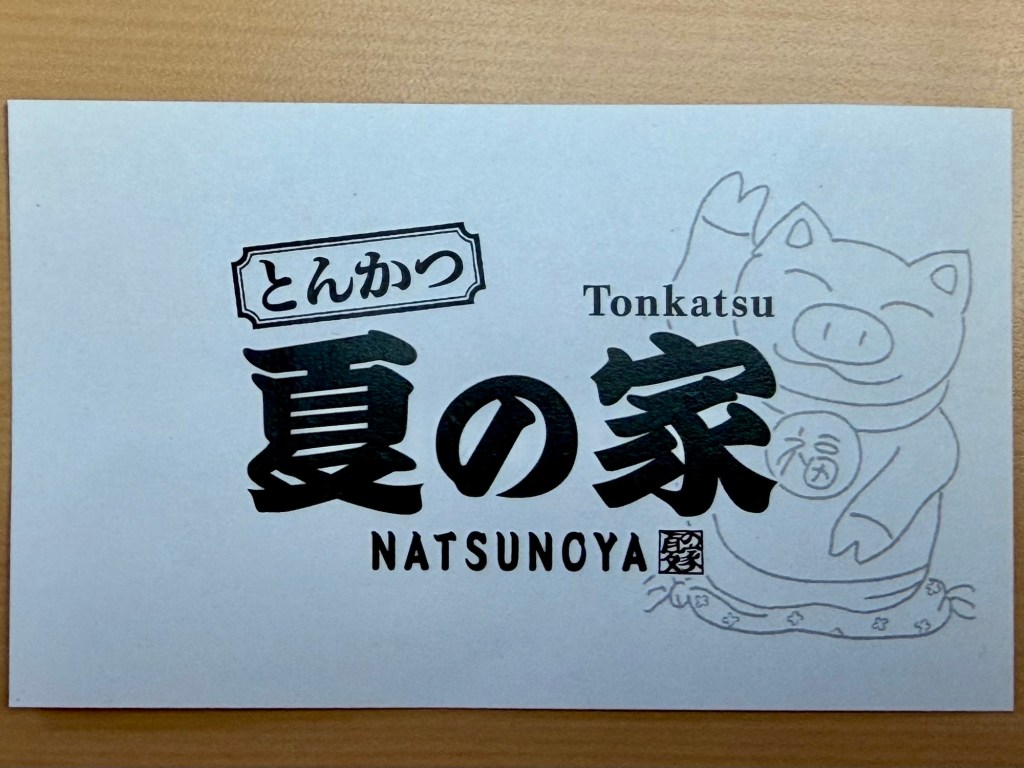
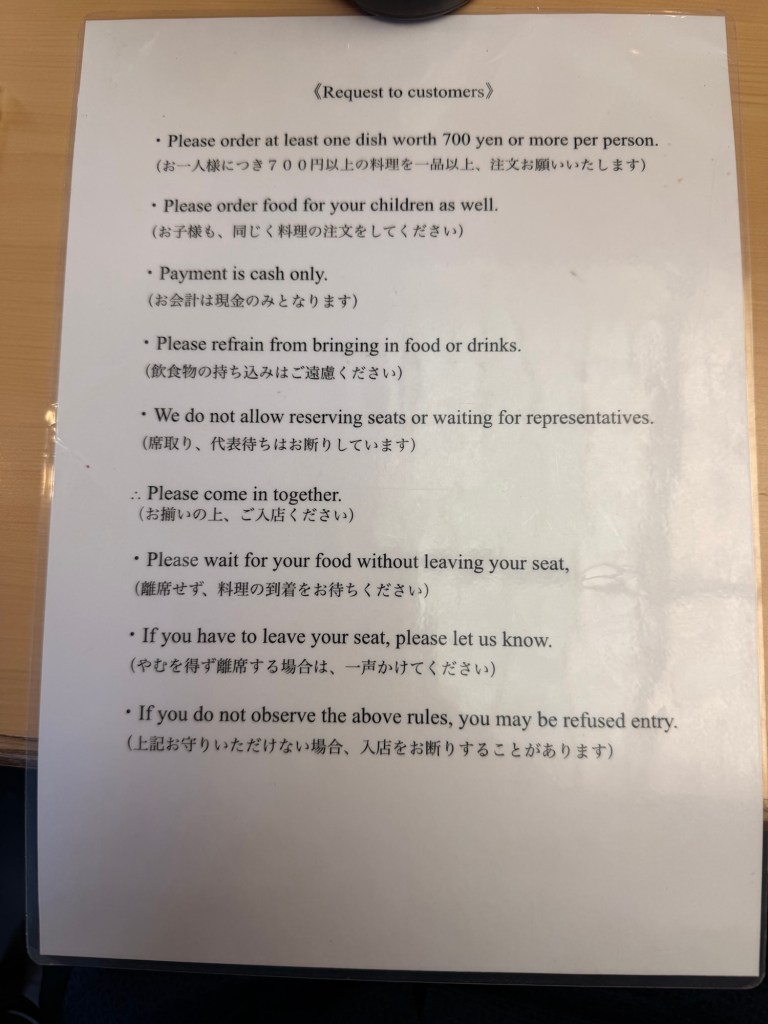
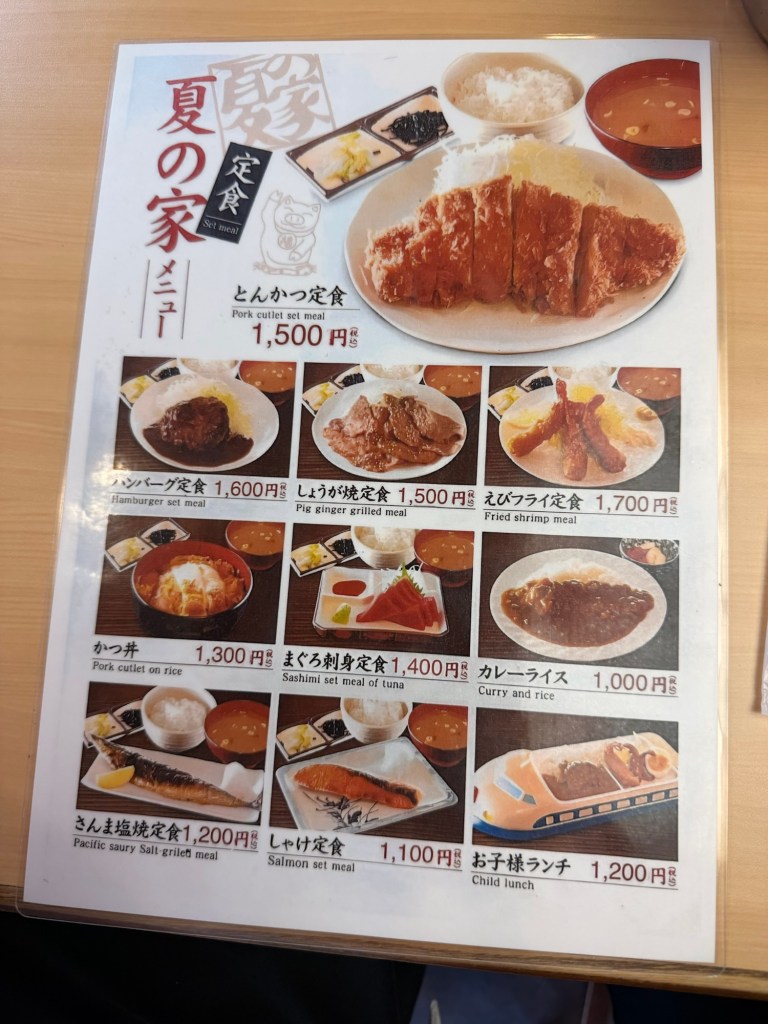
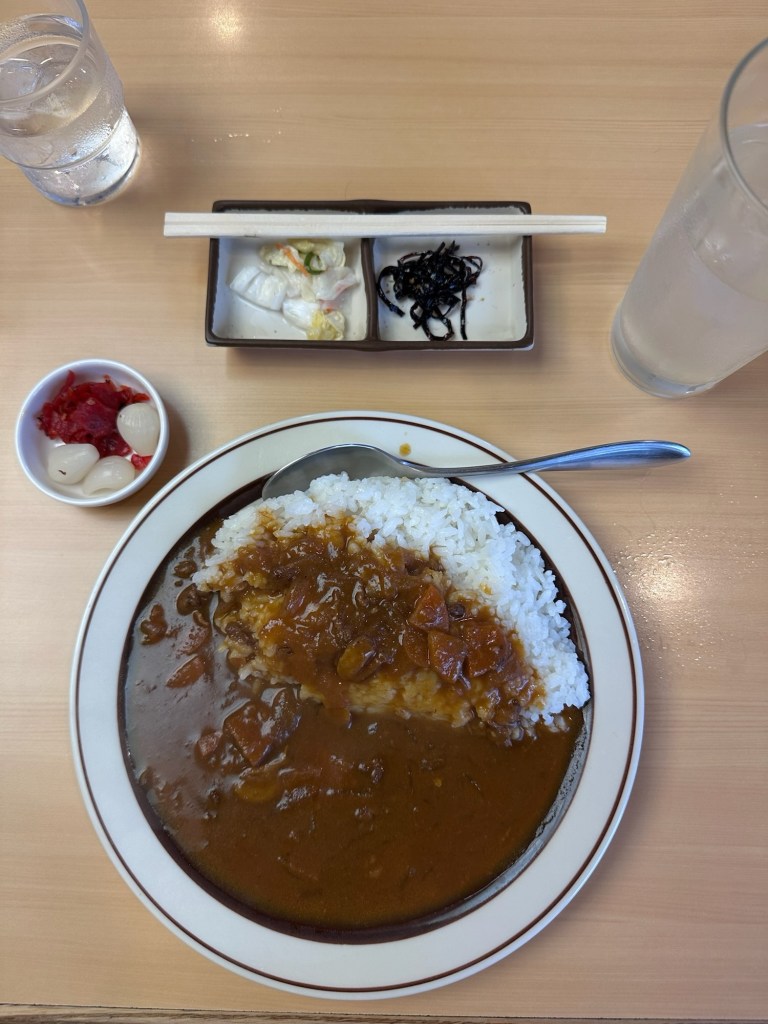
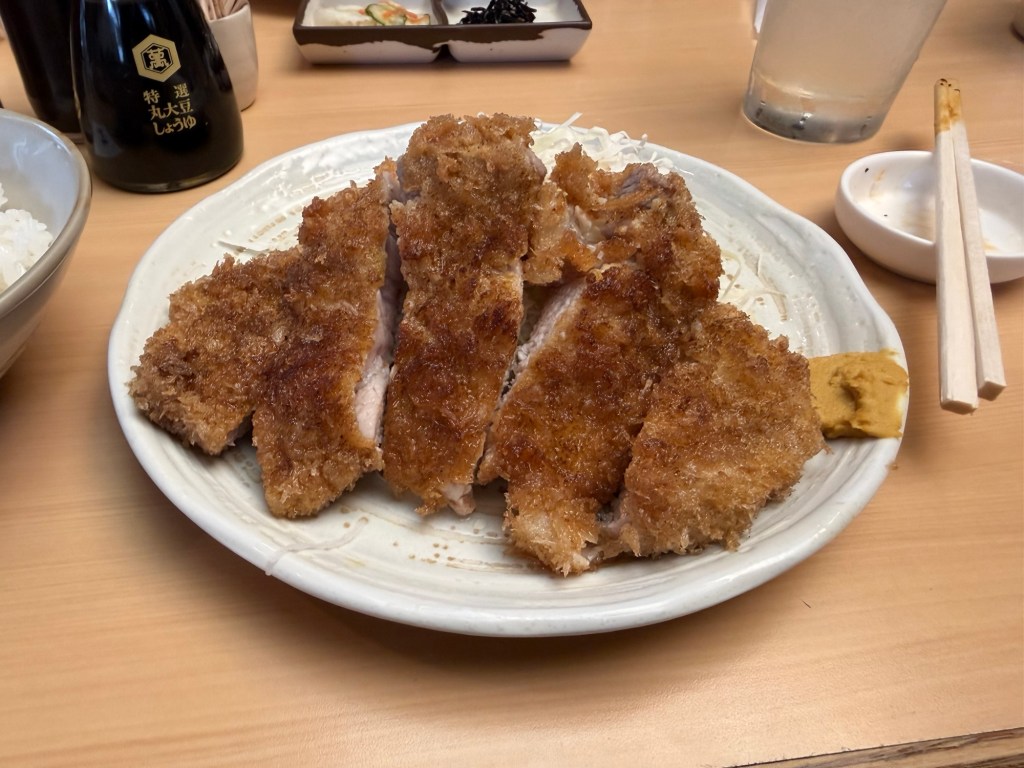
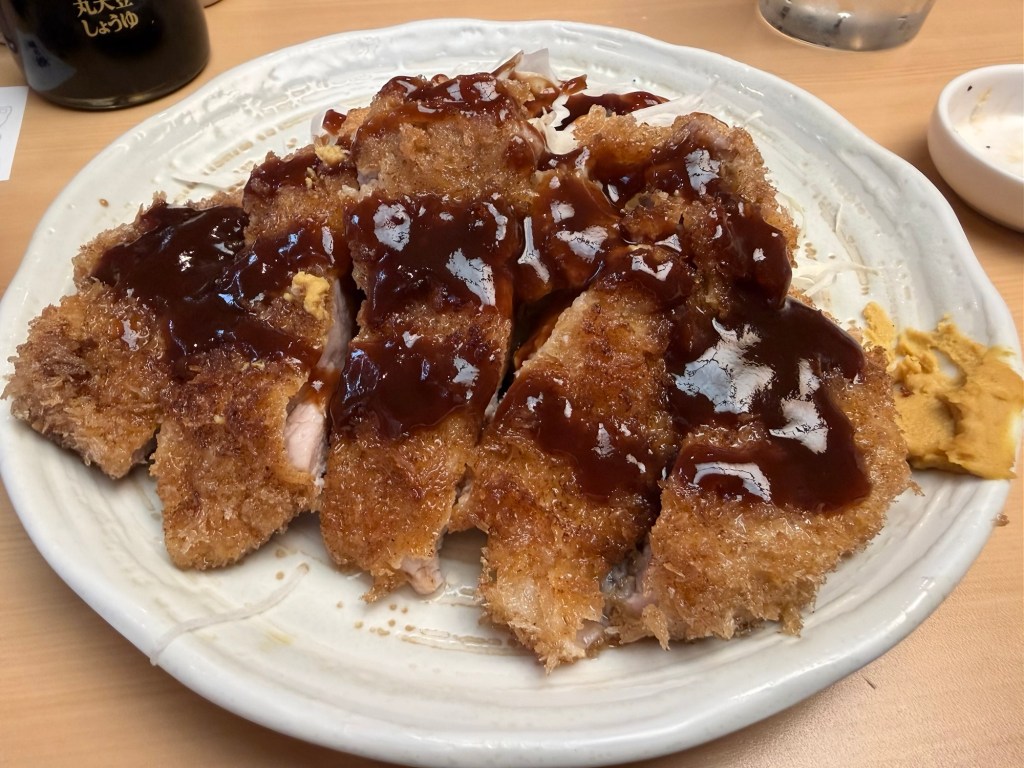
With the knife secured, we continued exploring Kappabashi and found one of the stores devoted to another peculiarly Japanese restaurant tradition: the incredibly realistic plastic food displays. Shelves were filled with artificial bowls of ramen, plates of curry, pieces of sushi, noodles suspended impossibly in midair, frosty mugs of fake beer, all so convincing that looking at them made us hungry. We searched Google Maps for nearby restaurants, walked to several promising possibilities, but each was completely full. Eventually we turned onto a quieter back street and found a tiny mom and pop katsu and curry restaurant whose sign contained essentially everything we needed to know: a pig, a chicken, and a bowl of rice. We went in.
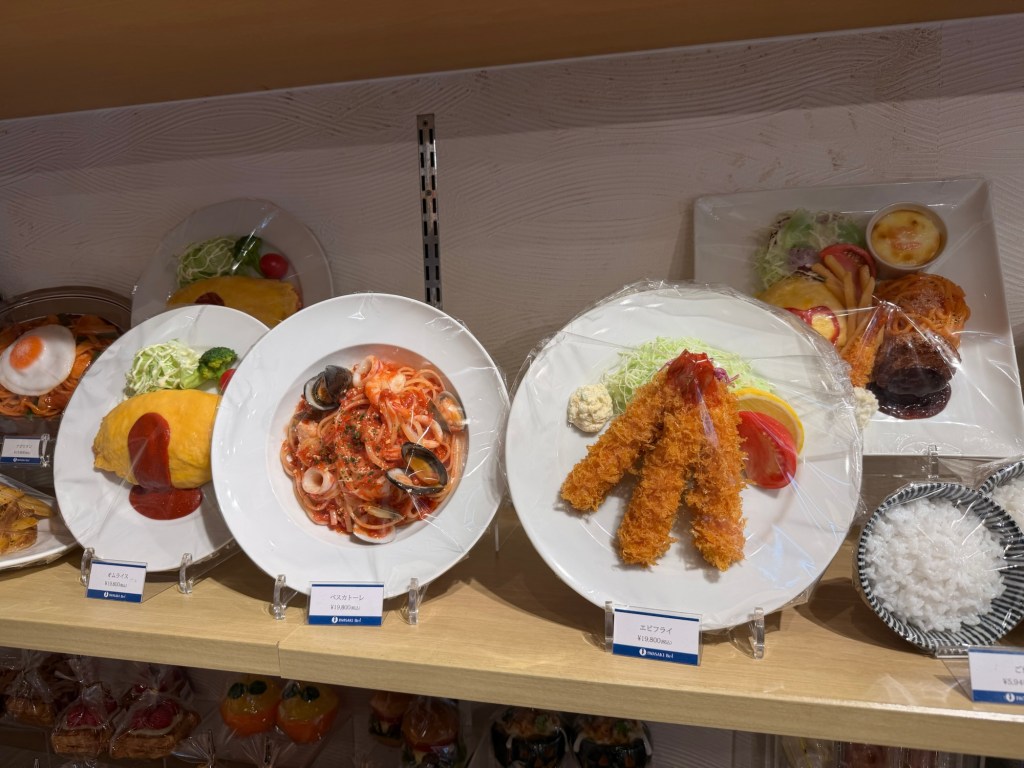
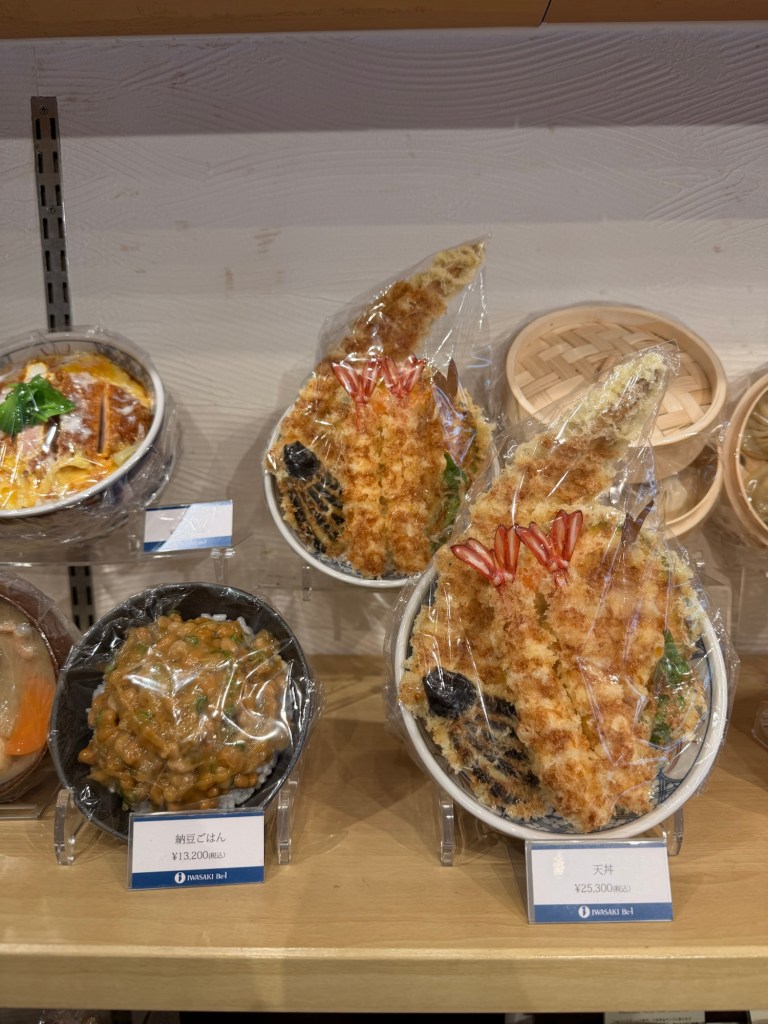
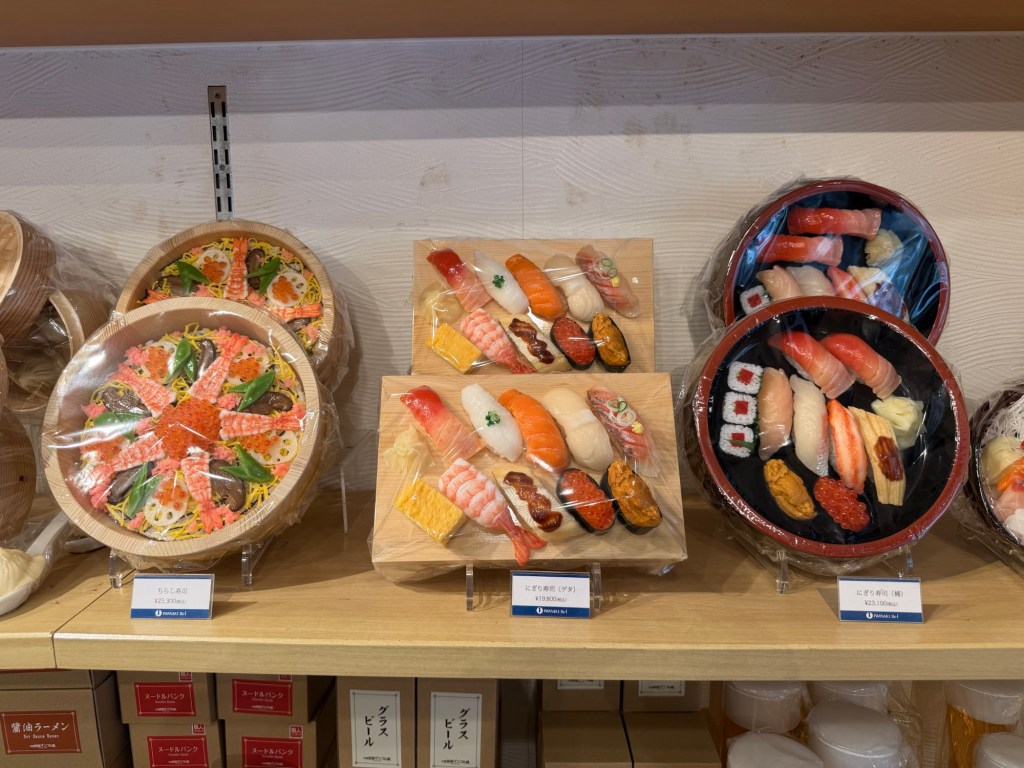
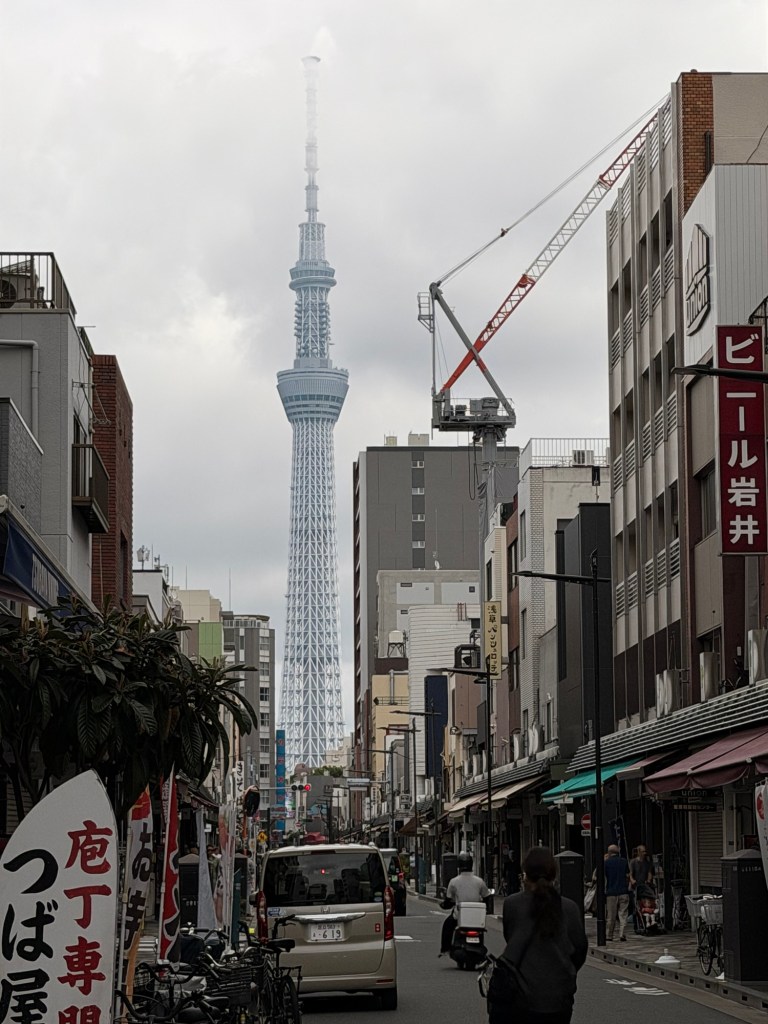
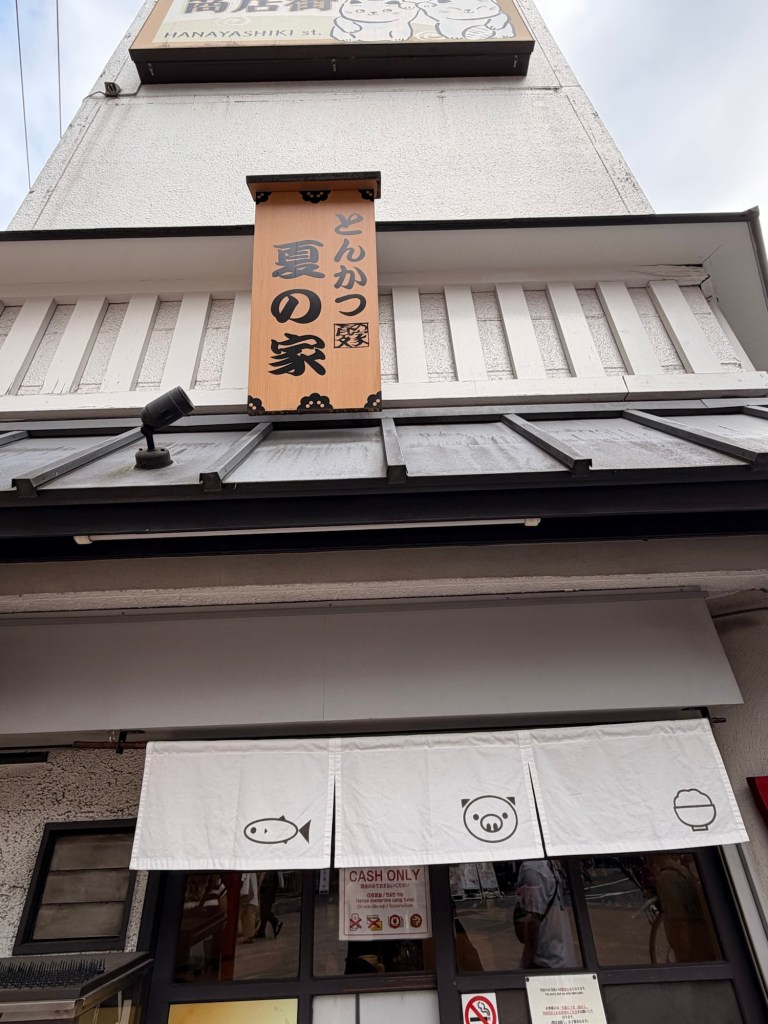
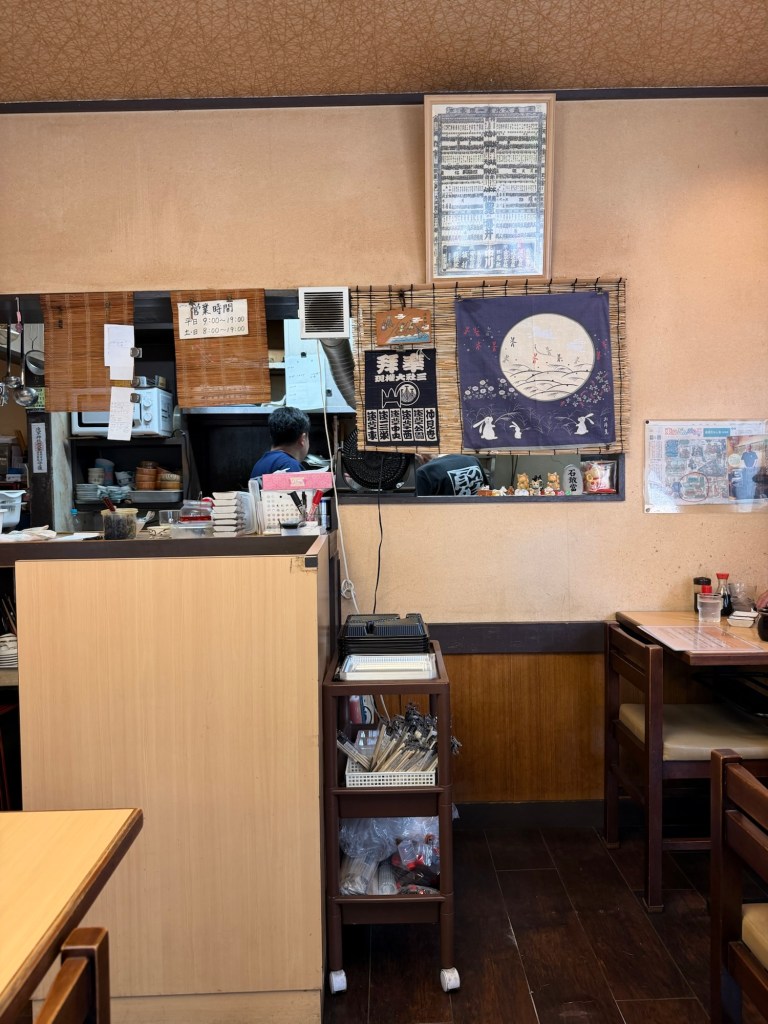
The restaurant was small, simple, and exactly what we had been looking for. We ordered katsu and curry, and after a morning of temples, crowds, pottery, knives, and fake food, it tasted spectacular.
Restored, we left the kitchen district behind and headed for Akihabara, which is one of the great electronics districts in the world and ground zero for an enormous portion of Japan’s anime, manga, gaming, and collectible culture. I had a particular mission. Clara owned a Fujifilm X100VI that she loved, and the camera had become notoriously difficult to find in the United States. In Japan, demand was so intense that availability had to be handled through lotteries. I wondered if I could find one in Akihabara.
We headed into Yodobashi Akiba, where the sheer amount of electronics inventory was almost incomprehensible. Entire floors stretched out beneath fluorescent lights packed with cameras, lenses, computers, televisions, headphones, appliances, phones, accessories, and seemingly every electronic object currently produced by humanity. We found the camera floor, located the Fujifilm section, and asked about the X100VI. They had one. That was not the answer I had expected.
We confirmed that the camera could be switched to English, although the warranty coverage on the Japanese purchase would be limited in ways that made buying it abroad a little riskier. Still, the savings compared with what the difficult to find camera was commanding back in the United States were significant enough that I decided the risk was worth it. The camera came with me.
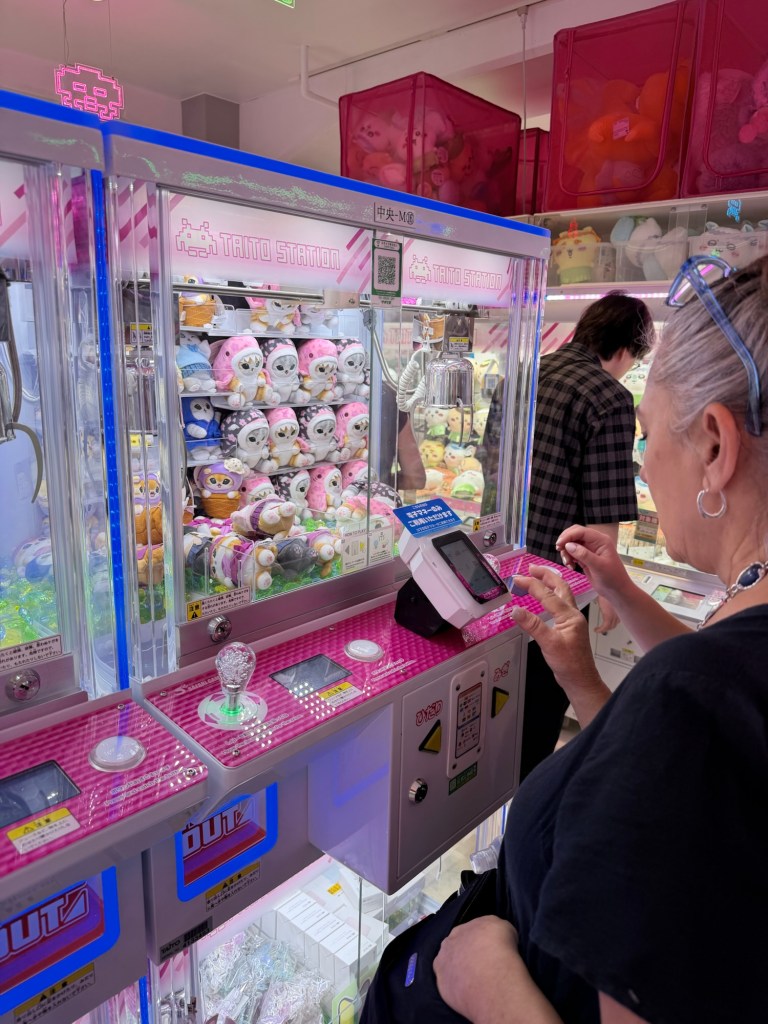
Our next destination was a place called Super Potato, which sounded ridiculous enough that it belonged on our itinerary. We started walking toward it but were quickly intercepted by a TAITO arcade filled with claw machines. This became more dangerous when we discovered the machines accepted our Suica cards, the same cards we had been casually tapping all over Tokyo to ride trains. We won absolutely nothing. It was great.
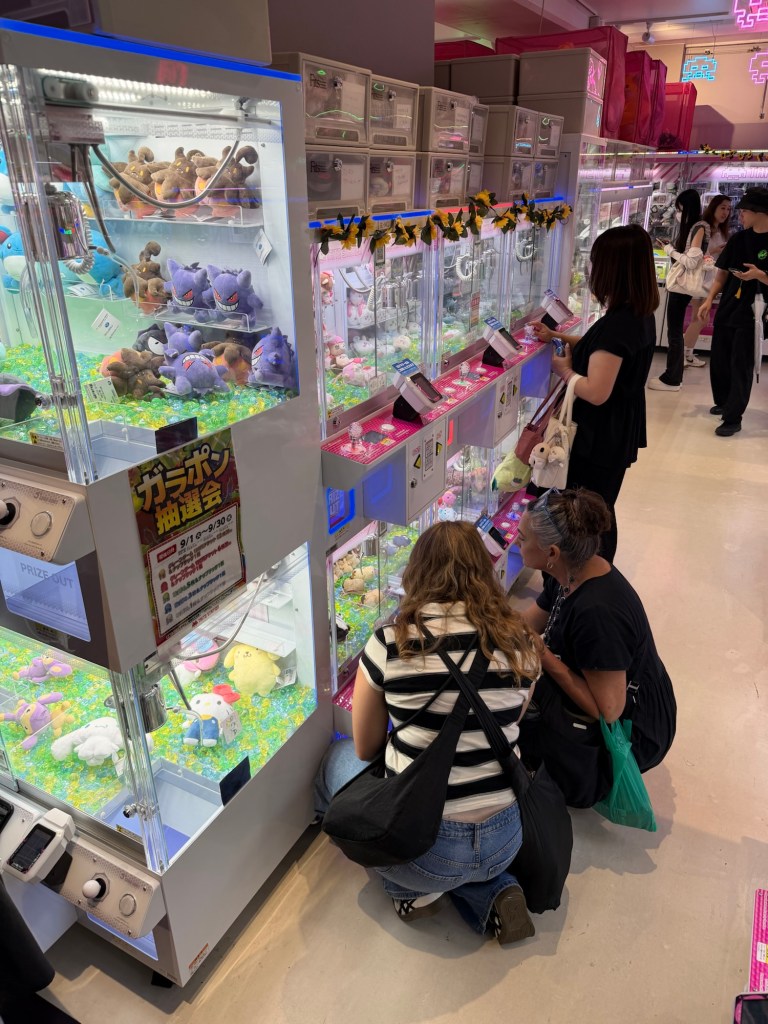
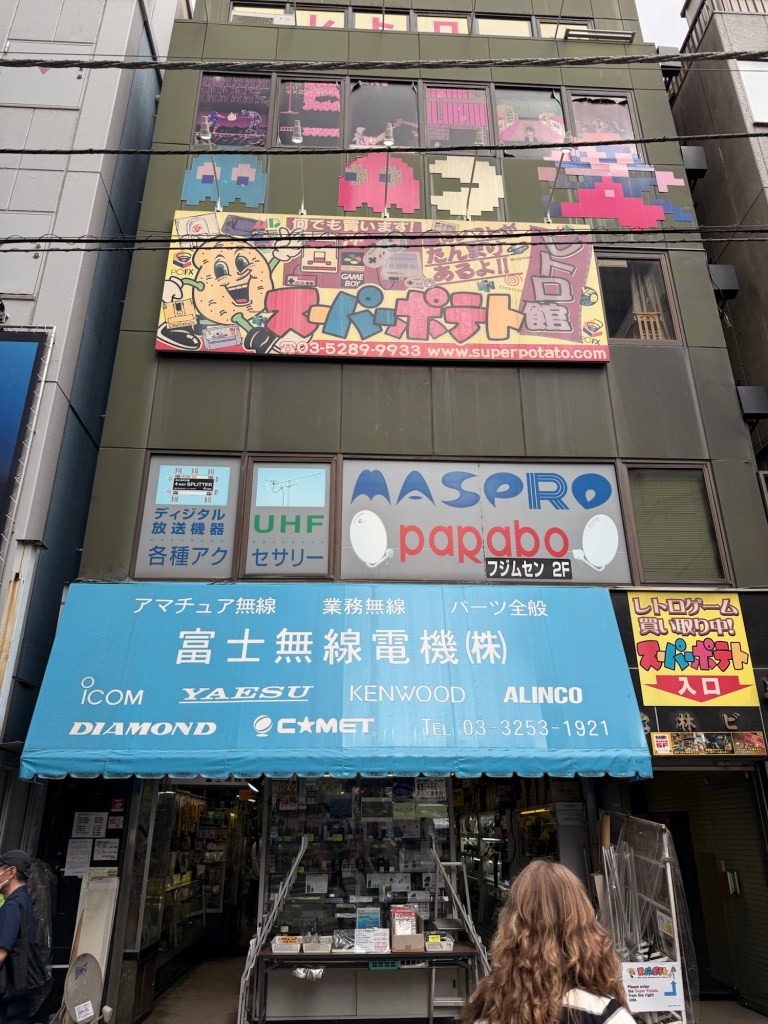
Eventually we dragged ourselves back onto the streets in search of Super Potato. As we wandered deeper into Akihabara, the neighborhood became increasingly filled with anime shops, gaming stores, maid cafes, themed bars, and enough brightly illustrated signs to suggest that almost any niche interest or hobby imaginable probably had its own business somewhere within a few blocks. Then, above us, I saw it: an anthropomorphic potato on a sign pointing toward a narrow staircase. Super Potato!
Clara had heard that Super Potato was one of Tokyo’s great destinations for vintage video games, and I had imagined something closer to an old fashioned arcade. Instead, after climbing several flights of stairs, we discovered floor after floor of retro gaming history for sale. There were old Nintendo and Sega consoles, controllers, cartridges, PlayStation games, Wii games, Game Boys, and artifacts from generations of gaming that made all of us feel both nostalgic and ancient. We wandered the aisles recognizing Japanese versions of games we had once played years earlier.
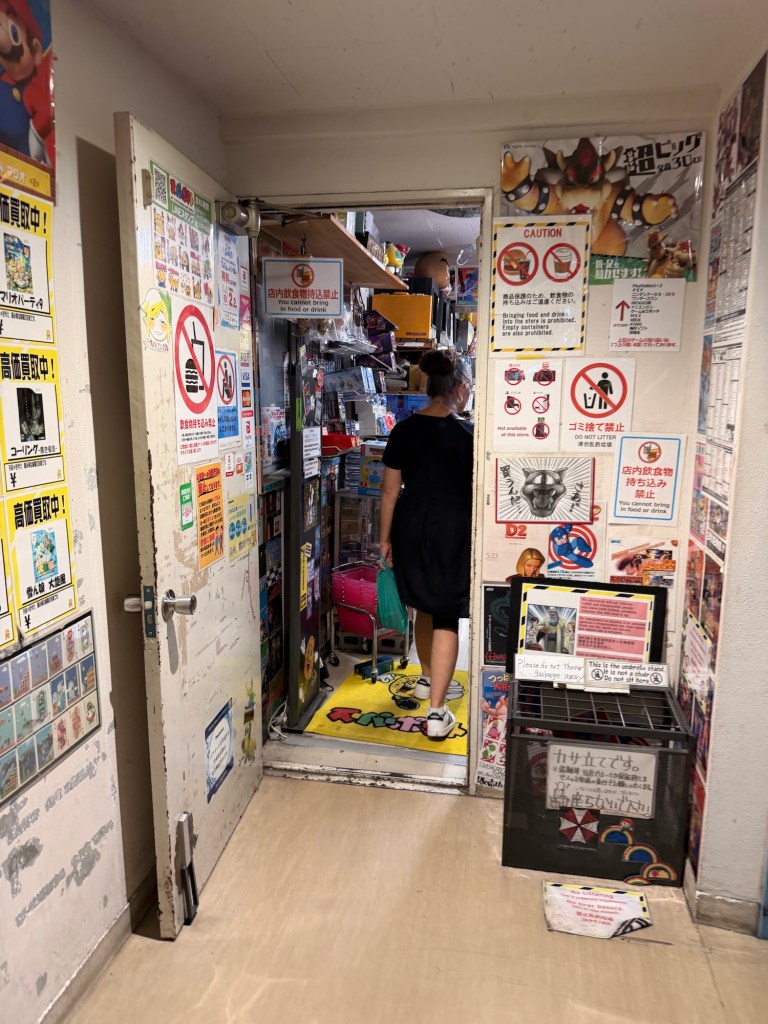
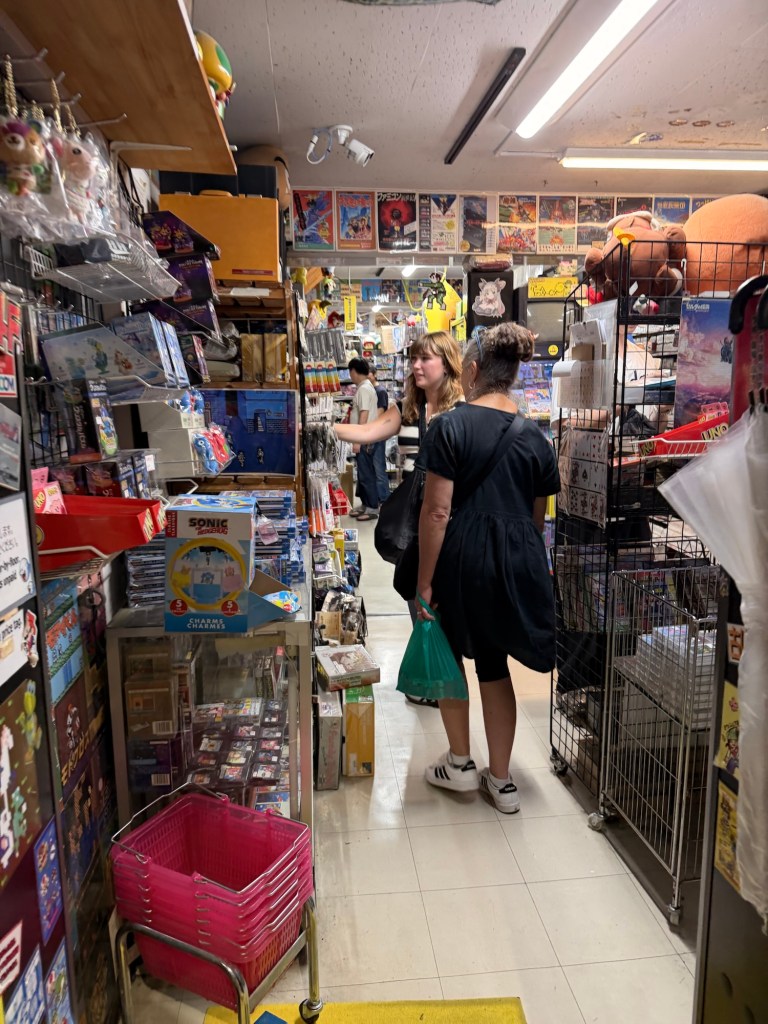
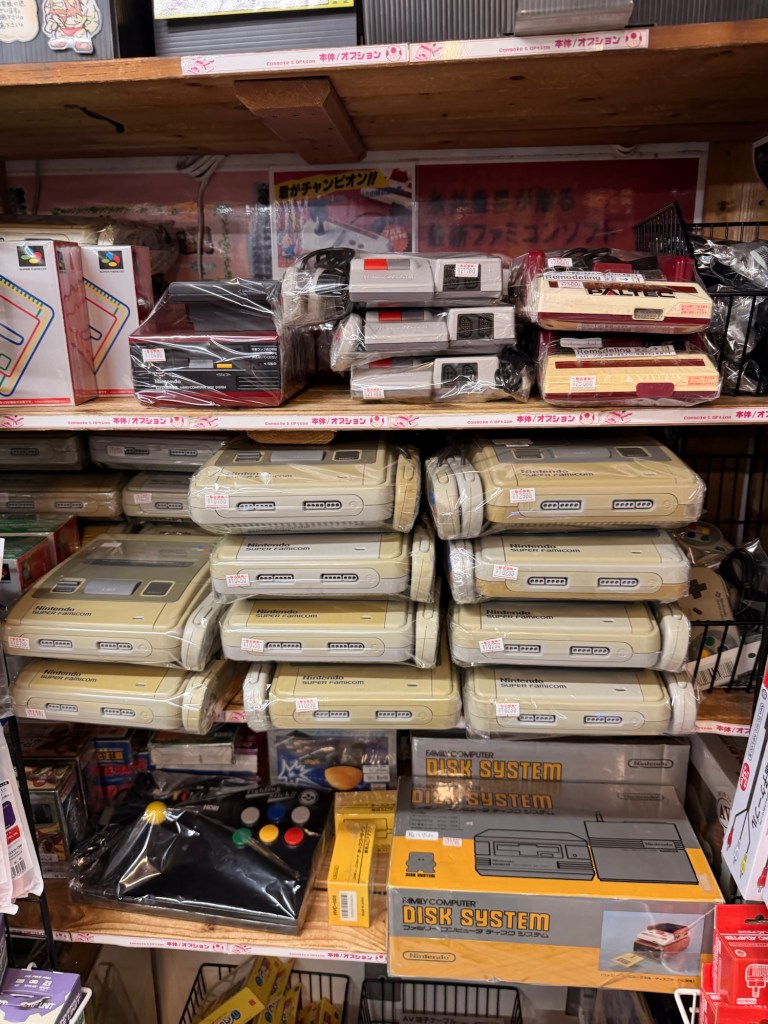
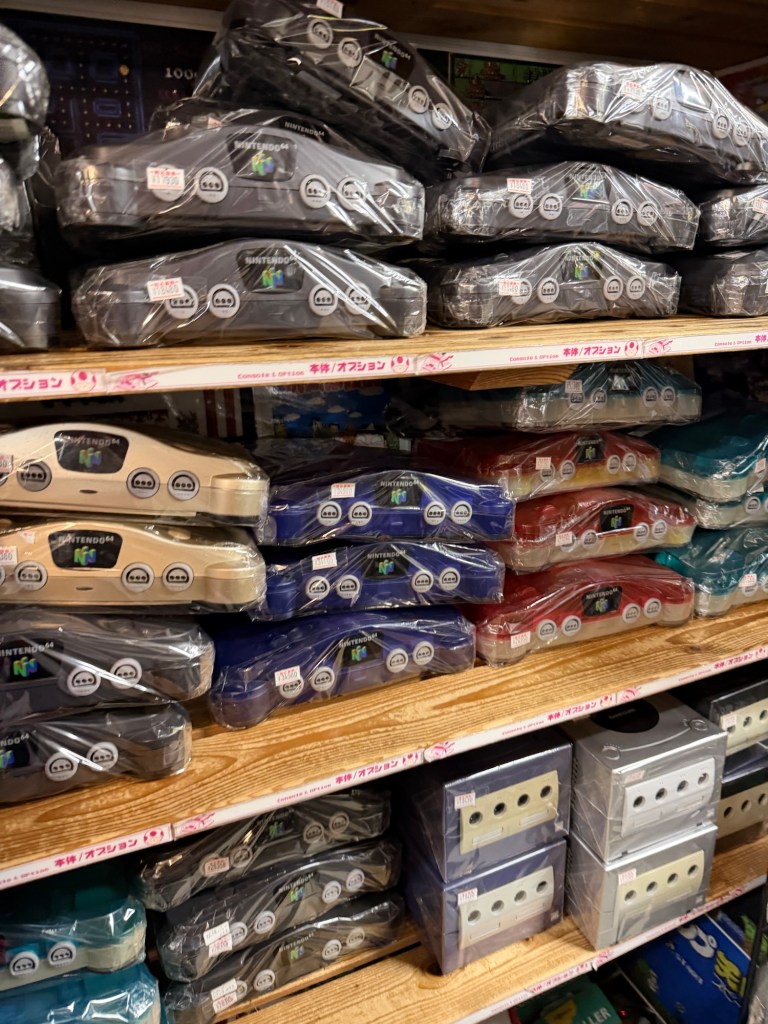
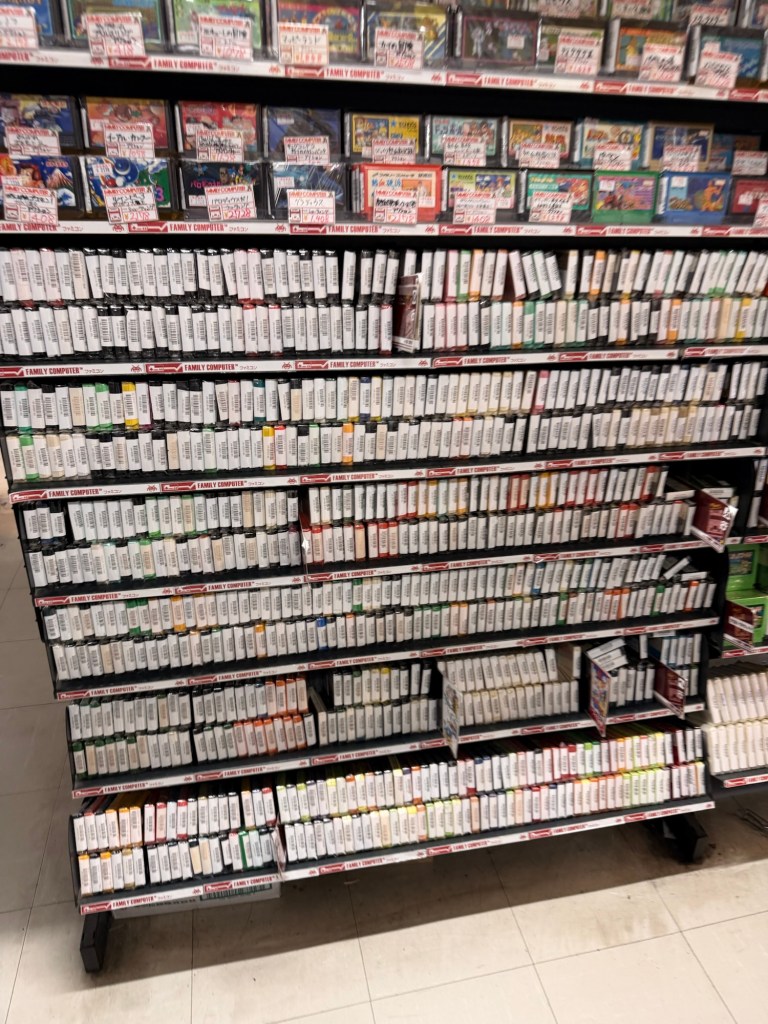
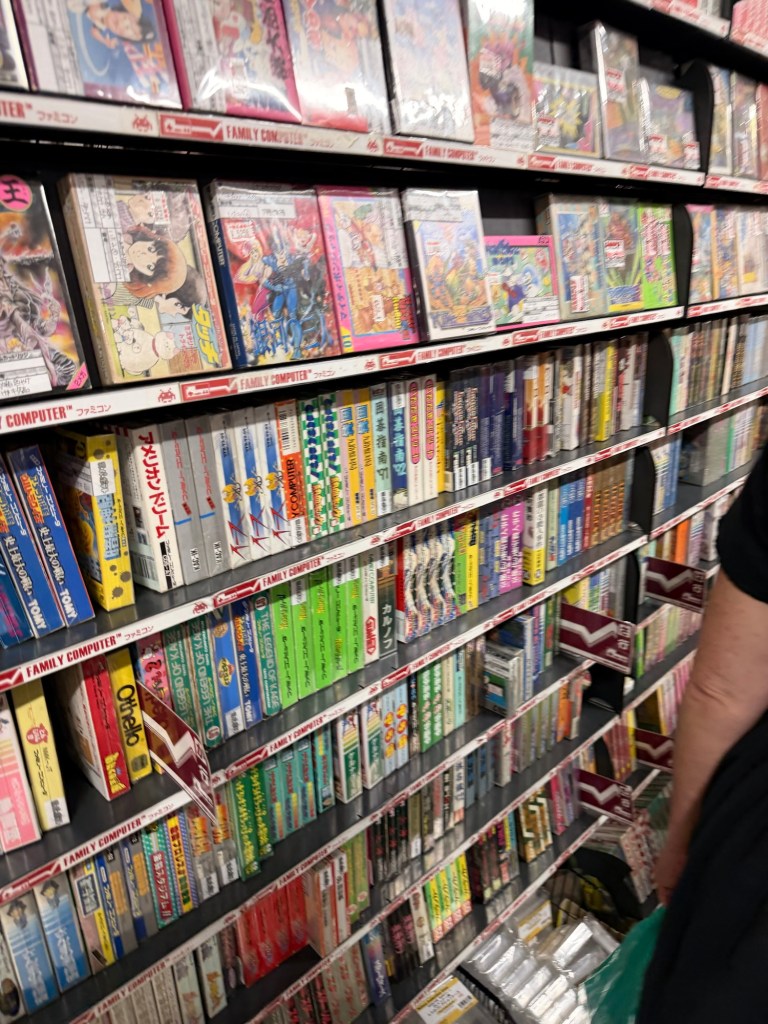
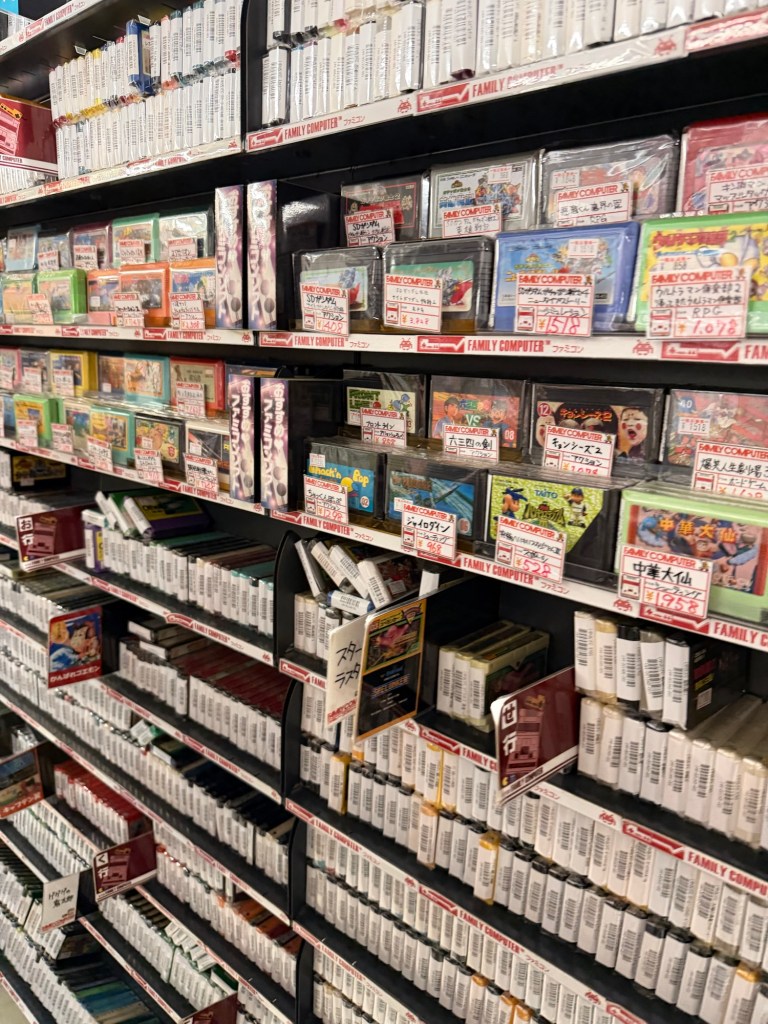
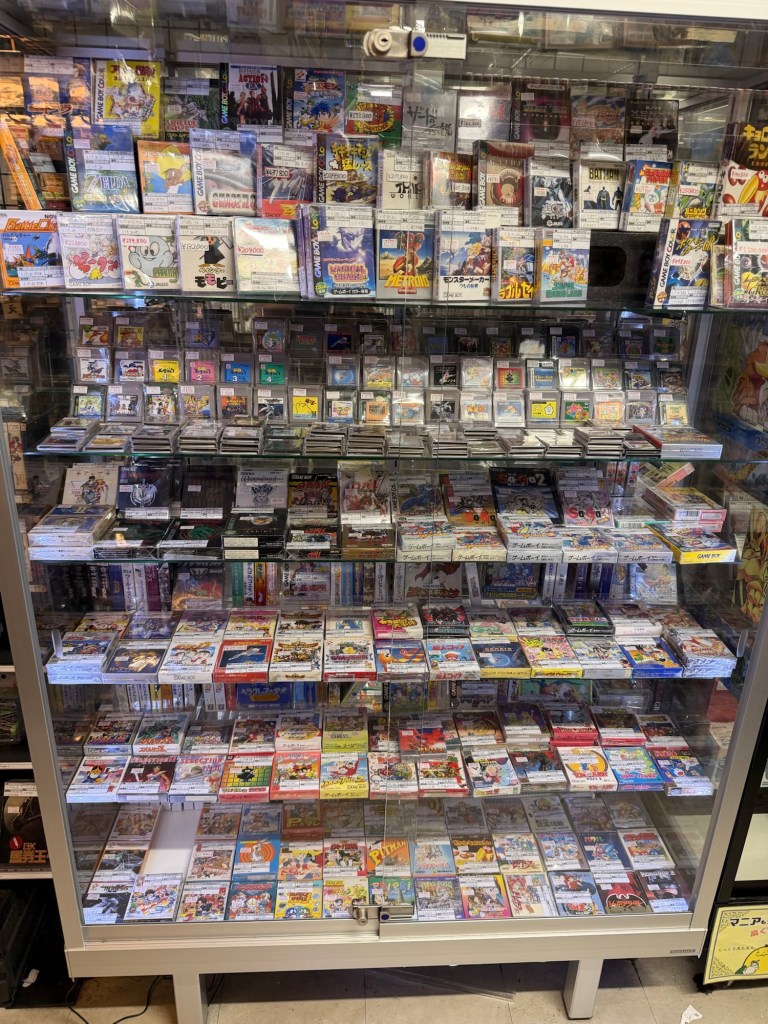
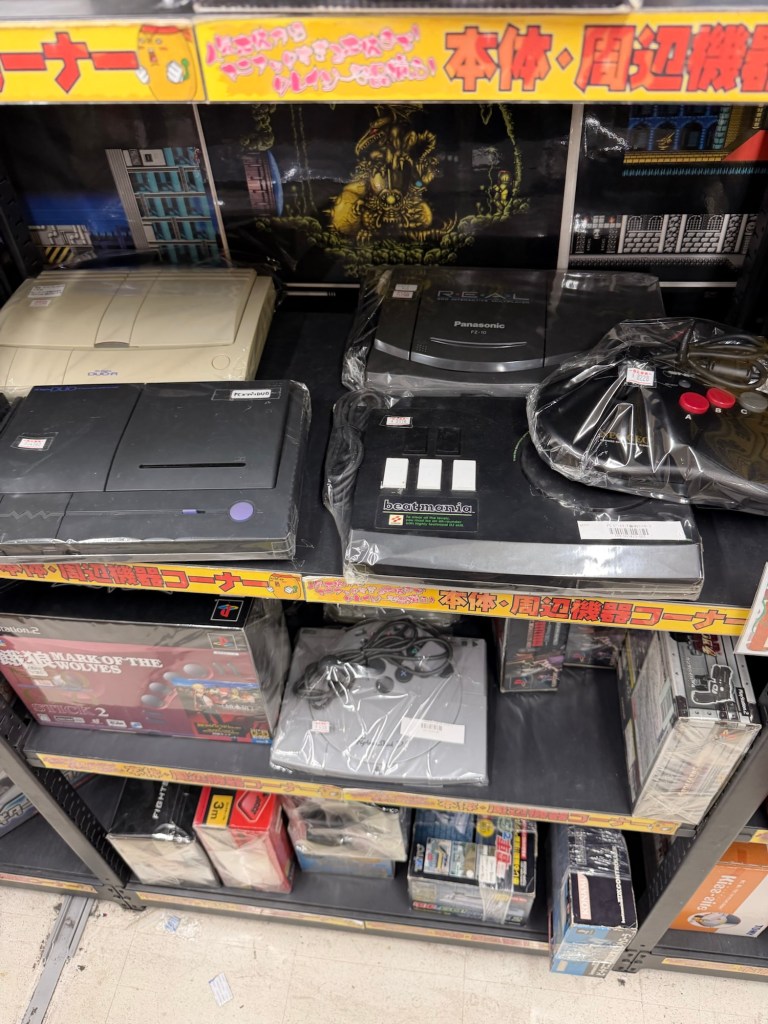
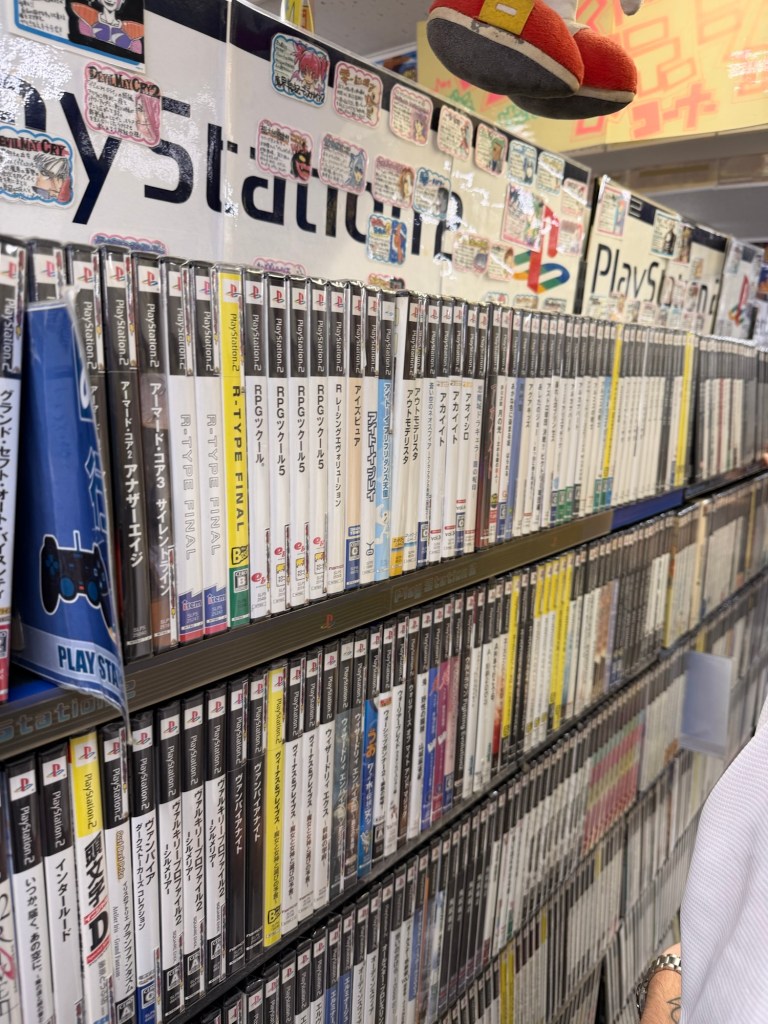
Clara and Ian eventually bought a few old Wii games, despite the fact they were entirely in Japanese and neither of them had any idea what they had actually purchased. That somehow made the purchase better.
While we were wandering through the retro gaming shelves, my phone buzzed with a message from Yoriko, a former colleague from my years working with the team in Japan. We began texting back and forth and made plans to meet her in Shinjuku for some sight seeing and dinner. Once again, the day was only half over and we still had an afternoon and evening ahead. We packed up our purchases, found our way back toward the station, and boarded a train for Shinjuku and our next Tokyo adventure.

 Sabbatikos
Leave a comment