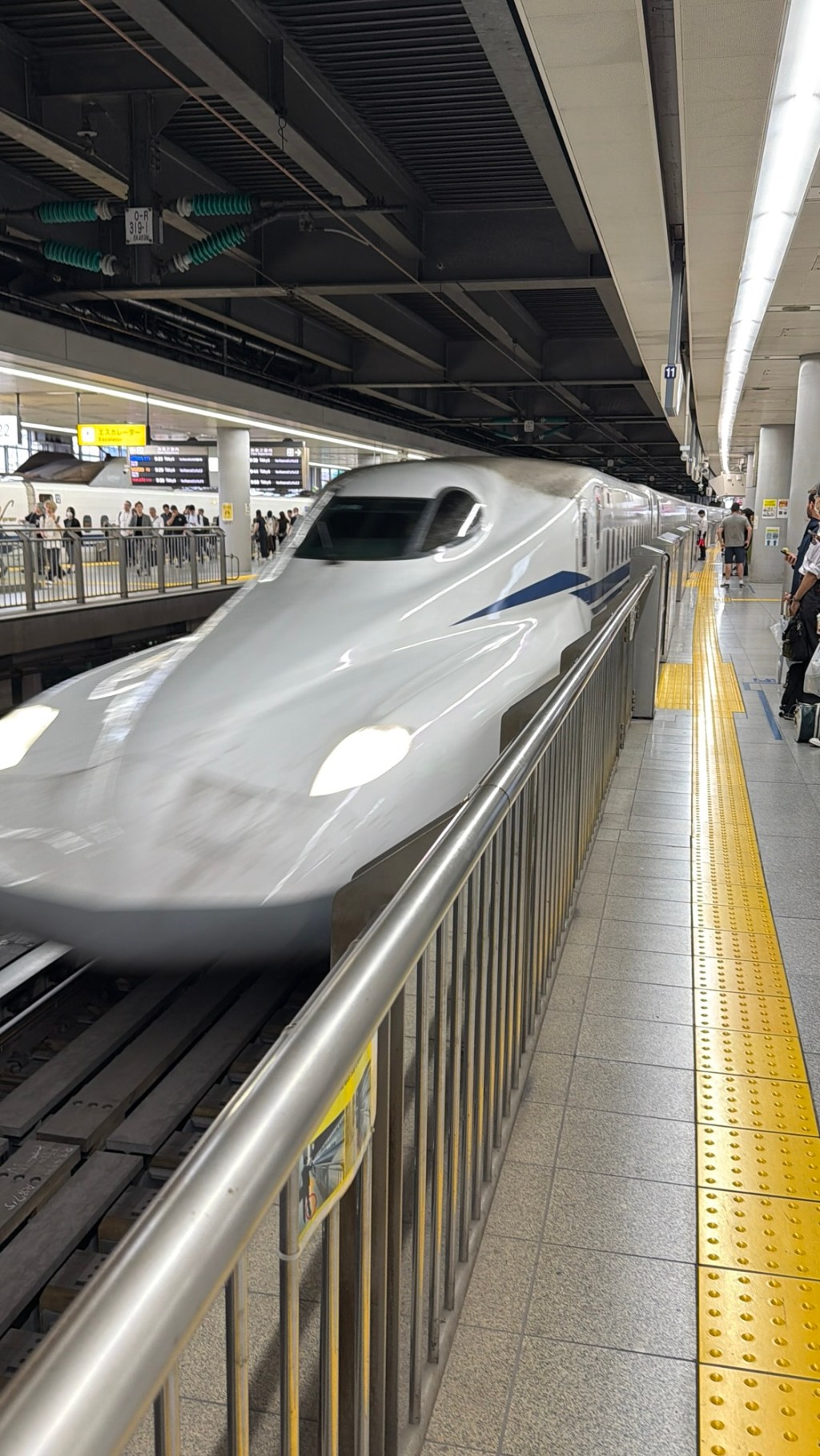
We have some close friends who, after high school, packed up as a group and moved to Japan, where they lived and worked for several years. They were all based in Osaka, and for as long as we have known them they have been telling us the same thing: we would love Osaka. Given that we were vacationing just up the tracks in Kyoto, we had to go. Osaka is only about 45 to 50 minutes away by regular train, or roughly fifteen minutes if you employ the technological precision and speed of the Nozomi Shinkansen. We only had one day, and shaving half an hour off a train ride meant more time to see a city our friends had been talking about for decades.
There was, however, one small complication. The night before our planned Osaka excursion, we checked the weather and discovered that our chosen day would coincide with the tail end of a typhoon. Heavy rain. Strong winds. The sort of forecast making us reconsider our itinerary. Having already learned at Ueno Zoo how wet you can get, we adjusted our plans and went looking for Osaka attractions that included substantial amounts of roof overhead. Fortunately, Osaka had options.
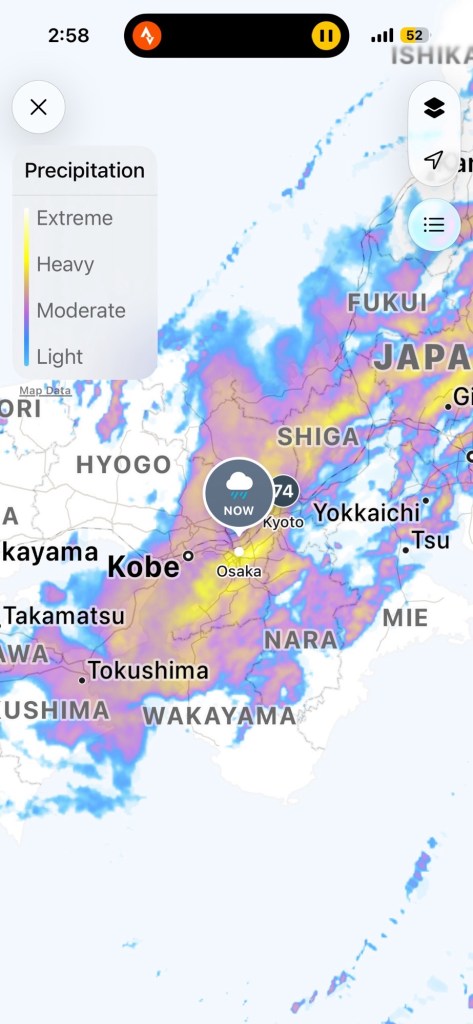
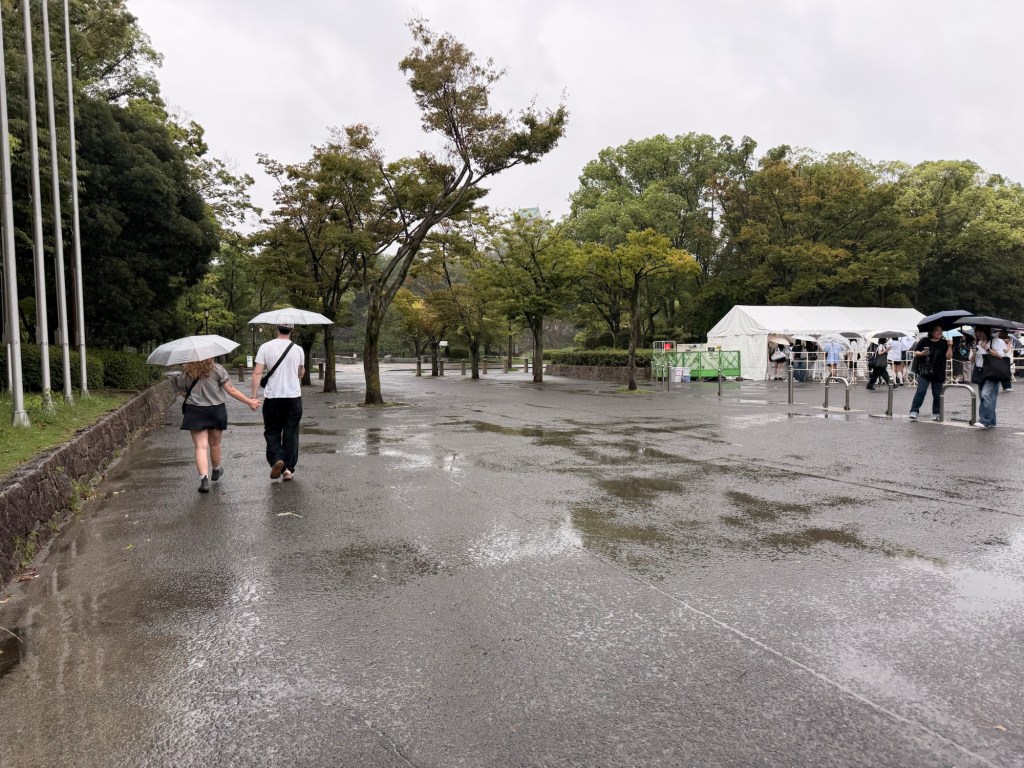
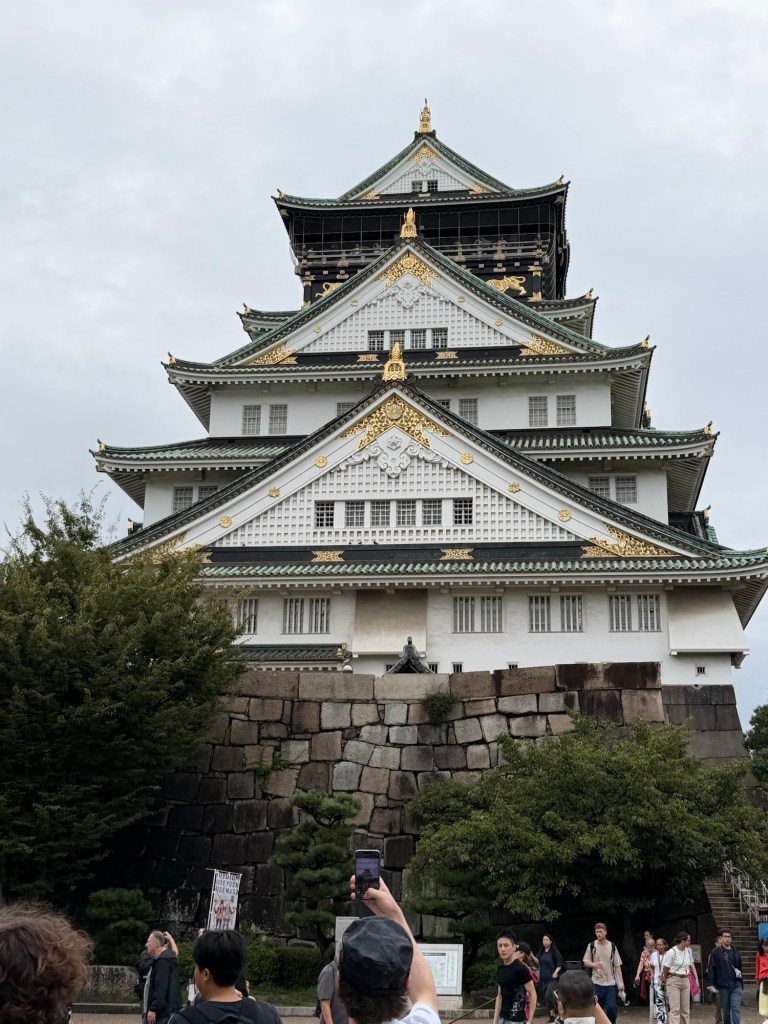
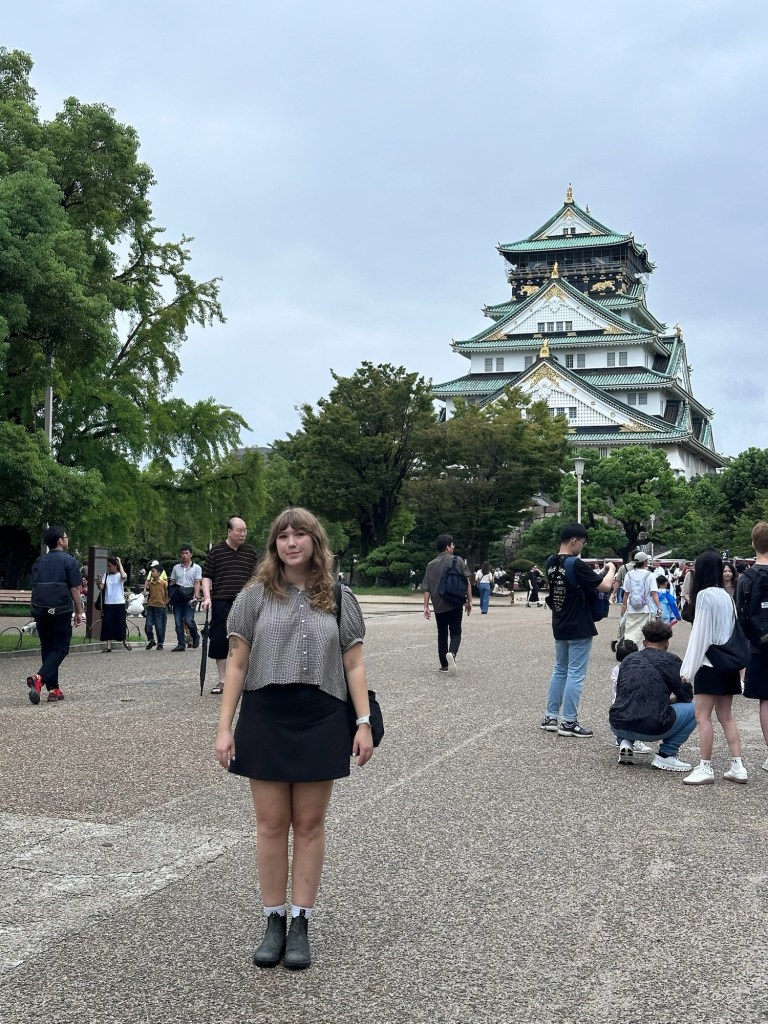
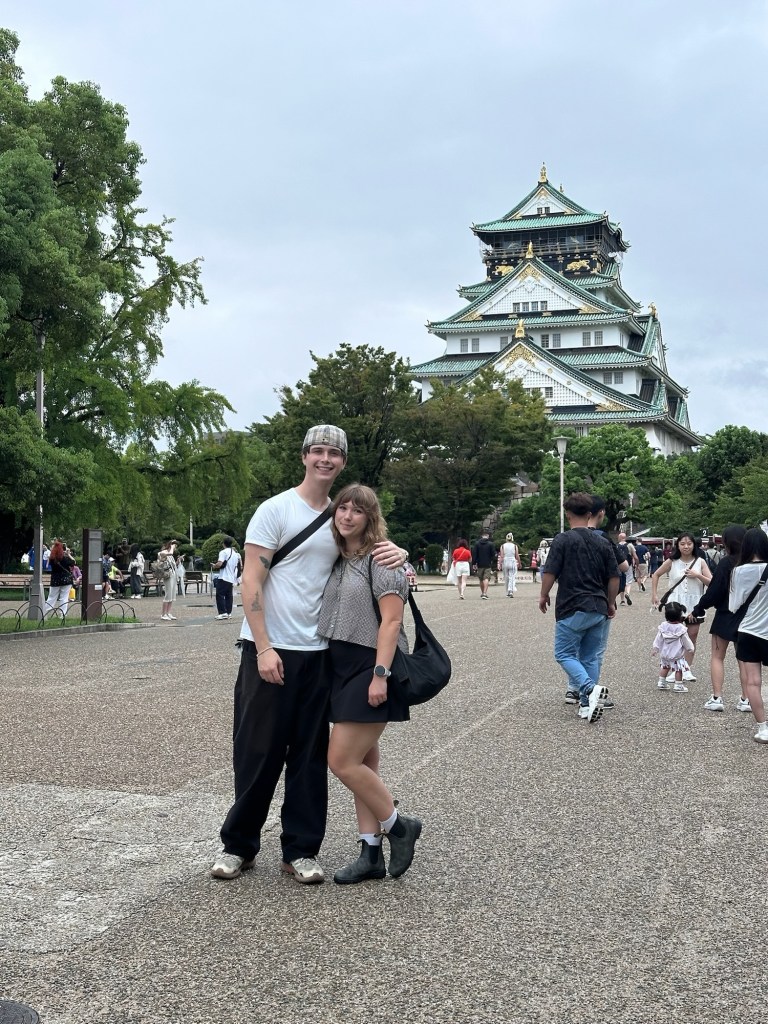
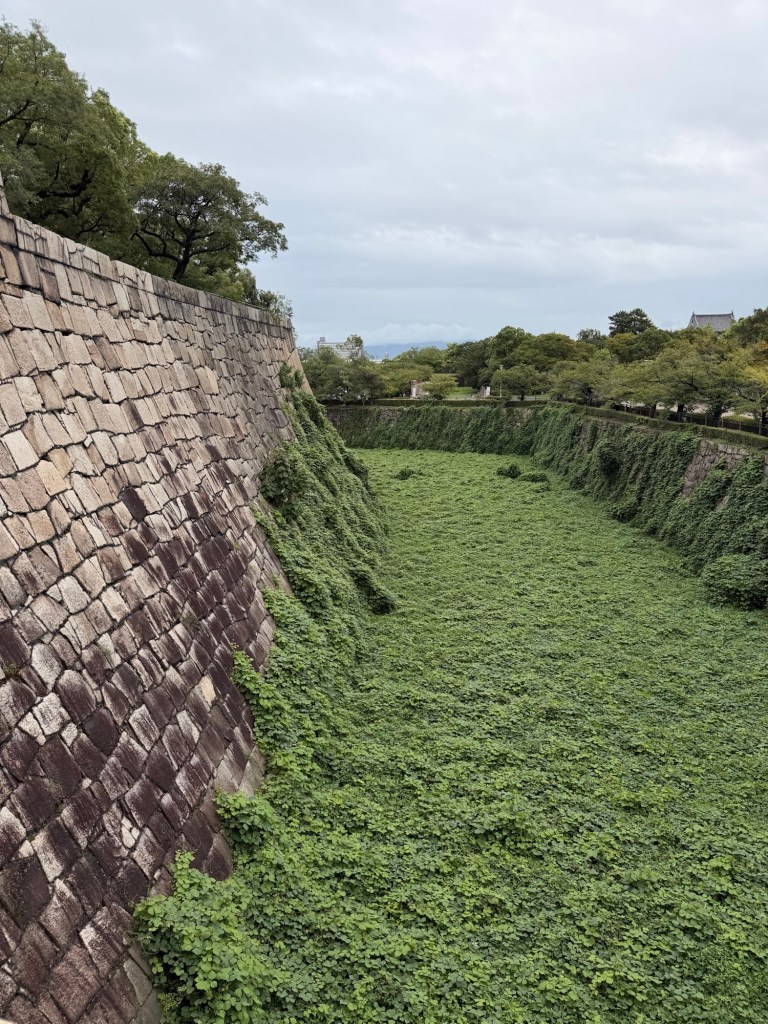
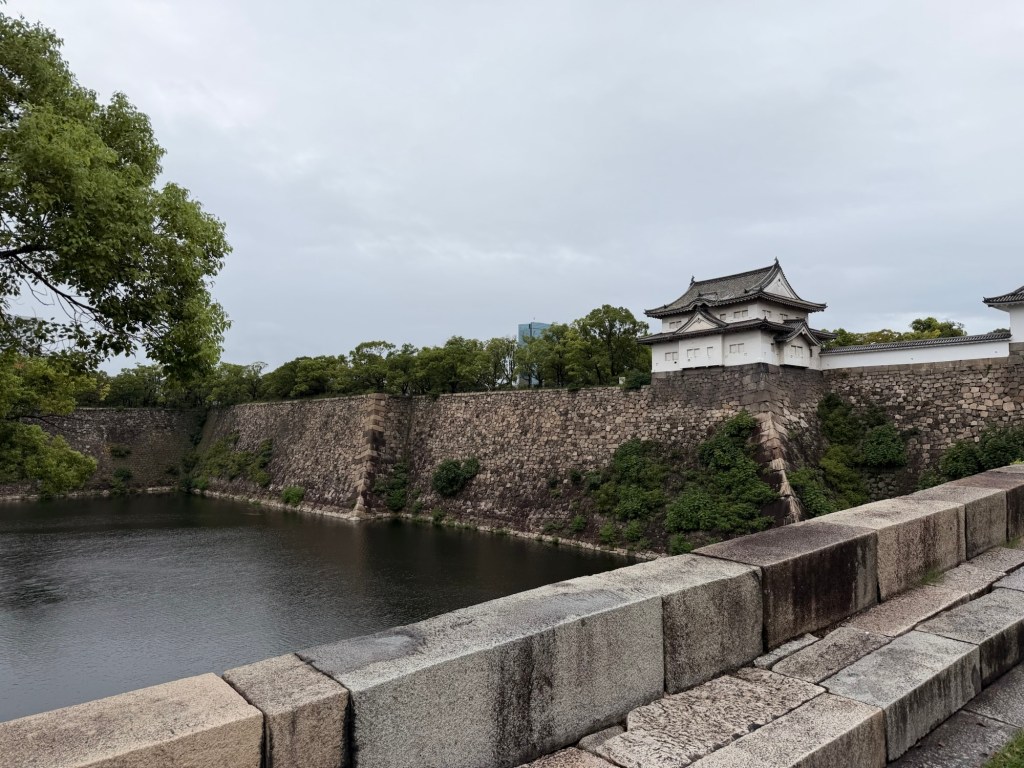
The Nozomi delivered us ridiculously quickly from Kyoto to Shin-Osaka Station, where we transferred to another train and headed toward our first destination: Osaka Castle. We had hoped to wander the sprawling castle grounds before the worst of the weather arrived, admiring the moats, stone walls, pruned pines, and the quintessential Japanese castle that has become an emoji: 🏯. By the time we arrived, the wind was already bending umbrellas and the rain was beginning to come down hard.
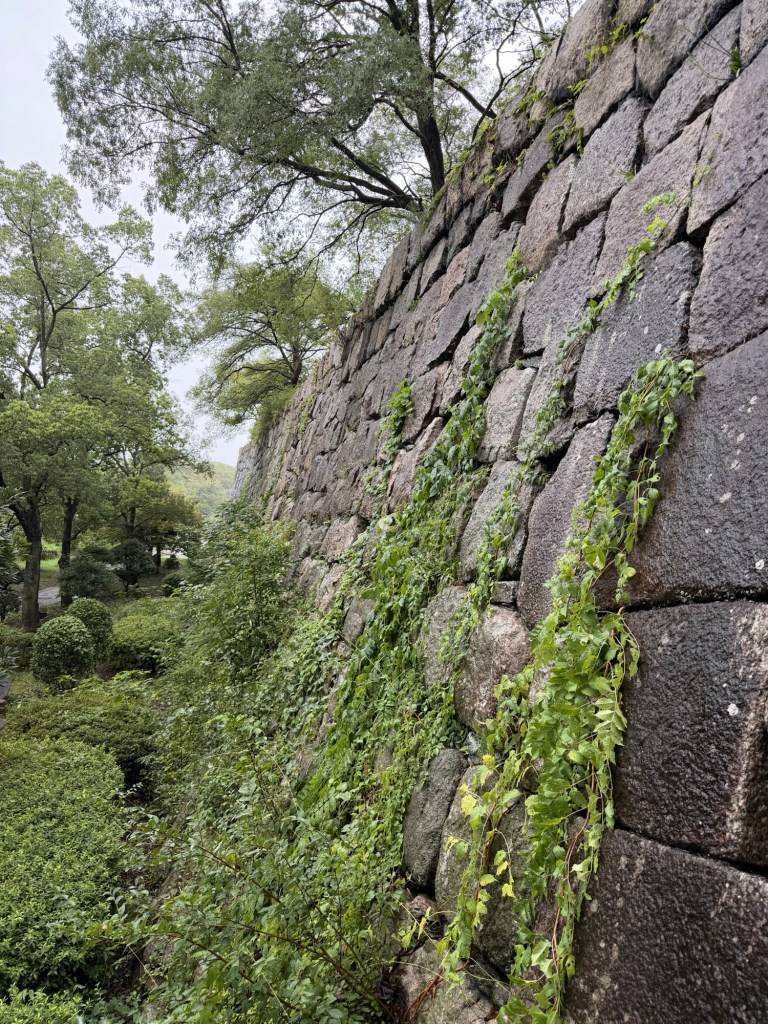
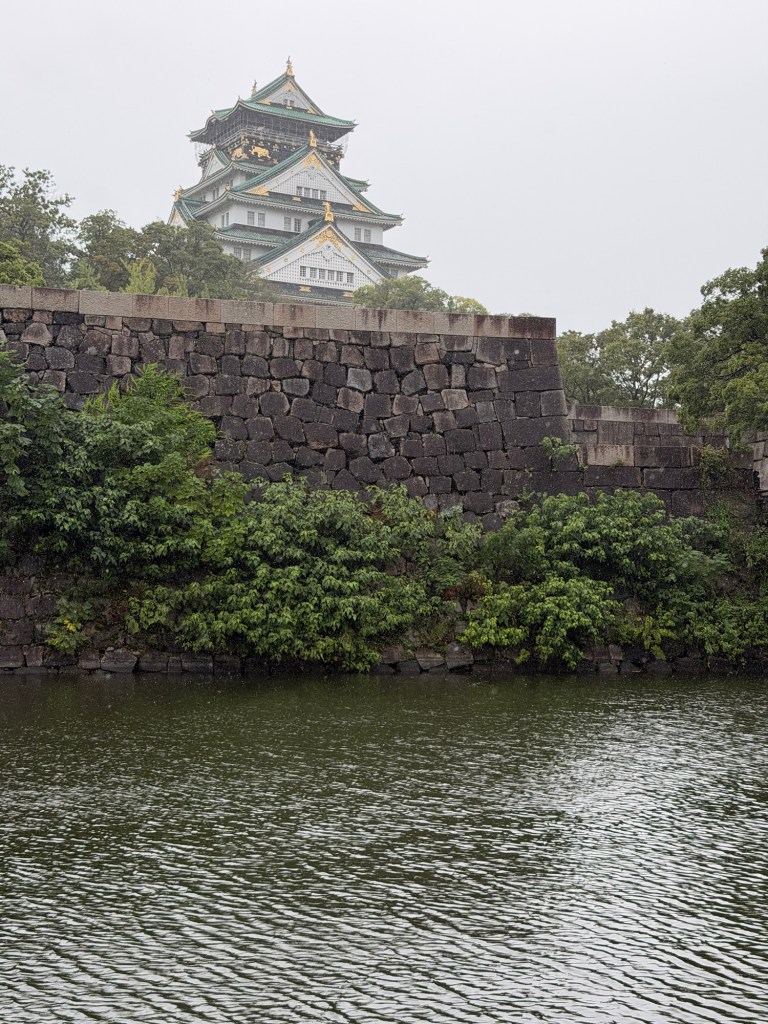
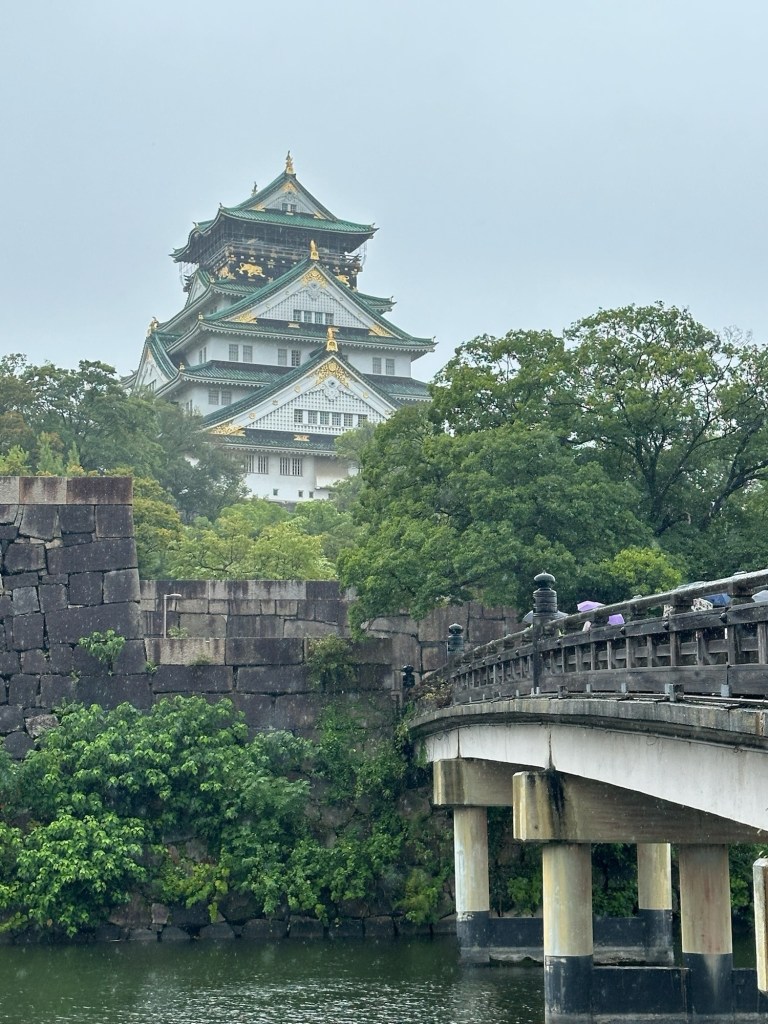
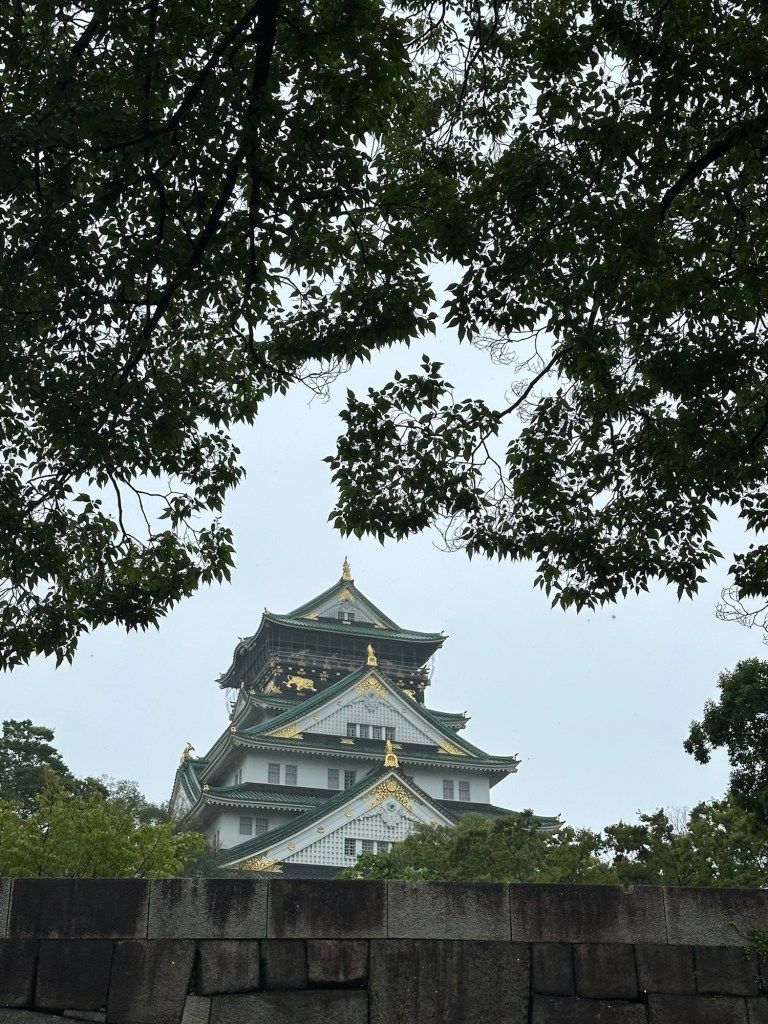
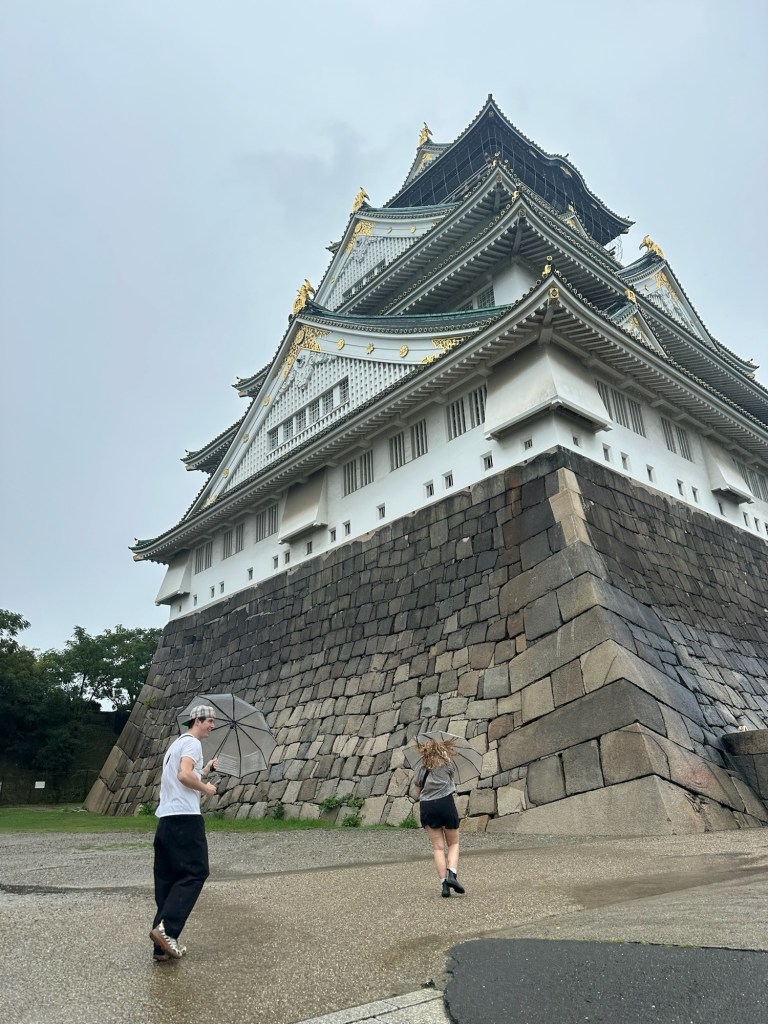
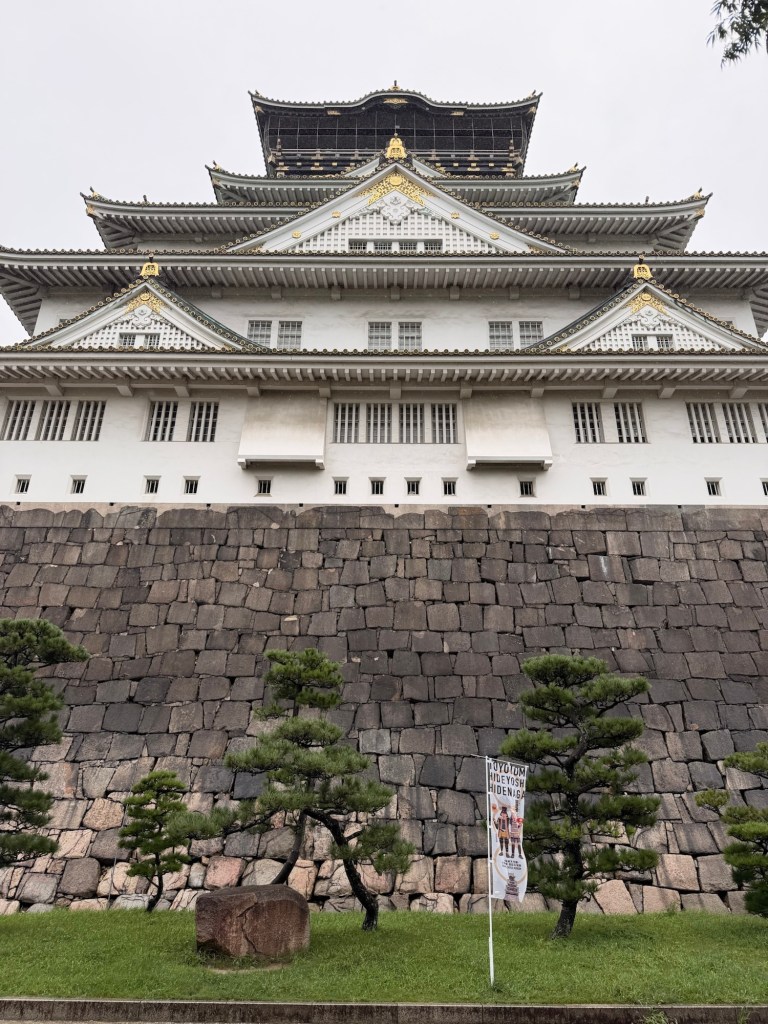
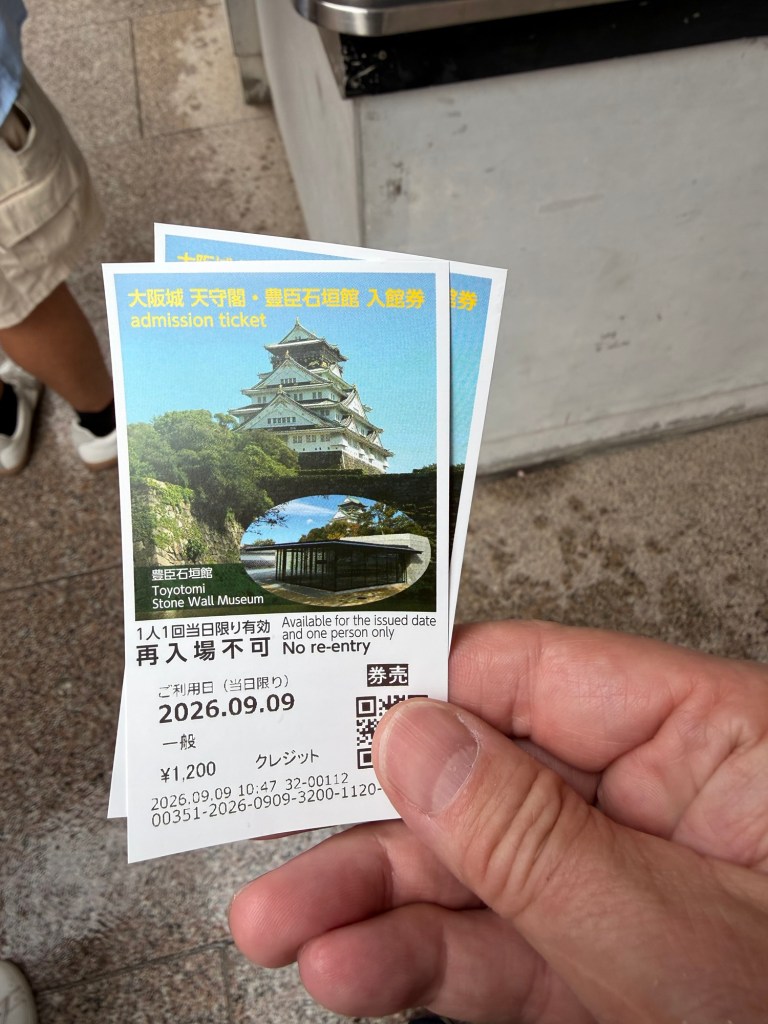
Fortunately, Osaka Castle turned out to be much more than just beautiful to photograph from the outside. The current main tower is also a museum, with an observation deck on the eighth floor overlooking Osaka and galleries below devoted to the castle, Toyotomi Hideyoshi, and the wars that shaped the city. Osaka Castle’s history is complicated enough to deserve several floors. Hideyoshi began construction in 1583 as he consolidated power over Japan. The Toyotomi castle fell during the Summer Siege of Osaka in 1615, after which the Tokugawa shogunate rebuilt it beginning in 1620. That main tower was destroyed by lightning in 1665, and the tower standing today was reconstructed in 1931.
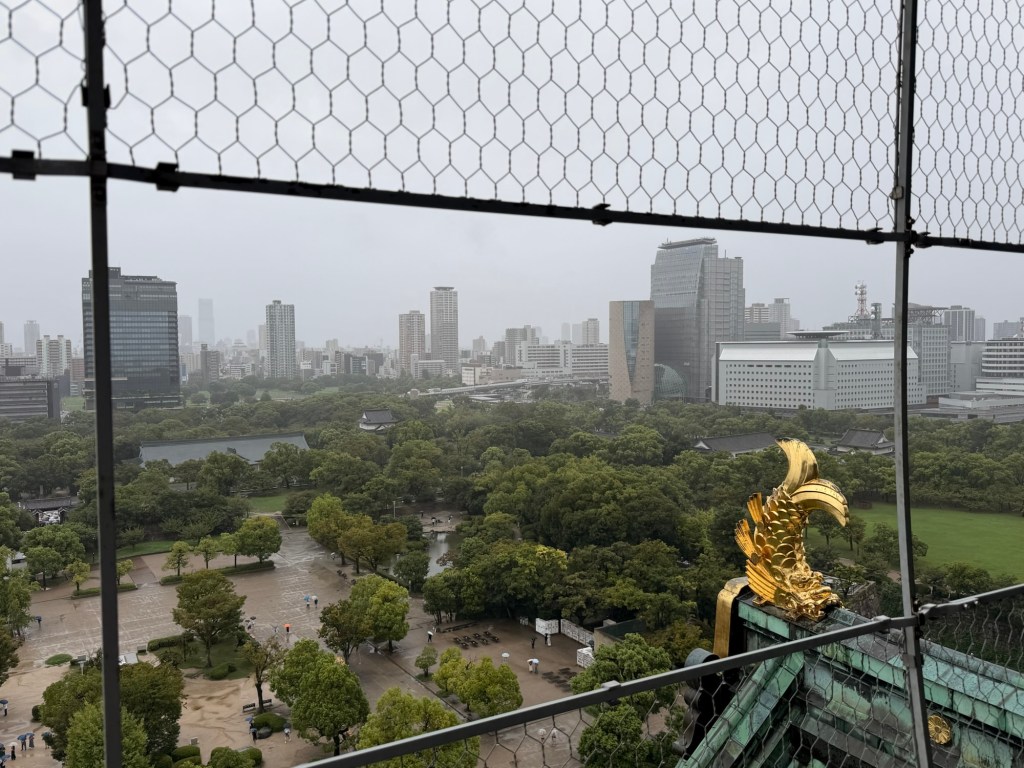
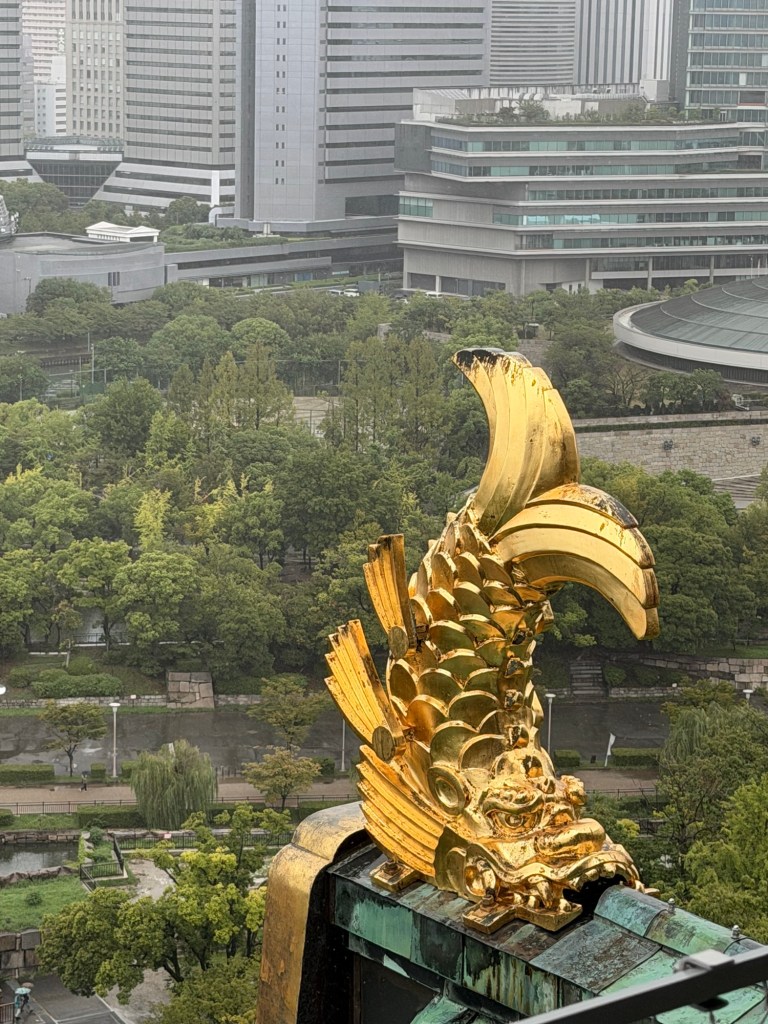
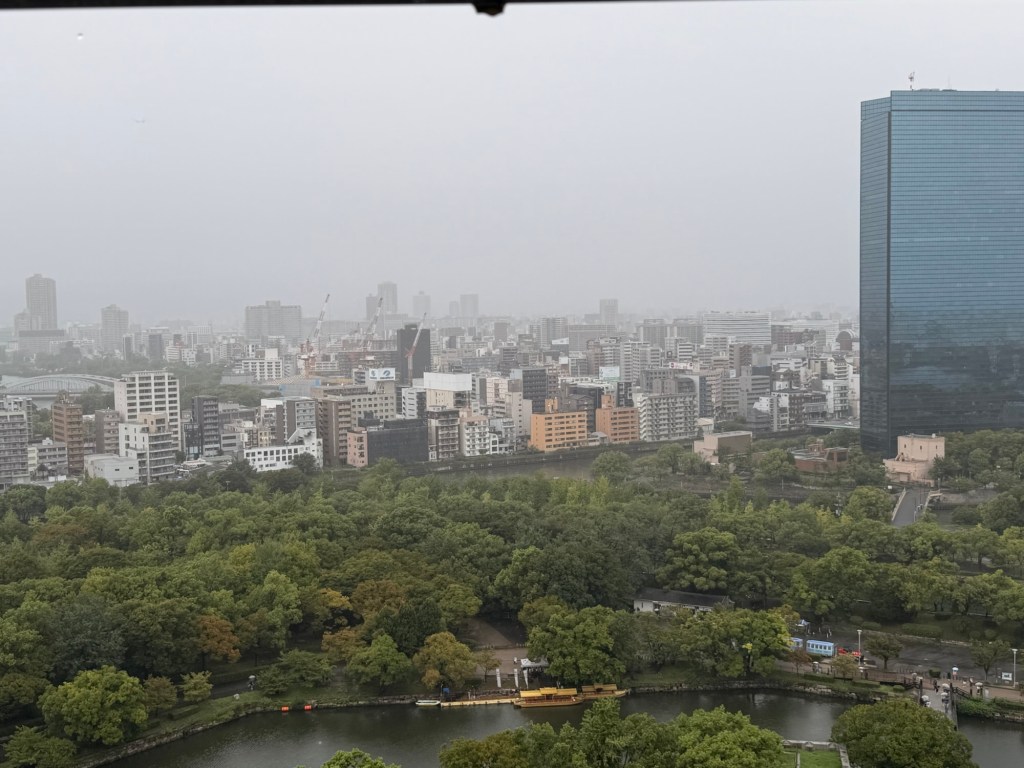
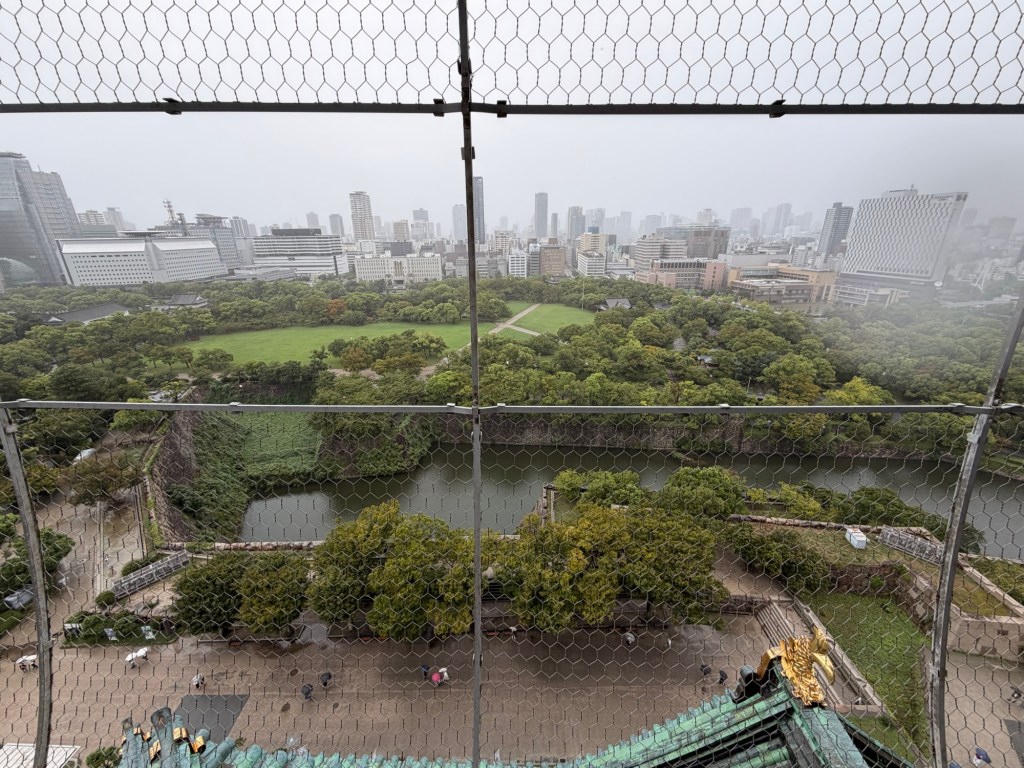
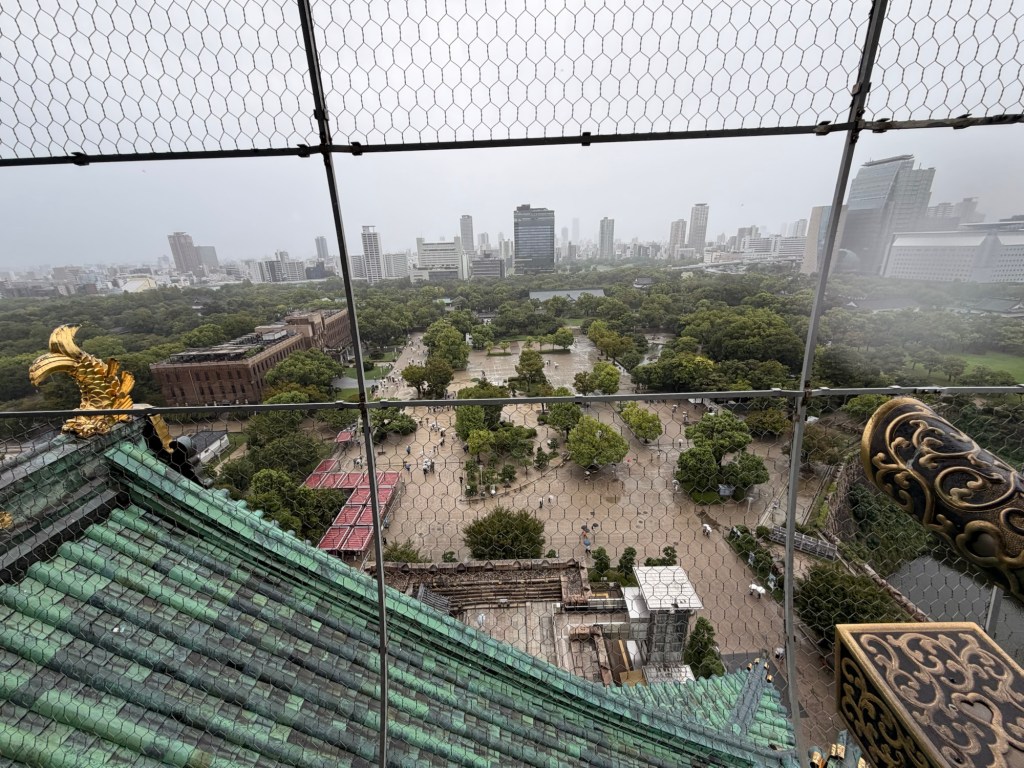
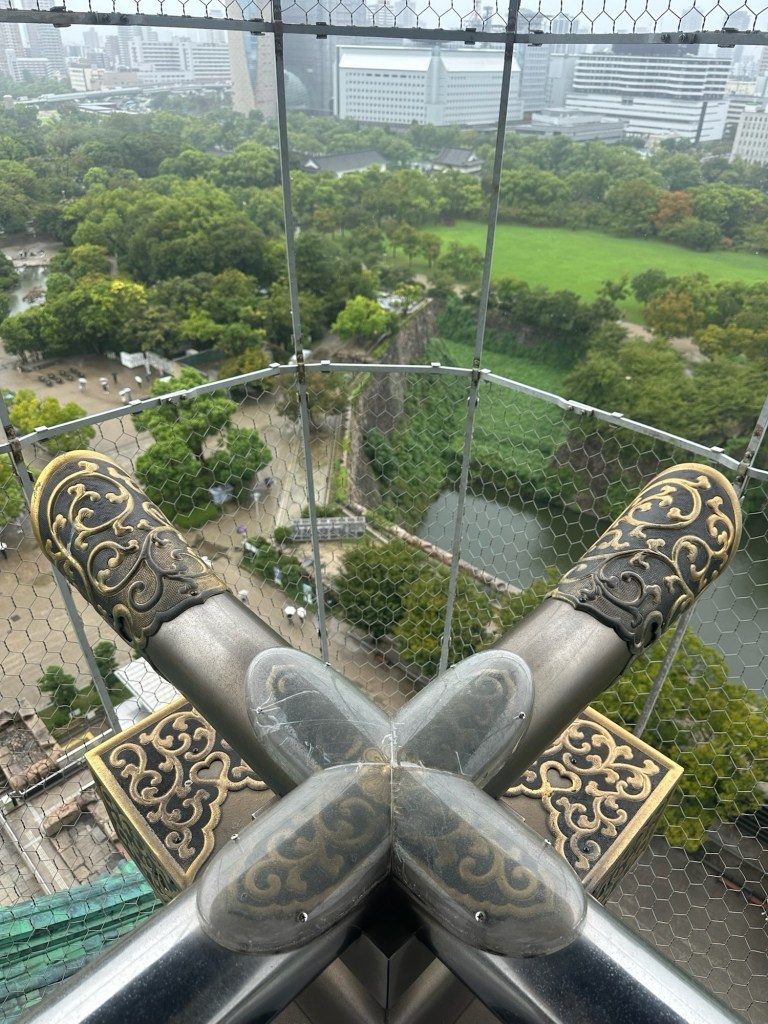
We started at the top, stepping onto the observation deck for sweeping views across modern Osaka, although on this particular morning the city was in a gray curtain of rain. From there we worked our way down, floor after floor, through exhibits of armor, swords, folding screens, models, artwork, and artifacts connected to Hideyoshi. Unfortunately, much of the museum prohibits photography. Not a bad rainy day backup plan and by the time we emerged, there was a short break in the rain.
From the age of samurai we took a taxi directly across town into another critical chapter of Japanese history: instant ramen.
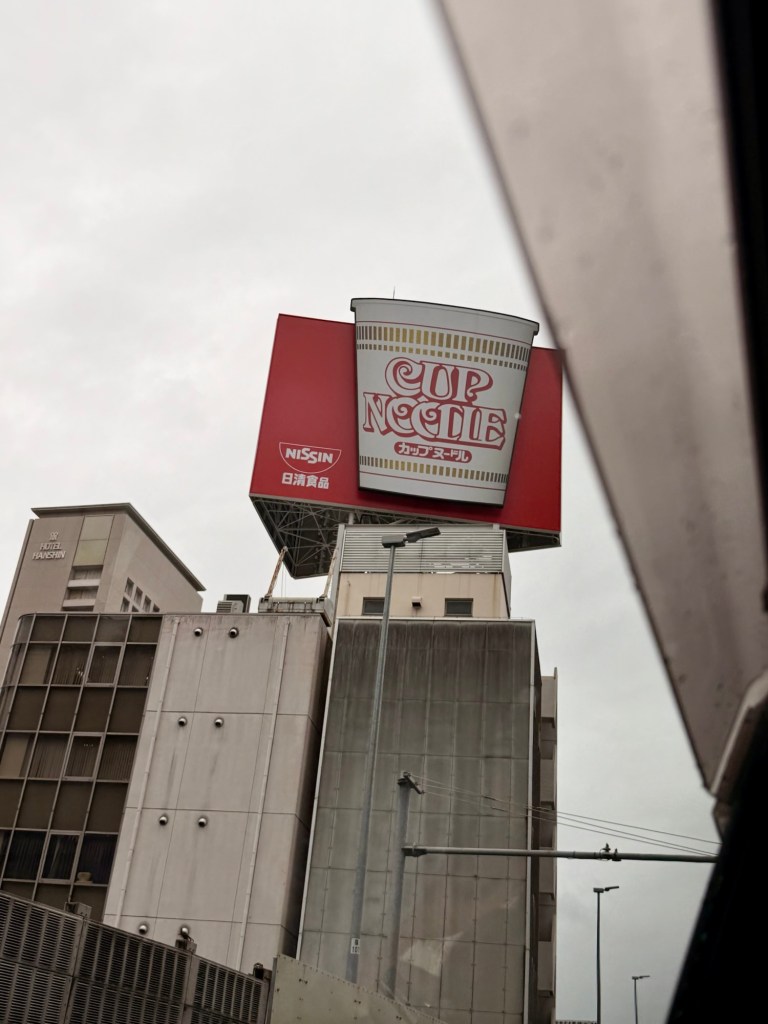
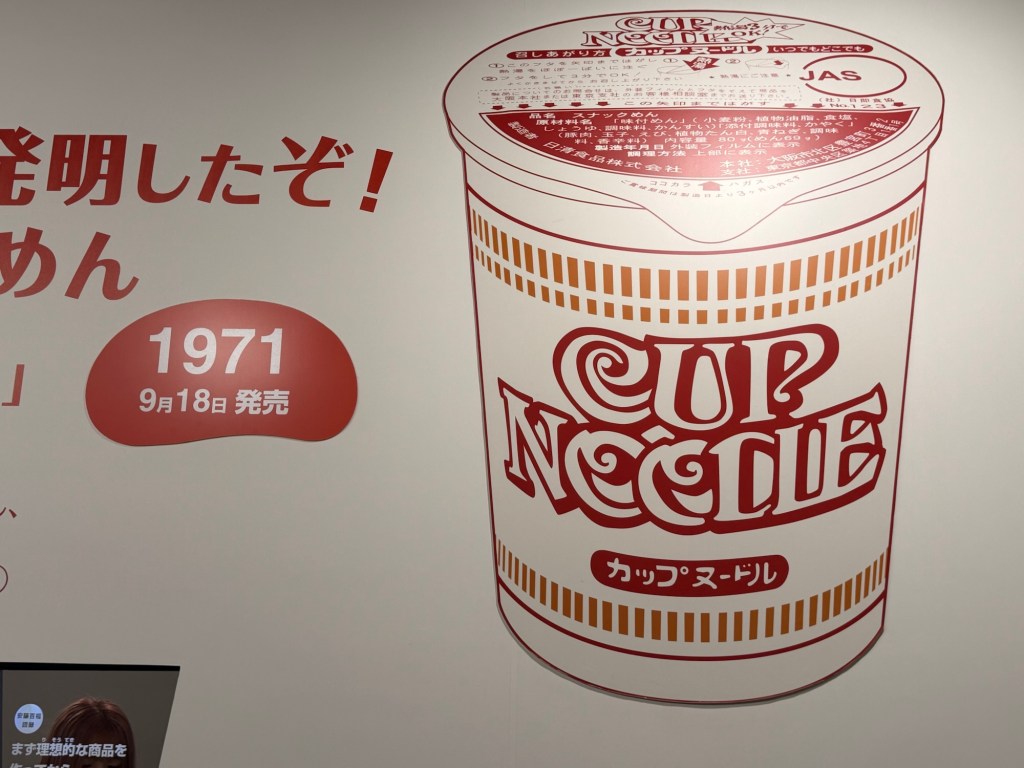
More precisely, we were headed to the CUPNOODLES Museum Osaka Ikeda, located in Ikeda on the outskirts of Osaka and dedicated to Momofuku Ando, the inventor of instant ramen. In 1958, after a year of experiments in a little shed behind his home in Ikeda, Ando invented Chicken Ramen, widely recognized as the world’s first instant noodles. His breakthrough was a flash frying process that dried the noodles so they could later be rehydrated by adding hot water. In 1971 he took the idea further and invented CUPNOODLES, turning ramen into a portable meal that would spread around the world and even into space. In 2005, at the age of 95, his ideas helped lead to Space Ramen, specially designed noodles carried aboard the Space Shuttle Discovery.
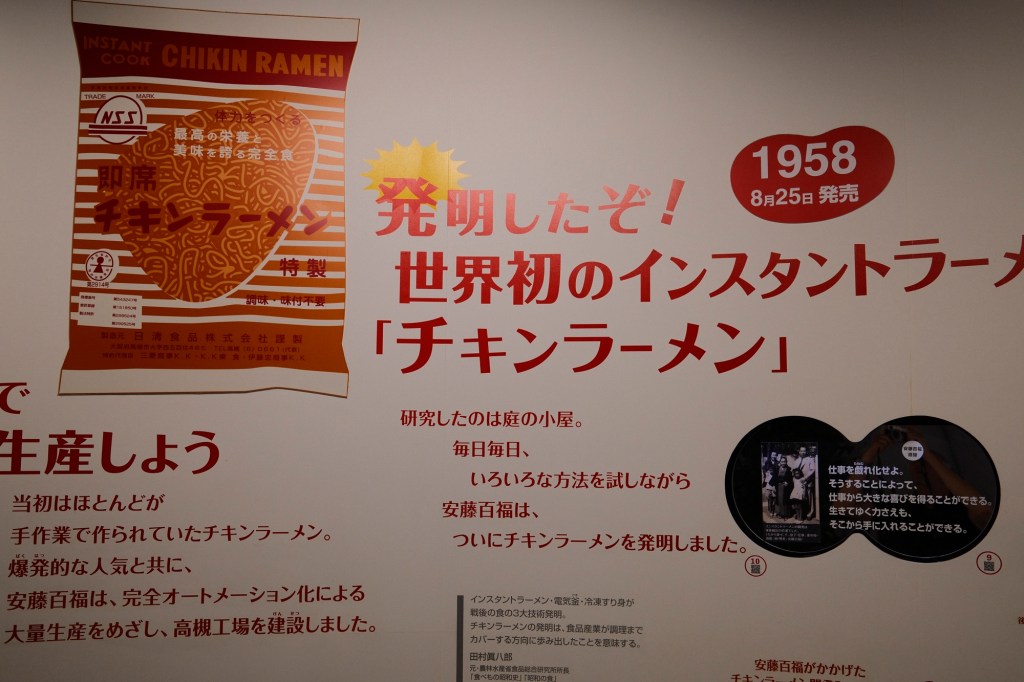
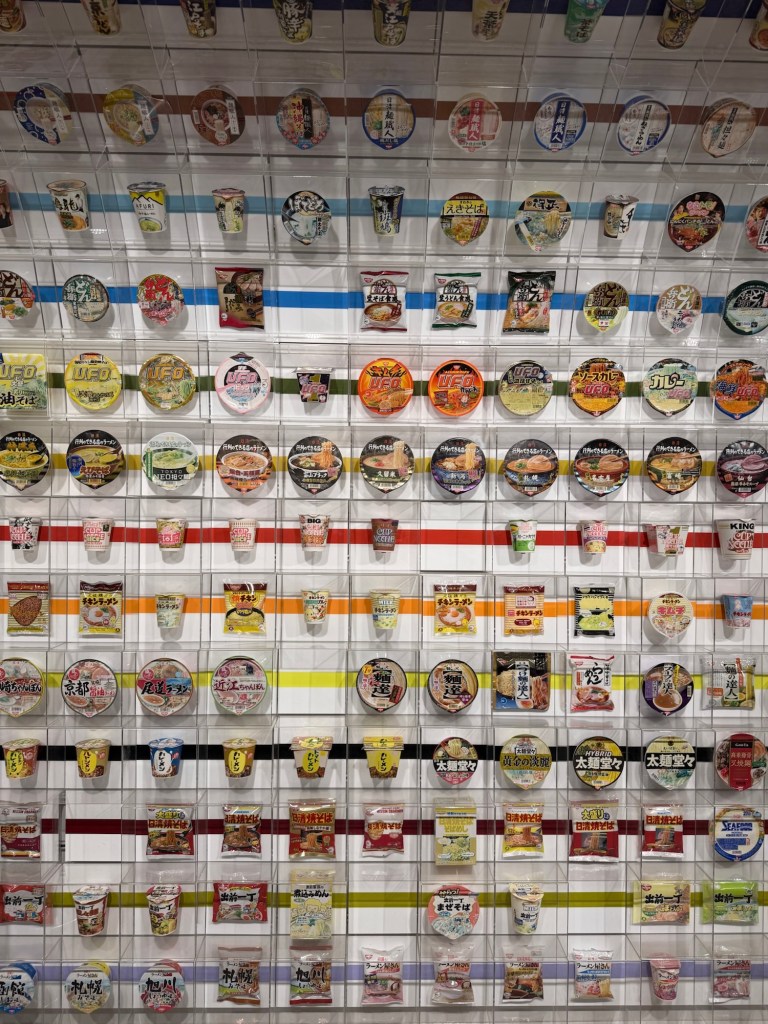
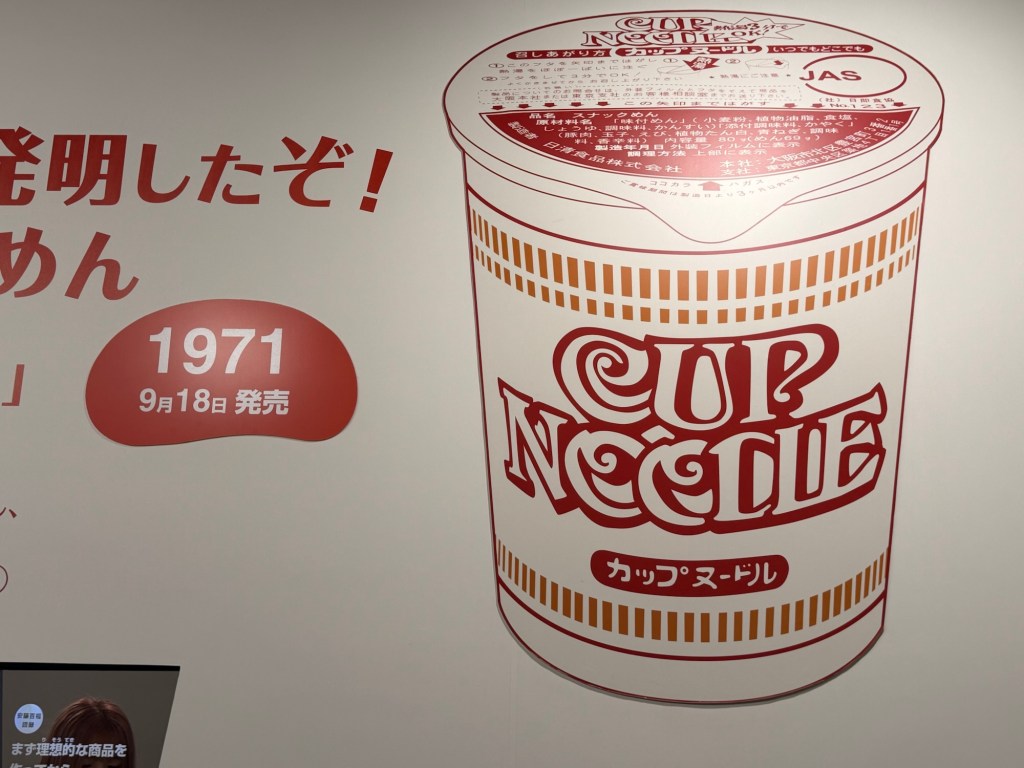
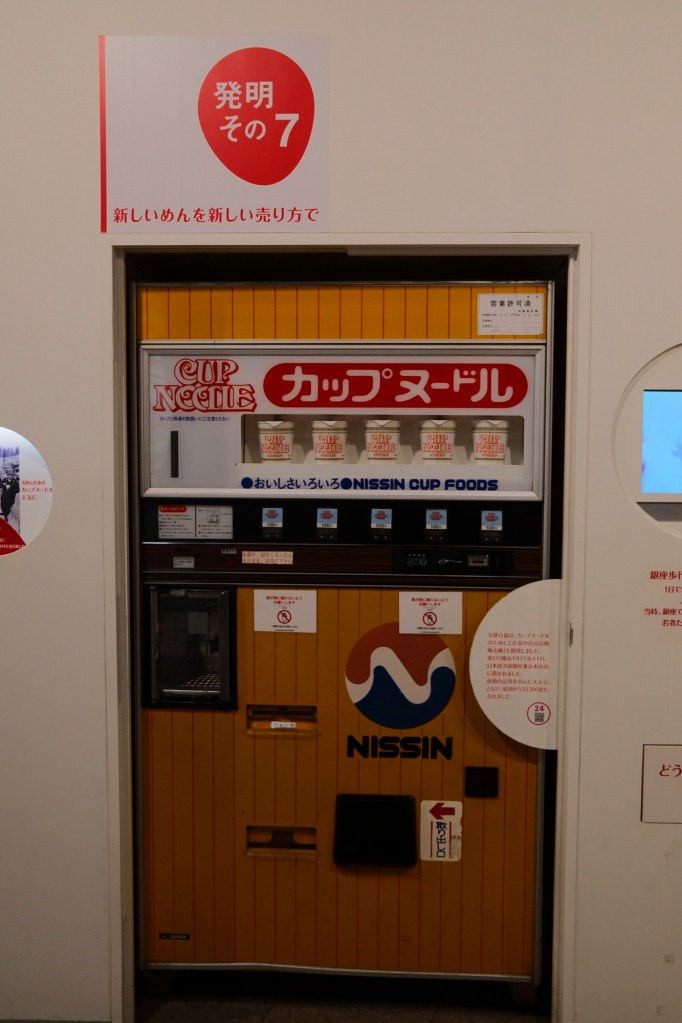
I had one of those travel epiphanies where two unrelated pieces of information suddenly snap together. Momofuku. As in chef David Chang’s Momofuku. Chang’s restaurant empire began with Momofuku Noodle Bar, and the name was must be a direct nod to Momofuku Ando. I had eaten at Momofuku in New York and D.C. without ever realizing that someday I’d be visiting the namesake’s factory in Japan!
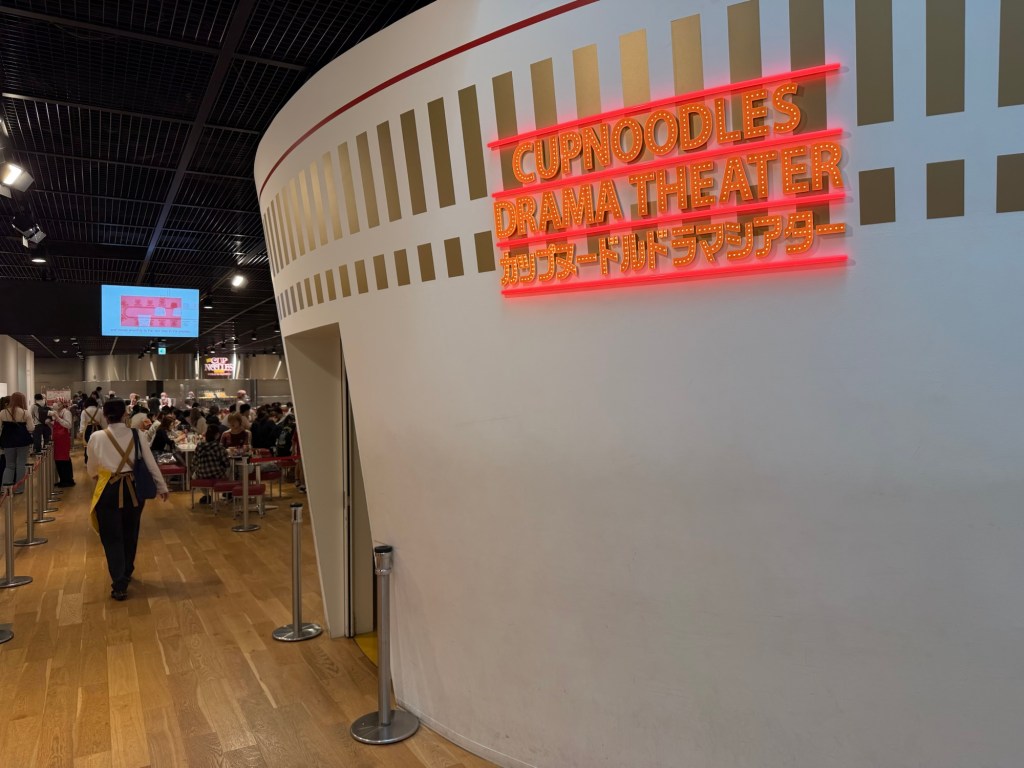
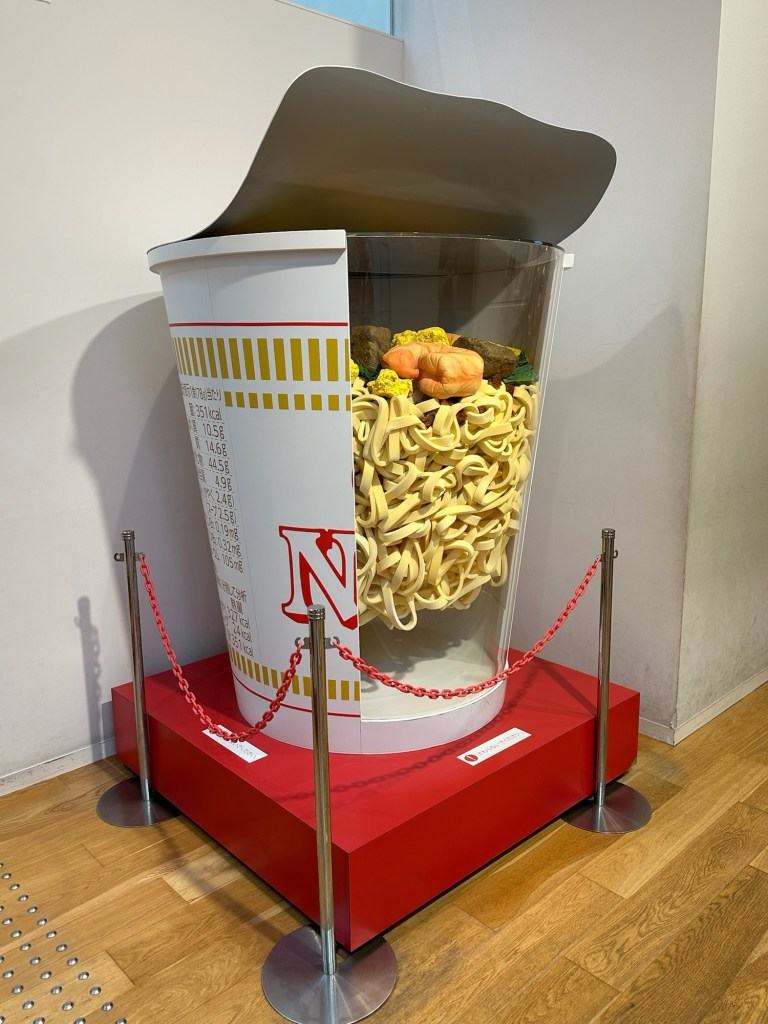
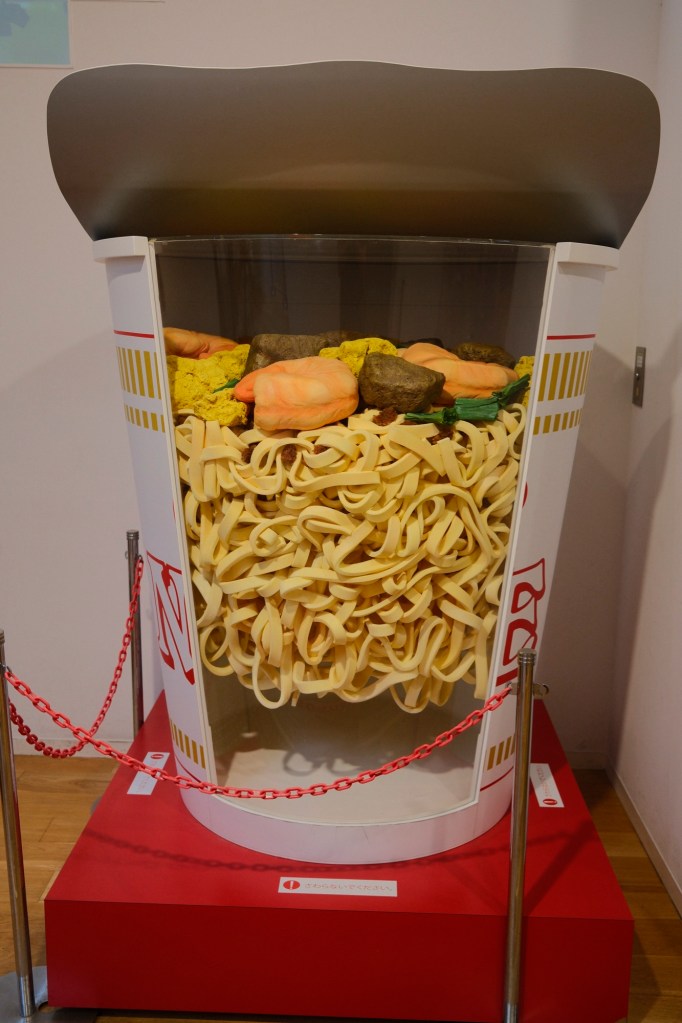
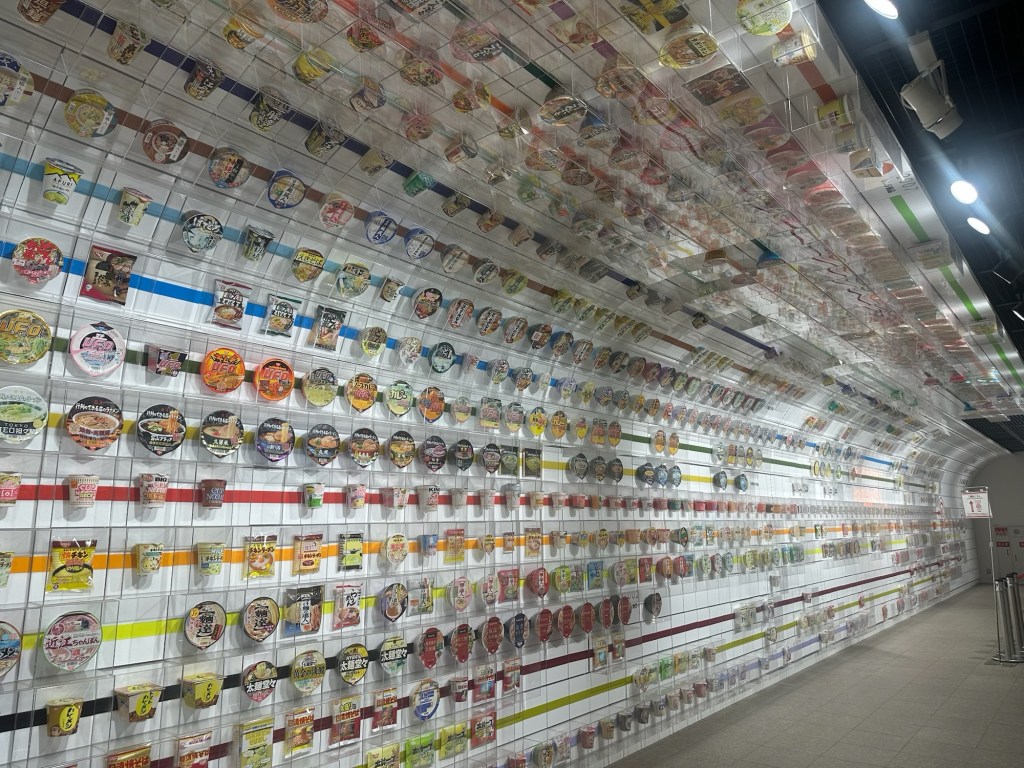
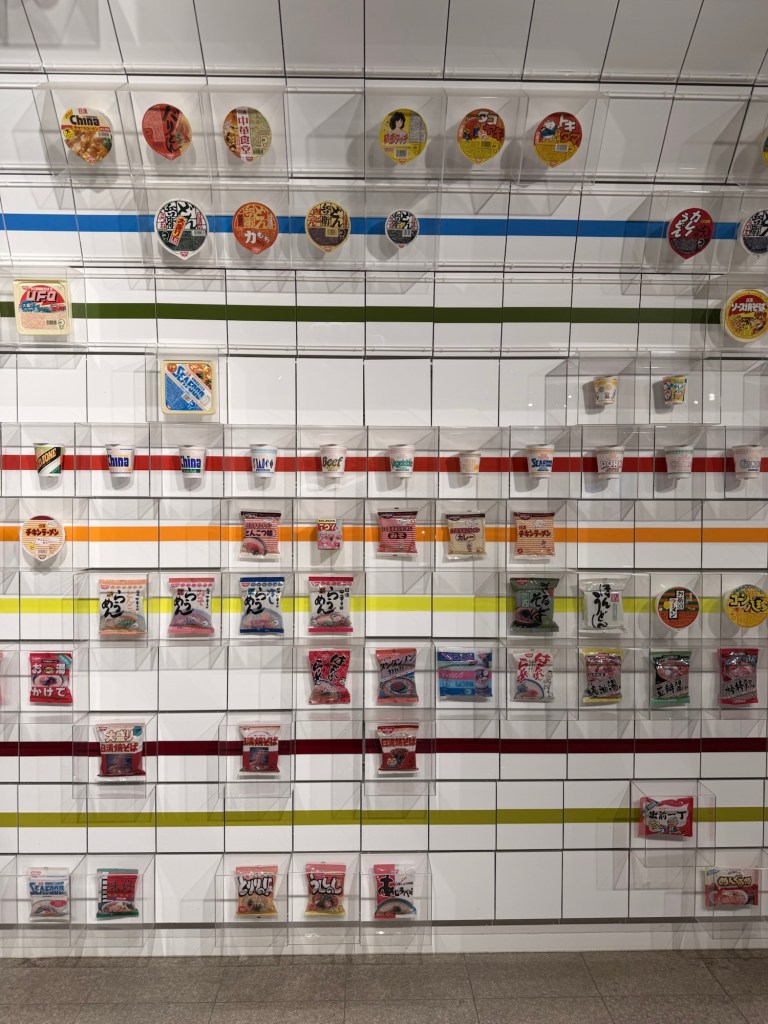
Most of the museum’s displays were in Japanese, and almost everyone around us appeared to be Japanese as well. That made it feel less like a stop on the tourist circuit and more like we had wandered into something families from Japan actually come to see on a rainy day. There were displays chronicling the evolution of instant noodles, including a tunnel lined with hundreds of packages from decades of noodle history. Fun fact, apparently there are about 120 billion servings of instant noodles consumed around the world every year!
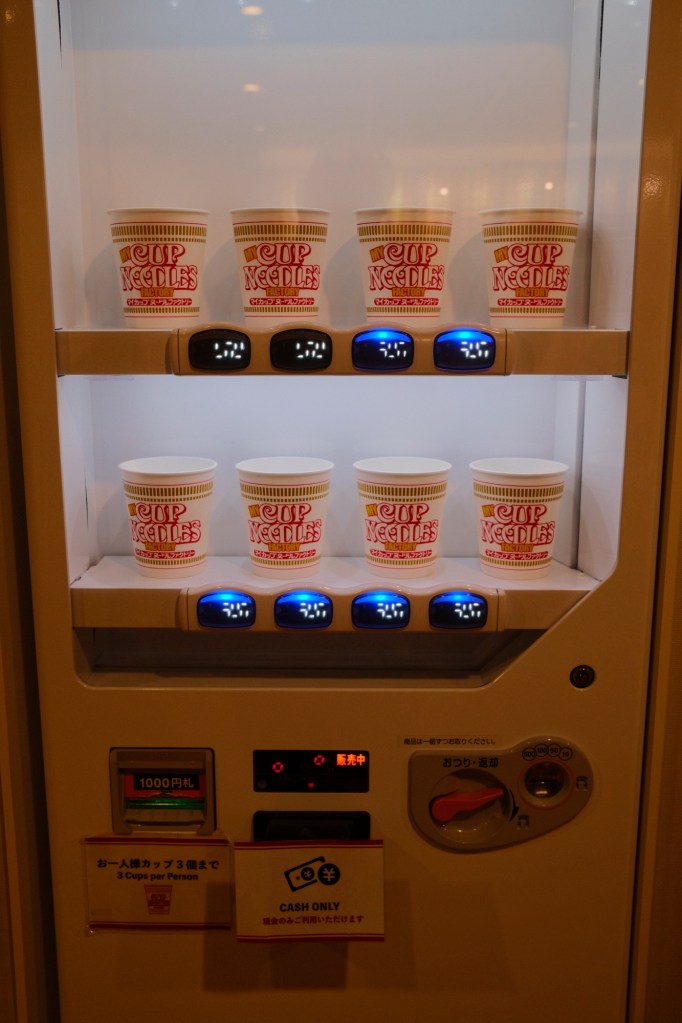
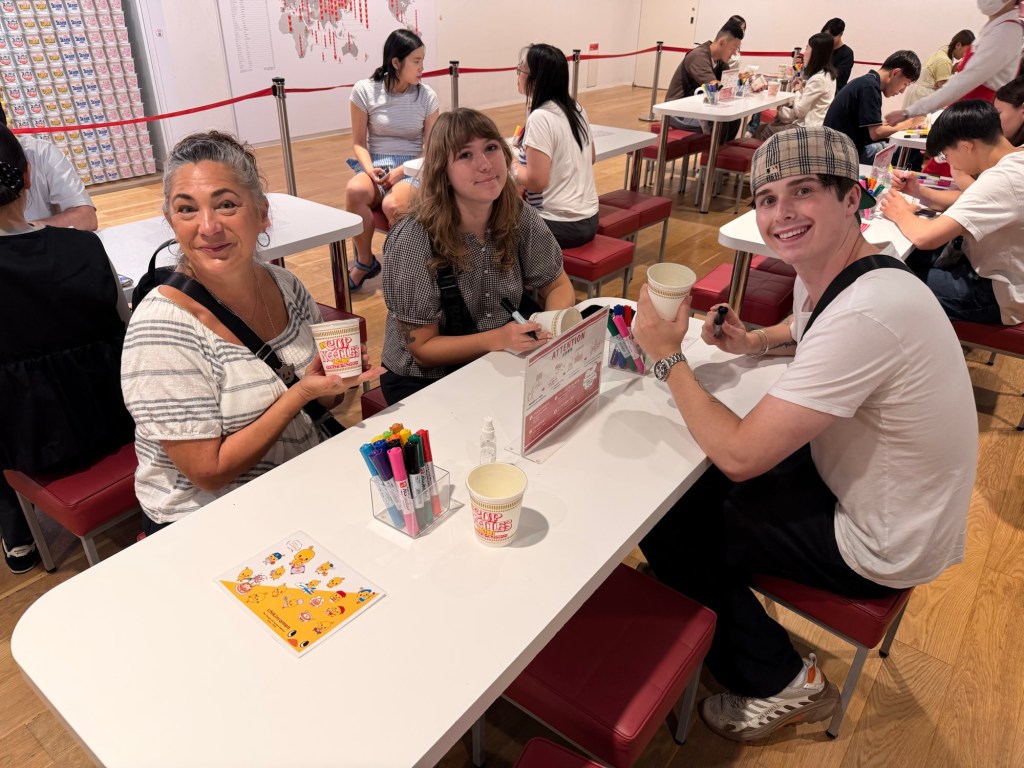
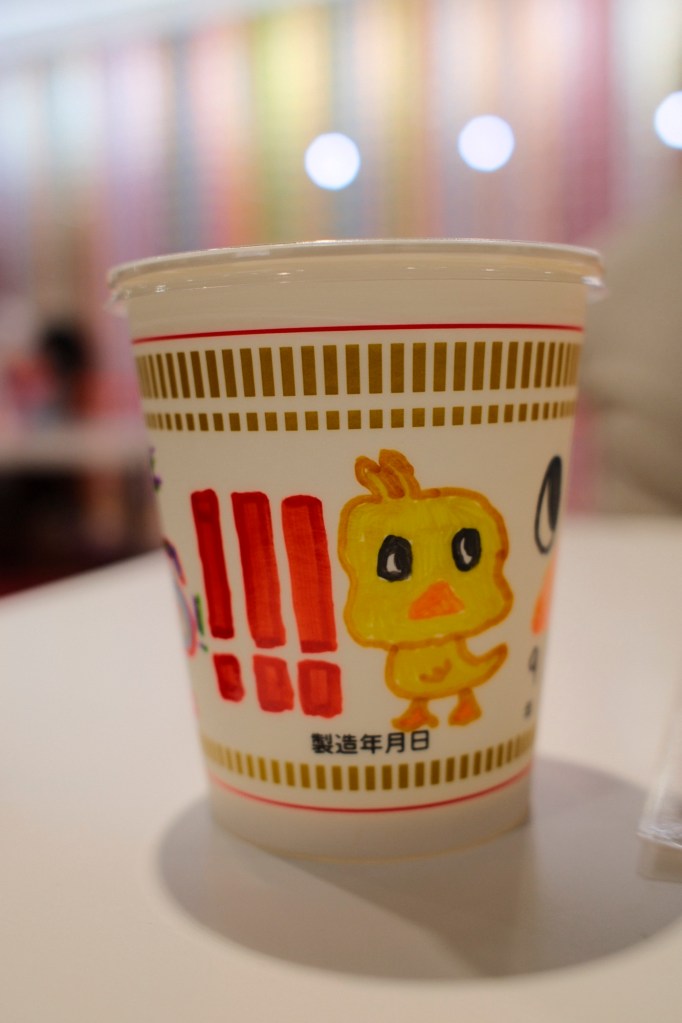
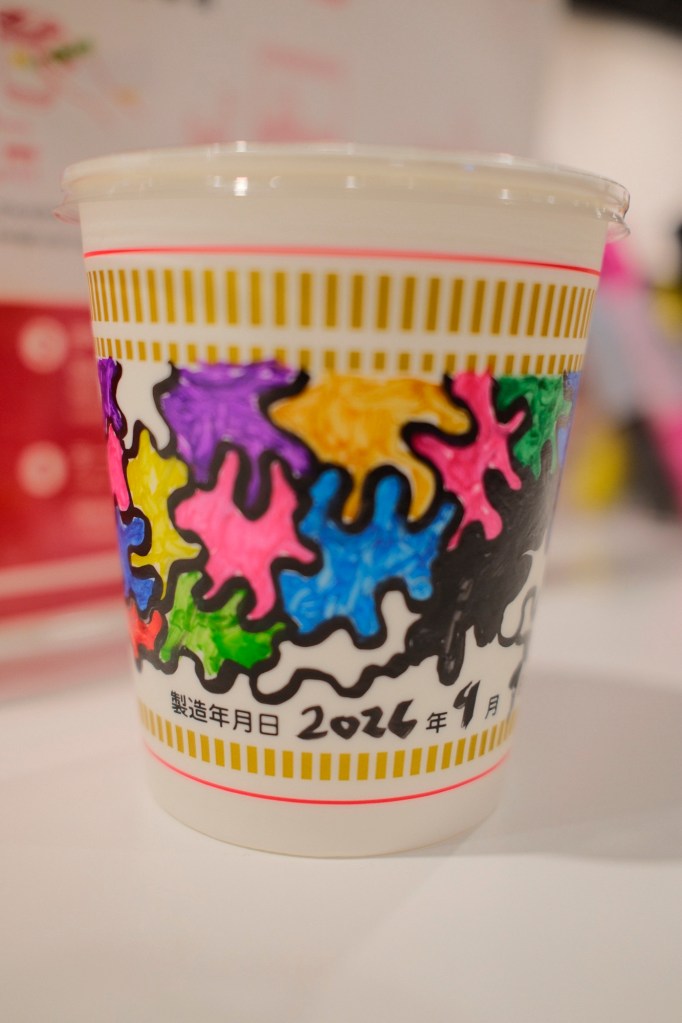
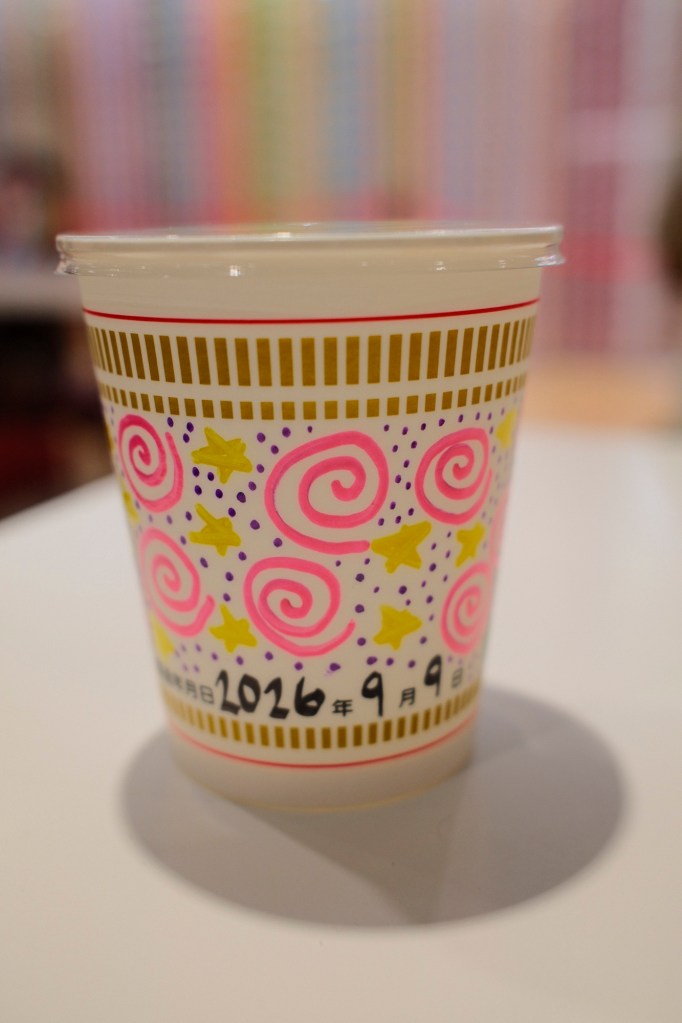
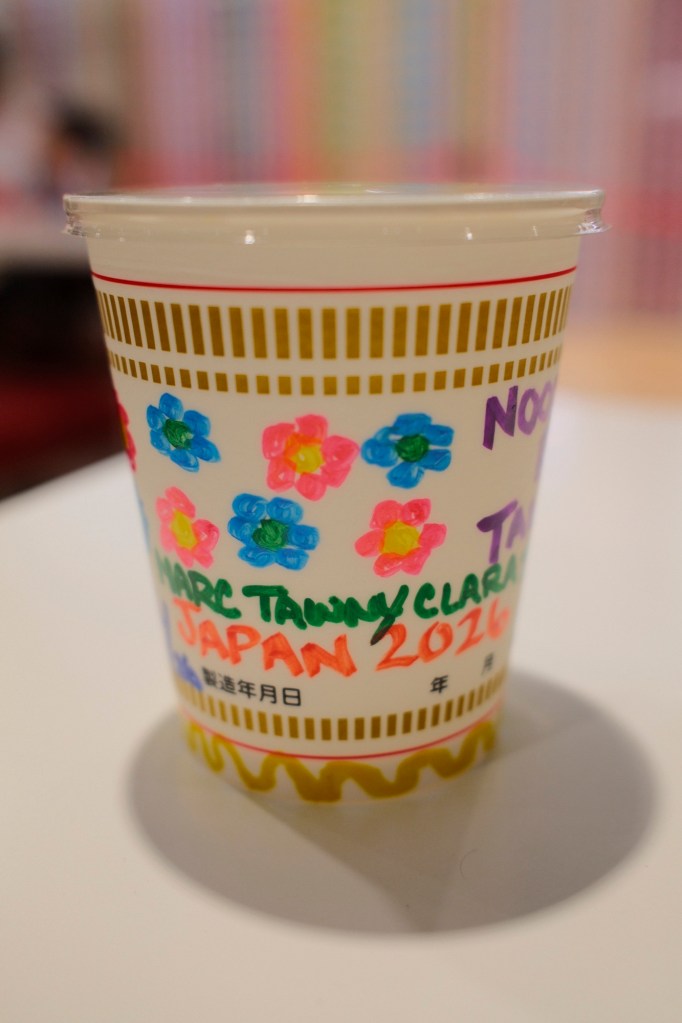
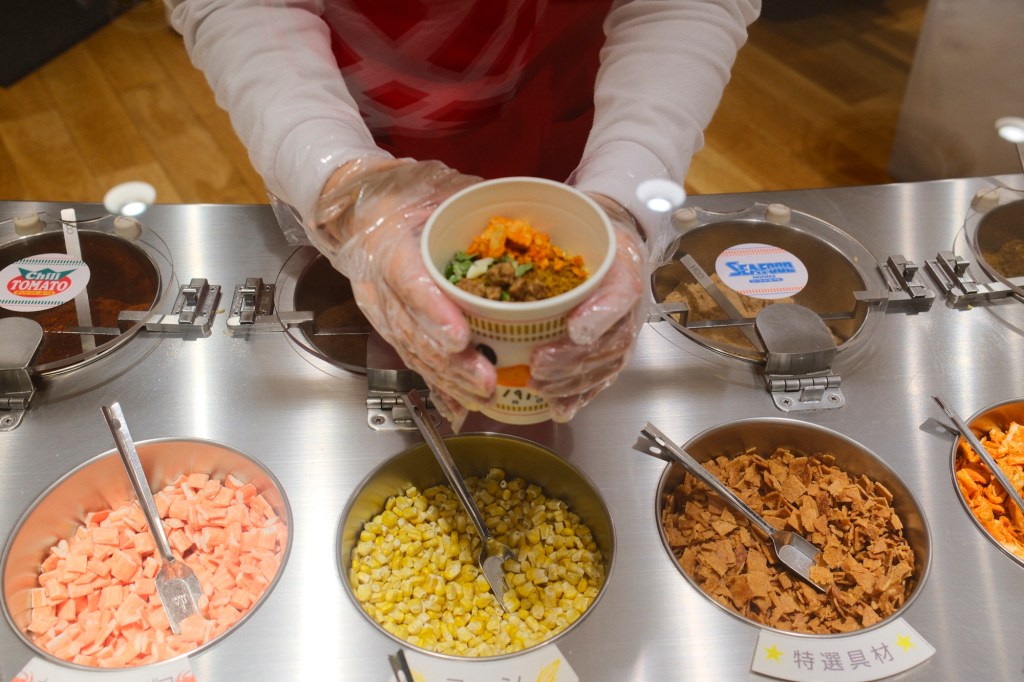
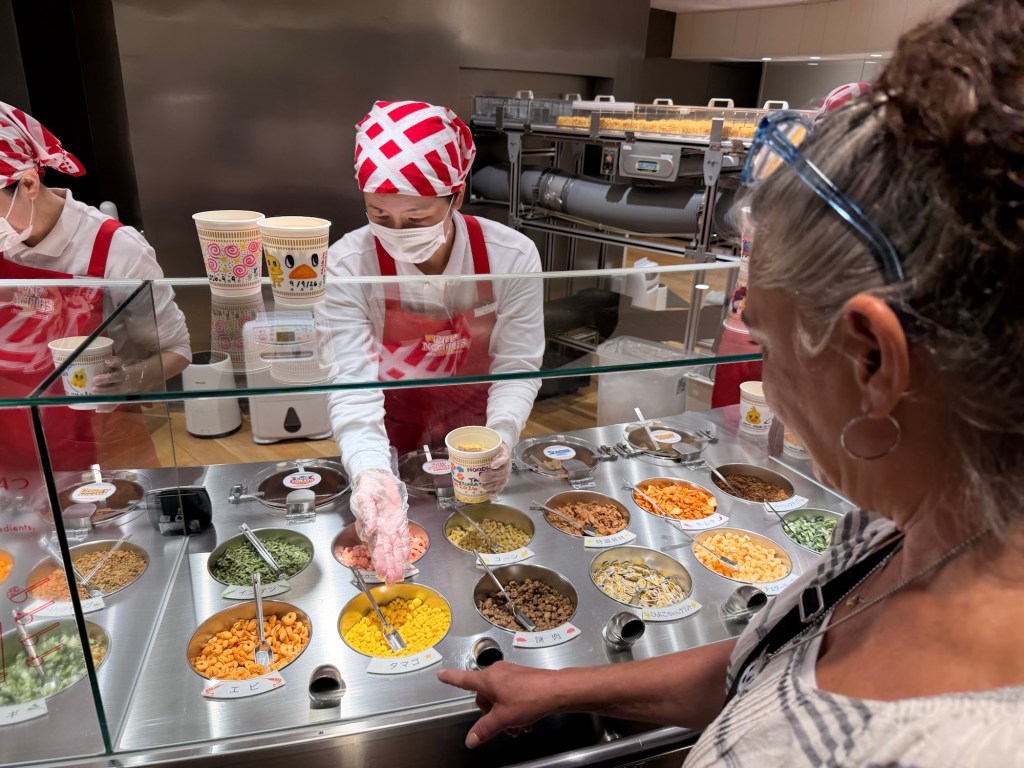
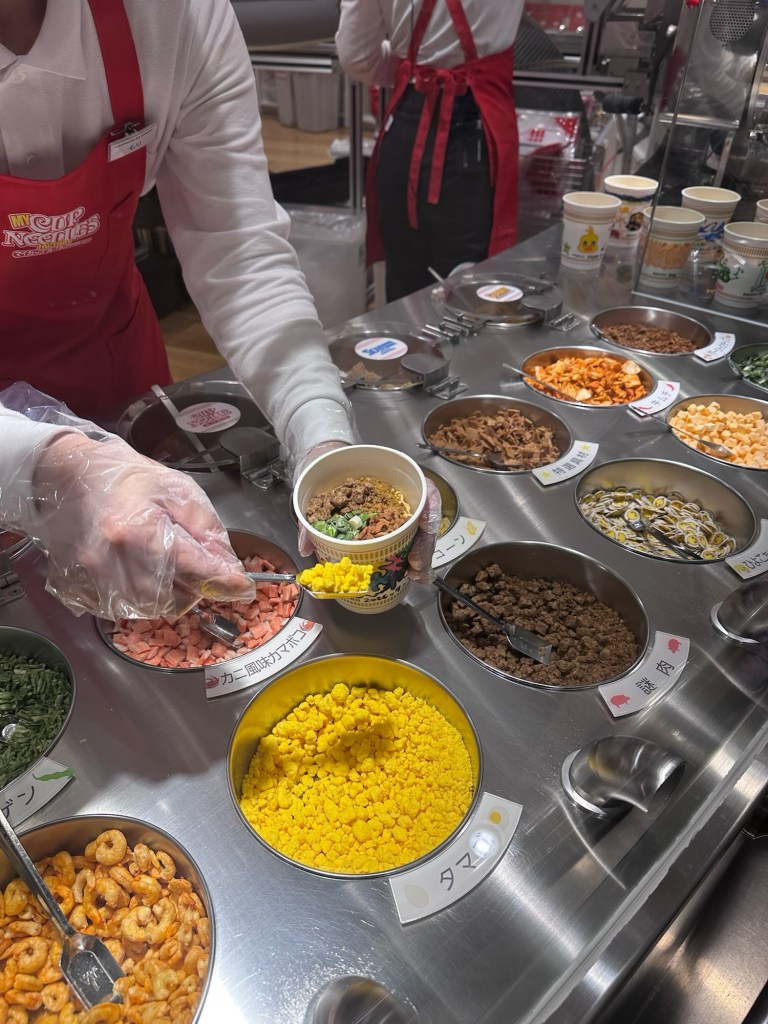
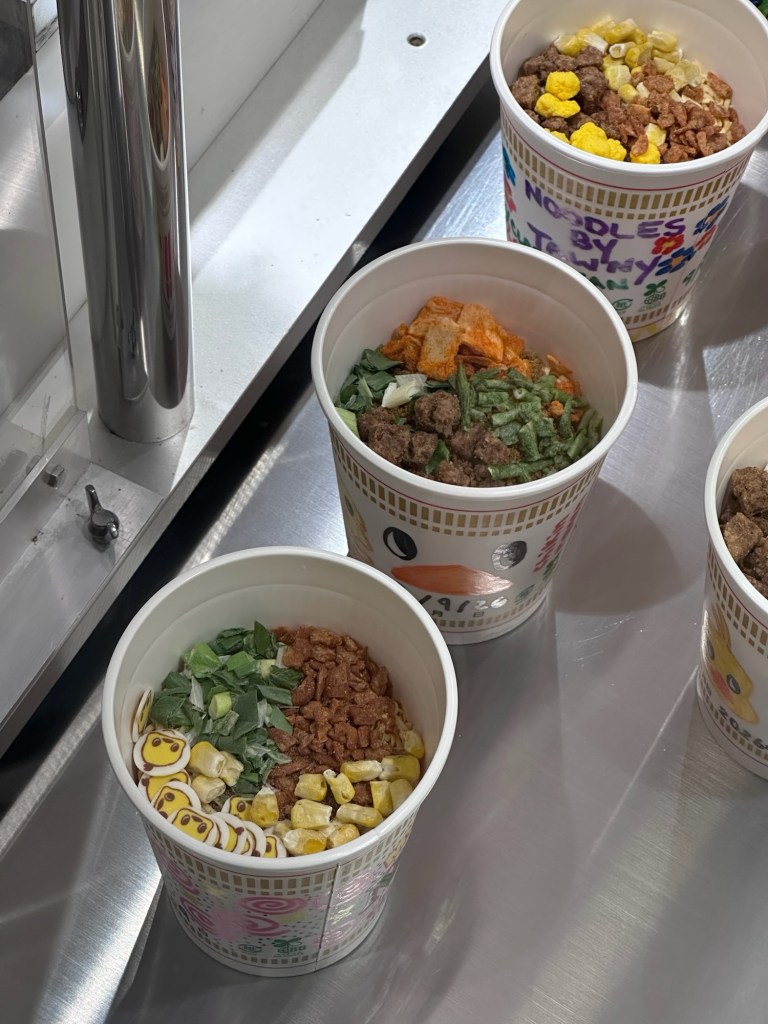
We didn’t traveled all the way out to Ikeda merely to learn about instant ramen, we were there to make our own. At the CUPNOODLES Factory, we purchased empty cups from a vending machine and sat down at tables covered with markers so we could decorate and personalize our packaging. Once our designs were complete, we carried them to the production line, where each cup was filled with noodles. Then came the important decisions. We could choose one of four soup flavors and four toppings from a selection of twelve, allowing everyone to construct a custom noodle concoction. The cups were sealed, wrapped, and packaged for the journey home.
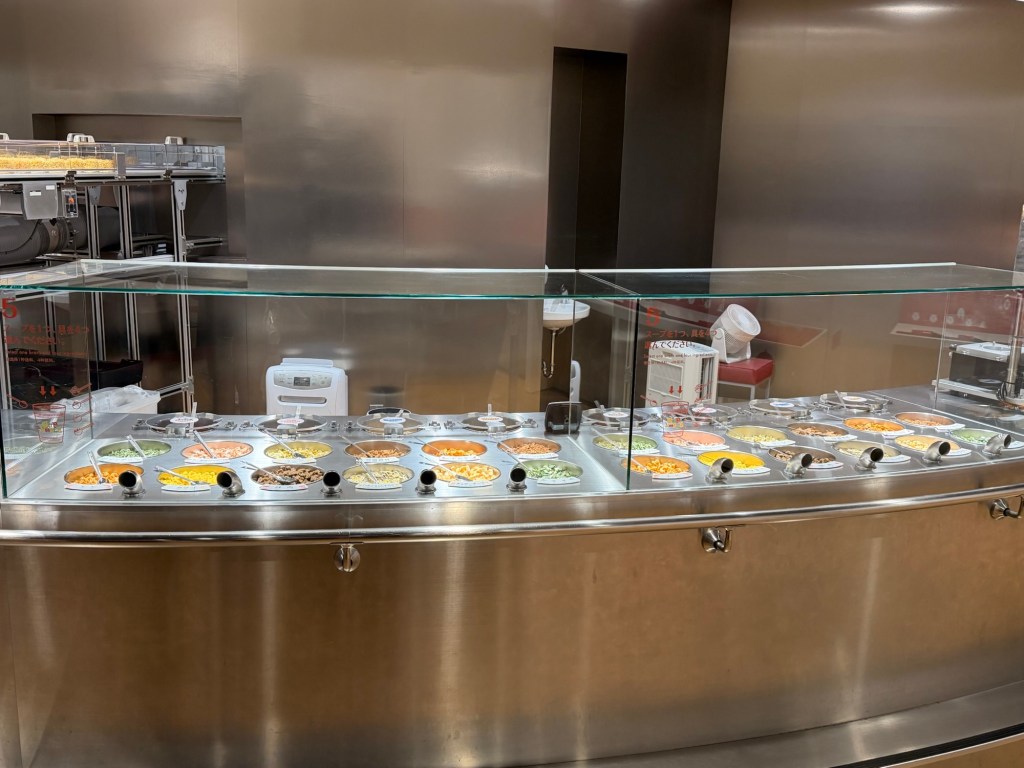
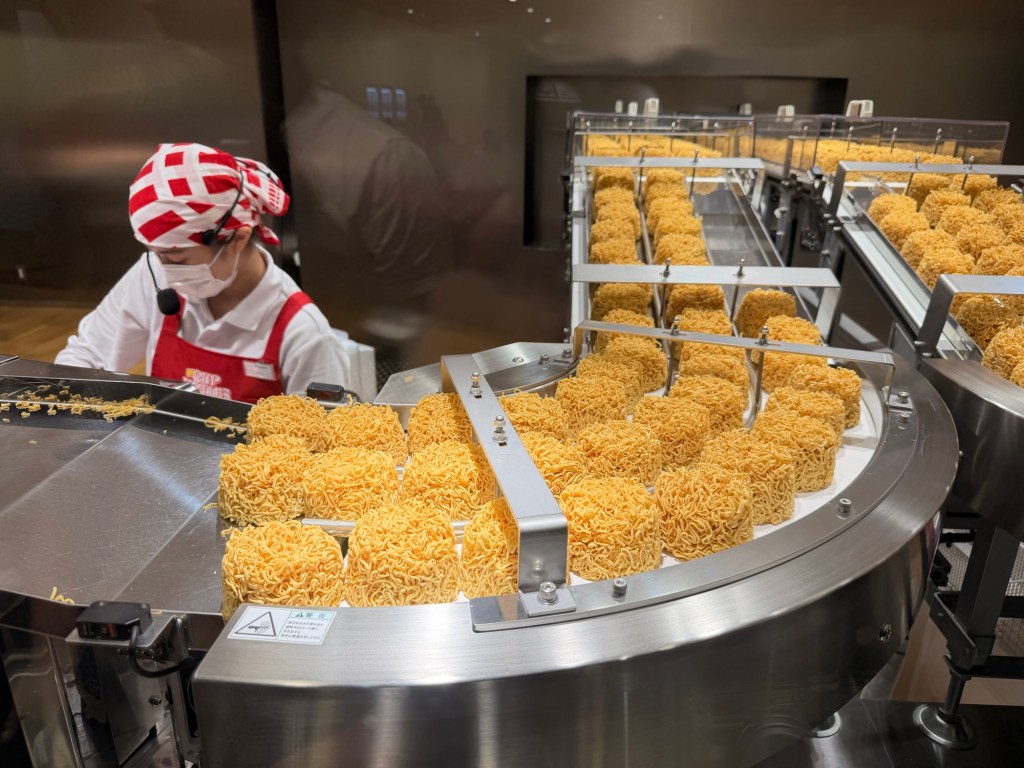
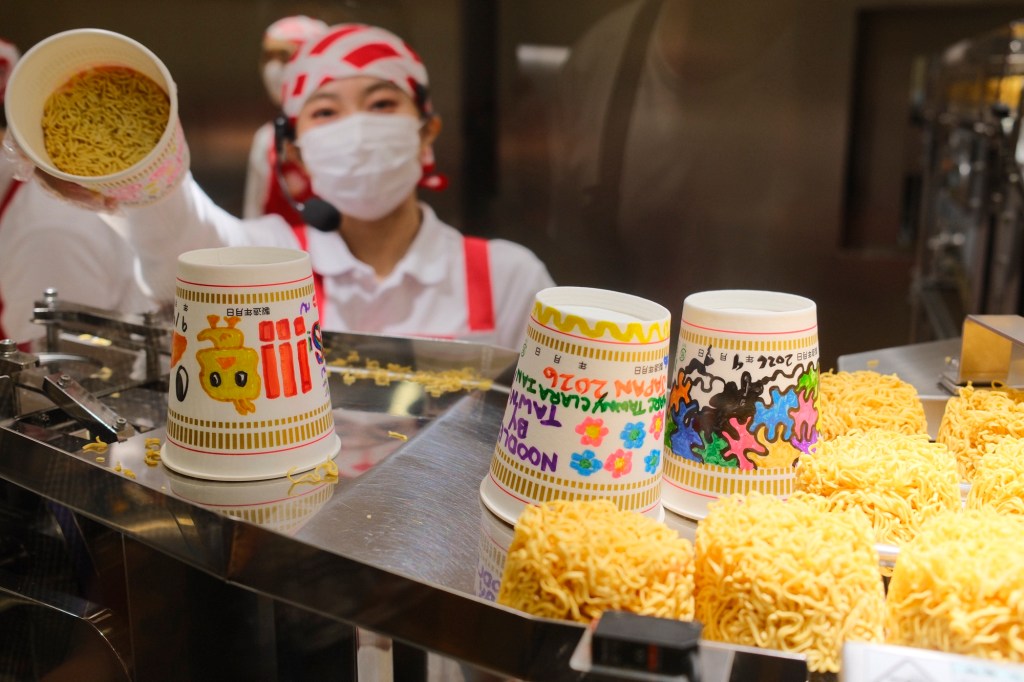
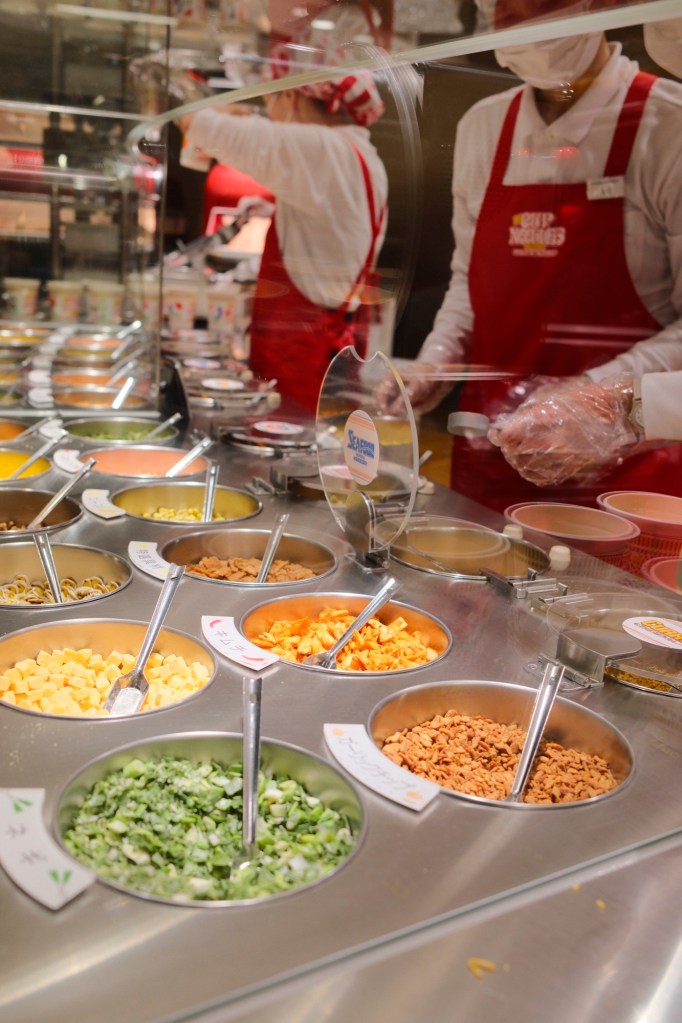
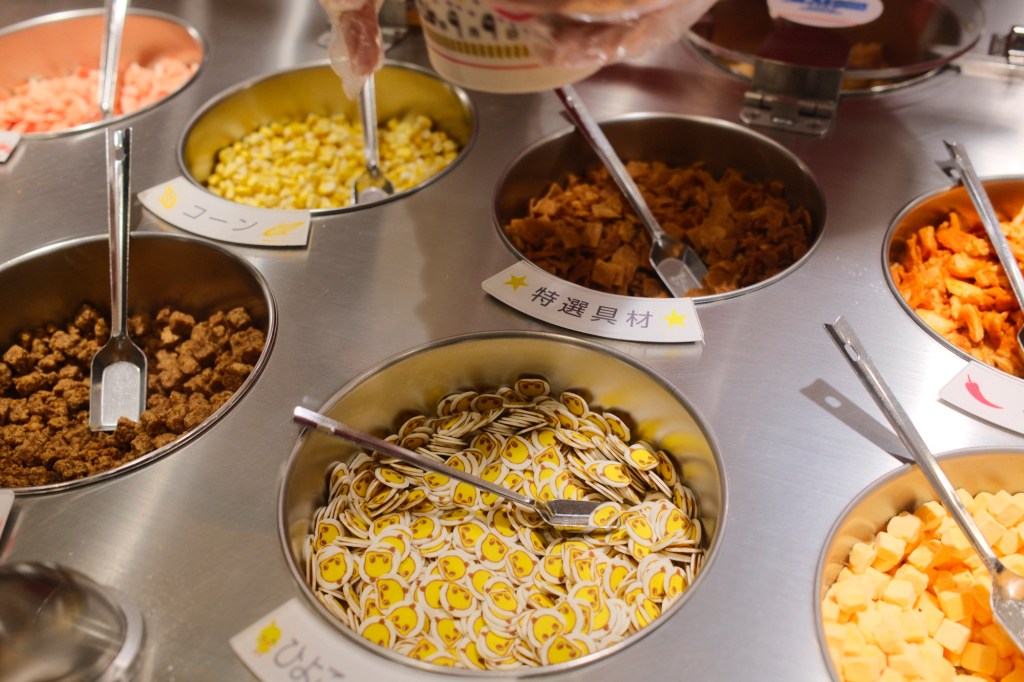
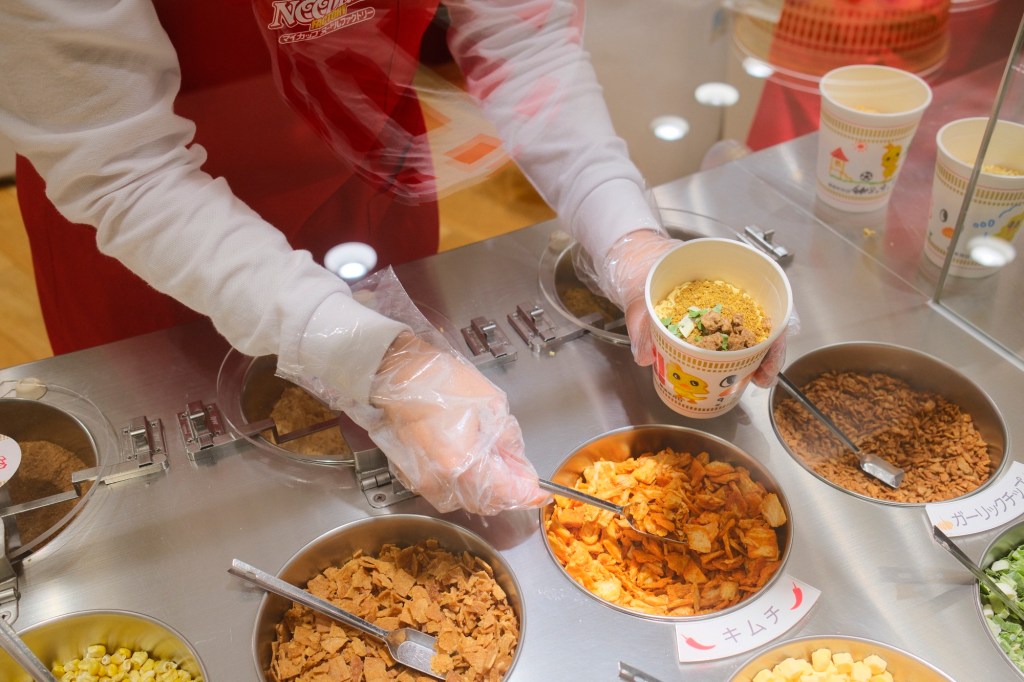
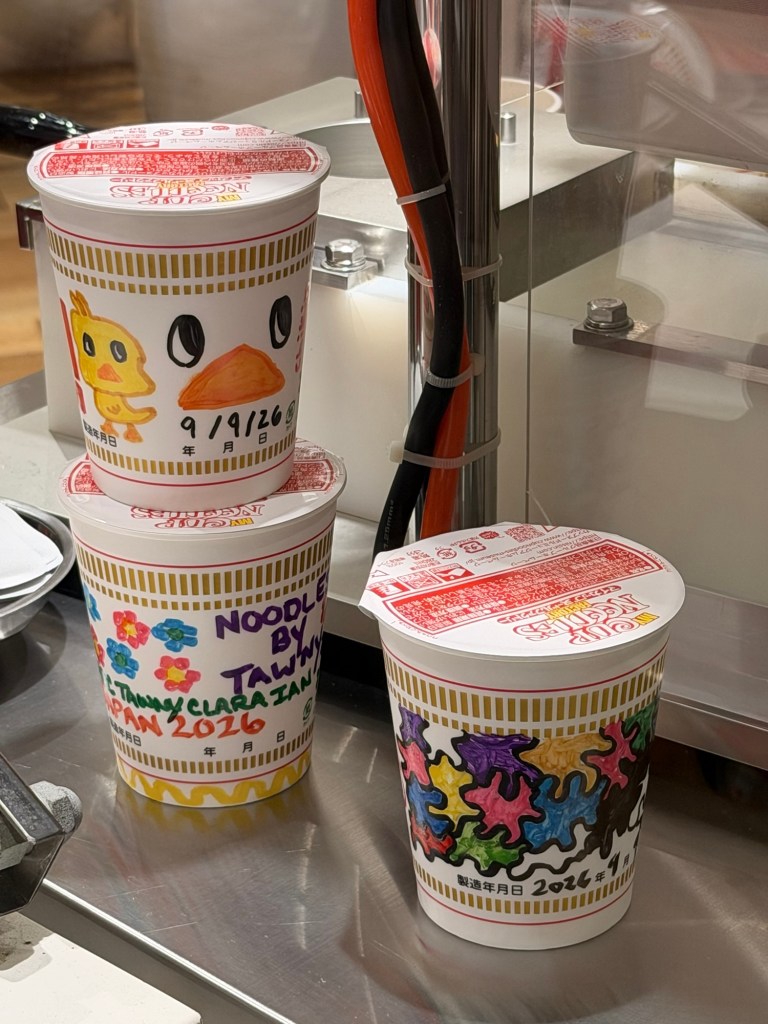
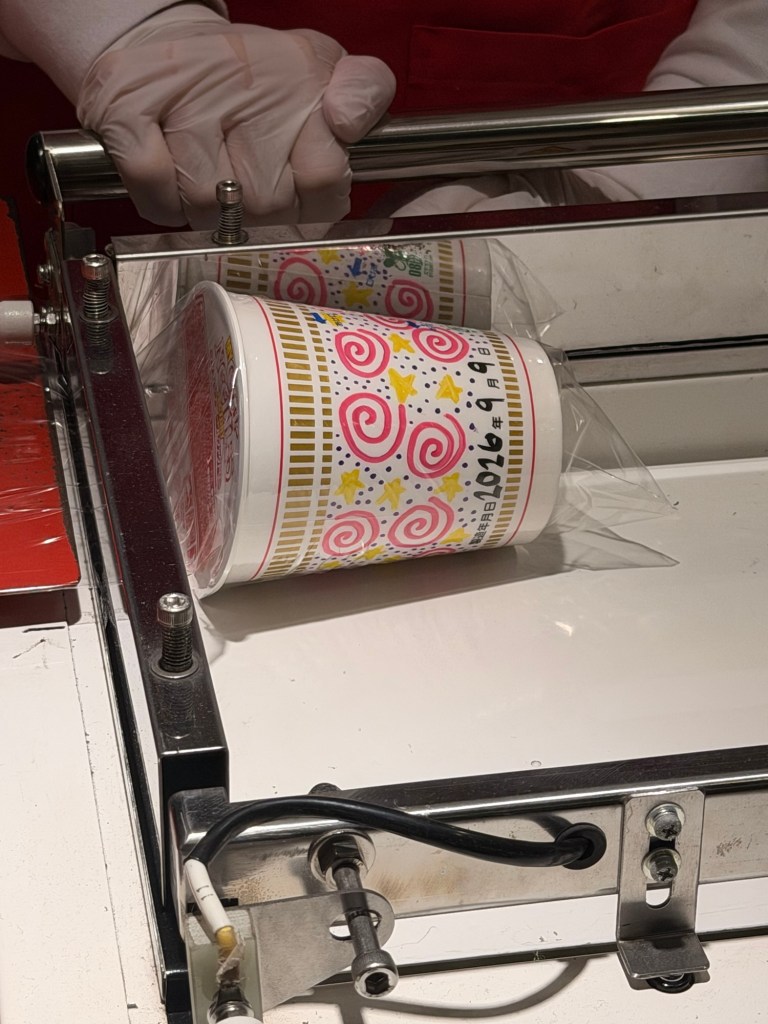
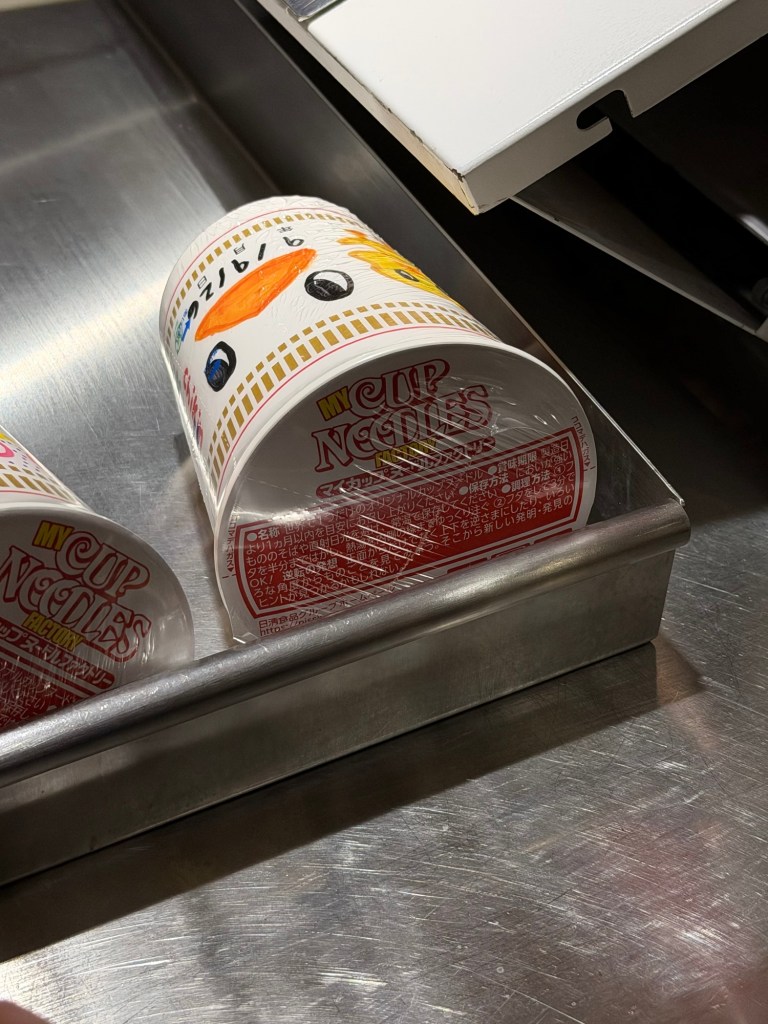
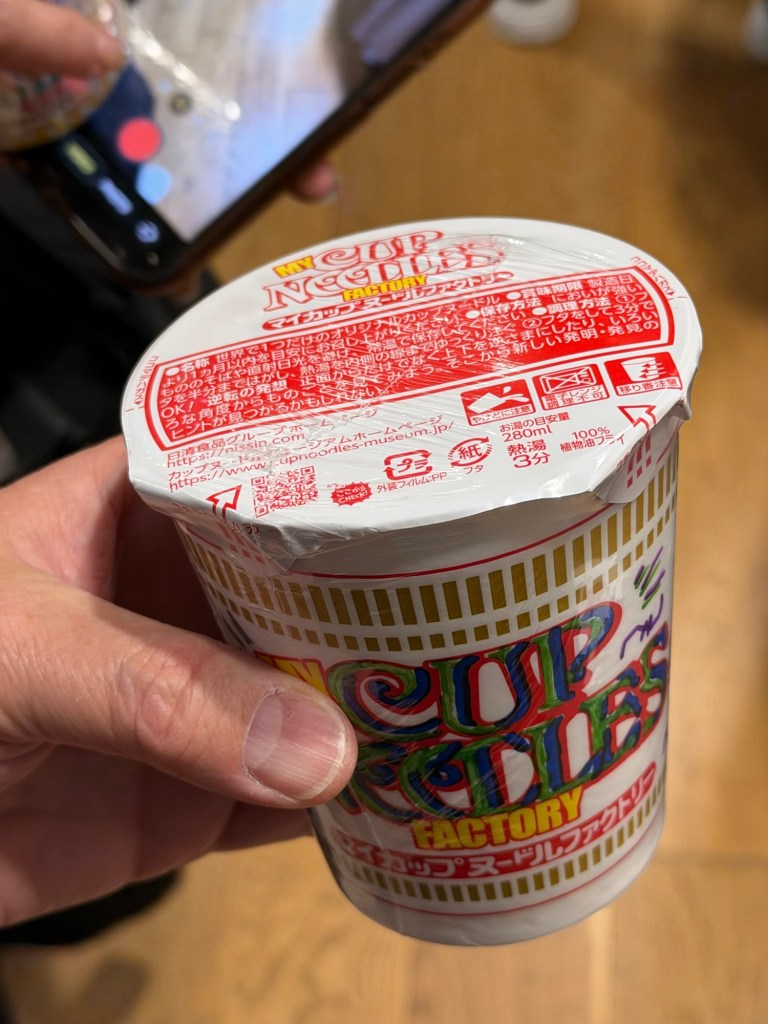
We thought we could have lunch there. Surely the Cup Noodles Museum would be a place where we could eat Cup Noodles. We imagined finishing our personalized creations and then sitting down to lunch with either our newly manufactured noodles or some prepackaged variety available for purchase. But no. That wasn’t an option. We were hungry and a quick Google search revealed there was not much nearby. So, we climbed into another taxi and headed all the way back toward the city in search of ramen.
Our driver dropped us at the wrong address, although thankfully only a few blocks from the restaurant we had chosen. We popped open the umbrellas and splashed our way through the streets until we found it, a decidedly more local ramen restaurant than many of the places we had eaten so far. Shoes came off at the entrance. Seating was on the floor around a low table. This is when I realized I’m no longer able to sit cross-legged on the floor.
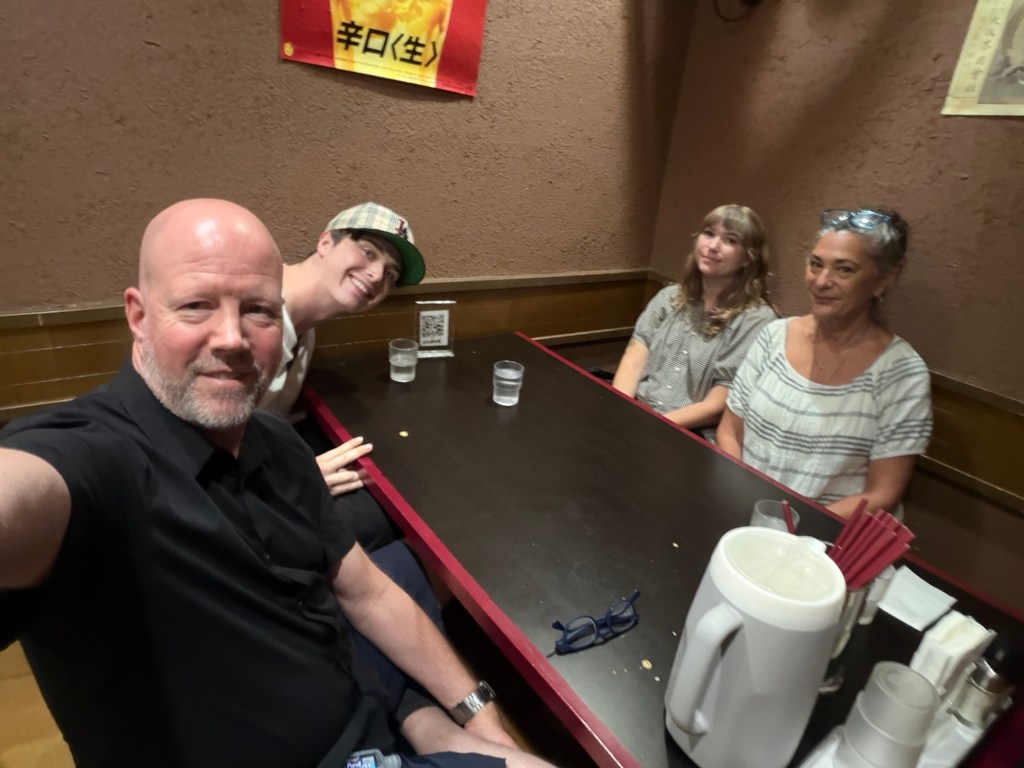
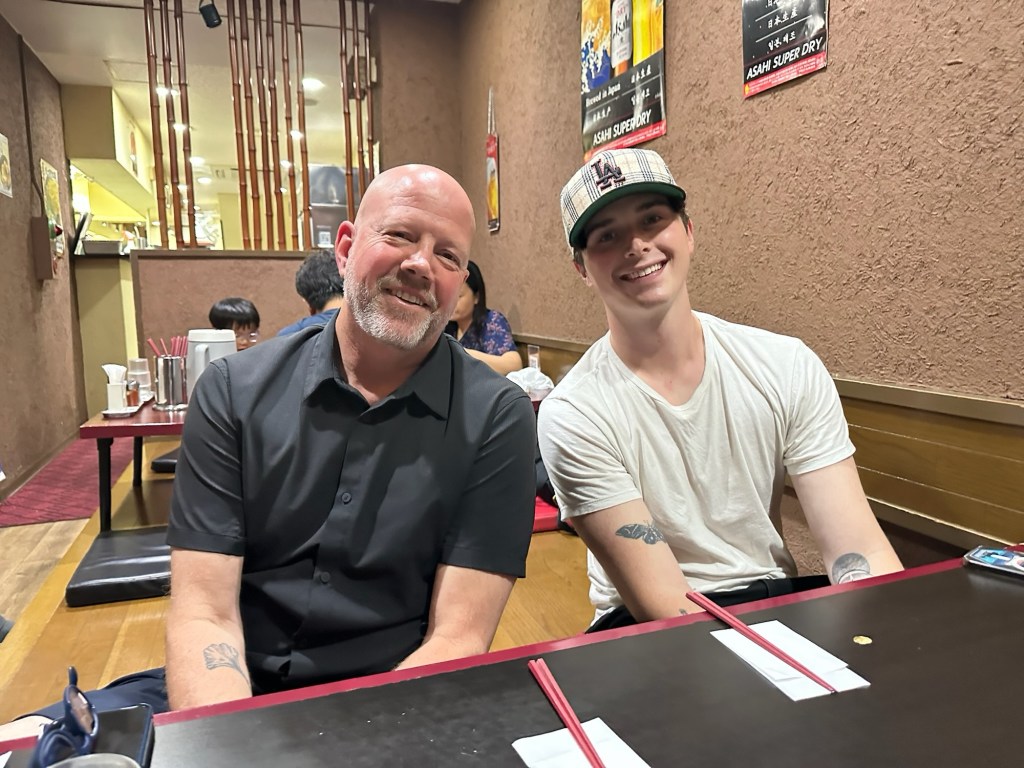
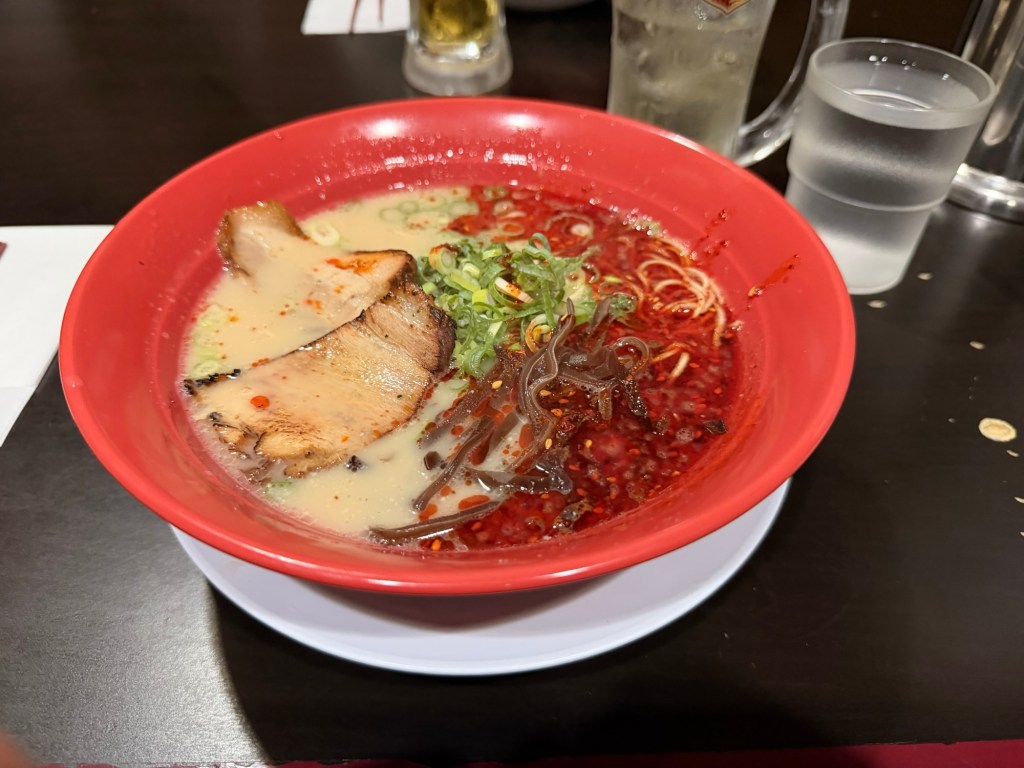
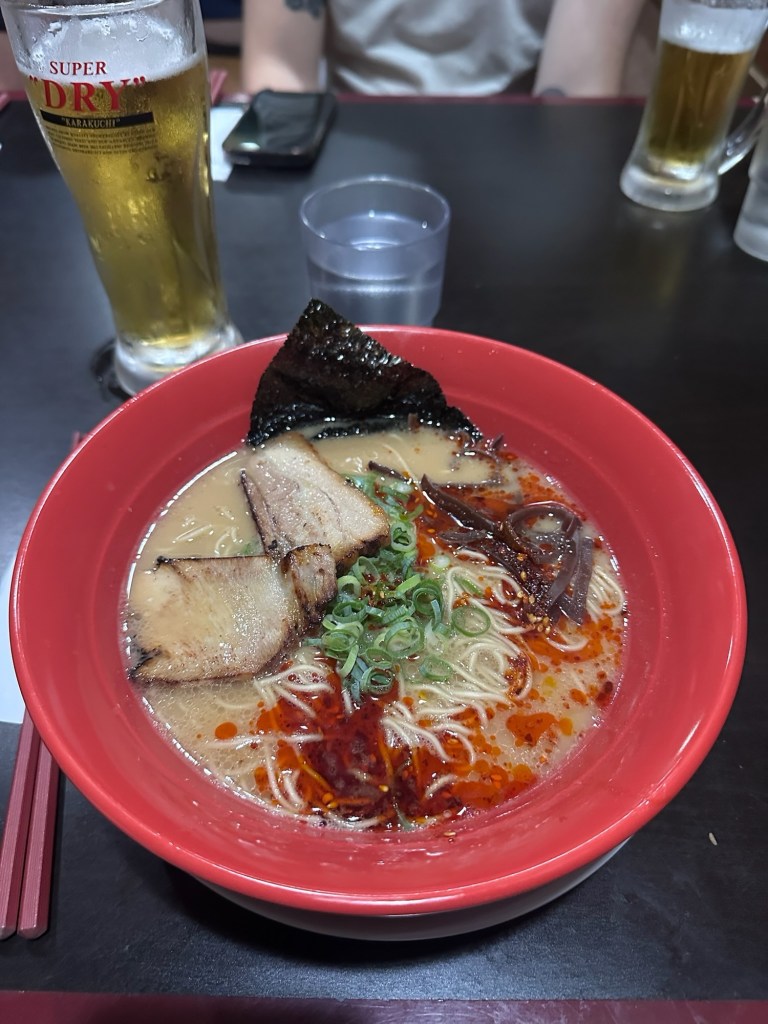
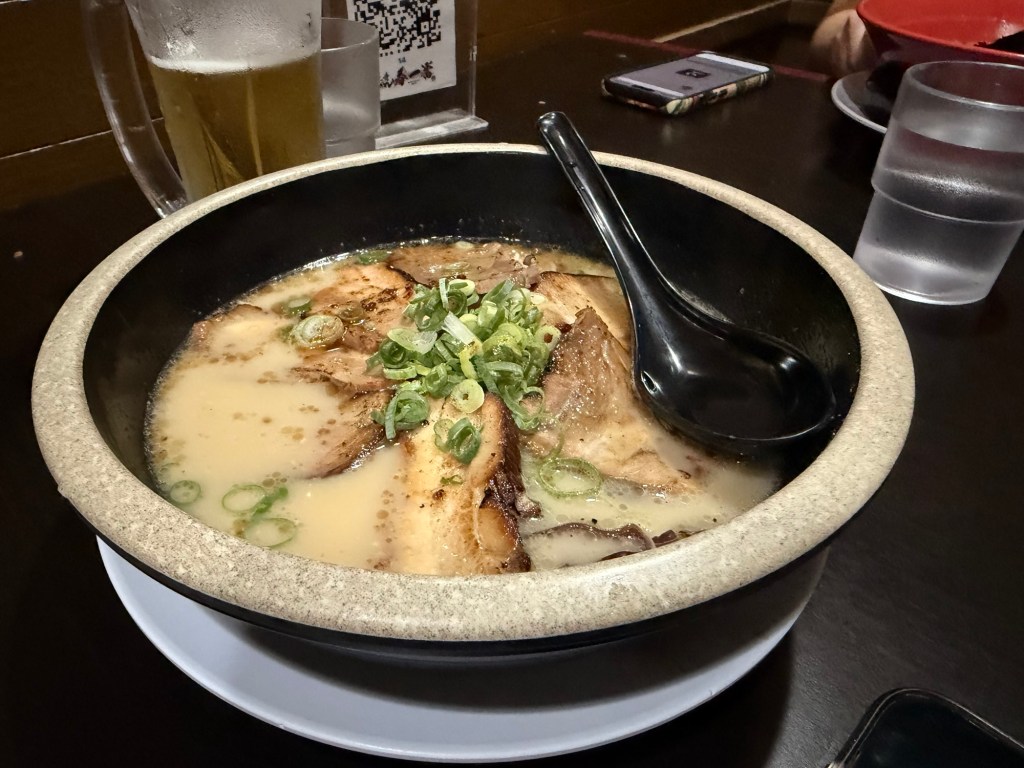
As I shifted from one increasingly unsuccessful position to another, bowls of steaming ramen arrived, accompanied by well earned Japanese draft beers. The ramen was rich, spicy, hot, and absolutely delicious, exactly what we needed after wandering through wind and rain all morning. Better still, it was cheap. Very cheap. Which provided an amusing counterpoint to the souvenir noodles sitting beside us. Once the two taxi rides were included, our 500 yen custom creations may have qualified as some of the most expensive Cup Noodles ever produced.
Our next destination promised to keep us indoors again: Osaka Aquarium Kaiyukan, one of Japan’s most spectacular aquariums and home to an enormous central Pacific Ocean tank containing whale sharks, the largest fish species on Earth. We stepped outside the ramen restaurant, popped opened our umbrellas once again, and started walking toward the waterfront.

 Sabbatikos
Leave a comment