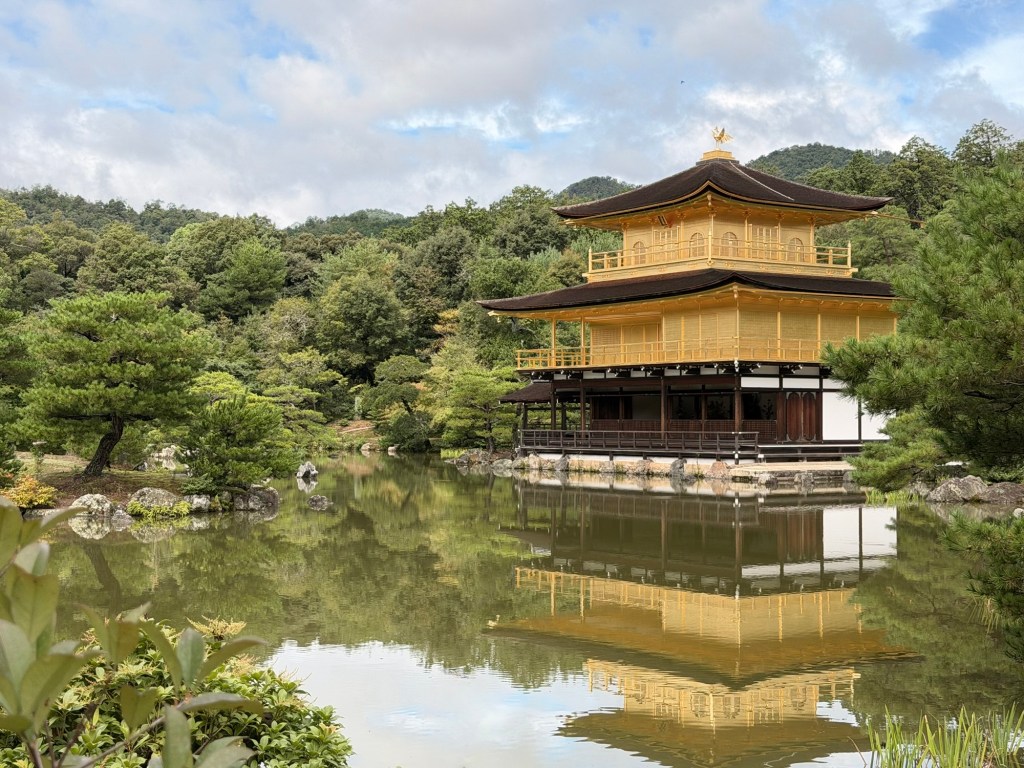
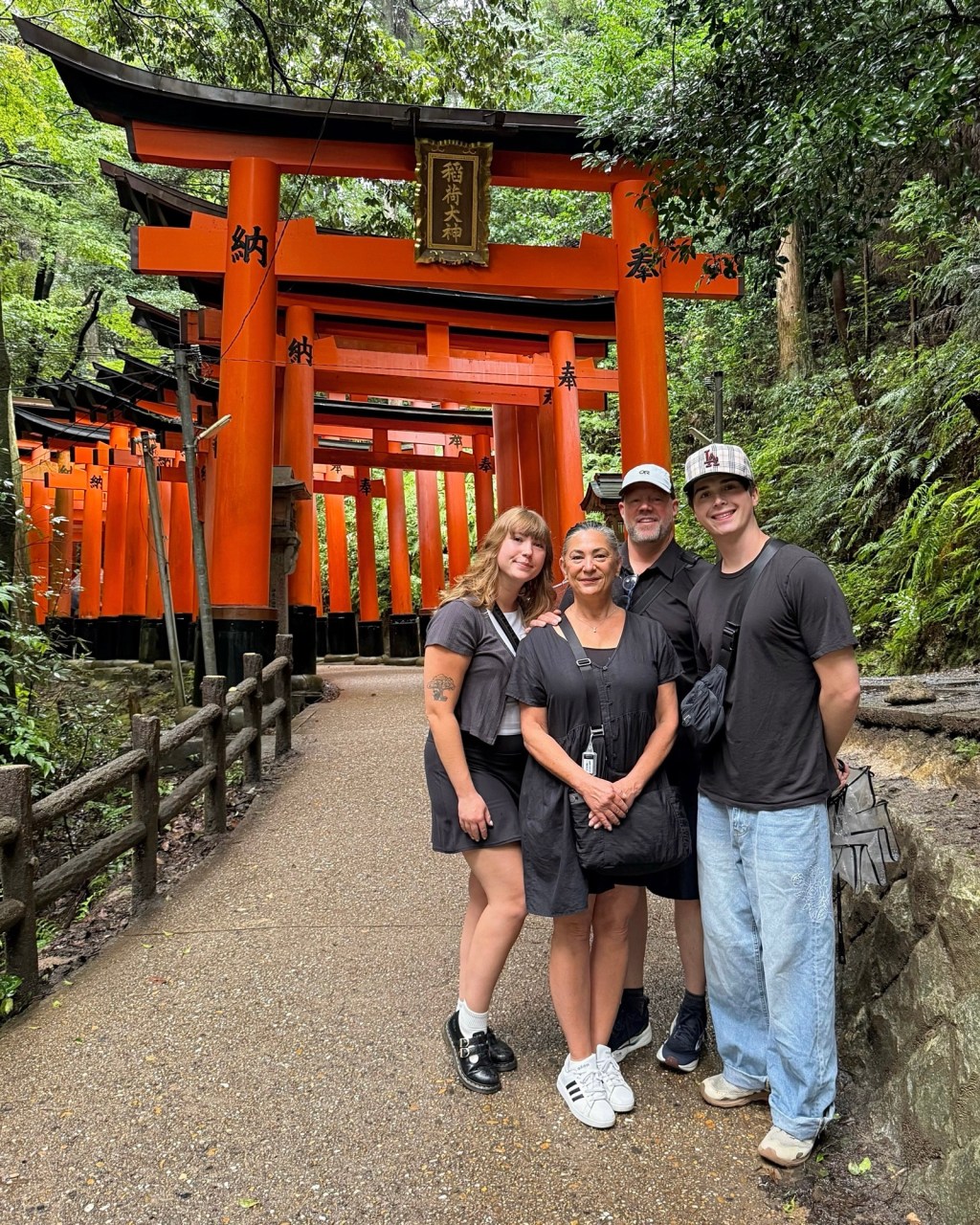
We left the bright orange torii gates and rapidly growing crowds of Fushimi Inari Taisha behind and headed across Kyoto toward our next stop, Kinkaku-ji, the Golden Pavilion. Tawny, Clara, and I had been here some eighteen years earlier, but my memories of that visit were fleeting. I remembered beautiful, meticulously manicured gardens and, of course, the Golden Pavilion itself. I also remembered being rushed, perhaps because we were trying to catch a train back to Tokyo from that short stay so long ago. This time we had nowhere we needed to be and could take our time. My only concern was the weather. The clouds were thick and gray, and although it was not raining at the moment, more rain was in the forecast. After the deluges we had already experienced in Japan, I wondered whether Kyoto’s most golden building was going to appear as majestic against flat gray skies.
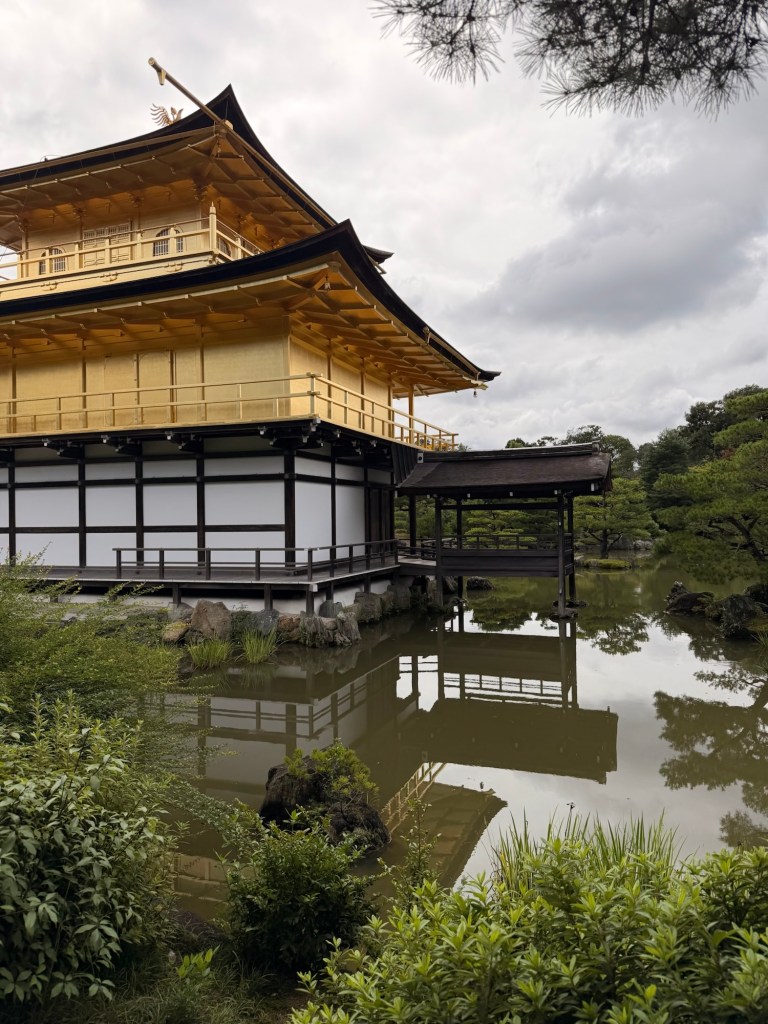
Our taxi dropped us a block or so away, and we followed a long gravel path toward the entrance. Almost immediately, my memory of the gardens was confirmed. Everything was immaculate. Pine trees were carefully shaped, gravel perfectly groomed, lush green moss an, every plant placed exactly where it was supposed to grow. Once inside you do not have to wait long for the main event. The path curves toward Kyoko-chi, the Mirror Pond, and suddenly there it is, Kinkaku, shining gold across the pond. Just as quickly, there are the crowds, everyone jockeying for an unobstructed photograph or selfie with one of Kyoto’s most recognizable landmarks. The light was still gray and flat as we approached the prime photo position, but then, almost on cue, the clouds opened just enough for a little sunlight to break through. For a few glorious minutes, Kyoto turned on the lights for us. It was beautiful. Every shift of light shifted the color and reflection of the pavilion, the pond, the plants.
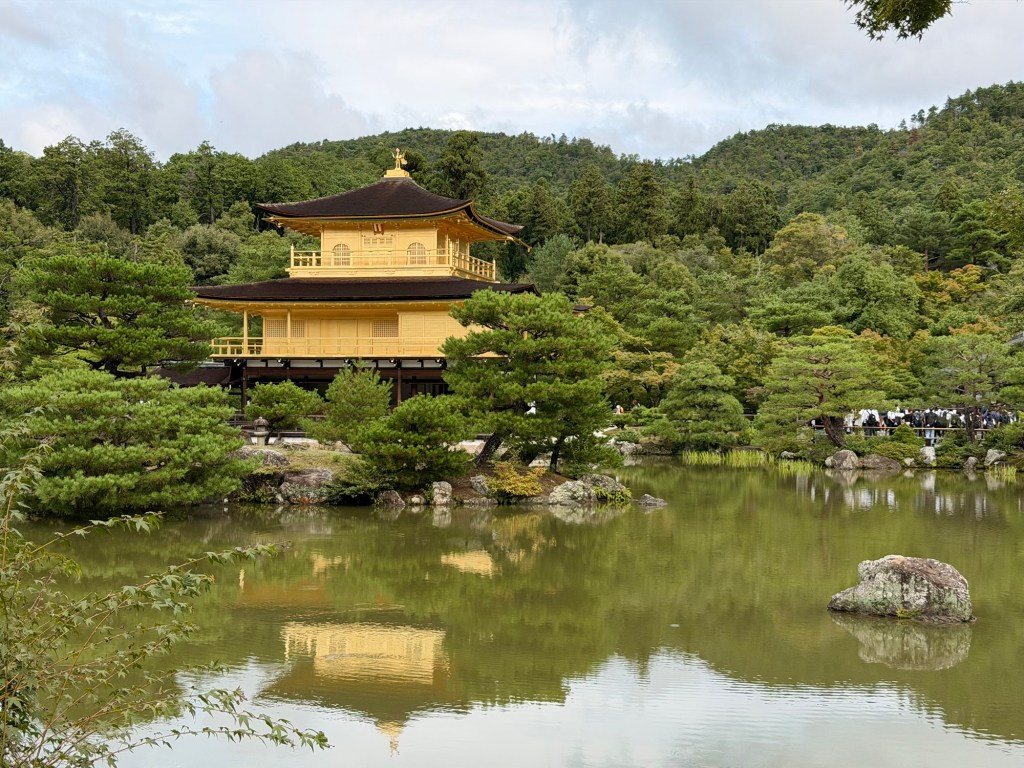
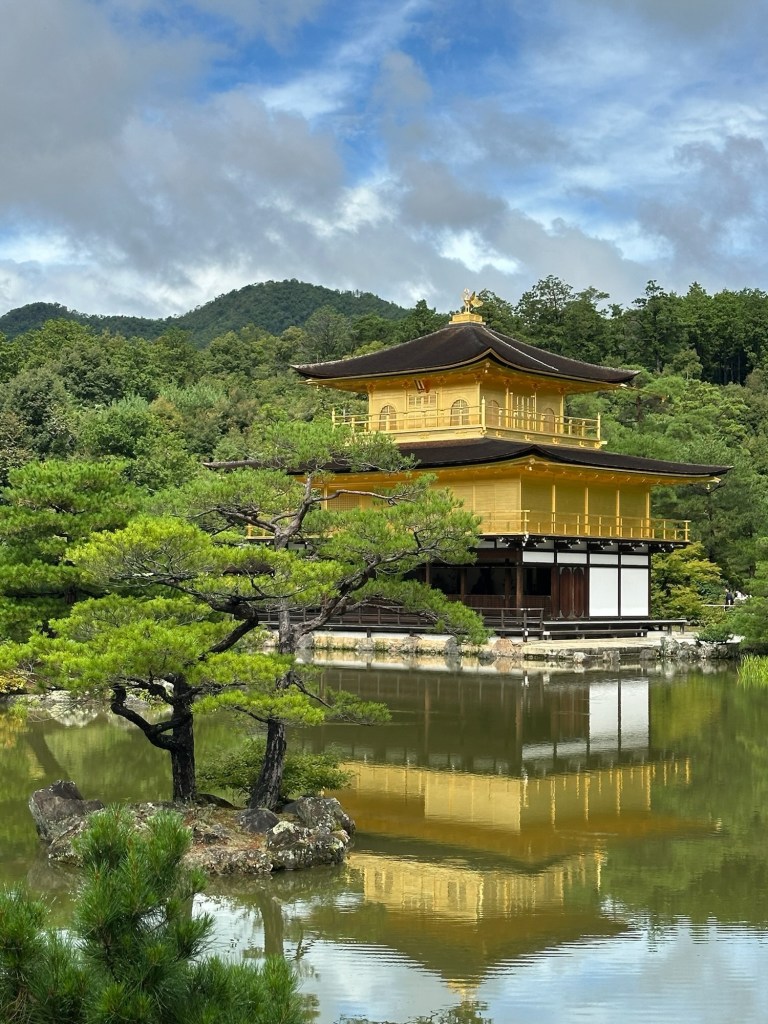
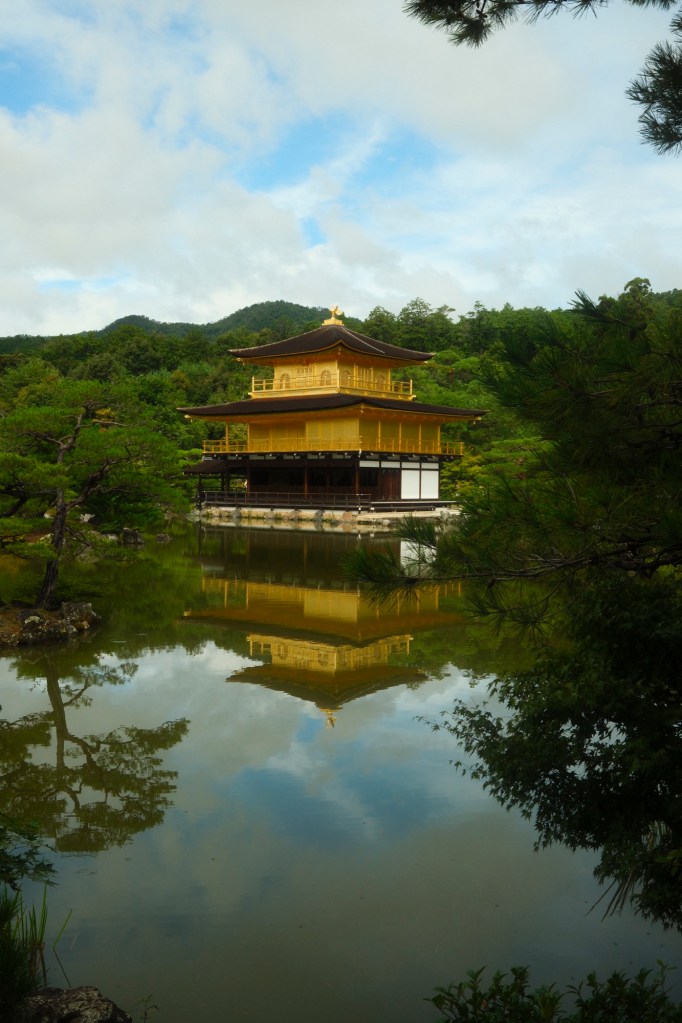
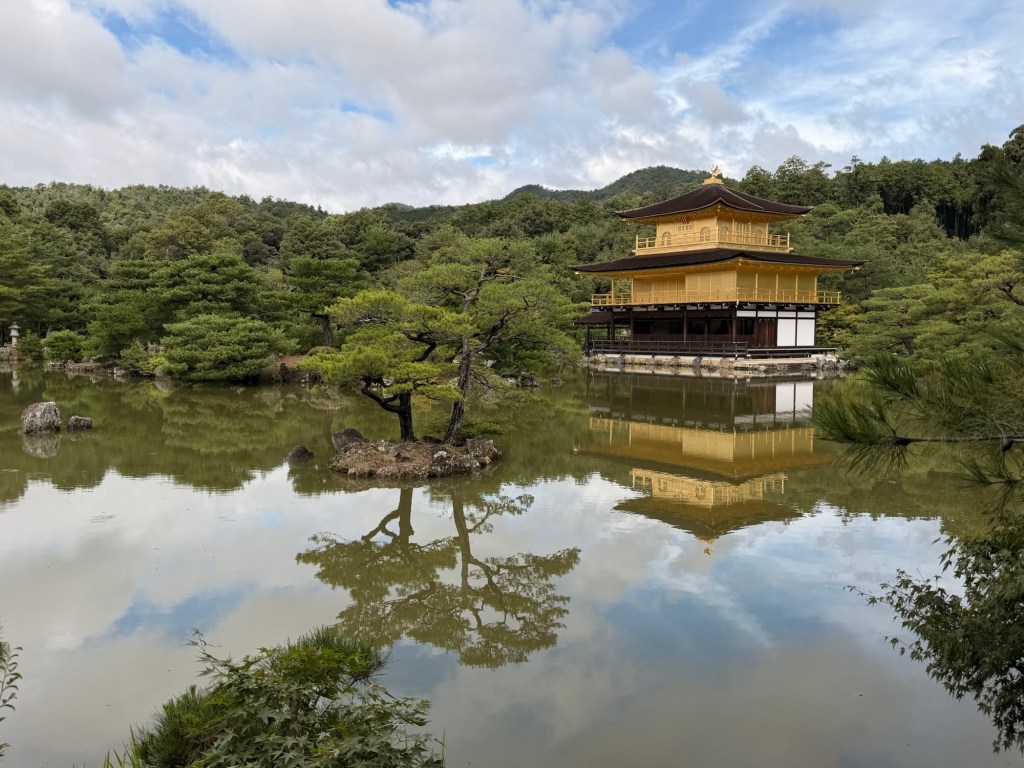
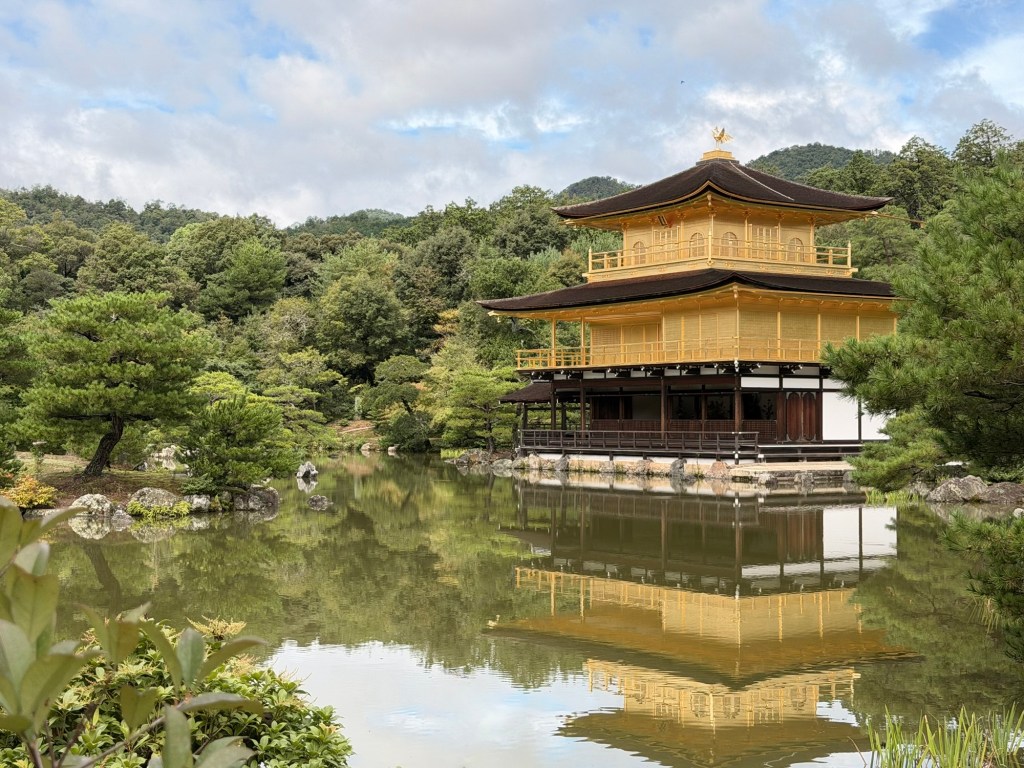
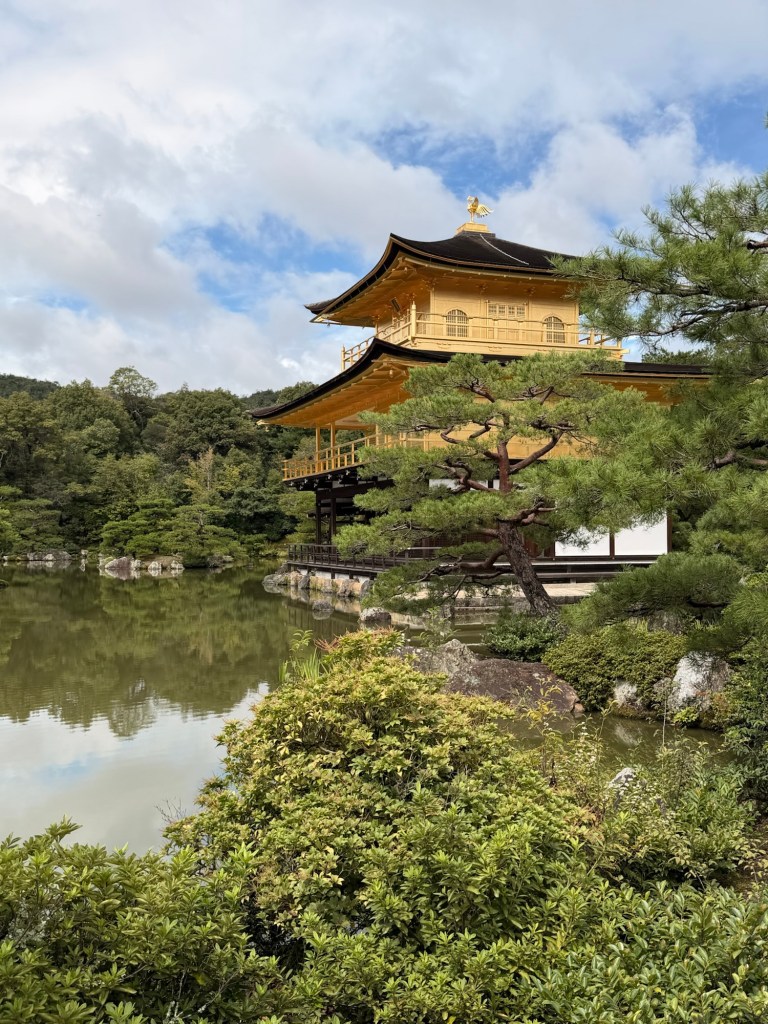
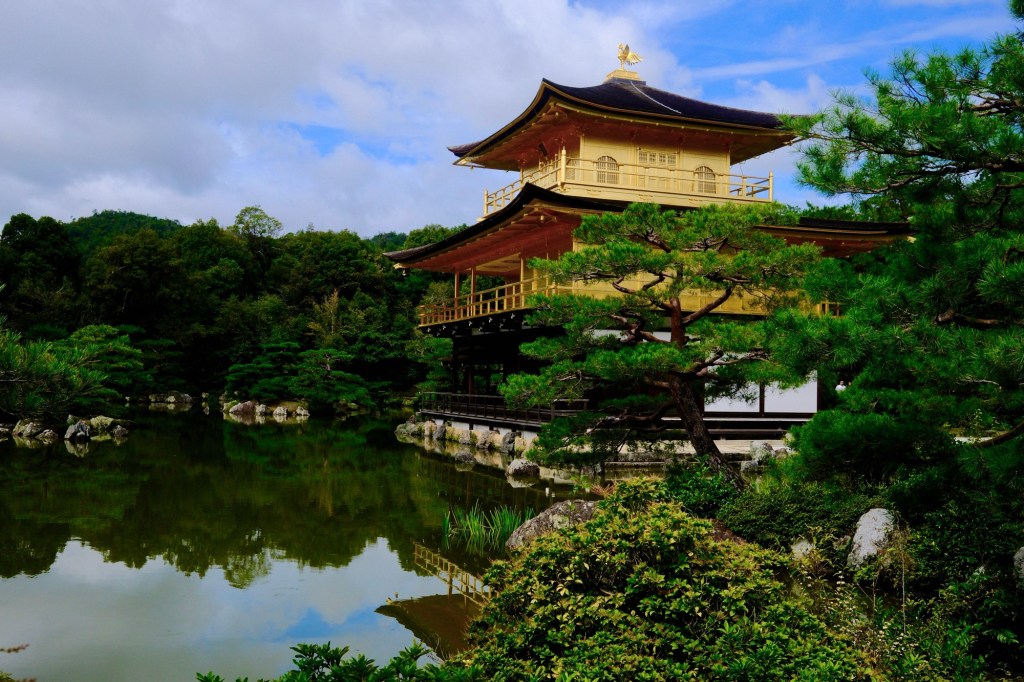
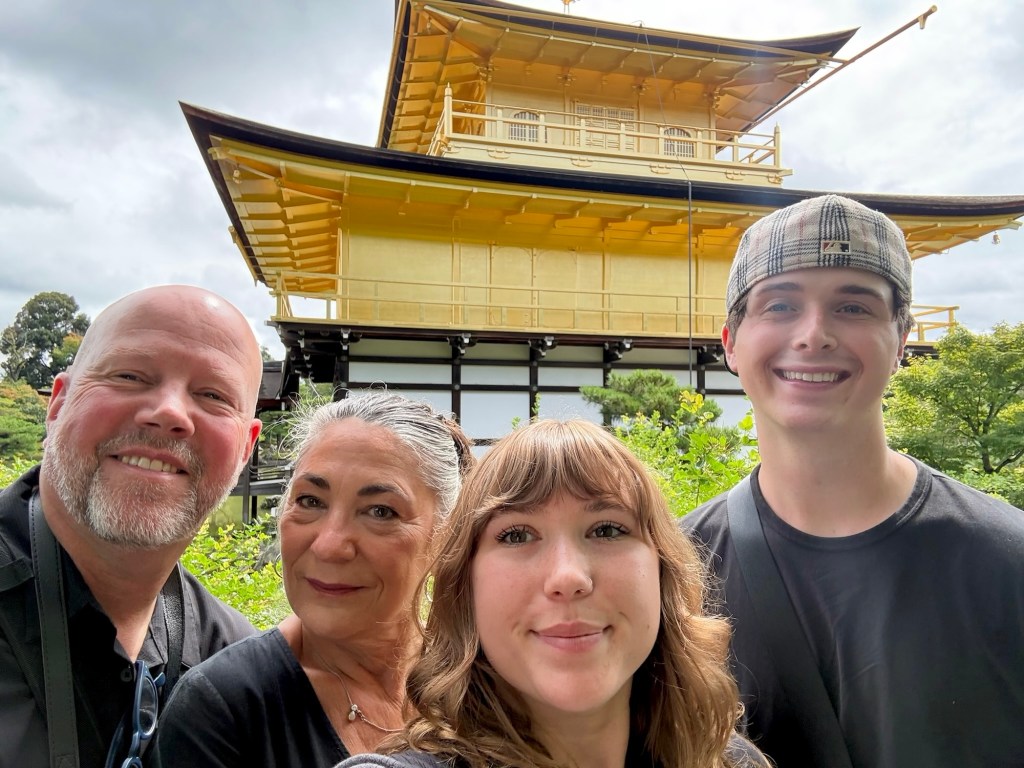
And what a difference light can make. Kinkaku is absolutely stunning. The second and third stories are covered in pure gold leaf, roughly 200,000 sheets of gold leaf were applied, totaling about 20 kilograms of gold (at today’s gold price that is over $3 million dollars in gold leaf alone!). When the sunlight hits the pavilion (or not), it doesn’t just become brighter. It changes personality. One moment it glows almost yellow, then warmer and reddish, then takes on green tones reflected from the trees and pond around it. The building seems to shift with every small change in the light or position of where I was standing.
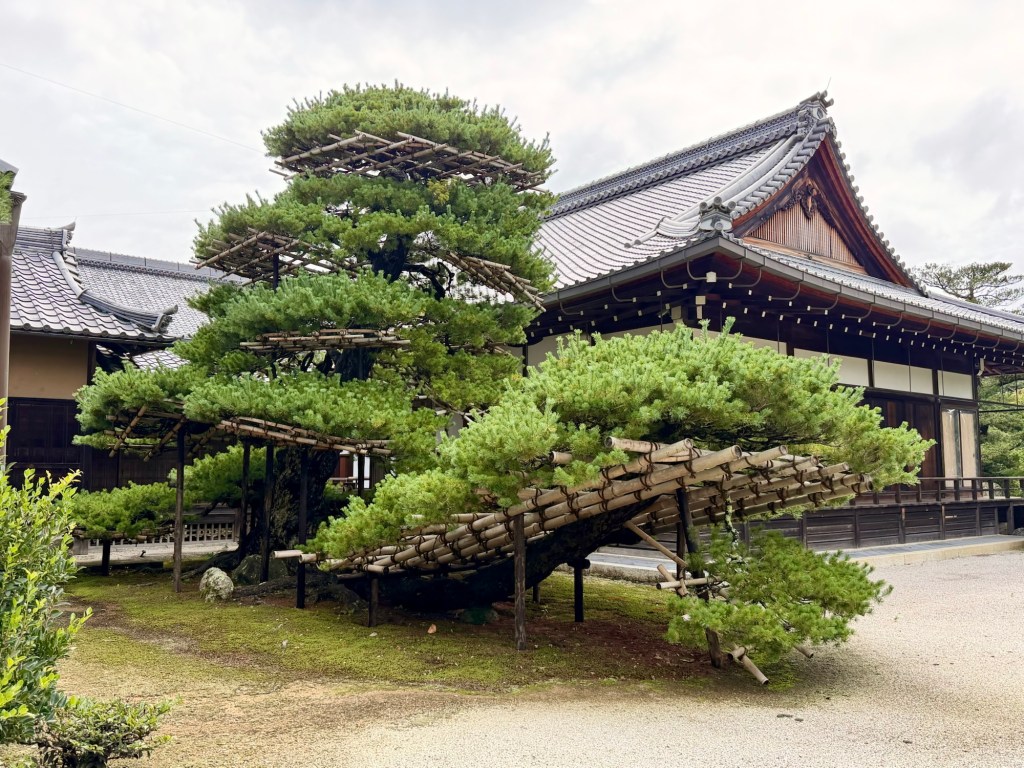
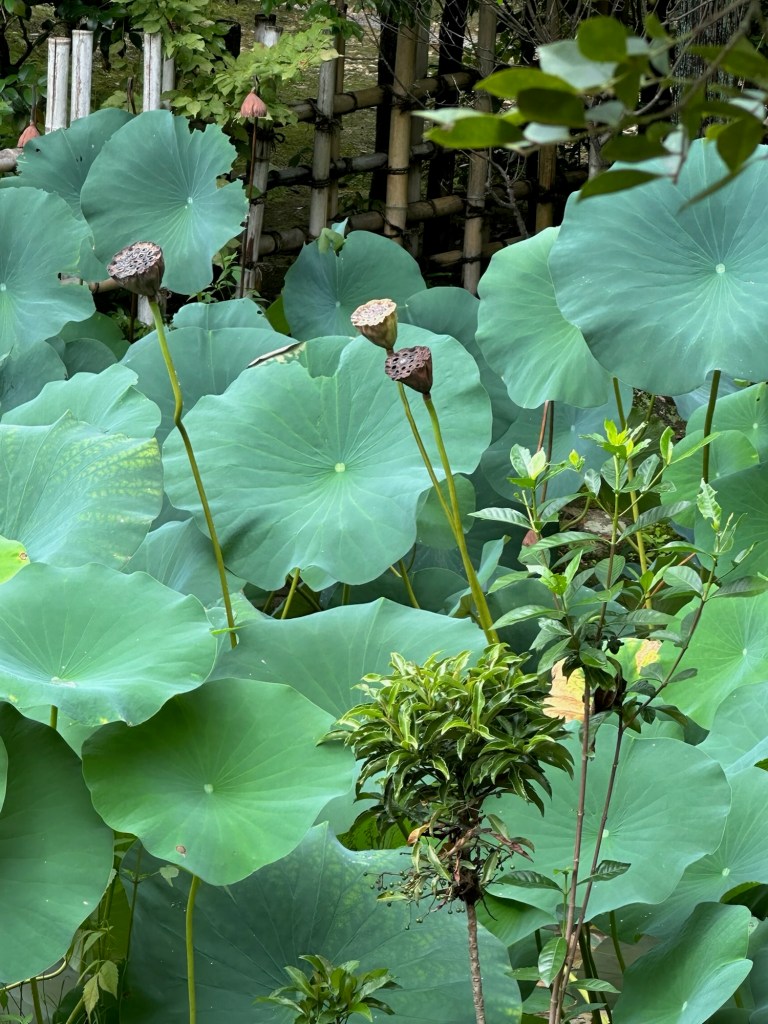
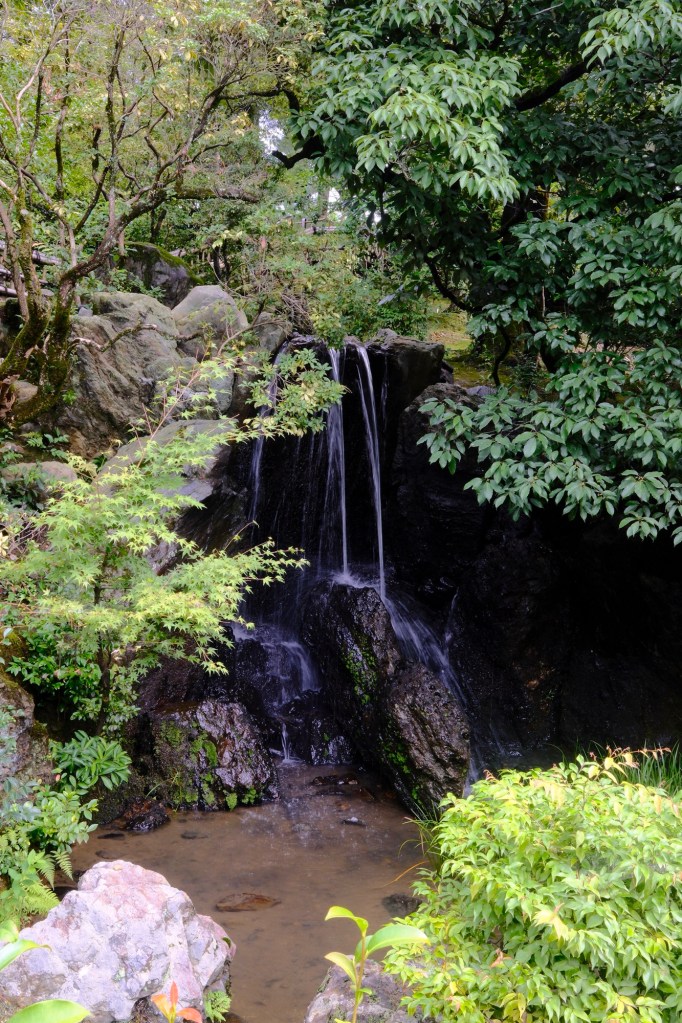
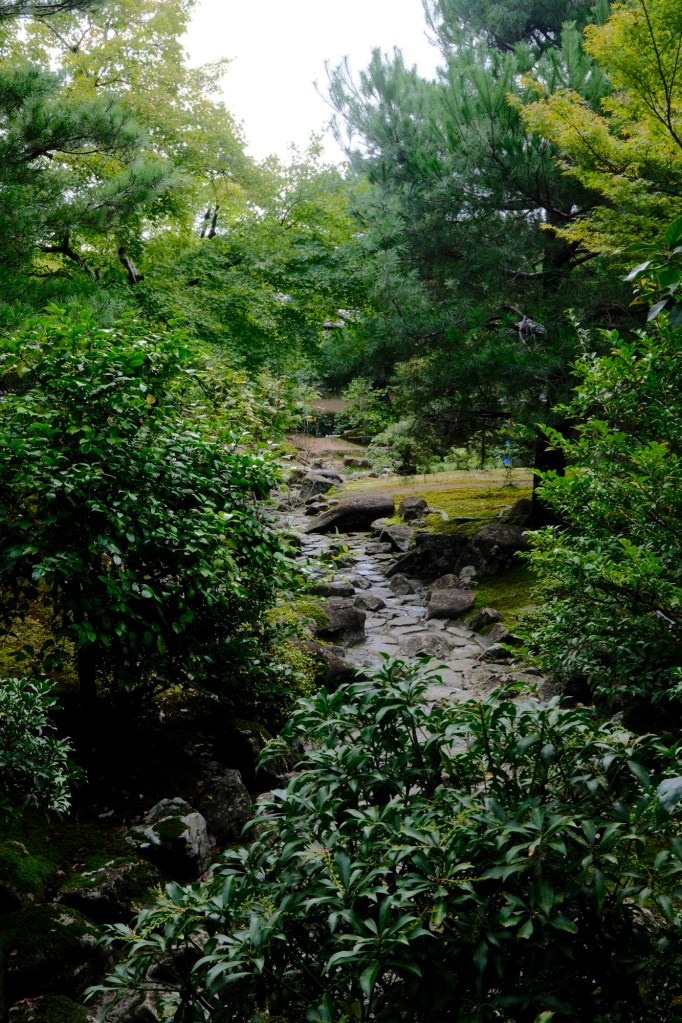
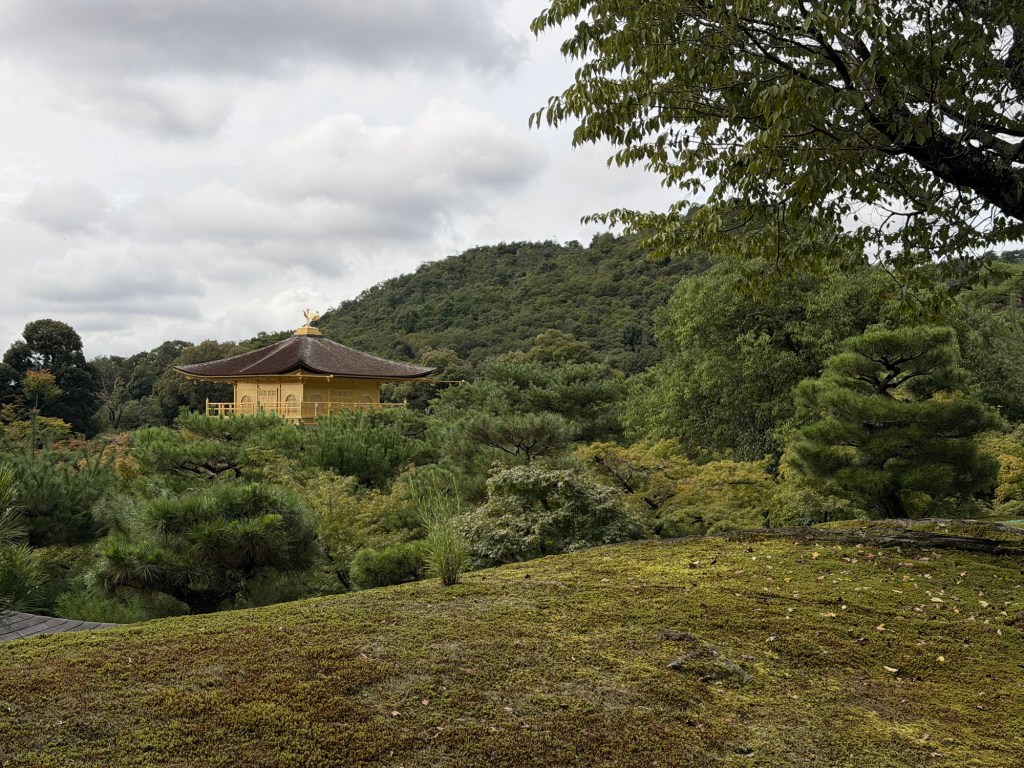
Nearby, Tawny noticed a group of Japanese schoolchildren gathered around a carefully trained old pine tree. She was curious what they were learning about. We huddled around to view the tree as the kids moved on. The tree was Rikushunomatsu, the Rikushu Pine, associated with Ashikaga Yoshimitsu, the shogun who created what eventually became The Golden Pavilion. The giant bonsai-like pine has been trained into the shape of a sailing boat, making it a living sculpture.
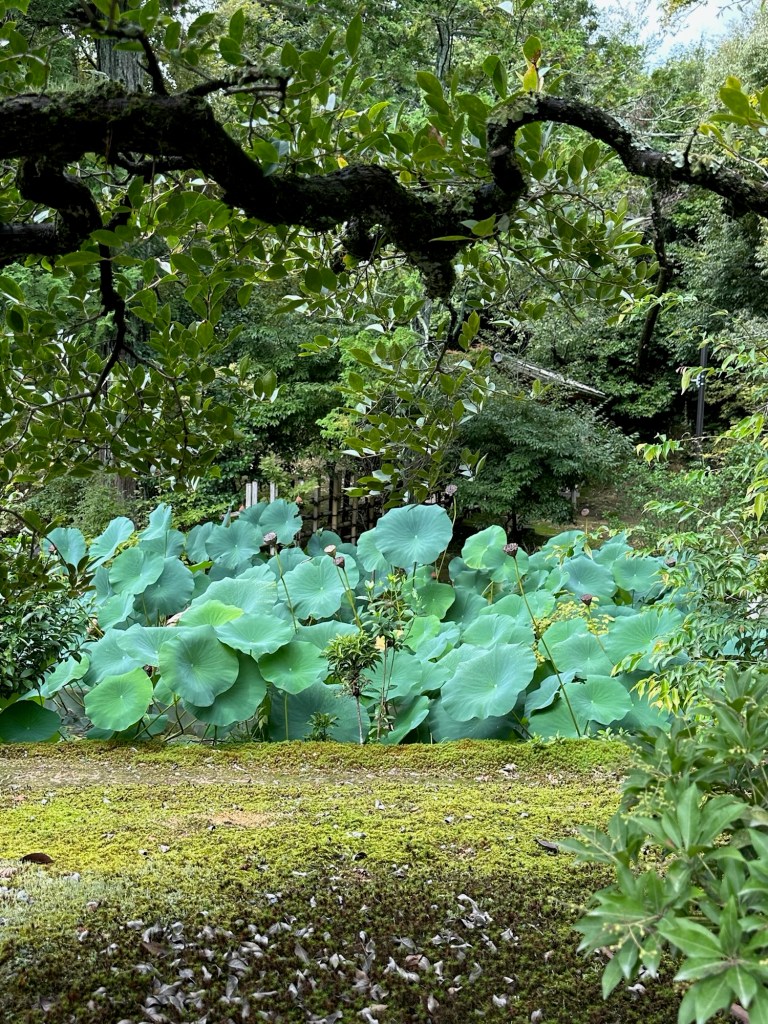
Unfortunately, those same parting clouds that had given us our beautiful Golden Pavilion moment had also unleashed the sun. The heat and humidity index rose almost instantly. We meandered through the gardens, past ponds, moss, stones, and an old tea house before eventually reaching another temple near the end of the route. It was hot and we were overheating. There were vending machines. Once again, Japanese vending machines had been placed strategically to save us. And this time there was also an ice cream vending machine!
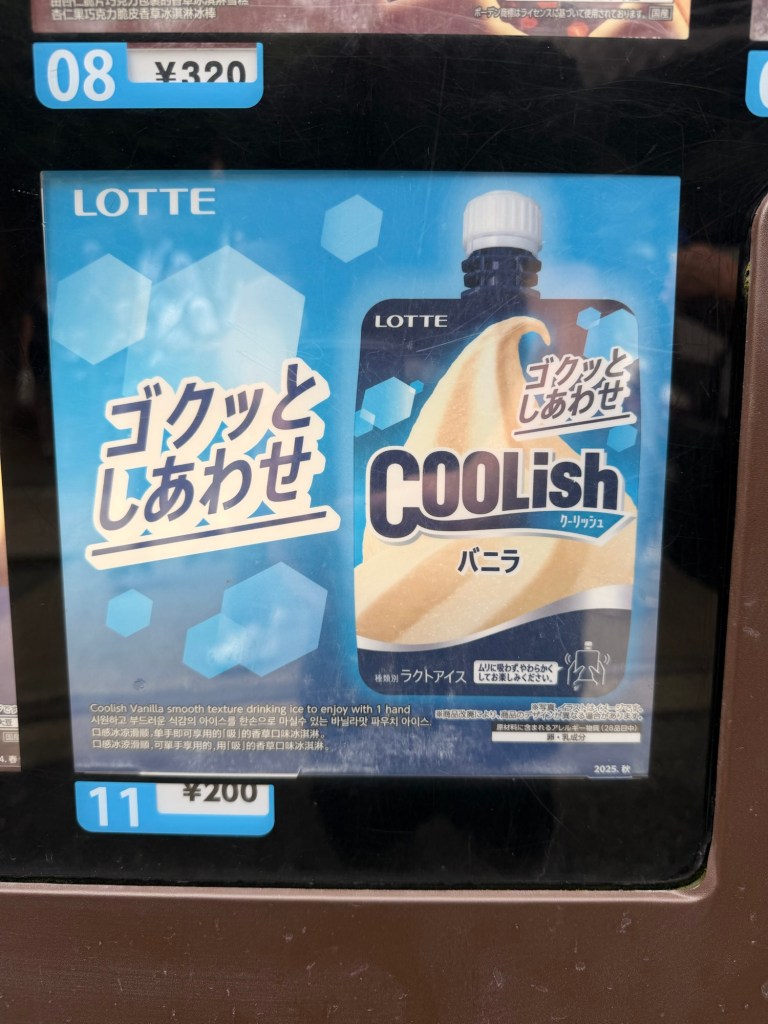
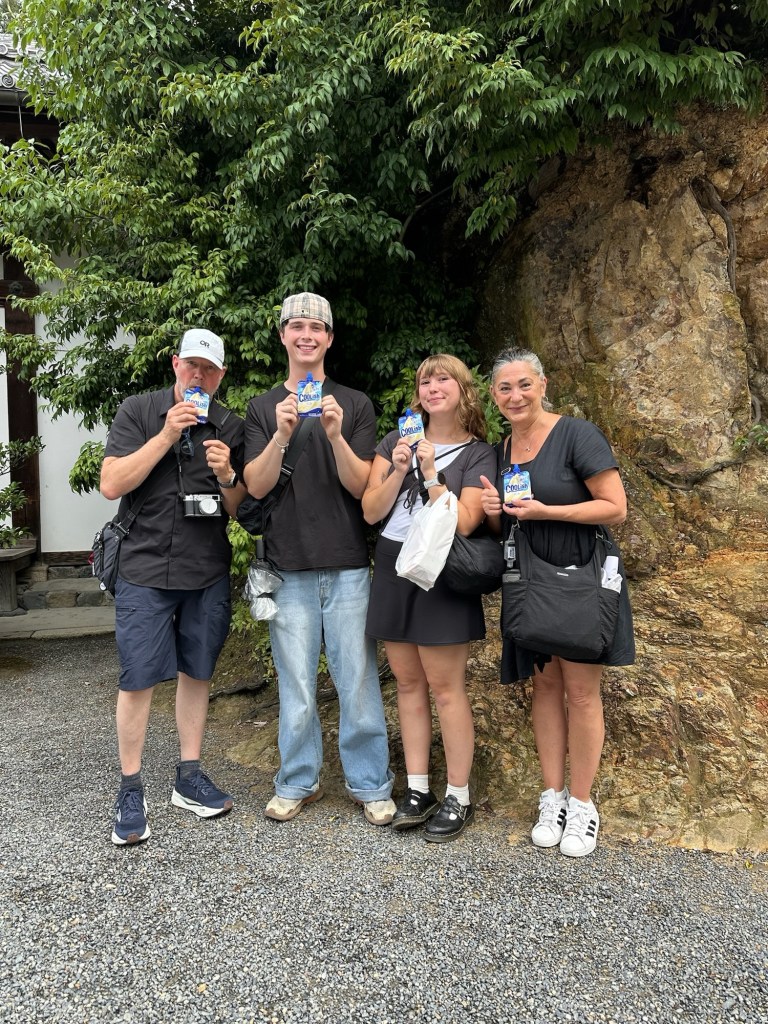
We bought something called Coolish, which is drinkable frozen vanilla soft serve packaged inside a squeezable pouch. Except ours were not squeezable, yet. They were frozen absolutely rock hard. There would be no eating them for a few minutes, so we improvised. We pressed the frozen pouches against our necks, our foreheads, the sides of our faces, anywhere we could find a major artery that might transport a little refrigeration to the rest of the body. I am not too proud to admit that at one point I may or may not have placed mine inside my shorts. It was that hot, and this Coolish was far more than coolish, it was frosty salvation. It was a portable vanilla ice pack. Eventually the contents softened enough to squeeze from the pouch, and we traded cooling our carotid arteries for immediate brain freeze. It was magnificent.
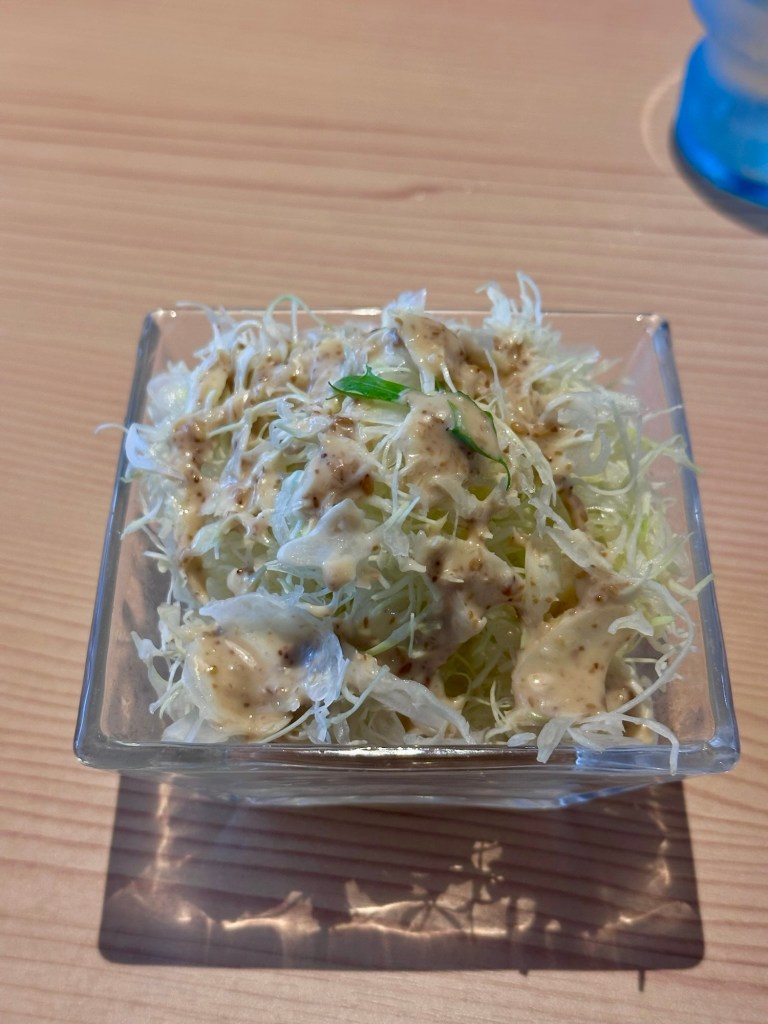
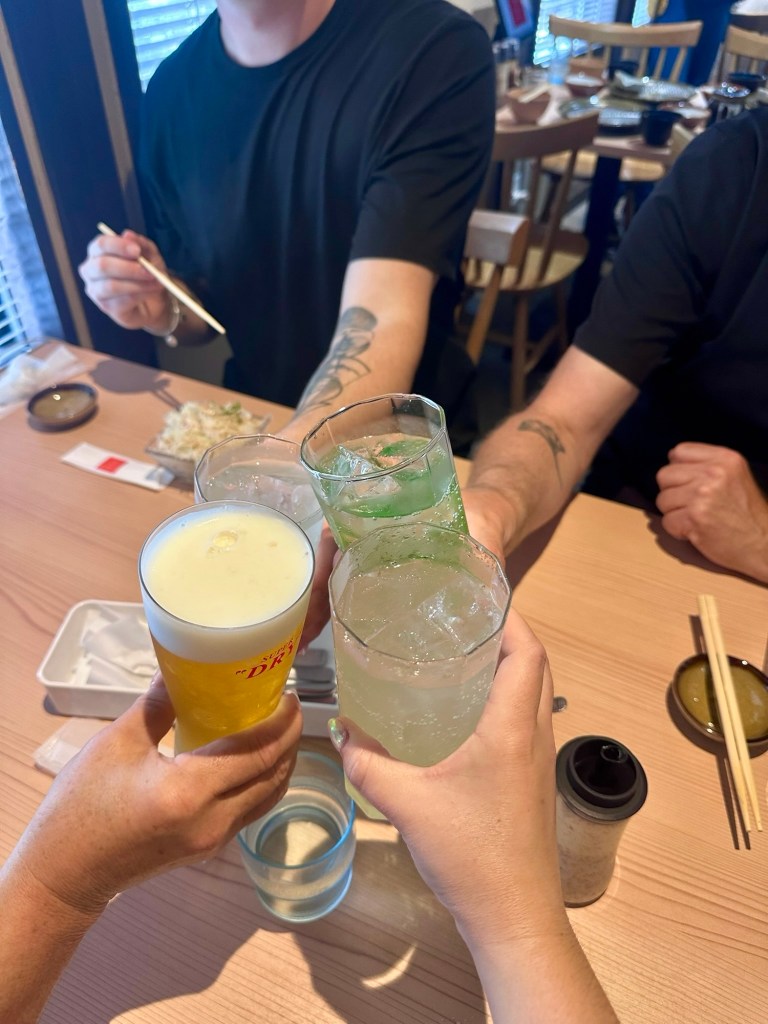
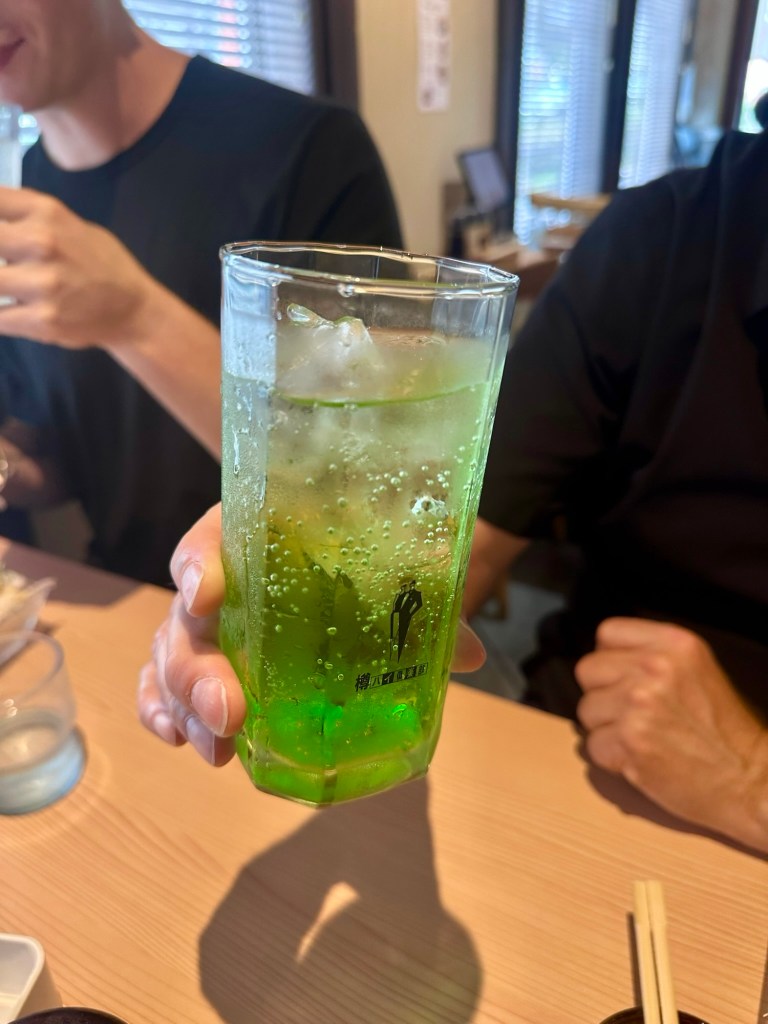
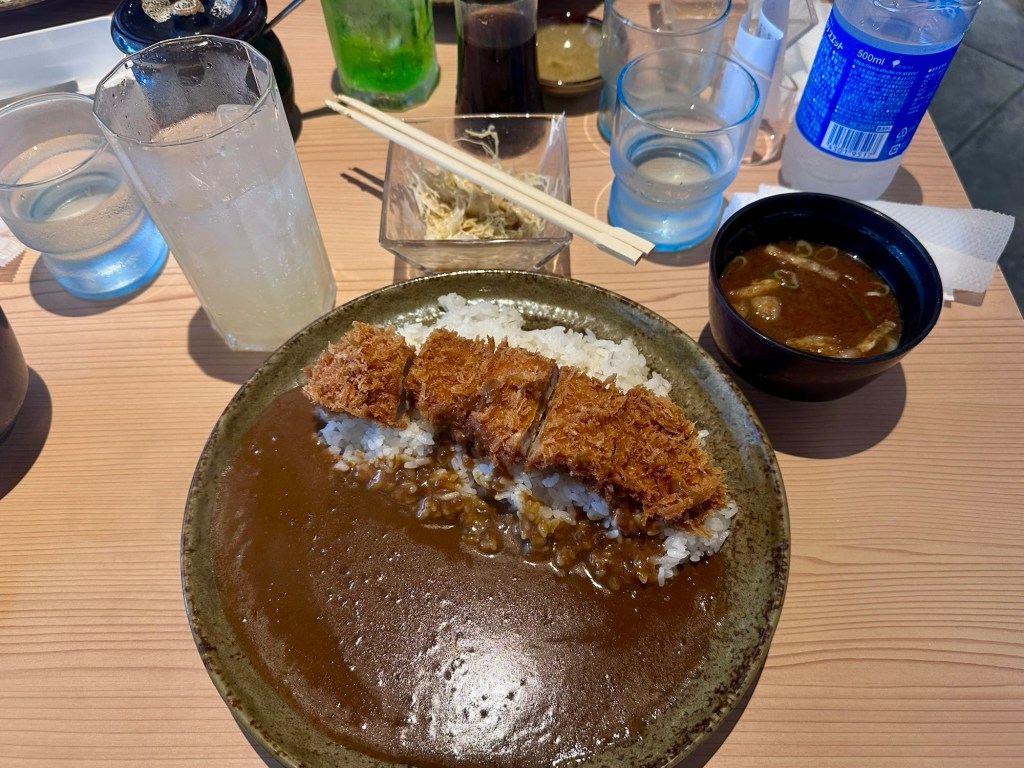
The Golden Pavilion had been great. Lovely. Spectacular, even. But we were cooked and needed to escape the heat for a while, so we walked away from the temple grounds and into the surrounding neighborhood looking for lunch. We found a small katsu restaurant, sat down in the divine air conditioning, and immediately ordered lemon sours on ice. I decided to branch out with a lime sour that arrived a shade of fluorescent green usually associated with radiator fluid. But, it was delicious. Then came the wonderfully crisp and cold shredded cabbage salad with sesame sauce, followed by crisp fried pork katsu and thick and savory sauce of Japanese curry. Crunchy pork, rich brown curry, cold cabbage, cold drinks, air conditioning. Mmmmm. Japanese comfort food had never felt more comforting.
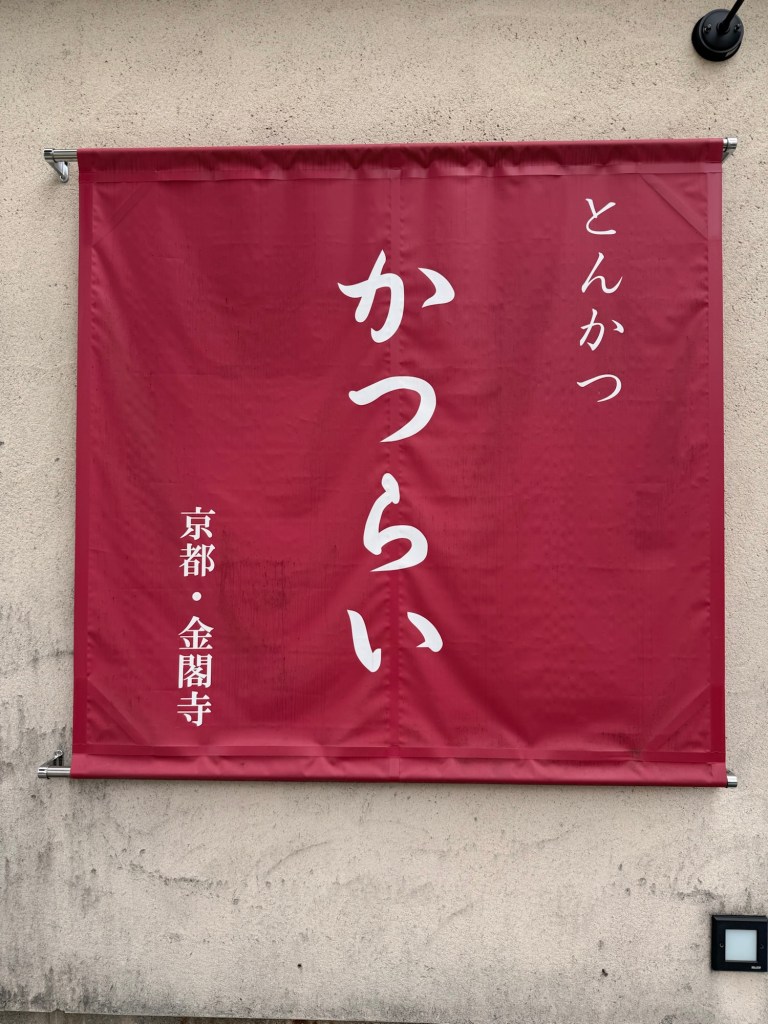
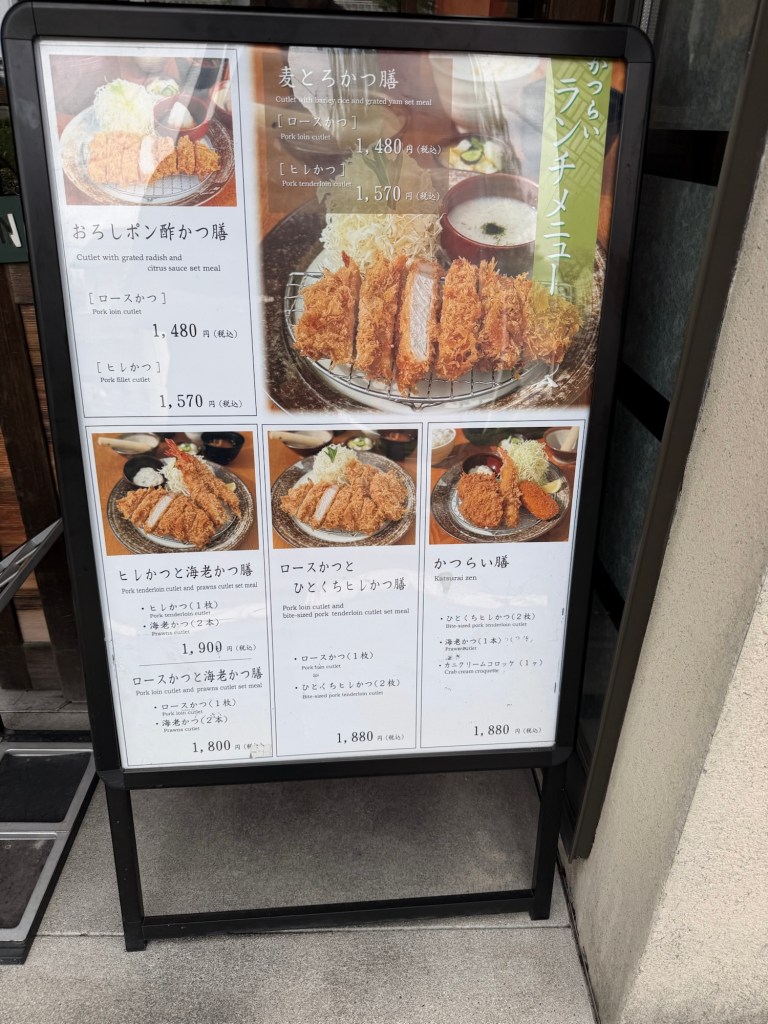
As we finished lunch, Clara remembered something she spotted next door, a shop where you could make a ring from an old coin. We had seen similar experiences advertised around Kyoto and had mentally filed them away as potential rainy day activities. Today it was not raining, but avoiding the midday heat seemed an equally legitimate reason to spend some time indoors, so we walked into Zenith Coin. The shop had only recently opened, and we were the only people there, much to the delight of the young owner who suddenly had four enthusiastic customers ready to transform some Japanese coins into jewelry. The process was surprisingly simple and fun. We first chose our coins. There were coins from around the world, but since we were in Kyoto we wanted Japanese ones. Then we measured our fingers and began the transformation. A hole was punched through the center of each coin, the metal was heated, then slowly shaped, hammered, stretched, sized, and polished until something that had spent decades passing from hand to hand as money had become jewelry.
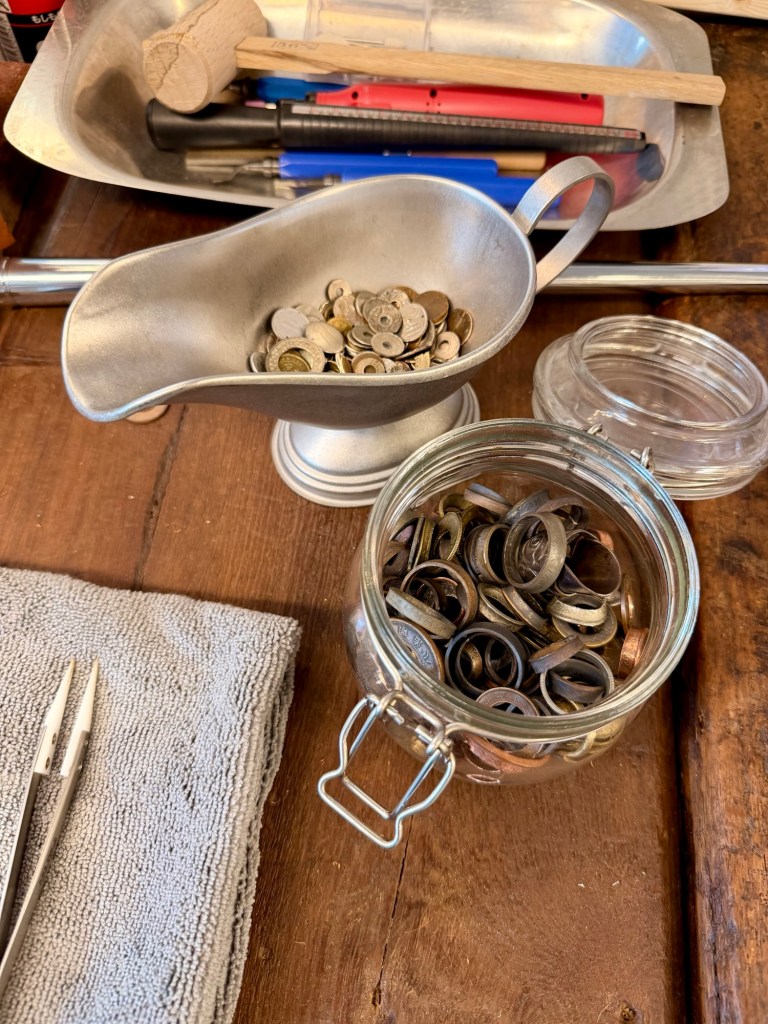
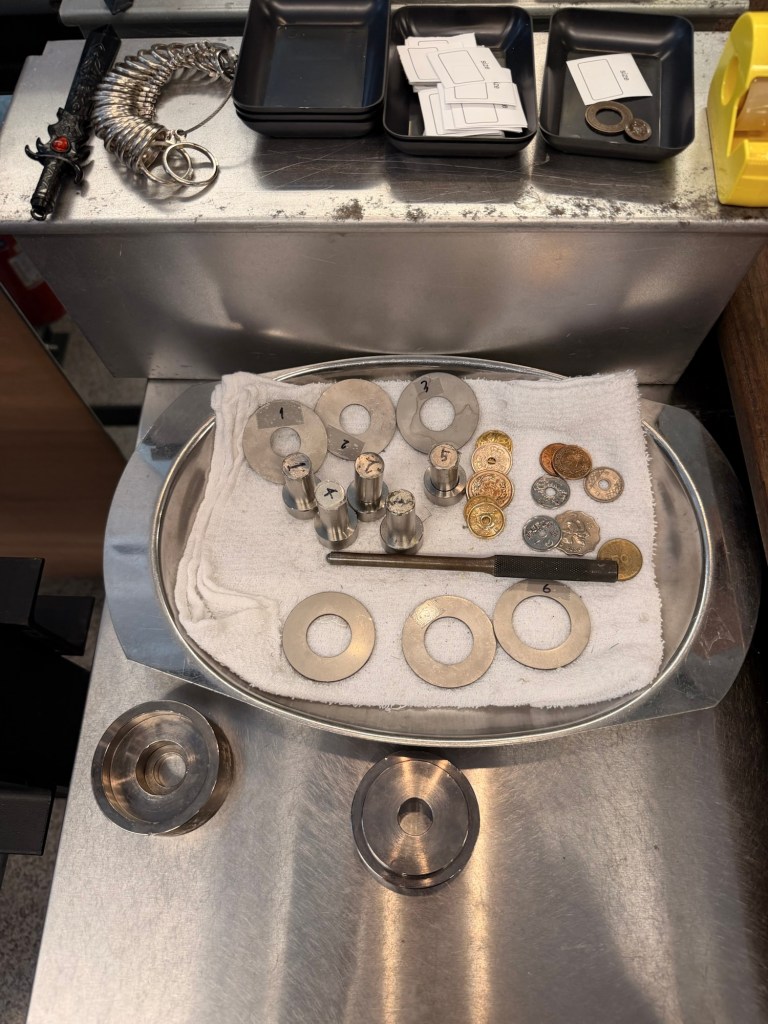
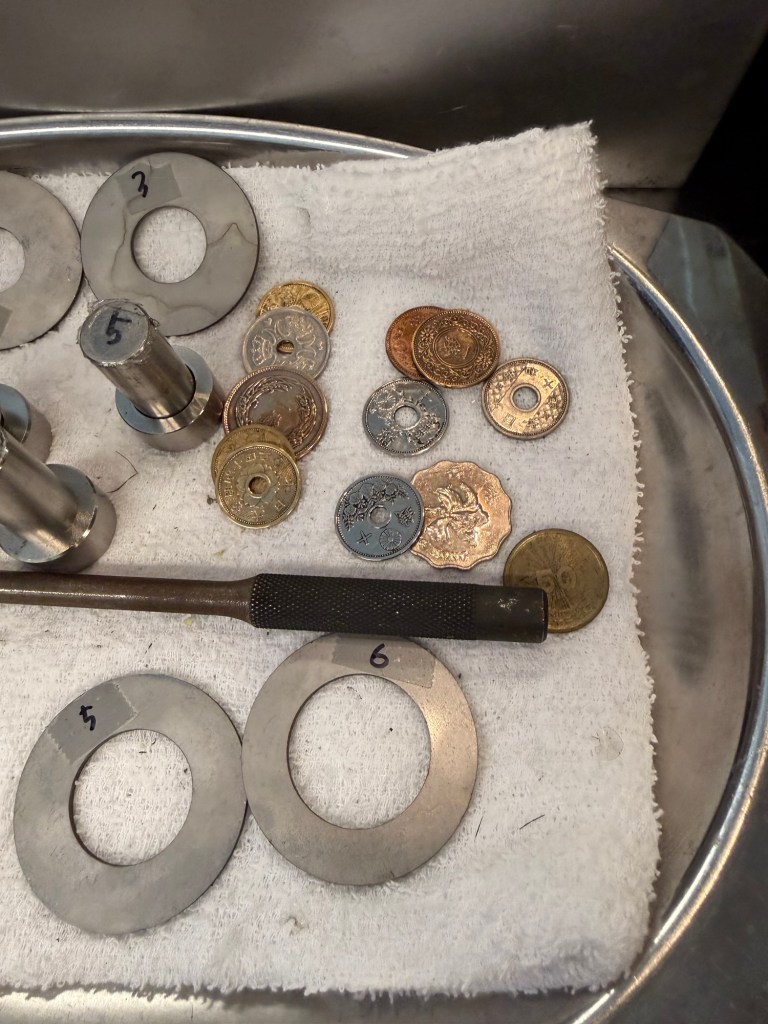
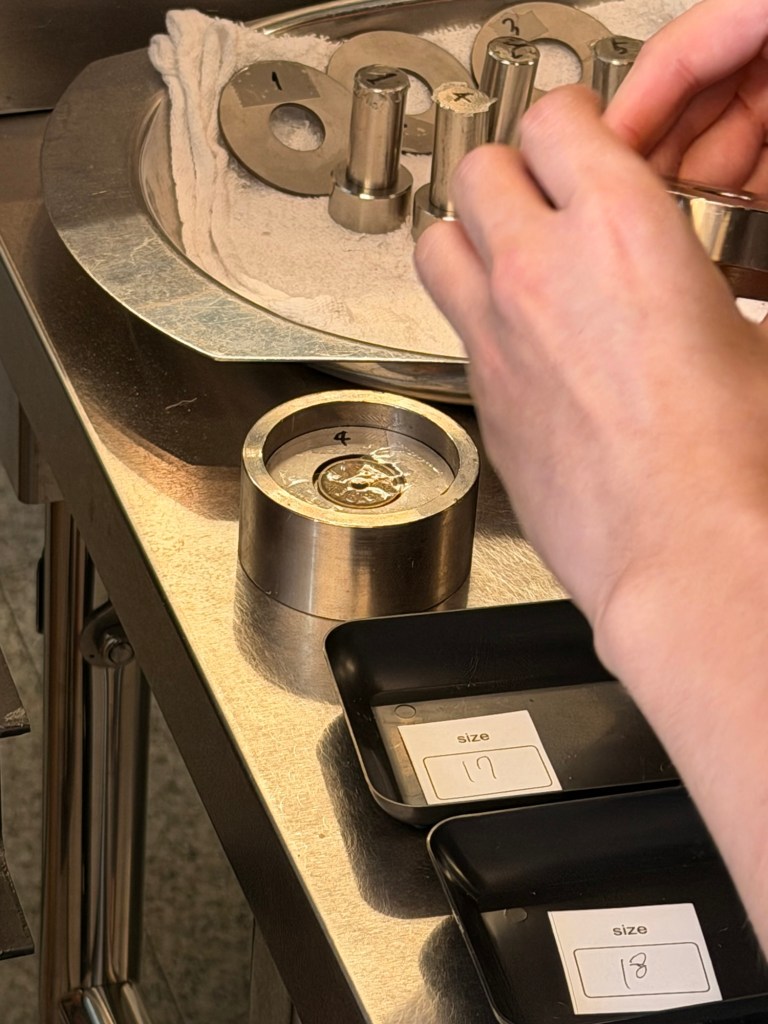
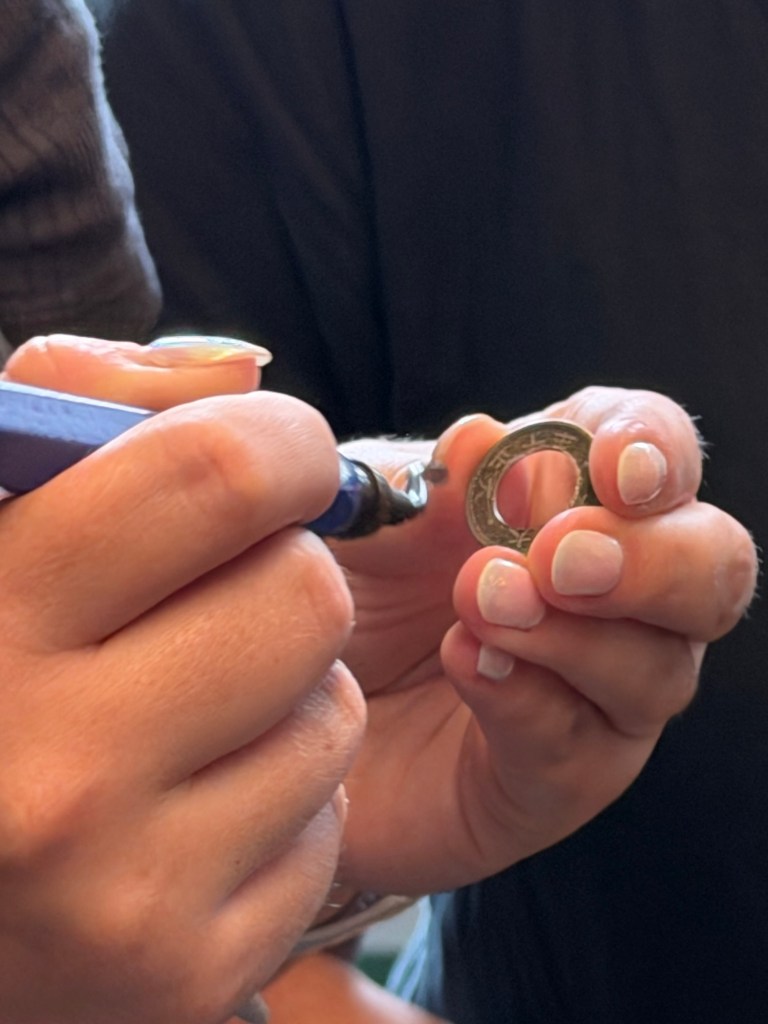
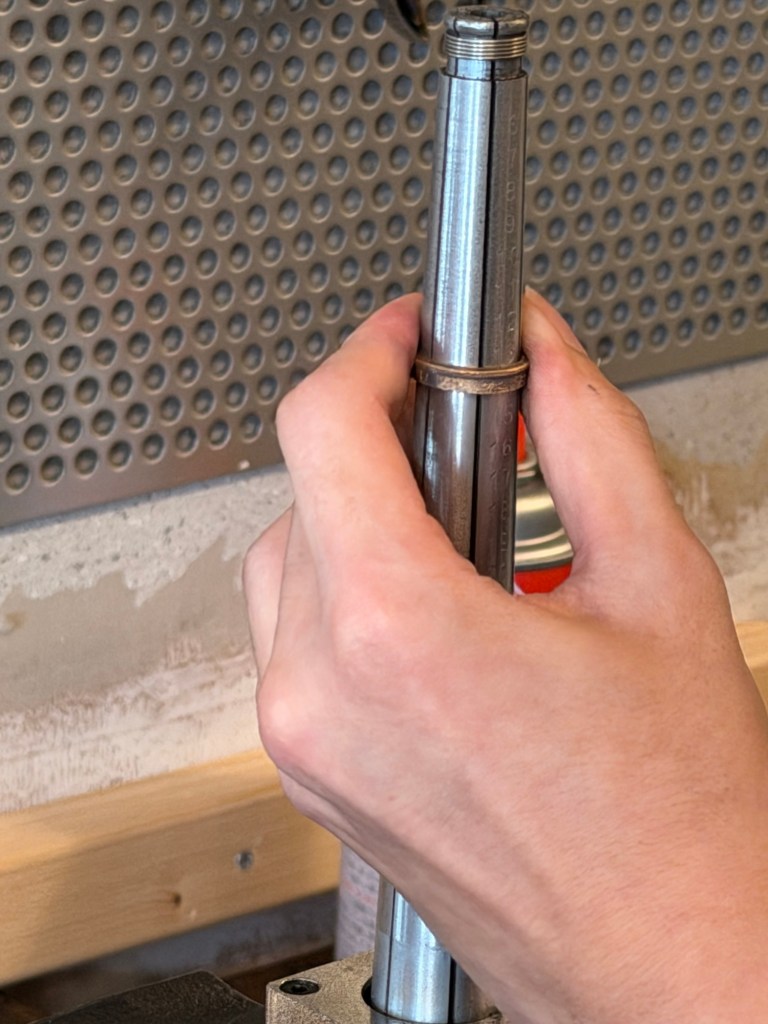
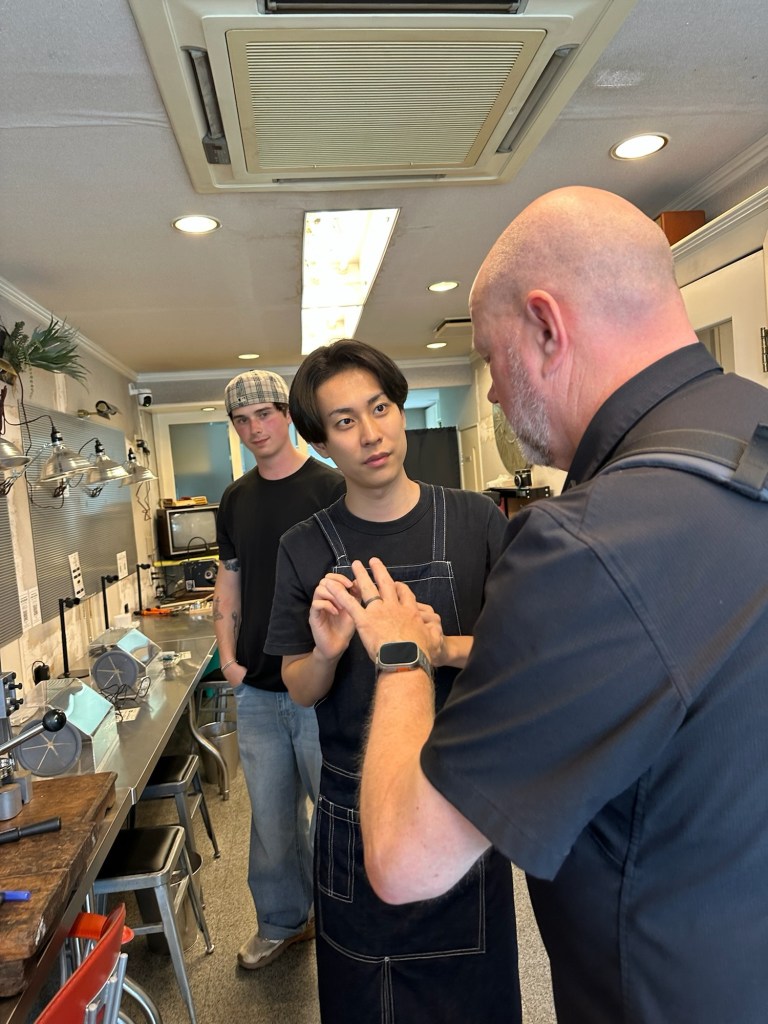
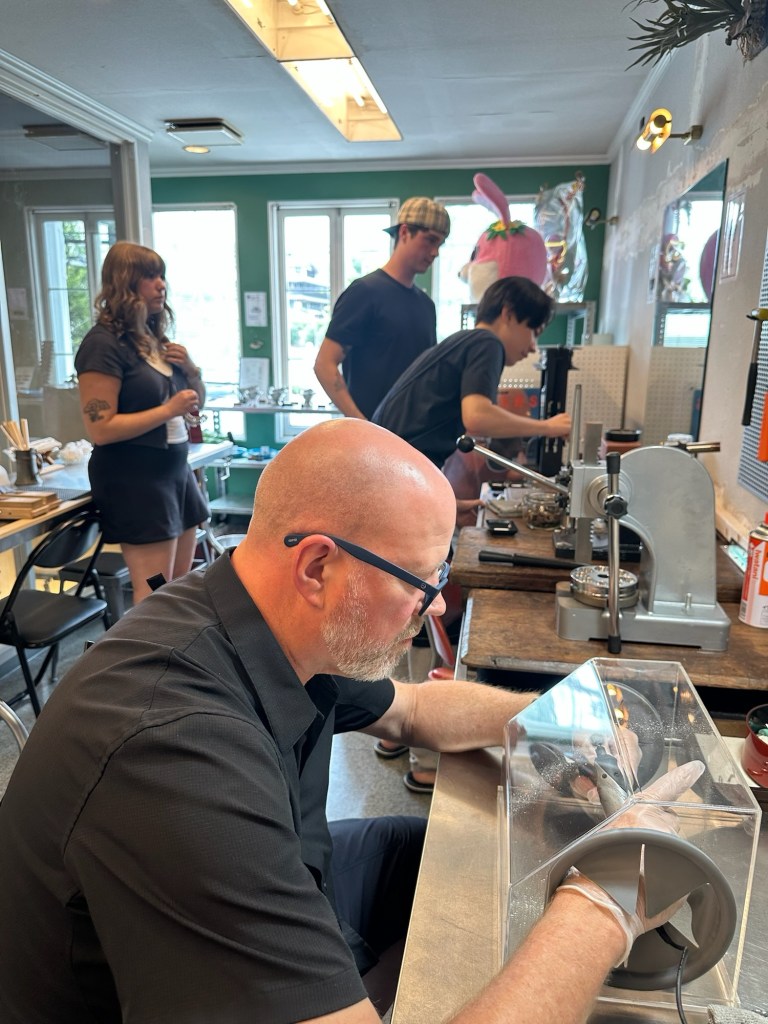
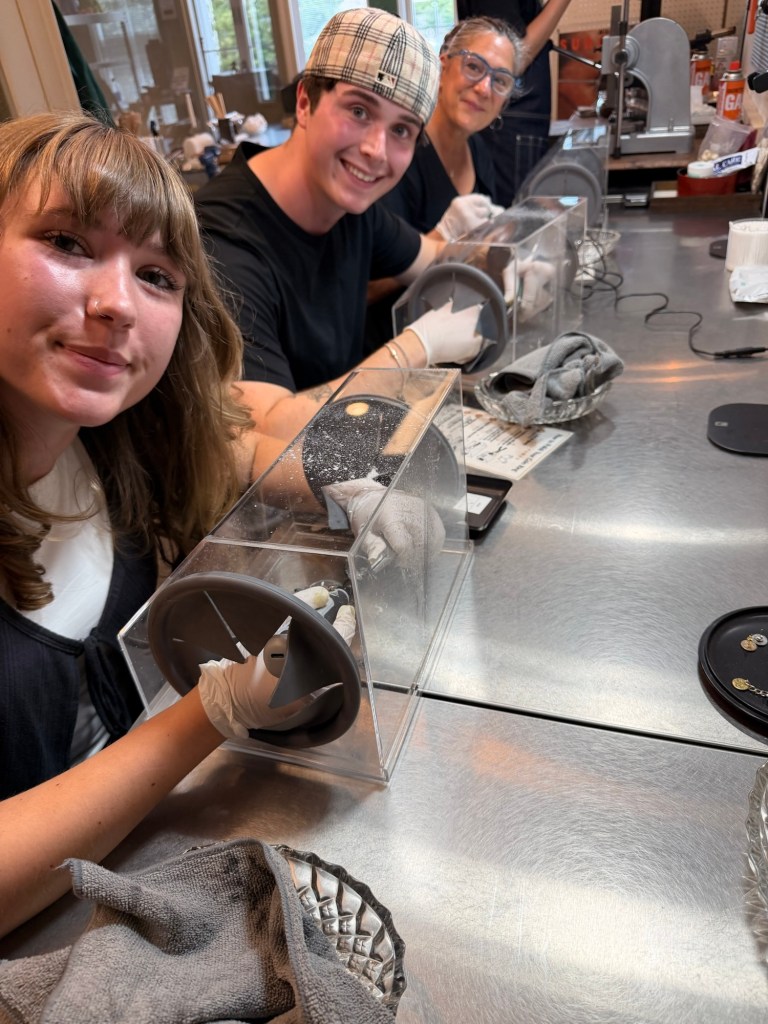
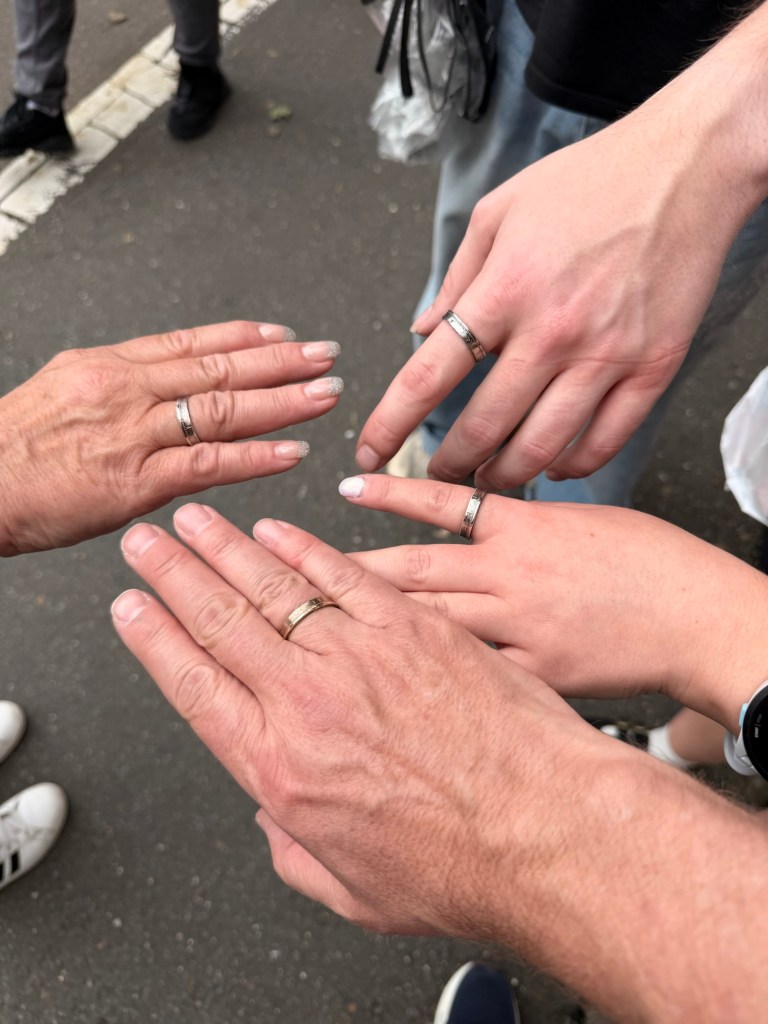
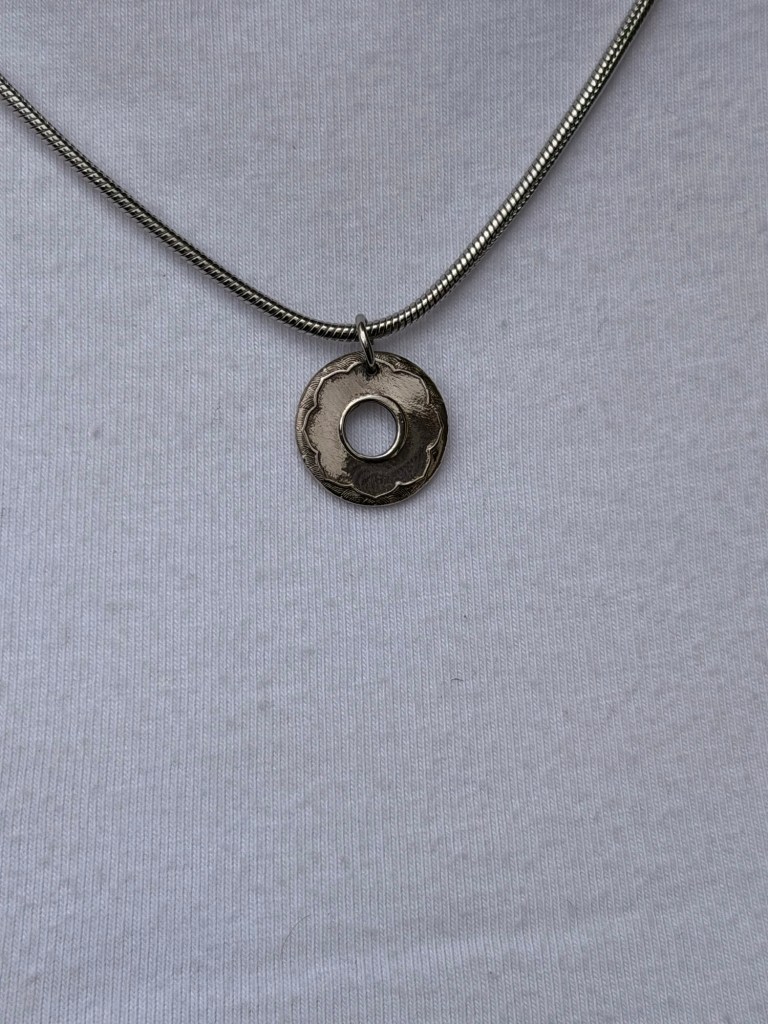
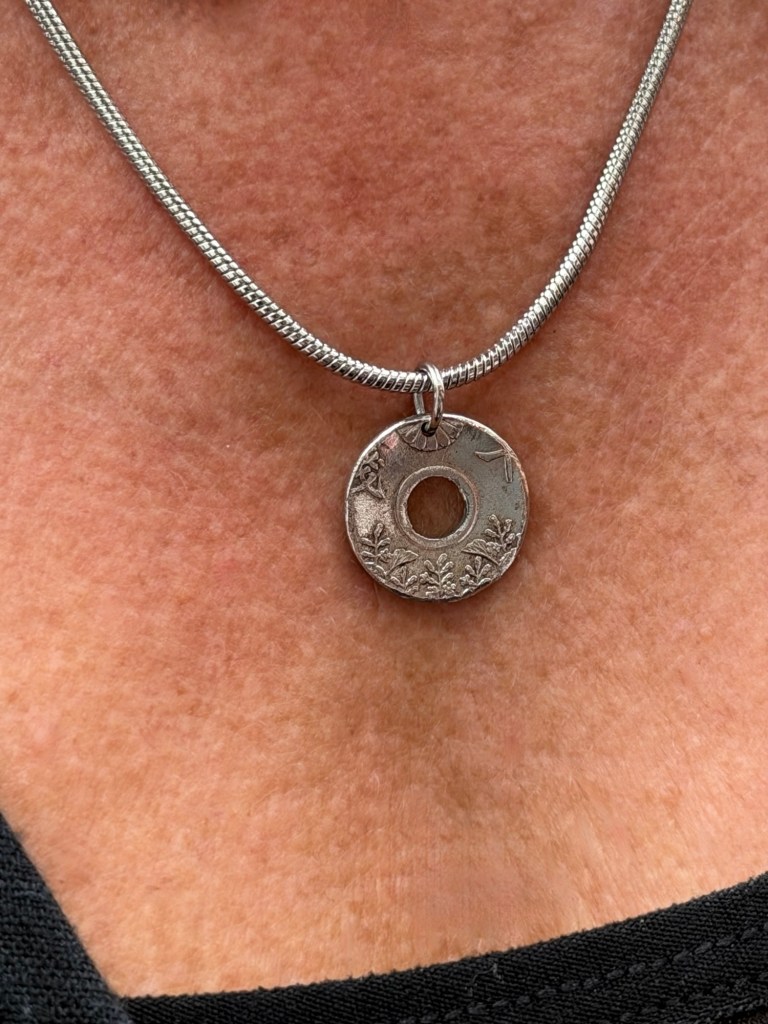
By the end we each had a ring, while Tawny and Clara turned the punched centers of their coins into necklaces, Ian made his into a charm, and I turned mine into a keychain. It was one of those unexpectedly great travel activities that has almost nothing to do with seeing a famous sight. If you are visiting Kinkaku-ji, I would absolutely recommend walking over to Zenith Coin afterward, preferably after some katsu and pint nearby.
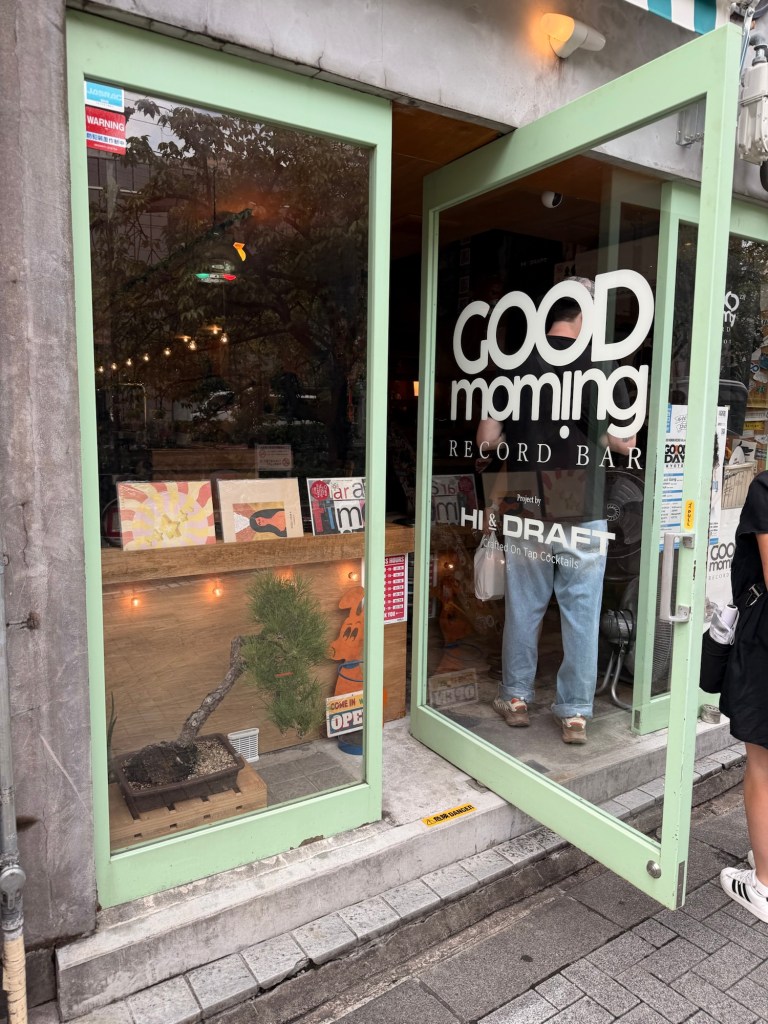
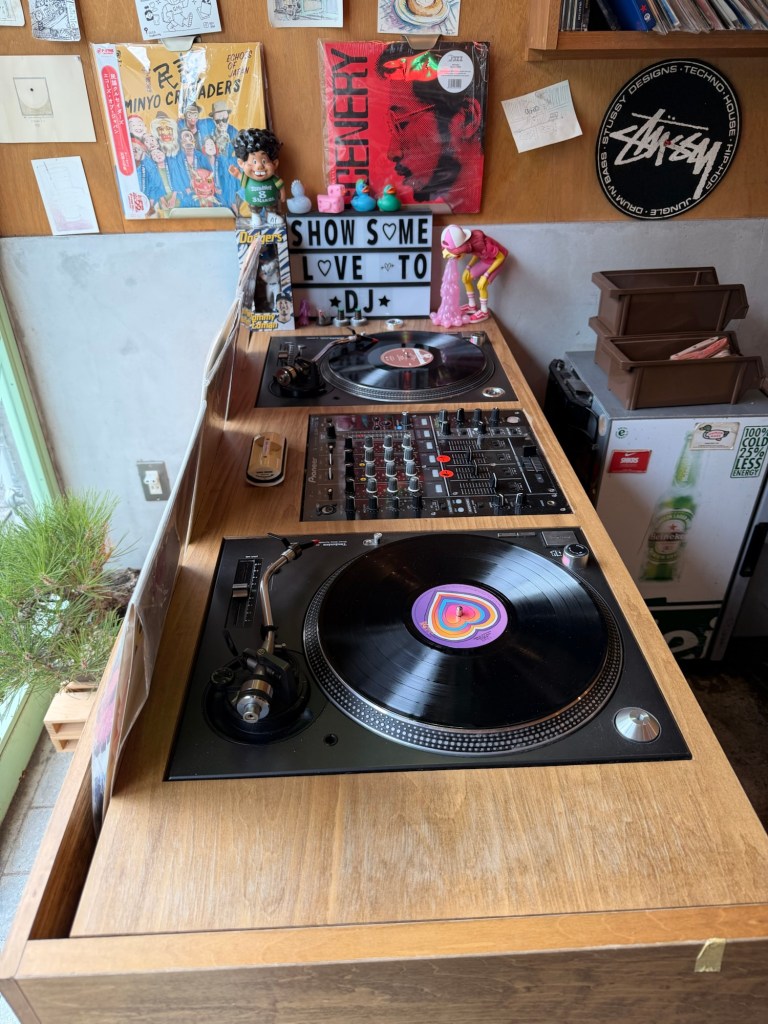
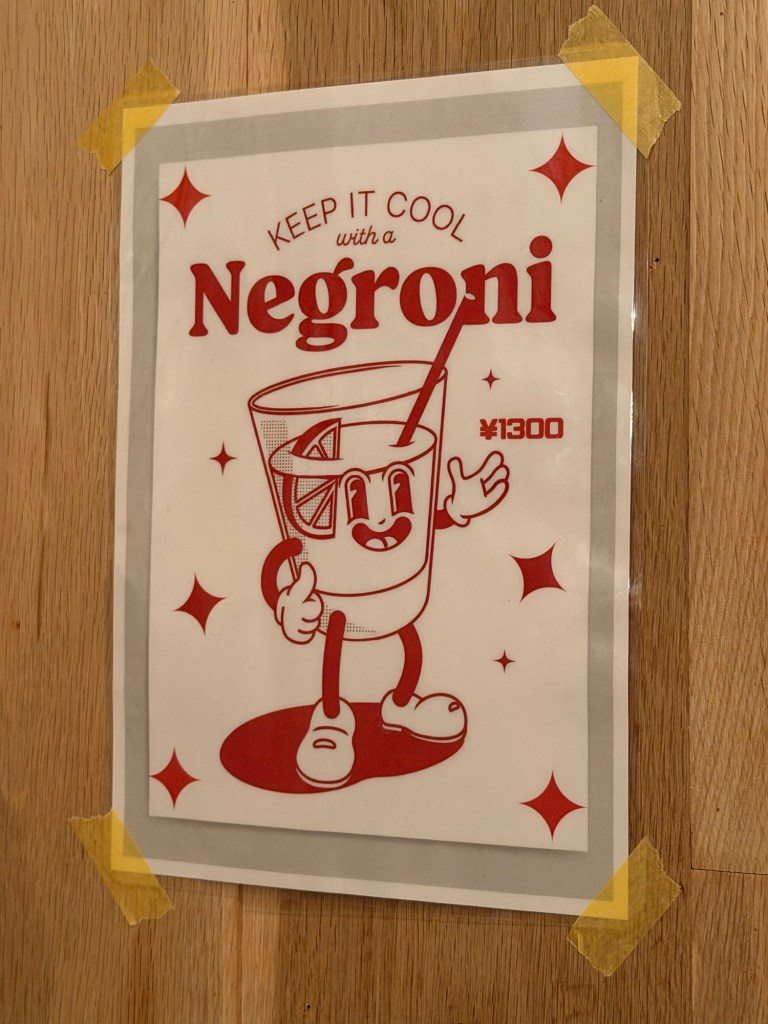
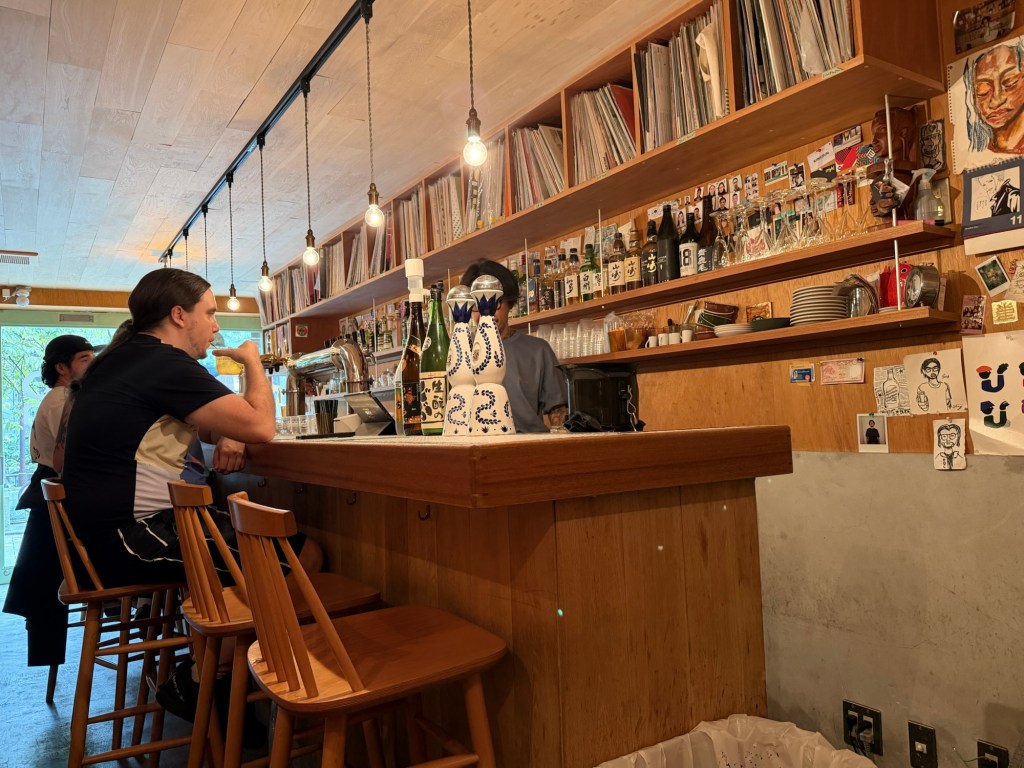
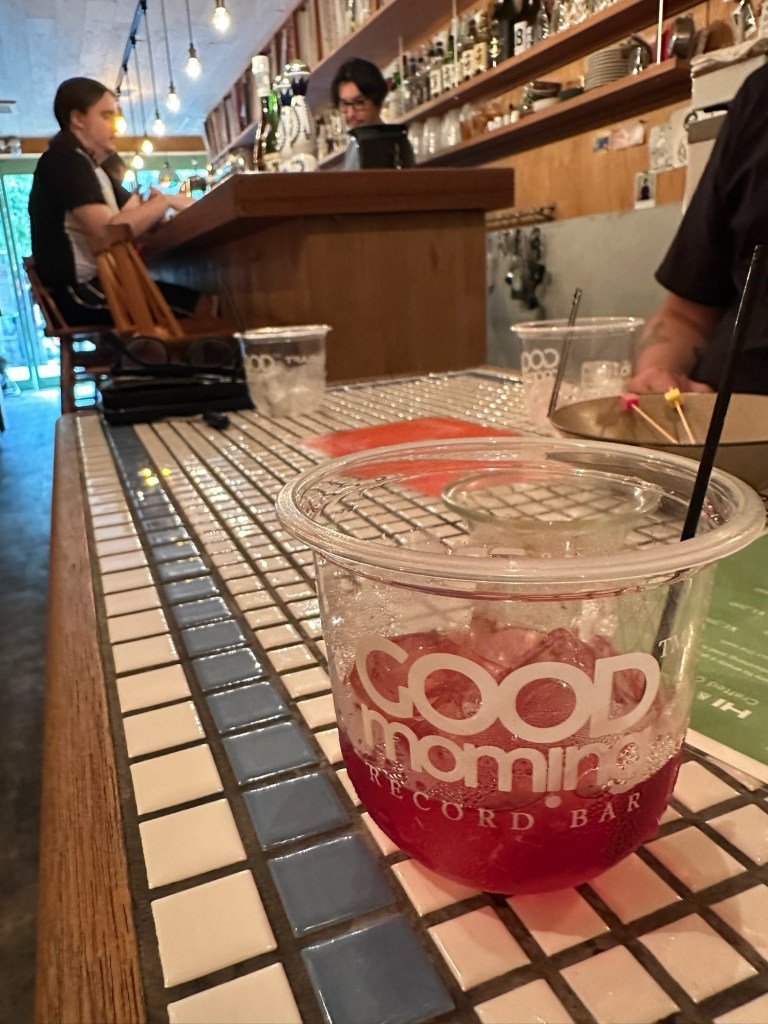
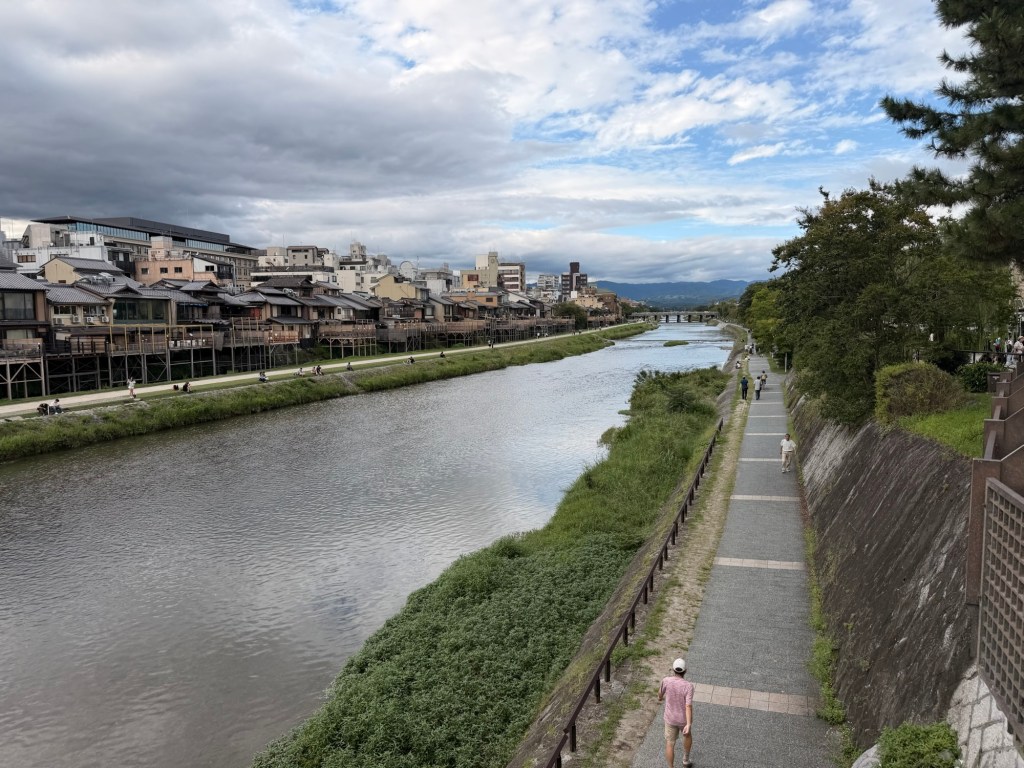
With our new jewelry and keychain completed, we grabbed a taxi and headed back toward central Kyoto. A few days earlier, while walking with Kylis, we had noticed Good Morning Record Bar and decided it looked like our kind of place. The narrow bar had vinyl spinning behind the counter and, fortunately, a small table tucked into the back that could seat the four of us. We ordered drinks, settled in, and began Shazamming Japanese songs. It was exactly the sort of place we love finding while traveling. Small, quirky, music oriented, and just removed enough from the tourist and sightseeing that you can sit for a while and relax.
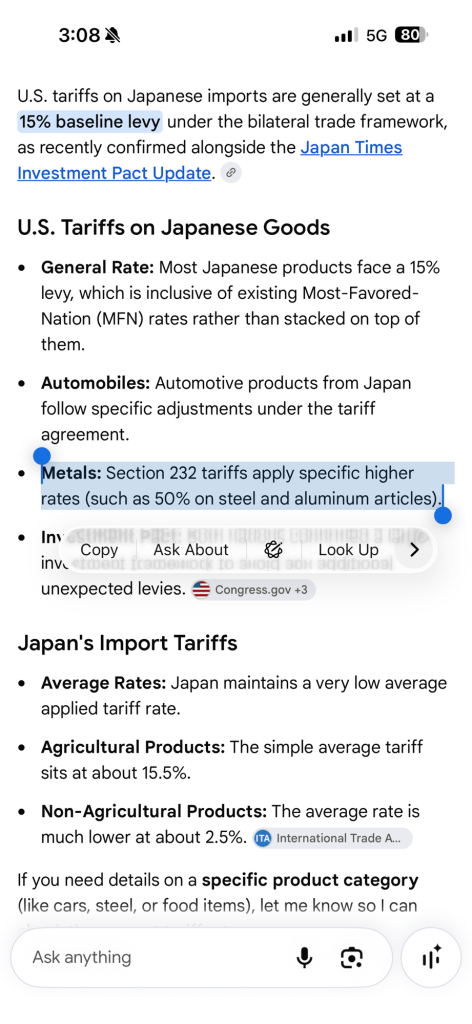
My phone buzzed. A DHL notification. Excellent, I thought. My knife had arrived home. A few days earlier in Kappabashi, I had bought a beautiful, one-of-a-kind Japanese kitchen knife and had it shipped home rather than trying to carry a sharp blade around Japan. I opened the DHL message expecting confirmation that it had been delivered. Instead, my beautiful Japanese knife had apparently become entangled in Trump’s tariff war with the world. The Trump administration had increased tariffs on Japanese steel. And apparently that meant anything from Japan containing steel. DHL was informing me that my knife shipment had incurred a substantial customs charge and it wouldn’t be released until paid. WTF? Suddenly, the amazing deal I had congratulated myself on finding in Tokyo was becoming super expensive. I reluctantly paid the fee and sat there staring dejectedly at my phone, contemplating my financial misstep. Clara, loving daughter that she is, immediately offered a tariff relief program of her own. She would buy the drinks. And she bought another round. We left and walked through the neighborhood a bit.
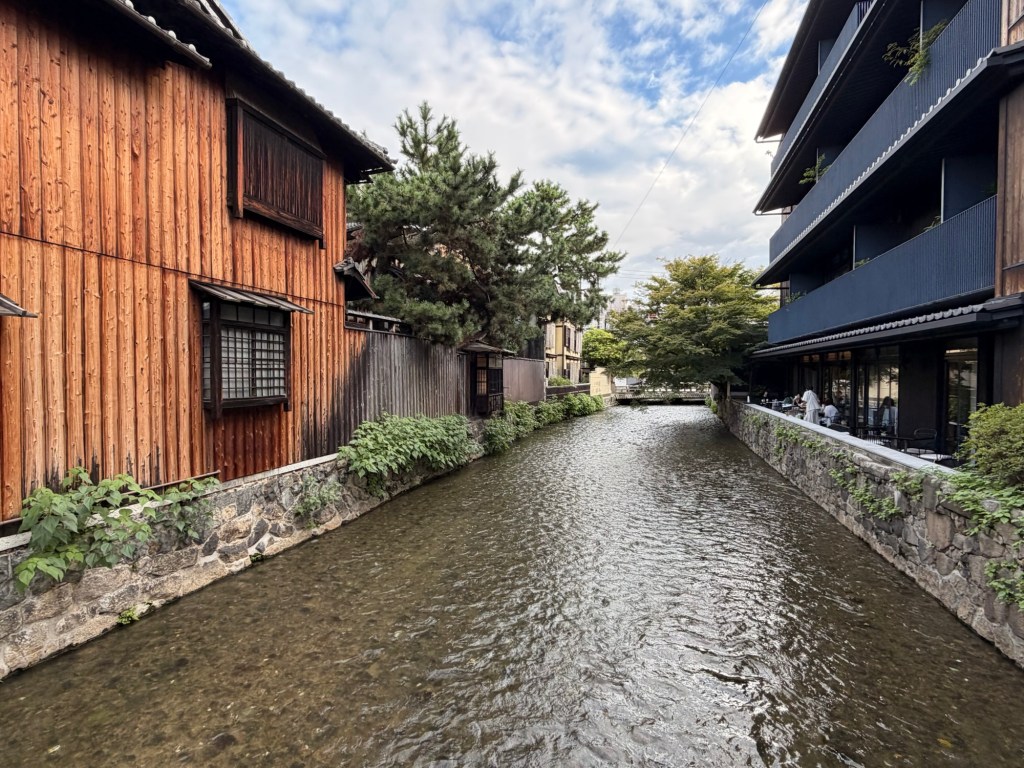
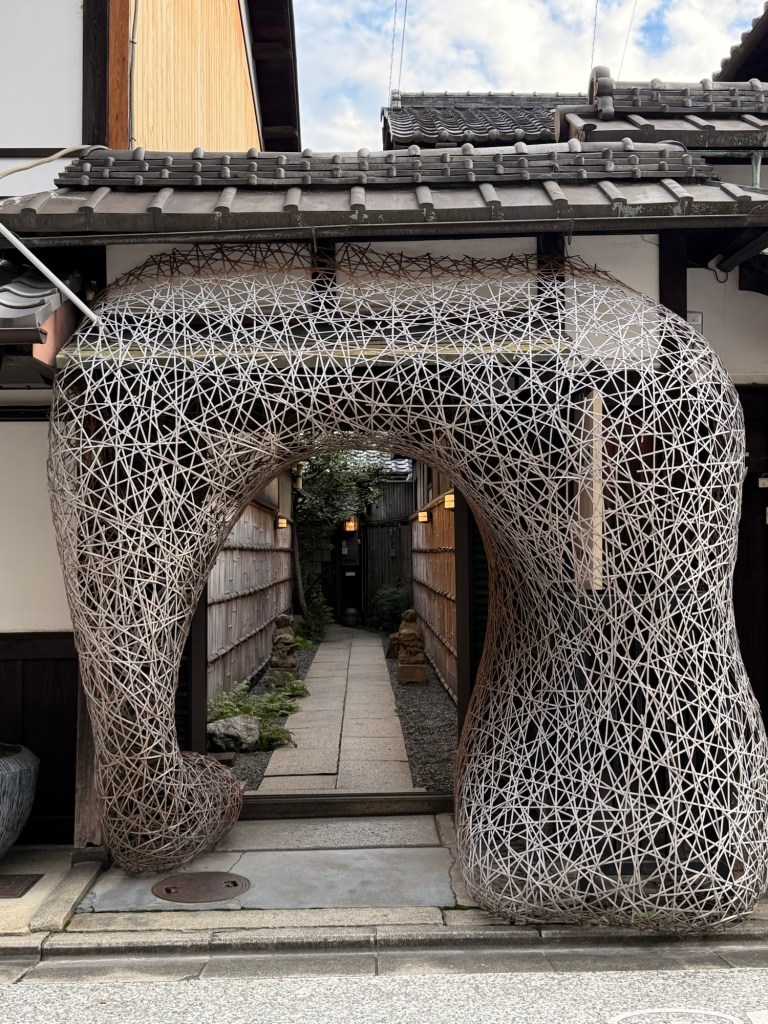
By late afternoon we were hot, tired, and beginning to feel the effects of getting up early enough to beat the Instagram pilgrimage at Fushimi Inari. We headed back toward Genji Kyoto to rest. We remembered to take some pictures of Clara and Ian’s upgraded room.
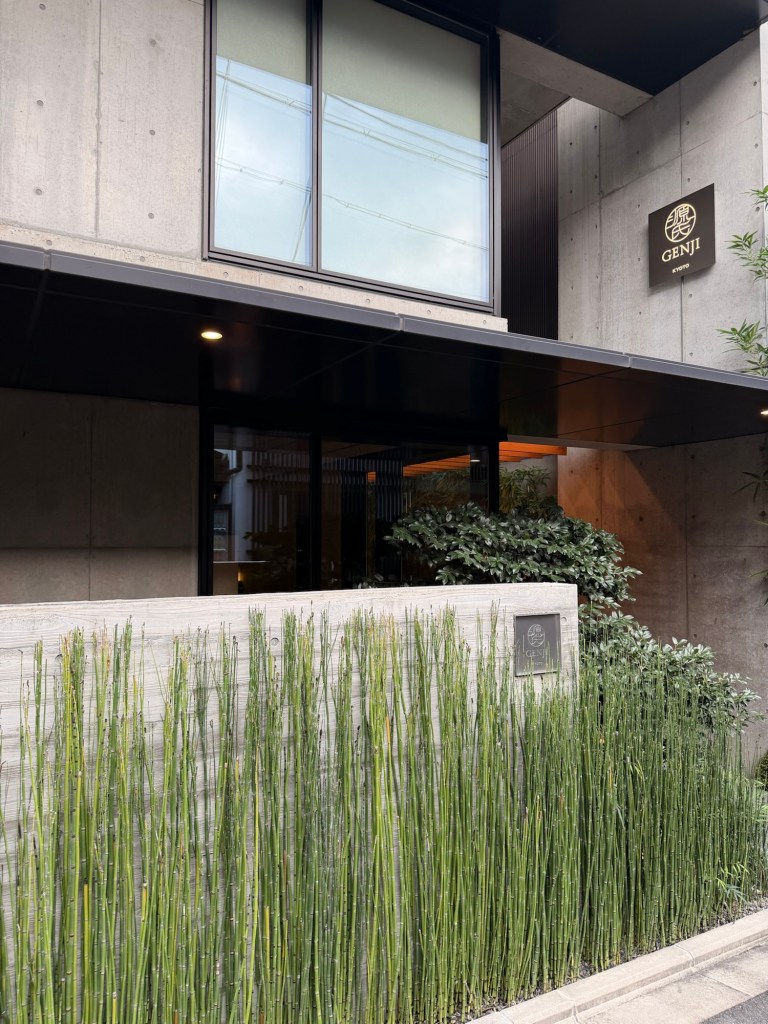
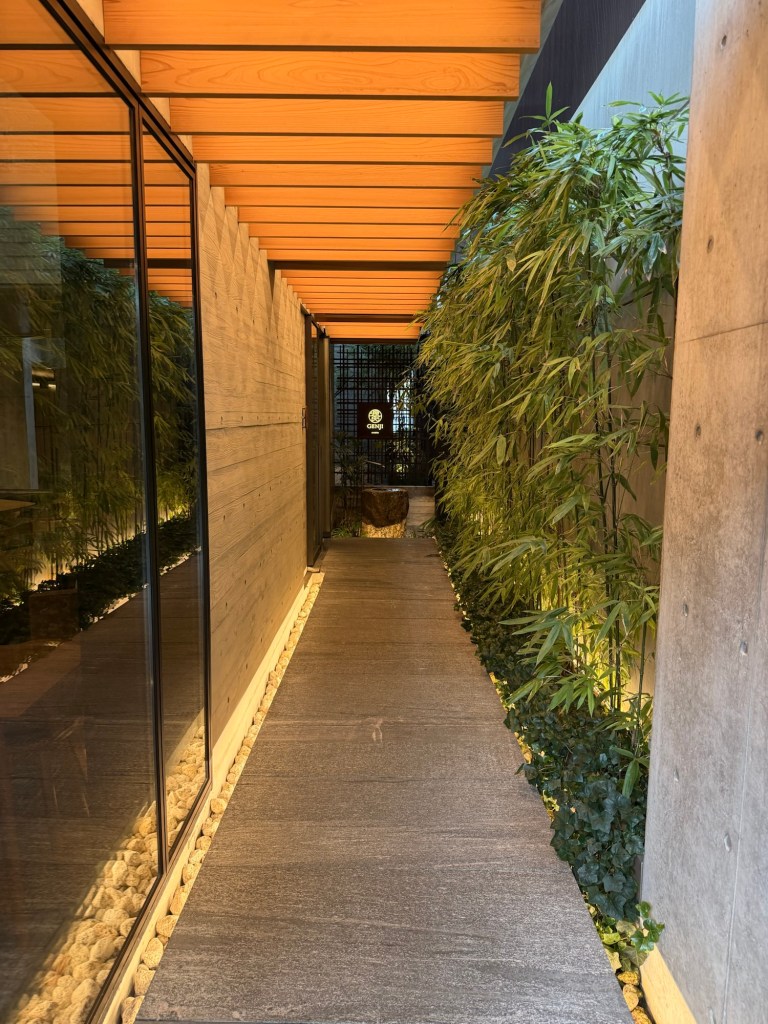
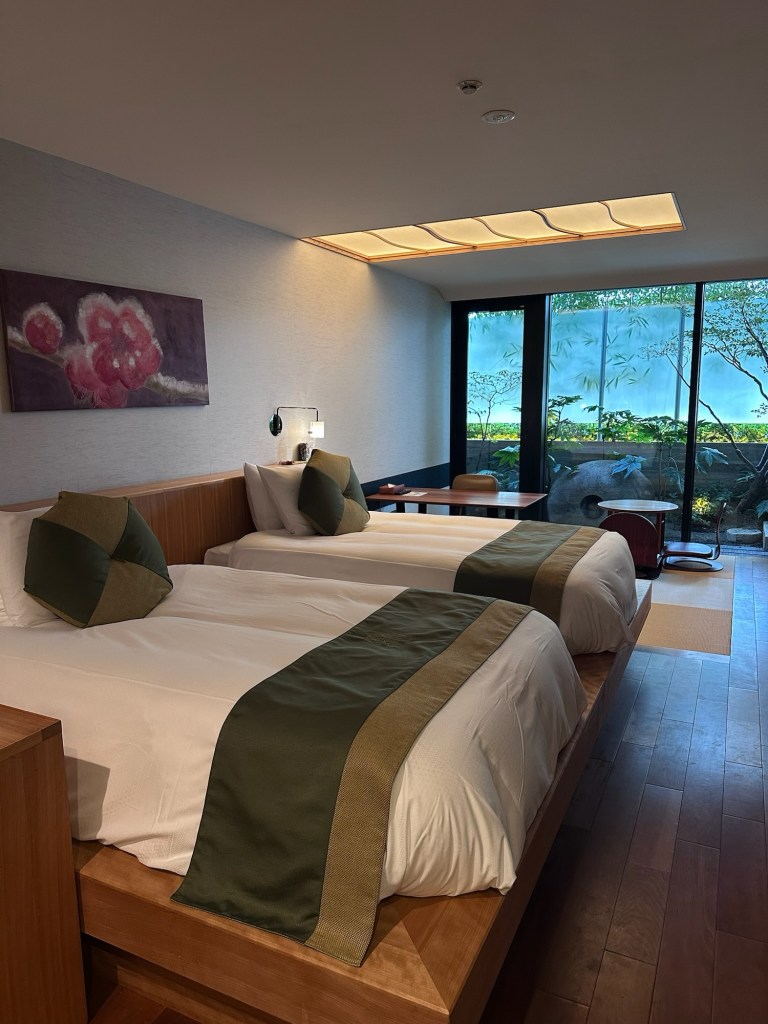
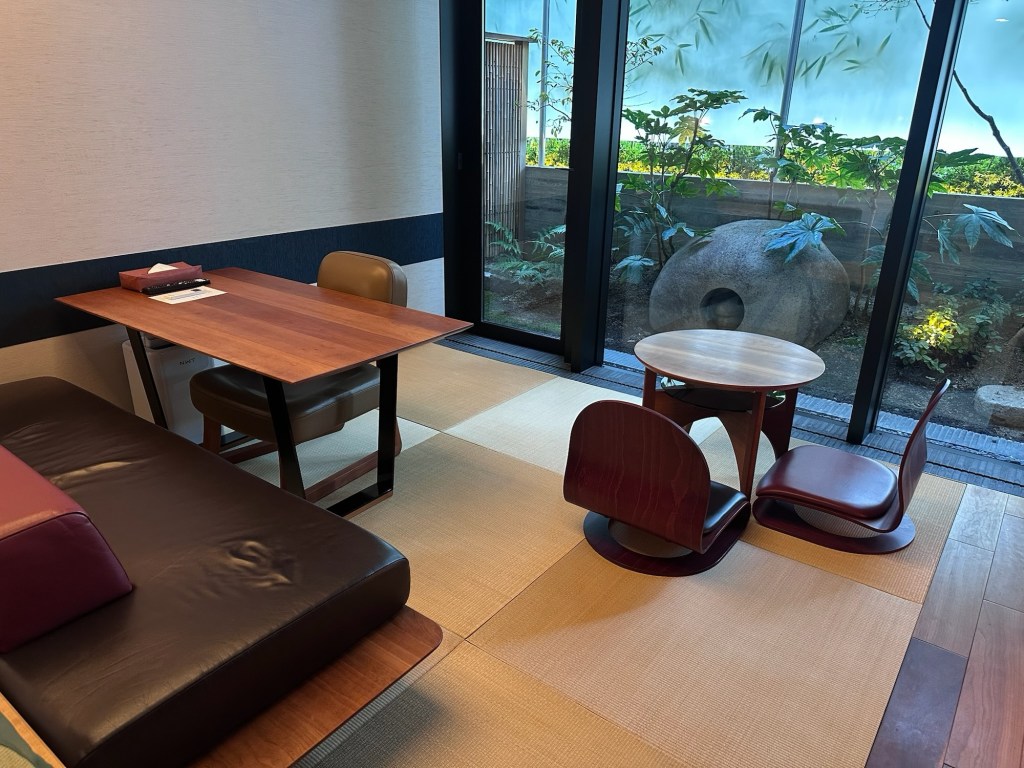
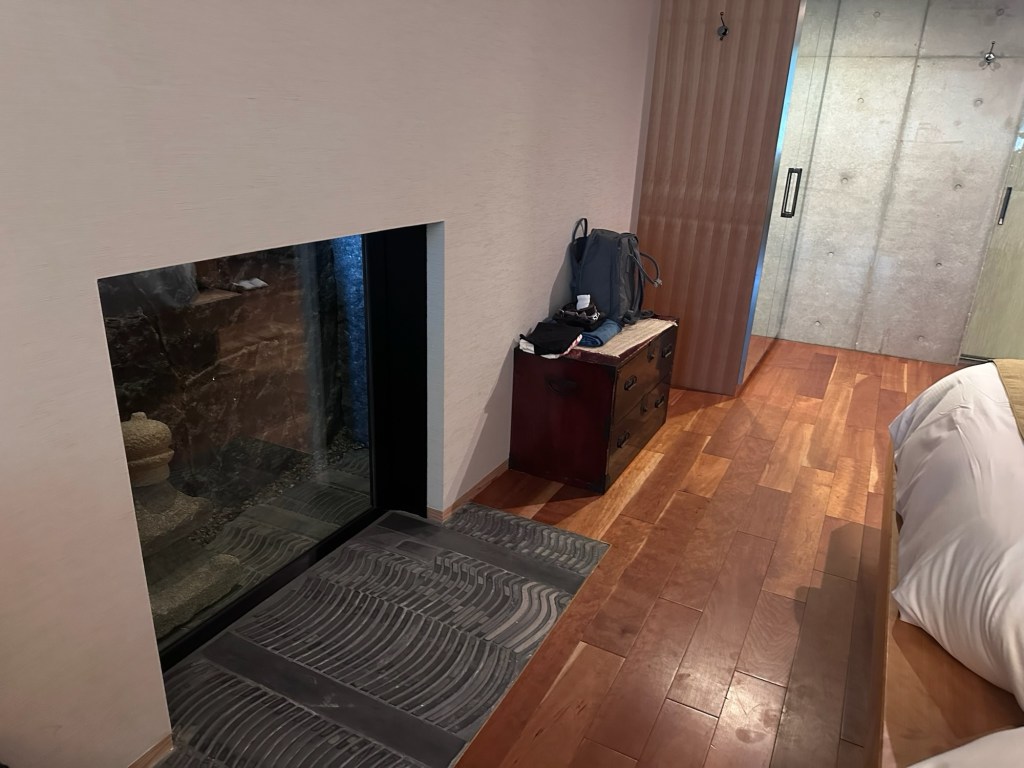
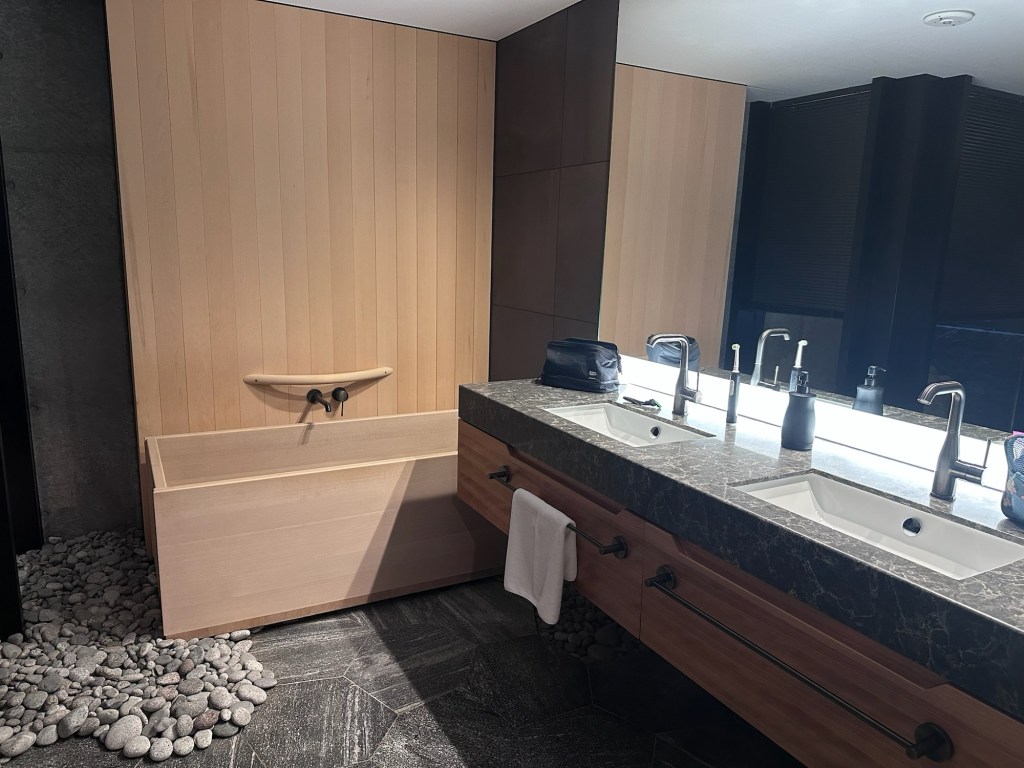
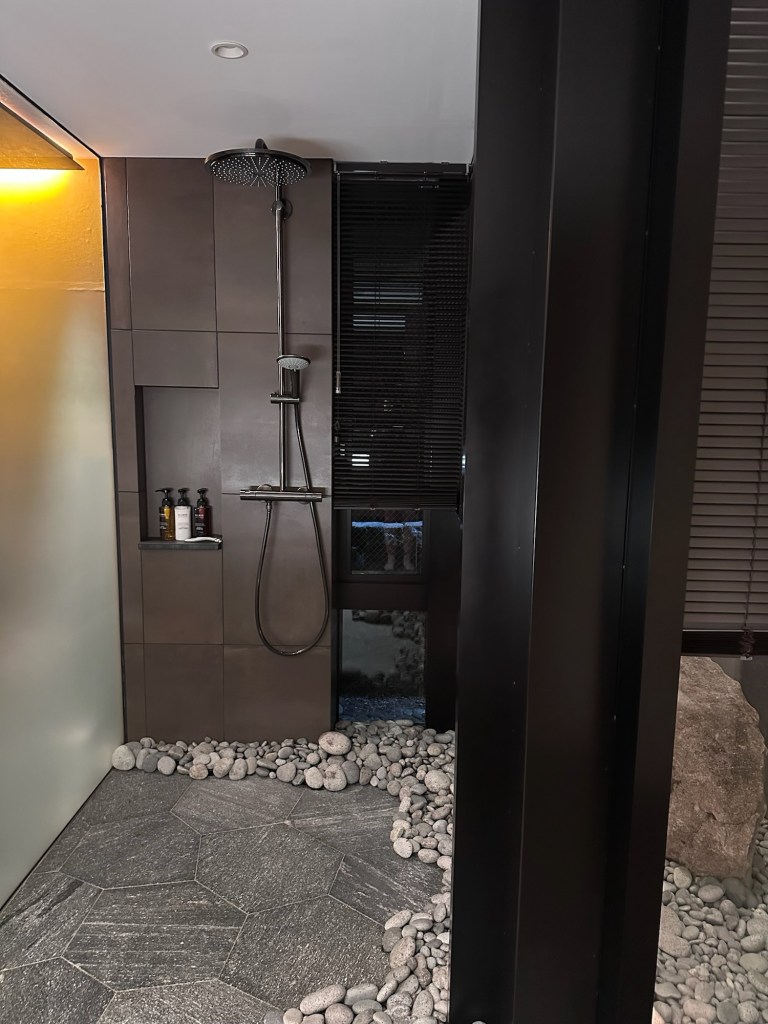
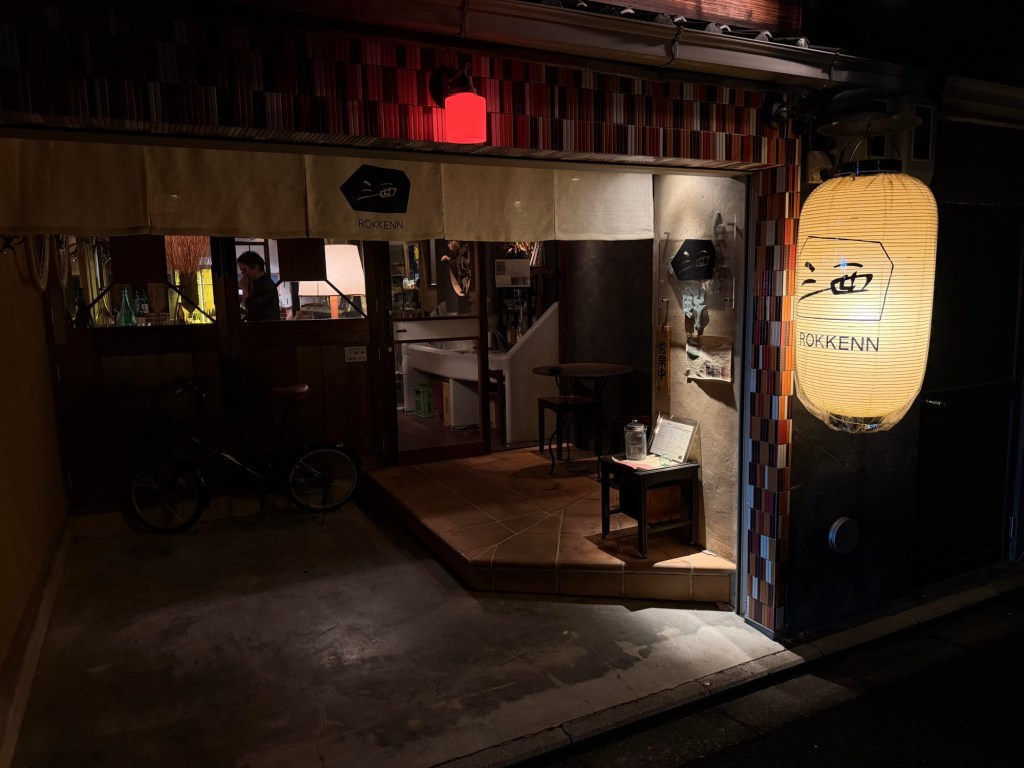
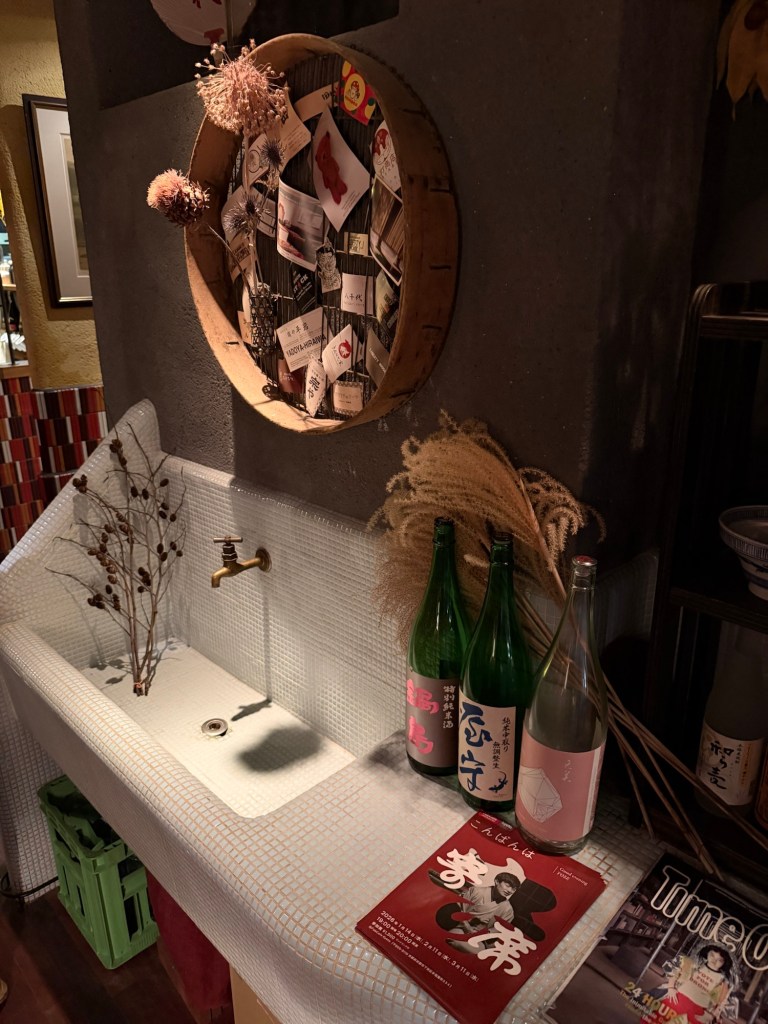
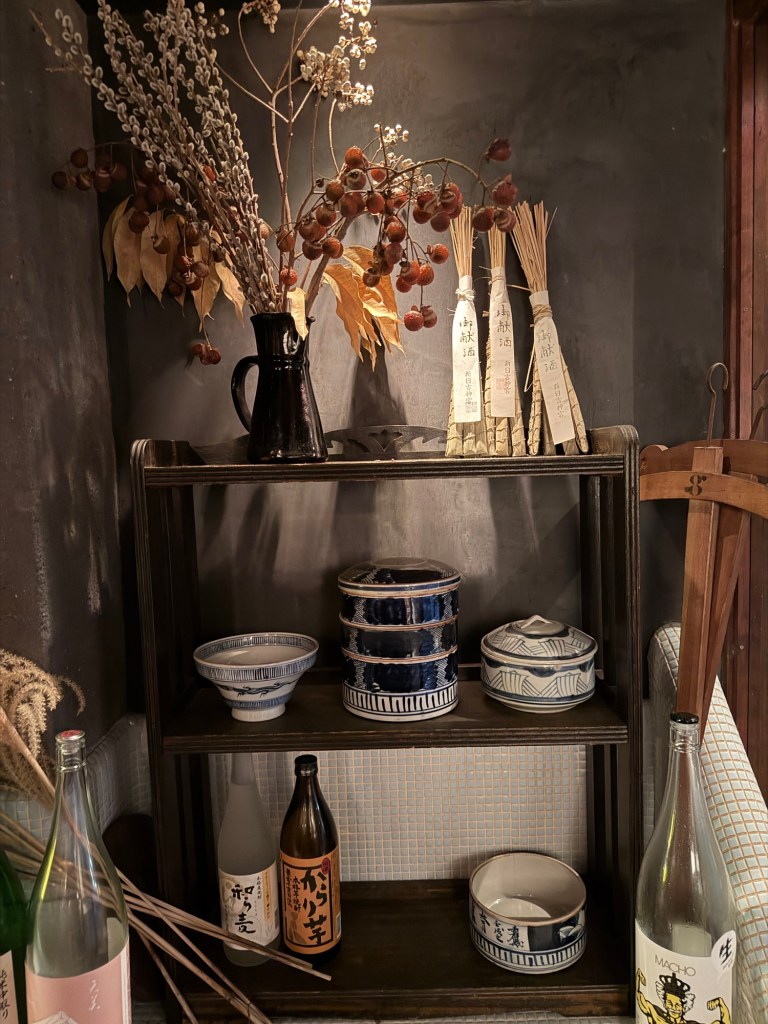
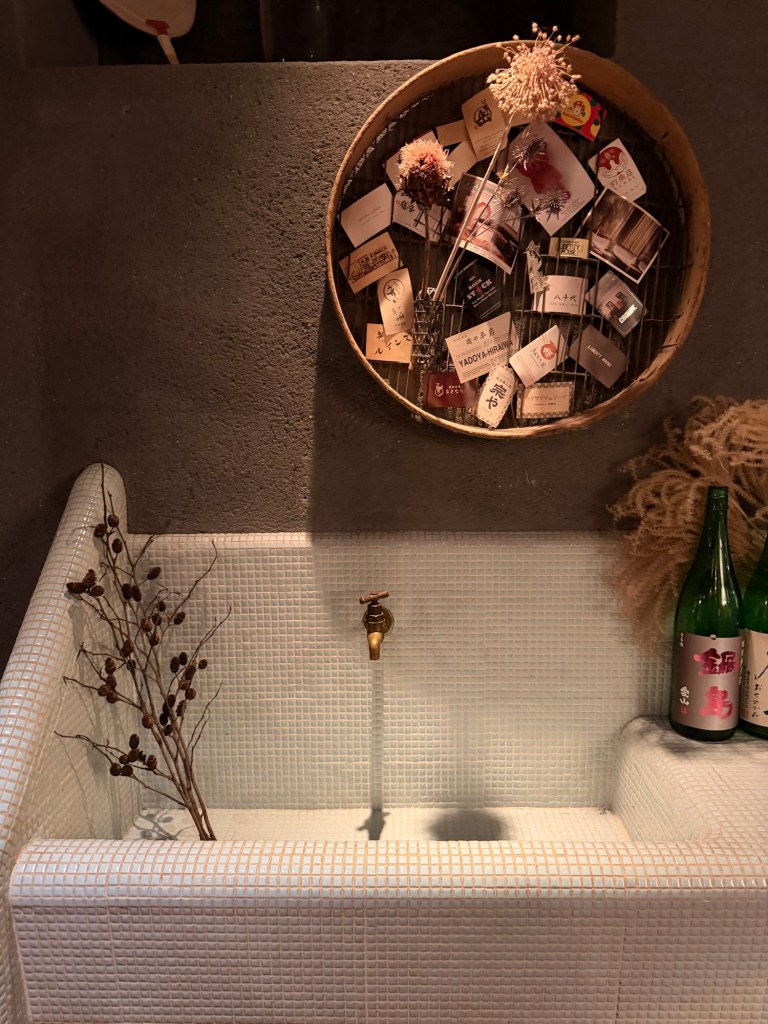
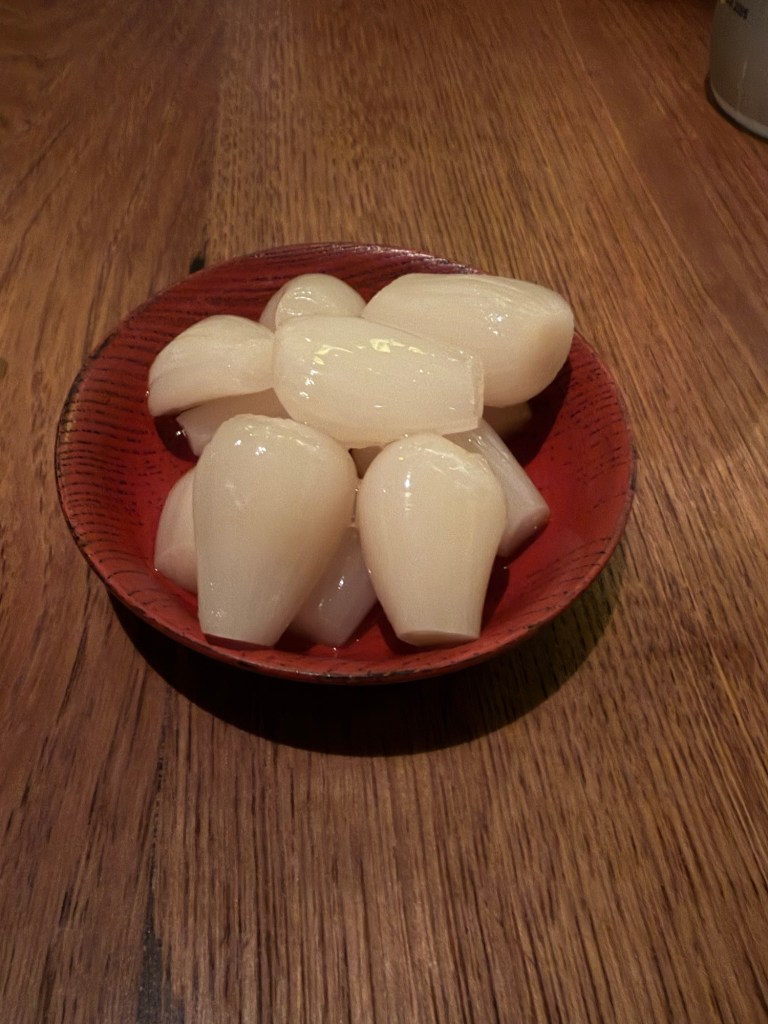
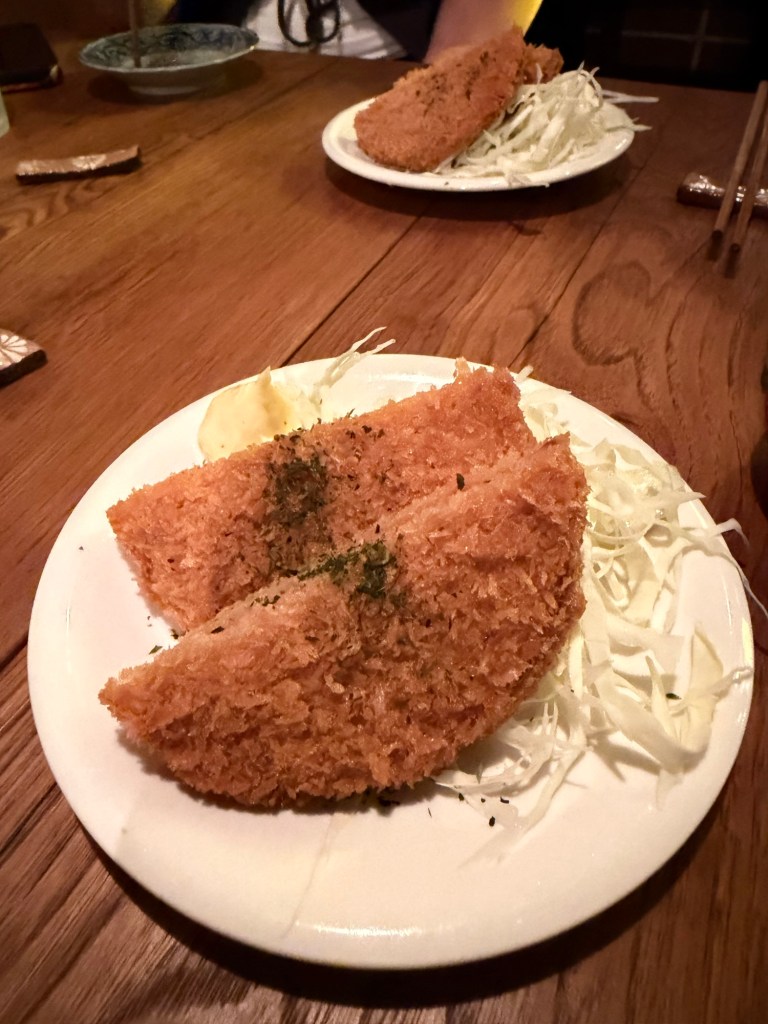
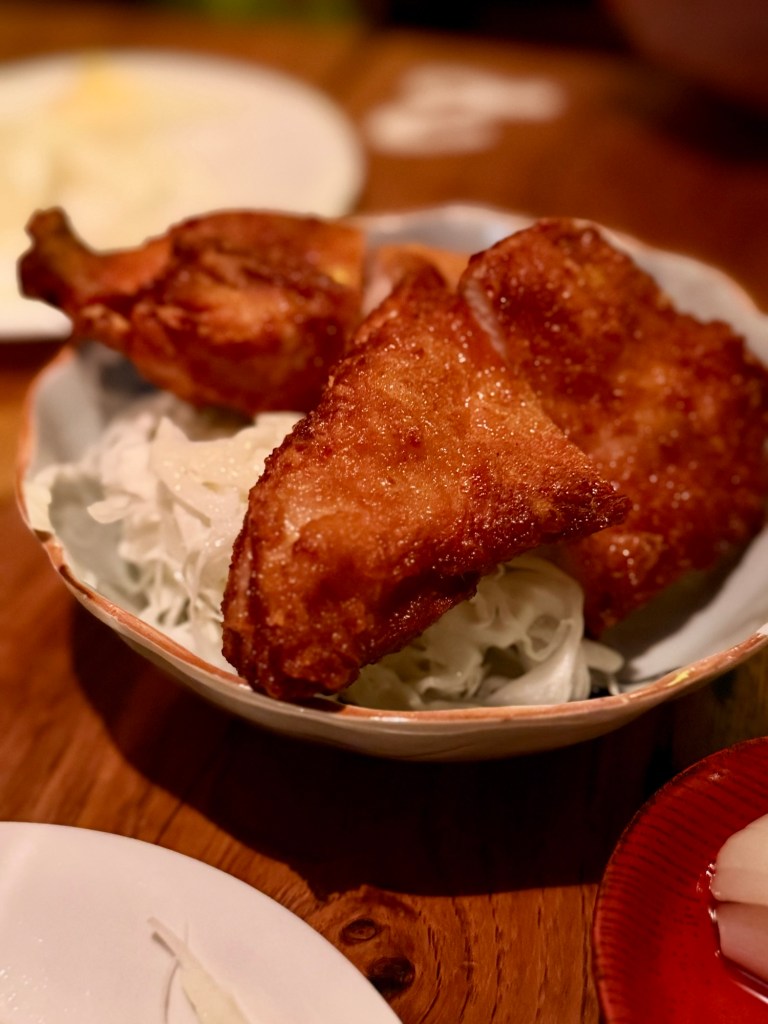
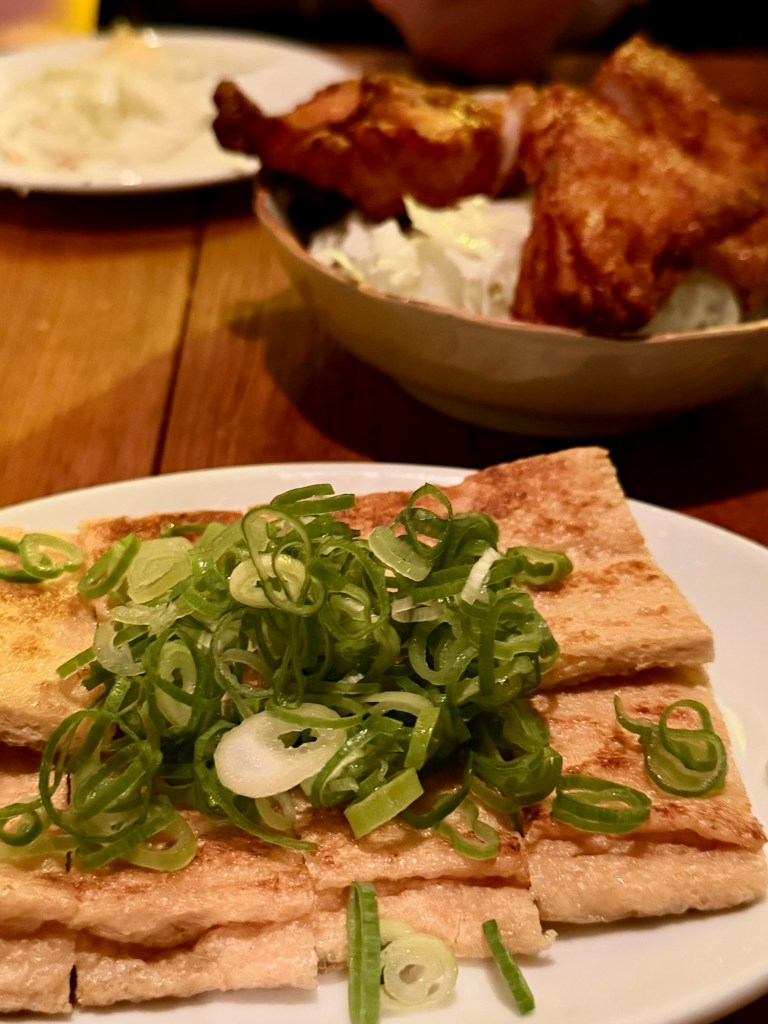
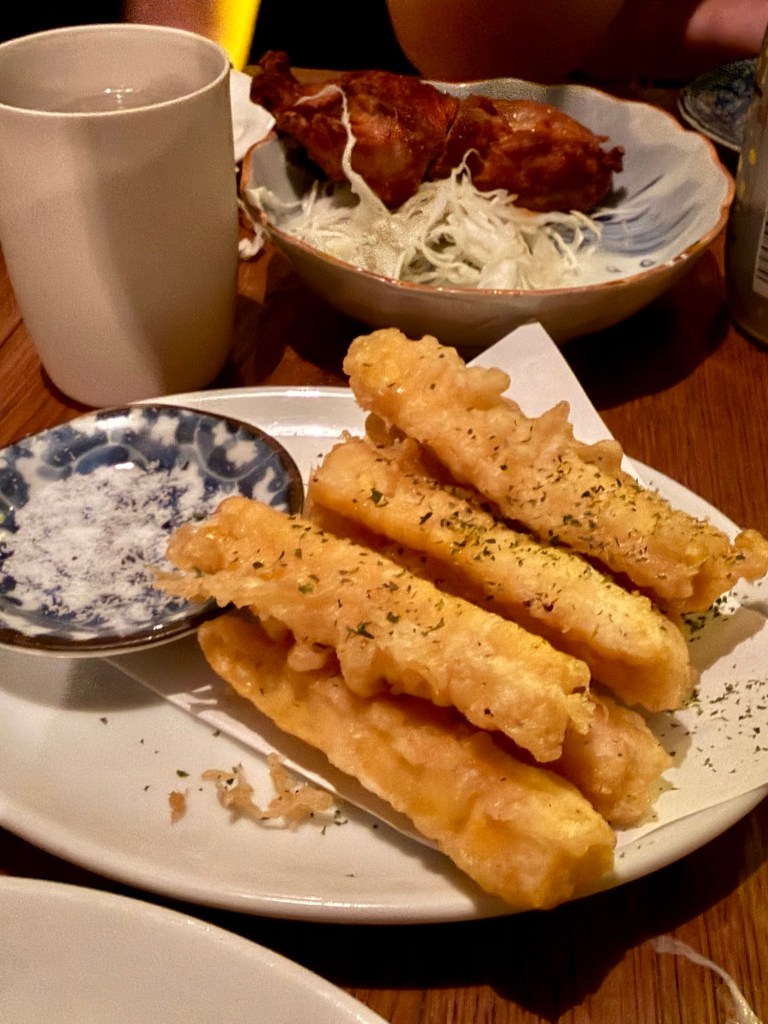
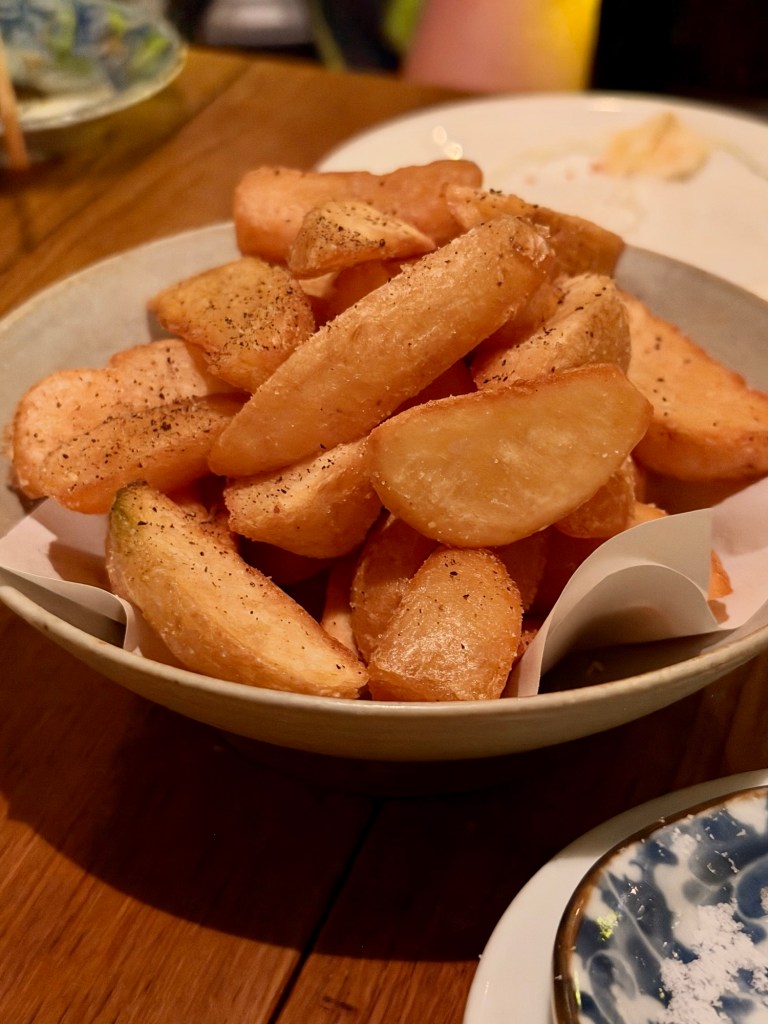
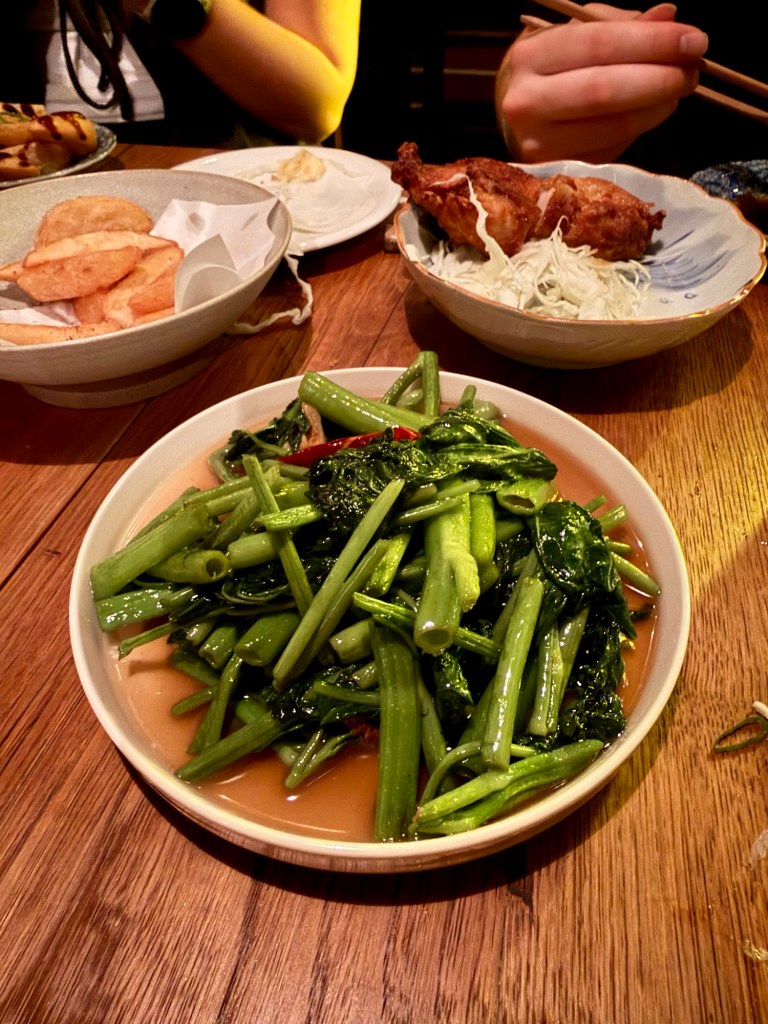
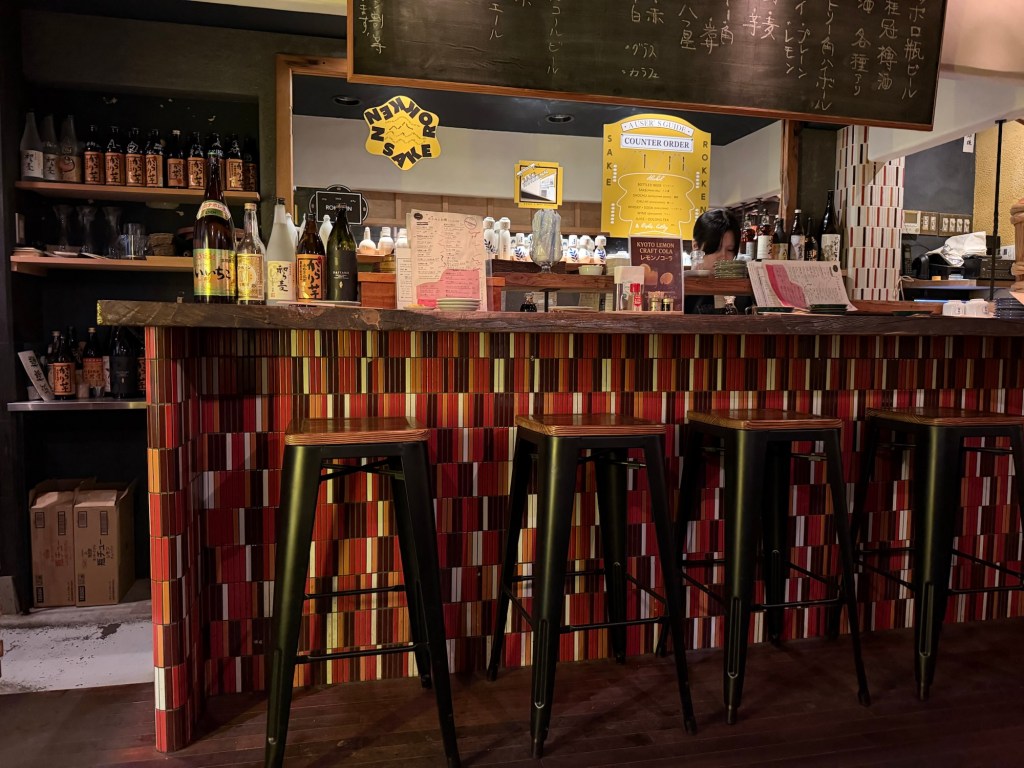
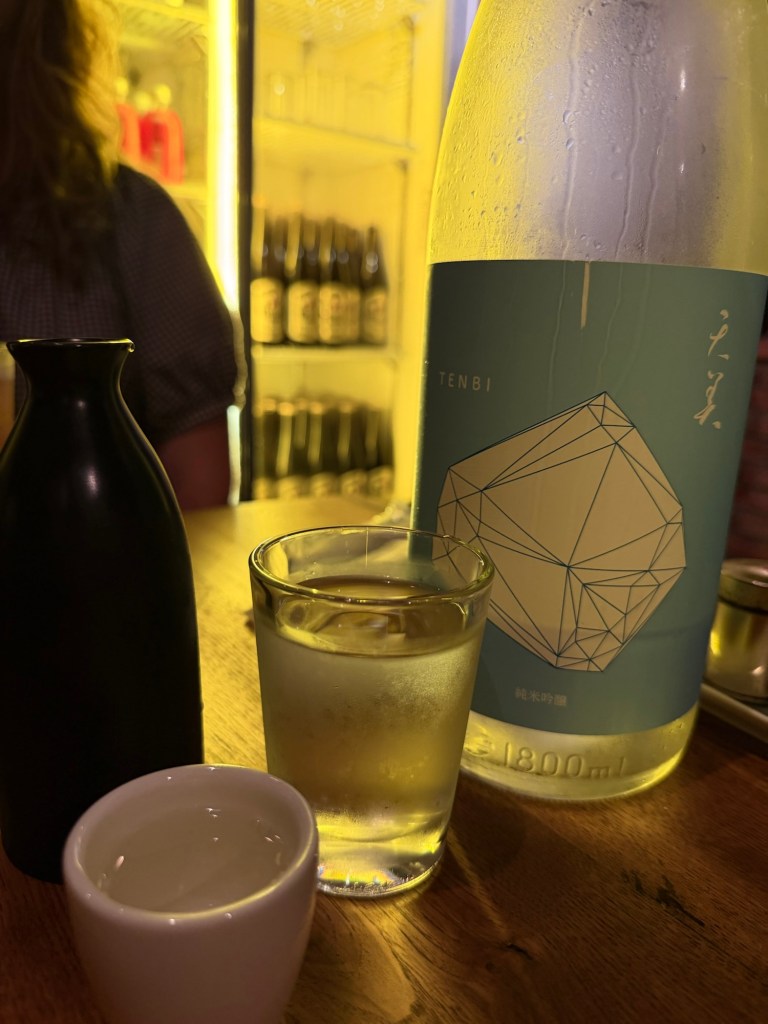
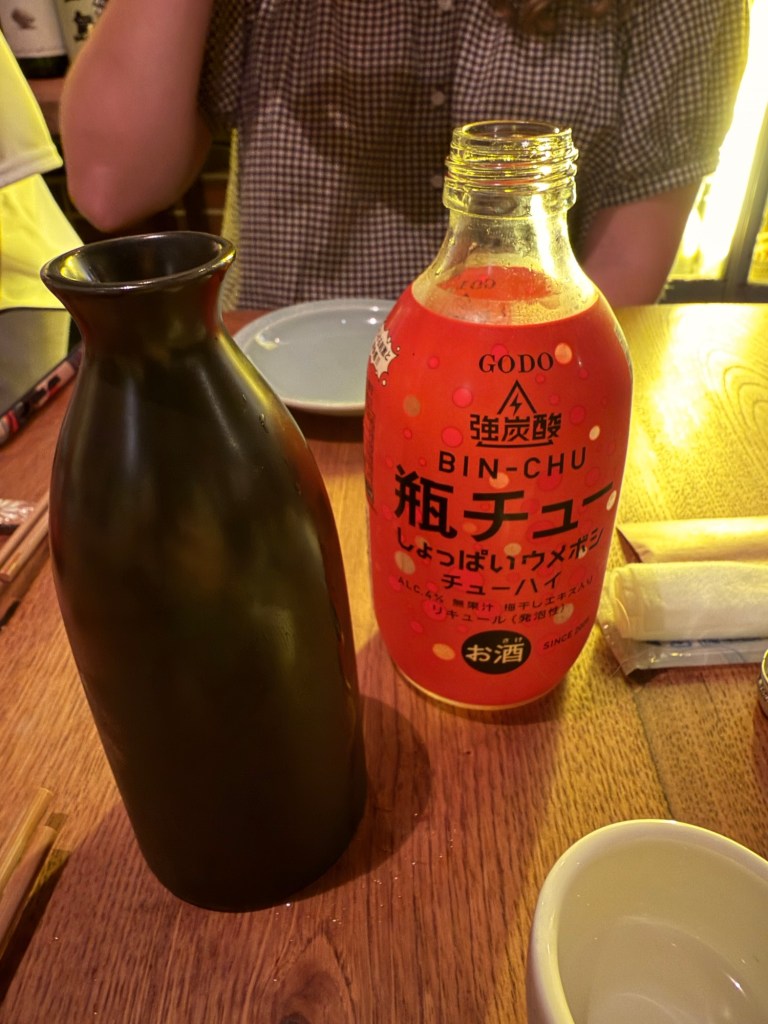
That evening we decided that dinner did not need to become another expedition. The night before we had eaten at Rokken nearby and loved it, so we decided to go back. There were still things on the menu we wanted to try, and after a day involving ten-thousand orange torii, twenty kilograms of gold leaf, four frozen vanilla ice packs, four Japanese curries, four hammered coin rings, lots of spinning vinyl, and an one unexpected lesson in international trade policy, returning somewhere simple, familiar, and a block away sounded just about perfect.
 Sabbatikos
Leave a comment